


Subtitles:
Welcome to Foot Talk Fridays!
Today we are going to talk about children, growing, and intoeing.
So when children grow, the legs grow (one leg grows then the other, then the other, etc.). The legs don’t grow at the exact same rate. It is particularly common for fast-growing children to suddenly look like one of the legs is a little bit longer than the other and they like to bend the longer one when they stand and lean on the shorter one. Sometimes when one leg becomes a little too long the pelvis can tilt slightly so one foot can start to intoe.
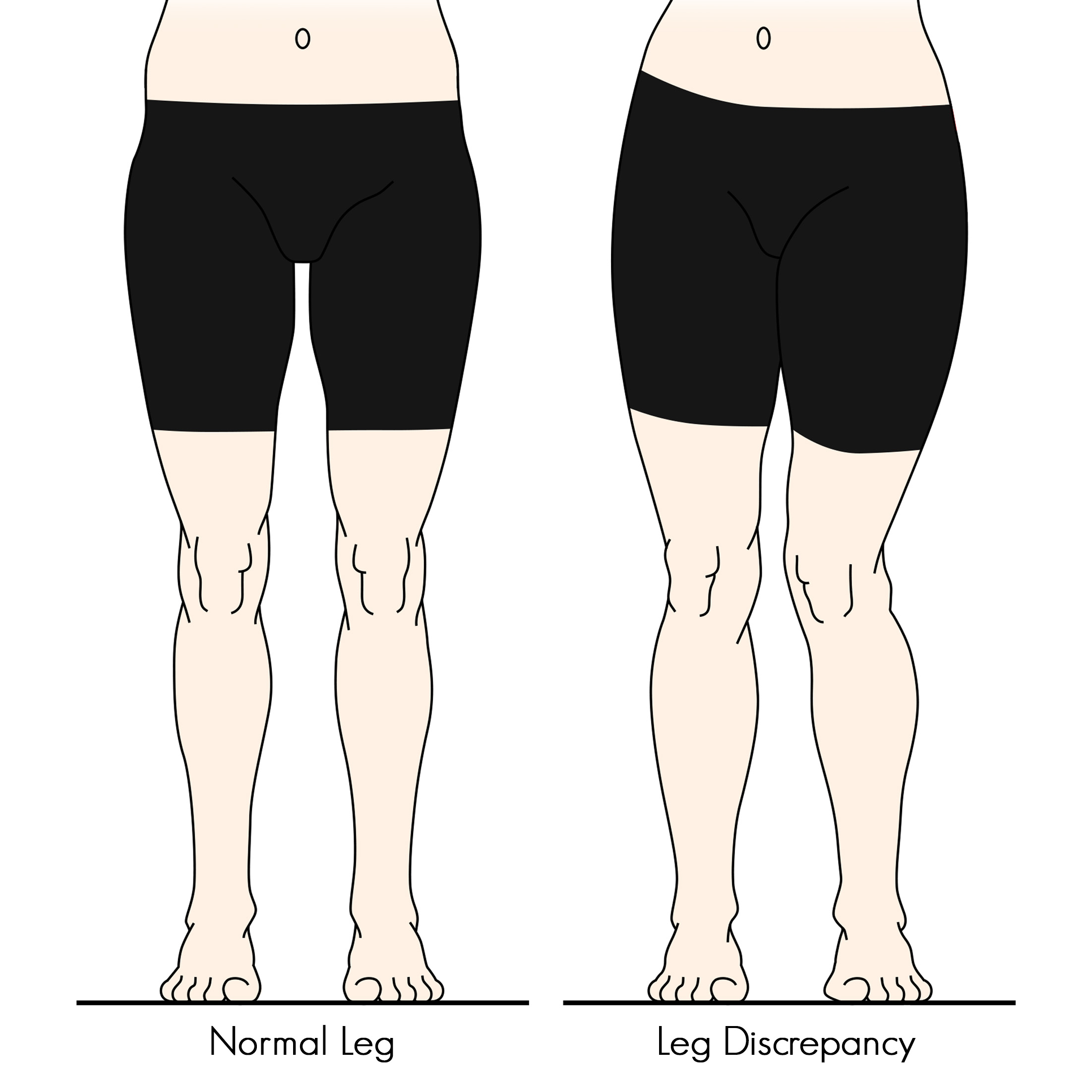
What we do for children is we normally don’t like to correct the leg length discrepancy when it is minor. When it is minor it is normal. When you have a shorter leg and the child is running it impacts the ground a bit harder and forces the muscles to work a bit more and becomes stronger. They attach to the end of the bone and that’s what makes that side of the bone catch up. So, it’s normal for children to have leg length discrepancy.
Now when it’s too much of discrepancy (one is much longer that the other) then it can actually cause spinal and bone growth problems. So, there is a time where we would then interfere with the child’s foot and leg length alignment. It depends on the range of normal and the range of abnormal.
But, if you are ever worried about a child’s leg length discrepancy always go and visit your pediatrician. They will check the leg lengths, then they might refer you to a chiropractor or they might refer you to us to check the leg lengths and the foot alignment as well.
So, we check the leg lengths when there is some intoeing only on one side. Other problems that can cause intoeing on one side is muscular imbalance but that is quite rare. Leg length is the main issue with a child where one foot intoes.
Now, intoeing with both feet is a completely different issue and has nothing to do with leg lengths. That’s more to do with the pelvic tilt or the curvature of the leg or foot. So we would just need to find out which one that is. Any child that has intoeing, particularly on one side, should have an examination by a podiatrist, pediatrician, or the orthopedic just to make sure that everything is okay.
Thank you for watching Foot Talk Fridays and I hope you have a lovely weekend!
For appointments and other queries:
Call: +971 4 3435390
WhatsApp: +971 50 355 3024
مرحبًا بكم في الحديث عن القدم يوم الجمعة!
سنتحدث اليوم عن الأطفال والنمو والدخول إلى المنزل.
لذلك عندما ينمو الأطفال، تنمو الأرجل (تنمو ساق واحدة ثم الأخرى، ثم الأخرى، وما إلى ذلك). لا تنمو الأرجل بنفس المعدل بالضبط. من الشائع بشكل خاص أن يبدو الأطفال سريعو النمو فجأة وكأن إحدى الساقين أطول قليلاً من الأخرى وأنهم يحبون ثني الأطول عندما يقفون ويتكئون على الأقصر. في بعض الأحيان، عندما تصبح ساق واحدة طويلة جدًا، يمكن أن يميل الحوض قليلاً حتى تبدأ إحدى القدمين في الدخول.
ما نفعله للأطفال هو أننا عادة لا نحب تصحيح التباين في طول الساق عندما يكون بسيطًا. عندما يكون طفيفا فمن الطبيعي. عندما تكون ساقك أقصر والطفل يركض، فإن ذلك يؤثر على الأرض بشكل أقوى قليلاً ويجبر العضلات على العمل أكثر قليلاً وتصبح أقوى. إنها تلتصق بنهاية العظم وهذا ما يجعل هذا الجانب من العظم يلحق بالركبة. لذلك، من الطبيعي أن يكون لدى الأطفال اختلاف في طول الساقين.
الآن عندما يكون هناك الكثير من التناقض (أحدهما أطول بكثير من الآخر) فإنه يمكن أن يسبب مشاكل في نمو العمود الفقري والعظام. لذلك، هناك وقت نتدخل فيه بعد ذلك في محاذاة طول قدم الطفل وساقه. ذلك يعتمد على نطاق الطبيعي ونطاق غير طبيعي.
ولكن، إذا كنت قلقًا بشأن التباين في طول ساق الطفل، فاذهب دائمًا لزيارة طبيب الأطفال الخاص بك. سوف يقومون بفحص أطوال الساق، ثم قد يحيلونك إلى معالج تقويم العظام أو قد يحيلونك إلينا للتحقق من أطوال الساق ومحاذاة القدم أيضًا.
لذا، فإننا نتحقق من أطوال الساقين عندما يكون هناك بعض الدخول على جانب واحد فقط. المشاكل الأخرى التي يمكن أن تسبب الدخول على جانب واحد هي عدم التوازن العضلي ولكن هذا نادر جدًا. طول الساق هو المشكلة الرئيسية التي يواجهها الطفل حيث تدخل إحدى قدميه.
الآن، يعد الاستحمام بكلتا القدمين مسألة مختلفة تمامًا ولا علاقة لها بطول الساقين. يتعلق الأمر أكثر بإمالة الحوض أو انحناء الساق أو القدم. لذا، كل ما علينا فعله هو معرفة أي منها. يجب أن يخضع أي طفل يتبول، خاصة من جانب واحد، لفحص من قبل طبيب الأقدام أو طبيب الأطفال أو طبيب العظام فقط للتأكد من أن كل شيء على ما يرام.
شكرًا لك على مشاهدة الحديث عن القدم يوم الجمعة وأتمنى لك عطلة نهاية أسبوع جميلة!
للمواعيد والاستفسارات الأخرى:
اتصل: ٠٤٣٤٣٥٣٩٠
واتساب:٠٥٠٣٥٥٣٠٢٤

 So, I want to show you today how to use foot bath shoes. These are about 10 dirhams from Daiso and these are absolutely fantastic. You don’t wear them like shoes, what you do is you fill them with water and then you have a little bath with your foot. The reason I like these is because they save on water and they save on medication. What I mean by that is, say you have a foot injury or you have swollen feet, or something like that and you want to soak your feet.


 Today we will be discussing
 Traditionally orthotics and insoles have been used to try and raise the arch of the foot. But now we know that in most cases the origin of the problem doesn’t come from here, it comes from the ankle so we make something exactly the shape of the foot and this is called a gyps cast, so we take a gyps cast to get the exact the shape of your foot so it should be extremely comfortable. But even if we make a fantastic insole or orthotic exactly the shape of your foot and you stand on it the foot will still lean in because the problem comes from your ankle joints. So what we have to do is we have to measure how many degrees your foot leans in.
When we measure precisely how many degrees your foot leans in we count your balance that to tilt your feet straight. When we tilt the foot straight, the ankle joint from above also become straight. The ankle joints, ligaments on the medial and lateral sites start to tighten just like you do when you get braces for the teeth.
And we measure this depending on your activity levels and what age you are and align your foot 5 degrees every time. So that’s why it’s important to come in and see us so that we can measure your arch and the position of your foot leaning in. So what we can do is we make an orthotic exactly the shape of your foot and we add a medial wedge to tilt you.
So if you’re 30 degrees were going to tilt you 30 degrees straight and then what we ask you to do is get a very firm sole shoe. It’s very important when you put an orthotic inside your shoes, the shoes is correct. If you use a very soft sole shoe, the foot might still be able to lean in because the foundation of the shoes is too soft . But in this case the shoe is perfect because the foundation the shoe is very very strong.
 So as the foot leans in and or tries to lean in, you have an arch support that tries to stop that but more importantly you have a medial wedge so your can foot cannot lean at all and to make sure that you get a true results you should have a very firm sole shoe as well that we ask you to wear and when you put inside your shoes, you remove the sponge liner that comes with your shoes because even if you put your orthotic on top of it you can lose a few degrees so we make sure that the outcome is going to be as true and successful as we can possibly get it in collaboration with our patients.


 We have ones like this, we call these
 Subtitles:
 Now another reason for this is so that you can get quite a generous sized shoe for the child to allow them to grow. If you buy your child ballerina style shoes without this Mary Jane style strap, you will have to get a tight-fitting shoe and we see so many young girls with corns and calluses on the outside of their toes because they had to get tight fitting shoes so it doesn’t slip off with their heel.