fbpx

Please wait...


BLOG

No more posts

Skiing is an exhilarating sport, and an excellent work out for your body and legs in particular and it’s essential that your holiday is not ruined by ill fitting ski boots. Comfy boots will enhance your skiing holiday, by means of making it more enjoyable.

Even though you are not going through the normal motions of the gait cycle (heel strike, to toe off) it is important that your foot and ankle are in alignment. This helps to evenly distribute areas of pressure throughout your foot.

If you have had your ski boot canted it also essential to have an orthotic inserted into your boot. Both canting and orthotics work together to keep your foot in a perfect position (and improves your performance on the slopes, making you the envy of your ski buddies!)

The principle of orthotics made for walking differs for the function skiing. Here at Dubai Podiatry Centre, we can create specific custom made orthotics made specifically for both your feet and for skiing and are fitted into your ski boots.

We are here to make sure that you enjoy the skiing season and can assist you with reaching peak performance!

Some handy tips for sweaty feet when skiing:

• Sweaty feet can dampen your experience when on the slopes; your damp socks will quickly make your feet cold.
• Washing your socks with fabric softener will cause your feet to sweat more – avoid using when washing your ski socks.
• Use a foot deodorizer. If you forget to pack it, you can use an antiperspirant to keep your feet fresh.
• Take a spare pair of socks with you to change at lunch time. Your feet may be cold, wet or sweaty and a pair of fresh socks will make all the difference!


يعد التزلج رياضة مبهجة، وتمرينًا ممتازًا لجسمك وساقيك على وجه الخصوص، ومن الضروري ألا تفسد عطلتك بسبب أحذية التزلج غير المناسبة. ستعمل الأحذية المريحة على تعزيز عطلة التزلج الخاصة بك، من خلال جعلها أكثر متعة.

على الرغم من أنك لا تقوم بالحركات الطبيعية لدورة المشي (الضرب بالكعب، حتى إصبع القدم)، فمن المهم أن تكون قدمك وكاحلك في محاذاة. وهذا يساعد على توزيع مناطق الضغط بالتساوي في جميع أنحاء قدمك.

إذا كنت قد ارتديت حذاء التزلج الخاص بك، فمن الضروري أيضًا إدخال جهاز تقويم العظام في حذائك. يعمل كل من الانحناء وتقويم العظام معًا للحفاظ على قدمك في وضع مثالي (ويحسن أدائك على المنحدرات، مما يجعلك موضع حسد رفاقك في التزلج!)

يختلف مبدأ استخدام أجهزة تقويم العظام المخصصة للمشي باختلاف وظيفة التزلج. هنا في مركز دبي لعلاج الأرجل، يمكننا إنشاء أجهزة تقويمية مخصصة لقدميك وللتزلج ويتم تركيبها في أحذية التزلج الخاصة بك.

نحن هنا للتأكد من أنك تستمتع بموسم التزلج ويمكننا مساعدتك في الوصول إلى ذروة الأداء!

بعض النصائح المفيدة للأقدام المتعرقة عند التزلج:

قد يؤدي تعرق القدمين إلى إضعاف تجربتك عندما تكون على المنحدرات. جواربك الرطبة ستجعل قدميك باردة بسرعة.

غسل جواربك بمنعم الأقمشة سوف يتسبب في تعرق قدميك بشكل أكبر – تجنب استخدامه عند غسل جوارب التزلج الخاصة بك.

استخدم مزيل الروائح الكريهة للقدم. إذا نسيت تعبئتها، يمكنك استخدام مضاد للتعرق للحفاظ على انتعاش قدميك.

خذ معك زوجًا إضافيًا من الجوارب لتبديله في وقت الغداء. قد تكون قدميك باردة أو مبللة أو متعرقة، وزوج من الجوارب الطازجة سيحدث فرقًا كبيرًا!


Written by Michelle Champlin BSc Pod., M.Ch.S., S.R., Ch., (UK) Many of us have, or will experience a blister at some point in life, whether it be due to those new shoes or during a period of activity.
Blisters, a common injury, are painful fluid filled lesions, caused by friction and shearing forces. Frictional forces, that occur on various sites of the foot, cause separation between the epidermal layers (the top layer of our skin), and this space then fills with fluid.
Blisters can be caused by: ill fitting footwear, ill fitting socks, new shoes and foot anomalies. Blisters occur frequently amongst the vigorously active and are one of the most common injuries sustained by runners.
TREATMENT: To lance or not to lance?
Small, intact and pain free blisters should be left alone, especially if they occur during activity or mid race. The overlying skin will act as a protective covering, to remove this and continue applying increase force (as in any sports) will result in greater pain.
The best solution in this case would be to Protect and Deflect. Use a donut shaped pad to deflect pressure away from the blister. Dubai Podiatry Centre also provides a specialist fleece padding which can be cut to size, which is adhesive and specifically prevents friction and blisters – we recently used it for Extreme Marathon runner John Woods whilst competing in the Marathon De Sables through the Sahara Desert, and the padding entirely prevented friction from the inevitable sand in the trainers causing extreme blistering, which has been known to occur to debilitating extremes in other competitors.
Large and painful blisters can be lanced, post activity, using a sterile needle. Firstly cleanse the skin with alcohol or betadine solution and then gently pierce a small opening at the edge of the blister. Lightly press the fluid towards the open area, allowing the blister to drain fully. Do not remove the overlying skin, the roof should always be left intact, and the area covered with a sterile protective dressing.

If sepsis (infection) or dirt gathers below the roof of the blister, then you should seek podiatric treatment immediately.
PREVENTION is the key
You can reduce the incidence of blisters simply by wearing adequate fitting footwear and socks. Socks, preferably toe socks, will act as a protective layer between your feet and shoes, thus reducing the frictional forces on the skin. Plasters and other second skin products such as Compeed will also protect from such forces. The experts at Dubai Podiatry Centre have also specifically designed a blister-prevention pack for running, walking or hiking containing everything you need to stop hot spots turning into blisters. Remember also, that new shoes should fit well from day one – the need to ‘break in’ shoes is a myth!
If you are worried about your feet in any way, or are about to head off on a long hike, expedition or training routine, it’s advisable to have a lower limb assessment – contact us on +971 4 3435390.


بثور – لربط أم لا؟

بقلم ميشيل شامبلين

يعاني الكثير منا من البثور أو سيواجهها في مرحلة ما من حياته، سواء كان ذلك بسبب تلك الأحذية الجديدة أو خلال فترة من النشاط.

البثور، وهي إصابة شائعة، هي آفات مؤلمة مملوءة بالسوائل، ناجمة عن الاحتكاك وقوى القص. تتسبب قوى الاحتكاك، التي تحدث في مواقع مختلفة من القدم، في الانفصال بين طبقات البشرة (الطبقة العليا من الجلد)، ثم تمتلئ هذه المساحة بالسوائل.

يمكن أن تحدث البثور بسبب: الأحذية غير المناسبة، والجوارب غير المناسبة، والأحذية الجديدة، وتشوهات القدم. تحدث البثور بشكل متكرر بين الأشخاص النشطين بشدة وهي واحدة من أكثر الإصابات شيوعًا التي يتعرض لها العدائين.

العلاج: للرمح أم لا للرمح؟

يجب ترك البثور الصغيرة والسليمة والخالية من الألم بمفردها، خاصة إذا ظهرت أثناء النشاط أو منتصف السباق. سيكون الجلد المغطي بمثابة غطاء وقائي، وإزالته والاستمرار في تطبيق القوة المتزايدة (كما هو الحال في أي رياضة) سيؤدي إلى ألم أكبر.

الحل الأفضل في هذه الحالة هو الحماية والانحراف. استخدم وسادة على شكل ˜دونات™ لإبعاد الضغط عن البثرة. يوفر مركز دبي لعلاج الأرجل أيضًا حشوة صوفية متخصصة يمكن قصها حسب الحجم، وهي مادة لاصقة تمنع الاحتكاك والبثور على وجه التحديد – استخدمناها مؤخرًا لعداء الماراثون المتطرف جون وودز أثناء المنافسة في ماراثون دي سابل عبر الصحراء الكبرى، و تمنع البطانة تمامًا الاحتكاك الناتج عن الرمال الحتمية في الأحذية الرياضية مما يتسبب في حدوث تقرحات شديدة، والتي من المعروف أنها تحدث إلى أقصى الحدود المنهكة في المنافسين الآخرين.

يمكن وخز البثور الكبيرة والمؤلمة بعد النشاط باستخدام إبرة معقمة. قم أولاً بتنظيف الجلد بمحلول الكحول أو البيتادين ثم قم بثقب فتحة صغيرة بلطف على حافة البثرة. اضغط برفق على السائل باتجاه المنطقة المفتوحة، مما يسمح بالتصريف الكامل للفقاعة. لا تقم بإزالة الجلد المغطي، ويجب دائمًا ترك “السقف” سليمًا، وتغطية المنطقة بضمادة واقية معقمة.

إذا تجمع الإنتان (العدوى) أو الأوساخ أسفل سطح البثرة، فيجب عليك طلب علاج القدم على الفور.

الوقاية هي المفتاح

يمكنك تقليل حدوث البثور ببساطة عن طريق ارتداء الأحذية والجوارب المناسبة. تعمل الجوارب، ويفضل جوارب أصابع القدم، كطبقة واقية بين قدميك وحذائك، مما يقلل من قوى الاحتكاك على الجلد. كما أن اللصقات وغيرها من منتجات “الجلد الثاني” مثل Compeed سوف تحمي أيضًا من هذه القوى. كما قام الخبراء في مركز دبي لعلاج الأرجل بتصميم مجموعة خاصة للوقاية من البثور للجري أو المشي أو المشي لمسافات طويلة تحتوي على كل ما تحتاجه لمنع تحول النقاط الساخنة إلى بثور. تذكر أيضًا أن الأحذية الجديدة يجب أن تكون مناسبة تمامًا منذ اليوم الأول – فالحاجة إلى “اقتحام” الأحذية هي أسطورة!

إذا كنت قلقًا بشأن قدميك بأي شكل من الأشكال، أو كنت على وشك الانطلاق في نزهة طويلة أو رحلة استكشافية أو تدريب روتيني، فمن المستحسن إجراء تقييم للطرف السفلي – اتصل بنا على ٠٤٣٤٣٥٣٩٠


What happens during a Biomechanical Assessment?
During a biomechanical assessment we examine your gait, (the way you walk). From this we determine if your gait is within normal range. An abnormal gait can give you symptomatic pain and pathologies in the lower limb (hip, knee and foot).
The reasons for an abnormal gait could include the following;
45 Leg length discrepancy (when one leg is longer than the other)
46 Alignment issues in your foot, which may have a knock on effect in the rest of your lower limb, for example your knee caps. Also alignment issues give rise to compensatory mechanisms when you walk  of which podiatrists will pick up upon.
47 Trauma to either the hip, knee, leg and foot
48 Muscular contraction  tightening of the muscles
49 Hyper-mobility  excessive movement within a joint
Also during an assessment we investigate:
21 Your general health and lifestyle
22 The type of footwear you most often wear
23 The range of motion in all your major joints within the foot and ankle
24 Muscular strength
25 The positioning of the foot and ankle when non weight bearing and weight bearing
Once we have examined all the above areas then we will devise a treatment plan to help improve your gait, based on our findings.
The only thing that we want from you is€¦
• Preferably to wear an item of clothing that will give the Podiatrist a view of the knee caps. Such as: shorts, a skirt or trousers/pants that will roll up past the knee caps.
• And of course yourself!
Contact us on 04 3435390 for a convenient appointment!


ما هو “التقييم الميكانيكي الحيوي” للطرف السفلي؟

ماذا يحدث أثناء التقييم البيوميكانيكي؟

أثناء التقييم الميكانيكي الحيوي، نقوم بفحص مشيتك (الطريقة التي تمشي بها). من هذا نحدد ما إذا كانت مشيتك ضمن النطاق الطبيعي. يمكن أن تسبب لك المشية غير الطبيعية آلامًا عرضية وأمراضًا في الطرف السفلي (الورك والركبة والقدم).

يمكن أن تشمل أسباب المشية غير الطبيعية ما يلي:

٤٥ اختلاف في طول الساق (عندما تكون إحدى الساقين أطول من الأخرى)

٤٦ مشاكل في محاذاة قدمك، والتي قد يكون لها تأثير على بقية الطرف السفلي، على سبيل المثال قبعات الركبة. كما تؤدي مشكلات المحاذاة إلى ظهور آليات “تعويضية” عند المشي – والتي سيتعرف عليها أطباء الأقدام.

٤٧ صدمة في الورك والركبة والساق والقدم

٤٨ انقباض عضلي – شد العضلات

٤٩ فرط الحركة – الحركة المفرطة داخل المفصل

أيضًا أثناء التقييم نقوم بالتحقيق في:

٢١ صحتك العامة ونمط حياتك

٢٢ نوع الأحذية التي ترتديها في أغلب الأحيان

٢٣ نطاق الحركة في جميع المفاصل الرئيسية في القدم والكاحل

٢٤ القوة العضلية

٢٥ وضعية القدم والكاحل عند عدم حمل الأثقال وتحمل الأثقال

بمجرد قيامنا بفحص جميع المجالات المذكورة أعلاه، سنقوم بوضع خطة علاجية للمساعدة في تحسين مشيتك، بناءً على النتائج التي توصلنا إليها.

الشيء الوحيد الذي نريده منك هو ¦

يفضل ارتداء قطعة من الملابس التي من شأنها أن تعطي طبيب الأقدام رؤية لأغطية الركبة. مثل: السراويل القصيرة أو التنورة أو البنطلون/السراويل التي يمكن طيها حتى تتجاوز حدود الركبة.

وبالطبع نفسك!

اتصل بنا على ٠٤٣٤٣٥٣٩٠ للحصول على موعد مناسب


What is a fungal nail infection?

Fungal toenails, or ‘Onychomycosis’, is a fungal infection of the nail plate and is a very common issue treated here at Dubai Podiatry Centre. For some, it is mostly a cosmetic concern, though poses a more serious concern for those with certain medical conditions, such as diabetes, immunosuppressive and vascular conditions.

This is a very common nail problem in the UAE partly because of:
The warm climate, posing a perfect breeding ground for the fungal spores,
The weakened/traumatized nails of the forever active and sports enthusiast
And excessive cosmetic routines (long periods of nail polish coverage and acrylic nails).

What symptoms should I look out for?
The appearance of a fungal nail can vary depending on the source and stage of infection. The early days are marked with a white discoloration that affects only the edge of the nail. Left untreated, the discoloration will spread throughout the nail and detachment of the nail from the nail bed is common. A thickened, brittle and yellow discolored nail indicates a long term fungal infection.

Signs and symptoms to look out for:

A yellow tinge to the nail may indicate superficial or early stage fungal infection. Continuing to keep the nail in an unhealthy environment (covering with nail polish for example) will allow the fungus to develop further

Sometimes separation of the nail from the nail bed and destruction of the nail edge will develop if left untreated.
A discharge from any area of nail detachment.
Painfully inflamed tissue surrounding the nail plate.
Thick, brittle and crumbling nails.

What increases the risk for fungal nail infections?

Excessive cosmetic routines  prolonged use of nail varnish and artificial nails.
Nail damage from minimal repeated trauma such as that occurring during running, football and stop star sports, squash, tennis and basketball.
Nail biting
Smoking
Warm humid climates
An untreated fungal infection of the skin (athlete؛s foot) often spreads to the nails.

What can I do to avoid, or treat, fungal toenails?

Avoid keeping nail polish on for longer than 2-3 days. Use it for a special occasion and then remove polish immediately. Show off your lovely natural nails unvarnished by keeping them trimmed and filed and moisturised with olive oil, aprcot oil or a moisturising antifungal gel such as Xerial 40. Keep hard skin at bay by using a gentle foot file in the shower daily and applying a good quality emolient to your feet, such as CCS (containing the hard skin-busting ingredient urea).Conservative treatment includes topical and/or oral antifungals prescribed by your GP.

Your Podiatrist may buff superficial fungus from the nail and thin thickened nails as well as correctively trim.

Nail procedures to fully remove the affected fungal nail by a suitably qualified professional, allowing a healthy nail to regrow.

You should seek treatment from your Podiatrist as soon as possible if you are suspicious of a possible nail infection to prevent the infection worsening.

Early intervention is best, so be vigilant and act promptly if you spot anything unusual.
If your Podiatrist diagnoses a fungal nail infection, treatment varies depending on cause and how severe the infection is.

If you are worried about your nails, give Dubai Podiatry Centre a call on 04 3435390 and our qualified, friendly Podiatrists will be very happy to advise and offer the best treatment to get your toes back into tip top shape!


Over the past couple of weeks, London has been home to over 30 (36 to be precise) sports, and is gearing up for the Paralympics.
The one thing that these differing sports have in common is: feet.
Whether on land or water, the athletic foot is under tremendous stress. An increase in activity requires an increase in muscle function and with that comes a greater demand for oxygen and rise in sweat production. All this can lead to dermatological (skin) and functional difficulties.
Athletes, whether professional, amateur or occasional jogger, can encounter a variety of foot problems from skin complaints to structural / functional issues. Bearing the weight of the entire body, the athletic foot is under tremendous stress. In many sports, the foot absorbs tremendous shearing and loading forces, sometimes reaching over 20 times the person’s body weight.
In some cases, perplexing problems can be solved with the use of medicaments, tape, felt or strategically placed padding. Others, however, often require prescribed custom made orthotics (corrective insoles) to correct and support the foot posture, or minor nail procedures where perhaps nail infection or trauma has occurred. Dubai Podiatry Centre specializes in fully custom made in-house orthotics tailored for your particular sport, whether running, cycling, tennis and so on.
Amongst the general public, foot problems can be debilitating and impact upon daily life, and are of particularly great consequence to competitive athletes whereby injuries can be career threatening.
If, like many of us, The Olympics has encouraged you to increase your fitness level and your feet are beginning to show the signs, then book an appointment with our specialist Podiatrists on 04 3435390 who will diagnose and advise on ways to treat, and more importantly, prevent, foot problems.


دورة الالعاب الاولمبية

على مدى الأسبوعين الماضيين، كانت لندن موطنًا لأكثر من ٣٠ رياضة (٣٦ على وجه الدقة)، وتستعد لدورة الألعاب البارالمبية.

الشيء الوحيد المشترك بين هذه الرياضات المختلفة هو: القدمين.

سواء على الأرض أو الماء، فإن القدم الرياضية تتعرض لضغط هائل. تتطلب زيادة النشاط زيادة في وظيفة العضلات، ويصاحب ذلك زيادة الطلب على الأكسجين وزيادة إنتاج العرق. كل هذا يمكن أن يؤدي إلى صعوبات جلدية (جلدية) ووظيفية.

يمكن للرياضيين، سواء كانوا محترفين أو هواة أو عداءين عرضيين، أن يواجهوا مجموعة متنوعة من مشاكل القدم بدءًا من شكاوى الجلد وحتى المشكلات الهيكلية / الوظيفية. مع تحمل وزن الجسم بأكمله، تتعرض القدم الرياضية لضغط هائل. في العديد من الألعاب الرياضية، تمتص القدم قوى القص والتحميل الهائلة، والتي تصل أحيانًا إلى أكثر من ٢٠ ضعف وزن جسم الشخص.

في بعض الحالات، يمكن حل المشكلات المحيرة باستخدام الأدوية أو الشريط اللاصق أو اللباد أو الحشو الموضوع بشكل استراتيجي. ومع ذلك، يحتاج البعض الآخر في كثير من الأحيان إلى تقويم العظام حسب الطلب (النعال التصحيحية) لتصحيح ودعم وضع القدم، أو إجراءات الأظافر البسيطة حيث ربما حدثت عدوى أو صدمة في الأظافر. يتخصص مركز دبي لعلاج الأرجل في أجهزة تقويم العظام المصنوعة داخليًا بالكامل والمصممة خصيصًا لرياضتك الخاصة، سواء الجري أو ركوب الدراجات أو التنس وما إلى ذلك.

بين عامة الناس، يمكن أن تكون مشاكل القدم منهكة وتؤثر على الحياة اليومية، ولها عواقب وخيمة بشكل خاص على الرياضيين التنافسيين حيث يمكن أن تهدد الإصابات حياتهم المهنية.

إذا، مثل الكثير منا، شجعتك الألعاب الأولمبية على زيادة مستوى لياقتك البدنية وبدأت علامات قدميك تظهر على قدميك، فاحجز موعدًا مع أخصائيي


Living in Dubai our feet tend to be on show a lot more than colder climates. At the weekends we wear flip flops and sandals now and then, and this can make our feet a bit dry, given the hot climate and sandy conditions.

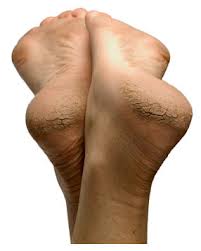
It is common to have dry skin in the heels and along the arch, from constant use of backless footwear. If left untreated, dry skin can build up and become thicker and begin to cause painful €˜cracks€™ and callous.

To manage this here are some foot tips.

• 2-3 times a week gently scrub your feet. This will exfoliate dry /dead skin away
• Apply foot cream daily, ideally after a bath or shower. Your skin will absorb the cream more readily
• Limit your use of open back shoes (sandals, flip flops)

There are many foot creams available designed to keep your feet supple and soft. Here at Dubai Podiatry Centre we use foot creams with synthetic urea to treat dry/hard skin. Based on the individual client we can recommend the appropriate strength of the urea content in our foot creams, to suit your needs. We can also remove any existing hard skin build up to allow you to maintain your lovely soft skin at home with a foot file and appropriate cream.

Contact us  for a friendly, informative consultation.
Call: + 971  4 3435390
WhatsApp: + 971  50 355 3024
info@dubaipodiatry.com
To book online: Click here


ريمات البشرة الصلبة والقدمين

عندما نعيش في دبي، تميل أقدامنا إلى الظهور أكثر بكثير من المناخات الباردة. في عطلات نهاية الأسبوع نرتدي الصنادل والصنادل بين الحين والآخر، وهذا يمكن أن يجعل أقدامنا جافة قليلاً، نظراً للمناخ الحار والظروف الرملية.

من الشائع أن يكون هناك جفاف في الجلد في الكعبين وعلى طول القوس، نتيجة الاستخدام المستمر للأحذية بدون ظهر. إذا تركت دون علاج، يمكن أن يتراكم الجلد الجاف ويصبح أكثر سمكًا ويبدأ في التسبب في “تشققات” مؤلمة وقاسية.

لإدارة هذا هنا بعض النصائح القدم.

• ٢-٣ مرات في الأسبوع قومي بفرك قدميك بلطف. سيؤدي ذلك إلى تقشير الجلد الجاف/الميت

• ضعي كريم القدمين يوميًا، ومن الأفضل بعد الاستحمام. سوف تمتص بشرتك الكريم بسهولة أكبر

• الحد من استخدام الأحذية ذات الظهر المفتوح (الصنادل والنعال)

هناك العديد من كريمات القدم المتاحة المصممة للحفاظ على قدميك ناعمة وطرية. هنا في مركز دبي لعلاج الأرجل نستخدم كريمات القدم التي تحتوي على اليوريا الاصطناعية لعلاج الجلد الجاف/الصلب. بناءً على العميل الفردي، يمكننا أن نوصي بالقوة المناسبة لمحتوى اليوريا في كريمات القدم لدينا، لتناسب احتياجاتك. يمكننا أيضًا إزالة أي تراكمات جلدية صلبة موجودة للسماح لك بالحفاظ على بشرتك الناعمة الجميلة في المنزل باستخدام مبرد القدم والكريم المناسب.

اتصل بنا للحصول على استشارة ودية وغنية بالمعلومات.

اتصل: ٠٤٣٤٣٥٣٩٠

واتساب: ٠٥٠٣٥٥٣٠٢٤

info@dubaipodiatry.com

للحجز عبر الإنترنت: اضغط هنا


We’ve all heard of the Achilles Tendon but what is it and what does it do?
The Achilles tendon is one of the strongest tendons in the body. Attaching the calf muscle to the foot, the Achilles tendon plays a vital role in walking, running, jumping. As such an active tendon, it is also at more risk of potential injury.
Injury can range from small tears, from which inflammation (or tendonitis) can stem, to more serious rupture
Symptoms are usually local – affected tendon usually swells to 2-3 times its normal size, the surrounding soft tissue will swell and there will be pain during movement.
What can cause injury to my Achilles Tendon?
The wrong type of footwear, irritation from the shoe against the heel, tight calf muscles, a short Achilles tendon, biomechanical misalignment, strain from overuse such as when playing sports and side effects from certain medications can all lead to injury of the Achilles.
How can a Podiatrist help me?
A full biomechanical assessment of the lower limb will identify any underlying issues and identify how best to treat the cause. We compare and evaluate both Achilles Tendons and legs, looking for signs such as inflammation, thickness of the tendon, nodules and any abnormalities of the bones. We will also test range of motion in your joints.
There are a number of treatments that may be required in managing injury to the Achilles, from prescribed custom orthotics (to align and control foot function), stretching advice and regime and footwear advice. We specialise in children’s feet and sporting/athletic injuries, some of the groups of patients we commonly see Achilles issues with.
If you are experiencing any foot/ankle pain, don’t suffer in silence – book in for an assessment with us on 04 3435390.

ألم في الجزء الخلفي من كعبك

لقد سمعنا جميعًا عن وتر العرقوب – ولكن ما هو وماذا يفعل؟

يعتبر وتر العرقوب من أقوى الأوتار في الجسم. يلعب وتر العرقوب، الذي يربط عضلة الساق بالقدم، دورًا حيويًا في المشي والجري والقفز. نظرًا لأنه وتر نشط، فهو أيضًا أكثر عرضة لخطر الإصابة المحتملة.

يمكن أن تتراوح الإصابة من التمزقات الصغيرة التي يمكن أن ينشأ منها الالتهاب (أو “التهاب الأوتار”) إلى التمزق الأكثر خطورة

عادة ما تكون الأعراض موضعية، حيث يتضخم الوتر المصاب عادة إلى ٢-٣ أضعاف حجمه الطبيعي، وسوف تنتفخ الأنسجة الرخوة المحيطة وسيكون هناك ألم أثناء الحركة.

ما الذي يمكن أن يسبب إصابة وتر العرقوب؟

النوع الخاطئ من الأحذية، والتهيج الناتج عن الحذاء ضد الكعب، وشد عضلات الساق، ووتر العرقوب القصير، واختلال الميكانيكا الحيوية، والإجهاد الناتج عن الإفراط في الاستخدام كما هو الحال عند ممارسة الرياضة والآثار الجانبية لبعض الأدوية يمكن أن تؤدي جميعها إلى إصابة وتر العرقوب.

كيف يمكن لطبيب الأقدام مساعدتي؟

سيحدد التقييم الميكانيكي الحيوي الكامل للطرف السفلي أي مشكلات أساسية ويحدد أفضل السبل لعلاج السبب. نقوم بمقارنة وتقييم كل من أوتار العرقوب والساقين، بحثًا عن علامات مثل الالتهاب وسمك الوتر والعقيدات وأي تشوهات في العظام. سنقوم أيضًا باختبار نطاق الحركة في مفاصلك.

هناك عدد من العلاجات التي قد تكون مطلوبة لإدارة إصابة وتر العرقوب، بدءًا من أجهزة تقويم العظام المخصصة الموصوفة (لمحاذاة وظيفة القدم والتحكم فيها)، ونصائح التمدد ونصائح النظام الغذائي والأحذية. نحن متخصصون في علاج أقدام الأطفال والإصابات الرياضية/الرياضية، وبعض مجموعات المرضى الذين نواجه عادةً مشكلات في وتر العرقوب معهم.

إذا كنت تعاني من أي ألم في القدم/الكاحل، فلا تعاني في صمت – احجز معنا لإجراء تقييم على الرقم

٠٤٣٤٣٥٣٩٠


Foot pain arising around the same time as an increase in weight, or body mass index(BMI), may be of no coincidence. As the foot is designed to absorb the shock from the ground when you are walking and running, it will be under pressure to do this effectively due to the excess weight.
Excess weight will resultin extra strain around the foot and ankle and may cause tendon damage and laxity. This cancommonly lead to wear and tear of the joints in the lower limb, such as the hip, knee and foot and ankle. This condition is called osteoarthritis, which is a painful condition resulting in a loss of articulation cartilage, required for joint motion.
Plantar fasciitis is a painful condition affecting the heel and/or arch of the foot. The plantar fascia is a connective sheath holding the forefoot to the rear foot and supports the arch. When extra weight is applied, it places the plantar fascia under strain, resulting in micro tears along it. Orthotics support the foot and ankle alignment which will in turn maintain the arch and plantar fascia structure, reducing pain.
Simple tasks such as finding shoes can also be a problem. Feet become wider withobesity;therefore sandals with adjustable straps and flip flops are often the shoe of choice. These shoes are unsupportive and can even lead to other foot pathologies such as arch pain, heel pain, clawing of the lesser toes and dry cracked heels.
Children’s feet are still growing and developing. When children become overweight, a child with a high BMI can affect the growing feet by altering the developing foot shape due to the increased stresses on the developing bones and cause issues such as a lowered arch.
See your GP with regards to reducing weight in a safe and controlled manner.
Seek to be more active on a daily basis  take the stairs instead of the elevator, park farther away in the Mall and so on. Purchase a pedometer so that you can see and measure your ongoing increasing activity levels (recommended daily steps per day is 10,000).
Make an appointment with us on 04 3435390 if you are worried about your feet  we make fully custom corrective orthotics for example to correct and support foot function and will be delighted to offer expert advice, assistance and support for improving your foot and leg health.


القدمين وزيادة مؤشر كتلة الجسم

آلام القدم التي تنشأ في نفس الوقت تقريبًا مع زيادة الوزن، أو “مؤشر كتلة الجسم” (BMI)، قد لا تكون من قبيل الصدفة. بما أن القدم مصممة لامتصاص الصدمات من الأرض أثناء المشي والجري، فإنها ستتعرض للضغط للقيام بذلك بشكل فعال بسبب الوزن الزائد.

سيؤدي الوزن الزائد إلى إجهاد إضافي حول القدم والكاحل وقد يتسبب في تلف الأوتار وتراخيها. وهذا يمكن أن يؤدي عادة إلى تآكل وتمزق المفاصل في الطرف السفلي، مثل الورك والركبة والقدم والكاحل. تسمى هذه الحالة بالتهاب المفاصل العظمي، وهي حالة مؤلمة تؤدي إلى فقدان الغضروف المفصلي اللازم لحركة المفصل.

التهاب اللفافة الأخمصية هو حالة مؤلمة تؤثر على كعب و/أو قوس القدم. اللفافة الأخمصية عبارة عن غمد ضام يربط مقدمة القدم بالقدم الخلفية ويدعم القوس. عندما يتم تطبيق وزن إضافي، فإنه يضع اللفافة الأخمصية تحت الضغط، مما يؤدي إلى تمزقات دقيقة على طولها. تدعم أجهزة تقويم العظام محاذاة القدم والكاحل والتي بدورها تحافظ على بنية القوس واللفافة الأخمصية، مما يقلل الألم.

يمكن أن تمثل المهام البسيطة مثل العثور على الأحذية مشكلة أيضًا. تصبح الأقدام أكثر اتساعًا مع السمنة، لذلك غالبًا ما تكون الصنادل ذات الأشرطة القابلة للتعديل والنعال هي الحذاء المفضل. هذه الأحذية غير داعمة ويمكن أن تؤدي إلى أمراض أخرى في القدم مثل ألم قوس القدم وألم الكعب وتخالب أصابع القدم الصغيرة وجفاف الكعب المتشقق.

لا تزال أقدام الأطفال تنمو وتتطور. عندما يعاني الأطفال من زيادة الوزن، يمكن أن يؤثر الطفل ذو مؤشر كتلة الجسم المرتفع على نمو القدم عن طريق تغيير شكل القدم النامية بسبب الضغط المتزايد على العظام النامية ويسبب مشاكل مثل انخفاض القوس.

راجع طبيبك العمومي فيما يتعلق بإنقاص الوزن بطريقة آمنة وخاضعة للرقابة.

احرص على أن تكون أكثر نشاطًا على أساس يومي – “اصعد السلالم بدلاً من المصعد، أو أوقف سيارتك في مكان بعيد في المركز التجاري، وما إلى ذلك. قم بشراء عداد الخطى حتى تتمكن من رؤية وقياس مستويات نشاطك المتزايد المستمر (الخطوات اليومية الموصى بها هي ١٠٠٠٠ خطوة).

حدد موعدًا معنا على الرقم ٠٤٣٤٣٥٣٩٠ إذا كنت قلقًا بشأن قدميك – “نحن نصنع أجهزة تقويمية تصحيحية مخصصة بالكامل على سبيل المثال لتصحيح ودعم وظيفة القدم وسنكون سعداء بتقديم مشورة الخبراء والمساعدة والدعم لتحسين صحة القدم والساق. .


Winter has finally returned to Dubai, and with it all things sport. There are numerous runs and races planned from now through to Spring 2013, ranging from 5ks, 10ks to triathlons. With Dubai half marathon and marathon fast approaching it is not surprising that we have seen the number of shin complaints increase over the past few weeks.
Exercise induced pain at the front or inner section of the shin bone (tibia) is commonly labelled Shin splints. It is however, an umbrella term.
Shin splints are often caused by an underlying biomechanical malalignment resulting in stretching, irritation and damage of the muscle and tendons along the tibia.
Pain deep within the tibia is associated with true shin splints, involving a specific muscle and its attachment to the tibia bone. Pain on the outer tibia is however often indicative of other conditions, such as compartment syndrome, rather than shin splints. Pain in the shins is not necessarily shin splints and a full biomechanical examination should be sought in order to identify the underlying condition and treat appropriately.
Biomechanical anomalies lead to compensatory increased muscle function, whether it؛s contraction or stretching: the end result is irritation at the muscular insertion to the bone.
The most common foot problem associated with shin splints is compensatory overpronation (rolling in of the foot).
So how can your Podiatrist help? Corrective custom prescription orthotics will address any underlying biomechanical abnormalities and thus reduce excess traction of the muscles at the front and back of the leg, resultantly reducing pain. Stretching, addressing inflammation and physiotherapy may also be required.
If you are experiencing any pain, or have any concerns involving the shins, then book in for a biomechanical assessment with us on 04 3435390. Bring your running shoes with you as well for us to examine and advise on, and your shorts which will allow us to examine your legs.


لقد عاد الشتاء أخيراً إلى دبي، ومعه كل ما يتعلق بالرياضة. هناك العديد من الجولات والسباقات المخطط لها من الآن وحتى ربيع ٢٠١٣، والتي تتراوح من 5 كيلومترات و١٠ كيلومترات إلى سباقات الترياتلون. مع اقتراب نصف ماراثون دبي والماراثون بسرعة، ليس من المستغرب أن نشهد زيادة في عدد شكاوى قصبة الساق خلال الأسابيع القليلة الماضية.

يُطلق على الألم الناتج عن ممارسة التمارين الرياضية في الجزء الأمامي أو الداخلي من عظم الساق (الظنبوب) اسم جبائر قصبة الساق. ومع ذلك، فهو مصطلح شامل.

غالبًا ما تنتج جبائر قصبة الساق عن خلل ميكانيكي حيوي أساسي يؤدي إلى تمدد وتهيج وتلف العضلات والأوتار على طول الساق.

يرتبط الألم العميق داخل عظمة الساق بجبائر قصبة الساق الحقيقية، والتي تتضمن عضلة معينة وارتباطها بعظمة الساق. ومع ذلك، فإن الألم الموجود في عظم الساق الخارجي غالبًا ما يشير إلى حالات أخرى، مثل “متلازمة المقصورة” بدلاً من جبائر قصبة الساق. الألم في السيقان ليس بالضرورة جبائر قصبة ويجب إجراء فحص ميكانيكي حيوي كامل من أجل تحديد الحالة الأساسية وعلاجها بشكل مناسب.

تؤدي التشوهات الميكانيكية الحيوية إلى زيادة وظيفة العضلات التعويضية، سواء كانت تقلصًا أو تمددًا: والنتيجة النهائية هي التهيج عند إدخال العضلات إلى العظم.

مشكلة القدم الأكثر شيوعًا المرتبطة بجبائر قصبة الساق هي الكبح التعويضي (تدحرج القدم).

إذًا كيف يمكن أن يساعدك طبيب الأقدام؟ سوف تعالج أجهزة تقويم العظام الموصوفة طبيًا أي تشوهات ميكانيكية حيوية كامنة وبالتالي تقلل من الجر الزائد للعضلات في الجزء الأمامي والخلفي من الساق، مما يؤدي بالتالي إلى تقليل الألم. قد تكون هناك حاجة أيضًا إلى تمارين التمدد ومعالجة الالتهابات والعلاج الطبيعي.

إذا كنت تعاني من أي ألم، أو كانت لديك أي مخاوف تتعلق بالساقين، فاحجز معنا لإجراء تقييم ميكانيكي حيوي على الرقم ٠٤٣٤٣٥٣٩٠. أحضر معك أيضًا حذاء الجري الخاص بك لنقوم بفحصه وتقديم المشورة بشأنه، بالإضافة إلى السراويل القصيرة التي ستسمح لك بذلك. لنا لفحص ساقيك.


There is a huge array of running shoes with unique features dedicated to the needs of various running ‘mechanics’, and as most runners will know, finding the right running shoe may involve some trial and error.
Categories of running shoes:
Many running brands now offer shoes that address varying lower limb and foot biomechanical alignments. The common options are often:
1. Motion control shoe
2. Stability shoe
3. Neutral/cushioned shoe.
Functionally, these will change the alignment and direction of force through your foot, thus it is important that you are assessed by a qualified/trained shoe fitter before purchasing such styles, or seek advice from your Podiatrist. An incorrect shoe type to foot type may cause injury.

General Factors to consider:
Length: Always fit the shoe to the longer foot, keeping a thumbs width of spacing between the longest toe and the end of the shoe.
Width and depth: at the toe box are just as important as the length. Happily, there are various specialised running brands that offer narrow, medium and wide widths in their shoe range. All three of these factors will allow for the forward progression and swelling of the foot that naturally occurs during running.
Flexibility at the toes: An essential factor required for adequate transition into propulsion/push off. The metatarsophalangeal joints (large joints of your toes €“ where your toes and the ball of your foot meet) should always be in line with the flexible part of the shoes toe box. The flexion and extension of the toes will be affected if the joints lie either in front or behind and not in line with the flexible section.
Retaining medium: Your shoe should always hold your foot securely in place, providing stability and adequate support. The heel should be held firmly at the back of the shoe, heel slip will not only lead to blister formation but can be detrimental to the biomechanical functioning of the lower limbs. Lace, straps and tight upper materials are the common retaining mediums in running footwear.
Material: A running shoe should always be breathable, regardless of foot type, body mass and competitive level etc. Soft leather and flexible man made materials not only allow your foot to breath but also have enough elasticity in them to accommodate your foot shape.
Comfort: Not and objective factor, but an important factor none the less. Studies have highlighted comfort in injury frequency. If the running shoe is uncomfortable then its is highly likely that it will lead to an altered gait, thus increasing abnormal force through areas of the lower limbs and inevitably resulting in injury of some form or another. Comfort is subjective, differing between us all, which is why the shoe that works for other runners may not be the preferred one for you.
Time to renew your running shoes?
Inspect the sole of your shoe regularly, to determine when you should replace your shoes. The mid sole will wear before any other area, this area provides cushioning and stability and is therefore a vital component. Mid sole wear and tear is not easy to assess; horizontal lines will appear but subtle and difficult to observe. Do not wait until the bottom of the shoe shows major signs of wear, before replacing them. The development of shin splints, knee pain and a general increase in muscle fatigue are all signs of wear €“ the shoes may no longer have adequate cushioning.
It is generally advised that you replace your running shoes every 300-400 miles / 480-640km, depending on individual factors such as body weight, training regime, competitive level etc. Those with a lower BMI will not have to replace their trainers as often as the heavier runner, and outdoor /road runners will require new shoes sooner than indoor/treadmill runners.
Body mass, training regime, age, competitive level and a history of injury will all have an effect on what is €œthe best shoe€ for you. If you are having difficulty or have any questions regarding your running shoes then book in for an appointment. Our Podiatrists are experienced in sports podiatry and injuries and their prevention, specialist footwear advice and biomechanical assessment for your particular sporting profile and needs. Contact us on 04 3435390 for advice/assessment (and bring your running shoes!)


هناك مجموعة كبيرة من أحذية الجري ذات الميزات الفريدة المخصصة لاحتياجات “ميكانيكا” الجري المختلفة، وكما يعلم معظم العدائين، فإن العثور على حذاء الجري المناسب قد ينطوي على بعض التجربة والخطأ.

فئات الاحذية:

تقدم العديد من العلامات التجارية الجارية الآن أحذية تعالج المحاذاة الميكانيكية الحيوية المتنوعة للأطراف السفلية والقدم. الخيارات الشائعة غالبًا ما تكون:

١. حذاء التحكم في الحركة

٢. حذاء الثبات

٣. حذاء محايد/مبطن.

من الناحية الوظيفية، ستؤدي هذه التغييرات إلى تغيير محاذاة واتجاه القوة من خلال قدمك، وبالتالي من المهم أن يتم تقييمك من قبل متخصص أحذية مؤهل/مدرب قبل شراء مثل هذه الأنماط، أو طلب المشورة من طبيب الأقدام الخاص بك. قد يتسبب نوع الحذاء غير المناسب لنوع القدم في حدوث إصابة.

العوامل العامة التي يجب مراعاتها:

الطول: قم دائمًا بتركيب الحذاء على القدم الأطول، مع الحفاظ على مسافة عرض الإبهام بين أطول إصبع قدم ونهاية الحذاء.

العرض والعمق: عند منطقة أصابع القدم لا تقل أهمية عن الطول. لحسن الحظ، هناك العديد من العلامات التجارية المتخصصة في مجال الجري التي تقدم عروضًا ضيقة ومتوسطة وواسعة في مجموعة أحذيتها. كل هذه العوامل الثلاثة ستسمح بالتقدم للأمام وتورم القدم الذي يحدث بشكل طبيعي أثناء الجري.

المرونة عند أصابع القدم: عامل أساسي مطلوب للانتقال المناسب إلى الدفع/الدفع. يجب أن تكون المفاصل المشطية السلامية (المفاصل الكبيرة لأصابع قدميك – حيث تلتقي أصابع قدميك ومقدمة قدمك) دائمًا متماشية مع الجزء المرن من صندوق أصابع الحذاء. سوف يتأثر ثني وتمديد أصابع القدم إذا كانت المفاصل إما في الأمام أو الخلف ولا تتماشى مع القسم المرن.

وسيلة الاحتفاظ: يجب أن يثبت حذائك قدمك دائمًا بشكل آمن في مكانها، مما يوفر الثبات والدعم الكافي. يجب تثبيت الكعب بقوة في الجزء الخلفي من الحذاء، ولن يؤدي انزلاق الكعب إلى تكوين نفطة فحسب، بل يمكن أن يضر بالوظيفة الميكانيكية الحيوية للأطراف السفلية. يعد الدانتيل والأشرطة والمواد العلوية الضيقة من وسائل التثبيت الشائعة في أحذية الجري.

المواد: يجب أن يكون حذاء الجري قابلاً للتنفس دائمًا، بغض النظر عن نوع القدم وكتلة الجسم والمستوى التنافسي وما إلى ذلك. الجلد الناعم والمواد المرنة المصنوعة يدويًا لا تسمح لقدمك بالتنفس فحسب، بل تحتوي أيضًا على مرونة كافية لاستيعاب شكل قدمك.

الراحة: ليست عاملاً موضوعيًا، ولكنها عامل مهم على الرغم من ذلك. وقد سلطت الدراسات الضوء على الراحة في تكرار الإصابة. إذا كان حذاء الجري غير مريح، فمن المحتمل جدًا أن يؤدي إلى تغيير في المشية، وبالتالي زيادة القوة غير الطبيعية عبر مناطق الأطراف السفلية ويؤدي حتماً إلى إصابة بشكل أو بآخر. الراحة أمر شخصي، وتختلف بيننا جميعًا، ولهذا السبب قد لا يكون الحذاء الذي يناسب العدائين الآخرين هو الحذاء المفضل بالنسبة لك.

هل حان الوقت لتجديد حذاء الجري الخاص بك؟

افحص نعل حذائك بانتظام لتحديد متى يجب عليك استبدال حذائك. سيتم ارتداء النعل الأوسط قبل أي منطقة أخرى، فهذه المنطقة توفر التوسيد والثبات وبالتالي فهي مكون حيوي. ليس من السهل تقييم مدى تآكل النعل الأوسط؛ ستظهر الخطوط الأفقية ولكنها دقيقة ويصعب ملاحظتها. لا تنتظر حتى يظهر الجزء السفلي من الحذاء علامات التآكل الرئيسية، قبل استبداله. إن تطور جبائر قصبة الساق وألم الركبة وزيادة عامة في إجهاد العضلات كلها علامات على التآكل – “قد لا تحتوي الأحذية على بطانة كافية بعد الآن.

يُنصح عمومًا باستبدال حذاء الجري الخاص بك كل ٣٠٠-٤٠٠ ميل / ٤٨٠-٦٤٠ كم، اعتمادًا على العوامل الفردية مثل وزن الجسم ونظام التدريب والمستوى التنافسي وما إلى ذلك. لن يضطر أولئك الذين لديهم مؤشر كتلة الجسم أقل إلى استبدال مدربيهم في كثير من الأحيان نظرًا لأن العداء الأثقل، وسيحتاج عدائي الأماكن الخارجية/الطرق إلى أحذية جديدة في وقت أقرب من عدائي الأماكن المغلقة/المشايات.

كتلة الجسم ونظام التدريب والعمر والمستوى التنافسي وتاريخ الإصابة كلها عوامل تؤثر على “أفضل حذاء” بالنسبة لك. إذا كنت تواجه صعوبة أو لديك أي أسئلة بخصوص حذاء الجري الخاص بك، فاحجز موعدًا. يتمتع أطباء الأقدام لدينا بالخبرة في علاج الأرجل والإصابات الرياضية والوقاية منها، ويقدمون النصائح المتخصصة في مجال الأحذية والتقييم الميكانيكي الحيوي لملفك واحتياجاتك الرياضية الخاصة. اتصل بنا على ٠٤٣٤٣٥٣٩٠ للحصول على المشورة/التقييم (وأحضر معك حذاء الجري الخاص بك


Copyright Dubai Podiatry 2026. All rights reserved.

WhatsApp us