fbpx

Please wait...


BLOG

No more posts

There are two distinct types of ‘pes planus’ – the medical name for flat feet. Either rigid or flexible, with flexible being the most common.
Both types appear ‘flat’ when standing, with no or little sign of a medial long arch in the feet. But when lying down with no weight on the feet, or when tip-toeing, an arch does reappear with flexible flat feet. An arch can be formed in this case with the right custom corrective orthotic treatment.
It is completely normal for babies and toddlers to have flat feet, because their bones are still forming, muscles toning and fatty padding covers their feet. As they grow and start to walk, an arch usually starts to form as they toddle, with arches taken shape between 4-6 years old. This is why we recommend that parents bring their children to a Podiatrist for a foot screening as they start school. This is the perfect age to detect any issues, especially with arch formation and to correct it if required. Corrective orthotics can be easily worn within their school and sports shoes and early intervention will reduce the likelihood if longer term issues in adulthood such as osteoarthritis.
It is common for one foot to have less of an arch than the other.

Pes Planus, or ‘flat feet’ can be congenital or develop later in life
The arch of the foot is an extremely important structure that enables our feet, ankles, legs and hips to function efficiently. Think of your foot as a bridge, with the arch being the springy bridge that connects the front and back of your foot.
Signs of Pes Planus
Patients attend the specialist foot clinic, Dubai Podiatry Centre, on Sheikh Zayed Road if they have noticed themselves that they have feet that look ‘flat’, or are worried about their children appearing to have flat feet. Sometimes, there is pain also, generally where the arch should be.
What Causes Pes Planus?
Flat feet can be caused by a variety of reasons.
In children, it is quite normal for babies and toddlers to have flat, chubby feet. As they walk and grow, an arch should spontaneously form normally by the time they are around 4-5 years old. This is the perfect time to have their feet checked for any issues by the Podiatrists at Dubai Podiatry Centre, who also carry out annual school screenings.
If an arch hasn’t formed, this may be due to:
• Loose ligaments in the foot not holding the bones in correct alignment (genetic)
• Neurological (e.g. polio, cerebral palsy)
• Bony developmental issues, such as tarsal coalition
Pes Planus is very common, with a least 20-30% of people having it. Most have ‘flexible’ flat feet and no pain. However, a significant number do experience pain, not just in the feet but to the ankle joints, knees, hips and lower back experiencing abnormal stress loads.
If the arch has started to fall during adulthood, it is called ‘acquired’ flat foot (as opposed to genetic, or something they inherited from one or both parents).
Acquired flat feet can be caused by:
• Tibialis posterior tendon dysfunction
• Tear of the spring ligament
• Tibilais anterior rupture
• Neuropathy caused by diabetes, polio or other illness
• Wear and tear to the foot and ankle joints, caused by arthritis, sprains or fractures
Contributory factors:
• Unsupportive footwear (flip flops, ballet flats encourage the foot to over-pronate to hold the footwear on)
• High heels – limiting toe movement
• Tight Achilles tendons / calf muscles
• Bony abnormalities e.g. ankle equinus
• Congenital ligament laxity e.g. Down’s Syndrome, Marfan’s Syndrome
• Muscle imbalances causing over-pronation e.g. hip abductor weakness, Genu Valgum
• Hereditary – “It is extremely common for me to see a child patient with flat feet, and either mum or dad also has the same issue,” says Mrs Champlin
• Hyper or over-pronation of the sub-talar joint.
• During pregnancy due to the release of hormones causing ligament laxity
• Increased bodyweight
• Foot or ankle trauma such as sprain or fracture
Pes Planus Symptoms
Many flat feet do not cause pain. We usually recommend treating flat feet if it is new, getting worse, causing pain or linked to another complaint (such as hallux valgus). You should see your Podiatrist if you (or your child) experience the following:
• Foot, ankle, knee or hip pain
• Tiring easily when walking or running
• Clumsy gait / tripping
Your Podiatrist will be assessing whether the pes planus is bilateral (both feet) or in one foot, worse in one foot than the other, has been present since childhood or recently started, if there is any pain in the feet, legs, hips or back, family history and any associated illness or factors such as diabetes.
Your Podiatrist will carry out an extensive biomechanical lower limb assessment, which will identify any associated issues with heel cord tightening, tight calf muscles, and range of other associated foot problems that can be caused or worsened by pes planus. These include:
• Hallux valgus (bunions) caused by flat feet putting too much pressure through the big toe joint when weight bearing
• Metatarsal stress fractures – same reason as above
• Plantar fasciitis – due to too much strain on the plantar fascia connecting the heel bone to the forefoot
• Tibilais posterior dysfunction.
Now we know more about flat feet – why you might be born with it or develop it later in life. Read on now for how to correct it.


بيس بلانوس- – ما الذي يسبب الأقدام المسطحة؟

هناك نوعان متميزان من “القدم المسطحة” – الاسم الطبي للأقدام المسطحة. إما جامدة أو مرنة، والمرونة هي الأكثر شيوعًا

يبدو كلا النوعين “مسطحين” عند الوقوف، مع عدم وجود علامة تذكر على وجود قوس طويل وسطي في القدمين. ولكن عند الاستلقاء دون أي وزن على القدمين، أو عند المشي على أطراف الأصابع، يظهر القوس مرة أخرى مع الأقدام المسطحة المرنة. يمكن تشكيل القوس في هذه الحالة باستخدام العلاج التقويمي التصحيحي المناسب.

من الطبيعي تمامًا أن يكون لدى الرضع والأطفال الصغار أقدام مسطحة، لأن عظامهم لا تزال في طور التشكل، وتنغيم العضلات والحشوة الدهنية تغطي أقدامهم. عندما يكبرون ويبدأون في المشي، عادة ما يبدأ القوس في التشكل أثناء صغرهم، حيث تتشكل الأقواس بين عمر 4-6 سنوات. ولهذا السبب نوصي الآباء بإحضار أطفالهم إلى طبيب الأقدام لإجراء فحص القدم عند بدء المدرسة. هذا هو العمر المثالي لاكتشاف أي مشاكل، خاصة فيما يتعلق بتكوين القوس وتصحيحها إذا لزم الأمر. يمكن ارتداء أجهزة تقويم العظام التصحيحية بسهولة داخل المدرسة والأحذية الرياضية، كما أن التدخل المبكر سيقلل من احتمال حدوث مشكلات طويلة المدى في مرحلة البلوغ مثل هشاشة العظام.

من الشائع أن يكون قوس إحدى القدمين أقل من الأخرى.

يمكن أن تكون القدم المسطحة أو القدم المسطحة خلقية أو تتطور لاحقًا في الحياة

يعد قوس القدم هيكلًا مهمًا للغاية يمكّن أقدامنا والكاحلين والساقين والوركين من العمل بكفاءة. فكر في قدمك كجسر، حيث يكون القوس هو الجسر النابض الذي يربط الجزء الأمامي والخلفي من قدمك.

علامات بيس بلانوس

يتوجه المرضى إلى عيادة القدم المتخصصة، مركز دبي لعلاج الأرجل، على طريق الشيخ زايد إذا لاحظوا بأنفسهم أن أقدامهم تبدو “مسطحة”، أو كانوا قلقين بشأن ظهور أقدام أطفالهم على أنها مسطحة. في بعض الأحيان، يكون هناك ألم أيضًا، بشكل عام حيث يجب أن يكون القوس

ما الذي يسبب بيس بلانوس؟

يمكن أن يكون سبب القدم المسطحة لأسباب مختلفة.

عند الأطفال، من الطبيعي جدًا أن يكون لدى الرضع والأطفال الصغار أقدام مسطحة وسمينة. عندما يمشون وينموون، يجب أن يتشكل القوس بشكل طبيعي بشكل طبيعي عندما يبلغون من العمر 4-5 سنوات. هذا هو الوقت المثالي لفحص أقدامهم بحثًا عن أي مشاكل من قبل أطباء الأقدام في مركز دبي لعلاج الأرجل، الذين يقومون أيضًا بإجراء فحوصات مدرسية سنوية.

إذا لم يتشكل القوس، فقد يكون ذلك بسبب:

الأربطة المرتخية في القدم لا تثبت العظام في محاذاة صحيحة (وراثي)

العصبية (مثل شلل الأطفال والشلل الدماغي)

مشاكل تنموية عظمية، مثل الائتلاف الرصغي

يعد مرض بيس بلانوس  شائعًا جدًا، حيث يعاني منه ما لا يقل عن 20-30٪ من الأشخاص. معظمهم لديهم أقدام مسطحة “مرنة” ولا يشعرون بأي ألم. ومع ذلك، يعاني عدد كبير من الأشخاص من الألم، ليس فقط في القدمين ولكن في مفاصل الكاحل والركبتين والوركين وأسفل الظهر الذين يعانون من أحمال إجهاد غير طبيعية.

إذا بدأ القوس بالسقوط خلال مرحلة البلوغ، يطلق عليه القدم المسطحة “المكتسبة” (على عكس الوراثة، أو شيء موروث من أحد الوالدين أو كليهما).

يمكن أن يكون سبب القدم المسطحة المكتسبة هو:

خلل في الوتر الظنبوبي الخلفي

تمزق في الرباط الربيعي

تمزق الظنبوب الأمامي

الاعتلال العصبي الناجم عن مرض السكري أو شلل الأطفال أو أمراض أخرى

تآكل مفاصل القدم والكاحل نتيجة التهاب المفاصل أو الالتواء أو الكسور

العوامل المساهمة:

الأحذية غير الداعمة (النعال، أحذية الباليه المسطحة التي تشجع القدم على البسط الزائد لتثبيت الأحذية)

الكعب العالي – يحد من حركة أصابع القدم

ضيق في أوتار العرقوب / عضلات الساق

تشوهات عظمية على سبيل المثال. الاعتدال في الكاحل

تراخي الأربطة الخلقي على سبيل المثال. متلازمة داون، متلازمة مارفان

اختلال توازن العضلات مما يسبب الإفراط في الكب، على سبيل المثال. ضعف مفصل الورك، جينو فالجوم

وراثي – “من الشائع للغاية بالنسبة لي أن أرى طفلاً مريضًا بأقدام مسطحة، كما أن أمي أو أبي يعانيان أيضًا من نفس المشكلة”، كما تقول السيدة شامبلن.

فرط أو فرط كب في المفصل تحت الكاحل.

خلال فترة الحمل بسبب إفراز الهرمونات المسببة لترخي الأربطة

زيادة وزن الجسم

صدمة في القدم أو الكاحل مثل الالتواء أو الكسر

أعراض بيس بلانوس

العديد من الأقدام المسطحة لا تسبب الألم. نوصي عادةً بمعالجة القدم المسطحة إذا كانت جديدة أو تزداد سوءًا أو تسبب الألم أو مرتبطة بشكوى أخرى (مثل إبهام القدم الأروح). يجب عليك مراجعة طبيب الأقدام إذا واجهت (أو طفلك) ما يلي:

ألم في القدم أو الكاحل أو الركبة أو الورك

الشعور بالتعب بسهولة عند المشي أو الجري

مشية خرقاء / التعثر

سيقوم طبيب الأقدام الخاص بك بتقييم ما إذا كان الحزاز المسطح ثنائيًا (كلا القدمين) أو في قدم واحدة، أسوأ في قدم واحدة من الأخرى، كان موجودًا منذ الطفولة أو بدأ مؤخرًا، إذا كان هناك أي ألم في القدمين أو الساقين أو الوركين أو الظهر والتاريخ العائلي وأي مرض أو عوامل مرتبطة به مثل مرض السكري.

سيقوم طبيب الأقدام الخاص بك بإجراء تقييم ميكانيكي حيوي واسع النطاق للطرف السفلي، والذي سيحدد أي مشاكل مرتبطة بشد حبل الكعب، وعضلات الساق المشدودة، ومجموعة من مشاكل القدم الأخرى المرتبطة بها والتي يمكن أن تسببها أو تتفاقم بسبب العضلة المسطحة. وتشمل هذه:

إبهام القدم الأروح (الأورام) الناتج عن القدم المسطحة التي تضع الكثير من الضغط على مفصل إصبع القدم الكبير عند حمل الوزن

كسور الإجهاد في مشط القدم – نفس السبب المذكور أعلاه

التهاب اللفافة الأخمصية – بسبب الضغط الشديد على اللفافة الأخمصية التي تربط عظم الكعب بمقدمة القدم

ضعف الظنبوب الخلفي.

الآن أصبحنا نعرف المزيد عن الأقدام المسطحة، ولماذا قد تولد بها أو تصاب بها لاحقًا في حياتك. واصل القراءة الآن لمعرفة كيفية تصحيح ذلك.


Written by Michelle Champlin BSc Pod., M.Ch.S., S.R., Ch., (UK)
Pes Planus, in its flexible form, can respond very well to expert custom corrective orthotic therapy under the supervision of a qualified Podiatrist (or Orthopaedic Surgeon). Even if the Pes Planus is ‘fixed’ custom orthotics can alleviate pain and symptoms and prevent symptoms from worsening.
It is therefore very important that all children are screened for foot health issues and foot posture whilst still growing, as issues can be identified and generally corrected before they become more serious in later life.
Your Podiatrist may also recommend:
• a range of Achilles and/or calf stretches.
• foot exercises, such as toe curls and heel raises.
• Footwear advice (e.g. specific work shoes for ladies, men or children, according to your diagnosis, foot type and orthotic whether a low heeled court shoe, men’s dress shoes or a neutral cushioned running shoe for example). The Podiatrists at Dubai Podiatry Centre have years of experience in Dubai footwear retailers and can offer expert guidance on quality, appropriate footwear including running shoes, children’s school shoes and smart footwear that will accommodate your orthotics but not look out of place at work, whether in the office at DIFC or long hours teaching).
In some cases, surgery by a specialist orthopaedic surgeon may be advised. These typically involve cerebral palsy (equinovalgus foot), to prevent progression in foot issues such as Charcot foot, or rigid and painful pes planus that has been unresponsive to conservative orthotic therapy.
Contact the foot and leg experts at Dubai Podiatry Centre if you think either you or your child may show signs of ‘flat feet’. Foot pain should always be investigated, and all children should have their feet screened, and at Dubai Podiatry Centre, we’re here to help just that – contact Dubai Podiatry Centre on +971 4 3435390


علاج “بيس بلانوس” (الأقدام المسطحة)

بقلم ميشيل شامبلين
يمكن أن يستجيب مرض “بيس بلانوس” (الأقدام المسطحة) في شكله المرن بشكل جيد للعلاج باستخدام أجهزة تقويم العظام المخصصة تحت إشراف أخصائي في طب القدم (أو جراح العظام). حتى في حال كان مرض “بيس بلانوس” ثابتًا، يمكن للأجهزة التقويمية المخصصة تخفيف الألم والأعراض ومنع تفاقم الأعراض.

لذلك، من المهم جدًا أن يتم فحص جميع الأطفال للتأكد من صحة أقدامهم ووضعها أثناء فترة النمو، حيث يمكن التعرف على المشاكل وعلاجها عادةً قبل أن تصبح أكثر خطورة في مرحلة لاحقة من الحياة.

قد يوصي أخصائي القدم أيضًا بـ: • مجموعة من تمارين الإطالة لأوتار العرقوب و/أو عضلات الساق. • تمارين للأقدام مثل لف الأصابع ورفع الكعب. • نصائح حول الأحذية (مثل أحذية العمل الخاصة للسيدات أو الرجال أو الأطفال، حسب التشخيص ونوع القدم والجهاز التقويمي، سواء كانت حذاء بكعب منخفض أو حذاء رسمي للرجال أو حذاء رياضي مبطن محايد، على سبيل المثال). يتمتع أطباء القدم في مركز دبي لطب القدم بخبرة واسعة في تجار الأحذية في دبي ويمكنهم تقديم إرشادات الخبراء بشأن الجودة والأحذية المناسبة، بما في ذلك الأحذية الرياضية، وأحذية المدارس للأطفال، والأحذية الذكية التي تتناسب مع جهازك التقويمي ولكنها لا تبدو غير ملائمة في مكان العمل، سواء في المكتب في DIFC أو خلال ساعات العمل الطويلة في التدريس.

في بعض الحالات، قد يُنصح بالخضوع للجراحة على يد جراح متخصص في العظام. عادةً ما تتضمن هذه الحالات الشلل الدماغي (قدمي الإيكينوفالغوس) لمنع تفاقم مشاكل القدم مثل قدم شاركو، أو “بيس بلانوس” الصلب والمؤلم الذي لم يستجب للعلاج التقويمي المحافظ.

اتصلوا بخبراء القدم والساق في مركز دبي لطب القدم إذا كنتم تشكون أنكم أو طفلكم قد تظهر لديكم علامات “الأقدام المسطحة”. يجب دائمًا التحقيق في آلام القدم، ويجب فحص أقدام جميع الأطفال، وفي مركز دبي لطب القدم نحن هنا للمساعدة في ذلك – تواصلوا مع مركز دبي لطب القدم على الرقم ٠٤٣٤٣٥٣٩٠.


Achilles heel stretches are great for a range of conditions, including Pes Planus (flat feet) linked with a tight heel cord. See your Podiatrist for advice as stretches and exercises alone are unlikely to correct foot posture.
Preparation
Place both hands on wall with arms extended. Lean against wall with one leg bent forward and other leg extended back with knee straight and foot positioned pointing forwards.
Execution
Push heel of extended leg (back leg) to the floor and move hips slightly forward by bending elbows and knee of the front leg until stretch is felt in the back straight leg. Hold stretch for 20-30 seconds. Repeat with opposite leg.

Contact Dubai Podiatry Centre on +971 4 3435390 for advice


تعتبر تمارين تمدد كعب أخيل رائعة لمجموعة من الحالات، بما في ذلك القدم المسطحة (القدم المسطحة) المرتبطة بحبل كعب ضيق. قم بزيارة طبيب الأقدام الخاص بك للحصول على المشورة، حيث أن تمارين التمدد والتمارين وحدها من غير المرجح أن تصحح وضعية القدم.

التحضير: ضع كلتا يديك على الحائط مع تمديد الذراعين. استند إلى الحائط مع ثني ساق واحدة للأمام والساق الأخرى ممتدة للخلف مع استقامة الركبة وتوجيه القدم للأمام.

التنفيذ: ادفع كعب الساق الممتدة (الساق الخلفية) إلى الأرض وحرك الوركين للأمام قليلاً عن طريق ثني المرفقين وركبة الساق الأمامية حتى تشعر بالتمدد في الساق الخلفية المستقيمة. استمر في التمدد لمدة ٢٠-٣٠ ثانية. كرر مع الساق المعاكسة.

اتصل بمركز دبي للعناية بالاقدام على الرقم ٠٤٣٤٣٥٣٩٠ للحصول على استشاره


Calf Stretches
These stretches are great for a range of conditions, including Pes Planus (flat feet) linked with a tight heel cord and/or tight calf muscles. See your Podiatrist for advice as stretches and exercises alone are unlikely to correct foot posture.

Calf Stretch – Step
Stretch 1 (Calf Stretch Step)
Preparation
Position toes and balls of feet on a stair step with arches and heels extending off. Use a railing or wall for balance.
Execution
Keeping knees straight, shift body weight to one foot, which will lower the heel. Hold stretch for between 20-30 seconds. Repeat with opposite leg.

Calf Stretch – Seated
Stretch 2 (Calf Stretch Seated with Therapy Band or Towel)
Preparation
Sit on floor or mat with both legs stretched out in front. Loop towel or band over one foot.
Execution
With knee bent, pull towel until stretch is felt in calf. Hold stretch for 20-30 seconds. Repeat with opposite leg. (You can keep the opposite leg bent or straight off to the side).
Contact Dubai Podiatry Centre on +971 4 3435390 for advice.

تمتد ربلة الساق

تعتبر هذه التمددات رائعة لمجموعة من الحالات، بما في ذلك القدم المسطحة (القدم المسطحة) المرتبطة بحبل كعب مشدود و/أو عضلات الساق المشدودة. قم بزيارة طبيب الأقدام الخاص بك للحصول على المشورة، حيث أن تمارين التمدد والتمارين وحدها من غير المرجح أن تصحح وضعية القدم.

تمتد العجل – الخطوة

تمرين التمدد 1 (خطوة تمدد ربلة الساق) التحضير: ضع أصابع القدم وكرات القدمين على درجة السلم مع تمديد الأقواس والكعب. استخدم درابزينًا أو جدارًا لتحقيق التوازن.

التنفيذ: إبقاء الركبتين مستقيمتين، وتحويل وزن الجسم إلى قدم واحدة، مما يؤدي إلى خفض الكعب. استمر في التمدد لمدة تتراوح بين ٢٠-٣٠ ثانية. كرر مع الساق المعاكسة.

تمدد ربلة الساق – جالساً

تمرين التمدد 2 (تمدد ربلة الساق أثناء الجلوس مع شريط العلاج أو المنشفة) التحضير: اجلس على الأرض أو على السجادة مع تمديد كلا الساقين إلى الأمام. قم بلف المنشفة أو الشريط على قدم واحدة.

التنفيذ مع ثني الركبة، اسحب المنشفة حتى تشعر بالتمدد في ربلة الساق. استمر في التمدد لمدة ٢٠-٣٠ ثانية. كرر مع الساق المعاكسة. (يمكنك إبقاء الساق المقابلة مثنية أو مستقيمة إلى الجانب).

اتصل بمركز دبي للعناية بالاقدام على الرقم٠٤٣٤٣٥٣٩٠  للحصول على استشاره


Written by Michelle Champlin BSc Pod., M.Ch.S., S.R., Ch., (UK)

The specialist Podiatrists at Dubai Podiatry Centre treat almost every type of toenail problem on a daily basis. Whilst fungal toenails and painful ingrowing toenails are the most common toenail issues, another frequent issue affecting the toenails is ‘rams horn nails’.

Nails are made of a tough protein called keratin. Our toenails protect the delicate structures within the ends of our toes and enhance sensitivity. Healthy nails should be strong, but flexible. Rams horn toenails are called this because over time they can become so thickened and misshapen that they resemble rams horns, or claws. The medical term is ‘onychogryphosis’. These thickened clawed toenails can cause embarrassment due to their appearance, but also cause pressure and pain and even facilitate infection of the nail and its root.

Onychogryphosis, or thickened curved nails can cause pressure & pain

Gryphotic, or very thickened curved toenails, can be caused by:
• Trauma to the toenail
• Chronic fungal infection
• Peripheral vascular disease impairing the blood circulation to the feet and toes
• Inability to reach toenails / perform regular foot care (generally due to a person’s frailty, illness, immobility etc.)
• Underlying medical condition such as psoriasis

Because thickened toenails can be mistaken for fungal toenails and treated as such (with topical antifungals for example), it is important to see a qualified Podiatrist for correct diagnosis and treatment.

Treatment

Treatment is very straightforward for onychogryphosis. A Podiatrist will be able to trim the nails back and buff to a more manageable thickness and length using their specialist sterile equipment. This is painless and can be performed regularly by the Podiatrist should the patient be unable to care for their own feet at home.

Depending on the underlying cause, it may sometimes be advised to remove the nail plate completely and to prevent regrowth by chemical cauterization. This procedure will stop a chronically gryphotic nail from recurring and in fact the skin underneath where the nail was can be buffed and appear very similar to a nail. It is generally also advised to remove a nail that is gryphotic and with a deep fungal infection present, as this can be stubborn to resolve with more conservative, topical treatments.

Find out more about how to care for your toenails here.

For efficient diagnosis and the latest in toenail treatment and expertise, contact the UK qualified Podiatrists, led by Chief Podiatrist Michelle Champlin, at Dubai Podiatry Centre on +971 4 3435390.

بقلم ميشيل شامبلين

يعالج أطباء الأقدام المتخصصون في مركز دبي لعلاج الأقدام كل أنواع مشاكل أظافر القدم تقريبًا بشكل يومي. في حين أن أظافر القدم الفطرية والأظافر الناشبة المؤلمة هي أكثر مشكلات أظافر القدم شيوعًا، إلا أن هناك مشكلة متكررة أخرى تؤثر على أظافر القدم وهي “أظافر القرن الكباشي”.

تتكون الأظافر من بروتين قوي يسمى الكيراتين. تحمي أظافر أقدامنا الهياكل الحساسة الموجودة في أطراف أصابع قدمنا وتعزز الحساسية. يجب أن تكون الأظافر الصحية قوية ولكنها مرنة. يُطلق على أظافر قرن الكباش اسم هذا لأنه مع مرور الوقت يمكن أن تصبح سميكة جدًا ومشوهة بحيث تشبه قرون الكباش أو المخالب. المصطلح الطبي هو “أونيكوجريفوسيس”. يمكن أن تسبب أظافر القدم السميكة المخلبية إحراجًا بسبب مظهرها، ولكنها تسبب أيضًا ضغطًا وألمًا وحتى تسهل إصابة الظفر وجذره.

يمكن أن يسبب داء الأظافر أو الأظافر المنحنية السميكة الضغط والألم

يمكن أن يكون سبب أظافر القدم المنحنية أو السميكة للغاية هو:

• صدمة لأظافر القدم

• العدوى الفطرية المزمنة

• أمراض الأوعية الدموية الطرفية مما يضعف الدورة الدموية في القدمين وأصابع القدم

• عدم القدرة على الوصول إلى أظافر القدمين / القيام بالعناية المنتظمة بالقدم (بشكل عام بسبب ضعف الشخص أو مرضه أو عدم قدرته على الحركة وما إلى ذلك)

• الحالة الطبية الأساسية مثل الصدفية

نظرًا لأن أظافر القدم السميكة يمكن الخلط بينها وبين أظافر فطرية ومعالجتها على هذا النحو (باستخدام مضادات الفطريات الموضعية على سبيل المثال)، فمن المهم رؤية طبيب أقدام مؤهل للتشخيص والعلاج الصحيح.

علاج

العلاج بسيط للغاية بالنسبة لداء الأظافر. سيتمكن أخصائي طب الأقدام من تقليم الأظافر إلى الخلف وتلميعها إلى سمك وطول يمكن التحكم فيهما باستخدام معداتهم المعقمة المتخصصة. هذا غير مؤلم ويمكن إجراؤه بانتظام من قبل طبيب الأقدام إذا كان المريض غير قادر على رعاية قدميه في المنزل.

اعتمادًا على السبب الأساسي، قد يُنصح أحيانًا بإزالة صفيحة الظفر تمامًا ومنع إعادة النمو عن طريق الكي الكيميائي. سيعمل هذا الإجراء على إيقاف ظهور الظفر المزمن بشكل مزمن، وفي الواقع يمكن تلميع الجلد الموجود أسفل مكان الظفر ويبدو مشابهًا جدًا للظفر. يُنصح عمومًا أيضًا بإزالة الظفر الذي يكون منتفخًا ويوجد به عدوى فطرية عميقة، حيث قد يكون من الصعب حلها باستخدام علاجات موضعية أكثر تحفظًا.

اكتشف المزيد حول كيفية العناية بأظافر قدميك هنا.

للحصول على تشخيص فعال وأحدث ما توصلت إليه الخبرة في علاج أظافر القدم، اتصل بأطباء الأقدام المؤهلين في المملكة المتحدة، 043435390 بقيادة رئيسة أطباء الأقدام ميشيل شامبلين، في مركز دبي للعناية بالاقدام على الرقم


Written by Michelle Champlin BSc Pod., M.Ch.S., S.R., Ch., (UK)
Paronychia means an infection of the nail fold. It can be caused by fungus (candida paronychia), bacteria (pyogenic paronychia) and sometimes viruses. The nail fold and your cuticles act as important barriers between your nail plate and the surrounding tissue. If a tear or break occurs in this seal, bacteria, fungus or viruses can easily enter.
You may have paronychia infection if your nail fold is inflamed, red and painful. The skin will feel hot to the touch and pus is frequently present. Left untreated, it can cause the nail plate to thicken and become discoloured (brownish).
Risk factors for developing paronychia include:
• trauma to the area, such as an injury from a splinter or thorn
• over-pedicuring the toenail (and having cuticles trimmed away)
• having your hands or feet immersed in water for long periods (linked with contact dermatitis)
• nail biting (even of toenails!)
Paronychia is contagious. It is best to see your Podiatrist or GP for treatment and possible medication – they will assess whether antifungals or antibacterials are appropriate. Your Podiatrist will also be able to check for underlying infection such as onychomycosis (fungal nail infection) as a tear to the cuticle or trauma to the toenail can provide access for fungal spores to settle and colonize the toenail.
If the surrounding skin of your nails is red, inflamed or tender or if there is any unusual thickening or discolouration of your nails, make an appointment with the Podiatrists at Dubai Podiatry Centre on +971 4 3435390. You should always make an appointment with your Podiatrist immediately if you experience any foot or toenail changes (however minor) and you are Diabetic.
Michelle Champlin, Chief Podiatrist at Dubai Podiatry Centre advises in the meantime, “As first aid, soak the affect toe/finger in warm water for 10 minutes 2-3 times per day and apply an over-the-counter antibiotic cream. If you are wearing artificial nail
Based on Sheikh Zayed Road, Dubai, the renowned Dubai Podiatry Centre clinic is within a couple of hundred yards of both the DIFC and Emirates Towers Metro Stations. If you are driving, parking suggestions can be found on the location map, and they can also be found on Dubai Government’s Makani map app (just search for Dubai Podiatry Centre).


بقلم ميشيل شامبلين

الداحس يعني عدوى في طية الظفر. يمكن أن يكون سببها الفطريات (المبيضات الداحس)، والبكتيريا (الداحس القيحي)، وأحيانا الفيروسات. تعمل طية الظفر والبشرة كحواجز مهمة بين صفيحة الظفر والأنسجة المحيطة. في حالة حدوث تمزق أو كسر في هذا الختم، يمكن أن تدخل البكتيريا أو الفطريات أو الفيروسات بسهولة.

قد تكون مصابًا بعدوى الداحس إذا كانت طية الظفر ملتهبة وحمراء ومؤلمة. سيكون الجلد ساخنًا عند اللمس ويكون القيح موجودًا بشكل متكرر. إذا تركت دون علاج، يمكن أن تتسبب في زيادة سماكة صفيحة الظفر وتغير لونها (البني).

تشمل عوامل الخطر لتطوير الداحس ما يلي:

صدمة في المنطقة، مثل الإصابة بشظية أو شوكة

الإفراط في باديكير أظافر القدم (وقص الجلد المحيط بها)

غمر يديك أو قدميك في الماء لفترات طويلة (مرتبط بالتهاب الجلد التماسي)

قضم الأظافر (حتى أظافر القدم!)

الداحس معدي. من الأفضل أن ترى طبيب الأقدام أو الطبيب العام للحصول على العلاج والأدوية المحتملة، حيث سيقوم بتقييم ما إذا كانت مضادات الفطريات أو مضادات البكتيريا مناسبة. سيكون طبيب الأقدام الخاص بك أيضًا قادرًا على التحقق من وجود عدوى كامنة مثل فطار الأظافر (عدوى الأظافر الفطرية) حيث أن تمزق البشرة أو الصدمة التي تصيب أظافر القدم يمكن أن توفر وصولاً للجراثيم الفطرية لتستقر وتستعمر أظافر القدم.

٠٤٣٤٣٥٣٩٠. يجب عليك دائمًا تحديد موعد مع طبيبك. قم بزيارة طبيب الأقدام على الفور إذا واجهت أي تغيرات في القدم أو أظافر القدم (مهما كانت طفيفة) وكنت مصابًا بالسكري.

تنصح ميشيل شامبلين، كبيرة أطباء الأقدام في مركز دبي للعناية بالاقدام، في هذه الأثناء، “كإسعافات أولية، قم بنقع إصبع القدم/الإصبع المصاب في ماء دافئ لمدة ١٠ دقائق ٢-٣ مرات يوميًا ثم ضع كريم مضاد حيوي متاح دون وصفة طبية. إذا كنت ترتدي أظافرًا صناعية

تقع عيادة مركز مركز دبي للعناية بالاقدام الشهيرة في شارع الشيخ زايد بدبي على بعد بضع مئات من الأمتار من محطتي مترو مركز دبي المالي العالمي وأبراج الإمارات. إذا كنت تقود السيارة، يمكنك العثور على اقتراحات مواقف السيارات على خريطة الموقع، كما يمكنك العثور عليها أيضًا على تطبيق خرائط مكاني التابع لحكومة دبي (فقط ابحث عن مركز دبي للعناية بالاقدام).


Written by Michelle Champlin BSc Pod., M.Ch.S., S.R., Ch., (UK)
It can sometimes be hard to decide whether or not to see a Podiatrist about a foot or ankle problem. Foot health can decline gradually so you might not even be aware that there is a problem. Here’s an easy to do, at-home self test for identifying what’s normal and what’s not – and when to see a Podiatrist.

Take this quick self-test to see if your feet are healthy
Start by taking your shoes and socks off to do this quick test barefoot.
• Skin. Check your skin for calluses, blisters or areas of irritation. Now compare your bare feet to your shoes. Are they shaped like your feet or are they causing areas of constriction that may result in calluses, blisters or irritation? It is also useful to stand on a piece of paper and draw the outline of your feet. Now put your shoes over the outline to identify where it might be too small (or large) for your feet – for example a too narrow toe box, which can cause corns, hallux valgus and more. Now put your hand inside your shoe. Are there seams, rough patches or even foreign objects or worn away areas in the sole inside the shoe that correspond to the areas of irritation, calluses or blisters on your feet? 
What to do: Running shoes should be replaced every 3-4 months / 500 miles. Any worn or damaged shoes should be thrown away and replaced with good quality, comfortable shoes suitable for the activity – whether work safety shoes, uniform shoes, school shoes or leisure footwear. If you want to wear stilettoes, check out our guide for wearing them to minimize risk to your feet. Corns to the 5th toes, callous, blisters, ingrown toenails and even bunions can be caused by ill-fitting footwear – make an appointment with a Podiatrist if you note any of these issues. Fungal toenail and skin infections can also be linked with overusing non-breathing footwear – treat footwear with antifungal spray, socks with antifungal powder and see your Podiatrist for appropriate skin / nail treatment and medication. Diabetics should see their Podiatrist immediately for any redness, irritation or wounds on their feet.
• Circulation. Look at the colour of your toes. Are they red, pink, purple or blue? Press down on the nail of your big toe until the color blanches (fades to white). Now let go and allow the blood flow to return to your toe. The return of normal color should take 2-5 seconds in a person with average circulation.
What to do: If your circulation takes longer to return, make an appointment with a Podiatrist for a full foot and leg assessment, including a circulation assessment to check for peripheral vascular disease and more. This is particularly important if you are diabetic (you should see a Podiatrist at least annually, or as advised).
• Flexibility. How flexible are your toes? Try to pick up a marble (excellent) or a small dishtowel (good). To test your ankle flexibility, hang your heel over the edge of a stair while standing on the stair facing the stair. Now let the heel go below the level of the stair. If this causes pain, stop the test. If your heel goes below the level of the stair without causing strain in your calf, that is excellent. If there is some strain, this can be improved with flexibility exercises.
What to do: If your ‘range of motion’ is limited and any of these exercises are difficult or painful, see a Podiatrist. They will assess your range and identify the underlying cause, whether due to a range of conditions such as hallux rigidus, arthritis, previous injury, tight Achilles or calf muscles and more. The opposite may also be found – hypermobility – where you may have extremely flexible ligaments and this may also need to be addressed.
• Sensation. Take a pencil eraser and lightly run it on the top, bottom and both sides of your feet. The sensation should feel equal in all quadrants. It may tickle on the bottom of the feet – don’t worry, that’s normal!
What to do: If you feel reduced or no sensation in one part or all of your foot, make an appointment with a Podiatrist immediately. They will carry out further tests to identify the cause of any neuropathy and advise treatment accordingly. If you are Diabetic, any loss of sensation must be investigated straight away to ensure your medication, exercise and diet are still appropriate.
• Pain. There should be no pain in the average foot.
What to do: Any foot pain, whether in children or adults, is not normal and should not be tolerated. Whether the pain is due to an overuse injury such as runners knee, a sports injury such as a sprained ankle or hamstring tear, or chronic pain due to plantar fasciitis, collapsed arches or bunions, seek the help of a qualified Podiatrist immediately.
• Balance. A good test for balance involves standing on one foot, with your arms out to the side and your eyes closed. If you are less than 30 years old, you should be able to balance for 15 seconds, 30-40 years old for 12 seconds, 40-50 years old for 10 seconds, and over 50 years old for 7 seconds. This can be improved with exercise.
If you’re concerned with your findings after carrying out this quick self-test, make an appointment with a Podiatrist, such as the experts at Dubai Podiatry Centre, to fully explore and diagnose any foot or leg issues. From sports injury rehabilitation to children’s foot health, the earlier you seek expert healthcare, the sooner you’ll be back on top form.
Contact Dubai Podiatry Centre on +971 4 3435390.

*Source: American Orthopaedic Foot & Ankle Society


بقلم ميشيل شامبلين

قد يكون من الصعب أحيانًا تحديد ما إذا كنت تريد رؤية طبيب أقدام بشأن مشكلة في القدم أو الكاحل أم لا. يمكن أن تتدهور صحة القدم تدريجيًا، لذا قد لا تكون على دراية بوجود مشكلة. إليك اختبارًا ذاتيًا سهل التنفيذ في المنزل لتحديد ما هو طبيعي وما هو غير طبيعي – ومتى يجب زيارة طبيب الأقدام.

قم بإجراء هذا الاختبار الذاتي السريع لمعرفة ما إذا كانت قدميك بصحة جيدة

ابدأ بخلع حذائك وجواربك لإجراء هذا الاختبار السريع حافي القدمين.

جلد. افحص جلدك بحثًا عن مسامير القدم أو البثور أو مناطق التهيج. الآن قارن قدميك العاريتين بحذائك. هل شكلها مثل قدميك أم أنها تسبب مناطق انقباض قد تؤدي إلى مسامير القدم أو البثور أو التهيج؟ من المفيد أيضًا الوقوف على قطعة من الورق ورسم الخطوط العريضة لقدميك. الآن ضع حذائك على المخطط التفصيلي لتحديد المكان الذي قد يكون فيه صغيرًا جدًا (أو كبيرًا) بالنسبة لقدميك – على سبيل المثال، صندوق إصبع القدم ضيق جدًا، والذي يمكن أن يسبب مسامير القدم، وإبهام القدم الأروح، والمزيد. الآن ضع يدك داخل حذائك. هل توجد طبقات أو بقع خشنة أو حتى أجسام غريبة أو مناطق مهترئة في النعل داخل الحذاء تتوافق مع مناطق التهيج أو مسامير القدم أو البثور في قدميك؟ ما يجب فعله: يجب استبدال حذاء الجري كل ٣-٤ أشهر / ٥٠٠ ميل. يجب التخلص من أي أحذية مهترئة أو تالفة واستبدالها بأحذية مريحة ذات نوعية جيدة ومناسبة للنشاط – سواء أحذية العمل الآمنة أو الأحذية الموحدة أو الأحذية المدرسية أو الأحذية الترفيهية. إذا كنت ترغبين في ارتداء الأحذية ذات الكعب العالي، فاطلعي على دليلنا لارتدائها لتقليل المخاطر على قدميك. يمكن أن تنتج مسامير القدم حتى أصابع القدم الخامسة، والصلبة، والبثور، والأظافر الناشبة، وحتى الأورام عن الأحذية غير المناسبة – حدد موعدًا مع طبيب الأقدام إذا لاحظت أيًا من هذه المشكلات. يمكن أيضًا ربط فطريات أظافر القدم والالتهابات الجلدية بالإفراط في استخدام الأحذية التي لا تسمح بالتنفس – عالج الأحذية باستخدام رذاذ مضاد للفطريات، والجوارب بمسحوق مضاد للفطريات وراجع طبيب الأقدام الخاص بك للحصول على علاج مناسب للبشرة / الأظافر والأدوية. يجب على مرضى السكر مراجعة طبيب الأقدام على الفور بحثًا عن أي احمرار أو تهيج أو جروح في أقدامهم.

الدوران. انظر إلى لون أصابع قدميك. هل هي حمراء أم وردية أم أرجوانية أم زرقاء؟ اضغط لأسفل على ظفر إصبع قدمك الكبير حتى يبيض اللون (يتحول إلى اللون الأبيض). الآن اتركه واسمح لتدفق الدم بالعودة إلى إصبع قدمك. يجب أن تستغرق عودة اللون الطبيعي من ٢ إلى ٥ ثوانٍ لدى الشخص ذو الدورة الدموية المتوسطة. ما يجب فعله: إذا استغرقت الدورة الدموية وقتًا أطول للعودة، حدد موعدًا مع طبيب الأقدام لإجراء تقييم كامل للقدم والساق، بما في ذلك تقييم الدورة الدموية للتحقق من أمراض الأوعية الدموية الطرفية والمزيد. وهذا مهم بشكل خاص إذا كنت مصابًا بالسكري (يجب عليك زيارة طبيب الأقدام سنويًا على الأقل، أو كما ينصح).

المرونة. ما مدى مرونة أصابع قدميك؟ حاول التقاط رخام (ممتاز) أو منشفة أطباق صغيرة (جيد). لاختبار مرونة الكاحل، قم بتعليق كعبك على حافة الدرج أثناء وقوفك على الدرج المواجه للدرج. الآن دع الكعب يذهب إلى ما دون مستوى الدرج. إذا كان هذا يسبب الألم، أوقف الاختبار. إذا انخفض كعبك عن مستوى الدرج دون التسبب في إجهاد ربلة الساق، فهذا ممتاز. إذا كان هناك بعض التوتر، فيمكن تحسين ذلك من خلال تمارين المرونة. ما يجب فعله: إذا كان “نطاق حركتك” محدودًا وكان أي من هذه التمارين صعبًا أو مؤلمًا، فقم بزيارة طبيب الأقدام. سيقومون بتقييم نطاقك وتحديد السبب الأساسي، سواء كان ذلك بسبب مجموعة من الحالات مثل إبهام القدم الجامد أو التهاب المفاصل أو الإصابة السابقة أو ضيق العرقوب أو عضلات الساق والمزيد. قد يوجد العكس أيضًا – فرط الحركة – حيث قد تكون لديك أربطة مرنة للغاية وقد يحتاج هذا أيضًا إلى المعالجة.

إحساس. أحضري ممحاة قلم رصاص ومرريها برفق على الجزء العلوي والسفلي وعلى جانبي قدميك. يجب أن يكون الإحساس متساويًا في جميع الأرباع. قد يكون هناك دغدغة في أسفل القدمين – لا تقلق، هذا طبيعي! ما يجب فعله: إذا شعرت بضعف أو عدم وجود إحساس في جزء واحد أو كل قدمك، فحدد موعدًا مع طبيب الأقدام على الفور. وسيقومون بإجراء المزيد من الاختبارات لتحديد سبب أي اعتلال عصبي وتقديم المشورة للعلاج وفقًا لذلك. إذا كنت مصابًا بمرض السكري، فيجب التحقق من أي فقدان للإحساس على الفور للتأكد من أن الدواء وممارسة الرياضة والنظام الغذائي الخاص بك لا يزال مناسبًا.

ألم. لا ينبغي أن يكون هناك ألم في القدم المتوسطة. ما يجب فعله: أي ألم في القدم، سواء عند الأطفال أو البالغين، ليس أمراً طبيعياً ولا يجب التسامح معه. سواء كان الألم ناتجًا عن إصابة مفرطة مثل ركبة العدائين، أو إصابة رياضية مثل التواء الكاحل أو تمزق في أوتار الركبة، أو ألم مزمن بسبب التهاب اللفافة الأخمصية أو انهيار الأقواس أو الأورام، اطلب المساعدة من طبيب أقدام مؤهل على الفور.

توازن. يتضمن الاختبار الجيد للتوازن الوقوف على قدم واحدة وذراعيك ممتدتين إلى الجانب وعينيك مغمضتين. إذا كان عمرك أقل من ٣٠ عامًا، فيجب أن تكون قادرًا على التوازن لمدة ١٥ ثانية، ومن ٣٠ إلى ٤٠ عامًا لمدة 12 ثانية، ومن ٤٠ إلى ٥٠ عامًا لمدة ١٠ ثوانٍ، وأكثر من ٥٠ عامًا لمدة ٧ ثوانٍ. ويمكن تحسين ذلك من خلال ممارسة الرياضة.

إذا كنت قلقًا بشأن النتائج التي توصلت إليها بعد إجراء هذا الاختبار الذاتي السريع، فحدد موعدًا مع طبيب الأقدام، مثل الخبراء في مركز دبي لعلاج الأقدام، لاستكشاف وتشخيص أي مشاكل في القدم أو الساق بشكل كامل. بدءًا من إعادة تأهيل الإصابات الرياضية وحتى صحة أقدام الأطفال، كلما طلبت رعاية صحية متخصصة في وقت مبكر، كلما تمكنت من العودة إلى أفضل مستوياتك بشكل أسرع.

اتصل بمركز دبي للعناية بالاقدام على الرقم ٠٤٣٤٣٥٣٩٠.

*المصدر: الجمعية الأمريكية لجراحة عظام القدم والكاحل


Written by Michelle Champlin BSc Pod., M.Ch.S., S.R., Ch., (UK)
We all have nearly 200 different types of fungi colonizing our feet, according to recent research.*
Fungi live all over the human body, but their favourite areas have been found to be on the heel, under the toenails and between the toes, according to the study. The research helps scientists to develop anti-fungal medications and for us all to better understand the risks of fungal infections and how to prevent and/or treat them.

Our feet can harbour up to 200 types of fungi
Harmless fungi live naturally on skin but cause infection if they multiply beyond normal levels, ‘colonizing’ the skin.
This study logged the different groups of fungi living on the body in healthy adults, sampling 14 different areas of the body in healthy adults.
The results were interesting: fungal count varies across the body. The most complex fungal habitat is on the feet – specifically the heel, home to about 80 types of fungi. The researchers found about 60 types in toenail clippings and 40 types in swabs between the toes.
Other favoured fungal hotspots include the palm, forearm and inside the elbow. These had moderate levels of fungi, with each location supporting 18 to 32 types. In contrast, the head and the trunk harbored fewer varieties of fungi – just two to 10 each.
Overall, 20% of the otherwise healthy volunteers showed problems associated with fungal infection. It is thought that an imbalance of fungal microbes may provide an opportunity for harmful microbes to flourish and establish disease. Common fungal infections include onychomycosis – fungal toenails and also Tinea Pedis, or Athlete’s Foot. Other forms of fungal infection on the body include ringworm and yeast infections.
Fungal spores tend to cause a problem when their numbers increase, and can enter the skin through even the tiniest breaks, such as a damaged cuticle, or dry, cracked heels.
It is important to maintain a healthy skin and footcare regime to keep dead skin and callous at bay (fungus feeds on the keratin in dead skin), use a urea based foot cream or heel balm and to keep toenails correctly trimmed and nail polish free. More footcare tips (plus advice on getting rid of fungal feet) from Chief Podiatrist Michelle Champlin can be found here.
Those who have weakened immune systems, or Diabetics should pay extra attention to their foot health and see a Podiatrist for treatment if they suspect a fungal infection – find out more about the signs here.
If you are concerned that you might have a fungal toenail or foot infection, contact the expert Podiatrists at Dubai Podiatry Centre on +971 4 3435390.

*National Human Genome Research Institute (U.S.), Nature Journal, 2013


بقلم ميشيل شامبلين

لدينا جميعًا ما يقرب من ٢٠٠ نوع مختلف من الفطريات التي تستعمر أقدامنا، وفقًا لأبحاث حديثة.*

تعيش الفطريات في جميع أنحاء جسم الإنسان، ولكن تبين أن المناطق المفضلة لها هي الكعب، وتحت أظافر القدم، وبين أصابع القدم، بحسب الدراسة. يساعد البحث العلماء على تطوير أدوية مضادة للفطريات ويساعدنا جميعًا على فهم مخاطر الالتهابات الفطرية بشكل أفضل وكيفية الوقاية منها و/أو علاجها.

يمكن لأقدامنا أن تؤوي ما يصل إلى ٢٠٠ نوع من الفطريات

تعيش الفطريات غير الضارة بشكل طبيعي على الجلد ولكنها تسبب العدوى إذا تكاثرت بشكل يتجاوز المستويات الطبيعية، مما يؤدي إلى “استعمار” الجلد.

سجلت هذه الدراسة مجموعات مختلفة من الفطريات التي تعيش على الجسم لدى البالغين الأصحاء، وأخذت عينات من 14 منطقة مختلفة من الجسم لدى البالغين الأصحاء.

وكانت النتائج مثيرة للاهتمام: يختلف عدد الفطريات في جميع أنحاء الجسم. الموائل الفطرية الأكثر تعقيدًا هي القدمين، وتحديدًا الكعب، حيث موطن لحوالي ٨٠ نوعًا من الفطريات. ووجد الباحثون نحو ٦٠ نوعا في قصاصات أظافر القدم و٤٠ نوعا في المسحات بين أصابع القدم.

تشمل النقاط الساخنة الفطرية المفضلة الأخرى راحة اليد والساعد وداخل المرفق. تحتوي هذه المناطق على مستويات معتدلة من الفطريات، حيث يدعم كل موقع ما بين ١٨ إلى ٣٢ نوعًا. في المقابل، كان الرأس والجذع يحتويان على عدد أقل من أنواع الفطريات – فقط من 2 إلى 10 أنواع لكل منهما.

وبشكل عام، أظهر ٢٠% من المتطوعين الأصحاء مشاكل مرتبطة بالعدوى الفطرية. من المعتقد أن عدم توازن الميكروبات الفطرية قد يوفر فرصة للميكروبات الضارة للازدهار ونشوء المرض. تشمل الالتهابات الفطرية الشائعة فطار الأظافر – فطريات أظافر القدم وأيضًا سعفة القدم أو قدم الرياضي. تشمل الأشكال الأخرى من العدوى الفطرية في الجسم السعفة وعدوى الخميرة.

تميل الجراثيم الفطرية إلى التسبب في مشكلة عندما تتزايد أعدادها، ويمكن أن تدخل الجلد حتى من خلال أصغر الشقوق، مثل البشرة التالفة، أو الكعب الجاف والمتشقق.

من المهم الحفاظ على نظام صحي للعناية بالبشرة والقدمين للتخلص من الجلد الميت والقاسي (الفطريات تتغذى على الكيراتين الموجود في الجلد الميت)، واستخدام كريم القدم المعتمد على اليوريا أو بلسم الكعب، وللحفاظ على أظافر القدم مقلمة بشكل صحيح وخالية من طلاء الأظافر. يمكن العثور على المزيد من النصائح للعناية بالقدم (بالإضافة إلى نصائح حول التخلص من فطريات القدم) من رئيسة أطباء الأقدام ميشيل شامبلين هنا.

يجب على أولئك الذين يعانون من ضعف في جهاز المناعة، أو مرضى السكري، إيلاء اهتمام إضافي لصحة أقدامهم ومراجعة طبيب الأقدام للعلاج إذا اشتبهوا في الإصابة بعدوى فطرية – اكتشف المزيد عن العلامات هنا.

إذا كنت قلقًا من احتمالية إصابتك بفطريات أظافر القدم أو عدوى القدم، اتصل بأخصائيي طب الأقدام الخبراء في مركز دبي للعناية بالاقدام على الرقم ٠٤٣٤٣٥٣٩٠.

*المعهد الوطني لأبحاث الجينوم البشري (الولايات المتحدة)، مجلة الطبيعة، ٢٠١٣


Written by Michelle Champlin BSc Pod., M.Ch.S., S.R., Ch., (UK)
At Dubai Podiatry Centre, we have treated everyone from ballerinas to bankers, professional cricketers to airline cabin crew – all suffering from the same problem.
What is it? Corns or callous on their toes (or fingers).
What Causes Corns & Callous?
Corns and callous are basically a build up of dead, hard skin that occur whenever you get repetitive friction on an area of skin. We frequently see corns (which are like inverted cone shaped diamonds of very hard skin) on the tops of toes and in-between toes when toe boxes are too tight and squash the toes together, or rub on top of the toes. Corns, callous and bursas are your body’s way of trying to protect itself. Left untreated, callous can crack and allow infection to take hold, as well as provide a breeding ground for fungal infections. Corns become increasingly painful to walk on and can even lead to ulcers.
Construction workers, guitarists and violinists often develop thick callous on their fingers and hands. Ballet dancers, runners, netballers and other athletes commonly develop bruised toenails, corns and callous over their toes due to the repeated pressure and friction on their toes and tight fitting footwear such as football cleats.
How Do You Treat Corns on the Toes?
Dubai Podiatry Centre’s Podiatrists are keen to help delay or even prevent the recurrence of corns or callous, especially when there is no avoiding the footwear or activity that causes it. The answer is the ingenious little gel lined toe tubing and caps. Chief Podiatrist Michelle Champlin reports that she even uses them for a professional cricket team’s bowlers – for their fingers though!
It’s a surprisingly simple little open ended sleeve, tubing, or closed end cap (depending on your need) made just for toes – and fingers. Lined with a patented biomedical gel, they’re little individual socks designed to protect against and aid the recovery of blisters, calluses, corns and bunions which can be formed by tight fitting shoes and footwear that rubs. As well as providing a barrier between the shoe and foot to prevent injury, the toe protectors make existing blisters and skin damage of the toes more bearable.
It is important never to use products that contain salicylic acid or other ingredient that ‘burns’ away corns – these can damage the healthy skin and can also just cause the top of the corn to become ‘macerated’. Corns are quite deep, inverted cone shaped hard skin that requires to be enucleated safely and painlessly by a Podiatrist. Once this has been done, the secret weapon in avoiding their recurrence is the gel toe sleeves, which the Podiatrists can give you after they have removed the corns/callous. If you run out – it’s easy to just order another pack online. Nobody will know that you’re wearing them inside your shoes.
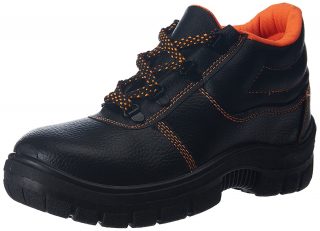
• Perfect toe protection for ballet pointe work, dancers, footballers, runners and other athletes that require a bit more protection on their toes as well as cabin crew, construction industry workers and professions that require enclosed uniform or safety shoes.
• Shock absorbent and protects against wear spots and bottoming out.
• Ideal for high heel shoes and normal shoes or any protection against pressure to the feet.
• Patented bio-enriched polymer gel reduces scar formation, as well as gradually releasing moisture rich medical grade mineral oils that gently hydrate, soften and condition the skin and protect against corn/callous causing friction.
To have your corns and callous removed, make an appointment with the Podiatrists at Dubai Podiatry Centre on +971 4 3435390 and pick up a pack of toe sleeves to prevent them coming back.


بقلم ميشيل شامبلين

في مركز دبي للعناية بالاقدام، قمنا بعلاج الجميع، بدءًا من راقصات الباليه إلى المصرفيين، ولاعبي الكريكيت المحترفين إلى طاقم الطائرة – وجميعهم يعانون من نفس المشكلة.

ما هذا؟ الذرة أو قاسية على أصابع قدميه (أو الأصابع).

ما الذي يسبب الذرة والقاسي؟ تعتبر مسامير القدم والصلبة في الأساس عبارة عن تراكم للجلد الميت والصلب الذي يحدث عندما تتعرض للاحتكاك المتكرر على منطقة من الجلد. كثيرا ما نرى مسامير القدم (التي تشبه الماس المخروطي المقلوب ذو الجلد الصلب للغاية) على قمم أصابع القدم وبين أصابع القدم عندما تكون صناديق أصابع القدم ضيقة جدًا وتضغط أصابع القدم معًا، أو تفرك فوق أصابع القدم. تعتبر مسامير القدم والصلبة والجرابات طريقة جسمك في محاولة حماية نفسه. يمكن أن يتشقق الجلد القاسي، إذا ترك دون علاج، ويسمح للعدوى بالسيطرة، كما يوفر أرضًا خصبة للعدوى الفطرية. تصبح مسامير القدم مؤلمة بشكل متزايد عند المشي عليها ويمكن أن تؤدي إلى تقرحات.

غالبًا ما يصاب عمال البناء وعازفو الجيتار وعازفو الكمان بقسوة سميكة على أصابعهم وأيديهم. عادة ما يصاب راقصو الباليه والعدائون ولاعبو كرة الشبكة وغيرهم من الرياضيين بكدمات في أظافر القدمين ومسامير القدم وقاسية على أصابع قدميهم بسبب الضغط والاحتكاك المتكرر على أصابع قدميهم والأحذية الضيقة مثل مرابط كرة القدم.

كيف يمكنك علاج الذرة على أصابع القدم؟ يحرص أطباء الأقدام في مركز دبي لعلاج الأقدام على المساعدة في تأخير أو حتى منع تكرار ظهور مسامير القدم أو مسامير القدم، خاصة عندما لا يكون هناك تجنب للأحذية أو الأنشطة التي تسبب ذلك. الجواب هو الأنابيب والقبعات الصغيرة المبتكرة المبطنة بالجل. أفادت رئيسة أطباء الأقدام ميشيل شامبلين أنها تستخدمها حتى للاعبي فريق الكريكيت المحترفين – لأصابعهم!

إنها عبارة عن غطاء أو أنبوب أو غطاء نهاية مغلق صغير الحجم وبسيط بشكل مدهش (حسب حاجتك) مصنوع خصيصًا لأصابع القدم والأصابع. مبطنة بجل طبي حيوي حاصل على براءة اختراع، وهي عبارة عن جوارب فردية صغيرة مصممة للحماية والمساعدة في التعافي من البثور والنسيج والذرة والأورام التي يمكن أن تتشكل عن طريق الأحذية الضيقة والأحذية التي تحتك. بالإضافة إلى توفير حاجز بين الحذاء والقدم لمنع الإصابة، فإن واقيات أصابع القدم تجعل البثور الموجودة وتلف الجلد في أصابع القدم أكثر احتمالاً.

من المهم عدم استخدام المنتجات التي تحتوي على حمض الساليسيليك أو أي مكون آخر يعمل على “حرق” مسامير القدم – فهذه يمكن أن تلحق الضرر بالجلد الصحي ويمكن أن تتسبب أيضًا في “تآكل” الجزء العلوي من مسمار القدم. مسامير القدم عبارة عن جلد صلب عميق جدًا ومخروطي مقلوب ويتطلب استئصاله بأمان ودون ألم من قبل طبيب الأقدام. بمجرد الانتهاء من ذلك، فإن السلاح السري لتجنب تكرارها هو الأكمام الهلامية لأصابع القدم، والتي يمكن أن يقدمها لك أطباء الأقدام بعد إزالة مسامير القدم/الصلبة. إذا نفدت الكمية، فمن السهل أن تطلب حزمة أخرى عبر الإنترنت. لن يعرف أحد أنك ترتديها داخل حذائك.

حماية مثالية لأصابع القدم لأعمال الباليه والراقصين ولاعبي كرة القدم والعدائين وغيرهم من الرياضيين الذين يحتاجون إلى مزيد من الحماية لأصابع قدميهم وكذلك طاقم الطائرة وعمال صناعة البناء والمهن التي تتطلب زيًا مغلقًا أو أحذية أمان.

ماص للصدمات ويحمي من البقع والتآكل.

مثالي للأحذية ذات الكعب العالي والأحذية العادية أو أي حماية ضد الضغط على القدمين.

جل البوليمر الغني بيولوجيًا الحاصل على براءة اختراع يقلل من تكوين الندبات، بالإضافة إلى إطلاق الزيوت المعدنية الطبية الغنية بالرطوبة تدريجيًا والتي ترطب البشرة بلطف وتنعيمها وترطبها وتحميها من الاحتكاك الذي يسبب الذرة/الصلبة.

لإزالة مسامير القدم والصلبة، حدد موعدًا مع أطباء الأقدام في مركز دبي لعلاج الأقدام على الرقم 043435390 واحصل على مجموعة من أكمام أصابع القدم لمنع ظهورها

خلف.


Written by Michelle Champlin BSc Pod., M.Ch.S., S.R., Ch., (UK)

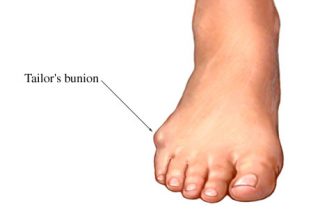
Podiatrists, orthopaedic surgeons and other healthcare professionals use 4 ‘stages’ to clinically classify bunions, or ‘hallux valgus.’ A bunion is any bony-cartilage enlargement of the big toe joint, often involving soft tissue swelling too. Whilst there are many factors that experts believe cause, or increase your risk of bunions (both genetic and external), footwear is the biggest external factor. Up to 15% of the population will develop some form of bunion. Bunions affect how we walk, the shoes we can wear, cause callous, corns and pain.


There are 4 stages of bunions

Here are the 4 stages we use to classify bunions. If you are worried that you are developing a bunion, make an appointment with Dubai Podiatry Centre, where the Podiatrists will diagnose your stage of bunion, identify the most useful treatment and thoroughly explain all the medical jargon in easy to understand terms. Regardless of stage, there are always treatment options to suit you and help address this often painful condition.

STAGE 1: Inflammatory

Pain, heat, swelling, erythema, very little deviation of the big toe, but large medial prominence at the MTP (big toe) joint
Joint pain from inflammation of small bursa formed over the medial eminence
Thickening of the bursa wall exaggerates the prominence
Consult a Podiatrist for proper diagnosis (ruling out other causes such as gout, arthritis or infection) and corrective treatment to prevent the bunion worsening.
Early intervention is best.

STAGE 2: Mild

Asymptomatic (i.e. no pain)
The big toe begins to point outwards, towards the 2nd toe 
The big toe’s first bone (phalanx) is still aligned with the big toe joint ‘anchoring’ it – the 1st MTP joint (metatarso-phalangeal joint)

STAGE 3: Moderate

The big toe’s metatarsal head becomes displaced
The sesamoid bone is also displaced about 75% from beneath metatarsal head 
The big toe’s first bone (phalanx) starts to dislocate from the MTP joint anchoring it

STAGE 4: Severe

Significant metatarsus primus varus
Complete dislocation of the sesamoid bones
Pronation of the big toe
Overlapping onto the second toe
Soft tissue contracted
The big toe bones are completely out of alignment with the big toe (MTP) joint 
Often associated with rheumatologic or neuromuscular disease


How To Treat Bunions

• Footwear – If the bunion pain is mostly from pressure on the area when in enclosed shoes, footwear should be wide at the toe box to prevent pressure and friction. Shoes can be stretched at the toe box as well to better accommodate foot shape – at Dubai Podiatry Centre, this usually takes 48 hours. If pain is coming from within the big toe joint itself, then rocker bottom or stiff soled shoes may also help alleviate pressure on the joint. Heel height should be low (click here for guidance on heel height).

• Gel bunion shields can protect the bony area at the big toe joint from rubbing in footwear, which can cause painful blisters and bursas.

• Splinting the bunion can alleviate pain and other symptoms by stretching the joint. Splints are designed to be either worn for walking in, or to be worn at night. You normally also wear a splint following bunion surgery (as well as custom orthotics – to maintain the surgeon’s work). You should always consult a podiatrist to see how effective a splint would be and the type that’s best for you. In particular, the Podiatrist will assess which stage of bunion you have and how much flexibility there is in the joint, to determine the best treatment.

• Toe spacers are helpful in correcting any overlap of the big toe as it drifts towards the 2nd toe, which happens as the bunion becomes more severe.

• Callous and corns tend to build up on the sole of the foot behind the toes, as well as on the 2nd toe if there is pressure or contact from an overlapping big toe. Pressure increases on the 2nd-5th metatarsals as a bunion develops, and the body’s defense is to form callous to protect these delicate bones. Cushioned forefoot pads and custom orthotics with metatarsal padding will alleviate pressure, reducing callous and metatarsal pain (metatarsalgia). Gel caps can protect the 2nd toe from friction.

• Custom corrective orthotics are a recommended treatment in hallux valgus. In the early stages, they have been proven to stop or slow the bunion from worsening, alleviate pain and correct the associated biomechanical issues that commonly cause or co-exist with bunions. Over-pronation is one of the main biomechanical factors in bunion formation. It is important to note that only custom orthotics made by a qualified professional podiatrist will address biomechanical issues such as bunions and over-pronation. Custom orthotics are made to each patient’s prescription, to the exact degree of ‘posting’ required and adjusted over time as the foot posture changes. Over-the-counter pharmacy insoles provide shock absorption but are not designed to correct any foot misalignment.

There are over 100 different types of bunion surgery available, depending on your specific type of bunion. Your decision on whether or not to have bunion surgery will depend on a number of factors, including age, medical health / history, your occupation / lifestyle, your expectations of surgery and the severity of your symptoms. No surgery should be embarked upon without thorough evaluation of the pros / cons and proper evaluation from an orthopaedic surgeon specialising in foot surgery. It’s important to note that you will be off your foot for at least 6 weeks (with bandaging and special boot or a cast and crutches) and will require to wear post-surgical splinting and most likely custom orthotics in order to maintain the surgeon’s work.

For expert independent podiatric advice and consultation on bunions, contact Dubai Podiatry Centre on +971 4 3435390.


بقلم ميشيل شامبلين

يستخدم أطباء الأقدام وجراحين العظام ويساهمون في الرعاية الصحية 4 “مراحل” لتصنيف السرير بشكل واضح، أو “إصبع القدم الكبير”. تنوعا هو أي كبر غضروفي عظمي لمفصل إصبع القدم الكبير، ويشمل ما يشمل أنسجة الأخوة أيضا. في حين أن هناك العديد من العوامل التي تعتقد أنها تعتبر خطرًا على الأحذية المالية بالأورام (سواء الخبراء أو الخارجية)، فهي العامل الخارجي الأكبر. ما يصل إلى 15% من السكان سيصابون بما لدينا من أوبريكس. لا يوجد أي شيء على الإنترنت، والأحذية التي تنعشها، وتسبب دقة ومسامير القدم والألم.

هناك ٤ مراحل من عكس ذلك

فيما يلي الخطوات التالية التي تستخدمها للتصنيف الشامل. إذا كنت قلقًا من إصابتك بالبروز العظمي، فحدد موعدًا مع مركز دبي للعناية بالاقدام، حيث أطباء الأقدام بتشخيص مرحلة حديثة لديك وتعرف جميع التخصصات الطبية بدقة بمصطلحات سهلة الاستخدام. بغض النظر عن المرحلة، هناك دائمًا خيارات علاجية تساعدك في هذه الحالة المؤلمة غالبًا.

المرحلة الأولى:

ألم،درجة حرارة، تورم، حمامي، انحراف بسيط في إصبع القدم الكبير، ولكن بروز وسطي كبير في مفصل MTP (إصبع القدم الكبير) ألم التهاب المفاصل بسبب التهاب الجراب الصغير للغاية المتكون فوق بروز الإنسي سماكة الجراب يبالغ في جدار البروزاستشارة طبيب الأقدام للتشخيص ( نتيجة لذلك، تم استنساخه كبديل لالتهاب المفاصل الروماتويدي أو التهاب المفاصل الروماتويدي. المراهق المبكر هو الأفضل.

المرحلة ٢: المعتدل

بدون أعراض (أي لا يوجد ألم) يبدأ إصبع القدم الكبير في الخارج، نحو إصبع القدم الثاني. العظمة العظيمة في القدم (الكت) محاذية لمفصل المفصل الكبير للقدم “المثبت” – المفصل MTP الأول (المفصل المشطي السلامي).

المرحلة ٣: المعتدلة

يصبح رأس مشط القدم مزاحًا، حيث يتم إزاحة العظمة الكبيرة للقدم السمماني ولكن بنسبة 75% من رأس مشط القدم. وتبدأ العظمة الأولى في إصبع القدم (الكتائب) في الخلع الكبير من المفصل MTP الذي يثبته.

المرحلة ٤ : شديدة

خلع كامل في عظمة القدم السمانية، نطق إصبع القدم الكبير، متداخل مع إصبع القدم الثاني، تقلص أنسجة الرخوة، عظم إصبع القدم الكبير غير متوافق تماما مع مفصل إصبع القدم الكبير (MTP)، ولم يتأثر بالروماتيزم أو الأمراض العصبية والعضلية.

كيفية العلاج البديل

• – إذا كان دايموند ينتج أخباراً في الغالب عن الضغط على المنطقة عند ارتداء الحذاء، فيجب أن يكون حذاءً عالياً عند حماية القدم من الضغط والاحتكاك. يمكن تمديد الحذاء عند أصابع القدم وكذلك ليناسب شكل القدم بشكل أفضل – في مركز دبي للعناية بالاقدام، يأخذ هذا الحذاء ٤٨ ساعة. إذا كان الألم يأتي من داخل مفصل إصبع القدم بنفسه، فإن الحذاء الكبير ذو النعل المعزز أو الصلب قد يساعد أيضًا في الضغط على المفصل. يجب أن يكون الوصول إلى القمة منخفضًا (انقر هنا للحصول على إرشادات حول الارتفاع).

• يمكن لسرعات الهيلاميه أن تنافس منطقة الشفرات عند مفصل القدم الكبير من الاحتكاك بالأحذية، مما قد يسبب بثورًا وجرابًا مؤلمة.

• يمكن لتجبير كوني أن يخفف والأعراض الأخرى عن طريق تمدد الالتهاب. تم تصميم الجزائر بحيث يمكن ارتداؤها أثناء التجول أو أثناء الليل. كما أننا نواجه أيضًا جبيرة بعد الجراحة (بالإضافة إلى أجهزة تخصصية للنظارات – التخصص العملي الجراحي). يجب عليك دائمًا أن تعرف الطبيب وتعرف مدى فعالية الجبيرة والنوع الأفضل لك. على وجه الخصوص، طبيب المشي الذي يقوم بتقييم الحالات المتنوعة والمختلفة في العلاج الأفضل.

• تساعد فواصل أصابع القدم في تحسين أي تداخل في إصبع القدم الكبير أثناء انجرافه نحو إصبع القدم الثاني، وهو ما يحدث عندما يصبح إصبع القدم أكثر خطورة.

• يميل مسمار القدم إلى التراكم على باطن القدم خلف أصوات القدم، وكذلك على إصبع القدم الثاني إذا كان هناك أو تلامس ضغط إصبع القدم المتداخل. تم تشخيص الضغط على مشط القدم الثاني بتطورات واسعة النطاق، وتشكل دفاعًا شديدًا لحماية هذه الحساسية من الصدمات. وسادات الوقاية من البطن وتخصيص المفاصل مع حشوة مشط القدم سوف تخفف الضغط، وتقلل من آلام مشط القدم (ألم مشط القدم). يمكن لملابس الجلاد حماية القدم الثاني من المرافق.

• تقويم العظام التصحيحي هو علاج موصى به في حالة إبهام القدم الأروح. في مراحل لاحقة، ستتوقف أو تبطئ الإتفاقات المتنوعة، وتخفف الجميع وتصحح المشاكل الحيوية الأخرى والتي عادة ما يتم إدماجها أو التعايش معها. وأشار في الكب هو أحد العوامل الميكانيكية الحيوية الرئيسية في الاختيار. من المهم أن نلاحظ أن الأجهزة المخصصة للأجزاء المخصصة التي يختارها طبيب يقدم أداء متميز فقط هي التي تقوم بمعالجة المشكلات الحيوية مثل التغيير والإفراط في الكب. يتم تحضير الأجهزة حسب الوصفة الطبية لكل مريض، بالدرجة الدقيقة من “التثبيت” ويتطلب تعديلها بمرور الوقت مع تغير وضعية القدم. توفر النعال الداخلي المتاح دون وصفة طبية فائقة الدقة للصدمات ولكنها غير مخصصة لتصحيح أي خلل في محاذاة القدم.


Copyright Dubai Podiatry 2026. All rights reserved.

WhatsApp us