
fbpx

Please wait...


BLOG

No more posts


A patient attended our clinic today complaining of severe pain underneath the outside of his left foot. The pain had become so intense that he was limping and described the sensation as walking on a sharp piece of glass.

On examination, we found a hard corn underneath the fifth metatarsal head on the outside border of his left foot. Many people assume that a corn is the problem, but in reality a corn is often the body’s attempt to protect itself from excessive pressure.

We removed the corn painlessly, and the patient experienced immediate relief. However, we explained that unless we addressed the underlying cause, the corn would simply return.

To investigate further, we performed a 3D body scan and biomechanical assessment.

The results were fascinating.

The patient had a significant imbalance throughout his body. His left leg was functionally longer than his right. His pelvis was tilted, with the right side anteriorly tilted and the left side posteriorly tilted. He was carrying considerably more body weight through the left side of his body, creating excessive pressure beneath the outside of the left foot.

His medical history helped explain the pattern. He had previously undergone two lower back surgeries on the left side, suffered left hip problems, torn ACL injuries involving the left knee, and undergone left Achilles tendon surgery.

Over many years, his body had adapted to these injuries.

The scan showed that his pelvis had shifted towards the left side, causing increased loading through the left leg and foot. At the same time, his right foot was internally rotated and functioning almost like a golfer at the top of a backswing position. This created high tensile stress through the right Achilles tendon, the right knee, and the lower back while simultaneously increasing compression forces through the left side of the body.

The painful corn underneath the left foot was simply the area where the body was absorbing the greatest amount of pressure.

The development of a corn follows a predictable sequence.

First, the body produces a layer of hard skin to protect itself. This creates a broad plaque of callus, similar to a pancake of thicker skin.

If the pressure continues, the body creates a concentrated plug of dense keratin at the centre of the pressure point. Keratin is the same material found in toenails. This hard central core forms what we recognise as a hard corn.

As pressure continues to increase, inflammation develops beneath the area. Patients often describe burning, stinging, or sharp sensations. This was the stage our patient had reached.

If left untreated, the next stage can be the formation of a soft corn. The tissues become saturated with inflammatory fluid and appear white, rubbery, and extremely painful.

The final stage is tissue breakdown and ulceration.

This progression is particularly important in patients with diabetes, neuropathy, or vascular disease. These patients may not feel the early warning signs of pressure and pain. As a result, the protective stages can progress unnoticed until an ulcer develops.

Many patients believe ulcers appear suddenly and without warning. In reality, the body often gives multiple warning signals beforehand, but if sensation is reduced, those signals may not be recognised.

For this patient, the solution was not repeated corn removal.

The solution was correcting the forces causing the corn.

We prescribed custom corrective orthotics designed specifically for his individual biomechanics. The right orthotic was intentionally very different from the left because each side of the body required a different correction.

The aim was to improve pelvic balance, reduce the functional leg length discrepancy, redistribute pressure more evenly between both feet, and decrease excessive loading through the left foot.

We performed further scans with the orthotics in place and saw immediate improvements in alignment and pressure distribution.

The body can be compared to a wobbly table. If one table leg is shorter than the others, the tabletop becomes uneven. Placing a carefully measured support beneath the shorter leg restores balance.

Corrective orthotics work in a similar way. While we cannot make one leg physically grow longer, we can improve balance and alignment so that the body functions more efficiently and with less stress.

The patient will return in three months for reassessment. As the body adapts to improved alignment, muscle tension, posture, and weight distribution can all change. Repeat scanning will allow us to monitor these changes and determine whether further orthotic adjustments are required.

The important lesson from this case is that a corn is rarely just a skin problem.

A corn is often a warning sign that excessive pressure is travelling through a specific part of the foot. Removing the corn may provide temporary relief, but identifying and correcting the underlying mechanical cause is what provides a long-term solution.


For more information or to book an appointment please call our clinic +971 4 3435390 or WhatsApp +971 50 3553024


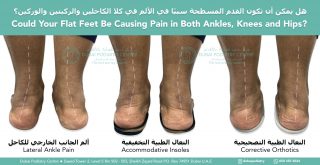
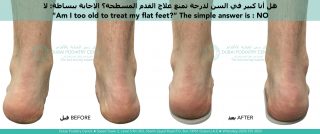
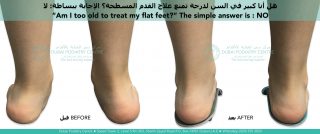
Before and after treatment of adult flat feet using custom corrective orthotics, showing improved heel alignment and foot posture from the rear view at Dubai Podiatry Centre.

Flat feet are commonly associated with inward rolling of the ankles, a condition known as overpronation. When the ankles tilt inward, the body’s weight is distributed unevenly across the feet, which can lead to foot pain, poor posture, and increased strain on the knees, hips, and lower back.

Custom corrective orthotics are designed to address the root cause of the problem by improving foot and ankle alignment. Rather than simply raising the arch, the primary objective is to reposition the heel and ankle into a more neutral and balanced position. Once proper alignment is restored, the arch often begins to improve naturally as the foot functions more efficiently.

Many people assume that treating flat feet means forcing the arch upward. However, excessively elevating the arch without correcting the underlying ankle alignment can make orthotics uncomfortable and difficult to wear. Effective orthotic therapy focuses on stabilising the heel, controlling overpronation, and supporting the foot in its optimal position.

A properly prescribed custom orthotic provides both arch support and heel correction, creating a stable foundation for standing, walking, and everyday activities. Improved alignment can enhance comfort, reduce strain on the lower limbs, and promote healthier movement patterns.

The photographs above demonstrate the effect of corrective orthotics on foot posture. By restoring proper heel and ankle alignment, the feet become more balanced, allowing for improved arch function and overall biomechanical efficiency.


For more information or to book an appointment please call our clinic +971 4 3435390 or WhatsApp +971 50 3553024


One of the most common reasons people delay seeking treatment for toenail problems is simple embarrassment.

Many patients tell us they have been hiding their feet for years. They avoid sandals, swimming pools, pedicures, and sometimes even showing their feet to family members. Some have been covering their toenails with nail polish or avoiding treatment altogether because they feel self-conscious about how their nails look.

The truth is that podiatrists see toenail problems every single day.

Whether your toenails are thickened, discoloured, fungal, damaged, ingrown, lifted, crumbly, misshapen, or have been neglected for years, there is no judgment. Our goal is to help you restore the health of your feet and regain confidence in your appearance.

Many toenail conditions are much more common than people realise. Fungal infections, bacterial infections, trauma from sports, injuries, and poorly fitting footwear can all affect the appearance and health of the toenails. Sometimes a single accident or even one particular pair of shoes can start a problem that gradually worsens over time.

The good news is that treatment options are available.

Depending on the condition, treatment may involve:

  • Professional nail care and reduction
  • Antifungal treatments
  • Oral medication when appropriate
  • Treatment of bacterial infections
  • Footwear recommendations
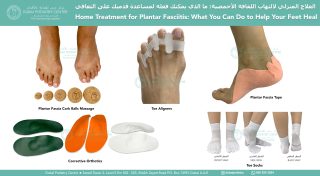
  • Toe socks to improve toe separation and reduce fungal recurrence (link for toe socks)
  • Temporary or permanent nail procedures when necessary


Sometimes the treatment plan may sound dramatic at first. For example, a severely damaged or chronically infected toenail may occasionally need to be removed to allow a healthy nail to regrow. However, this is often the quickest route back to a healthy, comfortable, and attractive nail.

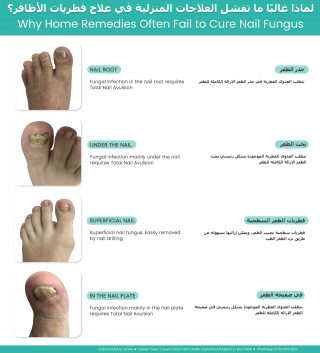
Before treatment of fungal toenail infection showing a damaged big toenail with yellow discoloration, nail thickening, crumbling debris, and signs of onychomycosis.

Severe fungal toenail infection before treatment showing thickened, yellow-brown, brittle nail with extensive nail damage and discoloration.

Fortunately, toenails are remarkably good at regenerating. Smaller toenails can often regrow within approximately three months following removal, while larger toenails may take six months to a year to fully grow back, depending on the individual and the size of the nail. In the context of a lifetime of healthy feet, this is a relatively short period of time.


At your consultation, your podiatrist will assess the cause of the problem and develop a personalised treatment plan designed to restore the health and appearance of your toenails. Every patient is different, and treatment should be tailored to the individual.

Most importantly, everything discussed during your appointment is completely confidential. We understand that many people feel anxious or embarrassed about their feet, but there is no need to suffer in silence.


Our job is to help you get your feet back to how you remember them being—or perhaps even better than before.


So if you have been hiding your feet, postponing treatment, or feeling embarrassed about your toenails, don’t wait any longer. Make an appointment with a podiatrist and take the first step towards healthier feet and greater confidence.


For more information or to book an appointment please call our clinic +971 4 3435390 or WhatsApp +971 50 3553024


Many people are surprised to learn that fungal toenail infections often begin with a fungal skin infection between the toes, commonly known as athlete’s foot (tinea pedis).


The fungi responsible for athlete’s foot are commonly found in our environment and can also exist naturally on the skin without causing problems. However, when conditions become warm, dark, and moist, the fungal organisms can multiply rapidly. This is especially common between the fourth and fifth toes, where the skin surfaces are often pressed tightly together inside shoes.


Multiple toes affected by fungal toenail infection (onychomycosis) showing yellow, thickened, and discolored toenails. Clinical image used to discuss whether toe socks can help prevent fungal toenail infections and improve foot hygieneWhen the toes are squeezed together for long periods, moisture becomes trapped and air circulation is reduced. This creates the perfect environment for fungal spores to grow and spread. Over time, the infection may remain confined to the skin between the toes, or it may spread into the neighbouring toenails, particularly the fourth and fifth toenails, resulting in fungal nail infection (onychomycosis).


One simple but highly effective preventative measure is the use of cotton toe socks.


Unlike conventional socks, toe socks individually separate each toe with a layer of fabric. This creates a physical barrier between the toes, helping to reduce skin-to-skin contact and minimise the warm, moist conditions that fungi thrive in.

The benefits of toe socks include:

  • Improved air circulation between the toes
  • Reduced moisture accumulation
  • Less skin friction and irritation
  • A physical barrier that helps limit the spread of fungal spores
  • Reduced recurrence of athlete’s foot
  • Lower risk of fungal infection spreading into the toenails


Cotton toe socks are particularly beneficial for individuals who suffer from recurring athlete’s foot, fungal toenail infections, excessive sweating, or who spend long periods wearing enclosed footwear.


While toe socks are not a treatment for an established fungal infection, they can be an excellent part of a long-term prevention strategy. Combined with good foot hygiene, proper shoe disinfection, and prompt treatment of any athlete’s foot infection, toe socks can help create a healthier environment for the feet and reduce the likelihood of future fungal problems.


At Dubai Podiatry Centre, we frequently recommend toe socks as part of a comprehensive foot care programme for patients prone to athlete’s foot and fungal toenail infections. Sometimes the simplest changes can make a significant difference in maintaining healthy feet.


Link for : Toe Socks


For more information or to book an appointment please call our clinic +971 4 3435390 or WhatsApp +971 50 3553024


Taking an oral antifungal medication, such as terbinafine, can be effective for clearing a fungal toenail infection. However, when the fungal infection has caused the toenail to lift away from the nail bed or become significantly thickened, distorted, or misshapen, medication alone may not always be enough to restore the nail to its normal shape.

In these cases, the oral antifungal may help a new, clear nail grow, but the existing nail plate may already be too distorted to return to its natural curvature and attachment. For this reason, removing the affected toenail can sometimes be the better treatment option.


Before-and-after treatment timeline showing recovery from a severe fungal toenail infection. Images document the progress from a thick, discoloured fungal toenail before treatment through toenail removal and oral antifungal therapy, followed by gradual healthy nail regrowth over 12 months. Final photos show a clear, healthy toenail with successful resolution of the infection.


By removing the infected nail, the oral antifungal treatment can target the remaining soft tissue infection rather than having to treat an active fungal infection within the thickened nail plate itself. This may allow the medication to be taken for a shorter period, often around two to six weeks, rather than the usual three to six months required when the infected nail remains in place.

The tablet may be started a few days before the toenail removal procedure and continued afterwards as advised. This approach may reduce the length of time the liver is exposed to the medication while still helping to clear the fungal infection effectively.

Once the infected nail has been removed, the new nail has a better chance of growing back properly attached to the nail bed and with a more normal shape. However, if the fungal infection has been present for many years, there may be some long-term damage or scarring to the nail bed. For example, a toenail that has been infected and distorted for 20 or 30 years may have caused chronic irritation and changes beneath the nail, meaning the nail bed may not fully return to its original healthy structure.

The sooner a fungal toenail infection is treated properly, the better the chance of preserving the nail bed and allowing a healthier nail to grow in the future.


For more information or to book an appointment please call our clinic +971 4 3435390 or WhatsApp +971 50 3553024


Illustration of a plantar wart on the sole of a foot, showing inward growth beneath the skin and a close-up with small black dots (blood vessels). Text highlights that it is a viral infection, may bleed if cut, and is painful with pressure.

A plantar wart, also known as a verruca, is a viral infection that occurs on the sole of the foot. Unlike warts elsewhere on the body that grow outward as raised bumps, plantar warts grow inward due to the constant pressure of standing and walking. This means they often appear flat on the surface while developing a bulb-like structure deeper within the skin.

Because of this inward growth, plantar warts can be more difficult to treat. Treatments that work well for outward-growing warts on the hands or other parts of the body, such as cryotherapy (liquid nitrogen) or salicylic acid, often have lower success rates on the sole of the foot. This is because the wart is not easily accessible on the surface, making it harder for these treatments to reach the infected tissue effectively.

الثؤلول الأخمصي، المعروف أيضًا باسم الفيروكا (Verruca)، هو عدوى فيروسية تصيب باطن القدم. وعلى عكس الثآليل التي تظهر في مناطق أخرى من الجسم وتنمو إلى الخارج على شكل نتوءات بارزة، فإن الثآليل الأخمصية تنمو إلى الداخل بسبب الضغط المستمر الناتج عن الوقوف والمشي. ولهذا السبب، غالبًا ما تبدو مسطحة على سطح الجلد، بينما تمتد في العمق على شكل كتلة تشبه البصلة داخل الأنسجة.

وبسبب هذا النمو الداخلي، تكون الثآليل الأخمصية أكثر صعوبة في العلاج. فالعلاجات التي قد تكون فعّالة للثآليل التي تنمو إلى الخارج على اليدين أو في أجزاء أخرى من الجسم، مثل العلاج بالتبريد (النيتروجين السائل) أو حمض الساليسيليك، غالبًا ما تحقق معدلات نجاح أقل عند استخدامها لعلاج الثآليل الموجودة في باطن القدم. ويعود ذلك إلى أن الثؤلول لا يكون مكشوفًا بشكل كافٍ على السطح، مما يجعل وصول هذه العلاجات إلى الأنسجة المصابة أكثر صعوبة وأقل فعالية.


So how does a plantar wart develop in the first place?

Infographic showing how plantar warts develop: infected skin cells spread in moist public areas, barefoot contact transfers the virus, it enters through small breaks in the skin, and a wart forms over months. High-risk areas listed include swimming pools, gym changing rooms, communal showers, and water parks, with related icons.The condition is caused by a virus that is spread through contact with infected skin cells. This typically occurs in high-risk environments where people walk barefoot, such as swimming pools, gym changing rooms, and water parks. An infected skin cell from another person can be shed onto the floor, and if you walk over that area within a short time frame, the virus may transfer to your foot.

However, the virus cannot easily penetrate healthy skin. The outermost layer of the skin, known as the stratum corneum, acts as a protective barrier. This layer is structured like tightly packed scales, similar to fish scales, forming a strong defence against external invasion.

When the feet are dry, this barrier remains tightly closed and highly protective. But when the skin becomes wet or sweaty for prolonged periods, the structure of this layer changes. The “scales” begin to separate slightly, creating microscopic gaps. This makes the skin more porous and vulnerable to viral entry.

At the same time, an infected foot in a moist environment can shed virus-containing skin cells more easily. These infected cells can then be picked up by another person walking over the same surface, particularly in high-traffic, damp areas.

Once the virus enters the skin, it develops slowly. It can take several months, often up to six months or more, before a plantar wart becomes visible. During this time, the virus grows within the deeper layers of the skin before gradually appearing on the surface.

فكيف يتكوّن الثؤلول الأخمصي في المقام الأول؟

تنجم هذه الحالة عن فيروس ينتقل من خلال ملامسة خلايا الجلد المصابة. ويحدث ذلك عادةً في البيئات عالية الخطورة التي يمشي فيها الأشخاص حفاة الأقدام، مثل أحواض السباحة، وغرف تبديل الملابس في الصالات الرياضية، والحدائق المائية. فقد تسقط خلية جلدية مصابة من شخصٍ ما على الأرض، وإذا مررت فوق تلك المنطقة خلال فترة قصيرة، فقد ينتقل الفيروس إلى قدمك.

ومع ذلك، لا يستطيع الفيروس اختراق الجلد السليم بسهولة. فالطبقة الخارجية من الجلد، والمعروفة باسم الطبقة القرنية، تعمل كحاجز واقٍ. وتتكوّن هذه الطبقة من خلايا متراصة بإحكام تشبه حراشف السمك، مما يشكّل خط دفاع قويًا ضد العوامل الخارجية.

عندما تكون القدمان جافتين، يبقى هذا الحاجز محكم الإغلاق ويوفر حماية عالية. ولكن عندما يصبح الجلد رطبًا أو متعرقًا لفترات طويلة، تتغير بنية هذه الطبقة. إذ تبدأ “الحراشف” الجلدية بالانفصال بشكل طفيف، مما يخلق فجوات مجهرية صغيرة. وهذا يجعل الجلد أكثر نفاذية وأكثر عرضة لدخول الفيروسات.

وفي الوقت نفسه، يمكن للقدم المصابة الموجودة في بيئة رطبة أن تطرح خلايا جلدية تحتوي على الفيروس بسهولة أكبر. ويمكن لهذه الخلايا المصابة أن تنتقل إلى شخص آخر يمشي على السطح نفسه، خاصةً في الأماكن الرطبة كثيرة الاستخدام.

وبمجرد دخول الفيروس إلى الجلد، فإنه يتطور ببطء. فقد يستغرق الأمر عدة أشهر، وغالبًا ما يصل إلى ستة أشهر أو أكثر، قبل أن يصبح الثؤلول الأخمصي مرئيًا. وخلال هذه الفترة، ينمو الفيروس داخل الطبقات العميقة من الجلد قبل أن يبدأ بالظهور تدريجيًا على السطح.

Comparison infographic of a plantar wart and a corn. The plantar wart shows small black dots (blood vessels), is a viral infection with blood supply, may bleed, and is painful with side pressure. The corn is a build-up of hard skin from pressure, has no blood supply, does not bleed, has no black dots, and is painful with direct pressure. A note explains that black dots in plantar warts are tiny blood vessels indicating active infection.Plantar warts are sometimes confused with corns, but they are very different. A corn is a build-up of hard skin caused by pressure and friction. It can often be reduced without bleeding, although it may feel like walking on a sharp point. A plantar wart, however, is a living viral lesion. If disturbed or cut, it will bleed because it has developed its own blood supply within the skin.

One of the key identifying features of a plantar wart is the presence of small black dots within the lesion. These are not roots, but tiny blood vessels known as capillaries. The virus disrupts and constricts these vessels, causing them to appear dark. Their presence is a sign that the wart is active and established within the tissue.

This is where Dermojet® treatment is particularly effective. Because plantar warts grow deep within the skin, a treatment that can reach and disrupt the infected tissue at its core is essential. Dermojet® delivers a high-pressure microjet that penetrates beneath the surface, targeting the area where the virus is thriving and improving the likelihood of successful resolution.

يتم الخلط أحيانًا بين الثآليل الأخمصية ومسامير القدم، لكنهما حالتان مختلفتان تمامًا. فمسمار القدم هو تراكم للجلد السميك والصلب نتيجة الضغط والاحتكاك المتكرر. وغالبًا ما يمكن تقليصه أو إزالته دون حدوث نزيف، رغم أنه قد يسبب إحساسًا يشبه المشي على جسم حاد. أما الثؤلول الأخمصي فهو آفة فيروسية حية. وعند العبث به أو قصّه، فإنه ينزف لأنه يكون قد كوّن شبكة من الأوعية الدموية الخاصة به داخل الجلد.

ومن أبرز العلامات التي تساعد على التعرف على الثؤلول الأخمصي وجود نقاط سوداء صغيرة داخل الآفة. وهذه النقاط ليست جذورًا كما يعتقد البعض، بل هي أوعية دموية دقيقة تُعرف باسم الشعيرات الدموية. ويؤثر الفيروس في هذه الأوعية ويُضيّقها، مما يجعلها تبدو داكنة اللون. ويُعد وجود هذه النقاط علامة على أن الثؤلول نشط ومتجذر داخل الأنسجة.

وهنا تبرز فعالية علاج ديرموجيت® (Dermojet®) بشكل خاص. فبما أن الثآليل الأخمصية تنمو عميقًا داخل الجلد، فإن الوصول إلى الأنسجة المصابة في مركز الثؤلول وتعطيلها يُعد أمرًا أساسيًا لنجاح العلاج. ويعمل ديرموجيت® من خلال إطلاق نفثة دقيقة عالية الضغط تخترق ما تحت سطح الجلد، لتستهدف المنطقة التي ينشط فيها الفيروس، مما يزيد من احتمالية القضاء على الثؤلول بنجاح.


For more information or to book an appointment please call our clinic +971 4 3435390 or WhatsApp +971 50 3553024


Continue reading our next blog to learn more : How can you avoid catching a plantar wart?


Copyright Dubai Podiatry 2026. All rights reserved.

WhatsApp us