

Are you experiencing heel pain when you first get out of bed, after standing for long periods, or towards the end of a busy working day? You may be suffering from plantar fasciitis, one of the most common causes of heel and arch pain.
The good news is that there are several simple treatments you can do at home to help relieve discomfort and support your recovery.
What Is Plantar Fasciitis?
The plantar fascia is a strong band of connective tissue that runs underneath your foot, connecting the heel bone to the front of the foot. It helps support the arches of your foot and distributes pressure when you stand, walk and run.
When the plantar fascia is repeatedly placed under excessive tensile stress (stretching and pulling forces), it can become irritated and painful.
This may cause:
- Pain underneath the heel, particularly with your first steps in the morning
- Discomfort along the arch or middle of the foot
- Pain after prolonged standing or walking
- Occasionally, discomfort extending towards the inner side of the ankle
Although commonly called plantar fasciitis, persistent cases may involve degenerative changes in the fascia rather than inflammation alone.
Why Does Plantar Fasciitis Develop?
At Dubai Podiatry Centre, we pay particular attention to the structural alignment of the feet and ankles.
Three important factors can contribute to increased stress on the plantar fascia:
1. Excessive pronation (hyperpronation)
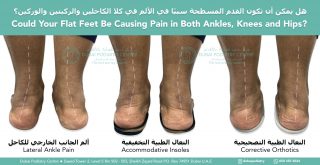
When the foot rolls excessively inwards during standing or walking, it may increase the tensile load on the plantar fascia.
2. Collapse of the medial longitudinal arch
When the arch along the inside of the foot lowers excessively under weight-bearing pressure, the plantar fascia may be placed under additional strain.
3. Reduced support through the transverse forefoot arch
Changes in forefoot loading and transverse arch support can alter how pressure is distributed through the foot and may contribute to mechanical stress.
Not every patient with plantar fasciitis has these structural problems. Some patients develop symptoms simply because they have been standing for unusually long periods.
Can Plantar Fasciitis Go Away by Itself?
Yes. Some episodes of plantar heel pain are associated with a temporary increase in activity or prolonged standing.
For example:
- Soldiers on parade: Standing for extended periods without much movement
- Hairdressers: Working exceptionally long days during busy seasons
- Chefs: Standing for 12–16 hours during festive periods or special events
- Retail and hospitality workers: Spending much longer on their feet than usual.
When symptoms are caused by a temporary increase in physical load, they may improve within a few weeks once normal activity levels resume.
However, plantar fasciitis can also last several months. If symptoms persist beyond four weeks, or are getting worse, a podiatric assessment is advisable.
Where structural misalignment is contributing to ongoing strain, corrective orthotics may be recommended to support the arches and improve foot and ankle mechanics. Many patients improve over approximately 12–14 weeks with an appropriate treatment programme, although recovery times vary.
Six Home Treatments for Plantar Fasciitis
1. Warm and Cool Contrast Foot Baths
Contrast foot baths can be a soothing treatment after a long day of standing.
How to do it:
1. Prepare one basin with warm water at approximately 42°C and another with cool water at approximately 22°C
2. Place your feet in the warm water for one minute
3. Transfer them to the cool water for one minute
4. Repeat this cycle five times
Total treatment time: 10 minutes.
Alternating warm and cool temperatures produces changes in superficial circulation and may provide temporary comfort. However, there is limited evidence that contrast baths accelerate plantar fascia healing or remove inflammatory waste products.
Important: Avoid contrast baths if you have diabetes-related loss of sensation, poor circulation, neuropathy or difficulty sensing water temperature. Always check that the water is comfortable and not excessively hot.
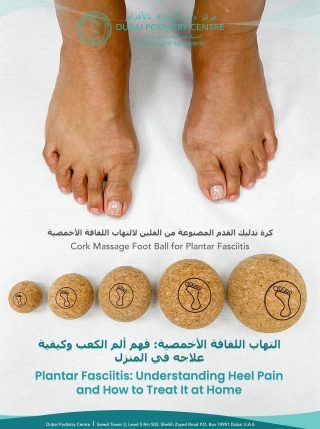 2. Massage Your Feet With Cork Roller Balls
Cork massage balls are a simple way to massage the underside of the foot and relieve muscle tension.
Small cork ball: Use gentle circular movements around the fleshy heel pad, avoiding excessive pressure directly over a painful point.
Medium cork ball: Roll slowly underneath the medial arch to massage the soft tissues.
Large cork ball: Use broader rolling movements along the arch and underside of the foot.
Spend approximately 1–2 minutes on each area, using gentle pressure.
Massage should feel comfortable, not painful. Avoid aggressive rolling if your heel is particularly sensitive.
3. Strengthen Your Feet With Towel-Scrunching Exercises
The small intrinsic muscles underneath your feet contribute to foot stability and arch support.
How to do it:
1. Sit comfortably in a chair with your feet flat on the floor
2. Place a small towel in front of your foot
3. Use your toes to scrunch the towel towards you
4. Continue until you have gathered the towel underneath your foot
5. Repeat 5–10 times on each foot, as comfortable
This exercise helps activate the small muscles that support the foot. Start gently and stop if it increases your heel pain.
4. Roll Your Foot Over a Chilled Water Bottle
After a long day of standing, a chilled water bottle can provide welcome relief.
How to do it:
1. Place a 300 ml plastic water bottle in the refrigerator
2. Sit comfortably in a chair
3. Place the bottle underneath your arch
4. Slowly roll your foot backwards and forwards from the arch towards the heel
5. Continue gently for approximately 3 to 5 minutes
A bottle from the refrigerator is preferable to a frozen bottle because it provides gentler cooling without exposing the skin to extreme cold.
The cooling and gentle massage may temporarily reduce pain after prolonged standing.
5. Support Your Foot With Plantar Fascia Tape
Supportive taping can help reduce strain on the plantar fascia during daily activities.
Footerella plantar fascia support tape is designed as a convenient, single-piece application that can be worn during the day.
When applied correctly, supportive taping may help maintain a more comfortable foot position and reduce excessive mechanical loading.
Apply the tape to clean, dry skin in the morning, following the product instructions. Remove it if you experience itching, redness, irritation, numbness or discomfort.
Taping provides temporary support but does not replace corrective orthotics when a significant biomechanical problem requires longer-term management.
6. Choose the Right Socks and Shoes
Footwear can make a significant difference to plantar heel pain.
Soft, cushioned socks
Thick, fluffy, diabetic-style cushioned socks can provide additional comfort and reduce pressure beneath the heel. Choose socks without restrictive seams or tight elastic.
Soft, cushioned shoes
Shoes with adequate heel cushioning may help reduce discomfort, particularly when standing on hard floors.
However, there is an important distinction between cushioning and structural support.
If your feet are neutrally aligned, a comfortable cushioned shoe may provide sufficient relief.
If you have significant hyperpronation or arch instability, a very soft, flexible shoe may not provide enough support and could allow excessive movement.
In these cases, a more supportive shoe combined with appropriately prescribed corrective orthotics may be beneficial.
When Are Corrective Orthotics Needed?
If plantar fasciitis persists, it is important to identify whether the pain is being maintained by abnormal foot mechanics.
At Dubai Podiatry Centre, we assess:
- Foot and ankle alignment
- Medial longitudinal arch function
- Transverse forefoot loading
- Excessive pronation and other biomechanical abnormalities
- Walking patterns and pressure distribution
Where clinically indicated, custom corrective orthotics can be designed to support the medial arch, redistribute forefoot pressure and improve the alignment of the foot and ankle.
The aim is to reduce excessive tensile stress on the plantar fascia so that the irritated tissues have an opportunity to recover.
Orthotics are not necessary for every patient, and treatment may also include targeted stretching, strengthening exercises, footwear modification and activity management.
How Long Does Recovery Take?
Recovery depends on the underlying cause, how long symptoms have been present, and whether excessive mechanical loading continues.
A mild episode associated with unusual standing may improve within several weeks.
For persistent plantar fasciitis, improvement may occur over 12–14 weeks with appropriate treatment, although some patients need considerably longer.
The key is not simply to relieve the pain temporarily, but to address the factors placing repeated stress on the plantar fascia.
Our Advice at Dubai Podiatry Centre
If you are suffering from plantar fasciitis, start with simple home treatments: gentle massage, chilled bottle rolling, foot-strengthening exercises, comfortable footwear and appropriate support.
If your pain persists, returns repeatedly, or interferes with normal walking, arrange a podiatric assessment to identify the underlying cause.
Seek medical attention sooner if you have severe pain, significant swelling, redness, fever, numbness, an injury, or difficulty bearing weight.
Dubai Podiatry Centre
Helping patients understand their foot structure, improve their alignment and walk comfortably.
Website: www.dubaipodiatry.com
This article provides general educational information and does not replace an individual clinical assessment.
For more information or to book an appointment please call our clinic +971 4 3435390 or WhatsApp +971 50 3553024