
fbpx

Please wait...


BLOG

No more posts

One of the most common questions we hear at Dubai Podiatry Centre is: “Why won’t my nail fungus clear, even though I’ve tried home remedies?”

The answer is that not all fungal nail infections are the same.

Different types of nail fungus affect different parts of the toenail, and each type requires a different treatment approach. This is why a treatment that works for one person may have little or no effect for another.
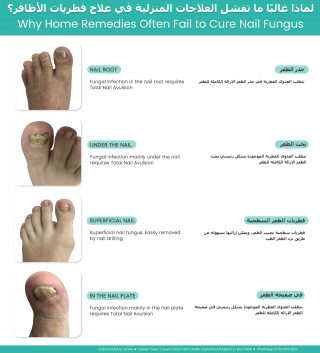
 

Why home remedies often fail to cure nail fungus showing fungal infections in the nail root, under the nail, superficial nail fungus, and nail plate with appropriate treatment options

Superficial White Nail Fungus

One of the easiest types of fungal infection to treat is superficial white fungal infection.

This commonly develops in warm, humid conditions inside closed footwear and under nail polish. The fungus affects only the surface of the nail and often appears as white, chalky or powdery patches on the top of the toenail.

Because the infection is only on the surface, the affected layer can often be gently reduced with professional nail filing or careful buffing, allowing a topical antifungal nail lacquer to reach the remaining fungus more effectively.

As the nail gradually grows out, the healthy nail replaces the infected portion.


Fungus Growing Beneath the Nail

A more difficult type of fungal infection develops underneath the nail plate.

This is commonly associated with a widespread fungal skin infection affecting the sole of the foot, often referred to as moccasin-type athlete’s foot. The fungus can spread beneath the toenail, where it becomes protected by the thick nail plate.

When the fungus is trapped underneath the nail, simply painting antifungal medication onto the surface often has limited success because the medication cannot adequately reach the infection.


Depending on the severity of the infection, treatment may involve oral antifungal medication, careful reduction of the thickened nail, or, in selected cases, nail avulsion of the toenail to allow direct treatment of the underlying nail bed as the new nail grows.

Following nail removal, the smaller toenails generally regrow in approximately three months, while the big toenail may take anywhere from six months to one year to fully regrow.


Fungus That Reaches the Nail Root

In some patients, the fungal infection extends into the nail root (matrix), where the nail is produced.

When this occurs, oral antifungal medication is often recommended because the medication reaches the growing nail through the bloodstream, allowing the new nail to grow free of infection.

If there is also extensive fungal material trapped beneath a thick or damaged nail plate, reducing or removing the affected nail may be recommended to improve access for topical treatment and encourage healthy nail regrowth.


When Oral Medication Is Not Suitable

Before prescribing oral antifungal medication, liver function blood tests are often performed to ensure the medication can be taken safely.

Occasionally, these tests identify previously undiagnosed liver abnormalities. In these situations, even patients who feel completely healthy may not be suitable candidates for oral antifungal medication.

For these patients, treatment may focus on physical methods, including removal of the infected toenail where appropriate, combined with topical antifungal medication applied directly to the exposed nail bed after healing. This allows the new nail to grow in an environment with a much lower fungal burden.


Why Professional Assessment Matters

Many people spend months or even years trying home remedies without success, simply because they are treating a different type of fungal infection.

Successful treatment begins with identifying exactly where the fungus is located, whether it is on the surface of the nail, beneath the nail plate, or involving the nail root.

Once the type and stage of the infection have been identified, the most appropriate treatment plan can be chosen, giving the best opportunity for healthy, fungus-free nail growth.


For more information or to book an appointment please call our clinic +971 4 3435390 or WhatsApp +971 50 3553024


One of the most common reasons people delay seeking treatment for toenail problems is simple embarrassment.

Many patients tell us they have been hiding their feet for years. They avoid sandals, swimming pools, pedicures, and sometimes even showing their feet to family members. Some have been covering their toenails with nail polish or avoiding treatment altogether because they feel self-conscious about how their nails look.

The truth is that podiatrists see toenail problems every single day.

Whether your toenails are thickened, discoloured, fungal, damaged, ingrown, lifted, crumbly, misshapen, or have been neglected for years, there is no judgment. Our goal is to help you restore the health of your feet and regain confidence in your appearance.

Many toenail conditions are much more common than people realise. Fungal infections, bacterial infections, trauma from sports, injuries, and poorly fitting footwear can all affect the appearance and health of the toenails. Sometimes a single accident or even one particular pair of shoes can start a problem that gradually worsens over time.

The good news is that treatment options are available.

Depending on the condition, treatment may involve:

  • Professional nail care and reduction
  • Antifungal treatments
  • Oral medication when appropriate
  • Treatment of bacterial infections
  • Footwear recommendations
  • Toe socks to improve toe separation and reduce fungal recurrence (link for toe socks)
  • Temporary or permanent nail procedures when necessary


Sometimes the treatment plan may sound dramatic at first. For example, a severely damaged or chronically infected toenail may occasionally need to be removed to allow a healthy nail to regrow. However, this is often the quickest route back to a healthy, comfortable, and attractive nail.

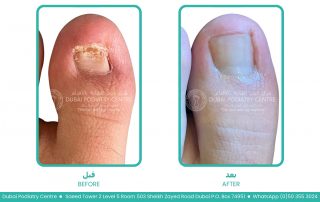
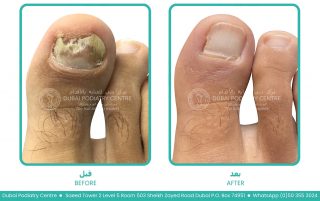
Before treatment of fungal toenail infection showing a damaged big toenail with yellow discoloration, nail thickening, crumbling debris, and signs of onychomycosis.

Severe fungal toenail infection before treatment showing thickened, yellow-brown, brittle nail with extensive nail damage and discoloration.

Fortunately, toenails are remarkably good at regenerating. Smaller toenails can often regrow within approximately three months following removal, while larger toenails may take six months to a year to fully grow back, depending on the individual and the size of the nail. In the context of a lifetime of healthy feet, this is a relatively short period of time.


At your consultation, your podiatrist will assess the cause of the problem and develop a personalised treatment plan designed to restore the health and appearance of your toenails. Every patient is different, and treatment should be tailored to the individual.

Most importantly, everything discussed during your appointment is completely confidential. We understand that many people feel anxious or embarrassed about their feet, but there is no need to suffer in silence.


Our job is to help you get your feet back to how you remember them being—or perhaps even better than before.


So if you have been hiding your feet, postponing treatment, or feeling embarrassed about your toenails, don’t wait any longer. Make an appointment with a podiatrist and take the first step towards healthier feet and greater confidence.


For more information or to book an appointment please call our clinic +971 4 3435390 or WhatsApp +971 50 3553024


Many people are surprised to learn that fungal toenail infections often begin with a fungal skin infection between the toes, commonly known as athlete’s foot (tinea pedis).


The fungi responsible for athlete’s foot are commonly found in our environment and can also exist naturally on the skin without causing problems. However, when conditions become warm, dark, and moist, the fungal organisms can multiply rapidly. This is especially common between the fourth and fifth toes, where the skin surfaces are often pressed tightly together inside shoes.


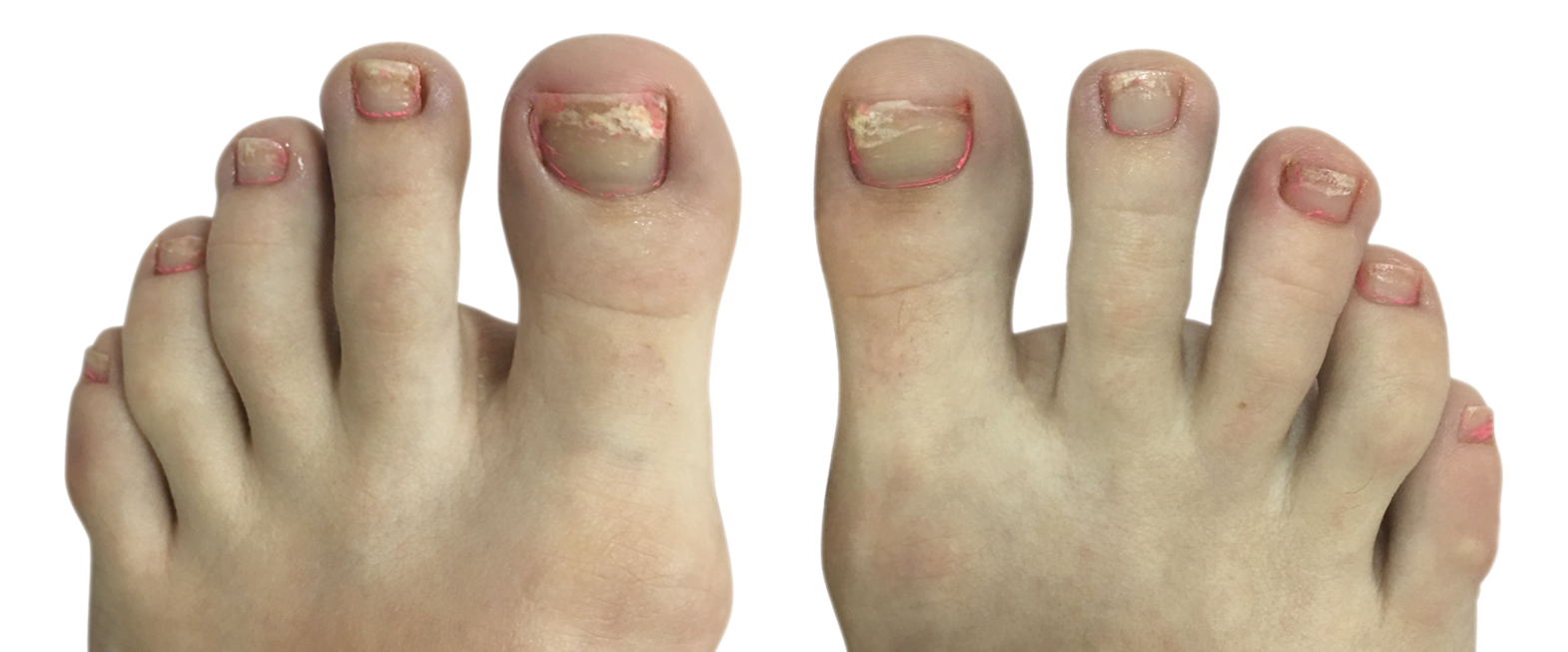
Multiple toes affected by fungal toenail infection (onychomycosis) showing yellow, thickened, and discolored toenails. Clinical image used to discuss whether toe socks can help prevent fungal toenail infections and improve foot hygieneWhen the toes are squeezed together for long periods, moisture becomes trapped and air circulation is reduced. This creates the perfect environment for fungal spores to grow and spread. Over time, the infection may remain confined to the skin between the toes, or it may spread into the neighbouring toenails, particularly the fourth and fifth toenails, resulting in fungal nail infection (onychomycosis).


One simple but highly effective preventative measure is the use of cotton toe socks.


Unlike conventional socks, toe socks individually separate each toe with a layer of fabric. This creates a physical barrier between the toes, helping to reduce skin-to-skin contact and minimise the warm, moist conditions that fungi thrive in.

The benefits of toe socks include:

  • Improved air circulation between the toes
  • Reduced moisture accumulation
  • Less skin friction and irritation
  • A physical barrier that helps limit the spread of fungal spores
  • Reduced recurrence of athlete’s foot
  • Lower risk of fungal infection spreading into the toenails


Cotton toe socks are particularly beneficial for individuals who suffer from recurring athlete’s foot, fungal toenail infections, excessive sweating, or who spend long periods wearing enclosed footwear.


While toe socks are not a treatment for an established fungal infection, they can be an excellent part of a long-term prevention strategy. Combined with good foot hygiene, proper shoe disinfection, and prompt treatment of any athlete’s foot infection, toe socks can help create a healthier environment for the feet and reduce the likelihood of future fungal problems.


At Dubai Podiatry Centre, we frequently recommend toe socks as part of a comprehensive foot care programme for patients prone to athlete’s foot and fungal toenail infections. Sometimes the simplest changes can make a significant difference in maintaining healthy feet.


Link for : Toe Socks


For more information or to book an appointment please call our clinic +971 4 3435390 or WhatsApp +971 50 3553024



Taking an oral antifungal medication, such as terbinafine, can be effective for clearing a fungal toenail infection. However, when the fungal infection has caused the toenail to lift away from the nail bed or become significantly thickened, distorted, or misshapen, medication alone may not always be enough to restore the nail to its normal shape.

In these cases, the oral antifungal may help a new, clear nail grow, but the existing nail plate may already be too distorted to return to its natural curvature and attachment. For this reason, removing the affected toenail can sometimes be the better treatment option.


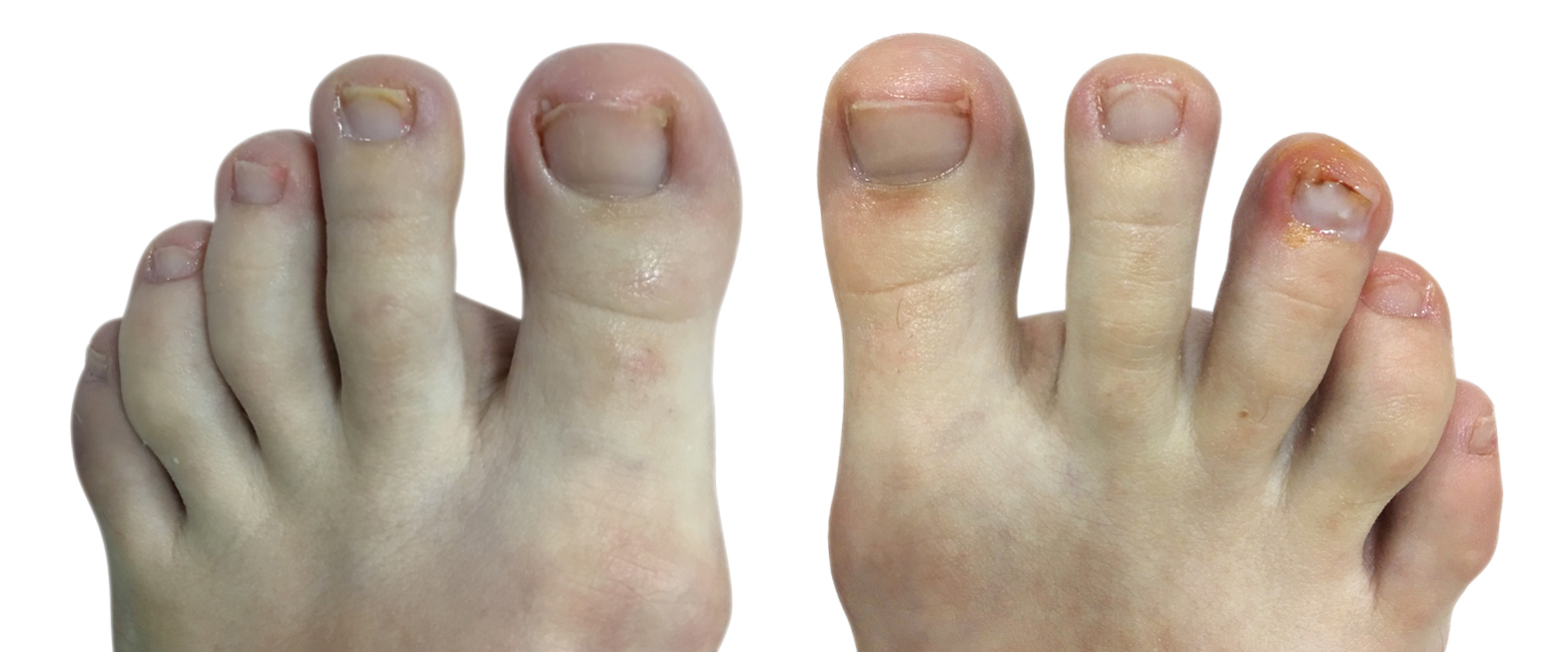
Before-and-after treatment timeline showing recovery from a severe fungal toenail infection. Images document the progress from a thick, discoloured fungal toenail before treatment through toenail removal and oral antifungal therapy, followed by gradual healthy nail regrowth over 12 months. Final photos show a clear, healthy toenail with successful resolution of the infection.


By removing the infected nail, the oral antifungal treatment can target the remaining soft tissue infection rather than having to treat an active fungal infection within the thickened nail plate itself. This may allow the medication to be taken for a shorter period, often around two to six weeks, rather than the usual three to six months required when the infected nail remains in place.

The tablet may be started a few days before the toenail removal procedure and continued afterwards as advised. This approach may reduce the length of time the liver is exposed to the medication while still helping to clear the fungal infection effectively.

Once the infected nail has been removed, the new nail has a better chance of growing back properly attached to the nail bed and with a more normal shape. However, if the fungal infection has been present for many years, there may be some long-term damage or scarring to the nail bed. For example, a toenail that has been infected and distorted for 20 or 30 years may have caused chronic irritation and changes beneath the nail, meaning the nail bed may not fully return to its original healthy structure.

The sooner a fungal toenail infection is treated properly, the better the chance of preserving the nail bed and allowing a healthier nail to grow in the future.


For more information or to book an appointment please call our clinic +971 4 3435390 or WhatsApp +971 50 3553024


Copyright Dubai Podiatry 2026. All rights reserved.

WhatsApp us