

The effects of pronation of the foot on the rest of the body can be seen with this simple diagram.
يمكن ملاحظة آثار التواء القدم على باقي الجسم من خلال هذا الرسم البياني
On the right side, the leg is internally rotated because the ankle and the foot arch has collapsed. This causes the right leg to internally rotate and makes the pelvis tilt forward. When that happens, the left side of the pelvis lifts up and the left shoulder drops. The shoulder on the right side becomes raised.
على الجانب الأيمن، الساق مستديرة من الجهة الداخلية بسبب هبوط الكاحل وقوس القدم. هذا الأمر يسبّب استدارة السّاق من الجهة الداخلية وإمالة الحوض نحو الأمام. عند حدوث هذه الأمور، يرتفع الجانب الأيسر من الحوض أمّا الكتف الأيسر فينخفض ممّا يرفع الكتف الأيمن.
So, due to this right foot leaning in and the arch collapsing, the right side of the body has a lower hip and a raised shoulder.
إذًا وبسبب انحناء القدم اليمنى وهبوط القوس، أصبح الجانب الأيمن من الجسم بحوضٍ منخفض وكتفٍ مرتفع.
To fix this we want the arches to be tilted back up to a straight position as well as the ankles to be aligned.
لمعالجة هذا الأمر علينا إمالة الأقواس وإعادتها إلى وضعيتها المستقيمة إضافةً إلى إعادة تراصف الكاحلين
This is achieved by putting something underneath the feet. For example, if the foot is leaning in 30 degrees we want to counter tilt it 30 degrees so that we make this right side straight.
يتحقّق هذا عبر وضع شيء تحت القدمين. مثلًا، في حال ميول القدم بدرجة ٣٠، علينا إمالتها بشكلٍ معاكس بنفس الدرجة لنجعل الجانب الأيمن مستقيمًا
Another example is if the left side is leaning in 5 degrees then we want to counter tilt it 5 degrees so that there is longer any leaning in of the feet and that it is straight and aligned.
مثلٌ آخر في حال ميول الجانب الأيسر بدرجة ٥، نقوم بإمالة القدم بشكل معاكس وبنفس الدرجة للتّخلّص من انحناء القدمين واستقامتها وتراصفها مجدّدًا
Pronation of the feet can really affect the foundation of the body so it is very important to have straight ankles and lifted arches.
يؤثّر التواء القدمين على بنية الجسم ولذلك من المهم جدًّا أن يكون الكاحلين مستقيمين وقوسي القدمين مرتفعين
For more information or to book an appointment please call our clinic +971 4 3435390 or WhatsApp +971 50 3553024
للمزيد من المعلومات أو لحجز موعد، الرجاء الإتّصال بعيادتنا على الرقم ٠٠٩٧١٤٣٤٣٥٣٩٠ أو التواصل عبر الواتساب على الرقم ٠٠٩٧١٥٠٣٥٥٣٠٢٤
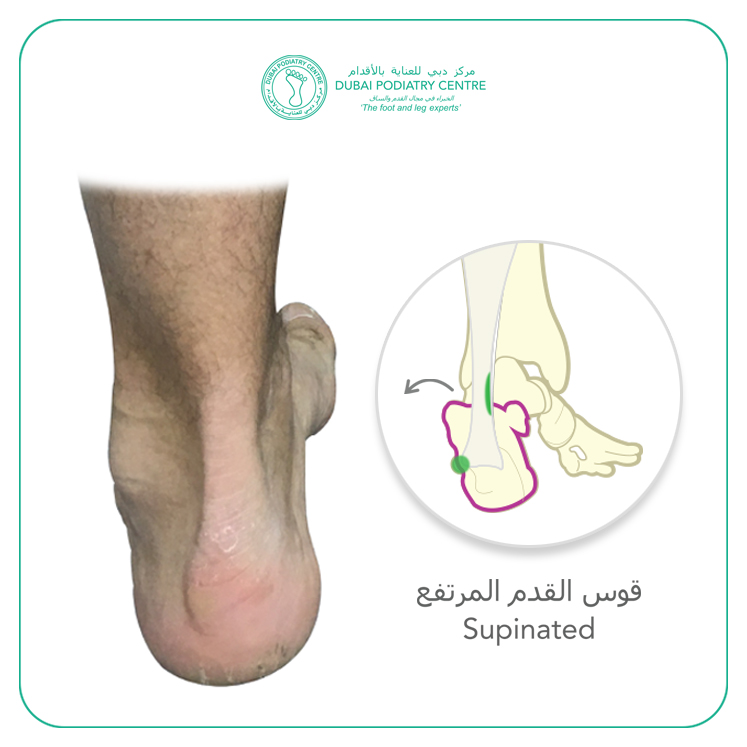 Firstly, a ‘supinated’ foot occurs when your weight rolls onto the outer edges of your foot. In this example, you can see the heel bone clearly leaning outwards which creates tension in the calf muscles and tendon attachments. This is because the calf muscles are undergoing more stress because of the supinated foot. A supinated foot is a structural issue with the ankle and heel bone and can be altered with corrective orthotics.
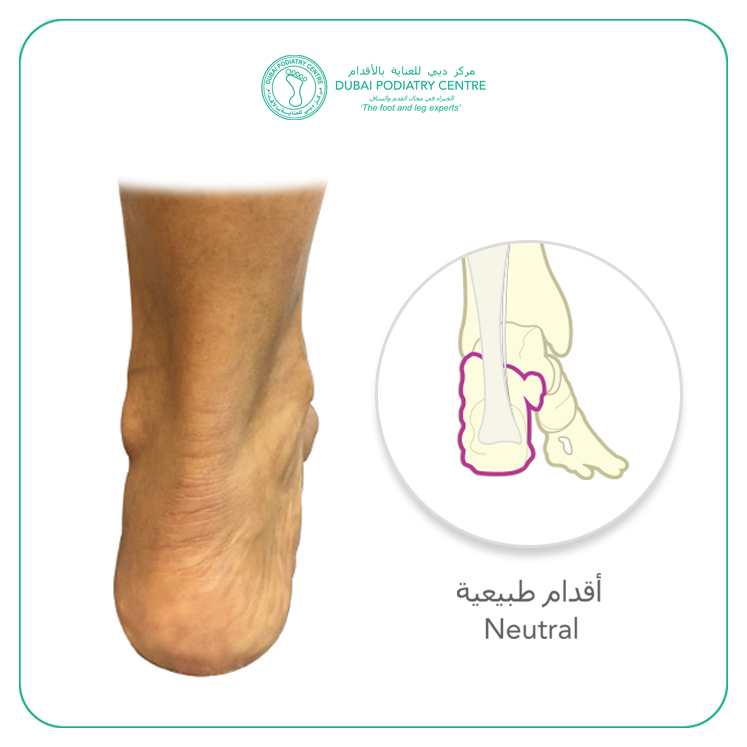 Next is a ‘neutral’ example of a foot without any pain. We use the term ‘neutral’ to describe how the heel bone is straight with no signs of supination or pronation. In this case, the heel bone is vertical as well as the achilles tendon sitting equally with
 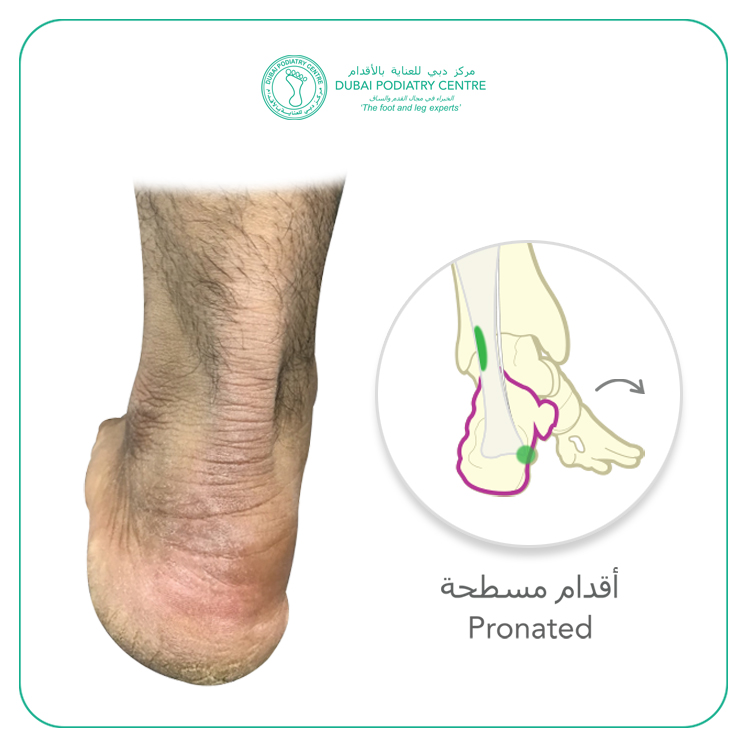 Lastly, the most common type of heel bone pain we see in our clinic is from a ‘pronated’ foot. In this case, the foot slants inwards which causes the heel bone to lean in and the achilles tendon to overstretch. This creates irritation on the inside of the heel bone and can generate an extremely uncomfortable amount of pain as well as soreness in the achilles higher up.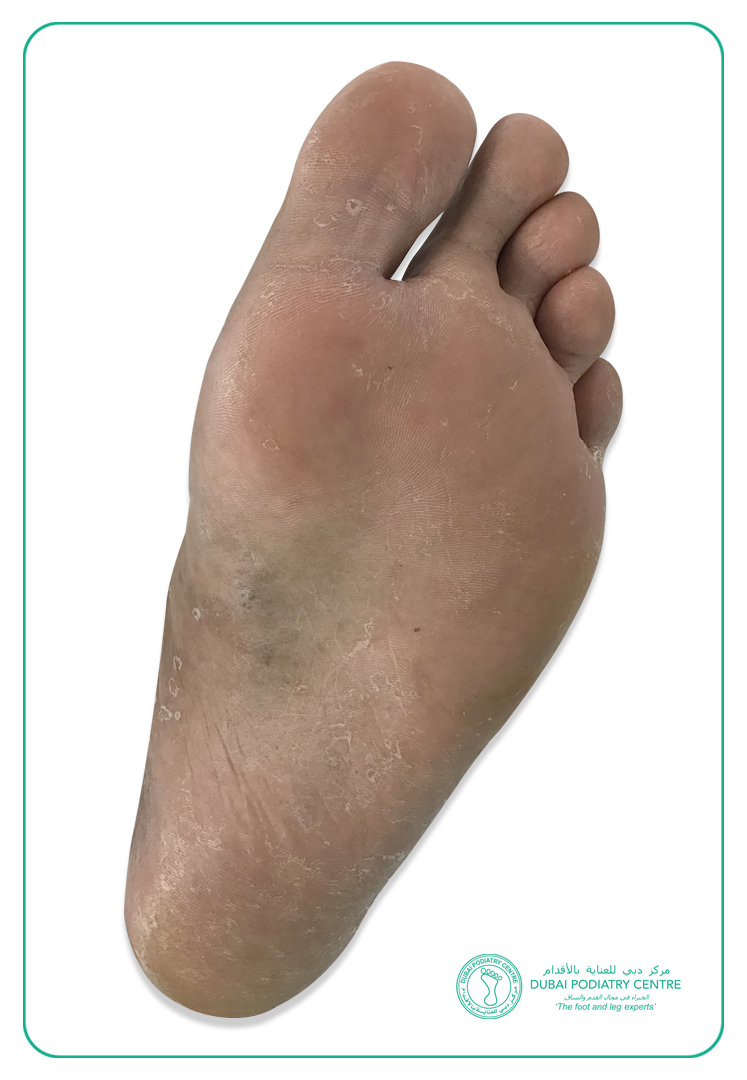
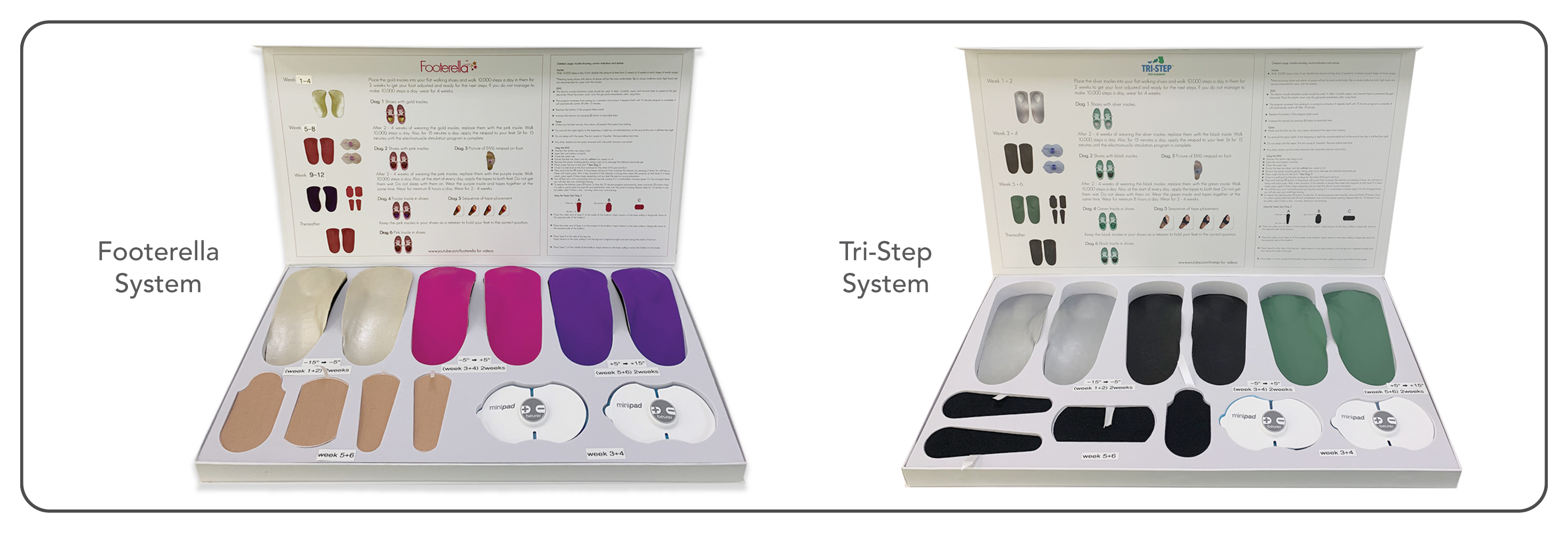 We have two main products to alter this which is the ‘Footerella System’ for women and the ‘Tri-Step System’ for men. Both of the systems have the same products in different sizes such as orthotics, foot binding tapes and electromuscle stimulators.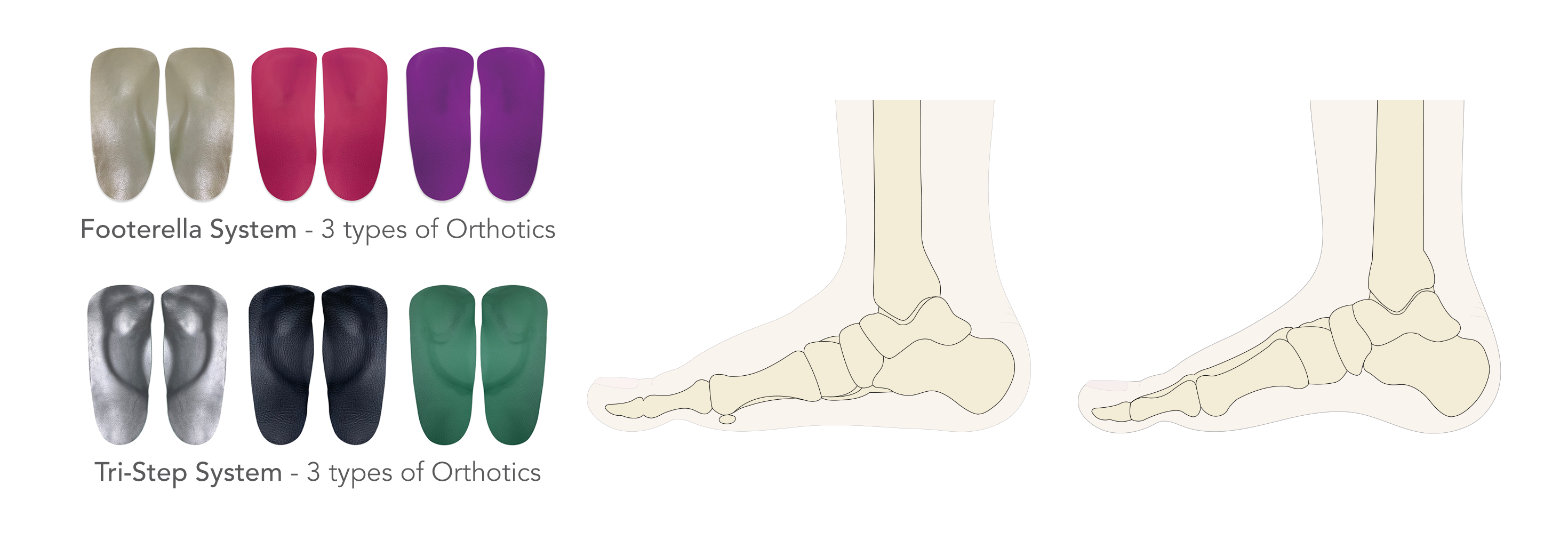
 Secondly, the electromuscle stimulators are used to tighten and strengthen the foot muscles. This is perfect for people are that adjusting to wearing orthotics and may feel some minor discomfort or aching feeling in their feet. It is also beneficial to use an electromuscle stimulator if you have been standing or walking for a long time. This device is most popular for people with occupations that require standing for lengthy periods of time such as in the military, cabin crew and teachers.
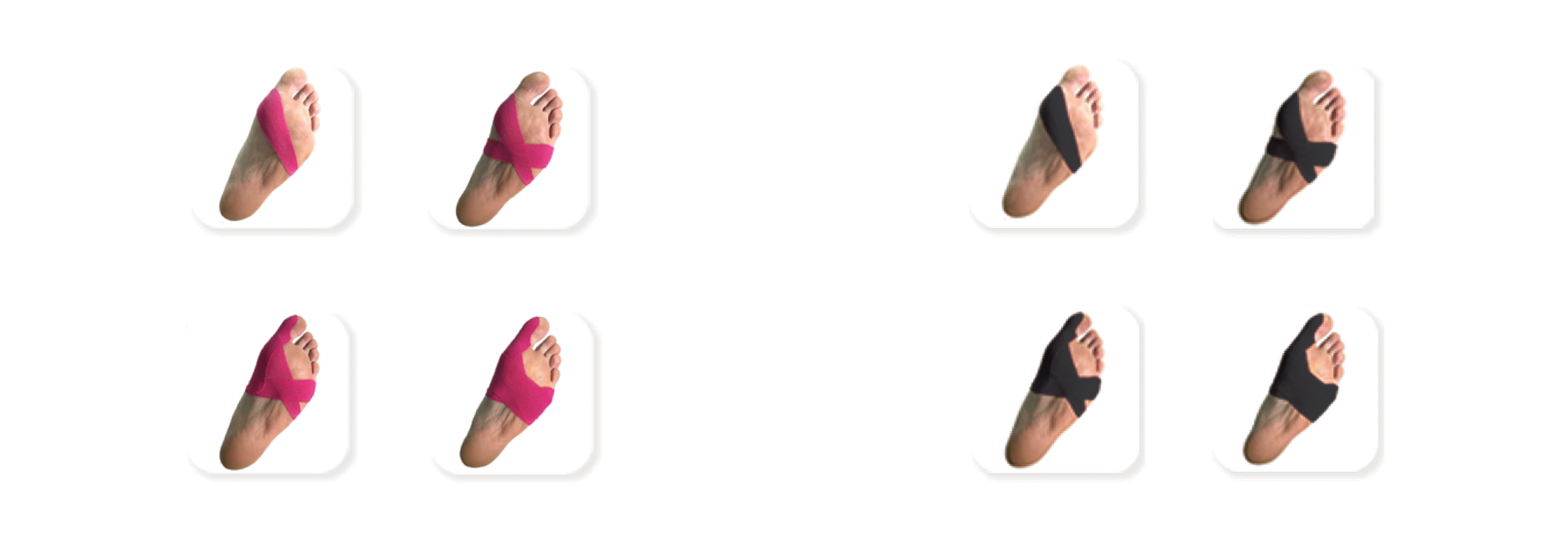 Lastly, the Footerella and Tri-Step system’s have foot binding tapes which helps to support the ligaments in the feet.
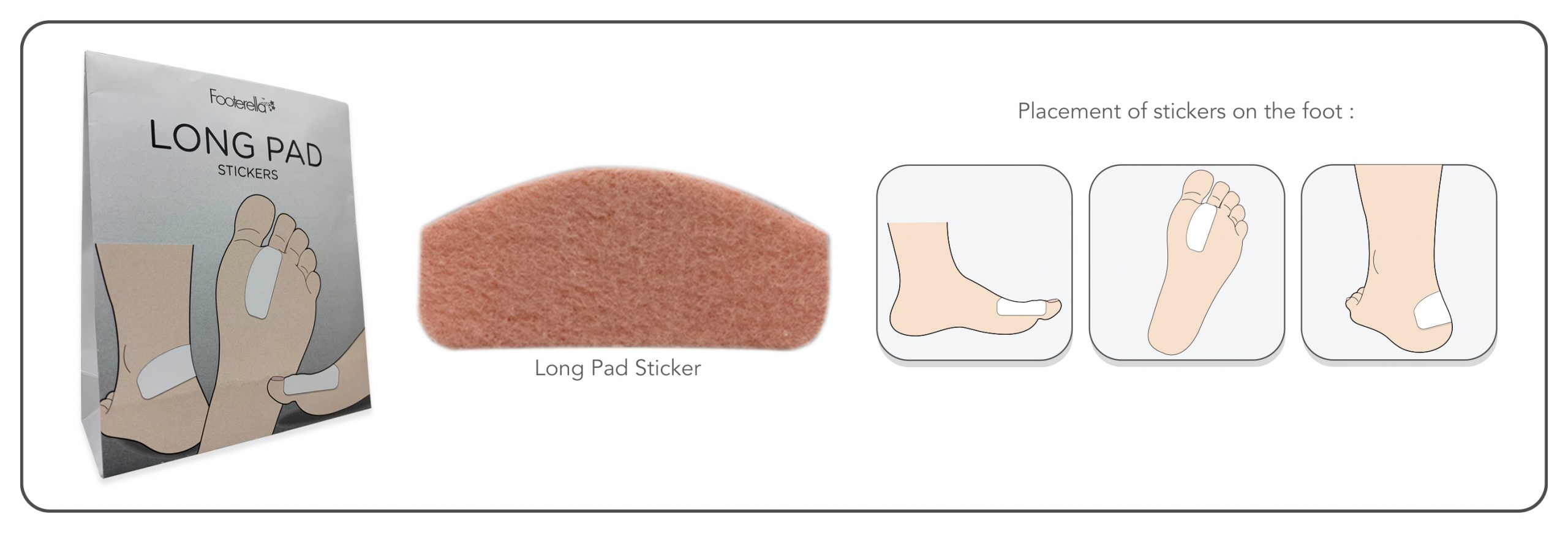
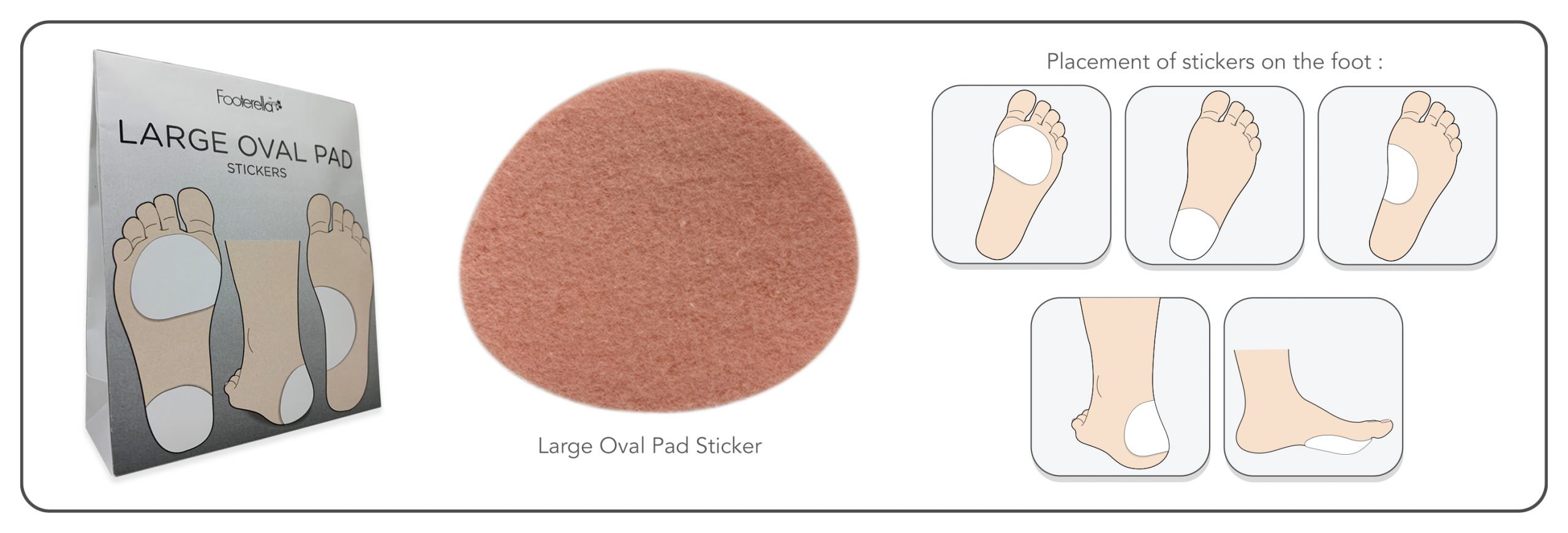
 have launched three different types of lightweight foot pads (toe pad, long pad and the large oval pad) made from fleecy web and hypoallergenic glue. We’re talking you through step-by-step of how to use each of them.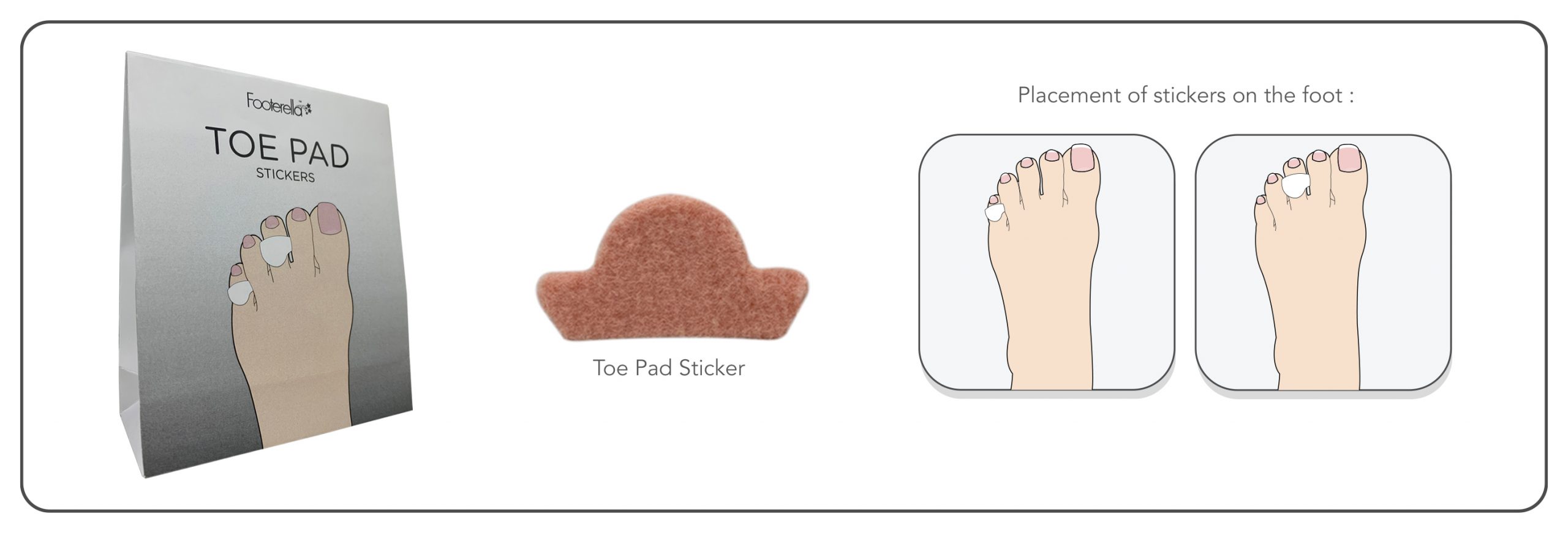
 When people suffer from heel pain it can be extremely debilitating and frustrating due to the inconsistent nature and levels of pain. This can interfere with daily life and cause unnecessary stress.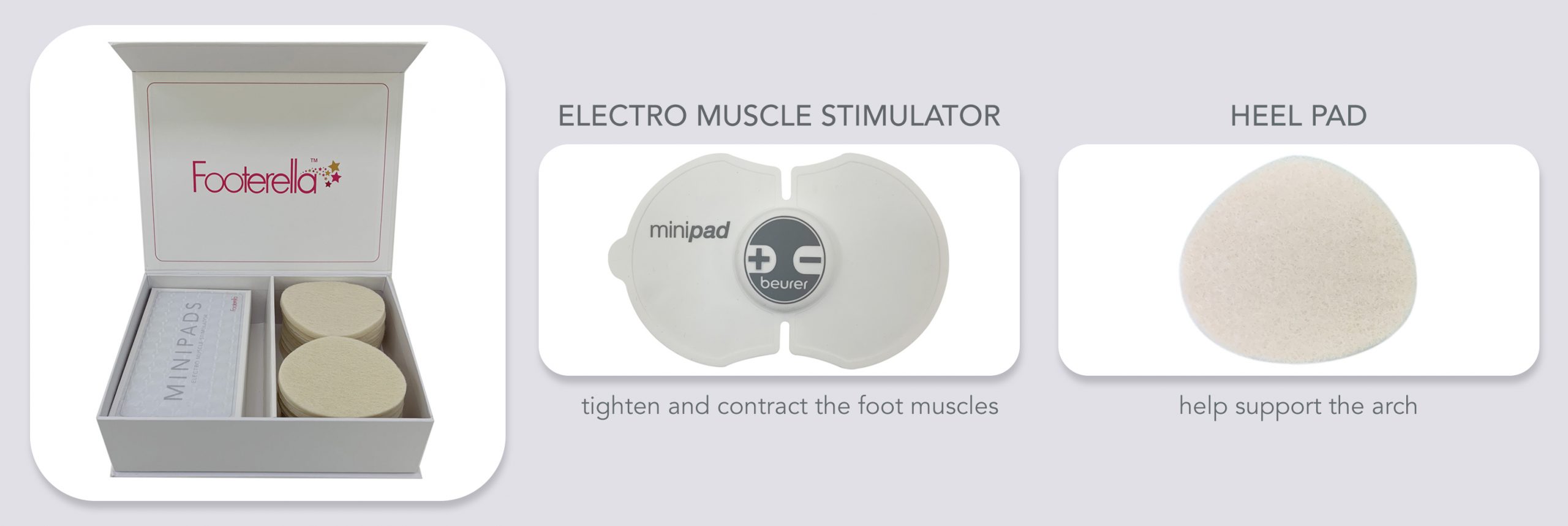
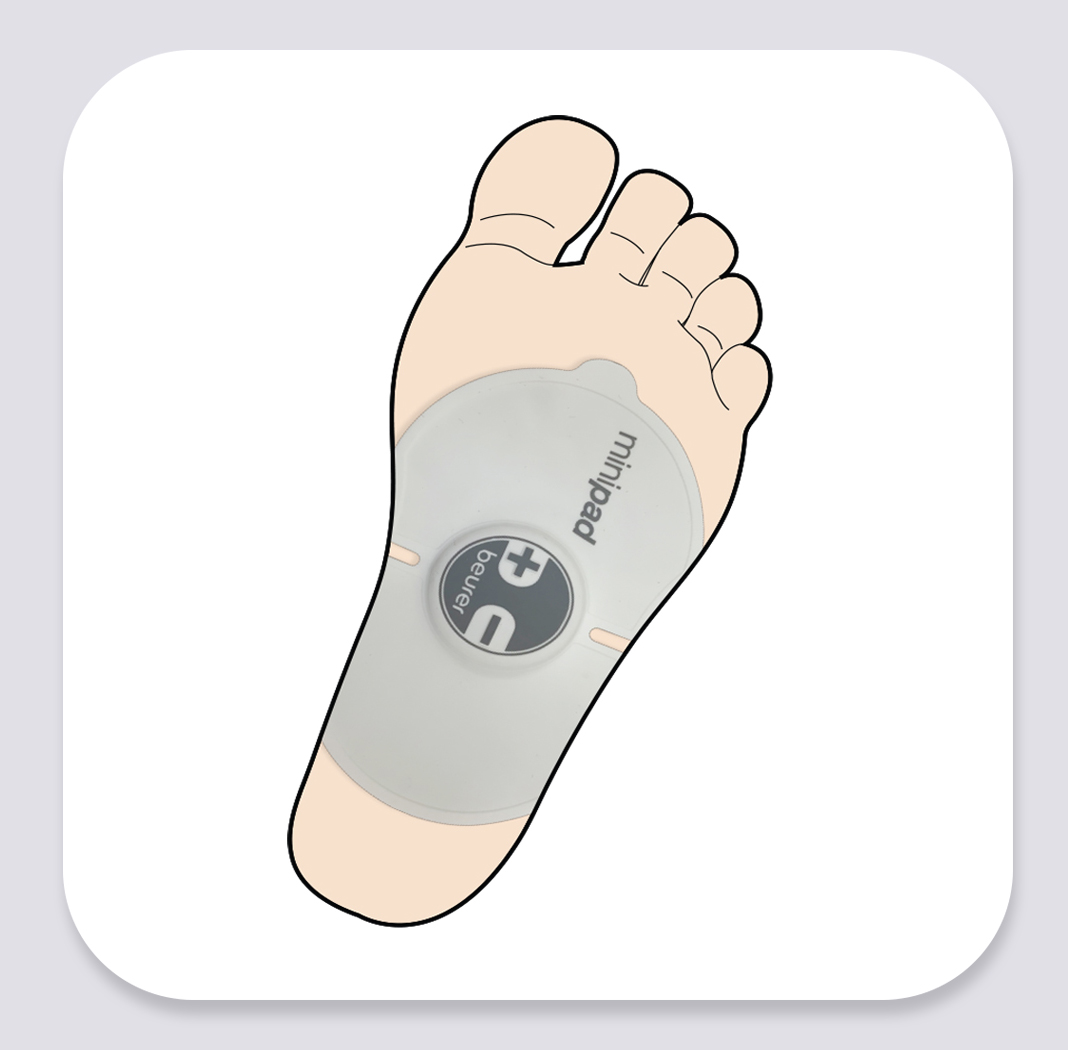 There are a couple of different ways you can use both of these products. For example, the EMS devices can be placed on the arch and across the forefoot on the sole of your foot which helps strengthen the inter-metatarsals. You may leave the EMS device on your foot for around 10-20 minutes to tighten the muscles and relieve the pressure and strain which is gathering in the heel area.
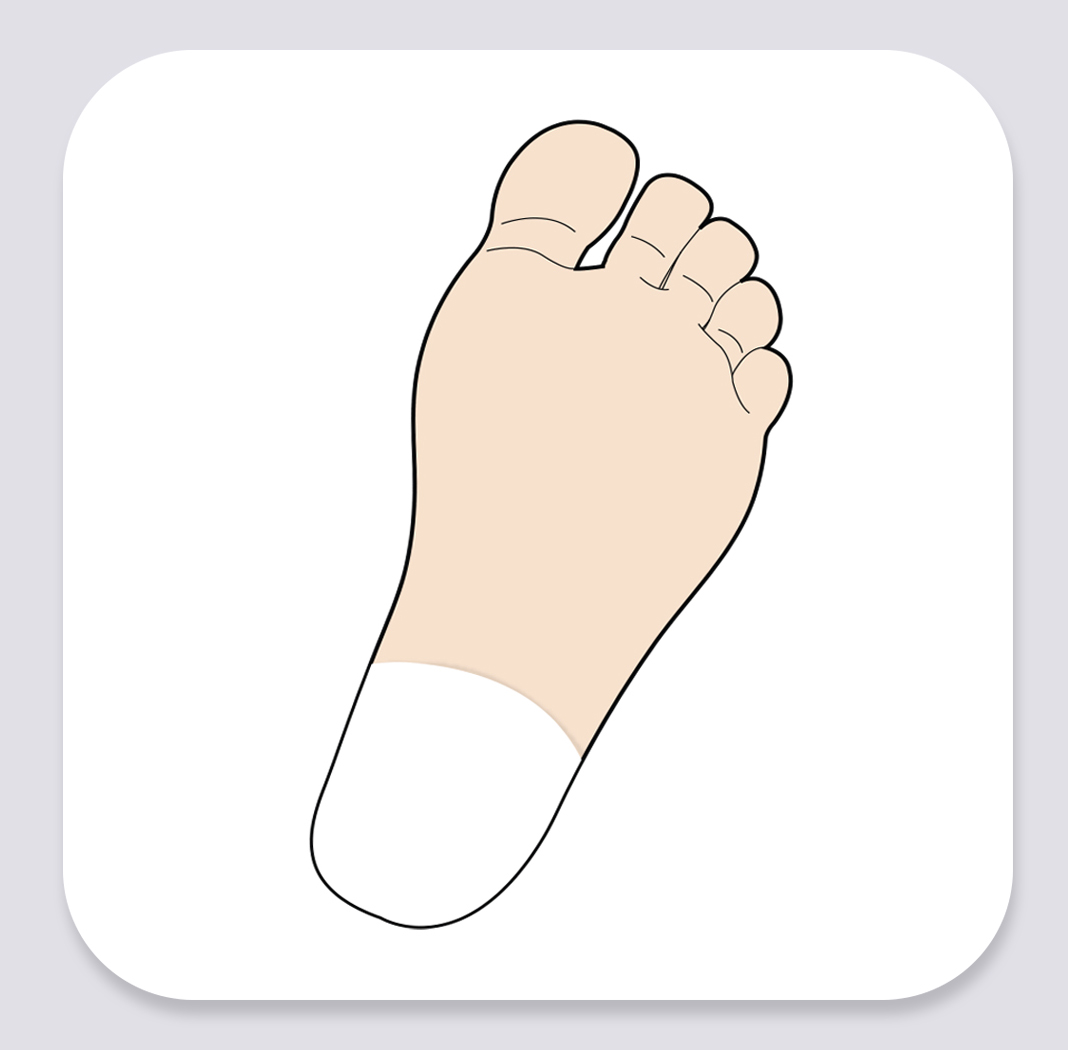 Secondly, the cotton pads can be used directly under the heel to give extra cushioning. Another way which you can place the cotton pad is half of the pad on the arch, the other half pulled up across to reach the top of your foot. This adds support and structure to your arch which eases some of the tension on the heel.