
fbpx

Please wait...


BLOG

No more posts

الأظافر الناشبة غالبًا ما تكون مشكلة عرض وليست مشكلة قصّ. عندما يكون ظفر القدم أعرض من الإصبع، تضغط الجوانب إلى أسفل داخل الجلد. هذا يبطئ نمو الظفر، ويؤدي إلى زيادة سماكة الجذر للظفر، ومع مرور الوقت يصبح الظفر أكثر تقوّسًا وأكثر ألمًا.

الاستئصال الجزئي للظفر هو إجراء طبي دائم في طبّ القدم، يتم فيه إزالة بضعة مليمترات فقط من حافة الظفر بعناية — بالقدر الكافي ليصبح الظفر مناسبًا للإصبع بشكل صحيح. من خلال تخفيف الضغط الجانبي، يمكن للظفر أن ينمو بحرية من الجذر مرة أخرى، مما يقلل الألم ويمنع تكرار المشكلة، مع الحفاظ على مظهر جمالي وطبيعي للظفر.

👣 عودة الوظيفة الطبيعية.
تخفيف الألم.
حل طويل الأمد.

#الظفر_الناشب #طب_القدم #صحة_القدم #العناية_بالأظافر #صحة_الأظافر #الاستئصال_الجزئي_للظفر #العناية_الطبية_بالقدم #أقدام_دون_ألم #أظافر_صحية #طب_القدم_دبي

لمزيد من المعلومات أو لحجز موعد، يرجى الاتصال بعيادتنا على
+971 4 3435390
أو عبر واتساب
+971 50 3553024


Ingrown toenails are often a width problem – not a cutting problem.

When a toenail is too wide for the toe, the sides press down into the skin.
This slows nail growth, causes the root to thicken the nail, and over time the nail becomes more curved and painful.

A partial nail avulsion is a permanent podiatric procedure that carefully removes only a few millimetres of the nail edge – just enough for the nail to fit the toe properly.

By relieving side pressure, the nail can grow freely from the root again, reducing pain and preventing recurrence, while still leaving an aesthetically pleasing, natural-looking nail.

👣 Function restored. Pain relieved. Long-term solution.

#IngrownToenail
#Podiatry
#FootHealth
#ToenailCare
#NailHealth
#PartialNailAvulsion
#MedicalFootCare
#PainFreeFeet
#HealthyNails
#DubaiPodiatry


For more information or to book an appointment please call our clinic +971 4 3435390 or WhatsApp +971 50 3553024


يعتقد معظم الناس أن أظافر القدم مجرد عنصر تجميلي، لكن في الواقع تؤدي أظافر القدم وظيفة وقائية مهمة لحماية أصابع القدم من الإصابات.

ولتوضيح هذه الفكرة، يمكن تشبيه ظفر القدم بخوذة الدراجة أو خوذة السلامة. فكما تحمي الخوذة الجمجمة من الصدمات، يعمل ظفر القدم على حماية العظم الصغير الموجود في نهاية الإصبع، والمعروف باسم السلامية البعيدة.

يُعد هذا العظم هشًا بشكل مدهش، كما أنه يقع في منطقة عالية الخطورة من الجسم. فأصابع القدم تتعرض بشكل متكرر للإصابات، مثل سقوط الأجسام الثقيلة، الارتطام بالأثاث، الإصابات الرياضية، أو الضغط المستمر الناتج عن الأحذية غير المناسبة. هنا يأتي دور ظفر القدم، حيث يعمل كدرع صلب يمتص قوة الصدمة ويُوزعها بعيدًا عن العظم الموجود تحته.

ويُعتبر شكل ظفر القدم عاملًا أساسيًا في هذه الوظيفة الوقائية. فبدلًا من نقل القوة مباشرة إلى الأسفل، يساعد الشكل المنحني للظفر على توزيع الضغط جانبيًا نحو الأنسجة الدهنية الليفية المحيطة بالإصبع ومن تحته. هذا التوزيع الذكي للقوة يقلل بشكل كبير من خطر الكسور وإصابات السحق التي قد تصيب السلامية البعيدة.

لماذا تصبح أظافر القدم سميكة أو مليئة بالتموجات؟

تُعد أظافر القدم شديدة الاستجابة للصدمات. فعندما يستشعر جذر الظفر، المعروف باسم مصفوفة الظفر، ضغطًا أو صدمات متكررة، فإنه يتكيف مع ذلك من خلال إنتاج مادة ظفرية أكثر سماكة كاستجابة وقائية.

الصدمات الخفيفة المتكررة

قد تؤدي الصدمات البسيطة والمستمرة إلى:

ظهور خطوط أو تموجات أفقية عبر الظفر

زيادة تدريجية في سماكة الظفر مع مرور الوقت

وغالبًا ما يكون السبب أحذية ضيقة، أحذية رياضية، أو أحذية العمل

الصدمة القوية المفاجئة

إذا اصطدمت بإصبع قدمك بقوة، مثل الارتطام بالحائط أو قطعة أثاث، فقد تلاحظ ظهور خط أفقي على الظفر بعد عدة أشهر.
يمثل هذا الخط فترة قصيرة نما فيها الظفر بشكل أكثر سماكة لحماية نفسه. وبمجرد توقف الصدمة، يعود نمو الظفر عادةً إلى طبيعته.

متى تشير سماكة ظفر القدم إلى مشكلة في الأحذية؟

عندما يصبح ظفر واحد فقط سميكًا — خاصة ظفر القدم الكبير أو ظفر الإصبع الخامس — بينما تبقى بقية الأظافر طبيعية، فإن ذلك غالبًا يشير إلى صدمة يومية متكررة وليس إلى عدوى فطرية.

الأسباب الشائعة تشمل:

أحذية ضيقة أو ذات مقدمة (Toe Box) ضيقة

الأحذية المدببة أو اللوزية لدى الأشخاص ذوي الأقدام العريضة أو المربعة

أحذية العمل أو السلامة غير المناسبة

مع اختيار الحذاء الصحيح، يبدأ سمك الظفر عادةً بالتحسن. ولكن نظرًا لأن أظافر القدم تنمو ببطء، فقد يستغرق الأمر نحو ستة أشهر قبل ملاحظة نمو ظفر صحي من الجذر.

الرياضة، انزلاق القدم، وتلف الأظافر

حتى الأحذية المناسبة قد تسبب صدمة للظفر إذا انزلقت القدم إلى الأمام داخل الحذاء.

يحدث هذا كثيرًا في:

التنس

البادل

الاسكواش

الريشة الطائرة

المشي أو النزول على المنحدرات

تؤدي الحركة المتكررة للأمام إلى زيادة الضغط على الظفر، وقد ينتج عنها كدمات تحته. وفي الحالات الشديدة، قد يتجمع الدم أسفل الظفر، وهي حالة تُعرف باسم الورم الدموي تحت الظفر.

إذا كانت الصدمة قوية، قد يسقط الظفر تلقائيًا بعد شهرين إلى ثلاثة أشهر مع نمو ظفر جديد تحته. ولا يكون العلاج ضروريًا عادةً إلا إذا كان الظفر مؤلمًا، أو ظهرت علامات عدوى، أو لم ينفصل الظفر القديم بشكل طبيعي.

في هذه الحالات، يمكن لاختصاصي علاج القدم (Podiatrist) التدخل بأمان لإزالة الظفر وتقديم العناية اللازمة.

نصيحة:
ارتداء جوارب رياضية أو جوارب مشي مبطنة مع حشوة إضافية في مقدمة الأصابع يقلل بشكل كبير من الصدمات ويمنع تلف الأظافر.

الأظافر المنحنية أو المنغرسة (Involuted Toenails)

لا تتسمك بعض أظافر القدم بسبب الأحذية، بل بسبب شكل الظفر نفسه.

الظفر الصحي يشبه صحن العشاء المقلوب

أما الظفر المَرضي فقد يشبه وعاءً مقلوبًا، حيث ينحني بشكل مفرط عند الجانبين

عندما يكون الظفر أعرض من الإصبع، ينغرس في الجلد المحيط، فيتقيّد نموه الطولي ويزداد سمكه بدلًا من ذلك. تؤدي زيادة السماكة إلى مزيد من الانحناء، ويؤدي الانحناء إلى ضغط أكبر — وهكذا تنشأ حلقة مفرغة تؤدي إلى ظفر سميك ومنغرس بشدة.

في هذه الحالات، لا يكون تقويم الظفر وحده فعالًا إلا إذا تم ترقيق الظفر بشكل كبير.
ويُعد الحل الأكثر موثوقية هو إزالة جزئية للظفر من الجانبين مع المعالجة بالفينول، وغالبًا ما يتبعها إزالة كاملة للظفر، مما يسمح بنمو ظفر جديد أكثر تسطحًا وبالعرض الصحيح.

سماكة الظفر بسبب فرط تمدد الإصبع

من الأسباب التي يتم تجاهلها كثيرًا لسماكة الظفر أو انفصاله هو فرط تمدد إصبع القدم.

أثناء المشي أو الجري، يضرب الكعب الأرض أولًا، ويرتفع إصبع القدم الكبير للأعلى بشكل مفرط، فيصطدم الظفر بشكل متكرر بسقف الحذاء — حتى وإن كان مقاس الحذاء صحيحًا.

رغم أن التثبيت أو الرباط قد يحد من الحركة، إلا أنه غالبًا ما يؤدي إلى إجهاد أو التهاب الأوتار بسبب استمرار قوة العضلات.

في معظم الحالات، يكون الحل الأكثر أمانًا هو السماح بالحركة الطبيعية للإصبع، مع حماية الظفر باستخدام جوارب سميكة ومبطنة، خاصة في منطقة الأصابع.

وتُعد جوارب مرضى السكري، وجوارب المشي، والجوارب الرياضية المبطنة خيارًا فعالًا جدًا.

متى يجب زيارة اختصاصي علاج القدم؟

ينصح بالحصول على تقييم متخصص إذا:

استمر الظفر في التسمك رغم ارتداء الأحذية المناسبة

بدا ظفر واحد مختلفًا بشكل واضح عن بقية الأظافر

كان الظفر مؤلمًا، شديد الانحناء، أو يتعرض لكدمات متكررة

انفصل الظفر أو لم يسقط بشكل طبيعي

يساعد التقييم المبكر على منع تشوهات الأظافر طويلة الأمد وتجنب الإجراءات غير الضرورية.


للمزيد من المعلومات أو لحجز موعد، يُرجى الاتصال على:
📞 ‎+٩٧١ ٤ ٣٤٣٥٣٩٠
📱 واتساب: ٩٧١٥٠٣٥٥٣٠٢٤


Most people think of toenails as purely cosmetic, but in reality, toenails serve an important protective function.

A good way to understand this is to think of a bicycle helmet or a hard hat. Just as a helmet protects your skull from impact, your toenail protects the small bone at the end of your toe, known as the distal phalanx.

This bone is surprisingly fragile and is located in a high-risk area of the body. The toes are frequently exposed to trauma, including objects falling, stubbing, sports injuries, or repeated pressure from footwear. The toenail acts as a rigid protective shield, absorbing and dispersing force away from the bone underneath.

The shape of the toenail is crucial. Rather than transmitting force directly downward, its curved structure helps spread impact sideways into the surrounding fibro fatty padding at the sides and underneath the toe. This load distribution significantly reduces the risk of fractures and crush injuries to the distal phalanx.


Why Do Toenails Become Thickened or Ridged?

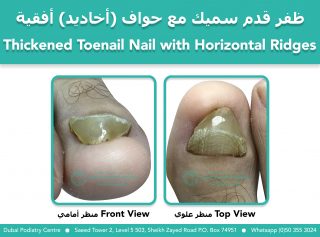
Toenails are highly responsive to trauma. When the nail root, also known as the matrix, senses repeated stress or impact, it adapts by producing thicker nail material as a protective response.

Mild Repetitive Trauma

  • Horizontal ridges or lines across the nail
  • Gradual thickening over time
  • Often caused by tight shoes, sports footwear, or work shoes

Single Significant Trauma

If you stub your toe hard or hit it against a wall, you may notice a horizontal ridge appearing several months later. This ridge represents a short period where the nail temporarily grew thicker to protect itself. Once the trauma stops, nail growth usually returns to normal.


When Thickened Toenails Signal a Footwear Problem

If one toenail, especially the big toenail or fifth toenail, becomes thick while the others remain normal, this often points to daily repetitive trauma rather than infection.

Common causes include:

  • Shoes that are too tight or too narrow in the toe box
  • Almond shaped or pointed shoes worn by people with square or broad forefeet
  • Ill fitting work or safety shoes

With correct footwear, toenail thickness often begins to normalise. However, because toenails grow slowly, it can take around six months before you visibly see healthier nail growth from the root.


Sports, Slippage, and Toenail Damage

Even well fitting shoes can cause nail trauma if the foot slides forward inside the shoe.

This is common in:

  • Tennis
  • Padel
  • Squash
  • Badminton
  • Downhill walking or hiking

Repeated forward movement increases pressure on the nail, sometimes leading to bruising beneath it. In more severe cases, blood may collect under the nail, known as a subungual haematoma.

If the trauma is strong enough, the nail may shed naturally after two to three months as a new nail grows underneath. Treatment is usually unnecessary unless the nail becomes painful, there are signs of infection, or the old nail fails to detach properly.

In these cases, a podiatrist can safely assist with nail removal and aftercare.

Tip. Cushioned sports or hiking socks with extra padding in the toe box can significantly reduce impact and prevent nail damage.


Curved and Involuted Toenails

Some toenails thicken not because of footwear, but because of their shape.

A healthy toenail resembles an upside down dinner plate.
Problem nails may resemble an upside down dinner bowl, curving excessively at the sides.

When a nail is too wide for the toe, it embeds into the surrounding skin, growth in length becomes restricted, and the nail thickens instead. Increased thickness causes more curvature, and more curvature causes more pressure. This vicious cycle often results in a very thick, involuted toenail.

In these cases, nail bracing alone is often ineffective unless the nail is aggressively thinned. The most reliable solution is a medial and lateral partial nail avulsion with phenolisation, often followed by a total nail avulsion. This allows a new, flatter nail of the correct width to grow back.


Toenail Trauma from Toe Hyperextension

Another overlooked cause of toenail thickening or separation is hyperextension of the toe.

When walking or running, the heel strikes the ground and the big toe lifts excessively upward. The nail repeatedly hits the roof of the shoe. This can happen even when shoe size is correct.

While taping or splinting may limit movement, it often leads to tendon strain or tendonitis because the muscle force remains strong.

In most cases, the safest approach is to allow natural toe movement and protect the nail with thick cushioned socks, particularly in the toe box.

Diabetic socks, hiking socks, and specialist padded sports socks are often very effective.


When to See a Podiatrist

You should seek professional assessment if a toenail continues to thicken despite correct footwear, one nail looks significantly different from the others, the nail is painful, curved, or repeatedly bruising, or a nail has detached or is not shedding normally.

Early assessment can prevent long term nail deformity and unnecessary procedures.


For more information or to book an appointment please call our clinic +971 4 3435390 or WhatsApp +971 50 3553024


بقلم: ميشيل تشامبلين، كبيرة اختصاصيي طب الأقدام – مركز دبي لطب الأقدام

تُعدّ الأظافر المغروسة في الجلد من المشكلات المزعجة التي قد تؤدي إلى التهابات وآلام شديدة إذا لم تُعالج بالشكل المناسب. ولحسن الحظ، يوجد حل دائم يمكن الحصول عليه من خلال الرعاية المتخصصة بطب الأقدام.

لماذا تتكوّن الأظافر المغروسة في الجلد؟

في بعض المرضى، تكون بنية الظفر نفسها سببًا في ميله للنمو داخل الجلد. فعلى سبيل المثال، عندما يكون لوح الظفر أعرض من عرض الإصبع – كما هو الحال في ازدحام الأسنان داخل فك صغير – لا يكون هناك متسع كافٍ له لينمو بشكل طبيعي.

الظفر المسطّح أو المروحي الشكل، الذي يتّسع باتجاه طرف الإصبع، غالبًا ما يسبّب حالات شديدة من انغراس الظفر. وبالمثل، عندما ينحني الظفر إلى الداخل ويصبح مقعّر الشكل، تبدأ حوافه في غرز نفسها داخل الجلد المحيط، مما يسبب ضغطًا وألمًا شديدين.

عندما لا يكون القصّ كافيًا

على الرغم من أن القصّ الطبي المنتظم والعناية بالقدم يمكن أن يخفّفا من المشكلة، إلا أنهما لا يحلانها جذريًا. فبما أن الظفر يستمر في النمو بنفس الشكل المشوّه من الجذر، فإن القصّ يوفر راحة مؤقتة فقط. في الحالات المزمنة، يُنصح بإجراء بسيط يُعرف باسم استئصال جزئي للظفر (Partial Nail Avulsion)، وهو حل طويل الأمد.

شرح استئصال الظفر الجزئي

يُجرى هذا الإجراء تحت تخدير موضعي مخصص للاستخدام في أصابع القدم. وعلى عكس التخدير السني الذي يحتوي على الأدرينالين لتقليل تدفق الدم، يستخدم اختصاصي طب الأقدام مخدرًا خاليًا من المواد المضيّقة للأوعية للحفاظ على الدورة الدموية، إذ إن تقييدها لفترة طويلة قد يؤدي إلى موت الأنسجة.

وللسيطرة على النزيف أثناء فترة العلاج القصيرة، يتم وضع رباط ضاغط لطيف حول الإصبع، مما يجعل المنطقة شاحبة وخالية من الدم مؤقتًا لتوفير رؤية واضحة أثناء الإجراء. بعد ذلك، يقوم اختصاصي الأقدام بإزالة الجزء المغروس فقط من الظفر مع ترك الجزء السليم كما هو.

منع عودة نمو الظفر المغروس

إذا لم يُعالج الجذر بعد إزالة الجزء المصاب، فسيعود الظفر للنمو بنفس الطريقة الخاطئة. ولمنع تكرار المشكلة، يضع الطبيب مادة كيميائية تُعرف باسم الفينول (Phenol) على جذر الظفر المكشوف، وهي عملية تُعرف باسم الفينولايزيشن (Phenolization).

يقوم الفينول بكيّ الجذر كيميائيًا لمنع نمو الظفر مرة أخرى، مع تقليل احتمال تشكل ندوب. أما الإزالة الجراحية الكاملة للجذر فقد تسبب تندبًا دائمًا، ومع مرور الوقت قد لا تمنع النمو بشكل كامل.

التعافي والعناية بعد الجراحة

يسبب الفينول حرقًا كيميائيًا طفيفًا يؤدي إلى تفاعل التهابي مؤقت يُعرف باسم “توهّج الفينول”، بالإضافة إلى إفراز بسيط لِمادة لزجة من الأنسجة أثناء الالتئام – وهذا أمر طبيعي.

خطر العدوى منخفض جدًا عند اتباع تعليمات العناية بعد العملية. حيث يقدّم اختصاصيو الأقدام ضمادات معقّمة ومحاليل مطهّرة ومتابعة دقيقة لضمان شفاء الأنسجة بشكل صحي.

نطاق الممارسة والخبرة

تُعتبر إجراءات الاستئصال الجزئي أو الكلي للظفر المعيار الذهبي لعلاج حالات الأظافر المغروسة المزمنة. يقوم اختصاصيو طب الأقدام بهذه الإجراءات بشكل روتيني، وهم مدرَّبون عليها تدريبًا متخصصًا ضمن نطاق ممارستهم المهنية.

في دولة الإمارات العربية المتحدة، تُدرج وزارة الصحة ودائرة الصحة هذه الإجراءات بوضوح ضمن نطاق ممارسة اختصاصي طب الأقدام، مما يضمن حصول المرضى على رعاية آمنة ومنظَّمة واحترافية.


للمزيد من المعلومات أو لحجز موعد، يُرجى الاتصال على:
📞 ‎+٩٧١ ٤ ٣٤٣٥٣٩٠
📱 واتساب: ٩٧١٥٠٣٥٥٣٠٢٤


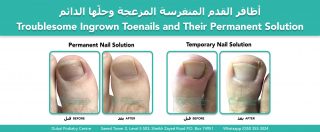
Troublesome Ingrown Toenails and Their Permanent Solution

By Michelle Champlin, Chief Podiatrist – Dubai Podiatry Centre


Troublesome ingrown toenails that require professional trimming can lead to infection and a great deal of pain if left untreated. Fortunately, there is a permanent solution available through podiatric care.


Why Ingrown Toenails Develop

In some patients, the toenail itself has structural features that make it prone to ingrowth. For example, when the nail plate is too wide for the width of the toe, much like overcrowded teeth in a small jaw, there simply isn’t enough space for it to fit properly.

A toenail that is flat and fan-shaped, widening towards the tip of the toe, often causes severe ingrown toenails. Similarly, when the nail collapses inward and becomes involuted, the edges dig into the surrounding skin, creating intense pinching and pressure.


When Trimming Isn’t Enough

Although corrective trimming and regular medical pedicures can help, they may not resolve the problem completely. Because the nail continues to grow in the same distorted shape from its root, professional trimming offers only temporary relief. In persistent cases, a minor surgical procedure called a Partial Nail Avulsion provides a long-term solution.


Partial Nail Avulsion Explained

This procedure is performed under local anaesthetic, specifically formulated for use in the toes. Unlike dental anaesthetics, which contain adrenaline to reduce blood flow, podiatrists use plain anaesthetic solutions without vasoconstrictors to preserve circulation. Maintaining blood flow is essential, as restricting it for too long can cause tissue necrosis.

To control bleeding during the short treatment period, a tourniquet is gently applied to the toe, making the area temporarily pale and bloodless. This ensures a clear field for the procedure. The podiatrist then removes the ingrown portion of the nail while leaving the healthy nail intact.

Preventing Regrowth

If the removed nail section is not treated, it will simply grow back in the same way. To prevent recurrence, the podiatrist applies a chemical called phenol to the exposed nail root and matrix, a process known as phenolization.

Phenol chemically cauterizes the nail root, preventing regrowth while minimizing scarring. Surgical removal of the nail root, by contrast, can result in scarring and, over time, may still allow regrowth.


Healing and Aftercare

Phenolization causes a mild chemical burn, leading to a temporary inflammatory reaction called a phenol flare and some sticky exudate from the healing tissues. This is normal.

The risk of infection is extremely low when post-operative care instructions are followed. Podiatrists provide sterile dressings, antiseptic solutions, and close follow-up to ensure healthy tissue repair.


Scope of Practice and Expertise

Partial and total nail avulsion procedures are considered the gold standard for treating chronic ingrown toenails. Podiatrists perform these procedures routinely and are specifically trained for them within their professional scope of practice.

In the United Arab Emirates, the Department of Health and Ministry of Health explicitly include these procedures within the podiatrist’s scope of practice, ensuring that patients receive safe, regulated, and expert care.


For more information or to book an appointment please call our clinic +971 4 3435390 or WhatsApp +971 50 3553024


بقلم ميشيل تشامبلين، أخصائية القدم الأولى – مركز دبي لتقويم الأقدام

في عالم مثالي، كنا جميعًا نرتدي أحذية مصممة تشريحيًا لتدعم أقدامنا في كل جانب. ولكن، لأسباب مهنية أو جمالية، يرتدي الكثير من الناس الكعب العالي خلال اليوم. هذه الأحذية قد تبدو أنيقة، لكنها تسبب ضغطًا على أصابع القدم، وتوترًا في عضلات القدم، وإرهاقًا عامًا.

بعد يوم طويل بالكعب العالي، تستحق قدماك فترة تعافٍ سريعة — شيء بسيط يمكنك القيام به في المنزل دون أن يستهلك وقت المساء أو يتعارض مع وقت العائلة.


خطوات التعافي المسائية

1. اخلعي الكعب والجوارب النايلون.

2. ارتدي جوارب قطنية مخصصة للأصابع.
هذه الجوارب مصممة بحيث تفصل الأصابع بلطف وتعيد محاذاتها الطبيعية. فهي تعاكس تأثير الضغط الذي يحدث عندما تبقى القدم محصورة طوال اليوم داخل مقدمة الحذاء الضيقة.

3. أضيفي فواصل سيليكون للأصابع فوق الجوارب.
يساعد السيليكون الناعم على تمديد وإطالة العضلات الصغيرة بين عظام مشط القدم — وهي عضلات بينية قد تتشنج بعد ساعات من ارتداء الكعب العالي. ارتداء الفواصل لمدة 30 إلى 60 دقيقة يساعد على تحرير التوتر واستعادة الوضع الطبيعي للأصابع.

4. ارتدي نعال بيركنستوك القطنية المبطنة.
بدلًا من المشي حافية على الأرض الصلبة، اختاري نعالًا توفر دعمًا جيدًا للقوس. تمنح نعال بيركنستوك المبطنة إحساسًا بالمشي على السجاد مع دعم للقوس والكعب. هذا المزيج يوفر راحة ميكانيكية ونفسية في آن واحد.

جميع هذه الخطوات لا تستغرق أكثر من دقيقة واحدة، ويمكنك تنفيذها أثناء تحضير العشاء أو التجول في المنزل — فهي طريقة فعالة للعناية بقدميك أثناء ممارسة أنشطتك المسائية.


لماذا تنجح هذه الطريقة

يستغرق هذا الروتين البسيط أقل من دقيقة ويوفر راحة فورية للقدمين. فهو يسمح للعضلات بالاسترخاء، ويقلل الضغط على مقدمة القدم، ويعيد التباعد الطبيعي بين الأصابع.

حتى مع الأحذية المصممة خصيصًا، مثل أحذية فيراغامو المخصصة لشكل قدم وارتفاع كعب ميشيل تشامبلين، يمكن أن تسبب مقدمة الحذاء الضيقة ضغطًا خفيفًا. لذلك يُعد هذا الروتين ضروريًا لأي شخص يرتدي الكعب العالي بانتظام.

منح قدميك فترة التعافي القصيرة هذه كل مساء يساعد في الوقاية من مشاكل طويلة الأمد مثل الأورام العظمية (البونيون)، وأصابع المطرقة، وآلام مشط القدم المزمنة — مع الاستمرار في الاستمتاع بارتداء الكعب المفضل أثناء العمل.

توصية أخصائية القدم

ارتدي الجوارب القطنية المخصصة للأصابع، وفواصل السيليكون، ونعال بيركنستوك المبطنة لمدة لا تقل عن ساعة أثناء تواجدك في المنزل.
هذا الفعل البسيط من العناية الذاتية يوفر راحة ميكانيكية ونفسية مدهشة بعد يوم طويل.


للمزيد من المعلومات أو لحجز موعد، يُرجى الاتصال على:
📞 ‎+٩٧١ ٤ ٣٤٣٥٣٩٠
📱 واتساب: ٩٧١٥٠٣٥٥٣٠٢٤


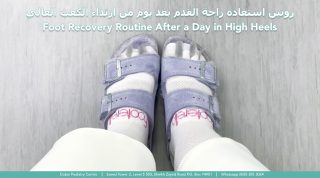
Foot Recovery Routine After a Day in High Heels

By Michelle Champlin, Chief Podiatrist – Dubai Podiatry Centre

In a perfect world, we would all wear anatomically perfect shoes that support our feet in every way. However, for work commitments or aesthetic reasons, many people wear high heels during the day. These shoes may look elegant, but they can cause compression of the toes, tension in the foot muscles, and general fatigue.

After a long day in heels, your feet deserve quick recovery, something simple you can do at home that doesn’t take up your evening or interfere with family time.


Step-by-Step Evening Recovery

1. Remove your heels and stockings.

2. Put on cotton toe socks.
These special socks are knitted to separate and gently realign the toes. They counteract the squeezing effect that happens when your feet have been confined in narrow toe boxes all day.

3. Add silicone toe aligners over the socks.
The soft silicone helps stretch and lengthen the small muscles between the metatarsal bones — the interosseous muscles — which can become cramped from hours in high heels. Wearing toe aligners for 30–60 minutes helps release tension and restore natural alignment.

4. Slip into fluffy Birkenstock slippers.
Instead of walking barefoot on hard floors, choose slippers with good arch support. Fluffy Birkenstocks give the feeling of walking on carpet while also supporting the arch and heel. This combination provides both biomechanical and psychological relief.

All of these worn in combination take less than a minute to put on and then as you potter around your house and prepare an evening meal is the be multitasking way to r we lift your feet while getting on with your evening.


Why It Works

This simple three-step setup takes less than a minute and offers immediate stress release for your feet. It allows the muscles to relax, reduces pressure in the forefoot, and restores normal toe spacing.

Even with custom-made heels, such as the Ferragamo shoes made specifically for Michelle Champlin’s foot shape and heel height — narrow toe boxes can still cause mild compression. That’s why this routine is invaluable for anyone who wears high heels regularly.

By giving your feet this short recovery period each evening, you can prevent long-term problems like bunions, hammertoes, and chronic metatarsal pain while still enjoying your favourite heels at work.

Podiatrist’s Recommendation

Wear the cotton toe socks, silicone toe aligners, and fluffy Birkenstocks for at least one hour while pottering around at home.
This small act of self-care provides remarkable biomechanical and mental relief after a long day.


For more information or to book an appointment please call our clinic +971 4 3435390 or WhatsApp +971 50 3553024


لماذا التهاب اللفافة الأخمصية لا يتعلق حقًا بـ“شدّ” اللفافة

بقلم ميشيل تشامبلين، أخصائية علاج القدم الأولى – مركز دبي لطب القدم

يُعدّ التهاب اللفافة الأخمصية أحد أكثر حالات القدم شيوعًا وألمًا التي نراها في العيادة. يسبب ألمًا حادًا وطاعنًا في الكعب، خاصة عند النهوض من السرير في الصباح أو بعد الجلوس لفترة طويلة. لكن اسم “التهاب اللفافة الأخمصية” في الواقع قد يكون مضللاً.


فهم اللفافة الأخمصية

اللفافة الأخمصية هي رباط سميك شبيه بالكولاجين يمتد من عظمة الكعب حتى أصابع القدم. تعمل كجسر تعليق يحافظ على أقواس القدم سليمة ويثبت كل خطوة تخطوها.

نظرًا لأن اللفافة مكوّنة من ألياف كولاجينية متشابكة بكثافة، فهي قوية للغاية لكنها ليست مرنة. تشير العديد من المقالات إلى ضرورة “تمديد” اللفافة، لكن في الحقيقة، اللفافة لا تنقبض، بل تُشدّ فقط عندما يبدأ هيكل القدم بالانهيار.

لماذا يحدث ذلك

عندما تكون أقواس القدم سليمة، تعمل اللفافة بهدوء في الخلفية لتثبيت القدم. لكن عندما يبدأ أحد الأقواس الثلاثة الرئيسية للقدم بالانبساط أو عندما يميل الكاحل للداخل أو الخارج، تُجبر اللفافة على العمل بشكل مفرط:

القوس الإنسي (الحافة الداخلية للقدم)

القوس الوحشي (الحافة الخارجية)

القوس المستعرض (عبر كرة القدم)

هذا الشدّ المستمر في نقطة اتصالها بعظمة الكعب يسبب تمزقات دقيقة في الغلاف الخارجي للعظم، مما يؤدي إلى التهاب وألم.


لماذا يأتي الألم ويذهب

عندما تجلس أو تنام، يتجمع الالتهاب في الغلاف المحيط بعظمة الكعب. وفي اللحظة التي تقف فيها، يسبب الضغط على تلك المنطقة ألمًا شديدًا. بعد المشي لبضع دقائق، تبدأ عضلات الساق بضخ الدم في القدم، مما يصرف الالتهاب ويخفف الألم — حتى تجلس مجددًا.

لهذا السبب يصف الكثيرون خطواتهم الأولى في الصباح بأنها مؤلمة جدًا، لكنهم يشعرون بالتحسن بمجرد أن “يتحركوا”.


من يُصاب بالتهاب اللفافة الأخمصية – ومن لا يُصاب

من المثير للاهتمام أن الأشخاص ذوي الأقدام المسطحة تمامًا نادرًا ما يُصابون بالتهاب اللفافة الأخمصية، لأن اللفافة لديهم لا تحتاج إلى الانقباض – فهي بالفعل في وضع الراحة. الحالة تصيب عادةً من تبدأ أقواس أقدامهم بالانهيار تحت الحمل، وليس من لديهم أقدام مسطحة تمامًا.

الحل الحقيقي: التصحيح الهيكلي


معالجة ألم الكعب مباشرة – مثل الثلج أو التدليك أو الكريمات المضادة للالتهاب – تعالج العرض فقط. الحل طويل الأمد هو تصحيح بنية القدم حتى لا تضطر اللفافة إلى العمل بإفراط.


قد يشمل ذلك:

دعامات تقويمية مخصصة لرفع القوسين الإنسي والمستعرض

دعم الكاحل لمنع ميلانه للداخل أو الخارج

تقوية عضلات الساق والقدم الداخلية

بمجرد دعم الأقواس بشكل صحيح، تسترخي اللفافة ويزول الالتهاب في الكعب طبيعيًا.

وقت الشفاء: 12–14 أسبوعًا

الشفاء الحقيقي يحتاج إلى وقت. تمتد فترة التعافي من التهاب اللفافة الأخمصية عادة بين 12 إلى 14 أسبوعًا.

يمكنك تخيّل عظمة الكعب – حيث ترتبط اللفافة الأخمصية – كنافذة كبيرة ضُربت بحجر فتكوّنت فيها تشققات دقيقة:

خلال الأسابيع الستة الأولى، تبدأ حواف “النافذة” بالالتئام ذاتيًا.

خلال الأسابيع الستة التالية، يبدأ المركز – أو “نقطة الاصطدام” – بالترميم التدريجي.

الأسبوعان الأخيران يسمحان بالشفاء الكامل وإعادة الاصطفاف.

لهذا السبب، فإن العلاج التقويمي التصحيحي الحقيقي، الذي يرفع ويدعم الأقواس الثلاثة للقدم ويثبت الكاحل، يتطلب فترة 12–14 أسبوعًا كاملة — ليمنح اللفافة الأخمصية الراحة اللازمة للتعافي الكامل.


تشبيه مفيد

تخيل اللفافة الأخمصية مثل ملصق قوي على الحائط. إذا بدأت بنزعه، قد تنفصل بعض طبقات الطلاء أو الجبس، لكن الخرسانة تحتها تبقى سليمة. هذا مشابه لما يحدث عندما تشدّ اللفافة على عظمة الكعب – يحدث تلف دقيق، لكن البنية يمكن أن تلتئم عندما يقلّ التوتر.

تشبيه آخر: تخيل عظمة الكعب كسقف يحتوي على فقاعة ماء خفية. عندما تنام، يتجمع السائل في تلك الفقاعة، وعندما تقف، تُضغط فجأة — مؤلمة حتى يتحرك السائل ويُصرف.


خلاصة

التهاب اللفافة الأخمصية ليس مجرد التهاب في رباط “مشَدود”، بل هو استجابة هيكلية لإجهاد في بنية القدم. عند تصحيح الميكانيكية، يزول الألم بشكل طبيعي.

إذا كنت تعاني من ألم الكعب، خاصة في الصباح، احجز فحصًا بيوميكانيكيًا مع اختصاصيي طب القدم لدينا. من خلال تحديد أي قوس ينهار، يمكننا تصميم علاج يستهدف السبب – وليس مجرد الأعراض.


للمزيد من المعلومات أو لحجز موعد، يُرجى الاتصال على:
📞 ‎+٩٧١ ٤ ٣٤٣٥٣٩٠
📱 واتساب: ٩٧١٥٠٣٥٥٣٠٢٤


Why Plantar Fasciitis Isn’t Really About a “Tight” Fascia

By Michelle Champlin, Chief Podiatrist – Dubai Podiatry Centre

Plantar fasciitis is one of the most common and painful foot conditions we see in clinic. It causes sharp, stabbing heel pain—especially when getting out of bed in the morning or after sitting for a while. But the name plantar fasciitis can actually be misleading.


Understanding the Plantar Fascia

The plantar fascia is a thick, collagen-like band that runs from the heel bone to the toes. It acts like a suspension bridge to keep the foot’s arches intact and to stabilise every step you take.

Because the plantar fascia is made of densely woven collagen fibres, it’s extremely strong but not very stretchy. Many articles suggest “stretching” the fascia, but in truth, it doesn’t tighten—it becomes pulled taut when the foot’s structure begins to collapse.

Why It Happens

When you have healthy arches, the plantar fascia works quietly in the background to keep your foot stable. But when one or more of your foot’s three main arches—

  • the medial arch (inside edge of the foot),
  • the lateral arch (outer edge), or
  • the transverse arch (across the ball of the foot)—
  • start to flatten or your ankle leans inward or outward, the fascia is forced to work overtime.

That constant tension at its attachment into the heel bone causes tiny micro-tears in the outer casing of the bone, leading to inflammation and pain.

Why the Pain Comes and Goes

When you sit or sleep, inflammation builds up in the casing around the heel bone. The moment you stand up, pressure on that area causes intense pain. After walking a few minutes, your calf muscles begin to pump blood through the foot, draining the inflammation and easing the discomfort—until you sit again.

That’s why many people describe their first steps out of bed as agonising, but feel somewhat better once they “get moving.”


Who Gets Plantar Fasciitis—And Who Doesn’t

Interestingly, people with genuinely flat feet rarely get plantar fasciitis, because their fascia never needs to engage—it’s already at rest. The condition typically affects those whose arches are collapsing under load, not those whose arches are already fully flat.

The Real Solution: Structural Correction

Treating the heel pain directly—ice, massage, or anti-inflammatory creams—only addresses the symptom. The long-term solution is to correct the structure of the foot so that the fascia no longer has to overwork.

This might involve:

  • Custom orthotics to lift the medial and transverse arches
  • Supporting the ankle to stop it leaning in or out
  • Strengthening the calf and intrinsic foot muscles


Once the arches are properly supported, the fascia relaxes and the inflammation at the heel naturally subsides.


Healing Time: 12–14 Weeks

True healing takes time. The recovery process for plantar fasciitis typically spans 12 to 14 weeks.

You can imagine the heel bone where the plantar fascia attaches as a large window that has had a stone thrown at it, causing tiny micro-fractures across the glass.

  • During the first six weeks, the outer edges of the “window” begin to self-heal.
  • Over the next six weeks, the centre, or the “bull’s-eye” where the impact was greatest, gradually repairs.
  • The final two weeks allow for complete healing and realignment.

This is why genuine corrective orthotic therapy, which lifts and supports all three arches of the foot and stabilises the ankle, requires this full 12–14 week period—to give the plantar fascia the rest it needs for complete recovery.

A Helpful Analogy

Imagine the plantar fascia like a strong sticker on a wall. If you start to peel it off, some paint and plaster may come away, but the concrete beneath is still intact. That’s similar to what happens when the fascia pulls on the heel bone—micro-damage occurs, but the structure can heal once tension is reduced.

Another way to picture it: think of the heel bone as a ceiling with a hidden water bubble. When you sleep, fluid builds up in that bubble, and when you stand, it’s suddenly compressed—painful until movement drains it away.

In Summary

Plantar fasciitis isn’t simply inflammation of a “tight” band. It’s a structural response to stress in the foot’s architecture. Correct the mechanics, and the pain goes away naturally.

If you suffer from heel pain, especially first thing in the morning, book a biomechanical assessment with our podiatrists. By identifying which arch is collapsing, we can design a treatment that targets the cause—not just the symptom.


#PlantarFasciitis #HeelPain #HeelPainRelief #DubaiPodiatryCentre #FootPain #FlatFeet #ArchSupport #OrthoticsDubai #Podiatry #FootCare #Biomechanics #HealthyFeet #Footerella #PodiatristDubai #DubaiHealth


For more information or to book an appointment please call our clinic +971 4 3435390 or WhatsApp +971 50 3553024


Copyright Dubai Podiatry 2026. All rights reserved.

WhatsApp us