

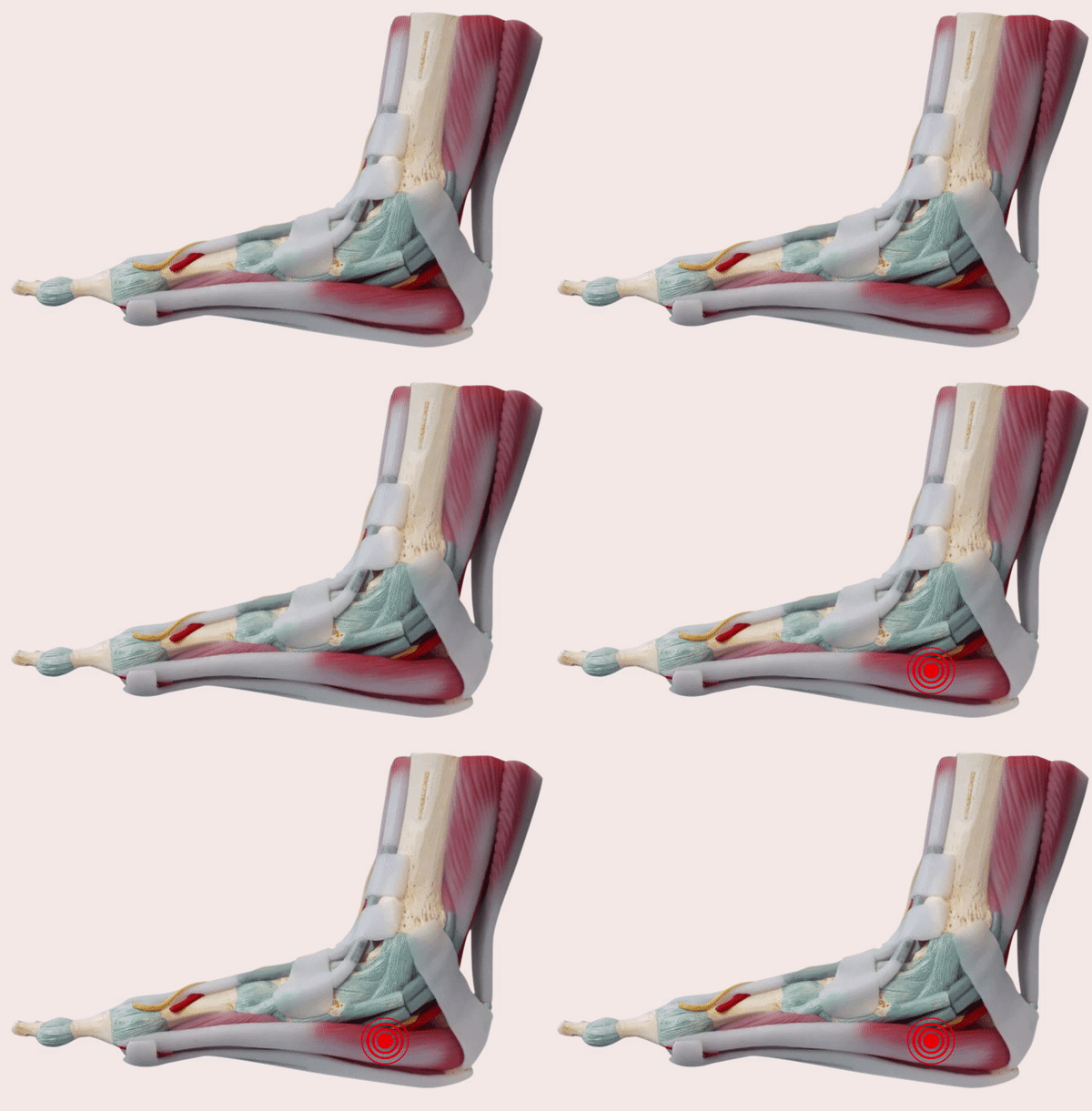
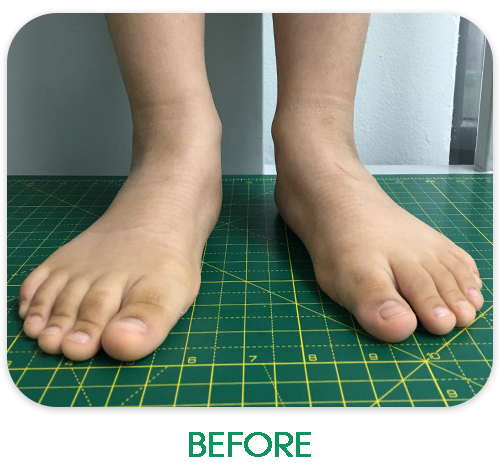
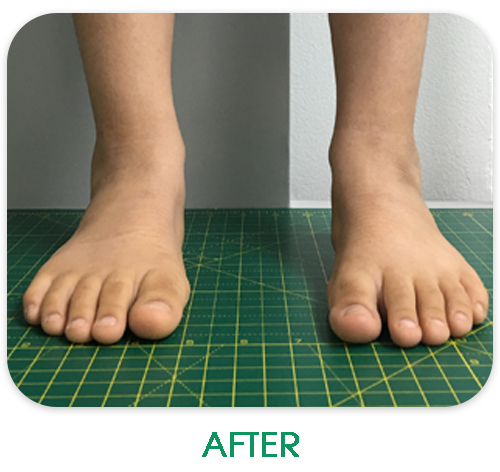
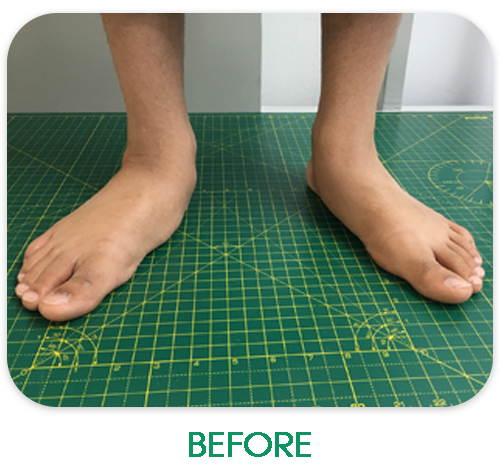
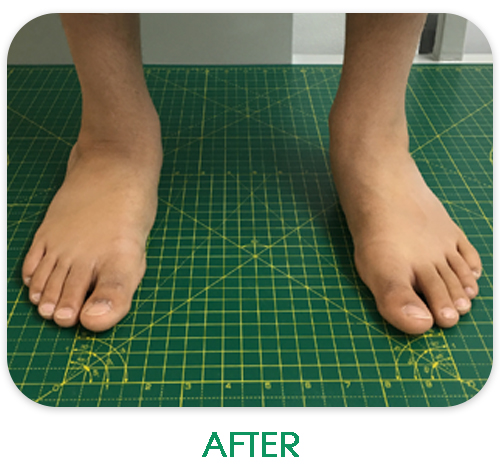
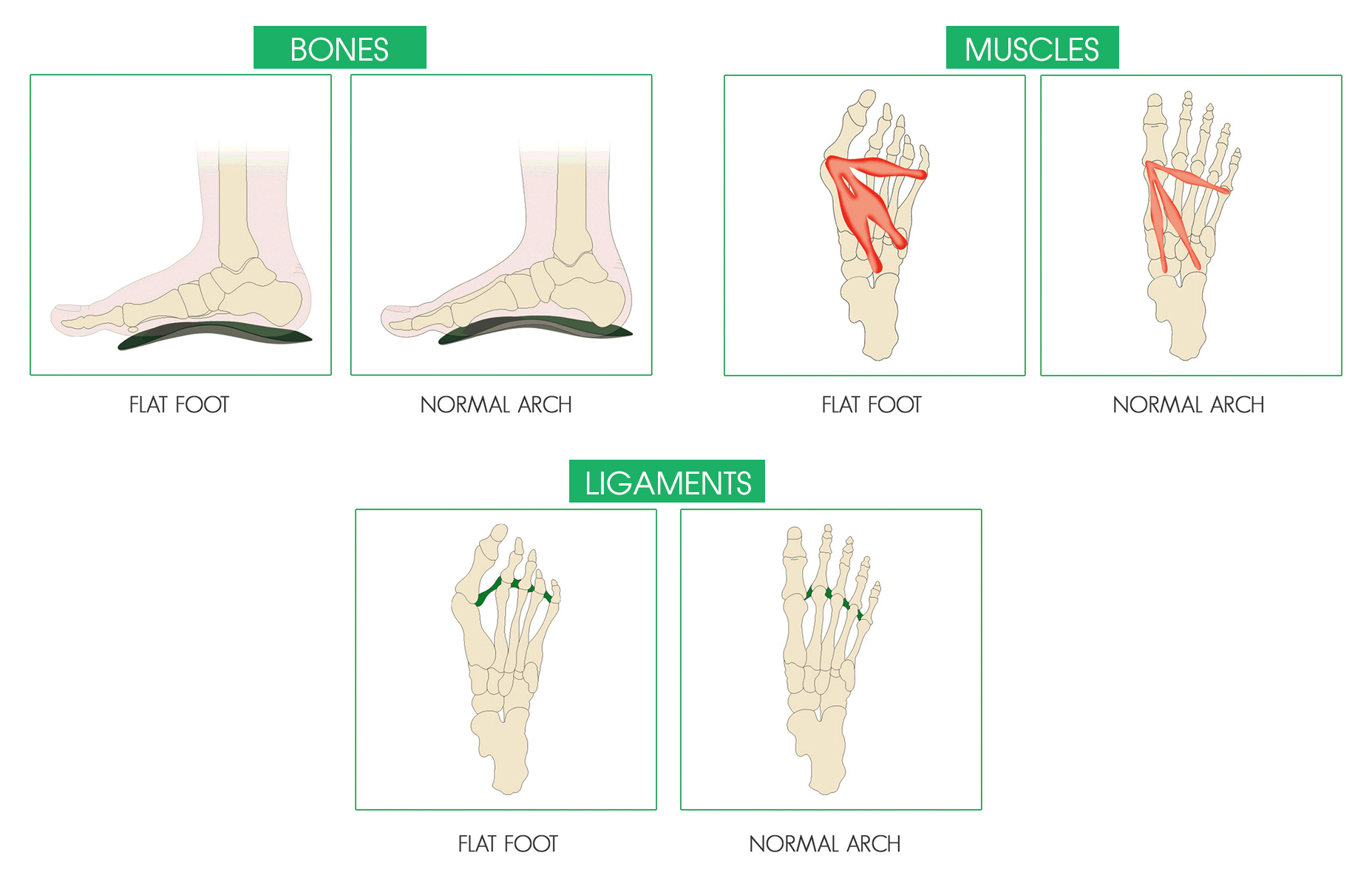
 Welcome to Foot Talk Fridays. Today we’re going to be discussing the importance of engaging the muscles on the inside of the feet here. It’s really important that when we’re correcting a flat foot that we tilt it and get the ankle straight. But sometimes what we need to do is engage the muscle to an end to this month so here and sometimes we can jump start it. We can do it with something like this which are little small electric muscle stimulators. There are the perfect size. These are called minipads by Footerella.
To jump start this muscle and sometimes an extreme flat feet where the muscle tone is nonexistent, we will use something that is much more powerful and this is the EM49.And this has really really strong current to that muscle so the muscles extremely flat and week we would use something much stronger and that engages this muscle. So we would tilt the foot straight and then we use electro with an insole or an orthotic. And then we tighten this muscle using the Electro muscle stimulators and then later on we would do something underneath the foot to tighten the foot and begin to lift the arch with tapes and straps and that process is something called Tri step which I will post in a later video as well simple components to lift and tighten the foot, straighten the foot, get the muscles engaged again. Have a happy Friday.

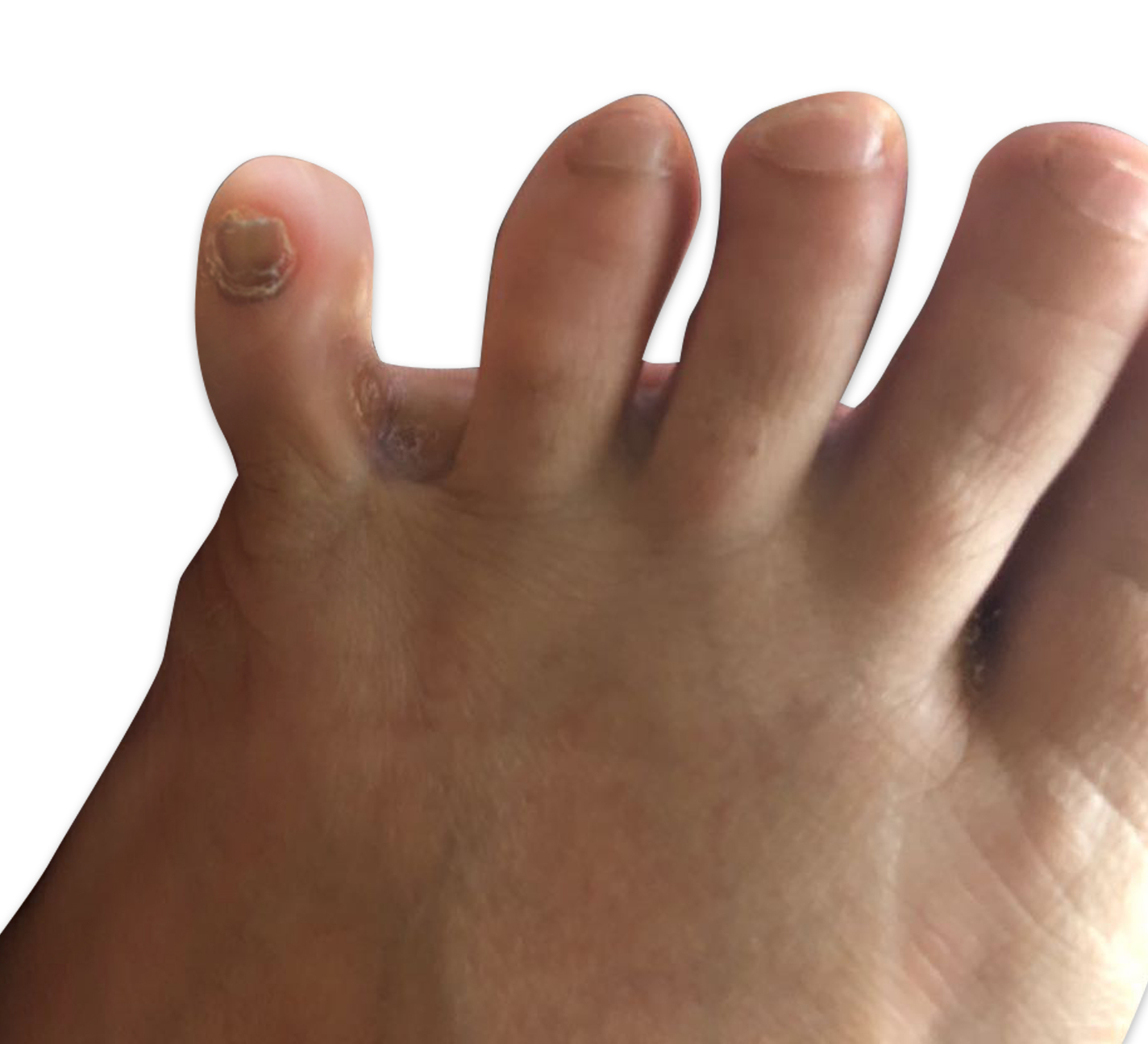
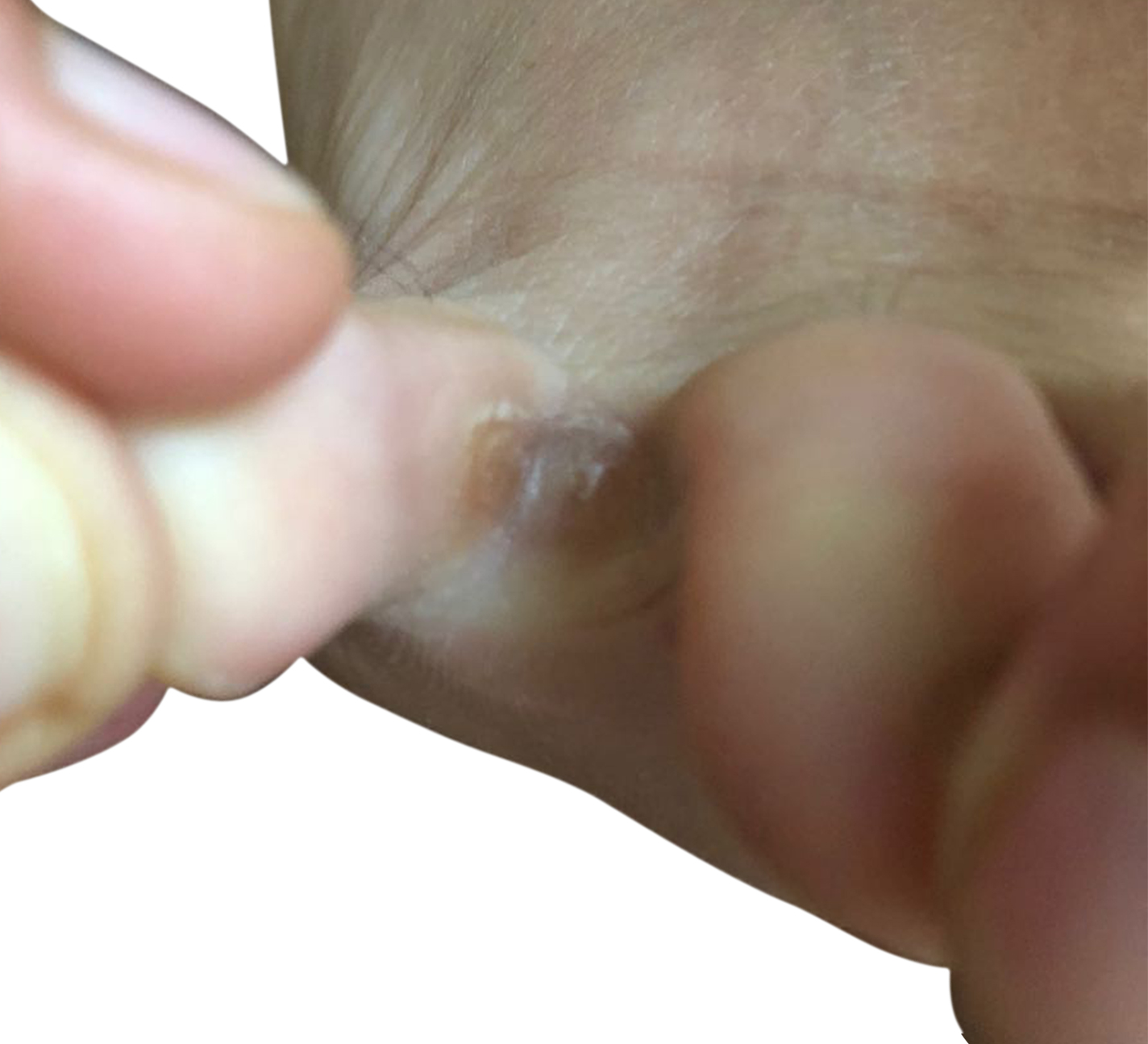
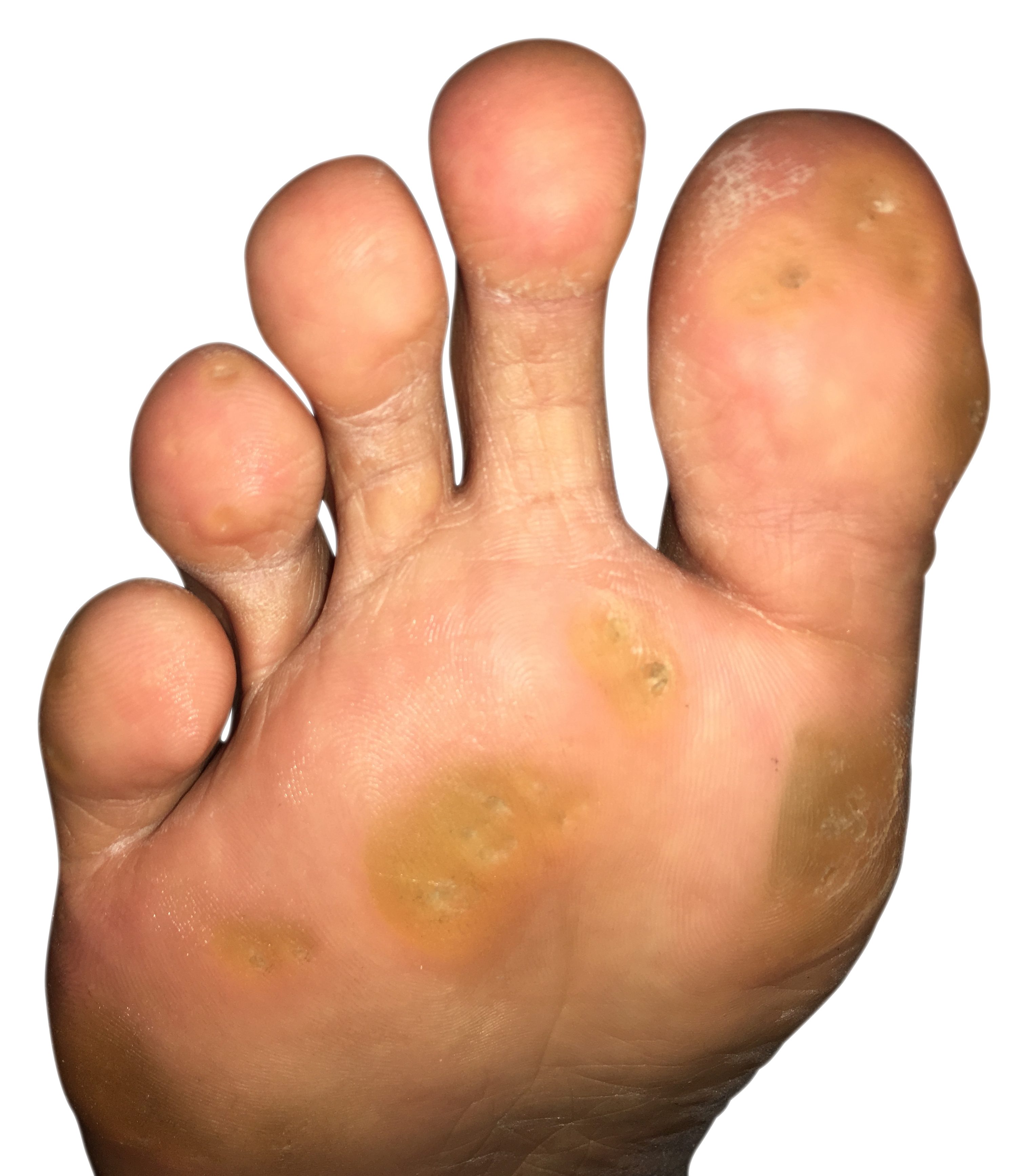
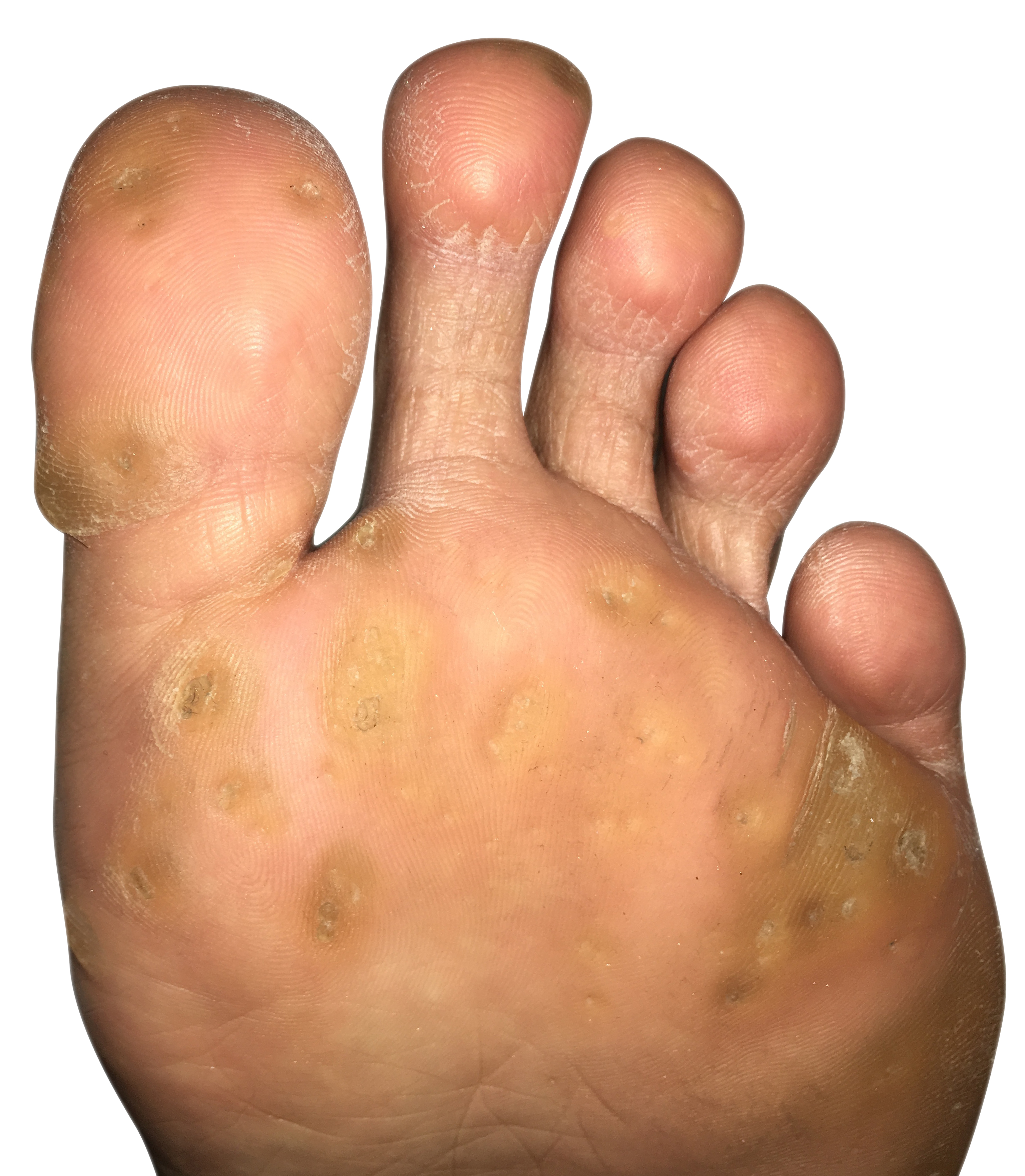
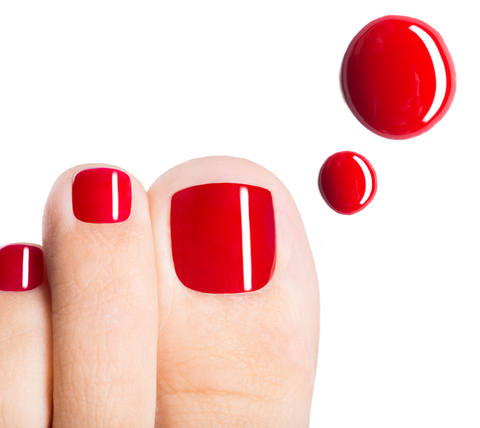 When nail polish is applied it masks the nail and creates a waterproof covering. Water can get in from all edges of the nail polish and create a fungal infection underneath. Sweat from under skin goes through the toenail and gets trapped as the nail polish blocks the moisture from leaving the nail. This can rot the toenail. This can be avoided if you paint your nails and then remove the nail polish the next day try and think of it like putting on make up and taking off later that day.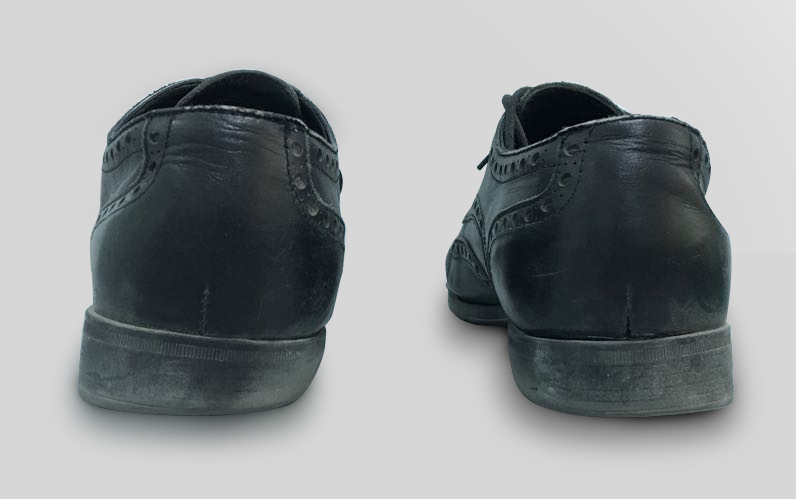
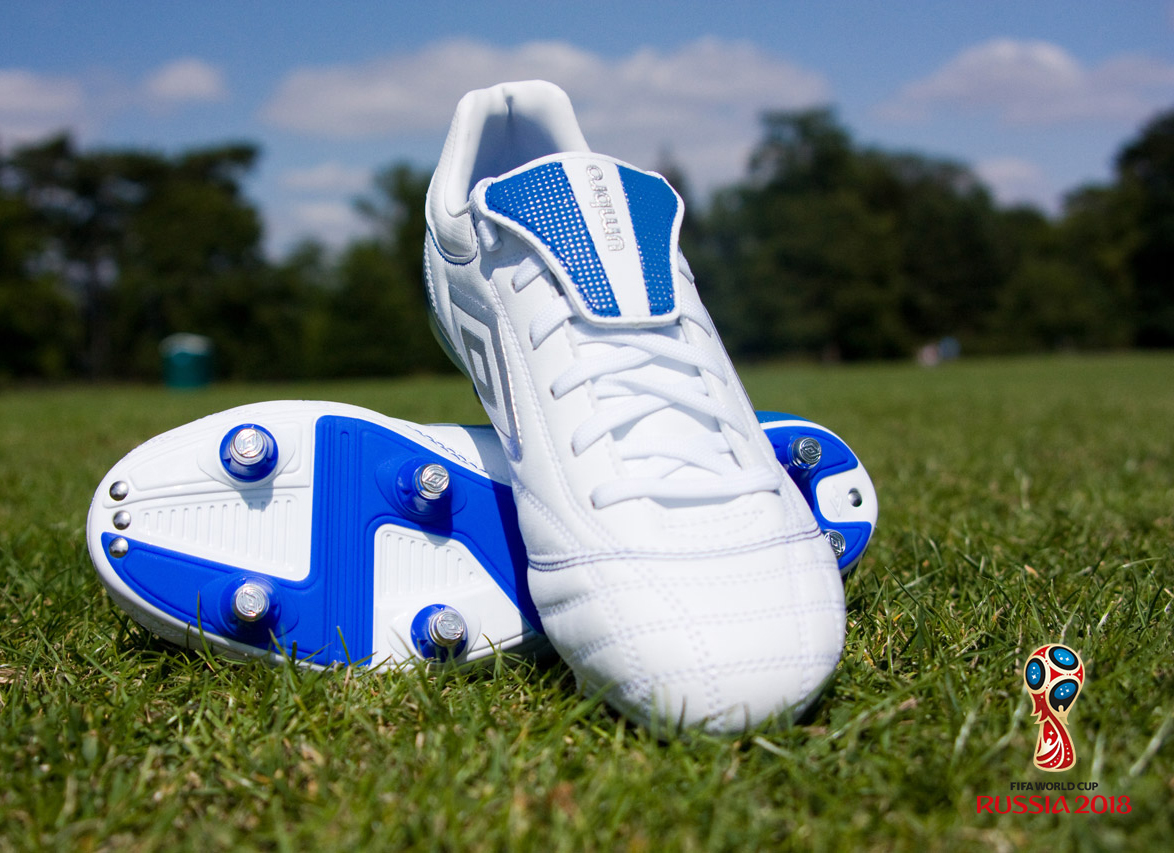
 stiffer and give better support and protection during tackling.