fbpx

Please wait...


BLOG

No more posts

Foot pain arising around the same time as an increase in weight, or body mass index(BMI), may be of no coincidence. As the foot is designed to absorb the shock from the ground when you are walking and running, it will be under pressure to do this effectively due to the excess weight.
Excess weight will resultin extra strain around the foot and ankle and may cause tendon damage and laxity. This cancommonly lead to wear and tear of the joints in the lower limb, such as the hip, knee and foot and ankle. This condition is called osteoarthritis, which is a painful condition resulting in a loss of articulation cartilage, required for joint motion.
Plantar fasciitis is a painful condition affecting the heel and/or arch of the foot. The plantar fascia is a connective sheath holding the forefoot to the rear foot and supports the arch. When extra weight is applied, it places the plantar fascia under strain, resulting in micro tears along it. Orthotics support the foot and ankle alignment which will in turn maintain the arch and plantar fascia structure, reducing pain.
Simple tasks such as finding shoes can also be a problem. Feet become wider withobesity;therefore sandals with adjustable straps and flip flops are often the shoe of choice. These shoes are unsupportive and can even lead to other foot pathologies such as arch pain, heel pain, clawing of the lesser toes and dry cracked heels.
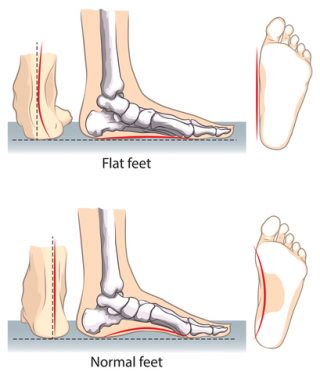
Children’s feet are still growing and developing. When children become overweight, a child with a high BMI can affect the growing feet by altering the developing foot shape due to the increased stresses on the developing bones and cause issues such as a lowered arch.
See your GP with regards to reducing weight in a safe and controlled manner.
Seek to be more active on a daily basis  take the stairs instead of the elevator, park farther away in the Mall and so on. Purchase a pedometer so that you can see and measure your ongoing increasing activity levels (recommended daily steps per day is 10,000).
Make an appointment with us on 04 3435390 if you are worried about your feet  we make fully custom corrective orthotics for example to correct and support foot function and will be delighted to offer expert advice, assistance and support for improving your foot and leg health.


القدمين وزيادة مؤشر كتلة الجسم

آلام القدم التي تنشأ في نفس الوقت تقريبًا مع زيادة الوزن، أو “مؤشر كتلة الجسم” (BMI)، قد لا تكون من قبيل الصدفة. بما أن القدم مصممة لامتصاص الصدمات من الأرض أثناء المشي والجري، فإنها ستتعرض للضغط للقيام بذلك بشكل فعال بسبب الوزن الزائد.

سيؤدي الوزن الزائد إلى إجهاد إضافي حول القدم والكاحل وقد يتسبب في تلف الأوتار وتراخيها. وهذا يمكن أن يؤدي عادة إلى تآكل وتمزق المفاصل في الطرف السفلي، مثل الورك والركبة والقدم والكاحل. تسمى هذه الحالة بالتهاب المفاصل العظمي، وهي حالة مؤلمة تؤدي إلى فقدان الغضروف المفصلي اللازم لحركة المفصل.

التهاب اللفافة الأخمصية هو حالة مؤلمة تؤثر على كعب و/أو قوس القدم. اللفافة الأخمصية عبارة عن غمد ضام يربط مقدمة القدم بالقدم الخلفية ويدعم القوس. عندما يتم تطبيق وزن إضافي، فإنه يضع اللفافة الأخمصية تحت الضغط، مما يؤدي إلى تمزقات دقيقة على طولها. تدعم أجهزة تقويم العظام محاذاة القدم والكاحل والتي بدورها تحافظ على بنية القوس واللفافة الأخمصية، مما يقلل الألم.

يمكن أن تمثل المهام البسيطة مثل العثور على الأحذية مشكلة أيضًا. تصبح الأقدام أكثر اتساعًا مع السمنة، لذلك غالبًا ما تكون الصنادل ذات الأشرطة القابلة للتعديل والنعال هي الحذاء المفضل. هذه الأحذية غير داعمة ويمكن أن تؤدي إلى أمراض أخرى في القدم مثل ألم قوس القدم وألم الكعب وتخالب أصابع القدم الصغيرة وجفاف الكعب المتشقق.

لا تزال أقدام الأطفال تنمو وتتطور. عندما يعاني الأطفال من زيادة الوزن، يمكن أن يؤثر الطفل ذو مؤشر كتلة الجسم المرتفع على نمو القدم عن طريق تغيير شكل القدم النامية بسبب الضغط المتزايد على العظام النامية ويسبب مشاكل مثل انخفاض القوس.

راجع طبيبك العمومي فيما يتعلق بإنقاص الوزن بطريقة آمنة وخاضعة للرقابة.

احرص على أن تكون أكثر نشاطًا على أساس يومي – “اصعد السلالم بدلاً من المصعد، أو أوقف سيارتك في مكان بعيد في المركز التجاري، وما إلى ذلك. قم بشراء عداد الخطى حتى تتمكن من رؤية وقياس مستويات نشاطك المتزايد المستمر (الخطوات اليومية الموصى بها هي ١٠٠٠٠ خطوة).

حدد موعدًا معنا على الرقم ٠٤٣٤٣٥٣٩٠ إذا كنت قلقًا بشأن قدميك – “نحن نصنع أجهزة تقويمية تصحيحية مخصصة بالكامل على سبيل المثال لتصحيح ودعم وظيفة القدم وسنكون سعداء بتقديم مشورة الخبراء والمساعدة والدعم لتحسين صحة القدم والساق. .


Winter has finally returned to Dubai, and with it all things sport. There are numerous runs and races planned from now through to Spring 2013, ranging from 5ks, 10ks to triathlons. With Dubai half marathon and marathon fast approaching it is not surprising that we have seen the number of shin complaints increase over the past few weeks.
Exercise induced pain at the front or inner section of the shin bone (tibia) is commonly labelled Shin splints. It is however, an umbrella term.
Shin splints are often caused by an underlying biomechanical malalignment resulting in stretching, irritation and damage of the muscle and tendons along the tibia.
Pain deep within the tibia is associated with true shin splints, involving a specific muscle and its attachment to the tibia bone. Pain on the outer tibia is however often indicative of other conditions, such as compartment syndrome, rather than shin splints. Pain in the shins is not necessarily shin splints and a full biomechanical examination should be sought in order to identify the underlying condition and treat appropriately.
Biomechanical anomalies lead to compensatory increased muscle function, whether it؛s contraction or stretching: the end result is irritation at the muscular insertion to the bone.
The most common foot problem associated with shin splints is compensatory overpronation (rolling in of the foot).
So how can your Podiatrist help? Corrective custom prescription orthotics will address any underlying biomechanical abnormalities and thus reduce excess traction of the muscles at the front and back of the leg, resultantly reducing pain. Stretching, addressing inflammation and physiotherapy may also be required.
If you are experiencing any pain, or have any concerns involving the shins, then book in for a biomechanical assessment with us on 04 3435390. Bring your running shoes with you as well for us to examine and advise on, and your shorts which will allow us to examine your legs.


لقد عاد الشتاء أخيراً إلى دبي، ومعه كل ما يتعلق بالرياضة. هناك العديد من الجولات والسباقات المخطط لها من الآن وحتى ربيع ٢٠١٣، والتي تتراوح من 5 كيلومترات و١٠ كيلومترات إلى سباقات الترياتلون. مع اقتراب نصف ماراثون دبي والماراثون بسرعة، ليس من المستغرب أن نشهد زيادة في عدد شكاوى قصبة الساق خلال الأسابيع القليلة الماضية.

يُطلق على الألم الناتج عن ممارسة التمارين الرياضية في الجزء الأمامي أو الداخلي من عظم الساق (الظنبوب) اسم جبائر قصبة الساق. ومع ذلك، فهو مصطلح شامل.

غالبًا ما تنتج جبائر قصبة الساق عن خلل ميكانيكي حيوي أساسي يؤدي إلى تمدد وتهيج وتلف العضلات والأوتار على طول الساق.

يرتبط الألم العميق داخل عظمة الساق بجبائر قصبة الساق الحقيقية، والتي تتضمن عضلة معينة وارتباطها بعظمة الساق. ومع ذلك، فإن الألم الموجود في عظم الساق الخارجي غالبًا ما يشير إلى حالات أخرى، مثل “متلازمة المقصورة” بدلاً من جبائر قصبة الساق. الألم في السيقان ليس بالضرورة جبائر قصبة ويجب إجراء فحص ميكانيكي حيوي كامل من أجل تحديد الحالة الأساسية وعلاجها بشكل مناسب.

تؤدي التشوهات الميكانيكية الحيوية إلى زيادة وظيفة العضلات التعويضية، سواء كانت تقلصًا أو تمددًا: والنتيجة النهائية هي التهيج عند إدخال العضلات إلى العظم.

مشكلة القدم الأكثر شيوعًا المرتبطة بجبائر قصبة الساق هي الكبح التعويضي (تدحرج القدم).

إذًا كيف يمكن أن يساعدك طبيب الأقدام؟ سوف تعالج أجهزة تقويم العظام الموصوفة طبيًا أي تشوهات ميكانيكية حيوية كامنة وبالتالي تقلل من الجر الزائد للعضلات في الجزء الأمامي والخلفي من الساق، مما يؤدي بالتالي إلى تقليل الألم. قد تكون هناك حاجة أيضًا إلى تمارين التمدد ومعالجة الالتهابات والعلاج الطبيعي.

إذا كنت تعاني من أي ألم، أو كانت لديك أي مخاوف تتعلق بالساقين، فاحجز معنا لإجراء تقييم ميكانيكي حيوي على الرقم ٠٤٣٤٣٥٣٩٠. أحضر معك أيضًا حذاء الجري الخاص بك لنقوم بفحصه وتقديم المشورة بشأنه، بالإضافة إلى السراويل القصيرة التي ستسمح لك بذلك. لنا لفحص ساقيك.


There is a huge array of running shoes with unique features dedicated to the needs of various running ‘mechanics’, and as most runners will know, finding the right running shoe may involve some trial and error.
Categories of running shoes:
Many running brands now offer shoes that address varying lower limb and foot biomechanical alignments. The common options are often:
1. Motion control shoe
2. Stability shoe
3. Neutral/cushioned shoe.
Functionally, these will change the alignment and direction of force through your foot, thus it is important that you are assessed by a qualified/trained shoe fitter before purchasing such styles, or seek advice from your Podiatrist. An incorrect shoe type to foot type may cause injury.

General Factors to consider:
Length: Always fit the shoe to the longer foot, keeping a thumbs width of spacing between the longest toe and the end of the shoe.
Width and depth: at the toe box are just as important as the length. Happily, there are various specialised running brands that offer narrow, medium and wide widths in their shoe range. All three of these factors will allow for the forward progression and swelling of the foot that naturally occurs during running.
Flexibility at the toes: An essential factor required for adequate transition into propulsion/push off. The metatarsophalangeal joints (large joints of your toes €“ where your toes and the ball of your foot meet) should always be in line with the flexible part of the shoes toe box. The flexion and extension of the toes will be affected if the joints lie either in front or behind and not in line with the flexible section.
Retaining medium: Your shoe should always hold your foot securely in place, providing stability and adequate support. The heel should be held firmly at the back of the shoe, heel slip will not only lead to blister formation but can be detrimental to the biomechanical functioning of the lower limbs. Lace, straps and tight upper materials are the common retaining mediums in running footwear.
Material: A running shoe should always be breathable, regardless of foot type, body mass and competitive level etc. Soft leather and flexible man made materials not only allow your foot to breath but also have enough elasticity in them to accommodate your foot shape.
Comfort: Not and objective factor, but an important factor none the less. Studies have highlighted comfort in injury frequency. If the running shoe is uncomfortable then its is highly likely that it will lead to an altered gait, thus increasing abnormal force through areas of the lower limbs and inevitably resulting in injury of some form or another. Comfort is subjective, differing between us all, which is why the shoe that works for other runners may not be the preferred one for you.
Time to renew your running shoes?
Inspect the sole of your shoe regularly, to determine when you should replace your shoes. The mid sole will wear before any other area, this area provides cushioning and stability and is therefore a vital component. Mid sole wear and tear is not easy to assess; horizontal lines will appear but subtle and difficult to observe. Do not wait until the bottom of the shoe shows major signs of wear, before replacing them. The development of shin splints, knee pain and a general increase in muscle fatigue are all signs of wear €“ the shoes may no longer have adequate cushioning.
It is generally advised that you replace your running shoes every 300-400 miles / 480-640km, depending on individual factors such as body weight, training regime, competitive level etc. Those with a lower BMI will not have to replace their trainers as often as the heavier runner, and outdoor /road runners will require new shoes sooner than indoor/treadmill runners.
Body mass, training regime, age, competitive level and a history of injury will all have an effect on what is €œthe best shoe€ for you. If you are having difficulty or have any questions regarding your running shoes then book in for an appointment. Our Podiatrists are experienced in sports podiatry and injuries and their prevention, specialist footwear advice and biomechanical assessment for your particular sporting profile and needs. Contact us on 04 3435390 for advice/assessment (and bring your running shoes!)


هناك مجموعة كبيرة من أحذية الجري ذات الميزات الفريدة المخصصة لاحتياجات “ميكانيكا” الجري المختلفة، وكما يعلم معظم العدائين، فإن العثور على حذاء الجري المناسب قد ينطوي على بعض التجربة والخطأ.

فئات الاحذية:

تقدم العديد من العلامات التجارية الجارية الآن أحذية تعالج المحاذاة الميكانيكية الحيوية المتنوعة للأطراف السفلية والقدم. الخيارات الشائعة غالبًا ما تكون:

١. حذاء التحكم في الحركة

٢. حذاء الثبات

٣. حذاء محايد/مبطن.

من الناحية الوظيفية، ستؤدي هذه التغييرات إلى تغيير محاذاة واتجاه القوة من خلال قدمك، وبالتالي من المهم أن يتم تقييمك من قبل متخصص أحذية مؤهل/مدرب قبل شراء مثل هذه الأنماط، أو طلب المشورة من طبيب الأقدام الخاص بك. قد يتسبب نوع الحذاء غير المناسب لنوع القدم في حدوث إصابة.

العوامل العامة التي يجب مراعاتها:

الطول: قم دائمًا بتركيب الحذاء على القدم الأطول، مع الحفاظ على مسافة عرض الإبهام بين أطول إصبع قدم ونهاية الحذاء.

العرض والعمق: عند منطقة أصابع القدم لا تقل أهمية عن الطول. لحسن الحظ، هناك العديد من العلامات التجارية المتخصصة في مجال الجري التي تقدم عروضًا ضيقة ومتوسطة وواسعة في مجموعة أحذيتها. كل هذه العوامل الثلاثة ستسمح بالتقدم للأمام وتورم القدم الذي يحدث بشكل طبيعي أثناء الجري.

المرونة عند أصابع القدم: عامل أساسي مطلوب للانتقال المناسب إلى الدفع/الدفع. يجب أن تكون المفاصل المشطية السلامية (المفاصل الكبيرة لأصابع قدميك – حيث تلتقي أصابع قدميك ومقدمة قدمك) دائمًا متماشية مع الجزء المرن من صندوق أصابع الحذاء. سوف يتأثر ثني وتمديد أصابع القدم إذا كانت المفاصل إما في الأمام أو الخلف ولا تتماشى مع القسم المرن.

وسيلة الاحتفاظ: يجب أن يثبت حذائك قدمك دائمًا بشكل آمن في مكانها، مما يوفر الثبات والدعم الكافي. يجب تثبيت الكعب بقوة في الجزء الخلفي من الحذاء، ولن يؤدي انزلاق الكعب إلى تكوين نفطة فحسب، بل يمكن أن يضر بالوظيفة الميكانيكية الحيوية للأطراف السفلية. يعد الدانتيل والأشرطة والمواد العلوية الضيقة من وسائل التثبيت الشائعة في أحذية الجري.

المواد: يجب أن يكون حذاء الجري قابلاً للتنفس دائمًا، بغض النظر عن نوع القدم وكتلة الجسم والمستوى التنافسي وما إلى ذلك. الجلد الناعم والمواد المرنة المصنوعة يدويًا لا تسمح لقدمك بالتنفس فحسب، بل تحتوي أيضًا على مرونة كافية لاستيعاب شكل قدمك.

الراحة: ليست عاملاً موضوعيًا، ولكنها عامل مهم على الرغم من ذلك. وقد سلطت الدراسات الضوء على الراحة في تكرار الإصابة. إذا كان حذاء الجري غير مريح، فمن المحتمل جدًا أن يؤدي إلى تغيير في المشية، وبالتالي زيادة القوة غير الطبيعية عبر مناطق الأطراف السفلية ويؤدي حتماً إلى إصابة بشكل أو بآخر. الراحة أمر شخصي، وتختلف بيننا جميعًا، ولهذا السبب قد لا يكون الحذاء الذي يناسب العدائين الآخرين هو الحذاء المفضل بالنسبة لك.

هل حان الوقت لتجديد حذاء الجري الخاص بك؟

افحص نعل حذائك بانتظام لتحديد متى يجب عليك استبدال حذائك. سيتم ارتداء النعل الأوسط قبل أي منطقة أخرى، فهذه المنطقة توفر التوسيد والثبات وبالتالي فهي مكون حيوي. ليس من السهل تقييم مدى تآكل النعل الأوسط؛ ستظهر الخطوط الأفقية ولكنها دقيقة ويصعب ملاحظتها. لا تنتظر حتى يظهر الجزء السفلي من الحذاء علامات التآكل الرئيسية، قبل استبداله. إن تطور جبائر قصبة الساق وألم الركبة وزيادة عامة في إجهاد العضلات كلها علامات على التآكل – “قد لا تحتوي الأحذية على بطانة كافية بعد الآن.

يُنصح عمومًا باستبدال حذاء الجري الخاص بك كل ٣٠٠-٤٠٠ ميل / ٤٨٠-٦٤٠ كم، اعتمادًا على العوامل الفردية مثل وزن الجسم ونظام التدريب والمستوى التنافسي وما إلى ذلك. لن يضطر أولئك الذين لديهم مؤشر كتلة الجسم أقل إلى استبدال مدربيهم في كثير من الأحيان نظرًا لأن العداء الأثقل، وسيحتاج عدائي الأماكن الخارجية/الطرق إلى أحذية جديدة في وقت أقرب من عدائي الأماكن المغلقة/المشايات.

كتلة الجسم ونظام التدريب والعمر والمستوى التنافسي وتاريخ الإصابة كلها عوامل تؤثر على “أفضل حذاء” بالنسبة لك. إذا كنت تواجه صعوبة أو لديك أي أسئلة بخصوص حذاء الجري الخاص بك، فاحجز موعدًا. يتمتع أطباء الأقدام لدينا بالخبرة في علاج الأرجل والإصابات الرياضية والوقاية منها، ويقدمون النصائح المتخصصة في مجال الأحذية والتقييم الميكانيكي الحيوي لملفك واحتياجاتك الرياضية الخاصة. اتصل بنا على ٠٤٣٤٣٥٣٩٠ للحصول على المشورة/التقييم (وأحضر معك حذاء الجري الخاص بك


Did you know that claw toes are very common in Dubai, thought to be due to flip flops and sandals being a popular choice of footwear?
What are claw toes?
Claw toes affect all the toes with the exception of the big toe (hallux). This is because the smaller toes have 3 joints and the hallux has 2 joints, therefore the small toes can bend in 3 places instead of 2. Also it is your smaller toes which grip the ground for stability when required. Which brings us back to why in Dubai it is a bit more common to see claw toes we grip the sole of the flip flop or sandal with our toes to keep the shoe on our feet.
Clawing causes the joint at the base of the toe to bend upwards and the other 2 joints to bend downwards creating a clawing effect. This in turn will also affect the tendons inserting into our toes as they will begin to shorten and in turn will start to adapt into this position, remaining clawed even when you are not walking as they pull your toe back to the direction of the ankle.
Claw toes are flexible, but if your toes are fixed in this position over a very long period of time, eventually the toes can develop to show osteoarthritic, or permanent, changes. The toes will then become fixed and this is known as hammer toes, which require surgery to have the toes straightened if required.
There are various different causes which can create a claw toe:
Poor biomechanics (toes clawing towards the ground for stability).
28 Footwear – too big it and it will cause the toe to claw to grip BUT too small your toes will also claw to to grip onto the sole of the shoe. Women are more likely to have claw toes than men.
29 Diabetes due to motor neuropathy
30 Alcoholic neuropathy
31 Spinal cord lesions/disorders
32 Multiple sclerosis
33 Stroke
34 Rheumatoid arthritis
35 Congenital
Why can claw toes be an issue?
Claw toes can be problematic due to the nature base of the toe bending upwards. The top of your show will constantly press commonly onto the 2nd joint surface and sometimes the 3rd joint surface, creating what we call bursa and/or corns along the top of your toe. (Bursas shouldn’t be confused with corns, the treatment is very different!)
Without treatment or a continuing to wear shoes that have been the cause of claw formation the condition will get worse over time.
Your Podiatrist can help determine the formation of claw toes and how to treat this successfully. Here at Dubai Podiatry Centre we aim to prevent progression of clawing of the lesser toes into fixed hammer toes and can offer you advice and appropriate treatment based on our assessment. Contact us on 04 3435390 for an appointment.


هل تعلم أن أصابع القدم المخلبية شائعة جدًا في دبي، ويُعتقد أن السبب في ذلك هو أن النعال والصنادل هي خيار شائع للأحذية؟

ما هي “أصابع المخلب”؟

تؤثر الأصابع المخلبية على جميع أصابع القدم باستثناء إصبع القدم الكبير (إبهام القدم). وذلك لأن أصابع القدم الصغيرة بها 3 مفاصل وإبهام القدم بها مفصلين، وبالتالي يمكن أن تنحني أصابع القدم الصغيرة في 3 أماكن بدلاً من 2. كما أن أصابع قدميك الأصغر هي التي تمسك بالأرض لتحقيق الاستقرار عند الحاجة. وهو ما يعيدنا إلى سبب شيوع رؤية أصابع القدم المخلبية في دبي، حيث نمسك نعل الشبشب أو الصندل بأصابع قدمنا ​​لإبقاء الحذاء على أقدامنا.

يؤدي الخدش إلى انحناء المفصل الموجود في قاعدة إصبع القدم لأعلى وانحناء المفصلين الآخرين إلى الأسفل مما يؤدي إلى تأثير “الخدش”. وهذا بدوره سيؤثر أيضًا على الأوتار التي يتم إدخالها في أصابع قدمنا ​​حيث ستبدأ في التقصير وستبدأ بدورها في التكيف مع هذا الوضع، وتبقى مخالب حتى عندما لا تمشي لأنها تسحب إصبع قدمك إلى اتجاه الكاحل.

تتميز أصابع القدم المخلبية بالمرونة، ولكن إذا كانت أصابع قدميك ثابتة في هذا الوضع لفترة طويلة جدًا من الزمن، فقد تتطور أصابع القدم في النهاية لتظهر تغيرات هشاشة العظام أو دائمة. ستصبح أصابع القدم بعد ذلك ثابتة وهذا ما يعرف باسم “أصابع القدم المطرقة” والتي تتطلب إجراء عملية جراحية لتقويم أصابع القدم إذا لزم الأمر.

هناك العديد من الأسباب المختلفة التي يمكن أن تسبب إصبع القدم المخلبي:

ضعف الميكانيكا الحيوية (أصابع القدم تتجه نحو الأرض لتحقيق الاستقرار).

28 الأحذية – كبيرة جدًا وسوف تتسبب في إمساك إصبع القدم بمخلب، ولكن إذا كانت أصابع قدميك صغيرة جدًا، فسوف تتشابك أيضًا مع نعل الحذاء. النساء أكثر عرضة للإصابة بأصابع القدم المخلبية من الرجال.

٢٩ مرض السكري – بسبب الاعتلال العصبي الحركي

٣٠ الاعتلال العصبي الكحولي

٣١ آفات / اضطرابات الحبل الشوكي

٣٢ التصلب المتعدد

٣٣ السكتة الدماغية

٣٤ التهاب المفاصل الروماتويدي

٣٥ الخلقية

لماذا يمكن أن تكون أصابع المخلب مشكلة؟

يمكن أن تكون أصابع القدم المخلبية مشكلة بسبب انحناء قاعدة إصبع القدم للأعلى. سوف يضغط الجزء العلوي من شاشتك بشكل متكرر على سطح المفصل الثاني وأحيانًا على سطح المفصل الثالث، مما يؤدي إلى تكوين ما نسميه “الجراب” و/أو مسامير القدم على طول الجزء العلوي من إصبع قدمك. (لا ينبغي الخلط بين الجراب والذرة – “العلاج مختلف تمامًا!)

بدون علاج أو الاستمرار في ارتداء الأحذية التي كانت سببًا في تكوين المخلب، ستزداد الحالة سوءًا بمرور الوقت.

يمكن أن يساعدك طبيب الأقدام في تحديد تكوين أصابع القدم المخلبية وكيفية علاجها بنجاح. هنا في مركز دبي لعلاج الأرجل، نهدف إلى منع تطور مخالب أصابع القدم الصغيرة إلى أصابع مطرقة ثابتة ويمكننا أن نقدم لك النصيحة والعلاج المناسب بناءً على تقييمنا. اتصل بنا على ٠٤٣٤٣٥٣٩٠ لتحديد موعد


Everyone should aim to maintain good foot health. It is especially important for those whom are diabetic. As the diabetic patient will know, the effect of diabetes is systemic – or from head to toe.
So how can diabetes affect the feet?
Diabetes can affect both the circulation (blood supply) and nervous system of the lower limbs. This can lead to a lack of feeling in the feet, poor wound healing, ulceration and critically amputation.
Circulation:
Diabetes can impact the circulatory system in the lower limbs. Peripheral Vascular disease, a condition that results in narrowing of the arteries, significantly decreases the blood flow to the lower legs and feet. Symptoms often associated with inadequate blood flow include swelling, muscle cramps and dryness of the skin. Inadequate circulation contributes to diabetic foot problems by reducing the amount of oxygen and nutrition supplied to the skin and other tissue, resulting in delayed wound healing. Preventing foot complications is the key for the diabetic patient because poor circulation impairs the healing process and can lead to ulcers, infection, and other serious foot conditions.
Neuropathy: or nerve damage which results in loss of nerve function.
A loss of sensation, numbness or irregular random sharp pains can be a result of nerve damage. Diabetic Neuropathy can cause a reduced or complete loss of the ability to feel pain, heat, and cold. Diabetics suffering from neuropathy can develop minor cuts, scrapes, blisters, or pressure sores that they may not be aware of due to the lack of feeling. Although these are small minor injuries to the healthy individual, if left untreated in a diabetic foot complications can arise and lead to ulceration and possible amputation.The structural integrity of the foot may also diminish due to diabetic neuropathy. Claw, hammer and other joint deformities can occur when the nerve supply to structure controlling ligaments and tendons are damaged. A direct result of structural change is an abnormal increase in pressure to certain areas of the foot, which can lead to tissue breakdown and thus wound development. Dangerously though, as aforementioned, the lack of feeling/sensation in a diabetic foot can mean that you are not aware of wounds or injury.
Diabetic foot conditions develop from a combination of causes including poor circulation and neuropathy.
So what can you do to prevent complications?
The risk of complications can be greatly reduced if you keep your blood sugar levels under control. Ensure that your blood pressure and cholesterol levels are also monitored and controlled with diet, exercise and the correct use of medication if needed. Smoking will also have a harmful effect on the blood supply to your feet, adding to further lower limb complications.
Prevention is always the key! Keep your feet healthy (see our foot tips for diabetics in next week’s blog); see a podiatrist at least once a year for a friendly and informative full diabetic foot health assessment, which helps to spot any issues very early and correct these. Contact us on 04 3435390 for a friendly, informative and painless foot assessment, care and advice.

Look out for our Part 2: “Tips for Diabetic Foot Care” in our blog, coming next week!


يجب على الجميع أن يهدفوا إلى الحفاظ على صحة جيدة للقدم. وهو مهم بشكل خاص لأولئك الذين يعانون من مرض السكري. كما يعلم مريض السكري، فإن تأثير مرض السكري يكون نظاميًا – أو من الرأس إلى أخمص القدمين.

فكيف يمكن أن يؤثر مرض السكري على القدمين؟

يمكن أن يؤثر مرض السكري على الدورة الدموية (إمدادات الدم) والجهاز العصبي في الأطراف السفلية. وهذا يمكن أن يؤدي إلى قلة الإحساس في القدمين، وضعف التئام الجروح، والتقرح، وبتر الأطراف بشكل خطير.

الدورة الدموية: يمكن أن يؤثر مرض السكري على الدورة الدموية في الأطراف السفلية. مرض الأوعية الدموية الطرفية، وهو حالة تؤدي إلى تضييق الشرايين، يقلل بشكل كبير من تدفق الدم إلى أسفل الساقين والقدمين. تشمل الأعراض المرتبطة غالبًا بعدم كفاية تدفق الدم التورم وتشنجات العضلات وجفاف الجلد. يساهم عدم كفاية الدورة الدموية في مشاكل القدم السكرية عن طريق تقليل كمية الأكسجين والتغذية التي تصل إلى الجلد والأنسجة الأخرى، مما يؤدي إلى تأخير التئام الجروح. إن الوقاية من مضاعفات القدم هي المفتاح لمريض السكري لأن ضعف الدورة الدموية يضعف عملية الشفاء ويمكن أن يؤدي إلى القرحة والعدوى وغيرها من حالات القدم الخطيرة.

الاعتلال العصبي: أو تلف الأعصاب الذي يؤدي إلى فقدان وظيفة الأعصاب.

يمكن أن يكون فقدان الإحساس أو التنميل أو الآلام الحادة العشوائية غير المنتظمة نتيجة لتلف الأعصاب. يمكن أن يتسبب الاعتلال العصبي السكري في فقدان كامل أو كامل للقدرة على الشعور بالألم والحرارة والبرد. يمكن لمرضى السكر الذين يعانون من الاعتلال العصبي أن يصابوا بجروح طفيفة أو خدوش أو بثور أو تقرحات ضغط قد لا يدركون وجودها بسبب قلة الشعور. على الرغم من أن هذه إصابات طفيفة صغيرة بالنسبة للفرد السليم، إلا أنه إذا تركت دون علاج في القدم السكرية، فقد تنشأ مضاعفات وتؤدي إلى تقرح واحتمال بتر الأطراف. كما قد تتضاءل السلامة الهيكلية للقدم بسبب الاعتلال العصبي السكري. يمكن أن تحدث تشوهات المخلب والمطرقة وتشوهات المفاصل الأخرى عند تلف إمداد الأعصاب إلى الأربطة والأوتار المتحكمة في الهيكل. النتيجة المباشرة للتغير الهيكلي هي زيادة غير طبيعية في الضغط على مناطق معينة من القدم، مما قد يؤدي إلى انهيار الأنسجة وبالتالي نمو الجرح. لكن الأمر الخطير، كما ذكرنا سابقًا، هو أن قلة الشعور/الإحساس في القدم المصابة بالسكري قد يعني أنك غير مدرك للجروح أو الإصابات.

تتطور حالات القدم السكرية نتيجة لمجموعة من الأسباب بما في ذلك ضعف الدورة الدموية والاعتلال العصبي.

إذن ما الذي يمكنك فعله لمنع المضاعفات؟
يمكن تقليل خطر حدوث مضاعفات بشكل كبير إذا حافظت على مستويات السكر في الدم تحت السيطرة. تأكد أيضًا من مراقبة ضغط الدم ومستويات الكوليسترول لديك من خلال النظام الغذائي وممارسة الرياضة والاستخدام الصحيح للأدوية إذا لزم الأمر. سيكون للتدخين أيضًا تأثير ضار على تدفق الدم إلى قدميك، مما يزيد من مضاعفات الأطراف السفلية.

الوقاية هي دائما المفتاح! حافظ على صحة قدميك (راجع نصائحنا الخاصة بالقدم لمرضى السكر في مدونة الأسبوع القادم)؛ قم بزيارة طبيب الأقدام مرة واحدة على الأقل سنويًا لإجراء تقييم ودي وغني بالمعلومات لصحة القدم السكرية، مما يساعد على اكتشاف أي مشكلات في وقت مبكر جدًا وتصحيحها. اتصل بنا على ٠٤٣٤٣٥٣٩٠ للحصول على تقييم ورعاية ومشورة ودية وغنية بالمعلومات وغير مؤلمة للقدم.

ابحث عن الجزء الثاني: ˜نصائح للعناية بالقدم السكرية™ في مدونتنا، التي ستصدر الأسبوع المقبل


“Peripheral Vascular Disease” is an umbrella term for problems affecting the circulation, for example Diabetes, in the lower limb.
As we get older, we all experience €˜hardening of the arteries (arteriosclerosis) and narrowing of the arteries (atherosclerosis). Narrowing of the arteries is a concern for podiatrists; as this affects blood pressure and the demand for an adequate blood supply to the body. Advanced narrowing of the arteries can result from poor diet choices (high in cholesterol, fatty foods) and inflammation, of which smoking can be a factor.
Podiatrists are visually aware of tell tale signs in the lower limb; if there are symptoms of PVD. As there is oxygen deprivation, the available blood supply will be spared for vital functions such as nerve innervations and muscle contraction to allow movement required for walking. Nutrients and oxygen are required for hair and nail growth which will be reduced with PVD, leaving the lower limb with little or no hair, nails will take a long time to grow and skin will become dry and devitalized.
Importantly, wound healing can also be compromised due to an insufficient blood supply, required in wound healing. If you suffer from poor circulation it is important to;
23 See a Doctor / specialist vascular surgeon to access your wellbeing and treat you accordingly; surgery to remove any blockages in the arteries or medication to improve your cholesterol
24 See a nutritionist who help you improve your diet which will not lead to fatty deposits building up in your arteries
25 Stop smoking which inflames your arteries
26 Exercise regularly
27 If you have a cut on your body, apply an antiseptic and plaster over the top to avoid infection.
Podiatry & ‘PVD’
As wound healing is slower due to poor circulation, extra care has to be taken to a cut/wound to prevent any further breakdown. It is also important to prevent tissue breakdown:
17 Avoid walking barefoot in the house; wear slippers
18 Check your footwear is well fitted to avoid blisters and pressure areas
19 If you are wearing new shoes for the first time, take some plasters out with you, in case the shoes do give you blisters – very common at the heel area
20 See a podiatrist routinely to cut toe nails with may be difficult to manage, remove for corns and hard skin and check for other foot conditions.
Contact us on 04 3435390 for a foot / lower limb assessment and foot care advice and help.


القدمين وأمراض الأوعية الدموية الطرفية

مرض الأوعية الدموية الطرفية” هو مصطلح شامل للمشاكل التي تؤثر على الدورة الدموية، على سبيل المثال مرض السكري، في الطرف السفلي.

مع تقدمنا ​​في السن، نواجه جميعًا تصلب الشرايين (تصلب الشرايين) وتضيق الشرايين (تصلب الشرايين). تضييق الشرايين هو مصدر قلق لأطباء الأطفال. لأن ذلك يؤثر على ضغط الدم والطلب على إمدادات الدم الكافية للجسم. يمكن أن ينجم تضيق الشرايين المتقدم عن سوء اختيار النظام الغذائي (ارتفاع نسبة الكوليسترول في الدم، والأطعمة الدهنية) والالتهاب، الذي يمكن أن يكون التدخين أحد عوامله.

يدرك أطباء الأقدام بصريًا العلامات المنذرة في الطرف السفلي؛ إذا كانت هناك أعراض PVD. نظرًا لوجود حرمان من الأكسجين، سيتم توفير إمدادات الدم المتاحة لأداء الوظائف الحيوية مثل تعصيب الأعصاب وتقلص العضلات للسماح بالحركة المطلوبة للمشي. هناك حاجة إلى العناصر الغذائية والأكسجين لنمو الشعر والأظافر، الأمر الذي سيقل مع PVD، مما يترك الطرف السفلي مع القليل من الشعر أو بدون شعر، وسوف تستغرق الأظافر وقتًا طويلاً لتنمو وسيصبح الجلد جافًا وضعيفًا.

الأهم من ذلك، أن التئام الجروح يمكن أيضًا أن يتعرض للخطر بسبب عدم كفاية إمدادات الدم المطلوبة في التئام الجروح. إذا كنت تعاني من ضعف الدورة الدموية فمن المهم؛

23 قم بزيارة طبيب / جراح أوعية دموية متخصص للوصول إلى صحتك وعلاجك وفقًا لذلك؛ عملية جراحية لإزالة أي انسداد في الشرايين أو دواء لتحسين نسبة الكولسترول

24 قم بزيارة اختصاصي تغذية يساعدك على تحسين نظامك الغذائي بحيث لا يؤدي إلى تراكم الرواسب الدهنية في شرايينك

٢٥ توقف عن التدخين الذي يلهب شرايينك

٢٦ ممارسة الرياضة بانتظام

٢٧. إذا كان لديك جرح في جسدك، ضع مطهرًا وضمادة فوق الجزء العلوي لتجنب العدوى.

علاج الأرجل و“PVD” نظرًا لأن شفاء الجروح يكون أبطأ بسبب ضعف الدورة الدموية، يجب اتخاذ مزيد من العناية للقطع/الجرح لمنع أي انهيار آخر. من المهم أيضًا منع انهيار الأنسجة:

١٧. تجنب المشي حافي القدمين في البيت. ارتداء النعال

١٨. تأكد من أن حذائك مناسب بشكل جيد لتجنب ظهور البثور ومناطق الضغط

١٩. إذا كنت ترتدي حذاءًا جديدًا لأول مرة، فأخرج معك بعض اللصقات، في حالة أن الحذاء يسبب لك ظهور بثور – “شائعة جدًا في منطقة الكعب“.

٢٠ قم بزيارة طبيب الأقدام بشكل روتيني لقص أظافر أصابع القدم التي قد يكون من الصعب التحكم فيها، وإزالة مسامير القدم والجلد الصلب والتحقق من حالات القدم الأخرى.

اتصل بنا على ٠٤٣٤٣٥٣٩٠ لتقييم القدم/الطرف السفلي والحصول على نصائح ومساعدة للعناية بالقدم


The lovely cooler weather heralds running season here in Dubai, the first being the Standard Chartered Dubai Marathon (and 3km and 10km runs) on Friday 25th January. Here are a few things to consider prior to the race and afterwards to help your legs and feet go the distance.
In the lead up to any marathon, you can be suddenly motivated to do an excessive amount of training just before the big day. In reality too much, too fast and little rest between training sessions can cause injury. With a gradual increase in your running; distance and speed you should be able to avoid injuries caused by overtraining.
You should give yourself plenty of time to train for a marathon (and even a 10k). Its takes weeks to gradually build up your distance, ideally the distance you increase through training should only be increased by 10%.
Also give your body time to recover from running, have at least 1-3days rest from running (having a break at the weekend and or running every second day) this gives your body a chance to recover and strengthen.
Your running shoes
If you do long distance running it is best to replace your running shoes often, approximately between 4-8 months. Depending on the mileage you run weekly, at 20miles a week you should change your runners at least every 6 months. Failure to do this can result in lower limb joint pain, due to the reduction of shock absorption; as the sole of the runner becomes excessively worn from overuse.
Starting a marathon
For the first 10 minutes of running, let your body gradually warm up. Move slowly and adapt to the terrain below your feet. Giving your body a change to warm up risk free.
After running a marathon
It is essential to do thorough post running stretching. This will help to reduce muscular and or tendon injuries in the lower limb. Runners often develop tight muscles in the back of the legs; calf muscles and hamstrings; in turn this can weaken the muscles in the front of the leg; shin muscles and quadriceps, due to a muscular imbalance. Go for a sports massage as well if you can.
Here at Dubai Podiatry Centre, we specialize in biomechanics and sports orthotics. We aim to have runners running safely and problematic free. Should you feel your require a gait analysis to identify any issues of concern. Experienced runners are experts in identifying any new niggles or issues with their legs and feet and we are always delighted to work with runners of all levels and experience, both those new to running through to experienced endurance athletes with appropriate treatment plans according to your personal goals and training plans.
Contact us on 04 3435390 for a convenient specialist biomechanical consultation.
Good Luck to all runners on Friday!

ماراثون ستاندرد تشارترد دبي ٢٠١٣

يبشر الطقس البارد الجميل بموسم الجري هنا في دبي، وأوله هو ماراثون ستاندرد تشارترد دبي (ومسافة ٣ كيلومترات و١٠ كيلومترات) يوم الجمعة ٢٥ يناير. فيما يلي بعض الأشياء التي يجب مراعاتها قبل السباق وبعده لمساعدة ساقيك وقدميك على قطع المسافة.

في الفترة التي تسبق أي ماراثون، يمكن أن يتم تحفيزك فجأة للقيام بقدر كبير من التدريب قبل اليوم الكبير. في الواقع، يمكن أن يؤدي الإفراط في تناول الطعام والسرعة وقلة الراحة بين جلسات التدريب إلى الإصابة. مع زيادة تدريجية في الجري؛ المسافة والسرعة يجب أن تكون قادرًا على تجنب الإصابات الناجمة عن الإفراط في التدريب.

يجب أن تمنح نفسك متسعًا من الوقت للتدرب على سباق الماراثون (وحتى مسافة ١٠ كيلومترات). يستغرق الأمر أسابيع لبناء المسافة تدريجيًا، ومن الأفضل أن تزيد المسافة التي تزيدها من خلال التدريب بنسبة ١٠% فقط.

امنح جسمك أيضًا وقتًا للتعافي من الجري، واحصل على راحة لمدة 1-3 أيام على الأقل من الجري (الحصول على استراحة في عطلة نهاية الأسبوع أو الجري كل يومين) فهذا يمنح جسمك فرصة للتعافي والتقوية.

حذاء الجري الخاص بك: إذا كنت تمارس الجري لمسافات طويلة، فمن الأفضل استبدال حذاء الجري الخاص بك كثيرًا، ما بين ٤ إلى ٨ أشهر تقريبًا. اعتمادًا على عدد الأميال التي تقطعها أسبوعيًا، يجب عليك تغيير عدائك بمعدل ٢٠ ميلًا في الأسبوع كل ٦ أشهر على الأقل. يمكن أن يؤدي عدم القيام بذلك إلى ألم في مفاصل الطرف السفلي، وذلك بسبب انخفاض امتصاص الصدمات؛ حيث أن نعل العداء يصبح متآكلًا بشكل مفرط من الإفراط في الاستخدام.

بدء الماراثونفي أول ١٠ دقائق من الجري، دع جسمك يسخن تدريجيًا. تحرك ببطء وتكيف مع التضاريس الموجودة أسفل قدميك. إعطاء جسمك تغييراً للإحماء بدون مخاطر.

بعد الجري في الماراثون، من الضروري القيام بتمارين التمدد الشاملة بعد الجري. سيساعد ذلك في تقليل إصابات العضلات أو الأوتار في الطرف السفلي. غالبًا ما يتطور لدى العدائين عضلات مشدودة في الجزء الخلفي من الساقين. عضلات الساق وأوتار الركبة. وهذا بدوره يمكن أن يضعف العضلات الموجودة في الجزء الأمامي من الساق؛ عضلات الساق والعضلات الرباعية، بسبب خلل في التوازن العضلي. اذهب للتدليك الرياضي أيضًا إذا استطعت.

هنا في مركز دبي لطب الأقدام، نحن متخصصون في الميكانيكا الحيوية وتقويم العظام الرياضي. نحن نهدف إلى جعل العدائين يركضون بأمان وخاليين من المشاكل. إذا شعرت أنك بحاجة إلى إجراء تحليل للمشية لتحديد أي مشكلات مثيرة للقلق. العدائين ذوي الخبرة هم خبراء في تحديد أي إزعاجات أو مشاكل جديدة في أرجلهم وأقدامهم، ويسعدنا دائمًا العمل مع العدائين من جميع المستويات والخبرة، سواء أولئك الجدد في الجري أو الرياضيين ذوي الخبرة في التحمل مع خطط العلاج المناسبة وفقًا لأهدافك الشخصية. وخطط التدريب.

اتصل بنا على ٠٤٣٤٣٥٣٩٠ للحصول على استشارة مريحة ومتخصصة في مجال الميكانيكا الحيوية.

حظا سعيدا لجميع المتسابقين يوم الجمعة


It’s an exciting time for running with the climate so pleasant €“ and it€™s time for the annual Wadi Bih run on 8th February! Here are some foot related tips on what to look out for when it comes to running the Wadi Bih, and trail running generally.

Wadi Bih involves running outside on uneven terrain and running up and down steep inclines, which is quite different to the usual type of running you may be familiar with in training in Dubai which will be mostly flat and paved. This places extra strain on your joints and muscles on your lower limbs, to maintain your balance and forward momentum along the trail run.
Ankle injuries affecting your ligaments are extremely common when you are not used to running outdoors on uneven terrain and wearing the wrong type of running shoes.

Footwear
Ideally your running shoes should be suited for the type of run you are about to undertake. Trail or off road runners should have a deeper tread on the sole to increase grip of the grounds surface. Also when running and landing on your foot, your muscles work harder to keep your knee stable and prevent your ankle from rolling inwards. Therefore make sure your trail running shoes are firm and supportive at the sides, which will create further ankle support.

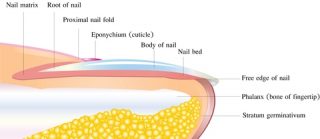
Preferably your running shoes should be a half size bigger from your non sports shoes. Your feet elongate when running, and if you do not accommodate this, you may experience nail damage; blood blisters underneath the nail plate and/or nail(s) falling off. If you do suffer from this post run, it is best you have this seen by a podiatrist as soon as possible. If left, the blood hardens and may cause discomfort and complete lifting up of the nail from the nail bed.

Foot preparation tips
If you are running in a team, each member will run for 15km. Long distance running can result in blisters and knee pain (due to repetitive strain), especially if you are not used to running 15km in this type of challenging terrain.

Always prepare yourself for this eventuality and organize a team first aid kit, including Plasters, antiseptic wipes and ointment and bandages.
If you are prone to, or suspect you may get blisters on your foot, prevention is the best method. Sports tape or zinc oxide tape can be very beneficial to use before the run, and apply it to the hot spot areas prior to running or as soon as you feel heat developing to an area. Make sure you apply it on to clean dry skin.

If you suffer from sweaty feet and tape/plasters come of easily, here is our little tip Friars Balsam. Friars Balsam is found in most pharmacies and come in a brown liquid form apply some onto cotton wool, rub it over the areas you will be applying the sports tape/plasters. Wait for it to dry, the skin should be sticky and then apply tape/plasters €“ this will ensure much better adhesion of the plaster/taping.

And of course stay well hydrated throughout, bring the sunscreen and enjoy the run!

Need advice/help post-run?
If you do suffer from any new aches/pains or trauma to your feet and lower limbs after the run, call us on 04 3435390 and we can help!

مسار الجري في شاطئ الوادي

إنه وقت مثير للجري مع مناخ لطيف للغاية – وحان الوقت لسباق وادي بيه السنوي في ٨ فبراير! فيما يلي بعض النصائح المتعلقة بالقدم حول ما يجب الانتباه إليه عندما يتعلق الأمر بتشغيل وادي بيه والجري بشكل عام.

يتضمن وادي بيه الجري في الخارج على تضاريس غير مستوية والجري صعودًا وهبوطًا على المنحدرات الشديدة، وهو أمر يختلف تمامًا عن نوع الجري المعتاد الذي قد تكون معتادًا عليه في التدريب في دبي والذي سيكون في الغالب مسطحًا ومعبدًا. وهذا يضع ضغطًا إضافيًا على مفاصلك وعضلات أطرافك السفلية، للحفاظ على توازنك وقوة الدفع للأمام على طول المسار.

تعد إصابات الكاحل التي تؤثر على الأربطة شائعة للغاية عندما لا تكون معتادًا على الجري في الهواء الطلق على أرض غير مستوية وارتداء نوع خاطئ من أحذية الجري.

الأحذية

من الناحية المثالية، ينبغي أن يكون حذاء الجري الخاص بك مناسبًا لنوع الجري الذي أنت على وشك القيام به. يجب أن يكون لدى عدائي الطرق أو الطرق الوعرة مداس أعمق على النعل لزيادة الثبات على سطح الأرض. وأيضًا عند الجري والهبوط على قدمك، تعمل عضلاتك بجهد أكبر للحفاظ على ثبات ركبتك ومنع كاحلك من التدحرج إلى الداخل. لذلك تأكد من أن حذاء الجري الخاص بك ثابت وداعم من الجوانب، مما سيوفر المزيد من الدعم للكاحل.

من الأفضل أن يكون حذاء الجري الخاص بك أكبر بنصف مقاس من حذائك غير الرياضي. تتطاول قدماك عند الجري، وإذا لم تستوعب ذلك، فقد تتعرض لتلف الأظافر؛ بثور دموية تحت صفيحة الظفر و/أو سقوط الظفر. إذا كنت تعاني من هذه المشكلة، فمن الأفضل أن تقوم بفحصها من قبل طبيب الأقدام في أقرب وقت ممكن. إذا تركت، يتصلب الدم وقد يسبب عدم الراحة ورفع الظفر بالكامل من فراش الظفر.

نصائح لإعداد القدم إذا كنت تركض ضمن فريق، فسيركض كل عضو لمسافة ١٥ كيلومترًا. يمكن أن يؤدي الجري لمسافات طويلة إلى ظهور بثور وألم في الركبة (بسبب الإجهاد المتكرر)، خاصة إذا لم تكن معتادًا على الجري لمسافة ١٥ كم في هذا النوع من التضاريس الصعبة.

قم دائمًا بإعداد نفسك لهذا الاحتمال وقم بتنظيم مجموعة الإسعافات الأولية للفريق، بما في ذلك اللصقات والمناديل المطهرة والمراهم والضمادات.

إذا كنت عرضة للإصابة بالبثور على قدمك أو تشك في إصابتك بها، فإن الوقاية هي أفضل طريقة. يمكن أن يكون الشريط الرياضي أو شريط أكسيد الزنك مفيدًا جدًا للاستخدام قبل الجري، ثم ضعه على مناطق “النقاط الساخنة” قبل الجري أو بمجرد شعورك بتطور “الحرارة” إلى منطقة ما. تأكد من تطبيقه على بشرة نظيفة وجافة.

إذا كنت تعاني من تعرق القدمين ويمكن التخلص من الأشرطة اللاصقة/اللصقات بسهولة، فإليك نصيحتنا الصغيرة¦ Friars Balsam. يوجد بلسم الإخوة في معظم الصيدليات ويأتي في شكل سائل بني – “ضع القليل منه على الصوف القطني، وافركه على المناطق التي ستضع فيها الشريط/اللاصق الرياضي. انتظر حتى يجف، يجب أن يكون الجلد لزجًا ثم قم بوضع الشريط اللاصق/اللاصق – “سيضمن ذلك التصاق أفضل بكثير لللاصق/الشريط اللاصق.

وبالطبع حافظ على رطوبة جسمك طوال الوقت، وأحضر واقي الشمس واستمتع بالجري!

هل تحتاج إلى نصيحة/مساعدة بعد التشغيل؟
إذا كنت تعاني من أي آلام/أوجاع جديدة أو صدمة لقدميك وأطرافك السفلية بعد الجري، اتصل بنا على ٠٤٣٤٣٥٣٩٠ ويمكننا مساعدتك!


As we discussed in our first part of our Diabetic Foot Blog, foot complications can, unfortunately, be a common side effect in Diabetes. Peripheral Vascular Disease (damage to the large blood vessels of the foot/leg) and Neuropathy (damage to the nerves) can be caused by poor blood glucose (sugar) control and other life style factors. The good news is that side effects need not occur at all, or can be managed, by controlling your Diabetes.
What do feet have to do with Diabetes?
The diabetic foot is at greater risk of complications such as ulcers if Diabetes is left uncontrolled. Let’s look at how you can care for your feet and how a Podiatrist can help. Your overall Diabetes will be overseen by your Diabetologist or GP, who will prescribe any medication required and advise on lifestyle and diet. They will also co-ordinate and wish to see the reports provided by your Opthalmologist for your regular eye checks, and your Podiatrist for your foot checks. These specialties help pick up any small changes in your feet and eyes early, (we monitor feet and eyes as they are the furthest from the heart and the smallest organ respectively so they show up any changes early). Any early changes can be detected and then rectified quickly, stopping any bigger impact on other organs. This is why your GP/Diabetologist will ask you to attend a Podiatrist and Opthalmologist for regular check ups (at least annually).
What does a Podiatrist do at my Annual Diabetic Foot Check?
Your Podiatrist will carry out a Diabetic Foot risk assessment at least every 12 months (depending on assigned risk category) detecting risk factors and categorising accordingly.
The examination will include:
Neurological – nerve function
Vascular the circulatory system
Biomechanical foot function and structural alignment
Footwear assessment
There is no pain or discomfort involved in a foot assessment, and we provide a friendly environment where all your questions will be answered we reserve 45 minutes for an assessment to provide plenty of time for discussion and to provide thorough examination.
What should I do to care for my feet between check-ups?
Complications can however be delayed and indeed prevented with appropriate management and general self care. Manage your overall diabetes by following a healthy lifestyle and diet as advised by your GP/Diabetologist, take your medication (if any) as prescribed and attend your Opthalmologist and Podiatrist for regular check ups.
Foot Health Tips
It is vital that you take responsibility for and pay attention to the health of your feet, between Podiatry visits. If mobility is an issue, ask a carer or family member to assist with these checks, or attend a Podiatrist for regular foot care.
Foot care should include:
Daily foot screening: look over your feet at least once a day. Checking for any blisters, breaks in the skin, and signs of infection such as areas of redness, heat or swelling.
Minor cuts and blisters: If you discover a minor cut, break in the skin or blister, then take sterile precaution keep the area clean by covering it with a sterile antiseptic dressing and change it daily until fully healed. Do not burst blisters. In any case you should visit your Podiatrist immediately.
Hydrate the feet daily (moisturise): The skin provides a protective barrier, keeping the external world out including viral bacterial and fungal threats. It is vital that you keep the skin at its optimum condition. Diabetes can result in dry skin, so prevent this by applying moisturiser daily avoiding in between the toes.
Avoid walking barefoot: you are at greater risk of injury when walking in bare feet. The skin is a barrier, simply stubbing your toe or standing on a sharp object will damage the skin and thus increase the risk of entry of infection.
Toe Nails: File your nails regularly (1/7days), following the curve at the end of the toe. Never cut down the sides of your nail as this will increase the risk of an ingrowing toe nail.
Hard skin and corns: Do not attempt to remove hard skin or corns yourself. Your Podiatrist will treat and advise accordingly. Prevention is the key hydrate (moisturise) the feet and wear adequate footwear in order to reduce and prevent the formation of hard skin. Your Podiatrist can advise on the best foot creams, normally containing Urea.
Check your shoes daily: Look and feel inside the shoe checking for loose stitching, folds in the lining or any objects which may have fallen in all of which can result in irritation and skin breakdown. Examine the bottom of your shoe for any piercing sharp objects such as pin, needle or glass all of which can penetrate through the sole.
Badly fitting shoes: Inadequate footwear is a predominant cause of foot and skin trauma. It is vital that you wear adequate footwear and avoid inadequate styles. Refer to our previous foot wear blog for information on good footwear or visit us for a friendly footwear assessment and information.
Socks and tights: Daily renewal of your socks and tights is vital preventing fungal and other skin infections. The socks should not be tight and seam-free are a healthier option.
If you notice any change in your feet, no matter how minor – including blisters, cuts, ingrowing nails, make an appointment with your Podiatrist immediately early treatment is key.

Controlling your Diabetes, blood pressure, cholesterol, leading a healthy and active lifestyle whilst having your feet assessed annually by your Podiatrist will reduce the risk of developing any foot complications.
Contact us on 04 3435390 if you are Diabetic for a friendly, informative foot check and advice.


مرض السكري والقدمين – الجزء ٢

كما ناقشنا في الجزء الأول من مدونة القدم السكرية، يمكن لسوء الحظ أن تكون مضاعفات القدم من الآثار الجانبية الشائعة لمرض السكري. يمكن أن يحدث “مرض الأوعية الدموية الطرفية” (تلف الأوعية الدموية الكبيرة في القدم/الساق) و”الاعتلال العصبي” (تلف الأعصاب) بسبب ضعف التحكم في نسبة الجلوكوز (السكر) في الدم وعوامل نمط الحياة الأخرى. والخبر السار هو أن الآثار الجانبية ليس من الضروري أن تحدث على الإطلاق، أو يمكن إدارتها، من خلال السيطرة على مرض السكري.

ما علاقة القدمين بمرض السكري؟

تكون القدم السكرية أكثر عرضة لخطر حدوث مضاعفات مثل القرحة إذا ترك مرض السكري دون السيطرة عليه. دعونا نلقي نظرة على كيفية العناية بقدميك وكيف يمكن أن يساعدك طبيب الأقدام. سيتم الإشراف على مرض السكري بشكل عام من قبل أخصائي مرض السكري أو الطبيب العام، الذي سيصف لك أي دواء مطلوب ويقدم لك المشورة بشأن نمط الحياة والنظام الغذائي. سيقومون أيضًا بتنسيق التقارير المقدمة من طبيب العيون الخاص بك لفحوصات العين المنتظمة، وطبيب الأقدام الخاص بك لفحص قدمك، ويرغبون في الاطلاع عليها. تساعد هذه التخصصات على اكتشاف أي تغييرات صغيرة في قدميك وعينيك في وقت مبكر (نقوم بمراقبة القدمين والعينين لأنهما الأبعد عن القلب وأصغر عضو على التوالي حتى تظهر أي تغييرات في وقت مبكر). يمكن اكتشاف أي تغييرات مبكرة ومن ثم تصحيحها بسرعة، مما يمنع أي تأثير أكبر على الأعضاء الأخرى. ولهذا السبب سيطلب منك طبيبك العام/أخصائي مرض السكري حضور طبيب الأقدام وطبيب العيون لإجراء فحوصات منتظمة (سنويًا على الأقل).

ماذا يفعل طبيب الأقدام عند فحص القدم السكري السنوي؟

سيقوم طبيب الأقدام الخاص بك بإجراء تقييم لمخاطر القدم السكرية كل 12 شهرًا على الأقل (اعتمادًا على فئة المخاطر المحددة) – “الكشف عن عوامل الخطر وتصنيفها وفقًا لذلك.

سيشمل الفحص ما يلي:

العصبية – وظيفة الأعصاب

الأوعية الدموية – “الجهاز الدوري

الميكانيكا الحيوية – وظيفة القدم والمحاذاة الهيكلية

تقييم الأحذية

لا يوجد أي ألم أو إزعاج في تقييم القدم، ونحن نوفر بيئة ودية حيث سيتم الرد على جميع أسئلتك – “نحتفظ بـ 45 دقيقة للتقييم لتوفير الكثير من الوقت للمناقشة ولإجراء فحص شامل.

ما الذي يجب علي فعله للعناية بقدمي بين الفحوصات؟

ومع ذلك، يمكن تأخير المضاعفات بل ومنعها بالفعل – من خلال الإدارة المناسبة والرعاية الذاتية العامة. يمكنك التحكم في مرض السكري بشكل عام عن طريق اتباع نمط حياة صحي ونظام غذائي وفقًا لما ينصح به طبيبك العام/أخصائي مرض السكري، وتناول الأدوية الخاصة بك (إن وجدت) على النحو الموصوف وزيارة طبيب العيون وطبيب الأقدام لإجراء فحوصات منتظمة.

نصائح لصحة القدم

من الضروري أن تتحمل المسؤولية وتهتم بصحة قدميك بين زيارات علاج الأرجل. إذا كانت الحركة تمثل مشكلة، فاطلب من أحد مقدمي الرعاية أو أحد أفراد الأسرة المساعدة في هذه الفحوصات، أو قم بزيارة طبيب الأقدام للعناية المنتظمة بالقدم.

يجب أن تشمل العناية بالقدم ما يلي:

فحص القدم اليومي: قم بإلقاء نظرة على قدميك مرة واحدة على الأقل يوميًا. التحقق من وجود أي بثور أو شقوق في الجلد أو علامات العدوى مثل مناطق الاحمرار أو الحرارة أو التورم.

الجروح والبثور البسيطة: إذا اكتشفت جرحًا بسيطًا أو كسرًا في الجلد أو بثرة، فعليك اتخاذ الاحتياطات المعقمة – “حافظ على نظافة المنطقة من خلال تغطيتها بضمادة مطهرة معقمة وتغييرها يوميًا حتى تُشفى تمامًا”. لا تنفجر البثور. وفي كل الأحوال يجب عليك زيارة طبيب الأقدام الخاص بك على الفور.

ترطيب القدمين يوميًا (الترطيب): يوفر الجلد حاجزًا وقائيًا، مما يمنع العالم الخارجي من الدخول – بما في ذلك التهديدات البكتيرية والفطرية الفيروسية. من المهم أن تحافظ على الجلد في حالته المثالية. يمكن أن يؤدي مرض السكري إلى جفاف الجلد، لذا يمكنك الوقاية من ذلك عن طريق وضع مرطب يوميًا – وتجنب وضعه بين أصابع القدم.

تجنب المشي حافي القدمين: أنت أكثر عرضة للإصابة عند المشي حافي القدمين. الجلد عبارة عن حاجز، فمجرد صدم إصبع قدمك أو الوقوف على جسم حاد سيلحق الضرر بالجلد وبالتالي يزيد من خطر دخول العدوى.

أظافر أصابع القدم: قم بقص أظافرك بانتظام (لمدة 7 أيام)، مع اتباع المنحنى الموجود في نهاية إصبع القدم. لا تقومي أبدًا بقص جوانب ظفرك لأن ذلك سيزيد من خطر ظهور ظفر في إصبع القدم.

الجلد الصلب ومسامير القدم: لا تحاول إزالة الجلد القاسي أو مسامير القدم بنفسك. سيقوم طبيب الأقدام الخاص بك بالعلاج وتقديم المشورة وفقًا لذلك. الوقاية هي المفتاح – ترطيب (ترطيب) القدمين وارتداء الأحذية المناسبة لتقليل ومنع تكوين الجلد القاسي. يمكن لطبيب الأقدام الخاص بك تقديم المشورة بشأن أفضل كريمات القدم التي تحتوي عادة على اليوريا.

افحص حذائك يوميًا: انظر واستشعر داخل الحذاء – “تحقق من عدم وجود خياطة فضفاضة، أو طيات في البطانة أو أي أشياء قد تكون سقطت -” كل ذلك يمكن أن يؤدي إلى تهيج الجلد وتكسره. افحص الجزء السفلي من حذائك بحثًا عن أي أدوات حادة ثاقبة مثل الدبوس أو الإبرة أو الزجاج – فكلها يمكن أن تخترق النعل.

الأحذية غير المناسبة: الأحذية غير المناسبة هي السبب الرئيسي لصدمات القدم والجلد. من المهم أن ترتدي أحذية مناسبة وتتجنب الأنماط غير المناسبة. ارجع إلى مدونتنا السابقة الخاصة بأحذية الأحذية للحصول على معلومات حول الأحذية good أو قم بزيارتنا للحصول على تقييم ومعلومات ودية للأحذية.

الجوارب والجوارب: التجديد اليومي للجوارب والجوارب الطويلة أمر حيوي – “للوقاية من الالتهابات الفطرية وغيرها من الالتهابات الجلدية. لا ينبغي أن تكون الجوارب ضيقة وخالية من الدرزات فهي خيار صحي.

إذا لاحظت أي تغيير في قدميك، مهما كان طفيفًا – بما في ذلك البثور والجروح والأظافر الناشبة، فحدد موعدًا مع طبيب الأقدام الخاص بك على الفور – “العلاج المبكر هو المفتاح.

إن التحكم في مرض السكري وضغط الدم والكوليسترول واتباع نمط حياة صحي ونشط أثناء تقييم قدميك سنويًا بواسطة طبيب الأقدام الخاص بك سوف يقلل من خطر الإصابة بأي مضاعفات في القدم.

اتصل بنا على ٠٤٣٤٣٥٣٩٠ إذا كنت مصابًا بالسكري لإجراء فحص قدم ودود ومفيد وتقديم المشورة.


How often should you have your child’s feet measured?
Under 12 months old: Every month
1-2 years old: Every 2 months
2-3 years old: Every 3 months
3 years and above: Check your child’s feet and their footwear at least every 6-8 weeks
When a child is developing, parents often focus their concerns on their children’s: teeth, hair growth and social and intellectual capabilities etc, however sometimes the feet get forgotten about! Properly fitting footwear throughout childhood is essential for healthy foot development.
It may come as a shock that recent research (Glasgow Caledonian University Podiatry Dept, 2010) reported worrying findings such as:
22 Ill-fitting footwear in over 50% of children€ and 83% of primary school children at 5 years of age were wearing footwear that was too small.
Now you might be thinking to yourself that in the grand scheme of things this is not a major cause for concern and that children don’t often complain when their shoes are too small. Well unfortunately, inadequate footwear can cause permanent structural deformation.
There is a reason for the possible lack of footwear induced pain complaints from children, likely involving the structure of the young developing foot.
Children’s feet are not a miniature replica of adults. The difference may appear to be size and obviously the cute factor. However, a child’s foot is composed of varying amounts of relatively soft/malleable cartilage (the flexible substance also found in your ears and nose) whereas an adult’s foot is mostly bone. Thus, the younger and softer foot is more vulnerable to deformity from abnormal, repetitive pressure.
How do our children’s feet grow?
Children’s feet do about half their growing up until they are four and from then after they develop at a steady rate. Studies show that during the first ten years of a child€™’s life the foot grows about one-half inch a year and between the age of 10 and 20 the yearly growth rate slows down considerably.
Newborn and Pre-school Feet
The foot of a newborn is mostly cartilage. From 2-12 months old the foot will develop very quickly and consists of 40% cartilage, so tight fitting footwear in infancy can result in permanent structural damage. When a child reaches 3 years of age much of the cartilage has become bone and by age of 6 all bones have taken shape. However, the bones do not completely mature until 18-20 years old. So until then they remain partially composed of cartilage. Thus they are still susceptible to deformity from abnormal constrictive repetitive pressure.
What is a good shoe?
An adequate shoe can be described as footwear which does not restrict the natural function of the foot and which gives adequate protection from climate and local environment. (See also our previous blog on €œChildren’s Shoes). Clark’s shoe shops have properly trained shoe-fitters in store and will be glad to measure your child’s feet (for free). They also supply a wide range of footwear in both different width fittings and half sizes. Check out our helpful tips on good children’s shoes here.
How often should you buy new footwear for your child?
During the first 12 months development of the foot structure will occur rapidly, possibly going through 3 or 4 sizes – if your child isn’t walking yet, it is best to avoid putting their feet in shoes altogether. Just make sure their feet are warm enough in socks. Even toddling, it is important for the child to feel the floor and the foot to react to it – barefoot toddling actually helps child foot development. Remember too that toddler feet should be chubby looking with no ‘arch’ visible yet – these muscles, bones and tendons develop over years, aided by barefoot toddling. When your child is ready for their first pair of shoes look for the following attributes (click here for our advice).
Feet should be measured monthly the first year, every two months between the ages of 12 months and 24 months, and every 3 months from 24 to 36 months. Then after, footwear checks should be carried out every 6-8 weeks and footwear changes every 3-4 months.
Remember: Children outgrow their shoes before wearing them out! Call us on 04 3435390 for a friendly and informative review and advice of your child’s feet and footwear. We strongly recommend that all children attend a Podiatrist for a routine foot health review when they first start school at 4-5 years old. If there are any issues, it is a great time to catch and address these early, preventing problems in later life.


تطور قدم الأطفال

كم مرة يجب أن تقوم بقياس قدم طفلك؟

أقل من ١٢ شهرًا: كل شهر

١-٢ سنة: كل شهرين

٢-٣ سنوات: كل ٣ أشهر

٣ سنوات فما فوق: افحص قدم طفلك وأحذيته كل ٦-٨ أسابيع على الأقل

عندما ينمو الطفل، غالبًا ما يركز الآباء اهتماماتهم على أطفالهم: الأسنان ونمو الشعر والقدرات الاجتماعية والفكرية وما إلى ذلك، ولكن في بعض الأحيان يتم نسيان القدمين! تعتبر الأحذية المناسبة طوال فترة الطفولة أمرًا ضروريًا لنمو صحي للقدم.

قد يكون من المفاجئ أن تكون الأبحاث الحديثة (قسم طب الأقدام بجامعة جلاسكو كالدونيان، ٢٠١٠) قد أبلغت عن نتائج مثيرة للقلق مثل:

٢٢ “أحذية غير مناسبة لأكثر من ٥٠% من الأطفال” و”٨٣% من أطفال المدارس الابتدائية في سن الخامسة كانوا يرتدون أحذية صغيرة جدًا“.

الآن ربما تفكر في نفسك أن هذا ليس سببًا رئيسيًا للقلق، وأن الأطفال لا يشكون غالبًا عندما تكون أحذيتهم صغيرة جدًا. حسنًا، لسوء الحظ، يمكن أن تسبب الأحذية غير الملائمة تشوهًا هيكليًا دائمًا.

هناك سبب لاحتمال عدم ارتداء الأحذية بسبب شكاوى الألم لدى الأطفال، والتي من المحتمل أن تتعلق ببنية القدم النامية.

أقدام الأطفال ليست نسخة مصغرة من أقدام البالغين. قد يبدو الفرق في الحجم ومن الواضح أنه العامل اللطيف. ومع ذلك، تتكون قدم الطفل من كميات متفاوتة من الغضروف الناعم/المرن نسبيًا (المادة المرنة الموجودة أيضًا في أذنيك وأنفك) بينما تتكون قدم الشخص البالغ في الغالب من العظام. وبالتالي، فإن القدم الأصغر سنًا والأكثر ليونة تكون أكثر عرضة للتشوه الناتج عن الضغط غير الطبيعي والمتكرر.

كيف تنمو أقدام أطفالنا؟
تقوم أقدام الأطفال بنصف نموها تقريبًا حتى سن الرابعة، وبعد ذلك تتطور بمعدل ثابت. تشير الدراسات إلى أنه خلال السنوات العشر الأولى من حياة الطفل، تنمو القدم حوالي نصف بوصة سنويًا، وبين سن ١٠ و٢٠ عامًا، يتباطأ معدل النمو السنوي بشكل كبير.

أقدام الأطفال حديثي الولادة ومرحلة ما قبل المدرسة تتكون قدم الأطفال حديثي الولادة في الغالب من الغضاريف. من عمر ٢ إلى ١٢ شهرًا، ستتطور القدم بسرعة كبيرة وتتكون من ٤٠% غضروف، لذا فإن الأحذية الضيقة في مرحلة الطفولة يمكن أن تؤدي إلى تلف هيكلي دائم. عندما يصل الطفل إلى عمر ٣ سنوات، يصبح جزء كبير من الغضروف عبارة عن عظام، وبحلول سن ٦ سنوات تتشكل جميع العظام. ومع ذلك، فإن العظام لا تنضج تمامًا حتى عمر ١٨-٢٠ عامًا. لذلك حتى ذلك الحين تظل مكونة جزئيًا من الغضاريف. وبالتالي فإنهم ما زالوا عرضة للتشوه بسبب الضغط المتكرر غير الطبيعي.

ما هو الحذاء الجيد؟
يمكن وصف الحذاء المناسب بأنه حذاء لا يعيق الوظيفة الطبيعية للقدم ويوفر حماية كافية من المناخ والبيئة المحلية. (راجع أيضًا مدونتنا السابقة حول “أحذية الأطفال”). لدى محلات كلارك للأحذية مدربون بشكل مناسب على تركيب الأحذية في المتجر وسيكون من دواعي سرورهم قياس قدم طفلك (مجانًا). كما أنها توفر مجموعة واسعة من الأحذية بمقاسات مختلفة وتركيبات عرض مختلفة. تحقق من نصائحنا المفيدة حول أحذية الأطفال الجيدة هنا.

كم مرة يجب عليك شراء أحذية جديدة لطفلك؟

خلال الأشهر الـ ١٢ الأولى، سيحدث تطور بنية القدم بسرعة، وربما يمر بثلاثة أو أربعة مقاسات – إذا كان طفلك لا يمشي بعد، فمن الأفضل تجنب وضع أقدامه في الأحذية تمامًا. فقط تأكد من أن أقدامهم دافئة بدرجة كافية في الجوارب. حتى في مرحلة الطفولة المبكرة، من المهم أن يشعر الطفل بالأرضية والقدم للتفاعل معها – فالمشي حافي القدمين يساعد في الواقع على نمو قدم الطفل. تذكري أيضًا أن أقدام الأطفال الصغار يجب أن تكون ممتلئة دون أن يكون هناك “قوس” ظاهر بعد – حيث تتطور هذه العضلات والعظام والأوتار على مر السنين، بمساعدة الطفل حافي القدمين. عندما يكون طفلك جاهزًا لأول زوج من الأحذية، ابحث عن السمات التالية (انقر هنا للحصول على نصيحتنا).

يجب قياس القدمين شهريًا في السنة الأولى، وكل شهرين بين عمر ١٢ شهرًا و٢٤ شهرًا، وكل ٣ أشهر من ٢٤ إلى ٣٦ شهرًا. وبعد ذلك، يجب إجراء فحص الأحذية كل ٦-٨ أسابيع وتغيير الأحذية كل ٣-٤ أشهر.

تذكر: يتفوق الأطفال على أحذيتهم قبل أن “يرتدوها”! اتصل بنا على ٠٤٣٤٣٥٣٩٠ للحصول على مراجعة ودية وغنية بالمعلومات ونصائح حول أقدام طفلك وأحذيته. نوصي بشدة بأن يحضر جميع الأطفال طبيب الأقدام لإجراء مراجعة روتينية لصحة القدم عندما يبدأون المدرسة لأول مرة في عمر ٤-٥ سنوات. إذا كانت هناك أية مشكلات، فهذا هو الوقت المناسب لاكتشافها ومعالجتها مبكرًا، مما يمنع حدوث مشكلات في وقت لاحق من الحياة.


Copyright Dubai Podiatry 2026. All rights reserved.

WhatsApp us