fbpx

Please wait...


BLOG

No more posts


Peripheral Vascular Disease is a broad term for problems affecting the circulation of the leg for example.
As we get older, we all experience hardening of the arteries (arteriosclerosis) and narrowing of the arteries (atherosclerosis) tao some extent.
What do Podiatry and Feet have to do with Vascular Issues?
Narrowing of the arteries is a concern for Podiatrists; as this affects blood pressure and the demand for an adequate blood supply to the body, including the lower leg and feet.
Advanced narrowing of the arteries can result from poor diet choices (high in cholesterol, fatty foods) and inflammation, of which smoking can be a factor.
What signs may be seen in PVD of the leg/foot?
Podiatrists will see tell tale signs of  PVD in the lower limb / foot. As there is less oxygen being delivered to the legs/feet, the available blood supply will be spared for more vital functions such as nerve innervations and muscle contraction to allow movement required for walking. Nutrients and oxygen are required for hair and nail growth which will be reduced with PVD, leaving the lower limb with little or no hair, nails will take a long time to grow and skin will become dry and devitalized.
What should those with PVD do to help?
Importantly, wound healing will also be compromised due to an insufficient blood supply, required in wound healing. If you suffer from poor circulation it is important to:
16 1. See a specialist vascular surgeon to assess your wellbeing and treat you accordingly; surgery to remove any blockages in the arteries or medication to improve your cholesterol
17 2. See a nutritionist who help you improve your diet which will not lead to fatty deposits building up in your arteries
18 3. Stop smoking which inflames your arteries
19 4. Exercise regularly
20 5. If you have a cut on your body, apply an antiseptic and plaster over the top to avoid infection.
21 6. See a qualified podiatrist for issues concerning your leg/feet hard/dry skin, corns, ingrowing toenails etc.
Podiatry and PVD
As wound healing is slower due to poor circulation, extra care has to be taken to a cut/wound to prevent any further breakdown. It is also important to prevent tissue breakdown:
12
13 1. Avoid walking barefoot in the house – wear slippers
14 2. Check your footwear is well fitted to avoid creating blisters and pressure areas
15 3. If you are wearing new shoes for the first time, take some plasters out with you, in case the shoes do give you blisters  very common at the heel area
16 4. See a podiatrist routinely for regular foot care – to cut toe nails with may be difficult to manage, remove corns and hard skin safely and to check for other foot conditions.
Contact us on 04 3435390 for a foot / lower limb assessment and foot care advice and help.


أمراض الأوعية الدموية الطرفية والقدمين

مرض الأوعية الدموية الطرفية هو مصطلح واسع للمشاكل التي تؤثر على الدورة الدموية في الساق على سبيل المثال.

مع تقدمنا ​​في السن، نواجه جميعًا تصلب الشرايين (تصلب الشرايين) وتضيق الشرايين (تصلب الشرايين) إلى حد ما.

ما علاقة علاج الأرجل والقدمين بمشاكل الأوعية الدموية؟
يعتبر تضييق الشرايين مصدر قلق لأطباء الأقدام؛ حيث يؤثر ذلك على ضغط الدم والطلب على إمدادات الدم الكافية للجسم، بما في ذلك أسفل الساق والقدمين.

يمكن أن ينجم تضيق الشرايين المتقدم عن سوء اختيار النظام الغذائي (ارتفاع نسبة الكوليسترول في الدم، والأطعمة الدهنية) والالتهاب، الذي يمكن أن يكون التدخين أحد عوامله.

ما هي العلامات التي يمكن رؤيتها في PVD للساق/القدم؟
سوف يرى أطباء الأقدام علامات واضحة لـ PVD في الطرف السفلي / القدم. نظرًا لوجود كمية أقل من الأكسجين الذي يتم توصيله إلى الساقين/القدمين، سيتم توفير إمدادات الدم المتاحة للقيام بوظائف أكثر حيوية مثل تعصيب الأعصاب وتقلص العضلات للسماح بالحركة المطلوبة للمشي. هناك حاجة إلى العناصر الغذائية والأكسجين لنمو الشعر والأظافر، الأمر الذي سيقل مع PVD، مما يترك الطرف السفلي مع القليل من الشعر أو بدون شعر، وسوف تستغرق الأظافر وقتًا طويلاً لتنمو وسيصبح الجلد جافًا وضعيفًا.

ما الذي يجب أن يفعله المصابون بـ PVD للمساعدة؟
الأهم من ذلك، أن شفاء الجروح سوف يتعرض للخطر أيضًا بسبب عدم كفاية إمدادات الدم اللازمة لشفاء الجروح. إذا كنت تعاني من ضعف الدورة الدموية فمن المهم أن:

١٦١. قم بزيارة جراح أوعية دموية متخصص لتقييم حالتك وعلاجك وفقًا لذلك؛ عملية جراحية لإزالة أي انسداد في الشرايين أو دواء لتحسين نسبة الكولسترول

١٧٢. قم بزيارة أخصائي التغذية الذي يساعدك على تحسين نظامك الغذائي الذي لن يؤدي إلى تراكم الرواسب الدهنية في الشرايين

١٨٣. توقف عن التدخين الذي يلهب شرايينك

١٩٤. ممارسة الرياضة بانتظام

٢٠٥. إذا كان لديك جرح في جسدك، ضع مطهرًا وضمادة فوق الجزء العلوي لتجنب العدوى.

٢١٦. قم بزيارة طبيب أقدام مؤهل لحل المشكلات المتعلقة بالساق/القدمين – “الجلد الصلب/الجاف، مسامير القدم، أظافر القدم الغارزة، إلخ.

يعد علاج الأرجل وPVDAs شفاء الجروح أبطأ بسبب ضعف الدورة الدموية، ويجب اتخاذ مزيد من العناية للقطع/الجرح لمنع أي انهيار آخر. من المهم أيضًا منع انهيار الأنسجة:

١٢

١٣١. تجنب المشي حافي القدمين في المنزل – ارتداء النعال

١٤٢. تأكد من أن حذائك مناسب جيدًا لتجنب ظهور البثور ومناطق الضغط

١٥٣. إذا كنت ترتدي حذاءًا جديدًا لأول مرة، فأخرج معك بعض اللصقات، في حالة تسبب الحذاء في ظهور بثور – “شائعة جدًا في منطقة الكعب

١٦٤. قم بزيارة طبيب الأقدام بشكل روتيني للعناية المنتظمة بالقدم – قد يكون من الصعب التحكم في قص أظافر أصابع القدم، وإزالة مسامير القدم والجلد الصلب بأمان والتحقق من حالات القدم الأخرى.

اتصل بنا على ٠٤٣٤٣٥٣٩٠ لتقييم القدم/الطرف السفلي والحصول على نصائح ومساعدة للعناية بالقدم.


Typically a rock climbing shoe will be smaller than your everyday shoe; as a result your foot can get to the edge of a small foothold. They are meant to have precise fitting, however it is important that you find the right climbing shoe for you in the wide variety that are available on the market.
Rocks climbing shoes that are far too small are painful to wear and can lead way to foot problems, such as blisters, hard skin, corns, bunions, ingrown toenails and plantar digital neuritis; affecting your ability to climb at your full potential.
Here are some tips to find the perfect rock shoe for you:
11 If a shoe is difficult to slip on, it’s possibly too tight.
12 Your first pair of rock shoes, should be snug but a comfortable fit. If you are in pain you will not enjoy the experience of climbing and it will make it very difficult to stand on small foot holds due to the pain.
13 Your toes should be flat or comfortably curved and not pressed excessively against the roof of the shoe; this can cause blister, corns and bursitis along the knuckles of the toes.
14 There should be no gap between your toes and the bottom of the shoe, or the shoe will not stay rigid when you place your toes in a foothold.
15 The higher performance the shoe is, the tighter it will feel.
Common foot conditions in rock climbing
Athletes foot (Tinea Pedis)
The non-breathable rubber soled rock shoes retain moisture, making it easier for fungal spores to thrive inside the shoe. To prevent fungal infections, use an anti fungal spray or talc directly on to your feet, or even inside the shoe. Never wash your rock shoes to clean sweat/fungal spores, as they will not fit right again.
Ingrown toe nails
Cut your nails straight across, shorter than the end of your toe but not too short. Rock boots are tight and can squeeze all the toes close together. If your nails are cut too short or not straight across, a corner of the nail may press into the folds of skin at the side of the nail.
Blisters
Blisters are created during pressure and friction in the €˜hot spots€™ (toes, arch of the foot and heel). Rock shoes increase pressure as they are required to be snug around your foot, although if they fit correctly there is little friction. If you repeatedly acquire blisters the shoes are not a good fit and you should think about getting new boots.
If you do get a blister, do not lance/pierce the roof of the blister before you have finished climbing, as the fragile skin will be subjected to more friction and the roof top will move around inside the shoe and detach, exposing a raw wound underneath. Once you have finished climbing you can then lance a blister, lancing will help the skin to heal better.
If you are wearing new shoes, its best to take some cushioned plasters and have them handy in case you do require them for padding, should blisters start to form.
If you’re worried about any aspect of your feet after climbing, such as toenail issues, blisters etc, bring in your climbing shoes with you to an appointment with us and we can advise and treat. Contact our Senior Podiatrists Laura Devlin or Emma McGuire for a comprehensive assessment and treatment on 04 3435390!

أحذية تسلق الصخور

عادةً ما يكون حذاء تسلق الصخور أصغر من حذائك اليومي؛ ونتيجة لذلك يمكن أن تصل قدمك إلى حافة موطئ قدم صغير. من المفترض أن يكون مقاسها دقيقًا، ولكن من المهم أن تجد حذاء التسلق المناسب لك من بين المجموعة المتنوعة المتوفرة في السوق.

تعتبر أحذية تسلق الصخور الصغيرة جدًا مؤلمة عند ارتدائها ويمكن أن تؤدي إلى مشاكل في القدم، مثل البثور والجلد الصلب والذرة والأورام وأظافر القدم الغارزة والتهاب العصب الأخمصي. مما يؤثر على قدرتك على التسلق بكامل إمكاناتك.

إليك بعض النصائح للعثور على حذاء الروك المثالي لك:

١١ إذا كان من الصعب ارتداء الحذاء، فمن المحتمل أنه ضيق جدًا.

١٢. يجب أن يكون زوجك الأول من الأحذية الصخرية مريحًا ولكن مريحًا. إذا كنت تعاني من الألم فلن تستمتع بتجربة التسلق وسيجعل من الصعب جدًا الوقوف على أقدام صغيرة بسبب الألم.

١٣ يجب أن تكون أصابع قدميك مسطحة أو منحنية بشكل مريح، ولا تضغط بشكل مفرط على سقف الحذاء؛ يمكن أن يسبب ذلك نفطة ومسامير والتهاب كيسي على طول مفاصل أصابع القدم.

١٤ يجب ألا يكون هناك فجوة بين أصابع قدميك وأسفل الحذاء، وإلا فلن يظل الحذاء متصلبًا عندما تضع أصابع قدميك في موضع القدم.

١٥ كلما كان أداء الحذاء أعلى، كلما كان ملمسه أكثر إحكاما.

حالات القدم الشائعة في تسلق الصخور

قدم الرياضيين (Tinea Pedis) تحتفظ الأحذية الصخرية ذات النعل المطاطي غير القابل للتنفس بالرطوبة، مما يسهل على الجراثيم الفطرية أن تزدهر داخل الحذاء. للوقاية من الالتهابات الفطرية، استخدمي رذاذًا مضادًا للفطريات أو بودرة التلك مباشرة على قدميك، أو حتى داخل الحذاء. لا تغسل أبدًا حذائك الصخري لتنظيف العرق أو جراثيم الفطريات، لأنه لن يكون مناسبًا مرة أخرى.

أظافر إصبع القدم الغارزة في الجلد: قص أظافرك بشكل مستقيم، بحيث تكون أقصر من نهاية إصبع قدمك ولكن ليست قصيرة جدًا. الأحذية الصخرية ضيقة ويمكنها ضغط جميع أصابع القدم معًا. إذا تم قص أظافرك بشكل قصير للغاية أو غير مستقيمة، فقد تضغط زاوية الظفر على ثنايا الجلد الموجودة على جانب الظفر.

البثور: تنشأ البثور أثناء الضغط والاحتكاك في “النقاط الساخنة” (أصابع القدم، وقوس القدم، والكعب). تزيد الأحذية الصخرية من الضغط حيث يجب أن تكون محكمة حول قدمك، على الرغم من أنها إذا كانت مناسبة بشكل صحيح يكون هناك احتكاك قليل. إذا ظهرت لديك بثور بشكل متكرر، فإن الأحذية ليست مناسبة لك ويجب أن تفكر في شراء أحذية جديدة.

إذا حصلت على بثرة، فلا تثقب/تثقب سقف البثرة قبل الانتهاء من التسلق، حيث سيتعرض الجلد الهش لمزيد من الاحتكاك وسيتحرك “السطح العلوي” ™ داخل الحذاء وينفصل. فضح الجرح الخام تحتها. بمجرد الانتهاء من التسلق، يمكنك ثقب البثرة، وسيساعد الوخز الجلد على الشفاء بشكل أفضل.

إذا كنت ترتدي حذاءًا جديدًا، فمن الأفضل أن تأخذ بعض اللصقات المبطنة وأن تجعلها في متناول يديك في حالة احتياجك إليها للحشو، في حالة ظهور بثور.

إذا كنت قلقًا بشأن أي جانب من جوانب قدميك بعد التسلق، مثل مشاكل أظافر القدم والبثور وما إلى ذلك، فأحضر حذاء التسلق الخاص بك معك إلى موعد معنا ويمكننا تقديم المشورة والعلاج. اتصل بكبار أطباء الأقدام لدينا لورا ديفلين أو إيما ماكغواير للحصول على تقييم وعلاج شاملين على الرقم ٠٤٣٤٣٥٣٩٠!


Muscle weakness has been found to contribute to abnormal lower limb function. The core muscles are of vital importance in lower limb muscle function and weakness in this group can be a contributing factor to lower limb pain.
What do we mean by €˜core strength€™?
Core strength involves the muscular control required to maintain stability of the lumbar spine (lower back) during activity. This area is the foundation upon which many muscles of the torso and lower extremity attach. The low back and pelvis are the center of gravity for the body and when we use our arms and legs, our muscles pull on our spine or “core.” We need this core to be strong enough to stand up to the demands that we place on it.
The core muscles include; The Abdominal muscles (Rectus and Transverse), Multifidius (between spinal segments), Gluteal (bum) muscles , diaphragm and pelvic floor muscles.
There is potential for decreased strength or imbalance in some or all of your core muscles as a result of injury, immobilization, biomechanical malalignment or over developed muscle groups.
How does €˜core strength€™ affect the legs?
If the core muscles are weak, particularly the gluteal muscles (controllers of the hip), then the pelvis will be unstable and this can lead to increased pronation (rolling in) of the foot and ankle. Two of the gluteus muscles (minimus and medius) abduct the thigh.Weakness in these will have implications on the lower limb from the moment the heel strikes the ground. If the glutes are weak, then the Femur (Thigh bone) will adduct and internally rotate excessively. This results in internal rotation of the knee, excessive internal rotation of the Tibia (shin bone), and collectively increased overpronation / rolling in of the foot.

The smaller muscles in the leg and foot are not strong enough to resist the pronatory force of the body€™s weight during gait if the gluteals are not functioning properly. Thus, foot pain is often the first symptom to arise.
What are some of the conditions in the foot/leg that can result?
Plantar fasciitis, Achilles tendonitis, iliotibial band syndrome (ITBS) and medial tibial stress syndrome are all injuries that are caused in part by weakness of the core group due to the increase of pronatory forces on the lower limbs.
With any structural malalignment weakness or injury, our bodies have an immense capacity to compensate. During compensatory movement the same muscle or group of muscles are repeatedly used and strengthened whilst others fail to function, weaken overtime. Subsequently further biomechanical malalignment and consequently pain will develop in the lower limbs.
What can I do to help?
Sports involving lateral movement (side to side) strengthen the glut muscles, such as football and netball, helping to prevent internal rotation of the thigh and subsequently reducing overpronation of the foot. Runners are typically more prone to weakness of this muscle group due to a lack of lateral movement during their sport.
You may also require orthotics as well as a specific regime of strengthening exercises to address any alignment issues €“ your first step should be to see a Podiatrist experienced in biomechanics and custom orthotic therapy. Call the region€™s biomechanics experts, Dubai Podiatry Centre, on 04 3435390 should you be experiencing any foot/leg worries.


Written by Michelle Champlin BSc Pod., M.Ch.S., S.R., Ch., (UK)
For the last 30-40 years €˜barefoot€™ or minimalistic sport running has been in practice. What was called minimalistic running was referred to as running with racing flats.
Due somewhat to the power of advertising the concept of barefoot running (from books and footwear companies) has grown in popularity in the running community in the last few years.
Barefoot/minimalistic running (MR) has been thought to prevent injuries and/or off load pressure to certain joints in the lower limb; commonly the Knee joint, €˜as you are running in your natural form€™.
It is also important to take note, that relieving the pressure from one joint, doesn€™t make the pressure go away, it will go somewhere else. Commonly with barefoot running, the increase of pressure will go from the knee, to the foot and ankle joint. Also if you are someone who chronically suffers from Achilles tendonitis or metatarsal stress, barefoot running is not for you.
Often those who begin barefoot running, do it through fads, or friendly recommendations. Without proper training for barefoot running this will cause the most common form of barefoot running injuries being, metatarsal stress fracture(s). To adjust to a new style of running, it doesn€™t take weeks to adjust to, barefoot/ MR running, it takes months to even a year to perfect.

Elite runners who go barefoot / minimalistic running
Elite runners are young and have a lean and muscular frame. As part of their training technique barefoot running or MR may be used once a week, to strengthen the muscles in their feet.
A racing athlete€™s ultimate goal is to shave seconds off their running times, which is why they use various training techniques to achieve this goal. During racing the elite runners will wear light-weight racing flats.
You can ask yourself what is your main reason to barefoot run€¦ to remove seconds from your previous running achievements? And do you have the build and training of a professional athlete?
For those who are considering barefoot running, you should speak to a Podiatrist, who will assess your gait and provide professional advice on barefoot/minimalistic suitability, while also assessing the reasoning to behind the motivation to change running techniques.
Whether new to running or an experienced, contact the experts at Dubai Podiatry Centre on 04 3435390 for a friendly and informative biomechanical and footwear session.


The knee, a complex pivotal hinge joint, is the largest joint in the human body. Permitting flexion (bending) and extension (straightening) as well as slight medial and lateral (side to side) rotation, the knee supports almost the entire weight of the body and is therefore susceptible to acute injury and progressive wear and tear (osteoarthritis).

The knee is made up of:
Four bones

  • The Femur
  • Tibia
  • Fibula
  • Patella

Four Ligaments:

  • Anterior cruciate ligament (ACL)
  • Posterior Cruciate Ligament (PCL)
  • Lateral collateral ligament (LCL)
  • Medial Collateral Ligament (MCL)

Two muscle groups:

  • The Quadriceps
  • The hamstrings

Cartilage:

  • Medial
  • lateral menisci

The meniscus cartilage is a crucial cushioning, providing shock absorption and stability to the entire structure – vital as the knee supports almost all of our body weight.

Crepitus is the medical term given to the sound of crunching, often occurring as the knee goes through flexion and extension. Generally arising in the patella-femoral joint, (the articulation between the knee-cap and thigh bone (femur) non-painful and infrequent crepitus is mostly of little concern. However, more seriously it can sometimes be an indication of early degeneration within the spacing between the femur and tibia (the knee joint itself).

Crepitus can be a sign of wear and tear of the cartilaginous cushioning surfaces of the joint (responsible for smooth gliding movement). This problem can occur due to a bio-mechanical issue, involving foot malalignment such as excessive pronation (rolling in) and associated internal leg rotation, and/or a muscle imbalance due to tight tissue structures on the outer thigh (Illiotibial Band and lateral Quadriceps). Both biomechanical discrepancies will result in gross external or internal rotation of the knee, changing the angle at which the quads cross the knee and adversely affecting the harmony and quality of the patella-femoral joint.

To correct shearing forces, alignment of the patella-femoral joint is critical.


Treatment

Abnormal internal and external rotation of the knee wears at the cartilage until the grinding sensation is felt or heard. The problem can be managed very effectively in the early stages by:
• Using prescribed correctional prescription orthotics to address foot malalignment following full assessment by a qualified Podiatrist.
• Correcting imbalances between muscle groups and soft tissue release through stretching and strengthening exercises.
• Body weight management.

Even if asymptomatic, early treatment and management is the key to prevention.

Make an appointment with the foot and leg expert Podiatrists at Dubai Podiatry Centre Call: +971 4 3435390| WhatsApp:+971 50 3553024.


الركبة، مفصل محوري معقد، هي أكبر مفصل في جسم الإنسان. من خلال السماح بالثني (الانحناء) والتمدد (الاستقامة) بالإضافة إلى الدوران الوسطي والجانبي الطفيف (من جانب إلى آخر)، تدعم الركبة وزن الجسم بالكامل تقريبًا، وبالتالي تكون عرضة للإصابة الحادة والتآكل التدريجي (التهاب المفاصل العظمي).

تتكون الركبة من :

أربع عظام

عظم الفخذ

الساق

مشبك

الرضفة

الأربطة الأربعة:

الرباط الصليبي الأمامي (ACL)

الرباط الصليبي الخلفي (PCL)

الرباط الجانبي الجانبي (LCL)

الرباط الجانبي الإنسي (MCL)

مجموعتين عضلية:

الرباعية

أوتار الركبة

غضروف:

وسطي

الغضروف المفصلي الجانبي

يعد الغضروف المفصلي بمثابة وسادة مهمة، حيث يوفر امتصاصًا للصدمات وثباتًا للهيكل بأكمله – وهو أمر حيوي لأن الركبة تدعم كل وزن الجسم تقريبًا.

الفرقعة هو المصطلح الطبي الذي يطلق على صوت الطحن، والذي يحدث غالبًا أثناء مرور الركبة خلال عملية الانثناء والبسط. تنشأ بشكل عام في المفصل الرضفي الفخذي (المفاصل بين عظمة رأس الركبة وعظم الفخذ (عظم الفخذ) وهي فرقعة غير مؤلمة وغير متكررة لا تثير في الغالب قلقًا كبيرًا. ومع ذلك، والأكثر خطورة أنها يمكن أن تكون في بعض الأحيان مؤشرًا على انحطاط مبكر داخل المفصل. المسافة بين عظم الفخذ والظنبوب (مفصل الركبة نفسه).

يمكن أن تكون الطقطقة علامة على تآكل الأسطح الغضروفية للمفصل (المسؤولة عن حركة الانزلاق السلس). يمكن أن تحدث هذه المشكلة بسبب مشكلة ميكانيكية حيوية، تتضمن سوء استقامة القدم مثل الكب المفرط (التدحرج) وما يرتبط به من دوران داخلي للساق، و/أو خلل في العضلات بسبب هياكل الأنسجة الضيقة في الفخذ الخارجي (الشريط الظنبوبي والعضلة الرباعية الجانبية ). سيؤدي كلا التناقضين في الميكانيكا الحيوية إلى دوران خارجي أو داخلي إجمالي للركبة، مما يؤدي إلى تغيير الزاوية التي تعبر بها الرباعيات الركبة ويؤثر سلبًا على انسجام ونوعية المفصل الرضفي الفخذي.

لتصحيح قوى القص، محاذاة المفصل الرضفي الفخذي أمر بالغ الأهمية.

علاج

يؤدي الدوران الداخلي والخارجي غير الطبيعي للركبة إلى تآكل الغضروف حتى يتم الشعور أو سماع الإحساس بالطحن. يمكن إدارة المشكلة بفعالية كبيرة في المراحل المبكرة عن طريق:

استخدام أجهزة تقويم العظام الموصوفة بوصفة طبية لمعالجة سوء استقامة القدم بعد التقييم الكامل من قبل طبيب أقدام مؤهل.

تصحيح الخلل بين مجموعات العضلات والأنسجة الرخوة من خلال تمارين التمدد والتقوية.

إدارة وزن الجسم.

حتى لو لم تكن هناك أعراض، فإن العلاج المبكر والإدارة هو مفتاح الوقاية.

حدد موعدًا مع خبراء القدم والساق في مركز دبي لعلاج الأقدام اتصل على: ٠٤٣٤٣٥٣٩٠ واتساب:٠٥٠٣٥٥٣٠٢٤


Foot care

Activity, aging and genetics can all lead to foot problems which we will all likely experience, at some point in our lives. A Podiatrist is a licensed healthcare specialist who treats foot and ankle problems with medical solutions, as well as preventative care. Sometimes it can be confusing to select the right medical specialist to see for an ailment. So let€™s take a look at what a Podiatrist does and the problems that we can help with. Come and see a Podiatrist if you are concerned about any of the following;
Your nails are painful, ingrown, discoloured or thickened
Nails can be a window to your overall health. If you notice changes in your nails, it may be from a fungal infection, trauma, poor circulation or dermatologicalfactors. Education and management of nail care are essential in these cases allow nail growth to improve.
Ingrown toe nails can be very difficult and painful to manage by yourself and can chronically keep recurring. Commonly antibiotics are prescribed by a Doctor to help alleviate infection and pain; however the root cause of this condition has to be investigated. For effective treatment Podiatrists can advise an appropriate corrective treatment plan, solving this painful condition permanently.
Skin problems on the soles of your feet
If your feet are red, itchy and the skin is scaly and dry, this can be associated with a fungal infection and may also be a dermatological issue. This should be treated appropriately.

Plantar warts, or €˜verrucas,€™ are very common in the UAE, especially amongst children. This is a viral infection which is easily spread in warm, moist conditions where people walk barefoot (swimming pools, home).You should see a Podiatrist, if you notice a small, new bump on your foot. Plantar warts look similar to a cauliflower head and have minute black dots that look like pepper. There are numerous ways to treat warts, although at Dubai Podiatry Centre we have pioneered a treatment method with much higher and faster success rates than conventional and outdated treatment methods such as salicylic acid or cryotherapy.
Painful corns and callous
The appearance of callous/hard skin are symptoms of excessive pressure on parts of your foot. Podiatrists will not only remove callous and hard skin, buta biomechanics Podiatrist will diagnoseany underlying biomechanical cause, to allow prevention of callous and corns returning.Corns and callous are formed from excess pressure/friction on a particular area. At Dubai Podiatry Centre, we do not just keep on treating the same issue over and over such as recurrent corns or callous, but diagnose and correct any actual underlying cause.
Sports and Biomechanics
When you exercise do you ever have pain in your lower back, knees, legs, ankle or foot? Here at Dubai Podiatry Centre, all our Podiatrists specialise in biomechanics, which is the study of the mechanics and function of the human body, particularly the foot, ankle, leg and hip. This is very important for understanding patterns of injury and developing treatment plans, which will treat existing symptoms of injury and prevent future sporting injuries. It is crucial that any biomechanical anomaly, whether in young budding athletes of the future to professional footballers is addressed and corrected or managed to avoid chronic injury and ensure top performance.

€˜Flat feet€™ or a lowering of the arch
You have €˜flat feet€™, which you feel fatigue easily when walking or running?
You have heel pain; especially first thing in the morning?
Your child has heel pain and may complain mostly after sports?
‘Flat feet’ can affect the major joints and muscles in the lower limb. A biomechanical assessment will conclude a treatment plan for symptomatic low arches and prevent occurrences of trauma or injury. Most people do not have truly €˜flat feet€™ but acquire the appearance of this as their arches collapse, which can be alleviated with the correct diagnosis and podiatric intervention by a specifically trained biomechanics Podiatrist. Dubai Podiatry Centre is the only centre in the Middle East to operate a fully equipped orthotics laboratory in-house to make our fully custom made prescription orthotics and also allow in-house, while you wait adjustments during your orthotic review. Commonly, the ‘alternative’ offered elsewhere is generic or over-the-counter insoles which are out-sourced from manufacturing facilities abroad which do not offer the same, if at all any, level of biomechanical correction. Ask your Podiatrist if they make the orthotics themselves in their own on-site lab, and how any adjustments are made, in order to clarify whether you are being offered ‘customised or generic’ insoles or truely custom made prescription orthotics. The difference is critical to your outcome. Only a qualfied, licensed Podiatrist (which is also a legallay protected designation) should examine, assess and diagnose biomechanical anomalies of the foot and ankle and prescribe appropriate orthtoic therapy. Other sub-specialties such as ‘orthotist’ should work under the supervision of a Podiatrist and their remit generally covers making orthotics, and they do not diagnose, assess or see patients.
Do you have Diabetes?
The UAE has the highest prevalence of diabetes worldwide. Locally in the Middle East, it is an area where education and prevention of diabetic complications (ulceration and amputations) is crucial. It is very important to have a Diabetic foot assessment annually. Diabetes can affect the circulation and level of sensation to the lower limb, particularly in the foot and ankle. As the farthest extremity from the heart, even the smallest changes to your overall diabetic condition/management can show up first and be most easily detected in your feet. The eyes are another part of the body that should be examined annually as the smallest organ of the body, again showing up any small changes. Both of these should be tested annually (or more frequently if at higher risk) so that your diabetic condition and management can be monitored and changed accordingly to prevent more serious, long-term damage from occurring undetected to more vital organs. Podiatrists can assess and monitor the foot and ankle and educate you, on how does this at home.

All of the above have a podiatric solution; Podiatrists aim to get you mobile and active! If you have any concerns about your feet and legs, you know to contact our specialist Podiatrists at Dubai Podiatry Centre, on 04 3435390. You can also find us on Twitter, YouTube and Keek!


ماذا يفعل أطباء الأقدام؟

النشاط والشيخوخة والعوامل الوراثية يمكن أن تؤدي جميعها إلى مشاكل في القدم والتي من المحتمل أن نواجهها جميعًا في مرحلة ما من حياتنا. طبيب الأقدام هو أخصائي رعاية صحية مرخص يعالج مشاكل القدم والكاحل بالحلول الطبية، فضلاً عن الرعاية الوقائية. في بعض الأحيان قد يكون من المربك اختيار الأخصائي الطبي المناسب لرؤية المرض. لذلك دعونا نلقي نظرة على ما يفعله طبيب الأقدام والمشكلات التي يمكننا المساعدة في حلها. تعال وراجع طبيب الأقدام إذا كنت قلقًا بشأن أي مما يلي؛

أظافرك مؤلمة، أو غائرة، أو متغيرة اللون، أو سميكة. يمكن أن تكون الأظافر نافذة على صحتك العامة. إذا لاحظت تغيرات في أظافرك، فقد يكون ذلك بسبب عدوى فطرية أو صدمة أو ضعف الدورة الدموية أو عوامل جلدية. يعد تعليم وإدارة العناية بالأظافر أمرًا ضروريًا في هذه الحالات مما يسمح بتحسن نمو الأظافر.

يمكن أن يكون التحكم في أظافر أصابع القدم الناشبة أمرًا صعبًا ومؤلمًا للغاية ويمكن أن يستمر في التكرار بشكل مزمن. عادةً ما يصف الطبيب المضادات الحيوية للمساعدة في تخفيف العدوى والألم؛ ومع ذلك، يجب التحقيق في السبب الجذري لهذه الحالة. للحصول على علاج فعال، يمكن لأطباء الأقدام تقديم المشورة بشأن خطة العلاج التصحيحية المناسبة، وحل هذه الحالة المؤلمة بشكل دائم.

مشاكل الجلد على باطن قدميك: إذا كانت قدميك حمراء، وتشعر بالحكة، وكان الجلد متقشرًا وجافًا، فقد يرتبط ذلك بعدوى فطرية وقد يكون أيضًا مشكلة جلدية. وينبغي أن يعامل هذا بشكل مناسب.

الثآليل الأخمصية، أو verrucas، شائعة جدًا في دولة الإمارات العربية المتحدة، وخاصة بين الأطفال. هذه عدوى فيروسية تنتشر بسهولة في الظروف الدافئة والرطبة حيث يمشي الناس حفاة القدمين (حمامات السباحة، المنزل). يجب عليك زيارة طبيب الأقدام، إذا لاحظت نتوءًا صغيرًا جديدًا على قدمك. تشبه الثآليل الأخمصية رأس القرنبيط ولها نقاط سوداء دقيقة تشبه الفلفل. هناك طرق عديدة لعلاج الثآليل، على الرغم من أننا في مركز دبي لعلاج الأرجل كنا رائدين في طريقة علاج ذات معدلات نجاح أعلى وأسرع بكثير من طرق العلاج التقليدية والتي عفا عليها الزمن مثل حمض الساليسيليك أو العلاج بالتبريد.

مسامير القدم المؤلمة والقاسية: ظهور الجلد القاسي/الصلب هو أعراض الضغط الزائد على أجزاء من قدمك. لن يقوم أطباء الأقدام بإزالة الجلد القاسي والصلب فحسب، بل سيقوم طبيب الأقدام في الميكانيكا الحيوية بتشخيص أي سبب ميكانيكي حيوي أساسي، للسماح بمنع عودة مسامير القدم والصلب. تتشكل مسامير القدم والصلب من الضغط الزائد/الاحتكاك في منطقة معينة. في مركز دبي لعلاج الأرجل، لا نستمر فقط في علاج نفس المشكلة مرارًا وتكرارًا مثل مسامير القدم المتكررة أو مسامير القدم، ولكننا نقوم بتشخيص وتصحيح أي سبب أساسي فعلي.

الرياضة والميكانيكا الحيوية عند ممارسة التمارين الرياضية، هل شعرت يومًا بألم في أسفل الظهر أو الركبتين أو الساقين أو الكاحل أو القدم؟ هنا في مركز دبي لعلاج الأقدام، يتخصص جميع أطباء الأقدام لدينا في الميكانيكا الحيوية، وهي دراسة ميكانيكية ووظيفة الجسم البشري، وخاصة القدم والكاحل والساق والورك. وهذا مهم جدًا لفهم أنماط الإصابة ووضع خطط العلاج التي ستعالج أعراض الإصابة الحالية وتمنع الإصابات الرياضية المستقبلية. ومن الأهمية بمكان معالجة وتصحيح أي خلل في الميكانيكا الحيوية، سواء في الرياضيين الشباب الناشئين في المستقبل أو لاعبي كرة القدم المحترفين، أو إدارته لتجنب الإصابة المزمنة وضمان الأداء العالي.

القدم المسطحة™ أو انخفاض القوس لديك القدم المسطحة، والتي تشعر بالتعب بسهولة عند المشي أو الجري؟

لديك ألم في الكعب. وخاصة أول شيء في الصباح؟

يعاني طفلك من آلام في الكعب وقد يشتكي غالبًا بعد ممارسة الرياضة؟

يمكن أن تؤثر “الأقدام المسطحة” على المفاصل والعضلات الرئيسية في الطرف السفلي. سيؤدي التقييم الميكانيكي الحيوي إلى وضع خطة علاجية لأعراض الأقواس المنخفضة ومنع حدوث الصدمة أو الإصابة. معظم الناس ليس لديهم “أقدام مسطحة” حقًا ولكنهم يظهرون بمظهر هذا عندما تنهار أقواسهم، وهو ما يمكن تخفيفه من خلال التشخيص الصحيح والتدخل في طب الأقدام من قبل طبيب أقدام مدرب خصيصًا في مجال الميكانيكا الحيوية. مركز دبي لطب الأرجل هو المركز الوحيد في الشرق الأوسط الذي يقوم بتشغيل مختبر لتقويم العظام مجهز بالكامل داخل المركز لتصنيع أجهزة تقويم العظام الموصوفة حسب الطلب بالكامل، كما يسمح بذلك داخل المستشفى، بينما تنتظر التعديلات أثناء مراجعة تقويم العظام الخاص بك. عادةً ما يكون “البديل” المعروض في أماكن أخرى هو النعال العامة أو التي لا تستلزم وصفة طبية والتي يتم الحصول عليها من مصادر خارجية من منشآت التصنيع في الخارج والتي لا تقدم نفس مستوى التصحيح الميكانيكي الحيوي، إن وجدت على الإطلاق. اسأل طبيب الأقدام الخاص بك عما إذا كان يقوم بتصنيع أجهزة تقويم العظام بنفسه في معمله الخاص في الموقع، وكيف يتم إجراء أي تعديلات، من أجل توضيح ما إذا كان يُعرض عليك نعال داخلية “مخصصة أو عامة” أو أجهزة تقويم العظام موصوفة طبيًا حسب الطلب. الفرق أمر بالغ الأهمية لنتائجك. يجب فقط على طبيب الأقدام المؤهل والمرخص (وهو أيضًا تعيين محمي قانونيًا) فحص وتقييم وتشخيص الحالات الشاذة الميكانيكية الحيوية للقدم والكاحل ووصف العلاج التقويمي المناسب. يجب أن تعمل التخصصات الفرعية الأخرى مثل “أخصائي تقويم العظام” تحت إشراف طبيب الأقدام وتغطي اختصاصاتهم عمومًا صناعة أجهزة تقويم العظام، ولا يقومون بتشخيص المرضى أو تقييمهم أو رؤيتهم.

هل لديك مرض السكري؟
دولة الإمارات العربية المتحدة لديها أعلى معدل انتشار لمرض السكري في جميع أنحاء العالم. محليًا في الشرق الأوسط، تعتبر منطقة حيث التثقيف والوقاية من مضاعفات مرض السكري (التقرح وبتر الأطراف) أمر بالغ الأهمية. من المهم جدًا إجراء تقييم للقدم السكري سنويًا. يمكن أن يؤثر مرض السكري على الدورة الدموية ومستوى الإحساس في الطرف السفلي، وخاصة في القدم والكاحل. باعتباره أبعد الأطراف عن القلب، حتى أصغر التغييرات في حالة/إدارة مرض السكري بشكل عام يمكن أن تظهر أولاً ويمكن اكتشافها بسهولة في قدميك. العيون هي جزء آخر من الجسم يجب فحصه سنويًا باعتبارها أصغر عضو في الجسم، حيث تظهر مرة أخرى أي تغييرات صغيرة. يجب اختبار كل من هذين الاختبارين سنويًا (أو بشكل متكرر إذا كان في خطر أعلى) حتى يمكن مراقبة حالة مرض السكري وإدارته وتغييره وفقًا لذلك لمنع حدوث أضرار أكثر خطورة وطويلة المدى للأعضاء الأكثر حيوية دون اكتشافها. يمكن لأطباء الأقدام تقييم ومراقبة القدم والكاحل وتثقيفك حول كيفية القيام بذلك في المنزل.

كل ما سبق له حل لعلاج القدم. يهدف أطباء الأقدام إلى جعلك متحركًا ونشطًا! إذا كانت لديك أي مخاوف بشأن قدميك وساقيك، يمكنك الاتصال بأطباء الأقدام المتخصصين لدينا في مركز دبي للعناية بالاقدام على الرقم ٠٤٣٤٣٥٣٩٠. كما يمكنك العثور علينا على تويتر ويوتيوب و!


Tennis shoes

There is a surge in people taking up tennis due to Wimbledon fever and Andy Murray’s astounding straight set win over Novak Djokovic. We’re seeing a lot of kids taking up tennis through their local coaching academy and being referred in to us by their coach for a biomechanical assessment, as well as more seasoned players picking up niggling injuries. So let’s talk about tennis and the particular demands it can place on your body, and how podiatrists can prevent and treat tennis injuries or even improve your game with appropriate therapies.

Tennisis a sport of very high physical demand and over the past decade has seen an increase in lower limb injuries. The surface of a tennis court, whether clay, composition, hard, astroturf or grass, can have a significant effect on the players form (as was the case during this year’s Wimbledon and many of the players falling and being injured).

As with other court sports, tennis is a multidirectional game, involving medial and lateral (side to side) as well as forward and backward movements. Players will train to adapt their game depending on the court terrain and physical demand, failure to do so will result in injury. Some commentators cite a lack of preparation for moving to grass from say clay, taking too large side to side steps resulting in nasty falls, for example at this year’s Wimbledon.

Many acute injuries in tennis occur from;

1) Repeated lateral movement,
2) Sudden powerful movement from a stationary position
3) Stopping abruptly
4) and (as recently seen at Wimbledon this year) poor surface judgment.
Frequent injuries include ligamentous tears or ruptures, stress fractures and dislocations. Tennis leg, groin tear, ankle sprain, Achillie’s tendonitis and plantar fasciitis are all common complaints of the tennis player, whether professional or amateur.

Groin injuries most often result from lateral (side to side) movement. Lateral momentum is naturally decelerated by the contraction of the hip adductors and flexor muscles but wrong footing or poor surface judgment will lead to muscle tearing rather than deceleration.

A tear to the medial head of Gastrocnemius (one third of the calf muscle), known as tennis leg, is the most common injury to occur in tennis. Players often describe this as feeling as though they have been hit on the back of the leg.
Overuse and Biomechanics

Muscles and tendons continually extend and contract during play, which can result in fatigue and overuse syndrome. A degenerative process often occurs in overused muscles whereby tissue breakdown is faster than tissue repair.

Many of the injuries are attributed to micro trauma “a consequence of the aforementioned overuse, resulting in chronic inflammation and subsequent structural degeneration. Such is the case with microtearing of the plantar fascia = heel pain syndrome”. Achilles tendonitis is another example of overuse injury.

Although ground terrain and physical intensity play a significant role, underlying abnormal biomechanical mal alignment is often the predisposing factor to injury. An underlying biomechanical mal alignment will see increased contraction in overcompensating muscle groups. The biomechanics of tennis place constant tension on muscles, tendons and ligament “ thus players with an underlying malalignment are more likely to bear an injury “ acute or chronic.

If, like many of us, Wimbledon fever has inspired you to play more or take up tennis then pay particular attention to muscle strain and general aches “ early treatment will prevent serious injury.

At Dubai Podiatry Centre we specialize in sports biomechanics, including the in-house manufacture of fully custom made orthotics designed specifically for tennis players, both amateur and professional. Contact us for an expert opinion, assessment, diagnosis or treatment, and we can help you rally back to full fitness.

Call: + 971  4 3435390
WhatsApp: + 971  50 355 3024
info@dubaipodiatry.com
To book online: Click here


هناك زيادة كبيرة في عدد الأشخاص الذين يمارسون رياضة التنس بسبب حمى ويمبلدون والفوز المذهل الذي حققه آندي موراي بمجموعتين متتاليتين على نوفاك ديوكوفيتش. نحن نرى الكثير من الأطفال يمارسون التنس من خلال أكاديمية التدريب المحلية الخاصة بهم ويتم إحالتهم إلينا من قبل مدربهم لإجراء تقييم بيوميكانيكي، بالإضافة إلى المزيد من اللاعبين المتمرسين الذين يتعرضون لإصابات مزعجة. لذلك دعونا نتحدث عن التنس والمتطلبات الخاصة التي يمكن أن يفرضها على جسمك، وكيف يمكن لأطباء الأطفال الوقاية من إصابات التنس وعلاجها أو حتى تحسين لعبتك باستخدام العلاجات المناسبة.

التنس هي رياضة تتطلب مجهودًا بدنيًا كبيرًا جدًا، وقد شهدت على مدى العقد الماضي زيادة في إصابات الأطراف السفلية. يمكن أن يكون لسطح ملعب التنس، سواء كان طينيًا أو تركيبيًا أو صلبًا أو عشبيًا أو عشبيًا، تأثيرًا كبيرًا على شكل اللاعبين (كما كان الحال خلال بطولة ويمبلدون هذا العام وسقوط العديد من اللاعبين وإصابتهم).

كما هو الحال مع الرياضات الأخرى في الملاعب، فإن التنس هي لعبة متعددة الاتجاهات، تتضمن الحركات الوسطية والجانبية (جنبًا إلى جنب) بالإضافة إلى الحركات الأمامية والخلفية. سوف يتدرب اللاعبون على التكيف مع أسلوب لعبهم اعتمادًا على تضاريس الملعب والطلب البدني، وسيؤدي عدم القيام بذلك إلى الإصابة. يشير بعض المعلقين إلى عدم الاستعداد للانتقال إلى العشب من الطين على سبيل المثال، حيث يؤدي اتخاذ خطوات كبيرة جدًا من جانب إلى آخر إلى السقوط بشكل سيئ، على سبيل المثال في بطولة ويمبلدون هذا العام.

تحدث العديد من الإصابات الحادة في رياضة التنس بسبب؛

١) الحركة الجانبية المتكررة،

٢) حركة قوية مفاجئة من وضعية ثابتة

٣) التوقف فجأة

٤) و(كما رأينا مؤخرًا في ويمبلدون هذا العام) سوء الحكم السطحي.

تشمل الإصابات المتكررة تمزقات أو تمزقات الأربطة، وكسور الإجهاد، والخلع. تعتبر ساق التنس، وتمزق الفخذ، والتواء الكاحل، والتهاب وتر العرقوب والتهاب اللفافة الأخمصية من الشكاوى الشائعة للاعبي التنس، سواء كانوا محترفين أو هواة.

غالبًا ما تنتج إصابات الفخذ عن الحركة الجانبية (من جانب إلى آخر). يتباطأ الزخم الجانبي بشكل طبيعي بسبب تقلص العضلات المقربة للورك والعضلات المثنية، لكن القدم الخاطئة أو سوء الحكم على السطح سيؤدي إلى تمزق العضلات بدلاً من التباطؤ.

إن تمزق الرأس الإنسي لعضلة الساق (ثلث عضلة الساق)، والمعروف باسم ساق التنس، هو الإصابة الأكثر شيوعًا التي تحدث في لعبة التنس. غالبًا ما يصف اللاعبون هذا الأمر بأنه شعور كما لو أنهم تعرضوا للضرب على الجزء الخلفي من ساقهم.

الإفراط في الاستخدام والميكانيكا الحيوية

تتمدد العضلات والأوتار وتنقبض باستمرار أثناء اللعب، مما قد يؤدي إلى التعب ومتلازمة الإفراط في الاستخدام. غالبًا ما تحدث عملية تنكسية في العضلات المفرطة الاستخدام، حيث يكون انهيار الأنسجة أسرع من إصلاح الأنسجة.

تُعزى العديد من الإصابات إلى صدمات دقيقة “نتيجة الإفراط في الاستخدام المذكور أعلاه، مما يؤدي إلى التهاب مزمن وما يتبعه من انحطاط هيكلي. هذا هو الحال مع التمزق الدقيق لللفافة الأخمصية = متلازمة ألم الكعب. يعد التهاب وتر العرقوب مثالًا آخر على الإصابة الناجمة عن الإفراط في الاستخدام.

على الرغم من أن التضاريس الأرضية والكثافة البدنية تلعبان دورًا مهمًا، إلا أن سوء التوافق الميكانيكي الحيوي غير الطبيعي غالبًا ما يكون العامل المؤهب للإصابة. ستشهد محاذاة سوء الميكانيكا الحيوية الأساسية زيادة في الانكماش في مجموعات العضلات ذات التعويض الزائد. تضع الميكانيكا الحيوية للتنس توترًا مستمرًا على العضلات والأوتار والأربطة “وبالتالي فإن اللاعبين الذين يعانون من سوء التوافق الأساسي هم أكثر عرضة لتحمل إصابة” حادة أو مزمنة.

إذا كانت حمى ويمبلدون، مثل الكثير منا، قد ألهمتك للعب أكثر أو ممارسة التنس، فعليك أن تولي اهتمامًا خاصًا لشد العضلات والآلام العامة – فالعلاج المبكر سيمنع الإصابة الخطيرة.

في مركز دبي للعناية بالاقدام، نحن متخصصون في الميكانيكا الحيوية الرياضية، بما في ذلك التصنيع الداخلي لأجهزة تقويم العظام المصنوعة خصيصًا بالكامل والمصممة خصيصًا للاعبي التنس، سواء الهواة أو المحترفين. اتصل بنا للحصول على رأي خبير أو تقييم أو تشخيص أو علاج، ويمكننا مساعدتك في استعادة لياقتك البدنية الكاملة.

اتصل: ٠٤٣٤٣٥٣٩٠

واتساب: ٠٥٠٣٥٥٣٠٢٤

info@dubaipodiatry.com

للحجز عبر الإنترنت: اضغط هنا


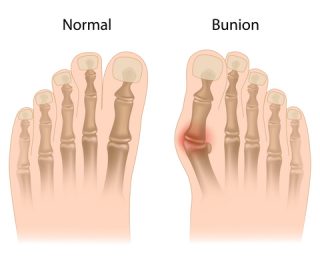
The Footerella System is designed for women due to female hormones making the ligaments in the feet softer, thus making the foot bones spread apart and making the foot wider and apparently grow. This can lead to bunions, feet suddenly growing a shoes size or more and corns on the little toe and under the forefoot. When the ligaments are affected by changing softening hormones, such as those release during pregnancy, and menopause, the feet grow and get bigger and wider. To combat these , you should use the Footerella System to get the foot back to normal, if not better than normal.


تم تصميم نظام فوتيريلا للنساء بسبب الهرمونات الأنثوية التي تجعل الأربطة في القدمين أكثر ليونة، مما يجعل عظام القدم متباعدة ويجعل القدم أوسع وتنمو بشكل واضح. وهذا يمكن أن يؤدي إلى الأورام، ونمو القدم فجأة بحجم حذاء أو أكثر، والذرة على إصبع القدم الصغير وتحت مقدمة القدم. عندما تتأثر الأربطة بتغير الهرمونات اللينة، مثل تلك التي تفرز أثناء الحمل، وانقطاع الطمث، تنمو القدم وتصبح أكبر وأوسع. ولمواجهة هذه المشاكل، يجب عليك استخدام نظام فوتيريلا

لإعادة القدم إلى وضعها الطبيعي، إن لم يكن أفضل من وضعها الطبيعي.


The United States were the first to change the name from €˜chiropodist€™ to

€˜podiatrist€™ in 1960, as the title chiropodist was commonly confused with the title €˜chiropractor€™. In the United Kingdom the title change officially occurred in 1993. Podiatry is now the internationally recognizable name for lower limb specialists, with particular focus in the foot and ankle. Therefore it is the modern name for chiropodist, if you like!
The title chiropodist is still commonly used in certain parts of Canada and in the UK. For many people, chiropody is often described as the treatment of dermatological issues of the feet; nails and skin. Whereas podiatry still covers skin and nail issues but also podiatrists€™ expertise and specific training in the mechanics of the lower limb (not just the foot, but also the ankle, knee, leg and hip); studying the pathologies of foot and ankle conditions, and also dermatological complaints.
€˜Podiatrist€™ is a protected title by law, and can only be used by someone who has completed what is considered an extensive 3-4 year fulltime vocational university course. Podiatry is termed an €˜allied health profession€™ and according to the World Health Organisation, other health professions in this bracket include specialisms such as physiotherapy and optometry.
Like all other health care professions, podiatry is an ever evolving academic course and profession and advancements are being made with every year in the field, to benefit patient care.
The specialist podiatrist team at Dubai Podiatry Centre are all UK trained and qualified, also licensed by the DHA, and treat all ailments from traditional €˜chiropody€™ related treatments such as corns and callous and ingrown toenails and verrucas to expert biomechanical assessment , custom orthotic therapy in their in-house laboratory, children€™s feet and diabetic foot care.
A podiatrist is the specialist to see if you are at all concerned about your feet or lower limbs, just as you would see a dentist for your teeth or ophthalmologist for your eyes. Contact the experts at Dubai Podiatry Centre if you have any concerns about your feet, ankles or legs: 04 3435390

طبيب الأقدام؟ أخصائي تقويم الأقدام ؟ ما هو الفرق الكبير؟


كانت الولايات المتحدة أول من غير الاسم من “طبيب الأقدام” إلى

“طبيب الأقدام” في عام ١٩٦٠0، حيث كان يتم الخلط بين لقب “طبيب الأقدام” ولقب “مقوم العظام”. وفي المملكة المتحدة، حدث تغيير اللقب رسميًا في عام ١٩٩٣. أصبح طب الأقدام الآن الاسم المعترف به دوليًا لأخصائيي الأطراف السفلية، مع التركيز بشكل خاص على القدم والكاحل. لذلك فهو الاسم الحديث لطبيب الأقدام، إذا أردت!
لا يزال لقب “طبيب الأقدام” مستخدمًا بشكل شائع في أجزاء معينة من كندا والمملكة المتحدة. بالنسبة للعديد من الأشخاص، غالبًا ما يوصف طب الأقدام بأنه علاج للمشاكل الجلدية في القدمين والأظافر والجلد. في حين أن طب الأقدام لا يزال يغطي مشاكل الجلد والأظافر ولكن أيضًا خبرة أطباء الأقدام والتدريب المحدد في ميكانيكا الطرف السفلي (ليس فقط القدم، ولكن أيضًا الكاحل والركبة والساق والورك)؛ دراسة أمراض القدم والكاحل، وكذلك الشكاوى الجلدية.

“طبيب الأقدام” هو لقب محمي بموجب القانون، ولا يمكن استخدامه إلا من قبل شخص أكمل ما يعتبر دورة جامعية مهنية مكثفة لمدة ٣-٤ سنوات بدوام كامل. يُطلق على طب الأقدام مصطلح “مهنة صحية متحالفة”، ووفقًا لمنظمة الصحة العالمية، فإن المهن الصحية الأخرى في هذا التصنيف تشمل تخصصات مثل العلاج الطبيعي وقياس البصر.

مثل جميع المهن الصحية الأخرى، فإن طب الأقدام هو دورة أكاديمية ومهنة متطورة باستمرار ويتم تحقيق تقدم كل عام في هذا المجال، لصالح رعاية المرضى.
إن فريق أطباء الأقدام المتخصصين في مركز دبي لطب الأقدام مدربون ومؤهلون في المملكة المتحدة، ومرخصون أيضًا من قبل هيئة الصحة بدبي، ويعالجون جميع الأمراض بدءًا من العلاجات التقليدية المتعلقة بـ “طب الأقدام” مثل مسامير القدم والأظافر المتشققة والثآليل الأخمصية إلى التقييم البيوميكانيكي المتخصص، والعلاج التقويمي المخصص في مختبرهم الداخلي، وأقدام الأطفال والعناية بالقدم السكرية.
طبيب الأقدام هو المتخصص الذي يمكنه معرفة ما إذا كنت تشعر بالقلق بشأن قدميك أو أطرافك السفلية، تمامًا كما ترى طبيب الأسنان لأسنانك أو طبيب العيون لعينيك. اتصل بالخبراء في مركز دبي لطب الأقدام إذا كانت لديك أي مخاوف بشأن قدميك أو كاحليك أو ساقيك: ٠٤٣٤٣٥٣٩٠


Written by Michelle Champlin BSc Pod., M.Ch.S., S.R., Ch., (UK)
Footwear has been associated with foot pain and pathology for many years and the effects of shoes on our feet is nothing new. When purchasing footwear many of us consider image over function and health, whether purchasing the latest stiletto heel or a very narrow, tapered toe box for men€™s dress shoes.
Flat, slip-on €˜ballet pump€™ footwear styles have dominated the high streets in recent years. Ballerina pumps often favoured as the alternative to stilettos, with flat: canvas, elasticated sides and slipper like boots worn by both men and women. Lots of people understandably think that this style is €˜better€™ than a high heel and less damaging to feet, whilst still elegant and stylish.
However all is not as it seems – these popular styles can in fact be as equally harmful as high heels.
What€’™s so bad about ballet pumps?
1 The thin sole provides no shock absorption/ protection from the flat hard tiled and concrete surfaces that are so common, particularly in the Middle East. Combine this with little/no heel support and you can be at great risk of developing painful conditions such as Plantar Fasciitis, Achilles Tendonitis and heel spurs.
2 The slip on style fails to retain the foot within the shoe, the toes therefore form a €˜claw€™ position, which you will not be aware of, in order to keep the foot in place €“ leading to tendon damage and clawed toes.
3 The soft material means that essential arch support is missing; increasing the weight bearing force directed through the arch, damaging the supporting tissue structures and leading to collapsed long arches and pain, forefoot spreading and collapse and even bunions.
Footwear such as ballet pumps alter our gait (how we walk), and subsequently strains the full skeleton leading to long term injuries and strain to the foot, leg and back. The increased pressure can also lead to corn and callous formation as your body tries to build up extra hard skin to protect itself from the extra forces.
The lack of support in ballet flats has been linked to various lower limb injuries of both bony and tissue structures (muscle, tendons & ligaments) including; the knee, heel, Achilles tendon and plantar fascia. Flat, slip on footwear styles provide absolutely no support whatsoever, making the feet work a lot harder than they should, resulting in destructive skewed pressure, an altered gait and eventually joint deformation and pain.
What can you do?
1 Children and teenagers are at greater risk. Their feet are not fully grown until late adolescenthood so teenagers and children are particularly prone to biomechanical injury from inadequate footwear. This is why wearing proper, appropriate footwear throughout the child and teenage years is so important, to prevent longer term foot problems in adulthood. See our advice on children€™s feet and shoes here.
2 Wear shoes suitable for what you’re doing. Obviously, occasional wear of ballet pumps, especially while you are sitting at a desk for example (not weight bearing / walking) is more realistic than saying never wear ballet pumps. Wear sports shoes to/from work or events and slip into your ballet pumps when you reach your destination.
3 If you know you€™ll be doing a lot of walking, such as around the mall, wear a comfortable and cushioned sports shoe or similar (see our sports shoe advice here).
4 If you are finding callous or corns on your feet that keep coming back, you need to visit the Podiatrist to discuss your biomechanics and footwear. Corns and callous are your body€™’s way of protecting itself from more serious damage and should be addressed.
Our advice is whilst we realise style is important, remember to be kind to your feet and they€™ll carry you on your travels until old age with little or no problems. Wear appropriate footwear for your activity and if you are experiencing any foot pain that you€™re worried may be due to footwear, come and see us at Dubai Podiatry Centre for friendly expert advice and treatment. We can be reached on +971 4 3435390

Footwear has been associated with foot pain and pathology for many years and the effects of shoes on our feet is nothing new. When purchasing footwear many of us consider image over function and health, whether purchasing the latest stiletto heel or a very narrow, tapered toe box for men€™s dress shoes.
Flat, slip-on €˜ballet pump€™ footwear styles have dominated the high streets in recent years. Ballerina pumps often favoured as the alternative to stilettos, with flat: canvas, elasticated sides and slipper like boots worn by both men and women. Lots of people understandably think that this style is €˜better€™ than a high heel and less damaging to feet, whilst still elegant and stylish.
However all is not as it seems – these popular styles can in fact be as equally harmful as high heels.
What€’™s so bad about ballet pumps?
4 The thin sole provides no shock absorption/ protection from the flat hard tiled and concrete surfaces that are so common, particularly in the Middle East. Combine this with little/no heel support and you can be at great risk of developing painful conditions such as Plantar Fasciitis, Achilles Tendonitis and heel spurs.
5 The slip on style fails to retain the foot within the shoe, the toes therefore form a €˜claw€™ position, which you will not be aware of, in order to keep the foot in place €“ leading to tendon damage and clawed toes.
6 The soft material means that essential arch support is missing; increasing the weight bearing force directed through the arch, damaging the supporting tissue structures and leading to collapsed long arches and pain, forefoot spreading and collapse and even bunions.
Footwear such as ballet pumps alter our gait (how we walk), and subsequently strains the full skeleton leading to long term injuries and strain to the foot, leg and back. The increased pressure can also lead to corn and callous formation as your body tries to build up extra hard skin to protect itself from the extra forces.
The lack of support in ballet flats has been linked to various lower limb injuries of both bony and tissue structures (muscle, tendons & ligaments) including; the knee, heel, Achilles tendon and plantar fascia. Flat, slip on footwear styles provide absolutely no support whatsoever, making the feet work a lot harder than they should, resulting in destructive skewed pressure, an altered gait and eventually joint deformation and pain.
What can you do?
5 Children and teenagers are at greater risk. Their feet are not fully grown until late adolescenthood so teenagers and children are particularly prone to biomechanical injury from inadequate footwear. This is why wearing proper, appropriate footwear throughout the child and teenage years is so important, to prevent longer term foot problems in adulthood. See our advice on children€™s feet and shoes here.
6 Wear shoes suitable for what you’re doing. Obviously, occasional wear of ballet pumps, especially while you are sitting at a desk for example (not weight bearing / walking) is more realistic than saying never wear ballet pumps. Wear sports shoes to/from work or events and slip into your ballet pumps when you reach your destination.
7 If you know you€™ll be doing a lot of walking, such as around the mall, wear a comfortable and cushioned sports shoe or similar (see our sports shoe advice here).
8 If you are finding callous or corns on your feet that keep coming back, you need to visit the Podiatrist to discuss your biomechanics and footwear. Corns and callous are your body€™’s way of protecting itself from more serious damage and should be addressed.
Our advice is whilst we realise style is important, remember to be kind to your feet and they€™ll carry you on your travels until old age with little or no problems. Wear appropriate footwear for your activity and if you are experiencing any foot pain that you€™re worried may be due to footwear, come and see us at Dubai Podiatry Centre for friendly expert advice and treatment. We can be reached on +971 4 3435390


مضخات الباليه – نصيحة شاملة

بقلم ميشيل شامبلين

لقد ارتبطت الأحذية بألم القدم وأمراضها لسنوات عديدة، وتأثير الأحذية على أقدامنا ليس بالأمر الجديد. عند شراء الأحذية، يفكر الكثير منا في الصورة أكثر من الوظيفة والصحة، سواء شراء أحدث الكعب العالي أو صندوق أصابع مدبب ضيق جدًا للأحذية الرسمية للرجال.

هيمنت أنماط الأحذية المسطحة سهلة الارتداء “أحذية الباليه” على الشوارع الرئيسية في السنوات الأخيرة. غالبًا ما يتم تفضيل أحذية الباليه كبديل للأحذية ذات الكعب العالي، مع قماش مسطح وجوانب مطاطية وأحذية تشبه النعال يرتديها كل من الرجال والنساء. يعتقد الكثير من الأشخاص أن هذا النمط “أفضل” من الكعب العالي وأقل ضررًا للقدمين، في حين أنه لا يزال أنيقًا وعصريًا.

لكن كل شيء ليس كما يبدو، فهذه الأنماط الشائعة يمكن أن تكون في الواقع ضارة بنفس القدر مثل الكعب العالي.

ما هو السيء في أحذية الباليه؟

١ لا يوفر النعل الرفيع امتصاصًا للصدمات/حماية من الأسطح المسطحة الصلبة والمبلطة والخرسانية الشائعة جدًا، خاصة في الشرق الأوسط. اجمع هذا مع دعم قليل أو بدون دعم للكعب، وقد تكون معرضًا لخطر كبير للإصابة بحالات مؤلمة مثل التهاب اللفافة الأخمصية والتهاب وتر العرقوب ونتوءات الكعب.

٢ يفشل أسلوب الارتداء في الاحتفاظ بالقدم داخل الحذاء، وبالتالي تشكل أصابع القدم وضعية “المخلب” التي لن تكون على علم بها، من أجل إبقاء القدم في مكانها – “مما يؤدي إلى تلف الأوتار والمخالب” أصابع القدم.

٣ المادة الناعمة تعني أن دعم القوس الأساسي مفقود؛ زيادة قوة تحمل الوزن الموجهة عبر القوس، مما يؤدي إلى إتلاف هياكل الأنسجة الداعمة ويؤدي إلى انهيار الأقواس الطويلة والألم، وانتشار مقدمة القدم وانهيارها وحتى الأورام.

الأحذية مثل أحذية الباليه تغير مشيتنا (كيف نمشي)، وبالتالي تجهد الهيكل العظمي بالكامل مما يؤدي إلى إصابات طويلة الأمد وإجهاد في القدم والساق والظهر. يمكن أن يؤدي الضغط المتزايد أيضًا إلى تكوين مسامير القدم والقسوة حيث يحاول جسمك بناء جلد أكثر صلابة لحماية نفسه من القوى الإضافية.

تم ربط نقص الدعم في أحذية الباليه بإصابات مختلفة في الأطراف السفلية لكل من الهياكل العظمية والأنسجة (العضلات والأوتار والأربطة) بما في ذلك؛ الركبة والكعب ووتر العرقوب واللفافة الأخمصية. لا توفر أنماط الأحذية المسطحة سهلة الارتداء أي دعم على الإطلاق، مما يجعل القدم تعمل بجهد أكبر مما ينبغي، مما يؤدي إلى ضغط منحرف مدمر، ومشية متغيرة، وفي النهاية تشوه وألم في المفاصل.

ما الذي تستطيع القيام به؟

١ الأطفال والمراهقون معرضون لخطر أكبر. لا تنمو أقدامهم بشكل كامل حتى أواخر مرحلة المراهقة، لذا يكون المراهقون والأطفال معرضين بشكل خاص للإصابة الميكانيكية الحيوية بسبب الأحذية غير الملائمة. ولهذا السبب يعد ارتداء الأحذية المناسبة والمناسبة خلال سنوات الطفل والمراهقة أمرًا في غاية الأهمية، لمنع مشاكل القدم على المدى الطويل في مرحلة البلوغ. اطلع على نصائحنا بشأن أقدام وأحذية الأطفال هنا.

٢ ارتدي حذاءً مناسبًا لما تفعلينه. من الواضح أن ارتداء أحذية الباليه من حين لآخر، خاصة أثناء الجلوس على مكتب على سبيل المثال (وليس حمل الأثقال أو المشي) هو أكثر واقعية من القول بعدم ارتداء أحذية الباليه أبدًا. ارتدي أحذية رياضية من/إلى العمل أو المناسبات وارتدي حذاء الباليه عندما تصل إلى وجهتك.

٣ إذا كنت تعلم أنك ستقوم بالكثير من المشي، مثل التجول في المركز التجاري، فارتدي حذاءًا رياضيًا مريحًا ومبطنًا أو ما شابه (راجع نصائحنا حول الأحذية الرياضية هنا).

٤ إذا وجدت مسامير صلبة أو مسامير في قدميك تعود باستمرار، فأنت بحاجة لزيارة طبيب الأقدام لمناقشة الميكانيكا الحيوية والأحذية الخاصة بك. تعتبر مسامير القدم والصلبة طريقة جسمك لحماية نفسه من أضرار أكثر خطورة ويجب معالجتها.

نصيحتنا هي أننا ندرك أن الأناقة مهمة، تذكر أن تكون لطيفًا مع قدميك وسوف تحملك في رحلاتك حتى سن الشيخوخة مع مشاكل قليلة أو معدومة. قم بارتداء الأحذية المناسبة لنشاطك، وإذا كنت تعاني من أي ألم في القدم تشعر بالقلق من أنه قد يكون بسبب الأحذية، تفضل بزيارتنا في مركز دبي لعلاج الأرجل للحصول على مشورة الخبراء الودية والعلاج. يمكن التواصل معنا على الرقم ٠٤٣٤٣٥٣٩٠

لقد ارتبطت الأحذية بألم القدم وأمراضها لسنوات عديدة، وتأثير الأحذية على أقدامنا ليس بالأمر الجديد. عند شراء الأحذية، يفكر الكثير منا في الصورة أكثر من الوظيفة والصحة، سواء شراء أحدث الكعب العالي أو صندوق أصابع مدبب ضيق جدًا للأحذية الرسمية للرجال.

هيمنت أنماط الأحذية المسطحة سهلة الارتداء “أحذية الباليه” على الشوارع الرئيسية في السنوات الأخيرة. غالبًا ما يتم تفضيل أحذية الباليه كبديل للأحذية ذات الكعب العالي، مع قماش مسطح وجوانب مطاطية وأحذية تشبه النعال يرتديها كل من الرجال والنساء. يعتقد الكثير من الأشخاص أن هذا النمط “أفضل” من الكعب العالي وأقل ضررًا للقدمين، في حين أنه لا يزال أنيقًا وعصريًا.

لكن كل شيء ليس كما يبدو، فهذه الأنماط الشائعة يمكن أن تكون في الواقع ضارة بنفس القدر مثل الكعب العالي.

ما هو السيء في أحذية الباليه؟

٤ لا يوفر النعل الرفيع امتصاصًا للصدمات/حماية من الأسطح المسطحة الصلبة والمبلطة والخرسانية الشائعة جدًا، خاصة في الشرق الأوسط. اجمع هذا مع دعم قليل أو بدون دعم للكعب، وقد تكون معرضًا لخطر كبير للإصابة بحالات مؤلمة مثل التهاب اللفافة الأخمصية والتهاب وتر العرقوب ونتوءات الكعب.

٥ يفشل النمط سهل الارتداء في الاحتفاظ بالقدم داخل الحذاء، وبالتالي تشكل أصابع القدم وضعية “المخلب” التي لن تكون على علم بها، من أجل إبقاء القدم في مكانها – “مما يؤدي إلى تلف الأوتار والمخالب” أصابع القدم.

٦المادة الناعمة تعني أن دعم القوس الأساسي مفقود؛ زيادة قوة تحمل الوزن الموجهة عبر القوس، مما يؤدي إلى إتلاف هياكل الأنسجة الداعمة ويؤدي إلى انهيار الأقواس الطويلة والألم، وانتشار مقدمة القدم وانهيارها وحتى الأورام.

الأحذية مثل أحذية الباليه تغير مشيتنا (كيف نمشي)، وبالتالي تجهد الهيكل العظمي بالكامل مما يؤدي إلى إصابات طويلة الأمد وإجهاد في القدم والساق والظهر. يمكن أن يؤدي الضغط المتزايد أيضًا إلى تكوين مسامير القدم والقسوة حيث يحاول جسمك بناء جلد أكثر صلابة لحماية نفسه من القوى الإضافية.

تم ربط نقص الدعم في أحذية الباليه بإصابات مختلفة في الأطراف السفلية لكل من الهياكل العظمية والأنسجة (العضلات والأوتار والأربطة) بما في ذلك؛ الركبة والكعب ووتر العرقوب واللفافة الأخمصية. لا توفر أنماط الأحذية المسطحة سهلة الارتداء أي دعم على الإطلاق، مما يجعل القدم تعمل بجهد أكبر مما ينبغي، مما يؤدي إلى ضغط منحرف مدمر، ومشية متغيرة، وفي النهاية تشوه وألم في المفاصل.

ما الذي تستطيع القيام به؟

٥ الأطفال والمراهقون معرضون لخطر أكبر. لا تنمو أقدامهم بشكل كامل حتى أواخر مرحلة المراهقة، لذا يكون المراهقون والأطفال معرضين بشكل خاص للإصابة الميكانيكية الحيوية بسبب الأحذية غير الملائمة. ولهذا السبب يعد ارتداء الأحذية المناسبة والمناسبة خلال سنوات الطفل والمراهقة أمرًا في غاية الأهمية، لمنع مشاكل القدم على المدى الطويل في مرحلة البلوغ. اطلع على نصائحنا بشأن أقدام وأحذية الأطفال هنا.

٦ ارتدي حذاءً مناسبًا لما تفعلينه. من الواضح أن ارتداء أحذية الباليه من حين لآخر، خاصة أثناء الجلوس على مكتب على سبيل المثال (وليس حمل الأثقال أو المشي) هو أكثر واقعية من القول بعدم ارتداء أحذية الباليه أبدًا. ارتدي أحذية رياضية من/إلى العمل أو المناسبات وارتدي حذاء الباليه عندما تصل إلى وجهتك.

٧ إذا كنت تعلم أنك ستقوم بالكثير من المشي، مثل التجول في المركز التجاري، فارتدي حذاءًا رياضيًا مريحًا ومبطنًا أو ما شابه (راجع نصائحنا حول الأحذية الرياضية هنا).

٨ إذا كنت تجد مسامير صلبة أو مسامير في قدميك تعود باستمرار، فأنت بحاجة لزيارة طبيب الأقدام لمناقشة الميكانيكا الحيوية والأحذية الخاصة بك. تعتبر مسامير القدم والصلبة طريقة جسمك لحماية نفسه من أضرار أكثر خطورة ويجب معالجتها.

نصيحتنا هي أننا ندرك أن الأناقة مهمة، تذكر أن تكون لطيفًا مع قدميك وسوف تحملك في رحلاتك حتى سن الشيخوخة مع مشاكل قليلة أو معدومة. قم بارتداء الأحذية المناسبة لنشاطك، وإذا كنت تعاني من أي ألم في القدم تشعر بالقلق من أنه قد يكون بسبب الأحذية، تفضل بزيارتنا في مركز دبي لعلاج الأرجل للحصول على مشورة الخبراء الودية والعلاج. يمكن التواصل معنا على الرقم ٠٤٣٤٣٥٣٩٠


Copyright Dubai Podiatry 2026. All rights reserved.

WhatsApp us