fbpx

Please wait...


BLOG

No more posts

One of the most common reasons people seek our Podiatrists’ help is for corns and callous. So what exactly is a corn? What is callous? How do they form? And how do we treat them?

Does a Podiatrist deal with corns and callous?

Yes! Corns and callous are the mainstay of what used to be termed chiropody type treatments. As we discussed in our recent blog, podiatry is an updated term for chiropody and encompasses the same skills, although updated, as well as a higher skill level with treating complex issues such as lower limb biomechanics, diabetic foot care, sports injuries and orthotic therapy.

What is a corn?

A hard corn (or heloma durum) is a small, painful area of thickened skin on the foot, usually on the toes or sole of the forefoot. Recent research from a May 2013 College of Podiatry Survey found that a quarter of women had suffered from corns at some point. The same problem is becoming more common in men due to increasing fashion for tapered footwear.

Why do corns form?

A hard corn is a small area of callous, and is cone shaped and tapers into the skin. Because it tapers to a point, this point can cause great discomfort and if left untreated tissue damage and even ulceration. A soft corn can also form, normally between the toes the center of the corn is still not soft though.

Corns are a signal that there is friction or undue pressure on a specific area. Corns to the edge of the small 5th toe can indicate footwear that is too tight and tapered at the toe box. Corns to the forefoot can indicate a biomechanical anomaly such as a collapsed transverse arch and forefoot splaying.

What is callous?

Nearly half of all women have reported callous/cracked heels. Callous, or excess hard skin, is formed by excess friction over time such as on fingertips from guitar playing, rock climbing or manual labour for example. We see callous most commonly on the soles of the feet, from constant, moderate, rubbing pressure. (A very fast, short-term increase in friction will cause a blister instead). Callous is made up of keratin, which is very tough and resistant to at-home remedies such as occasional foot filing or scrubs. Therefore, once callous has built up, it is best to see a Podiatrist for specialist pain free removal and advice on how to prevent it in the future. Callous can also occasionally form due to hyperkeratosis, a condition where corns and callous can form due to genetic reasons, age or hormonal changes.

Who gets corns and callous?

Professions involving a lot of standing and walking such as teaching, nursing, airline cabin crew and chefs typically present with corn and callous complaints. It is highly unusual to see corns or callous in children “ sometime verrucas can be confused for a corn in children, which is in fact a virus with very different treatment.

What is the best way to treat corns and callous?

Once you have developed corns or callous, the best person to see is a Podiatrist. We will:
(1) use the pattern of callous / corn formation to forensically diagnose any unusual pressure patterns on your feet, as part of a biomechanical assessment.
(2) use sterile specialist equipment and medical training to safely and painlessly remove the callous / corn. Corns should never be surgically removed, as this can lead to scarring, which is much more problematic in the long-run than the initial problem. Corns should be painlessly enucleated, popping out the cone of hard skin without damaging the healthy living surrounding tissue and skin.
(3) Never use corn pads as these can contain damaging acids and medications which macerate and burn the healthy tissue around the corn, do not remove the corn and again cause more issues than the original corn.
(4) Advise on how to minimize recurrence, depending on the underlying reason for the hard skin/corn. We identify the source of your corns/callous by analyzing where they are forming, your footwear, lifestyle and a biomechanical assessment.

At Dubai Podiatry Centre, we take a different approach rather than just constantly, repeatedly removing the same callous or corns, we identify the underlying problem and empower the patient with a detailed diagnosis and reason for the issue. Advice can range from
• footwear recommendations,
• patient-specific footcare regime with specialist creams, usually containing urea,
• to custom orthotic therapy should the source of the issue be an underlying biomechanical misalignment (causing excessive force to a certain part of the foot).

Our patients all lead busy, active lives and seek our assistance because they are seeking an intelligent, holistic, forward thinking foot health solution for the long term. We aim to empower our patients with a thorough assessment, diagnosis and treatment options to keep you on your feet and pain free.

Contact our expert team of UK qualified, experienced and DHA licensed Podiatrists on +971 4 3435390 today.


مسامير القدم والكالس وتقويم الأقدام


أحد الأسباب الأكثر شيوعًا التي تجعل الأشخاص يطلبون المساعدة من أطباء الأقدام لدينا هو علاج مسامير القدم والقسوة. إذن ما هي الذرة بالضبط؟ ما هو القاسي؟ كيف تتشكل؟ وكيف نتعامل معهم؟

هل يتعامل طبيب الأقدام مع مسامير القدم والقسوة؟

نعم! تعتبر مسامير القدم والصلبة الدعامة الأساسية لما كان يُطلق عليه علاجات من نوع تقويم العمود الفقري. كما ناقشنا في مدونتنا الأخيرة، يعد طب الأقدام مصطلحًا محدثًا لتقويم العمود الفقري ويشمل نفس المهارات، على الرغم من تحديثها، بالإضافة إلى مستوى مهارة أعلى في علاج المشكلات المعقدة مثل الميكانيكا الحيوية للأطراف السفلية، والعناية بالقدم السكرية، والإصابات الرياضية والعلاج التقويمي. .

ما هي الذرة؟

الذرة الصلبة (أو الهيلوما الصلبة) هي منطقة صغيرة مؤلمة من الجلد السميك في القدم، وعادةً ما تكون على أصابع القدم أو نعل مقدمة القدم. وجدت الأبحاث الحديثة التي أجرتها كلية طب الأرجل في مايو 2013 أن ربع النساء عانين من مسامير القدم في مرحلة ما. أصبحت المشكلة نفسها أكثر شيوعًا عند الرجال بسبب تزايد موضة الأحذية المدببة.

لماذا تتشكل الذرة؟

الذرة الصلبة عبارة عن منطقة صغيرة من قاسية، وهي مخروطية الشكل وتتناقص تدريجيًا في الجلد. نظرًا لأنه يتناقص تدريجيًا إلى حد ما، فإن هذه النقطة يمكن أن تسبب انزعاجًا كبيرًا وإذا تركت دون علاج تلف الأنسجة وحتى التقرح. يمكن أيضًا أن تتشكل الذرة الناعمة، وعادة ما يكون مركز الذرة غير طري بين أصابع القدم.

تعتبر الذرة إشارة إلى وجود احتكاك أو ضغط غير ضروري على منطقة معينة. يمكن أن تشير الذرة الموجودة على حافة إصبع القدم الخامس الصغير إلى الأحذية الضيقة جدًا والمدببة عند صندوق إصبع القدم. يمكن أن تشير الذرة الموجودة في مقدمة القدم إلى وجود شذوذ ميكانيكي حيوي مثل القوس المستعرض المنهار والتباعد في مقدمة القدم.

ما هو القاسي؟

ما يقرب من نصف النساء أبلغن عن كعب قاس/متصدع. يتشكل الجلد القاسي، أو الجلد الصلب الزائد، نتيجة الاحتكاك الزائد مع مرور الوقت مثل الاحتكاك بأطراف الأصابع الناتج عن العزف على الجيتار أو تسلق الصخور أو العمل اليدوي على سبيل المثال. نرى القسوة بشكل شائع على باطن القدمين، بسبب الضغط المستمر والمعتدل والفرك. (زيادة الاحتكاك السريعة جدًا وقصيرة المدى ستؤدي إلى ظهور نفطة بدلاً من ذلك). يتكون الجلد المتصلب من الكيراتين، وهو مادة قوية جدًا ومقاومة للعلاجات المنزلية مثل برد القدم أو دعكها في بعض الأحيان. لذلك، بمجرد أن يتراكم الجلد المتصلب، فمن الأفضل أن ترى طبيب أقدام متخصص لإزالة الألم دون ألم وتقديم المشورة بشأن كيفية الوقاية منه في المستقبل. يمكن أيضًا أن يتشكل القاسي أحيانًا بسبب فرط التقرن، وهي حالة يمكن أن تتشكل فيها مسامير القدم والقاسية لأسباب وراثية أو العمر أو التغيرات الهرمونية.

من يحصل على الذرة والقاسي؟

المهن التي تتطلب الكثير من الوقوف والمشي مثل التدريس والتمريض وطاقم الطائرة والطهاة عادة ما تكون مصحوبة بشكاوى قاسية وقاسية. من غير المعتاد إلى حد كبير رؤية مسامير القدم أو القسوة عند الأطفال. في بعض الأحيان يمكن الخلط بين الثآليل والذرة عند الأطفال، وهو في الواقع فيروس له علاج مختلف تمامًا.

ما هي أفضل طريقة لعلاج الذرة والقسوة؟

بمجرد ظهور مسامير القدم أو القسوة، فإن أفضل شخص يمكنك رؤيته هو طبيب الأقدام. ونحن سوف:

(١) استخدم نمط تكوين الصلب/الذرة لتشخيص أي أنماط ضغط غير عادية على قدميك، كجزء من التقييم الميكانيكي الحيوي.

(٢) استخدام المعدات المتخصصة المعقمة والتدريب الطبي لإزالة مسامير القدم / الذرة بشكل آمن وغير مؤلم. لا ينبغي أبدًا إزالة مسامير القدم جراحيًا، لأن ذلك قد يؤدي إلى تندب، وهو أمر أكثر إشكالية على المدى الطويل من المشكلة الأولية. يجب استئصال مسامير القدم بدون ألم، مما يؤدي إلى إخراج مخروط الجلد الصلب دون الإضرار بالأنسجة والجلد الصحي المحيط.

(٣) لا تستخدم أبدًا وسادات الذرة لأنها يمكن أن تحتوي على أحماض وأدوية ضارة تؤدي إلى تآكل وحرق الأنسجة السليمة حول الذرة، ولا تقم بإزالة الذرة وتسبب مرة أخرى مشاكل أكثر من الذرة الأصلية.

(٤) تقديم المشورة بشأن كيفية تقليل تكرار المرض، اعتمادًا على السبب الكامن وراء تصلب الجلد/الذرة. نحن نحدد مصدر مسامير القدم/الصلبة لديك من خلال تحليل أماكن تشكلها وأحذيتك وأسلوب حياتك وتقييم الميكانيكا الحيوية.

في مركز دبي لعلاج الأرجل، نتبع نهجًا مختلفًا بدلاً من الاكتفاء بإزالة نفس مسامير القدم أو مسامير القدم بشكل متكرر، فنحن نحدد المشكلة الأساسية ونزود المريض بتشخيص مفصل وسبب المشكلة. يمكن أن تتراوح النصائح من

توصيات الأحذية،

نظام رعاية خاص بالقدمين باستخدام الكريمات المتخصصة، والتي تحتوي عادة على اليوريا.

إلى العلاج التقويمي المخصص إذا كان مصدر المشكلة هو اختلال ميكانيكي حيوي أساسي (يسبب قوة مفرطة لجزء معين من القدم).

يعيش جميع مرضانا حياة مزدحمة ونشيطة ويطلبون مساعدتنا لأنهم يبحثون عن حل ذكي وشامل ومتقدم لصحة القدم على المدى الطويل. نحن نهدف إلى تمكين مرضانا من خلال التقييم الشامل والتشخيص وخيارات العلاج لإبقائك على قدميك وخاليًا من الألم.

اتصل بفريق الخبراء لدينا من أطباء الأقدام المؤهلين وذوي الخبرة والمرخصين من هيئة الصحة بدبي في المملكة المتحدة على الرقم ٠٤٣٤٣٥٣٩٠ اليوم


How playing cricket impacts on the feet We encourage and support all sports and the massive health benefits that being active provides. However, we also need to be aware of the injuries or strain that can be associated with certain sports and take action accordingly. This blog looks at cricket in particular. As with any sport involving running (whether bowling or fielding), repetitious actions can lead to stresses of all kinds in various parts of your body. Here, we’ll look at how playing cricket and the associated forces of high impact affect the feet  the toes, ankles, muscles, ligaments, tendons and the bones that support the feet. These forces can be two to three times your bodyweight so it is easy to appreciate the damage that can be done. Other injuries can be a result of ill-fitting shoes or socks. Potential problems and when to seek the help of a podiatrist Lower back Pain in the lower back may be an indication of improper gait during actions like bowling, or of structural limitations such as leg length discrepancies (one leg longer than the other extremely common!). Toes Black and blue under the nail (œsubungal haematoma) may be a result of an inappropriate fitting shoe; it is not uncommon to cut a hole in the toe box area, but this is not recommended as it changes the mechanism/function of the shoe and may result in other problems Yellow/green nails: these can occur naturally or if a nail is partially lifted during a game and, if untreated, can result in unwanted bacterial and fungal growth leading to a fungal nail infection Paronychia: redness and swelling at the side of the toe mostly seen on the big toes Ingrowning toenails: redness, pain and swelling at the side of the toes sometimes accompanied by pus, bleeding etc. Pain to the sole of the foot (arch area) Plantar fasciitis is very common, particularly with the hard concrete surfaces common throughout the Middle East. The pain can be mild to severe and gets worse after long periods of standing/walking. It is usually noticeable in the mornings after rest, but sometimes it can be worse after a match or training session and mayor may not involve discomfort in the heels. Retro calcaneal tendonitis is pain at the back of the heel area and may radiate up the back of the leg a little, but not as far up as the calf. Pain to the heel Heel pain is sometimes accompanied by arch pain but can also occur on its own. The pain is usually felt in the heel area upon standing after rest and sometimes only noticed after playing. This can be as a result of over use, an underlying biomechanical malalignment (such as ankles rolling in), due to inappropriate footwear or being too worn to function properly, such as a spike protruding in the sole of the shoe. Pain to the side of the foot near the outside of the ankle This problem may be due to rubbing from inside the shoe, inappropriate shoe fitting or poor landing during the delivery of the ball while bowling. General foot problems Other problems affecting the foot can be related to hard skin on the soles of the feet called Callous and corns. These usually present with soreness over bony areas under the foot due to badly fitting footwear. It is important to remember that when areas of hard skin are identified, consultation with a podiatrist is essential as it can be easily misdiagnosed to the untrained eye. Verrucas can be commonly confused with a corn (they are viral infections) and the treatments for corns or verrucas are very different. Custom orthotics maybe required to assist with the management or treatment of some of these issues such as hard skin or foot pain. Five top foot tips for cricketers Good foot care is essential to maintaining healthy feet for your cricket game: 1. Change socks in between games to avoid the friction caused by wet socks and bacterial accumulation. 2. Wash, dry and trim toenails regularly and use a light moisturising cream (preferably containing urea) on your feet. 3. Make sure your foot wear is not too tight – you should be able to wiggle your toes. 4. Check the shoe liner regularly for any excess wear that can cause damage to feet and look at the soles of your cricket shoes for unusual wear pattern. 5. Seek professional podiatrist help for pain, structural biomechanical anomalies or other symptoms sooner rather than later. Contact the foot experts at Dubai Podiatry Centre on +971 4 3435390 our team of specialist Podiatrists are UK trained and qualified, and UK and DHA licensed.


كيف يؤثر لعب الكريكيت على القدمين نحن نشجع وندعم جميع الألعاب الرياضية والفوائد الصحية الهائلة التي يوفرها النشاط. ومع ذلك، نحتاج أيضًا إلى أن نكون على دراية بالإصابات أو الإجهاد الذي يمكن أن يرتبط ببعض الألعاب الرياضية ونتخذ الإجراءات وفقًا لذلك. تتناول هذه المدونة لعبة الكريكيت على وجه الخصوص. كما هو الحال مع أي رياضة تتضمن الجري (سواء كانت البولينج أو الملاعب)، فإن الأفعال المتكررة يمكن أن تؤدي إلى ضغوط من جميع الأنواع في أجزاء مختلفة من الجسم. سننظر هنا في كيفية تأثير لعب الكريكيت والقوى المرتبطة بها ذات التأثير العالي على القدمين – أصابع القدمين والكاحلين والعضلات والأربطة والأوتار والعظام التي تدعم القدمين. يمكن أن تكون هذه القوى ضعفين إلى ثلاثة أضعاف وزن جسمك، لذلك من السهل تقدير الضرر الذي يمكن أن يحدث. يمكن أن تكون الإصابات الأخرى نتيجة للأحذية أو الجوارب غير المناسبة. المشاكل المحتملة ومتى يجب طلب المساعدة من طبيب الأقدام. أسفل الظهر. قد يكون الألم في أسفل الظهر مؤشرًا على مشية غير مناسبة أثناء حركات مثل البولينج، أو على القيود الهيكلية مثل التباين في طول الساق (ساق أطول من الأخرى – “شائع للغاية”). !). قد تكون أصابع القدم باللون الأسود والأزرق تحت الظفر (ورم دموي تحت الظفر) نتيجة لارتداء حذاء غير مناسب؛ ليس من غير المألوف عمل ثقب في منطقة صندوق أصابع القدم، ولكن لا ينصح بذلك لأنه يغير آلية/وظيفة الحذاء وقد يؤدي إلى مشاكل أخرى ¢ الأظافر الصفراء/الخضراء: يمكن أن تحدث هذه بشكل طبيعي أو إذا كان الظفر يتم رفعه جزئيًا أثناء اللعبة، وإذا لم يتم علاجه، يمكن أن يؤدي إلى نمو بكتيري وفطري غير مرغوب فيه مما يؤدي إلى عدوى فطرية في الأظافر. أظافر القدم: احمرار وألم وتورم في جانب أصابع القدم مصحوبًا أحيانًا بالقيح والنزيف وما إلى ذلك. ألم في باطن القدم (منطقة القوس) – التهاب اللفافة الأخمصية شائع جدًا، خاصة مع الأسطح الخرسانية الصلبة الشائعة في جميع أنحاء الشرق الأوسط. شرق. يمكن أن يكون الألم خفيفًا إلى شديدًا ويزداد سوءًا بعد فترات طويلة من الوقوف/المشي. عادة ما يكون ملحوظًا في الصباح بعد الراحة، ولكن في بعض الأحيان قد يكون أسوأ بعد مباراة أو جلسة تدريبية وقد لا يسبب عدم الراحة في الكعب. ™ التهاب الأوتار العقبي الرجعي هو ألم في الجزء الخلفي من منطقة الكعب وقد ينتشر إلى الجزء الخلفي من الساق قليلاً، ولكن ليس حتى يصل إلى ربلة الساق. ألم في الكعب أحيانًا ما يكون ألم الكعب مصحوبًا بألم في قوس القدم، ولكنه قد يحدث أيضًا من تلقاء نفسه. عادة ما يتم الشعور بالألم في منطقة الكعب عند الوقوف بعد الراحة، وفي بعض الأحيان لا يتم ملاحظته إلا بعد اللعب. يمكن أن يكون هذا نتيجة للإفراط في الاستخدام، أو خلل في الميكانيكا الحيوية (مثل تدحرج الكاحل)، أو بسبب الأحذية غير المناسبة أو ارتداء الملابس بشكل لا يسمح لها بالعمل بشكل صحيح، مثل وجود نتوء بارز في نعل الحذاء. ألم في جانب القدم بالقرب من الجزء الخارجي من الكاحل. قد تكون هذه المشكلة بسبب الاحتكاك من داخل الحذاء، أو تركيب الحذاء غير المناسب أو الهبوط السيئ أثناء تسليم الكرة أثناء البولينج. مشاكل عامة في القدم يمكن أن تكون المشاكل الأخرى التي تؤثر على القدم مرتبطة بالجلد الصلب في باطن القدم والذي يسمى مسامير القدم. عادة ما تظهر هذه مع ألم في المناطق العظمية تحت القدم بسبب الأحذية غير المناسبة. من المهم أن نتذكر أنه عند تحديد مناطق الجلد الصلبة، فإن استشارة طبيب الأقدام أمر ضروري لأنه يمكن بسهولة تشخيصها بشكل خاطئ للعين غير المدربة. من الشائع الخلط بين الثآليل والذرة (وهي عدوى فيروسية) وعلاجات الثآليل أو الثآليل مختلفة تمامًا. قد تكون هناك حاجة إلى أجهزة تقويم العظام المخصصة للمساعدة في إدارة أو علاج بعض هذه المشكلات مثل الجلد الصلب أو آلام القدم. خمس نصائح أساسية للقدم للاعبي الكريكيت تعد العناية الجيدة بالقدم أمرًا ضروريًا للحفاظ على أقدام صحية في لعبة الكريكيت: ١. قم بتغيير الجوارب بين المباريات لتجنب الاحتكاك الناتج عن الجوارب المبللة وتراكم البكتيريا. ٢. اغسلي أظافر قدميك وجففيها وقلميها بانتظام واستخدمي كريم مرطب خفيف (يفضل أن يحتوي على اليوريا) على قدميك. ٣. تأكد من أن حذائك ليس ضيقًا جدًا – يجب أن تكون قادرًا على تحريك أصابع قدميك. ٤. افحص بطانة الحذاء بانتظام بحثًا عن أي تآكل زائد يمكن أن يسبب ضررًا للقدمين وانظر إلى نعال حذاء الكريكيت الخاص بك بحثًا عن نمط تآكل غير عادي. ٥. اطلب المساعدة المهنية من طبيب الأقدام لعلاج الألم أو التشوهات الميكانيكية الحيوية الهيكلية أو غيرها من الأعراض عاجلاً وليس آجلاً. اتصل بخبراء الأقدام في مركز دبي لعلاج الأرجل على الرقم ٠٤٣٤٣٥٣٩٠ – “فريقنا من أطباء الأقدام المتخصصين مدربون ومؤهلون في المملكة المتحدة، ومرخصون من المملكة المتحدة وهيئة الصحة بدبي.


Playing football can place a lot of stress on your feet and the more you play, the more the stress. There can be a lot of friction involved, particularly when playing on artificial surfaces such as Astroturf as well as a lot of twisting, turning, rapid acceleration and deceleration.

Playing barefoot on soft sand is also common here in the Middle East, which can raise the risk of injury from twisting the ankle due to instability. Football players stop suddenly and twist and turn. Likewise, when playing on hard ground the studs can result in pressure to the sole of the foot.

Football boots can also be quite stressful on the feet, particularly as most players wear a tight fit for better ball control. It is not uncommon for a footballer to suffer with pressure points, corns, callus or ingrowing toenails as a result of football boots. This is particularly damaging for children and teenagers, who are still growing. Potential problems and when to see a Podiatrist We advise anybody playing football who starts to feel pain in the foot, ankle or heel to seek the advice of your podiatrist sooner rather than later. People tend to persevere with pain, thinking that it will go away.

There is a big difference between muscular aches from a hard training session or game and pain that reoccurs after every training session or game, or even pain that is gradually getting worse. In these situations, it is best to consult a podiatrist with a special interest in biomechanics and musculoskeletal problems. Any signs of pressure such as redness, blisters, hard skin or extra bone developing (osteophytic formation) definitely needs assessing by a professional. Areas to check are around the back of the heel, the toes and the base of the big toe joint (MTP joint).

Healthy feet for football Prevention is always better than cure. Support your feet whenever you can, not only when playing but as much as possible. Toenails should always be kept to a good length, cut straight across and not too short you would not want to miss an important game due to an ingrowing toenail. Good foot hygiene is essential to prevent a number of foot problems such as bacterial, fungal or viral infections such as verrucas. These can appear minor but can result in complications leading to pain and even missed training sessions and matches.

Footballers can neglect their flexibility, which can be important in keeping a good posture, maintaining a wide range of motion at all joints and preventing injury. This is particularly important in growing children and teenagers. Teenagers can suffer from excruciating heel pain because they have very tight hamstrings or calves. Once this flexibility is increased with a stretching programme, their posture improves and the problem is resolved.

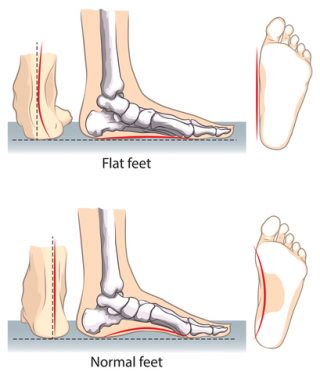
Sometimes prescribed custom corrective orthoses are also needed to support the feet, and at Dubai Podiatry Centre we have developed unique custom footballing orthotics with our professional footballers to fit specifically into their slimline boots. Having good balance and awareness is essential for football. This can be improved by increasing the communication between the feet and the nervous system. This is referred to as proprioception and can be improved with the use of custom orthotics for those with flat feet, which is also very common in the Middle East.

Recommended Equipment A good quality, well-fitting pair of football boots is essential. There shouldn’t be any signs of pressure on the foot after a game or training session, such as hot red skin or blisters. A pair of flip flops is recommended if using communal changing areas and showers, as this can prevent picking up any infections that can cause unnecessary problems such as verrucas. These thrive in warm, moist conditions such as poolside and in shower/dressing rooms.

Five top foot tips for footballers

1. Stretch, stretch, stretch!
2. Support your feet (good footwear).
3. Good foot hygiene.
4. Look after your nails.
5. Contact the sports podiatry experts at Dubai Podiatry Centre if you have any concerns.


For appointment, contact us:
Call: + 971  4 3435390
WhatsApp: + 971  50 355 3024
info@dubaipodiatry.com
To book online: Click here

يمكن أن يؤدي لعب كرة القدم إلى وضع الكثير من الضغط على قدميك، وكلما لعبت أكثر، زاد الضغط. يمكن أن يكون هناك الكثير من الاحتكاك، خاصة عند اللعب على الأسطح الاصطناعية مثل Astroturf بالإضافة إلى الكثير من الالتواء والدوران والتسارع السريع والتباطؤ.

يعد اللعب حافي القدمين على الرمال الناعمة أمرًا شائعًا أيضًا هنا في الشرق الأوسط، مما قد يزيد من خطر الإصابة نتيجة التواء الكاحل بسبب عدم الاستقرار. يتوقف لاعبو كرة القدم فجأة ويلتفون ويدورون. وبالمثل، عند اللعب على أرض صلبة، يمكن أن تؤدي المسامير إلى الضغط على باطن القدم.

يمكن أن تكون أحذية كرة القدم أيضًا مرهقة جدًا للقدمين، خاصة وأن معظم اللاعبين يرتدون مقاسًا ضيقًا للتحكم بشكل أفضل في الكرة. ليس من غير المألوف أن يعاني لاعب كرة القدم من نقاط الضغط أو مسامير القدم أو مسامير القدم أو أظافر القدم الغارزة نتيجة لأحذية كرة القدم. وهذا أمر ضار بشكل خاص للأطفال والمراهقين، الذين ما زالوا في طور النمو. المشاكل المحتملة ومتى يجب زيارة طبيب الأقدام ننصح أي شخص يلعب كرة القدم ويبدأ في الشعور بألم في القدم أو الكاحل أو الكعب أن يطلب مشورة طبيب الأقدام الخاص بك عاجلاً وليس آجلاً. يميل الناس إلى المثابرة مع الألم، معتقدين أنه سيختفي.

هناك فرق كبير بين آلام العضلات الناتجة عن جلسة تدريب أو مباراة صعبة والألم الذي يتكرر بعد كل جلسة تدريب أو مباراة، أو حتى الألم الذي يزداد سوءًا تدريجيًا. في هذه الحالات، من الأفضل استشارة طبيب الأقدام الذي لديه اهتمام خاص بالميكانيكا الحيوية ومشاكل العضلات والعظام. أي علامات ضغط مثل الاحمرار أو البثور أو الجلد الصلب أو نمو العظام الزائد (تكوين العظام) تحتاج بالتأكيد إلى تقييم من قبل متخصص. المناطق التي يجب فحصها هي حول الجزء الخلفي من الكعب وأصابع القدم وقاعدة مفصل إصبع القدم الكبير (مفصل MTP).

أقدام صحية لكرة القدم الوقاية دائماً خير من العلاج. ادعم قدميك كلما استطعت، ليس فقط أثناء اللعب ولكن قدر الإمكان. يجب دائمًا الحفاظ على أظافر القدم بطول جيد، وقصها بشكل مستقيم وليس قصيرًا جدًا، فلن ترغب في تفويت مباراة مهمة بسبب ظفر القدم الناشب. تعد النظافة الجيدة للقدم ضرورية لمنع عدد من مشاكل القدم مثل الالتهابات البكتيرية أو الفطرية أو الفيروسية مثل الثؤلول. يمكن أن تبدو هذه الأعراض بسيطة ولكنها قد تؤدي إلى مضاعفات تؤدي إلى الألم وحتى تفويت جلسات التدريب والمباريات.

يمكن للاعبي كرة القدم إهمال مرونتهم، والتي يمكن أن تكون مهمة في الحفاظ على وضعية جيدة، والحفاظ على نطاق واسع من الحركة في جميع المفاصل ومنع الإصابة. وهذا مهم بشكل خاص في نمو الأطفال والمراهقين. يمكن أن يعاني المراهقون من آلام الكعب المؤلمة بسبب ضيق أوتار الركبة أو الساق. وبمجرد زيادة هذه المرونة من خلال برنامج التمدد، تتحسن وضعيتهم ويتم حل المشكلة.

في بعض الأحيان، تكون هناك حاجة أيضًا إلى أجهزة تقويم تصحيحية مخصصة لدعم القدمين، وفي مركز دبي لطب الأقدام قمنا بتطوير أجهزة تقويم مخصصة لكرة القدم مع لاعبي كرة القدم المحترفين لدينا لتناسب بشكل خاص أحذيتهم النحيفة. إن تحقيق التوازن الجيد والوعي أمر ضروري لكرة القدم. ويمكن تحسين ذلك عن طريق زيادة الاتصال بين القدمين والجهاز العصبي. ويشار إلى هذا باسم استقبال الحس العميق ويمكن تحسينه باستخدام أجهزة تقويم العظام المخصصة لأولئك الذين يعانون من الأقدام المسطحة، وهو أمر شائع جدًا أيضًا في الشرق الأوسط.

المعدات الموصى بها: من الضروري وجود زوج من أحذية كرة القدم ذات الجودة الجيدة والملاءمة الجيدة. لا ينبغي أن يكون هناك أي علامات ضغط على القدم بعد المباراة أو التدريب، مثل الجلد الأحمر الساخن أو البثور. يوصى بارتداء زوج من النعال في حالة استخدام مناطق تغيير الملابس والاستحمام المشتركة، لأن ذلك يمكن أن يمنع التقاط أي عدوى يمكن أن تسبب مشاكل غير ضرورية مثل الثآليل. هذه تزدهر في الظروف الدافئة والرطبة مثل حمام السباحة وفي غرف الاستحمام / تبديل الملابس.

خمس نصائح أساسية للاعبي كرة القدم

١. تمتد، تمتد، تمتد!

٢. ادعم قدميك (حذاء جيد).

٣. النظافة الجيدة للقدمين.

٤. اعتني بأظافرك.

٥. تواصل مع خبراء طب الأقدام الرياضي في مركز دبي لعلاج الأرجل إذا كانت لديك أية مخاوف.

للحصول على موعد، اتصل بنا:

اتصل: ٠٤٣٤٣٥٣٩٠

واتساب: ٠٥٠٣٥٥٣٠٢٤

info@dubaipodiatry.com

للحجز عبر الإنترنت: اضغط هنا


Do you experience pain to the ball of your foot, or between your toes? There are a number of causes for this, and in this blog, we’re looking to discuss one of them – Morton’s Neuroma also known as plantar neuroma or interdigital neuroma, is a growth or swelling of the nerve tissues supplying the toe(s). Your Podiatrist (formerly known in some countries as a chiropodist) is here to help by diagnosing and treating your foot pain. A neuroma is a benign growth of nerve tissue that can develop in various parts of the body. In the case of the toes, although called a neuroma, it is more a fibroma (fibrous tissue formation around nerve tissue). Either way it is a painful or tender mass on one of the plantar interdigital nerves of the foot. What are the symptoms? Symptoms vary between each individual but are generally between the toes (most often the 3rd & 4th toes) or at the ball of the foot. Common symptoms include: * Feeling as if you are walking or standing on pebbles * Sharp burning pain *Tingling or prickling, otherwise known as Pins and needles, in the toe(s) *Numbness or dead feeling in the toe(s) *Pain in the ball of the foot *Acute or chronic intermittent pain that increases when walking. What can cause Morton’s Neuroma? You might be more at risk of developing Morton’s Neuroma if… Your foot biomechanics – high arched or flat foot are more at risk for example (a Podiatrists specialising in biomechanics can assess you for this) Toe complaints such as bunions, claw or hammer toes. Footwear: High heeled shoes and a narrow, tight toe box will increase pressure on the forefoot and nerves between the toes Footwear with poor retaining medium (e.g. no straps or laces) such as flip flops and ballet pumps. This forces the toes to contract and work to keep the shoes on your feet, even if you’re not conscious of it. This in turn leads to an increase in the force absorbed through the toes. High impact sporting activities, including; Tennis, Squash and Running. Injury/trauma to the forefoot / toes. What should you do if you think you have Morton’s Neuroma? Your biomechanics Podiatrist will examine your foot and locate the affected nerve. A through consultation will aim to identify the exact cause of your pain, (including a thorough bio-mechanical assessment), locate any underlying tissue mass (MRI and/or X-RAY may be required) and rule out other causes. She can then create a tailored treatment plan for you, which may include footwear advice and recommendations depending on your lifestyle and activities and custom prescription orthotic therapy to correct any underlying biomechanical cause. If you are experiencing pain to your feet, don’t suffer in silence. Our Podiatrists are biomechanics specialists, UK degree qualified and trained, and UK and DHA licensed. As the UAE’s leading foot and leg specialists, we are here to get you back on your feet and with your quality of life improved appointments can be booked with our specialists on +971 4 3435390.


ورم مورتون العصبي، انحباس العصب “في القدم

هل تشعر بألم في مشط قدمك أو بين أصابع قدميك؟ هناك عدد من الأسباب لذلك، وفي هذه المدونة، نتطلع إلى مناقشة أحد هذه الأسباب – ورم مورتون العصبي المعروف أيضًا باسم “الورم العصبي الأخمصي” أو “الورم العصبي بين الأصابع”، وهو عبارة عن نمو أو تورم. من الأنسجة العصبية التي تغذي إصبع القدم (الأصابع). إن طبيب الأقدام الخاص بك (المعروف سابقًا في بعض البلدان باسم أخصائي تقويم الأقدام) موجود هنا لمساعدتك من خلال تشخيص وعلاج آلام قدمك. الورم العصبي هو نمو حميد للأنسجة العصبية التي يمكن أن تتطور في أجزاء مختلفة من الجسم. في حالة أصابع القدم، على الرغم من تسميتها بالورم العصبي، إلا أنها أقرب إلى الورم الليفي (تكوين الأنسجة الليفية حول الأنسجة العصبية). وفي كلتا الحالتين، فهي كتلة مؤلمة أو مؤلمة على أحد الأعصاب الأخمصية بين الأصابع في القدم. ما هي الاعراض؟ تختلف الأعراض بين كل فرد ولكنها تظهر بشكل عام بين أصابع القدم (غالبًا الإصبعين الثالث والرابع) أو عند مشط القدم. تشمل الأعراض الشائعة ما يلي: * الشعور كما لو كنت تمشي أو تقف على الحصى * ألم حارق حاد * وخز أو وخز، والمعروف أيضًا باسم الدبابيس والإبر، في أصابع القدم (أصابع القدم) * خدر أو شعور “ميت” في أصابع القدم (أصابع القدم) ) *ألم في مشط القدم *ألم متقطع حاد أو مزمن يزداد عند المشي. ما الذي يمكن أن يسبب ورم مورتون العصبي؟ قد تكون أكثر عرضة لخطر الإصابة بورم مورتون العصبي إذا… كانت الميكانيكا الحيوية لقدمك – “القدم العالية المقوسة” أو “القدم المسطحة” – أكثر عرضة للخطر على سبيل المثال (يمكن لأطباء الأقدام المتخصصين في الميكانيكا الحيوية تقييمك لهذا السبب) مثل الأورام أو أصابع القدم المخلبية أو المطرقة. الأحذية: الأحذية ذات الكعب العالي وصندوق الأصابع الضيق والضيق ستزيد من الضغط على مقدمة القدم والأعصاب بين أصابع القدم. الأحذية ذات وسائل الاحتفاظ الضعيفة (على سبيل المثال، بدون أشرطة أو أربطة) مثل النعال وأحذية الباليه. وهذا يجبر أصابع القدم على الانقباض والعمل على إبقاء الحذاء على قدميك، حتى لو لم تكن واعيًا بذلك. وهذا بدوره يؤدي إلى زيادة القوة الممتصة من خلال أصابع القدم. الأنشطة الرياضية عالية التأثير، بما في ذلك؛ التنس والاسكواش والجري. إصابة/صدمة في مقدمة القدم/أصابع القدم. ماذا يجب أن تفعل إذا كنت تعتقد أنك مصاب بورم مورتون العصبي؟ سيقوم طبيب الأقدام الخاص بالميكانيكا الحيوية بفحص قدمك وتحديد موقع العصب المصاب. تهدف الاستشارة إلى تحديد السبب الدقيق لألمك (بما في ذلك التقييم الميكانيكي الحيوي الشامل)، وتحديد موقع أي كتلة نسيجية كامنة (قد يتطلب الأمر التصوير بالرنين المغناطيسي و/أو الأشعة السينية) واستبعاد الأسباب الأخرى. ويمكنها بعد ذلك إنشاء خطة علاجية مخصصة لك، والتي قد تتضمن نصائح وتوصيات بشأن الأحذية اعتمادًا على نمط حياتك وأنشطتك ووصفات علاجية مخصصة لتقويم العظام لتصحيح أي سبب ميكانيكي حيوي أساسي. إذا كنت تعاني من ألم في قدميك، فلا تعاني في صمت. إن أطباء الأقدام لدينا متخصصون في الميكانيكا الحيوية، ومؤهلون ومدربون على درجة المملكة المتحدة، ومرخصون من المملكة المتحدة وهيئة الصحة بدبي. باعتبارنا متخصصين رائدين في القدم والساق في دولة الإمارات العربية المتحدة، نحن هنا لنساعدك على الوقوف على قدميك من جديد وتحسين نوعية حياتك – “يمكن حجز المواعيد مع المتخصصين لدينا على الرقم ٠٤٣٤٣٥٣٩٠


Rheumatoid Arthritis is an autoimmune disease involving your body’s inflammatory response that affects not only bone but also tissue, throughout the body.
Patients will experience periods of ‘remission’ and ‘exacerbation’ (or flare ups). The entire body can be affected during these flare ups and patients can describe flu-like symptoms.
What sorts of feet issues can Rheumatoid Arthritis lead to?
Progressively R.A. can cause:
* Soft tissue swelling
* Vasculitis(inflammation of blood vessels)
* Thinning of the skin
* Increased risk of infection due to immune altering prescribed medication
* Reduction in joint motion
* Joint deformity
* Functional decline
* Painful altered gait (walking) cycle often shuffling.
Flare ups – or periods of inflammation (redness, heat, swelling and pain) are the most common difficulties that those with R.A will experience in the legs and feet.

RA, Feet and How a Podiatrist Can Help
The R.A foot is classed as high risk, and therefore it is important that special attention is paid to your feet if you have RA, and that you see a Podiatrist regularly.
Almost 90% of those with R.A. report associated foot problems. For many the first signs and symptoms of R.A. will occur in the foot before anywhere else in the body. The systemic nature of R.A and the effect of some prescribed medication will increase the vulnerability of the skin leaving the feet at risk of tissue breakdown and subsequent infection.
Chronic systemic inflammation will cause progressive damage to joint structures, eroding cartilage and then bone, leading to reduced range of motion and joint deformity  typically within the toes. Altered foot shape (a result of joint degeneration) produce areas of abnormal high pressure. Thinning of the skin means that areas subjected to abnormal pressure load are likely to break down. Wound healing can be delayed in R.A, thus ulceration and infection will often develop from tissue breakdown.
When managed appropriately by a qualified Podiatrist, abnormal foot function, tissue breakdown and ulceration can be avoided.
Podiatry treatment of the Rheumatoid foot aims to reduce foot related pain, maintain/improve foot function and so mobility, whilst protecting skin and other tissues from damage, breakdown, ulceration and subsequent infection. Corrective orthotics prescribed by your podiatrist will correct foot function  preventing destructive abnormal loading through joints and thus preserving the integrity of the foot.
If you have rheumatoid arthritis, contact the experts at Dubai Podiatry Centre for a friendly and thorough foot and leg check up and advice  04 3435390.


التهاب المفاصل الروماتويدي والقدمين

التهاب المفاصل الروماتويدي هو أحد أمراض المناعة الذاتية التي تنطوي على استجابة الجسم الالتهابية التي لا تؤثر على العظام فحسب، بل أيضًا على الأنسجة في جميع أنحاء الجسم.

سيواجه المرضى فترات من “الهدأة” و”التفاقم” (أو النوبات). يمكن أن يتأثر الجسم بأكمله أثناء هذه النوبات ويمكن للمرضى وصف أعراض تشبه أعراض الأنفلونزا.

ما هي أنواع مشاكل القدم التي يمكن أن يؤدي إليها التهاب المفاصل الروماتويدي؟

تدريجيا ر. من الممكن أن يسبب:

* تورم الأنسجة الرخوة

* التهاب الأوعية الدموية (التهاب الأوعية الدموية)

* ترقق الجلد

* زيادة خطر الإصابة بالعدوى بسبب تغيير الأدوية الموصوفة للمناعة

* انخفاض في حركة المفاصل

*تشوه المفاصل

* التدهور الوظيفي

* دورة المشي (المشي) المتغيرة المؤلمة – “المشي في كثير من الأحيان“.

˜نوبات التوهج™ – أو فترات الالتهاب (الاحمرار والحرارة والتورم والألم) هي الصعوبات الأكثر شيوعًا التي سيواجهها المصابون بالتهاب المفاصل الروماتويدي في الساقين والقدمين.

التهاب المفاصل الروماتويدي والقدمين وكيف يمكن لطبيب الأقدام المساعدة

يتم تصنيف القدم المصابة بالتهاب المفاصل الروماتويدي على أنها عالية الخطورة، وبالتالي من المهم أن يتم إيلاء اهتمام خاص لقدميك إذا كنت مصابًا بالتهاب المفاصل الروماتويدي، وأن تقوم بزيارة طبيب الأقدام بانتظام.

ما يقرب من ٩٠٪ من المصابين بـ R.A. الإبلاغ عن مشاكل القدم المرتبطة. بالنسبة للعديد من العلامات والأعراض الأولى لـ R.A. سيحدث في القدم قبل أي مكان آخر في الجسم. إن الطبيعة النظامية لـ R.A وتأثير بعض الأدوية الموصوفة ستزيد من ضعف الجلد مما يجعل القدمين عرضة لخطر انهيار الأنسجة والعدوى اللاحقة.

يؤدي الالتهاب الجهازي المزمن إلى تلف تدريجي في هياكل المفاصل، مما يؤدي إلى تآكل الغضروف ومن ثم العظام، مما يؤدي إلى انخفاض نطاق الحركة وتشوه المفاصل – “عادةً داخل أصابع القدم”. يؤدي تغير شكل القدم (نتيجة تنكس المفاصل) إلى ظهور مناطق ذات ضغط مرتفع غير طبيعي. ترقق الجلد يعني أن المناطق التي تتعرض لضغط غير طبيعي من المرجح أن تنهار. يمكن أن يتأخر التئام الجروح في التهاب المفاصل الروماتويدي، وبالتالي غالبًا ما يتطور التقرح والعدوى نتيجة لانهيار الأنسجة.

عندما تتم إدارته بشكل مناسب من قبل طبيب أقدام مؤهل، يمكن تجنب وظيفة القدم غير الطبيعية وانهيار الأنسجة والتقرح.

يهدف علاج علاج الأرجل للقدم الروماتويدي إلى تقليل الألم المرتبط بالقدم، والحفاظ على/تحسين وظيفة القدم وبالتالي حركتها، مع حماية الجلد والأنسجة الأخرى من التلف والانهيار والتقرح والعدوى اللاحقة. تقويم العظام التصحيحي الذي يصفه طبيب الأقدام الخاص بك سوف يصحح وظيفة القدم – “يمنع التحميل غير الطبيعي المدمر من خلال المفاصل وبالتالي الحفاظ على سلامة القدم.

إذا كنت تعاني من التهاب المفاصل الروماتويدي، اتصل بالخبراء في مركز دبي لعلاج الأرجل لإجراء فحص لطيف وشامل للقدم والساق والحصول على المشورة – ٠٤٣٤٣٥٣٩٠.


Both men and women commonly complain of pain in their baby or 5th toes. Footwear is almost always the cause.
When shoes are too tight, the side of the shoe will rub and press onto the soft skin of the small toe. Over time your body will need to protect itself and the underlying nerves and blood vessels, and callous/hard skin will develop to toughen up the skin.
If there is a concentrated area of pressure on the skin, not only callous will develop but a painful hard corn. A hard corn is like an inverted traffic cone of callous (hard skin), and will lie on top of an underlying nerve, therefore when you wear tight shoes, the needle point of callous will press onto the nerve and cause quite a lot of pain.
What can you do to help?
Find comfortable shoes which will accommodate your toes, and decrease the pressure, pressing directly onto your 5th toe  this will mean a shoe with a broader, more rounded toe box that is not tapered. If in doubt about your footwear fit, try drawing around your shoe. Then draw around your foot ontop of that outline and see if and where your foot goes over the edges of your footwear. A simple and easy trick, it can really help to show you areas of your shoe that are not a good fit.
What to avoid
‘Corn caps’ worn on the sides of your toe are quite problematic and may increase pain. Corn caps contain salicylic acid (SA), this is an anti keratolytic. Keratin is a protein that your skin, hair and nails are made from.
This acid burns the skin and causes the callous to break down and flake off. Often the acid also destroys the healthy surrounding skin and creates a wound, causing considerably more pain when wearing closed shoes. Do NOT self-medicate with acid based corn pads as these will only make the site worse and cause more damage. See a Podiatrist for safe, correct enucleation of the corn and prevention advice.
How can a Podiatrist help?
A podiatrist will enucleate the corn, this means removing the needle of hard skin pressing on the nerve. This is pain free treatment carefully removing only the corn no surgery,blood or pain. Corns should not be surgically  removed as this can lead to scarring, which can cause much bigger long-term problems. A small cavity may be left behind, and if you continue to wear tight fitting shoes the cavity will become a corn again. Consequently this will require further podiatry treatment in 8-12wks, or sooner.
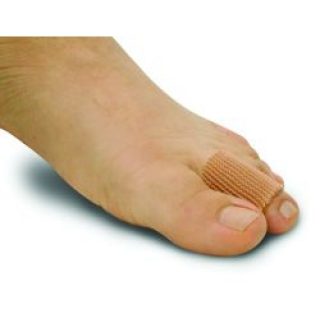
Another effective way of managing painful callous/corns here is to use silicone toe sleeves. The silicone wraps around your toe and the shoe presses onto the silicone and not directly on to your skin to prevent the formation of callous/corns. You should also use a urea-based foot cream daily after showering as part of your regular foot care regime, to help keep hard skin at bay.
A qualified podiatrist experienced in biomechanics will also want to check your bio-mechanic alignment, just to be sure that any corns are only footwear related and not indicating any other bio-mechanical mal alignment, which can be alleviated also with the use of custom corrective prescription orthotics to alleviate high pressure points on the feet.
If you are experiencing discomfort on your small toes, or anywhere on your feet/legs, you should see the foot experts at Dubai Podiatry Centre. Contact us today on +971 4 3435390.

يشتكي كل من الرجال والنساء عادةً من الألم في أصابع قدميهم “الطفلية” أو الخامسة. الأحذية هي السبب دائمًا تقريبًا.

عندما تكون الأحذية ضيقة للغاية، فإن جانب الحذاء سوف يحتك ويضغط على الجلد الناعم لإصبع القدم الصغير. بمرور الوقت، سيحتاج جسمك إلى حماية نفسه والأعصاب والأوعية الدموية الأساسية، وسيتطور الجلد القاسي/الصلب “لتقوية الجلد“.

إذا كان هناك منطقة مركزة من الضغط على الجلد، فلن يتطور الجلد المتصلب فحسب، بل سيتطور أيضًا ذرة صلبة مؤلمة. تشبه الذرة الصلبة مخروط مروري مقلوب من الجلد الصلب، وسوف تقع فوق العصب الأساسي، لذلك عندما ترتدي أحذية ضيقة، فإن نقطة الإبرة القاسية سوف تضغط على العصب وتسبب الكثير من الألم .

ما يمكنك القيام به للمساعدة؟
ابحث عن حذاء مريح يناسب أصابع قدميك، ويقلل الضغط، بالضغط مباشرة على إصبع قدمك الخامس – وهذا يعني حذاءًا به “صندوق أصابع قدم” أوسع وأكثر استدارة وغير مدبب. إذا كنت تشك في ملاءمة حذائك، فحاول الرسم حول حذائك. ثم ارسم حول قدمك أعلى هذا المخطط ولاحظ ما إذا كانت قدمك تمر فوق حواف حذائك وأين. خدعة بسيطة وسهلة، يمكن أن تساعدك حقًا في إظهار المناطق التي لا تناسبك في حذائك.

ما يجب تجنبه

تعتبر أغطية الذرة التي يتم ارتداؤها على جانبي إصبع قدمك مشكلة كبيرة وقد تزيد الألم. تحتوي أغطية الذرة على حمض الساليسيليك (SA)، وهو مضاد للطبقة القرنية. الكيراتين هو بروتين يتكون منه الجلد والشعر والأظافر.

يحرق هذا الحمض الجلد ويتسبب في تحلل المادة القاسية وتقشرها. في كثير من الأحيان، يدمر الحمض أيضًا الجلد السليم المحيط ويسبب جرحًا، مما يسبب ألمًا أكبر بكثير عند ارتداء الأحذية المغلقة. لا تعالج نفسك باستخدام وسادات الذرة ذات الأساس الحمضي لأن ذلك لن يؤدي إلا إلى تفاقم الموقع وتسبب المزيد من الضرر. قم بزيارة طبيب الأقدام للحصول على “استئصال” آمن وصحيح للذرة ونصائح وقائية.

كيف يمكن لطبيب الأقدام المساعدة؟
سيقوم طبيب الأقدام باستئصال مسمار القدم، وهذا يعني إزالة “الإبرة” من الجلد الصلب الذي يضغط على العصب. هذا علاج خالٍ من الألم، حيث يتم إزالة مسمار القدم بعناية فقط – بدون جراحة أو دم أو ألم. لا ينبغي إزالة مسامير القدم جراحياً لأن ذلك قد يؤدي إلى تندب، مما قد يسبب مشاكل أكبر بكثير على المدى الطويل. قد يتبقى تجويف صغير، وإذا واصلت ارتداء الأحذية الضيقة فسيصبح التجويف ذرة مرة أخرى. وبالتالي، سيتطلب هذا علاجًا إضافيًا لعلاج الأرجل خلال ٨-١٢ أسبوعًا أو أقل.

هناك طريقة أخرى فعالة للتعامل مع مسامير القدم/المسامير المؤلمة هنا وهي استخدام “أكمام” إصبع القدم المصنوعة من السيليكون. يلتف السيليكون حول إصبع قدمك ويضغط الحذاء على السيليكون وليس مباشرة على بشرتك لمنع تكوين مسامير القدم/مسامير القدم. يجب عليك أيضًا استخدام كريم القدم المحتوي على اليوريا يوميًا بعد الاستحمام كجزء من نظامك المعتاد للعناية بالقدم، للمساعدة في الحفاظ على الجلد الصلب بعيدًا.

سيرغب أيضًا طبيب أقدام مؤهل من ذوي الخبرة في الميكانيكا الحيوية في التحقق من محاذاة الميكانيكا الحيوية الخاصة بك، فقط للتأكد من أن أي مسامير هي مجرد أحذية ولا تشير إلى أي سوء محاذاة في الميكانيكا الحيوية، والذي يمكن تخفيفه أيضًا باستخدام تقويم العظام التصحيحي المخصص التخفيف من نقاط الضغط المرتفعة على القدمين.

إذا كنت تشعر بعدم الراحة في أصابع قدميك الصغيرة، أو في أي مكان في قدميك/ساقيك، فيجب عليك مراجعة خبراء القدم في مركز دبي للعناية بالاقدام  اتصل بنا اليوم على ٠٤٣٤٣٥٣٩٠


How does wearing high heels affect your feet and legs?
Wearing high heels a lot keeps the lower leg in a shortened position (shortened position being when a muscle, ligament or tendon is not required to stretch) will reduce the length of the attached muscle (tendon or ligament).

Research has shown that the regular wear of high heels has a negative effect on the body’s biomechanics. Let’s look here at how shortening these muscles, tendons and ligaments can affect your feet and legs.
One area that is guaranteed to be affected by regular use of sky scraping heels is the Achilles tendon.

The Achilles Tendon

Located above the heel at the back of your ankle, the Achilles is a strong fibrous cord-like tendon, connecting the calf muscles to the calcaneus (heel bone).

How it works: Contraction of the three calf muscles will pass through the Achilles resulting in downward (plantarflexion) movement of the foot at the ankle joint  necessary for walking, running and jumping.
How high heels affect the tendon: High heel shoes raise our heel bone off the ground, reducing the stretch required of the calf muscle and subsequently the contraction of the Achilles tendon. Over time the Achilles tendon will shorten.
The Achilles tendon stabilises the ankle joint and maintains balance whilst walking, running and jumping. Habitual wearing of high heels will create a shorter, thicker and non-flexible Achilles, often leading to inflammation, tears or ruptures of the tendon and most certainly to a significant abnormality in an individual’s gait (walking) cycle. Those who wear high heels a great deal often report that they cannot eventually walk barefoot or wear low heeled shoes as their Achilles has shortened so much.

What can you do to avoid shortening the Achilles?

1. Alternating heel height throughout the week  for those who are required to wear such footwear in their work place, and avoiding long hours of weight bearing in heels out with work will prevent shortening of the Achilles.
2. Wear sports shoes to/from work and other events and change into your high heels.
3. Wear appropriate footwear for the activity  sports shoes for a lot of walking (such as around the mall).
4. See a podiatrist if you are experiencing any Achilles discomfort, for advice about footwear or full bio-mechanical assessment and therapies to help you walk, run and move easier!

Contact the UAE’s foot and leg experts (we are the Middle East’s only providers of genuine custom made prescription orthotics with UK trained and qualified Podiatrists) on +971 4 3435390.


كيف يؤثر ارتداء الكعب العالي على قدميك وساقيك؟
إن ارتداء الكعب العالي كثيرًا يحافظ على الجزء السفلي من الساق في وضع “مقصر” (الوضع المختصر عندما لا تكون هناك حاجة إلى تمدد العضلات أو الأربطة أو الوتر) سيقلل من طول العضلة المتصلة (الوتر أو الرباط).

أظهرت الأبحاث أن ارتداء الكعب العالي بانتظام له تأثير سلبي على الميكانيكا الحيوية للجسم. دعونا نلقي نظرة هنا على مدى تأثير قصر هذه العضلات والأوتار والأربطة على قدميك وساقيك.

إحدى المناطق التي من المؤكد أنها ستتأثر بالاستخدام المنتظم للكعب العالي هي وتر العرقوب.

وتر العرقوب

يقع فوق الكعب في الجزء الخلفي من الكاحل، وهو عبارة عن وتر ليفي قوي يشبه الحبل، يربط عضلات الساق بالعقب (عظم الكعب).

كيف يعمل: سيمر تقلص عضلات الساق الثلاثة عبر وتر العرقوب مما يؤدي إلى حركة القدم إلى الأسفل (الثني الأخمصي) عند مفصل الكاحل – وهو أمر ضروري للمشي والجري والقفز.

كيف يؤثر الكعب العالي على الوتر: ترفع أحذية الكعب العالي عظمة الكعب عن الأرض، مما يقلل من التمدد المطلوب لعضلة الساق وبالتالي تقلص وتر العرقوب. مع مرور الوقت، سوف يقصر وتر العرقوب.

يعمل وتر العرقوب على تثبيت مفصل الكاحل ويحافظ على التوازن أثناء المشي والجري والقفز. سيؤدي ارتداء الكعب العالي بشكل متكرر إلى إنشاء وتر أخيل أقصر وأكثر سمكًا وغير مرن، مما يؤدي غالبًا إلى التهاب أو تمزقات أو تمزق في الوتر، وبالتأكيد إلى خلل كبير في دورة المشي (المشي) للفرد. غالبًا ما يذكر أولئك الذين يرتدون الكعب العالي أنهم لا يستطيعون المشي حافي القدمين أو ارتداء أحذية ذات كعب منخفض، حيث أصبح وتر العرقوب أقصر كثيرًا.


ما الذي يمكنك فعله لتجنب تقصير وتر العرقوب؟
١. تبديل ارتفاع الكعب على مدار الأسبوع – لأولئك الذين يطلب منهم ارتداء مثل هذه الأحذية في مكان عملهم، وتجنب ساعات طويلة من تحمل الكعب أثناء العمل سيمنع تقصير وتر العرقوب.

٢. ارتدي الأحذية الرياضية من وإلى العمل والمناسبات الأخرى وارتدي الكعب العالي.

٣. ارتداء الأحذية المناسبة للنشاط – أحذية رياضية للمشي كثيرًا (مثل المشي حول المركز التجاري).

٤. قم بزيارة طبيب الأقدام إذا كنت تعاني من أي إزعاج في وتر العرقوب، للحصول على المشورة بشأن الأحذية أو التقييم الميكانيكي الحيوي الكامل والعلاجات لمساعدتك على المشي والجري والتحرك بشكل أسهل


اتصل بخبراء القدم والساق في دولة الإمارات العربية المتحدة (نحن المزودون الوحيدون في الشرق الأوسط لتقويم العظام الأصلي المصمم حسب الطلب مع أطباء أقدام مدربين ومؤهلين في المملكة المتحدة) على الرقم ٠٤٣٤٣٥٣٩٠


The average person walks 9000 steps (4½ miles) per day. This may seem a lot but compare it to the amount taken by those in continual standing/walking professions and it pales in comparison! The feet of those in an active job, such as cabin crew, will be put to greater use than those of us in less physically demanding or more desk-based roles.

The role of the cabin crew member, or flight attendant, is one such example, thus it is not surprising that cabin crew attend our clinic on a daily basis, seeking help for a variety of issues affecting their lower back, hips, legs, knees & feet.


Common Cabin Crew Foot Problems

• Pain in the arch, heel or ball of the foot/feet
• Visible changes in the shape and size of the foot/feet
• Clawing of the toes
• Lesions – hard skin, tissue swelling, skin peeling, red spots.
• Corns, Callus, Verruca
• Nail concerns – ingrowing/fungal/ trauma.
• Muscle pain.
• Lower back or knee pain
• Bunions

Foot Tips for Cabin Crew

• Maintain skin hydration by applying a good (urea-based) foot moisturizing cream once daily. The skin is a protective barrier preventing the entry of bacterial, fungal or viral infections, neglect it and the barrier will break down. Skin is at higher risk of drying out on long-haul flights.
• Remove toenail varnish after 48 hours – covering the nails for any longer than this can weaken the nail, and increases the risk of fungal infection.
• Avoid wearing footwear outside of work that are not supportive – flip flops, ballet pumps and stilettos can make underlying problems worse. Shoes that don’t support the feet will lead to skin, tendon, bone and even circulation problems.
• Alternate your shoes on a daily basis, as not doing so can increase the risk of developing fungal skin infections (e.g. Athletes foot).
• Pack your sports shoes with you on your layovers to wear around the city


How can a Podiatrist help cabin crew?

The Podiatrists at Dubai Podiatry Centre have been working with major local airlines for many years now and are experts in the typical ailments of cabin crew and the rigorous demands on your feet in your profession. Our aim is to keep you flying happily, and to work within grooming/uniform footwear guidelines, whilst keeping you fit for duty. Your feet are critical to your work, and we have developed specific treatments for cabin crew based on our in-depth understanding of the nature of your work and duties, uniform and roster and we always work to keep you and your Airline GP fully informed.

We will always carry out a bio-mechanical assessment when we first see you as part of our thorough examination process, to get to the root cause of any problem. For example, corns and callous can be a sign of extra pressure on an area of the foot due to a misalignment and the body trying to protect itself. Commonly this is either the ankles rolling on or out, collapsed arches or bunions.

How do the Podiatrists at Dubai Podiatry Centre work with cabin crew?

• Stretching of cabin shoes and/or high heel work shoes to give more room in the toe box
• Fitting of comfort cushioning liners to work shows, particularly when no biomechanical anomaly is present, to provide comfort
• Prescription of fully custom made orthotics to be worn within your cabin shoes at work, specifically designed and modified by us for the uniform cabin shoe. We are the only clinic in the Middle east to make custom made orthotics in our in-house lab, as opposed to generic or customized orthotics which are not made specifically for your feet.
• Advice and professional treatment of skin and nail problems such as verrucas, corns, callous and ingrowing toenails
• Gentle silicone based protective gel toe €˜tubing€™ worn discreetly within your cabin shoes to protect your toes from friction and resulting corns and bursas.
• Routine regular chiropody care to maintain your foot health including corn and callous removal, fungal and ingrowing toenail management.
At Dubai Podiatry Centre we specialize in correcting underlying bio-mechanical discrepancies with the use of custom made corrective orthotics and are the only clinic in the region to do so. Custom prescription orthotics will realign specific joints within the feet, creating greater stability and improved function throughout the lower limbs. With the constraints of work footwear such as the cabin shoe in mind we have developed a specialized custom orthotic.

If you are concerned at all about your feet, legs or lower back, ask your Airline GP to refer you to Dubai Podiatry Centre. You can also contact us directly on +971 4 3435390 | WhatsApp – +971 50 3553024 for further information on how we can help keep your feet fit for flying!


طاقم المقصورة والأقدام الطائرة!


يمشي الشخص العادي ٩٠٠٠ خطوة (٤ أميال ونصف) يوميًا. قد يبدو هذا كثيرًا ولكن مقارنته بالمبلغ الذي يأخذه أولئك الذين يعملون في مهن الوقوف/المشي المستمر وهو يتضاءل بالمقارنة! سيتم استخدام أقدام أولئك الذين يعملون في وظيفة نشطة، مثل طاقم الطائرة، بشكل أكبر من أولئك الذين يعملون في أدوار أقل تطلبًا بدنيًا أو أكثر عملاً في المكاتب.

يعد دور أحد أفراد طاقم الطائرة، أو مضيفة الطيران، أحد الأمثلة على ذلك، وبالتالي ليس من المستغرب أن يحضر طاقم الطائرة إلى عيادتنا يوميًا، لطلب المساعدة في مجموعة متنوعة من المشكلات التي تؤثر على أسفل الظهر والوركين والساقين والركبتين. & قدم.

مشاكل قدم طاقم الطائرة الشائعة

ألم في قوس القدم أو الكعب أو كرة القدم/القدم

تغيرات واضحة في شكل وحجم القدم/القدمين

خدش أصابع القدم

الآفات – الجلد الصلب، تورم الأنسجة، تقشير الجلد، البقع الحمراء.

مسامير القدم، الكالس، الثؤلول

مخاوف الأظافر – النمو الداخلي/الفطريات/الصدمات.

ألم عضلي.

ألم في أسفل الظهر أو الركبة

الأورام

نصائح القدم لطاقم الطائرة

الحفاظ على ترطيب الجلد عن طريق وضع كريم جيد لترطيب القدمين (يحتوي على اليوريا) مرة واحدة يومياً. الجلد عبارة عن حاجز وقائي يمنع دخول العدوى البكتيرية أو الفطرية أو الفيروسية، أهمله وسينهار الحاجز. يكون الجلد أكثر عرضة للجفاف أثناء الرحلات الجوية الطويلة.

قم بإزالة طلاء أظافر القدم بعد 48 ساعة – فتغطية الأظافر لفترة أطول من ذلك يمكن أن يضعف الظفر ويزيد من خطر العدوى الفطرية.

تجنب ارتداء الأحذية غير الداعمة خارج العمل – فالشباشب وأحذية الباليه والأحذية ذات الكعب العالي يمكن أن تؤدي إلى تفاقم المشاكل الأساسية. الأحذية التي لا تدعم القدمين ستؤدي إلى مشاكل في الجلد والأوتار والعظام وحتى الدورة الدموية.

قم بتبديل حذائك بشكل يومي، لأن عدم القيام بذلك قد يزيد من خطر الإصابة بالتهابات الجلد الفطرية (مثل قدم الرياضي).

اصطحب حذائك الرياضي معك أثناء فترات توقفك لارتدائه في جميع أنحاء المدينة

كيف يمكن لطبيب الأقدام مساعدة طاقم الطائرة؟

يعمل أطباء الأقدام في مركز دبي لعلاج الأقدام مع شركات الطيران المحلية الكبرى منذ سنوات عديدة وهم خبراء في الأمراض التقليدية لطاقم الطائرة والمتطلبات الصارمة لقدميك في مهنتك. هدفنا هو أن نجعلك تحلق بسعادة، وأن تعمل ضمن إرشادات العناية بالأحذية/الزي الرسمي، مع الحفاظ على لياقتك للواجب. تعتبر قدميك أمرًا بالغ الأهمية لعملك، وقد قمنا بتطوير علاجات محددة لطاقم الطائرة بناءً على فهمنا المتعمق لطبيعة عملك وواجباتك والزي الرسمي وقائمة الموظفين، ونعمل دائمًا على إبقائك أنت والطبيب العام الخاص بشركة الطيران على اطلاع تام.

سنقوم دائمًا بإجراء تقييم ميكانيكي حيوي عندما نراكم لأول مرة كجزء من عملية الفحص الشامل لدينا، للوصول إلى السبب الجذري لأي مشكلة. على سبيل المثال، يمكن أن تكون مسامير القدم والصلب علامة على وجود ضغط إضافي على منطقة من القدم بسبب اختلال المحاذاة ومحاولة الجسم حماية نفسه. عادةً ما يكون هذا إما تدحرج الكاحلين أو خروجهما، أو انهيار الأقواس أو الأورام.

كيف يعمل أطباء الأقدام في مركز دبي لعلاج الأقدام مع طاقم الطائرة؟

تمديد أحذية المقصورة و/أو أحذية العمل ذات الكعب العالي لتوفير مساحة أكبر في منطقة أصابع القدم

تركيب بطانات مريحة في عروض العمل، خاصة في حالة عدم وجود أي شذوذ في الميكانيكا الحيوية، لتوفير الراحة

وصفة طبية لتقويم العظام حسب الطلب بالكامل ليتم ارتداؤها داخل أحذية المقصورة الخاصة بك في العمل، والتي تم تصميمها وتعديلها خصيصًا من قبلنا لتناسب حذاء المقصورة الموحد. نحن العيادة الوحيدة في الشرق الأوسط التي تصنع أجهزة تقويم العظام حسب الطلب في مختبرنا الداخلي، على عكس أجهزة تقويم العظام العامة أو المخصصة التي لا يتم تصنيعها خصيصًا لقدميك.

تقديم المشورة والعلاج المهني لمشاكل الجلد والأظافر مثل الثآليل والذرة والأظافر القاسية والأظافر الناشبة

هلام واقٍ لطيف على أصابع القدم مصنوع من السيليكون ˜tubing™ يتم ارتداؤه بشكل خفي داخل حذائك في المقصورة لحماية أصابع قدميك من الاحتكاك وما ينتج عنه من مسامير القدم والجراب.

العناية الروتينية المنتظمة بتقويم العمود الفقري للحفاظ على صحة قدمك، بما في ذلك إزالة مسامير القدم والصلبة، وإدارة الفطريات والأظافر الناشبة.

في مركز دبي لطب الأرجل، نحن متخصصون في تصحيح التناقضات الميكانيكية الحيوية الأساسية باستخدام أجهزة تقويم العظام التصحيحية المصممة خصيصًا، كما أننا العيادة الوحيدة في المنطقة التي تقوم بذلك. ستعمل أجهزة تقويم العظام الموصوفة طبيًا على إعادة تنظيم مفاصل محددة داخل القدمين، مما يؤدي إلى مزيد من الاستقرار وتحسين الوظيفة في جميع أنحاء الأطراف السفلية. مع الأخذ في الاعتبار القيود المفروضة على أحذية العمل مثل حذاء المقصورة، قمنا بتطوير جهاز تقويم العظام المخصص.

إذا كنت قلقًا على الإطلاق بشأن قدميك أو ساقيك أو أسفل ظهرك، فاطلب من طبيبك العام التابع لشركة الطيران أن يحيلك إلى مركز دبي لعلاج الأرجل. يمكنك أيضًا الاتصال بنا مباشرة على الرقم ٠٤٣٤٣٥٣٩٠|

WhatsApp – 0503553024 لمزيد من المعلومات حول كيف يمكننا المساعدة في الحفاظ على قدميك صالحة للطيران!


Written by Michelle Champlin BSc Pod., M.Ch.S., S.R., Ch., (UK)
It’s that time of year again, the holidays are over and the kids are back at school.
Normally at this time of year, we see more parents with their kids with queries about what school shoe to buy and where to buy from. We love to hear this, as we unfortunately also see and treat the long term consequences in adults from wearing the wrong shoes as children whether too small or hand-me-downs from a sibling with a different wear pattern. Thus getting the right footwear during your child’s growing years is critically important to their long term foot health and is a wonderful example to set.

Firstly, as tempted as you may be to leave your kids at home when shoe shopping, we advise bringing them with you to the shoe store to try on the shoes and preferably be measured by qualified shoe fitters in store. Clarks Shoes has qualified, UK trained shoe fitters in store who are glad to do this for free and without sales pressure.
It only takes a few minutes to determine if a shoe is good or not.
What makes a good child’s shoe?
• Heel Counter: The back of the shoe should be stiff. Press both sides at the back of the heel, make sure it does not collapse when pressure is applied to it.
• Heel Base: broad and wide for stability. Height- no more than 4 cm.
• Length of Shoe: Generally, there should be a thumbs width (half inch/1cm) between the longest toe and end of the shoe.
• Fastening: Buckles, laces, Velcro or straps  should hold the heel securely at the back of the shoe (the foot should NOT be able to slide forward) and the entire foot in the shoe.
• Toe Box: The toe box (area in which the toes sit) should be deep and wide enough to prevent rubbing or constriction. Toes should be able to wiggle inside the toe box. Ask your child to wiggle their toes when assessing the depth and width of this area. Flexible enough to bend with the child’s toes. Not too much and not too stiff either.
• The middle section: Holding the shoe at the front (toe box ) and the back (heel counter) twist gently, a good shoe should never twist easily in the middle.

A shoe should be made from natural materials, such as leather, as they allow the foot to breathe and thus minimise fungal infection, sweat and odour.
Where to buy from?
At Dubai Podiatry Centre, we simply advise various brands that we also buy as parents and are not, and never will be, involved in any commercial pay off with any brand or company. When we suggest various brands, we are doing so impartially and without any benefit or motive other than what is best for your child’s feet. Clarks, Hush Puppies, Start Right, Geox and Rockport are just some of the available brands offering excellent children’s footwear in Dubai.
Ill-fitting shoes can give rise to various foot conditions including blisters, sprains, ingrowing toenails, inflammation of the tendons and even fractures.
Our Free Foot Health Screening Program for Children
Don’t let shoes affect your child’s school day we’re here to help your child run, jump, walk and play with complete freedom. We therefore advise an initial foot review at between 5-7 years old, as your child starts school so that we can screen early for any issues and if needs be, correct early too and avoid any longer term problems.

We carry out a Dubai-wide Foot health Screening Program for Schoolchildren throughout October and November every year. If your child’s school hasn’t signed up yet, let them know about our Program and we can add them €“ these checks are brief, yet fun, free and informative for both parents and kids and cost absolutely nothing.
Alternatively, you can schedule an appointment during October or November for a child’s foot health screen at our Clinic with our experienced UK Podiatrists, much like their first visit to a dentist. Simply give us a call on +971 4 3435390 for an appointment before the end of November!


بقلم ميشيل شامبلين

لقد حان ذلك الوقت من العام مرة أخرى، انتهت العطلات وعاد الأطفال إلى المدرسة.

عادة في هذا الوقت من العام، نرى المزيد من الآباء مع أطفالهم يطرحون استفسارات حول الحذاء المدرسي الذي يجب شراؤه ومن أين يمكن الشراء منه. نحن نحب أن نسمع ذلك، لأننا للأسف نرى أيضًا ونعالج العواقب طويلة المدى عند البالغين نتيجة ارتداء الأحذية “الخاطئة” عندما كانوا أطفالًا – سواء كانت صغيرة جدًا أو من صنع أحد الأشقاء بنمط ارتداء مختلف. وبالتالي، فإن الحصول على الأحذية المناسبة خلال سنوات نمو طفلك يعد أمرًا بالغ الأهمية لصحة قدمه على المدى الطويل وهو مثال رائع يجب وضعه.

أولاً، رغم رغبتك في ترك أطفالك في المنزل عند التسوق للأحذية، فإننا ننصح بإحضارهم معك إلى متجر الأحذية لتجربتهم ويفضل أن يتم قياسهم بواسطة متخصصي الأحذية المؤهلين في المتجر. لدى شركة Clarks Shoes فنيو أحذية مؤهلون ومدربون في المملكة المتحدة ويسعدهم القيام بذلك مجانًا وبدون ضغوط مبيعات.

يستغرق الأمر بضع دقائق فقط لتحديد ما إذا كان الحذاء جيدًا أم لا.

ما الذي يجعل حذاء الأطفال جيدًا؟

عداد الكعب: يجب أن يكون الجزء الخلفي من الحذاء قاسياً. اضغط على كلا الجانبين في الجزء الخلفي من الكعب، وتأكد من عدم انهياره عند الضغط عليه.

قاعدة الكعب: عريضة وواسعة لتحقيق الثبات. الارتفاع – لا يزيد عن ٤ سم.

طول الحذاء: بشكل عام، يجب أن يكون هناك عرض إبهام (نصف بوصة/١ سم) بين أطول إصبع قدم ونهاية الحذاء.

التثبيت: يجب أن تثبت الأبازيم أو الأربطة أو الفيلكرو أو الأشرطة – الكعب بشكل آمن في الجزء الخلفي من الحذاء (يجب ألا تكون القدم قادرة على الانزلاق للأمام) والقدم بأكملها في الحذاء.

صندوق أصابع القدم: يجب أن يكون صندوق أصابع القدم (المنطقة التي تجلس فيها أصابع القدم) عميقًا وواسعًا بما يكفي لمنع الاحتكاك أو الانقباض. يجب أن تكون أصابع القدم قادرة على الاهتزاز داخل صندوق إصبع القدم. اطلب من طفلك أن يهز أصابع قدميه عند تقييم عمق وعرض هذه المنطقة. مرنة بما يكفي للانحناء مع أصابع قدم الطفل. ليس كثيرا وليس قاسية جدا سواء.

القسم الأوسط: قم بإمساك الحذاء من الأمام (مربع أصابع القدم) والخلف (مسند الكعب) بلطف، ويجب ألا يلتف الحذاء الجيد بسهولة في المنتصف.

يجب أن يكون الحذاء مصنوعاً من مواد طبيعية، مثل الجلد، لأنها تسمح للقدم بالتنفس وبالتالي تقلل من العدوى الفطرية والعرق والرائحة.

من أين تشتري؟
في مركز دبي لعلاج الأرجل، نقوم ببساطة بتقديم المشورة لمختلف العلامات التجارية التي نشتريها أيضًا كآباء، ولا نشارك ولن نشارك أبدًا في أي مكافآت تجارية مع أي علامة تجارية أو شركة. عندما نقترح علامات تجارية مختلفة، فإننا نفعل ذلك بشكل محايد وبدون أي فائدة أو دافع سوى ما هو أفضل لقدم طفلك. تعد كلاركس، وهاش بابيز، وستارت رايت، وجيوكس، وروكبورت من بين العلامات التجارية المتاحة التي تقدم أحذية ممتازة للأطفال في دبي.

يمكن أن تؤدي الأحذية غير المناسبة إلى العديد من حالات القدم بما في ذلك البثور والالتواء وأظافر القدم الغارزة والتهاب الأوتار وحتى الكسور.

برنامجنا المجاني لفحص صحة القدم للأطفال لا تدع الأحذية تؤثر على يوم طفلك الدراسي – نحن هنا لمساعدة طفلك على الجري والقفز والمشي واللعب بحرية كاملة. لذلك ننصح بإجراء مراجعة أولية للقدم في عمر ما بين ٥ إلى ٧ سنوات، عندما يبدأ طفلك المدرسة حتى نتمكن من الفحص مبكرًا بحثًا عن أي مشكلات، وإذا لزم الأمر، نقوم بتصحيحها مبكرًا أيضًا وتجنب أي مشاكل طويلة المدى.

نقوم بتنفيذ برنامج فحص صحة القدم لأطفال المدارس على مستوى دبي طوال شهري أكتوبر ونوفمبر من كل عام. إذا لم تقم مدرسة طفلك بالتسجيل بعد، فأخبرهم ببرنامجنا وسنتمكن من إضافتهم – “هذه الشيكات مختصرة ولكنها ممتعة ومجانية وغنية بالمعلومات لكل من أولياء الأمور والأطفال ولا تكلف شيئًا على الإطلاق.

وبدلاً من ذلك، يمكنك تحديد موعد خلال شهر أكتوبر أو نوفمبر لإجراء فحص صحة قدم الطفل في عيادتنا مع أطباء الأقدام ذوي الخبرة لدينا في المملكة المتحدة، تمامًا مثل زيارتهم الأولى لطبيب الأسنان. ما عليك سوى الاتصال بنا على الرقم٠٤٣٤٣٥٣٩٠ لتحديد موعد قبل نهاية نوفمبر!


We live in a society where knowledge is power; therefore we make more educated decisions regarding factors that can affect our health. However many people continue to or will start smoking today, even when faced with the side effects. The obvious possible side effect is various forms of cancer; however here we’d like to examine how smoking can affect the lower limb, a side effect many smokers and non-smokers alike are not aware of.
Nicotine is one of the 4,000 chemicals found in cigarettes. The nicotine in a cigarette causes immediate harmful results to the body, such as; an increase in heart rate, narrowing of the arteries (vasoconstriction) and an increase in blood pressure.

So how does this affect the feet?

Smoking can cause narrowing of the arteries in 2 different ways
• Vasoconstriction of the blood arteries, in turn will trigger your blood pressure to increase. When the arteries narrow, the heart has to work harder to pump the blood through.
• Narrowing of the arteries caused by inflammation of the arteries and plaques caused by the chemical nicotine is called atherosclerosis. Naturally the arteries become smaller from the hip down to the toes, therefore this can result in poor circulation if there is advanced atherosclerosis developing and we will see this loss of circulation in the extremities (e.g. toes and feet) first.
A decreased blood supply decreases the essential fatty padding on the sole of your foot and smoking affects the quality of the skin by destroying an important protein in our bodies called elastin. Elastin keeps the skin full, soft and supple, therefore it is more likely that chiropody type issues may arise painful corns and callous may develop over pressure areas in your foot lacking in elastic. A reduced fatty pad, particularly over the balls of the foot will cause poor shock absorption and this will make you feel that you are walking on your bones on your foot, creating tender hot spots in your foot.
Generally, we see drier skin and toenails, poorer wound healing and infection fighting response and reduction in good fatty padding in our smoking patients.

Two more important things to consider :
• If you have diabetes, atherosclerosis is more advanced in the lower limb than in a body not affected with diabetes; this can affect your circulation greatly, and lead to poor wound healing, infections and ulcerations.
• Post surgery delay in wound healing, which can lead to a greater risk of post op infection.

So what can you do to help?
The obvious and most immediate action you can take is to give up, or at least reduce smoking, there are lots of ways to help you kick the habit and your GP can advise the best options for you. You’ll feel better, look better and immediately increase your life expectancy and general health including your foot health. Whether you smoke or not, the foot experts at Dubai Podiatry Centre are here to help you and offer friendly advice and treatment for your feet.
If you have any worries about your feet, don’t hesitate and give us a call on +971 4 3435390 for a convenient appointment.

كيف يؤثر التدخين على قدميك


نحن نعيش في مجتمع حيث المعرفة قوة؛ لذلك نتخذ قرارات أكثر استنارة فيما يتعلق بالعوامل التي يمكن أن تؤثر على صحتنا. ومع ذلك، يستمر العديد من الأشخاص في التدخين أو سيبدأون فيه اليوم، حتى عندما يواجهون الآثار الجانبية. التأثير الجانبي المحتمل الواضح هو أشكال مختلفة من السرطان. ولكننا نرغب هنا في فحص كيفية تأثير التدخين على الطرف السفلي، وهو أحد الآثار الجانبية التي لا يعرفها الكثير من المدخنين وغير المدخنين على حدٍ سواء.

النيكوتين هو واحد من ٤٠٠٠ مادة كيميائية موجودة في السجائر. يسبب النيكوتين الموجود في السيجارة نتائج ضارة فورية على الجسم، مثل؛ زيادة في معدل ضربات القلب، وتضييق الشرايين (تضيق الأوعية) وزيادة في ضغط الدم.

إذن كيف يؤثر ذلك على القدمين؟

يمكن أن يسبب التدخين ضيق الشرايين بطريقتين مختلفتين

انقباض الأوعية الدموية في شرايين الدم، يؤدي بدوره إلى ارتفاع ضغط الدم. عندما تضيق الشرايين، يجب على القلب أن يعمل بجهد أكبر لضخ الدم من خلالها.

تضييق الشرايين الناجم عن التهاب الشرايين واللويحات الناجمة عن مادة النيكوتين الكيميائية يسمى ˜تصلب الشرايين™. وبطبيعة الحال، تصبح الشرايين أصغر من الورك نزولاً إلى أصابع القدم، وبالتالي يمكن أن يؤدي ذلك إلى ضعف الدورة الدموية إذا كان هناك تصلب الشرايين المتقدم وسنرى فقدان الدورة الدموية في الأطراف (مثل أصابع القدمين والقدمين) أولاً.

يؤدي انخفاض تدفق الدم إلى تقليل الحشوة الدهنية الأساسية في باطن قدمك، ويؤثر التدخين على جودة الجلد عن طريق تدمير بروتين مهم في أجسامنا يسمى “الإيلاستين” ™. يحافظ الإيلاستين على الجلد ممتلئًا وناعمًا ولينًا، لذلك من المرجح أن تنشأ مشكلات من النوع “chiropody” – قد تتطور مسامير القدم المؤلمة والقاسي على مناطق الضغط في قدمك التي تفتقر إلى المرونة. سوف تتسبب الوسادة الدهنية المنخفضة، خاصة فوق كرات القدم، في ضعف امتصاص الصدمات، وهذا سيجعلك تشعر وكأنك تمشي على عظام قدمك، مما يخلق “نقاط ساخنة” طرية في قدمك.

بشكل عام، نرى جفاف الجلد وأظافر القدمين، وضعف التئام الجروح واستجابة مكافحة العدوى وانخفاض الحشو الدهني الجيد لدى مرضانا المدخنين.

هناك شيئان أكثر أهمية يجب مراعاتهما¦

إذا كنت مصاباً بمرض السكري، فإن تصلب الشرايين يكون أكثر تقدماً في الطرف السفلي منه في الجسم غير المصاب بالسكري. يمكن أن يؤثر ذلك على الدورة الدموية بشكل كبير، ويؤدي إلى ضعف التئام الجروح والالتهابات والتقرحات.

تأخير شفاء الجروح بعد الجراحة، مما قد يؤدي إلى زيادة خطر الإصابة بالعدوى بعد العملية.

حسنا ماذا يمكنك ان تفعل لتساعد؟

الإجراء الواضح والأكثر فورية الذي يمكنك اتخاذه هو الإقلاع عن التدخين، أو على الأقل تقليله – “هناك الكثير من الطرق لمساعدتك على التخلص من هذه العادة ويمكن لطبيبك أن ينصحك بأفضل الخيارات لك. ستشعر بالتحسن، وتبدو أفضل، وستزيد على الفور متوسط ​​العمر المتوقع والصحة العامة – بما في ذلك صحة قدمك. سواء كنت مدخنًا أم لا، فإن خبراء القدم في مركز دبي لعلاج الأقدام موجودون هنا لمساعدتك وتقديم النصائح والعلاجات الودية لقدميك.

إذا كانت لديك أي مخاوف بشأن قدميك، فلا تتردد واتصل بنا على الرقم ٠٤٣٤٣٥٣٩٠ للحصول على موعد مناسب.


Copyright Dubai Podiatry 2026. All rights reserved.

WhatsApp us