fbpx

Please wait...


BLOG

No more posts


Written by Michelle Champlin BSc Pod., M.Ch.S., S.R., Ch., (UK)

What is Sciatica?

Sciatica can be described as having a weakness, numbness and tingling going down the leg. The sciatic nerve travels from the lower spine to the back of each leg.
The sciatic nerve function is important as it innervates muscle control in the back of the knee and lower leg. It also provides sensation to the back of the thigh, part of the lower leg and the sole of the foot.
Sciatic nerve pain is an indication of trauma or pressure that has been applied directly to the sciatic nerve to become symptomatic of discomfort and pain. Therefore Sciatica is not a medical condition alone but a secondary symptom of a medical condition such as; Slipped disc, Piriformis syndrome and Pelvic injury for example.

Sciatica and Podiatry
At Dubai Podiatry Centre we frequently see patients that report lack of sensation at the back of the leg and sole of the foot. As Podiatrists, we will carry out functional tests to identify Sciatic nerve damage. If Sciatica is likely you will be advised to seek further treatment, due to sciatica being a symptom of another medical condition. The underlying cause should be indentified and treated.
What advice might a Podiatrist give you about your Sciatica?
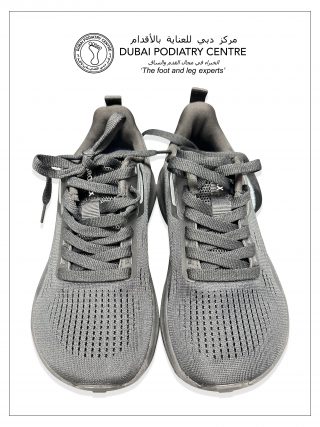
Hard-soled shoes may aggravate sciatic pain, causing a compressive effect of the spine. Look for good supportive, well cushioned shoes, such as sports shoes.
High heeled shoes create a natural arch in your foot, causing downward rotation of your pelvis. This can create compression on your lower back, which can create a sciatic flare-up. Avoid high heeled or stiletto shoes as much as possible.

Other considerations:
• Sleep on a supportive and firm mattress that keeps the spine in proper alignment.
• Heat therapy – place a warm, moist towel on the back for 10-15 minutes. This should be repeated up to 3 -4 times a day, too improve circulation throughout the affected area. An improved blood supply will create an increase in oxygen and nutrients to the localised area, allowing your body to heal faster.

Whether you suspect you may have sciatica, or are generally experiencing pain to your lower back, hip, leg, knee or foot, the podiatry experts at Dubai Podiatry Centre are here to help you and offer friendly advice and treatment for your feet, legs, hip and lower back. If you have any worries, don’t hesitate to call us on +971 4 3435390 for a convenient appointment.


آلام الظهر وعرق النسا وعلاج الاقدام

بقلم ميشيل شامبلين

ما هو عرق النسا؟
يمكن وصف عرق النسا بأنه يعاني من ضعف وتنميل ووخز أسفل الساق. ينتقل العصب الوركي من أسفل العمود الفقري إلى الجزء الخلفي من كل ساق.

تعتبر وظيفة العصب الوركي مهمة لأنها تعصب التحكم في العضلات في الجزء الخلفي من الركبة وأسفل الساق. كما أنه يوفر الإحساس بالجزء الخلفي من الفخذ وجزء من أسفل الساق وباطن القدم.

ألم العصب الوركي هو مؤشر على الصدمة أو الضغط الذي تم تطبيقه مباشرة على العصب الوركي ليصبح من أعراض الانزعاج والألم. ولذلك فإن عرق النسا ليس حالة طبية بمفردها بل هو عرض ثانوي لحالة طبية مثل؛ الانزلاق الغضروفي ومتلازمة الكمثري وإصابة الحوض على سبيل المثال.

عرق النسا وعلاج الأرجل

في مركز دبي لعلاج الأرجل، نرى في كثير من الأحيان المرضى الذين يعانون من نقص الإحساس في الجزء الخلفي من الساق وباطن القدم. باعتبارنا أطباء أقدام، سنقوم بإجراء اختبارات وظيفية لتحديد تلف العصب الوركي. إذا كان من المحتمل الإصابة بعرق النسا، فسيتم نصحك بالحصول على مزيد من العلاج، نظرًا لأن عرق النسا هو أحد أعراض حالة طبية أخرى. وينبغي تحديد السبب الأساسي وعلاجه.

ما النصيحة التي قد يقدمها لك طبيب الأقدام بشأن عرق النسا؟
قد تؤدي الأحذية ذات النعال الصلبة إلى تفاقم الألم الوركي، مما يسبب تأثيرًا ضاغطًا على العمود الفقري. ابحث عن أحذية جيدة داعمة ومبطنة بشكل جيد، مثل الأحذية الرياضية.

تخلق الأحذية ذات الكعب العالي قوسًا طبيعيًا في قدمك، مما يؤدي إلى دوران الحوض للأسفل. يمكن أن يؤدي ذلك إلى ضغط على أسفل ظهرك، مما قد يؤدي إلى اشتعال الوركي. تجنب الأحذية ذات الكعب العالي أو الكعب العالي قدر الإمكان.

اعتبارات أخرى:

النوم على مرتبة داعمة وثابتة تحافظ على استقامة العمود الفقري بشكل سليم.

العلاج الحراري – ضع منشفة دافئة ورطبة على الظهر لمدة ١٠-١٥ دقيقة. وينبغي تكرار ذلك ما يصل إلى ٣-٤ مرات في اليوم، وذلك لتحسين الدورة الدموية في جميع أنحاء المنطقة المصابة. سيؤدي تحسين إمدادات الدم إلى زيادة الأكسجين والمواد المغذية إلى المنطقة الموضعية، مما يسمح لجسمك بالشفاء بشكل أسرع.

سواء كنت تشك في إصابتك بعرق النسا، أو كنت تعاني بشكل عام من آلام في أسفل الظهر أو الورك أو الساق أو الركبة أو القدم، فإن خبراء طب الأقدام في مركز دبي لعلاج الأرجل موجودون هنا لمساعدتك وتقديم النصائح والعلاجات الودية لقدميك وساقيك الورك وأسفل الظهر. إذا كانت لديك أي مخاوف، فلا تتردد في الاتصال بنا على الرقم ٠٤٣٤٣٥٣٩٠ للحصول على موعد مناسب


What exactly is an ankle sprain?

Injury of the ligaments supporting the ankle can cause an ankle sprain. It is much more common to sprain the outside of the ankle, as the inside of the ankle has stronger ligaments which are more difficult to injure.
On the outside of the ankle, there are 3 small ligaments, and when the foot turns inwards at the ankle is may sprain these 3 ligaments, causing tenderness and/or instability of the ankle.

There are varying types of sprains;
1. minor sprain can cause some pain with minor swelling or
2. severe sprain which may include gross swelling around the ankle and down the side of the foot. This tends to create debilitating pain when walking and standing.

All ankles sprains should be treated appropriately, as left untreated a sprain may cause long term weakness in the joint and may easily lead to reoccurring injuries.


What causes an ankle sprain?

The most common cause of an ankle sprain is caused by a sudden unexpected movement, causing hyperflexion of the ankle joint, which will in turn stretch (or in extreme cases tear the ligaments), the supporting joint ligaments beyond the joints limits. There are many ways that you can cause your ankle to go beyond its limits; falling, slipping, sandy terrain, uneven ground and during sports from twists and turns.


Treatment

It is important to seek treatment as soon as possible, to evaluate your foot and limit damage to the affected ligament, post sprain and jointly recommend a course of treatment.

What you can do: RICE

Rest: cease activities that place extra strain on the ankle. Crutches may be required to keep the weigh off of the affected ankle.

Ice: every 20-30 minutes apply ice wrapped up in a towel (to avoid an ice burn) or if available strap on an ice pack, to limit swelling.

Compression; a compression bandage supports and stabilizes the ankle and also helps to reduce the level of swelling.

Elevation; elevate the affected leg, therefore the leg should be above the level of the heart if you are lying down. If you are sitting down, place the affected foot on a foot rest (which can be a chair with pillows). This will also reduce swelling and increase circulation to the affected area.


Prevention & Treatment

A podiatrist will be able to assess your foot for ankle instability. For example if your foot rolls in (termed €˜over-pronation€™) towards the midline of your body or you have excessive foot and ankle motion you are more at risk of developing an ankle sprain during activity.

Here at Dubai Podiatry Centre we are a specialist rehabilitation Clinic dedicated only to the feet and legs. UK experts, we are highly qualified and experienced in the foot and ankle and are the only clinic in the Middle East to make, from scratch, true custom prescription orthotics specifically for your feet to improve both the function of the foot and ankle and improve the alignment of the lower limb; creating stability in the foot and ankle. This will significantly reduce the incidences of an ankle foot sprain, especially during sports.

For appointment, contact us:
Call: + 971  4 3435390
WhatsApp: + 971  50 355 3024
info@dubaipodiatry.com
To book online: Click here

ما هو بالضبط التواء في الكاحل؟

يمكن أن تؤدي إصابة الأربطة الداعمة للكاحل إلى التواء الكاحل. يعد التواء الجزء الخارجي من الكاحل أكثر شيوعًا، حيث أن الجزء الداخلي من الكاحل يحتوي على أربطة أقوى يصعب إصابتها.

يوجد على الجزء الخارجي من الكاحل 3 أربطة صغيرة، وعندما تتجه القدم إلى الداخل عند الكاحل قد يحدث التواء في هذه الأربطة الثلاثة، مما يسبب إيلامًا و/أو عدم استقرار الكاحل.

هناك أنواع مختلفة من الالتواء.

١. الالتواء البسيط يمكن أن يسبب بعض الألم مع تورم بسيط أو

٢. التواء شديد قد يشمل تورمًا كبيرًا حول الكاحل وأسفل جانب القدم. هذا يميل إلى خلق ألم موهن عند المشي والوقوف.

يجب علاج جميع الالتواءات في الكاحل بشكل مناسب، حيث إن ترك الالتواء دون علاج قد يسبب ضعفًا طويل المدى في المفصل وقد يؤدي بسهولة إلى تكرار الإصابات.

ما الذي يسبب التواء الكاحل؟

السبب الأكثر شيوعًا لالتواء الكاحل هو حدوث حركة مفاجئة غير متوقعة، مما يسبب فرط ثني مفصل الكاحل، والذي بدوره يؤدي إلى تمدد (أو في الحالات القصوى تمزق الأربطة)، أربطة المفصل الداعمة خارج حدود المفاصل. هناك العديد من الطرق التي يمكنك من خلالها تجاوز كاحلك لحدوده؛ السقوط والانزلاق والتضاريس الرملية والأرض غير المستوية وأثناء ممارسة الرياضة من التقلبات والمنعطفات.

علاج

من المهم طلب العلاج في أسرع وقت ممكن، لتقييم قدمك والحد من الأضرار التي لحقت بالرباط المصاب، وبعد الالتواء والتوصية بشكل مشترك بدورة علاجية.

ما يمكنك فعله: الأرز

الراحة: توقف عن الأنشطة التي تضع ضغطًا إضافيًا على الكاحل. قد تكون هناك حاجة إلى عكازين للحفاظ على وزن الكاحل المصاب.

الثلج: كل ٢٠-٣٠ دقيقة، ضع ثلجًا ملفوفًا في منشفة (لتجنب حرق الجليد) أو ضع شريطًا على كيس ثلج إذا كان متاحًا، للحد من التورم.

ضغط؛ ضمادة ضاغطة تدعم الكاحل وتثبته وتساعد أيضًا على تقليل مستوى التورم.

ارتفاع؛ ارفعي الساق المصابة، لذا يجب أن تكون الساق فوق مستوى القلب إذا كنت مستلقياً. إذا كنت تجلس، ضع القدم المصابة على مسند القدمين (الذي يمكن أن يكون كرسيًا مزود بوسائد). سيؤدي ذلك أيضًا إلى تقليل التورم وزيادة الدورة الدموية في المنطقة المصابة.

الوقاية والعلاج

سيكون طبيب الأقدام قادرًا على تقييم قدمك للتأكد من عدم استقرار الكاحل. على سبيل المثال، إذا كانت قدمك تتدحرج (يسمى ˜الكب الزائد™) باتجاه الخط الأوسط لجسمك أو كانت لديك حركة مفرطة في القدم والكاحل، فأنت أكثر عرضة لخطر الإصابة بالتواء في الكاحل أثناء النشاط.

هنا في مركز دبي لعلاج الأرجل، نحن عيادة إعادة تأهيل متخصصة مخصصة للقدمين والساقين فقط. خبراء المملكة المتحدة، لدينا مؤهلات عالية وخبرة عالية في القدم والكاحل، ونحن العيادة الوحيدة في الشرق الأوسط التي تصنع، من الصفر، أجهزة تقويم العظام بوصفة طبية مخصصة لقدميك لتحسين وظيفة القدم والكاحل وتحسين محاذاة الطرف السفلي. خلق الاستقرار في القدم والكاحل. سيؤدي ذلك إلى تقليل حالات التواء الكاحل بشكل كبير، خاصة أثناء ممارسة الرياضة.

للحصول على موعد، اتصل بنا:

اتصل: ٠٤٣٤٣٥٣٩٠

واتساب: ٠٥٠٣٥٥٣٠٢٤

info@dubaipodiatry.com

للحجز عبر الإنترنت: اضغط هنا


Written by Michelle Champlin BSc Pod., M.Ch.S., S.R., Ch., (UK)

What is Athlete’s Foot?

Tinea pedis or or “Athlete’s Foot” is a fungal skin infection which affects the feet.

Initially it looks like a red spotted rash over various sites of the foot, with peeling and flaking of the skin. However, as the infection progresses painful blisters may appear, sometimes pus filled. Commonly, the toenails can also be affected with a fungal infection too, appearing flaky, brittle and thickened. It’s also common to see the fungal infection on the toenails too at the same time.

How do you get Athlete’s Foot?

The fungal spores that cause Athlete’s Foot flourish and spread in dark damp areas (old sweaty footwear) and on communal damp flooring such as; swimming pool areas, gymnasiums and showering facilities.

The skin is one of our main defence barriers. Dry, cracked, cut or flaking skin essentially weakens the defence barrier allowing easy entry of fungal, bacterial and viral infections.

Preventing Athlete’s Foot

Prevention is always better than cure.
• Dry your feet well after every bath or shower, paying particular attention to drying in between the toes. Fungus flourish in dark damp areas, so keep the toes dry.
• Apply an emollient foot cream once daily, containing 10% urea.
• Hydrated/moisturised feet – strong skin barrier.
• Always wear cotton sweat-wicking hosiery/socks. Avoiding synthetic materials will prevent a build up of sweat. Ideally toe socks, designed to separate and keep the toes dry.
• Alternate your footwear daily. Don’t stick to the one pair of working shoes, alternate between a few pairs throughout the week. Give footwear time to air and dry to prevent dampness within the shoe and thus preventing a perfect fugal breeding ground.
• Never walk barefooted around communal areas as it is in these places that fungus is often found. Use flip flops for showering at the gym/poolside.
A well cared for foot, in a clean environment – A Healthy Foot!

What can be done to treat Athletes Foot?

• Seeking immediate treatment, at the first sign of Athletes foot, will prevent uncomfortable progression and spread of the fungus. See a Podiatrist who can assess and diagnose correctly, carry out first line treatment and advise on home care treatment / prevention thereafter.

• Anti-fungal foot creams, used with antifungal sprays, can be advised by your Podiatrist for daily use post-shower.

• You can also try a foot soak twice daily with Tea Tree Oil (naturally antifungal and antibacterial), adding 20 drops of pure tea tree oil to a small basin of warm water and soaking for 15 minutes. Dry thoroughly afterwards, and be sure to use a moisturising foot cream afterwards as tea tree oil will dry out skin.

• Keep callous at bay (fungus thrives on dead dry skin) by using a gentle foot file 2-3 times a week.

• Throw out your old regular footwear (school/work shoes) as these will contain the fungal spores and keep re-infecting or if you can’t, wash them in the washing machine (if they’re sports shoes that can be washed) or sprinkle thoroughly with a medicated anti-fungal powder and alternate with other shoes every other day.

• Sprinkle inside your socks with the medicated antifungal powder.

• It is advisable to check that you do indeed have a fungal infection such as Tinea Pedis by seeking an appointment with your Podiatrist . We will advise on the best course of treatment after diagnosis. Return to your Podiatrist after 6-8 weeks if you do not see any improvement for take further action. Skin grows in 28 days cycles so it will take some time to see full healing.

• Dubai Podiatry Centre is also a source of a highly specialised medicated treatment gel, applied as a one-off application and left for 24 hours, to eradicate once and for all your fungal infection.

Contact the UAE’s foot and leg experts, Dubai Podiatry Centre for specialist advice/treatment if you are concerned that you might have a fungal skin/nail infection.

For appointment, contact us:
Call: + 971  4 3435390
WhatsApp: + 971  50 355 3024
info@dubaipodiatry.com
To book online: Click here


Diabetes affects both the nervous and vascular (blood) system to the feet, if left unmanaged. Neuropathy (nerve damage) and decreased blood flow result in increased risk of complications developing in the lower limbs.

How does diabetes actually cause problems to the feet?
If diabetes is poorly controlled this can lead to the loss of protective sensation (sensory neuropathy) means that the diabetic patient may not detect the presence of a sharp, hot or cold object against the skin of the feet. This often then leads to unnoticed skin wounds. Wound healing requires adequate blood supply, decreased blood supply in a Diabetic foot results in poorer wound healing than in those with better circulation. Undetected and slow healing wounds also then increase the risk of infection €“ infection will pose a serious complication in any diabetic foot.

So what can you do?
Daily foot screening should be a part of your diabetic foot care. Assessing your feet quickly at night €“ looking for any cuts, bruising, swelling, signs of pressure areas, warmth, scratches and blisters, will prevent the development of severe complications. If mobility is a problem and you find it difficult to look a the soles of your feet, use a mirror with a long handle or ask a relative / carer to help check your feet.

Protect your feet at all times

Basic Foot Care Advice: Do€™s and Don€™ts for Diabetics
• Always keep your feet warm €“ cold (air con) temperatures will cause constriction of the arteries and thus reduce the volume of blood flowing to your feet. Wearing socks and closed footwear when exposed to air con, will maintain adequate blood flow to your feet.
• Don’t be tempted to walk bare foot on the beach. The sand€™s temperature is often high enough to burn the skin on the sole of your feet and unseen objects such as shells or broken glass can cut through the skin. Protect your feet by wearing footwear when on the sand.
• Don’t smoke! Smoking damages your overall health including blood circulation, worsening any side-effects of diabetes.
• Avoid sitting with your legs crossed, as doing so will decrease the oxygen/blood supply to your feet.
• Don’t soak your feet for long periods. As relaxing as it may be, socking your feet in a tub of warm water is by no means therapeutic for the feet. Skin will become dry if kept in water for a lengthy period €“ hard working dish washing hands are dry for this reason!
• Don’t use antiseptic solutions or pharmacy bought medications without the advice/prescription of your Doctor, or heating pads or sharp instruments on your feet. These are all likely, due to the lack of protective sensation in the diabetic foot and if incorrectly used, are more likely to cause damage than help.
• Trim your toenails straight across. Avoid cutting the corners. Use a nail file or emery board. If you find an ingrown toenail, contact our clinic for qualified and correct care. If you find regular footcare difficult at home, visit your Podiatrist for regular chiropody foot care sessions.
• Use emollient foot cream once daily, to keep the skin of your feet soft and hydrated, but do not apply it between your toes. There are various excellent moisturizers available from our clinic containing urea.
• Wash your feet every day.
• When drying your feet, pat each foot all over with a towel €“ making sure you get in between the toes.
• Buy shoes that are comfortable without a “breaking in” period. Check the adequacy of your shoes. Make sure they fit not only in length but in width, assess the back (it should be hard), bottom of heel, and sole. Avoid pointed-toe styles and high heels. Don’t wear the same pair of shoes every day. Inspect the inside of each shoe before putting it on €“ folds and stitching in the inner toe box will rub upon the skin and result in skin wounds. Don’t lace your shoes too tightly or loosely.
• Choose socks/stockings carefully. Wear clean, dry socks every day. Avoid socks with holes or wrinkles or seams that cause friction. Thin cotton socks are more absorbent for summer wear. Square-toes socks will not squeeze your toes. Avoid stockings with elastic tops as they often restrict the circulation. Special gel socks are also available for moisturising if you have dry skin, which is more common amongst diabetics and must be moisturised (to avoid callous and cracking).
• Attend a specialist podiatrist experienced in Diabetic Foot Care and Management for at least an Annual Diabetic Foot Assessment. They will thoroughly assess your feet and legs and pick up early warning signs if your foot health has gotten even slightly worse since your last visit. This means your overall management including medication may need to be revised, before any more serious damage is done to your organs or rest of your body. You should also see a Podiatrist immediately if you notice any changes in your feet, including blisters, cuts or a change in sensation.
• You should also see an Opthalmologist for an Annual Eye Test for the same reason: early detection to any changes is vital. The Opthalmologist and Podiatrist will give you a detailed written medical report for you to show and discuss with your Diabetologist / GP who manages your condition with you.
Contact Dubai’s chiropody/podiatry foot experts on +971 4 3435390 for a friendly, informative and stress and pain free assessment today.


Over the past few months, several incidences raised my awareness of standards in the healthcare sector in the Middle East. Over the many years that our clinic, Dubai Podiatry Centre, has been in practice, growing from a small one person practice established and headed by UK Podiatrist Mrs. Michelle Champlin on Sheikh Zayed Road, we have maintained and built upon our sound ethics and principles of professional respect; patient-centered practices and treatment; commitment to innovate and develop new treatments in our patients€™ best interests; and to provide community outreach health educational programs.
Areas for Improvement
Coupled with the enormous and beneficial advances in healthcare regulation and standards and an increase in excellent healthcare now available locally in the region, there has been, at least anecdotally, an unfortunate increase in unscrupulous practice in the healthcare sector locally. Recent examples include:
• Criminal cyber activity in the form of repeated hacking of this clinic€™s website from a source within the healthcare sector. This is a relatively new development, and almost unheard of in other regions worldwide, normally limited to other more competitive, commercial sectors. The aim to deprive patients of their ability to freely access online information on healthcare and block their access to any clinic is morally reprehensible and opposes the concept of a patient€™s right to choose.
• Misleading / misrepresentation by others seeking to identify themselves, through a variety of activities and means, with the brand name of €˜Dubai Podiatry Centre€™ and benefit by false association, misleading patients who believe that they are attending / contacting the renowned Dubai Podiatry Centre. I support all clinics€™ endeavours to establish their own strengths and reputations, without resorting to copying and misdirection. Such practices stifle medical innovation, growth and research and are most certainly not in any patient€™s best interests.
• €˜Podiatrist€™ is a legally protected term €“ this is a person who has studied extensively to degree level in podiatric surgery and medicine, gained the necessary post qualification experience, holds their home country€™s regulatory body licence, as well as current and valid DHA licence (or other applicable for their region) and medical malpractice insurance. Patients seeking professional care for their feet must ensure that the person they are seeing is suitably qualified and licensed to perform the task. Foot surgery should be carried out by a specialist Orthopaedic Surgeon for example and orthotics should only be prescribed, made and managed by a specialist Podiatrist following their thorough evaluation and assessment. A scanner, for example, does not replace a Podiatrist€™s training and broader patient examination. A person not holding all of the above qualifications, training and licence is not entitled to represent themselves as a Podiatrist and is committing a criminal act, as is the Clinic or body employing them.
Whilst the range of these activities varies from morally / professionally questionable to plainly illegal, what might this mean for healthcare generally in the region?
Whilst growth of the scope, number, quantity and quality of healthcare providers in the region is most definitely welcomed and the widest range of choices is a move forward in patient care (reducing the need to travel abroad for treatment for example), I would urge this exponential growth to happen within a legal and moral environment, as outlined already by the relevant regulatory bodies. It simply does not sit well for a healthcare professional to be associated with dubious or questionable business practices or to seek to acquire patients by misrepresentation. It is within a patient€™s best interests to be fully and accurately informed at all times and to be entitled to base their choices upon clear, accurate and professional information.
Here are just some of the ways in which Dubai Podiatry Centre is proud to operate:
• We have built up our reputation in the region over 13 years of care and practice.
• We have made only two small increases to charges in 13 years (well under the rate of inflation), prompted only by large increases in costs, including those of our specialist equipment and materials.
• We adhere to the highest standards of ethical and moral codes of practice in all that we do.
• We do not accept financial or any other form of incentive in either accepting referrals from other practitioners, or referring patients to other specialists. Plain and simply, we refer to practitioners who we professionally believe to be the finest in their field and in the patient€™s best interests. Likewise, we do not believe in, or support, approaches to enter into agreements for referrals from other professionals for financial or other gain. All referrals should be in the patient€™s best healthcare interests and without secondary motivation.
• We have always, and will continue, our work in the charitable sector by providing free podiatric treatment to those in need. ~We carry out this work quietly for ethical and moral reasons and without PR fanfare or seeking of public recognition.
• We will continue our free school health checks for children, started over a decade ago, in order to support our aims and duties of public health education amongst the young and footcare and foot health from a young age. Early intervention can make a vast outcome to adult foot health and our commitment continues to help our future generations enjoy improved foot health.
• We continue our support of Diabetes awareness, in a region unfortunately witnessing high rates of Diabetes. Prevention, education, early diagnosis and good self-management, supported by caring and well-informed healthcare professionals, is vital to win the battle.
• We continue to recruit the finest Podiatrists to assist our Chief Podiatrist Michelle Champlin in providing the best podiatry / chiropody care in the region to our patients. Our podiatrists work with Mrs. Champlin not only because they are well qualified and experienced, but also because of their personal skills, values and ethics in placing the patient€™s best interests as the focus of their treatment, advice and investigations.
• Our patients come to see us as they expect the best. We do this by keeping up to date with the latest technological and medical innovations, by bringing in to our clinic the latest in treatment innovations to provide the patient with a proven, safe and highly effective treatment path.
• We do not just treat symptoms. Our ethos to support fully informed and educated patients means we will also explain to you why and how your injury or illness occurred and options on how you can make a well-informed choice to manage, prevent or treat. For example, we do not believe in just repeatedly trimming a painful, infected ingrown toenail every 4-6 weeks or enucleating a recurrent corn. We will explain to you any underlying cause and minimize recurrence for your long-term benefit and health.
How to Contact Dubai Podiatry Centre
We welcome feedback €“ either myself or Founder & Chief Podiatrist Michelle Champlin can be contacted at info@dubaipodiatry.com.
If you would like to find out more about our scope of practice, our team and treatments, find us on the web at www.dubaipodiatry.com or look us up on social media including Keek, YouTube, Facebook and Instagram @dubaipodiatry. Alternatively, call us on +971 4 3435390 or visit us at 503, Saeed Tower 2, Sheikh Zayed Road, Dubai. We€™re here to help with all your foot and leg related issues, from toenail to hip!

على مدى الأشهر القليلة الماضية، أدت عدة حوادث إلى زيادة وعيي بمعايير قطاع الرعاية الصحية في الشرق الأوسط. على مدى السنوات العديدة التي بدأت فيها عيادتنا، مركز دبي لطب الأرجل، في الممارسة العملية، وتطورت من عيادة صغيرة لشخص واحد أسستها وترأسها أخصائية أمراض الأقدام في المملكة المتحدة السيدة ميشيل شامبلن على طريق الشيخ زايد، حافظنا على أخلاقياتنا ومبادئنا السليمة وبنينا عليها. الاحترام المهني؛ الممارسات والعلاجات التي تركز على المريض؛ والالتزام بابتكار وتطوير علاجات جديدة بما يحقق المصالح الفضلى لمرضانا؛ وتوفير برامج التثقيف الصحي للتوعية المجتمعية.

مجالات التحسين إلى جانب التقدم الهائل والمفيد في تنظيم ومعايير الرعاية الصحية وزيادة الرعاية الصحية الممتازة المتوفرة الآن محليًا في المنطقة، كانت هناك، على الأقل حسب الروايات المتناقلة، زيادة مؤسفة في الممارسات عديمة الضمير في قطاع الرعاية الصحية محليًا. تشمل الأمثلة الحديثة ما يلي:

نشاط إلكتروني إجرامي يتمثل في الاختراق المتكرر لموقع هذه العيادة من مصدر داخل قطاع الرعاية الصحية. ويعد هذا تطورًا جديدًا نسبيًا، ولم يُسمع به تقريبًا في مناطق أخرى حول العالم، ويقتصر عادةً على القطاعات التجارية الأخرى الأكثر تنافسية. إن الهدف المتمثل في حرمان المرضى من قدرتهم على الوصول بحرية إلى المعلومات المتعلقة بالرعاية الصحية عبر الإنترنت ومنع وصولهم إلى أي عيادة هو أمر مستهجن أخلاقيا ويتعارض مع مفهوم حق المريض في الاختيار.

التضليل / التحريف من قبل الآخرين الذين يسعون إلى التعريف عن أنفسهم، من خلال مجموعة متنوعة من الأنشطة والوسائل، بالاسم التجاري “مركز دبي لعلاج الأرجل” ™ والاستفادة من الارتباط الكاذب، وتضليل المرضى الذين يعتقدون أنهم يحضرون / يتصلون بمركز دبي الشهير مركز علاج الأرجل. أنا أدعم جميع مساعي العيادات™ لتأسيس نقاط قوتها وسمعتها، دون اللجوء إلى التقليد والتضليل. مثل هذه الممارسات تخنق الابتكار الطبي والنمو والبحث، وهي بالتأكيد ليست في مصلحة أي مريض.

• ˜طبيب الأرجل™ هو مصطلح محمي قانونيًا ” هذا هو الشخص الذي درس بشكل مكثف للحصول على درجة جامعية في جراحة علاج الأرجل والطب، واكتسب الخبرة اللازمة بعد التأهيل، ويحمل ترخيص الهيئة التنظيمية في بلده الأصلي، أيضًا كترخيص حالي وصالح من هيئة الصحة بدبي (أو أي ترخيص آخر ينطبق على منطقتهم) والتأمين ضد سوء الممارسة الطبية. يجب على المرضى الذين يبحثون عن رعاية احترافية لأقدامهم التأكد من أن الشخص الذي يراجعونه مؤهل ومرخص بشكل مناسب لأداء المهمة. يجب إجراء جراحة القدم من قبل جراح عظام متخصص على سبيل المثال، ويجب أن يتم وصف وتصنيع وإدارة أجهزة تقويم العظام فقط من قبل طبيب أقدام متخصص بعد تقييمه وتقييمه الشاملين. على سبيل المثال، لا يحل الماسح الضوئي محل تدريب طبيب الأقدام والفحص الأوسع للمريض. لا يحق لأي شخص لا يحمل جميع المؤهلات والتدريب والترخيص المذكورة أعلاه تمثيل نفسه كطبيب أقدام ويرتكب عملاً إجراميًا، كما هو الحال مع العيادة أو الهيئة التي توظفه.

في حين أن نطاق هذه الأنشطة يختلف من كونها مشكوك فيها أخلاقياً أو مهنياً إلى غير قانونية بشكل واضح، فما الذي قد يعنيه ذلك بالنسبة للرعاية الصحية بشكل عام في المنطقة؟

في حين أن نمو نطاق وعدد وكمية ونوعية مقدمي الرعاية الصحية في المنطقة هو أمر مرحب به بالتأكيد، وأن النطاق الأوسع من الخيارات يمثل خطوة للأمام في رعاية المرضى (تقليل الحاجة إلى السفر إلى الخارج لتلقي العلاج على سبيل المثال)، فإنني أحث يجب أن يحدث هذا النمو المتسارع ضمن بيئة قانونية وأخلاقية، على النحو المبين بالفعل من قبل الهيئات التنظيمية ذات الصلة. إنه ببساطة ليس من المناسب أن يرتبط أخصائي الرعاية الصحية بممارسات تجارية مشكوك فيها أو مشكوك فيها أو يسعى للحصول على المرضى عن طريق التحريف. من مصلحة المريض أن يكون على علم تام ودقيق في جميع الأوقات وأن يكون له الحق في بناء خياراته على معلومات واضحة ودقيقة ومهنية.

فيما يلي بعض الطرق التي يفخر بها مركز دبي لعلاج الأرجل:

لقد بنينا سمعتنا في المنطقة على مدار ١٣ عامًا من الرعاية والممارسة.

لقد قمنا فقط بزيادتين بسيطتين في الرسوم خلال ١٣ عامًا (أقل بكثير من معدل التضخم)، وكان ذلك مدفوعًا فقط بالزيادات الكبيرة في التكاليف، بما في ذلك تكاليف المعدات والمواد المتخصصة لدينا.

نحن نلتزم بأعلى معايير الممارسة الأخلاقية والمعنوية في كل ما نقوم به.

نحن لا نقبل الحوافز المالية أو أي شكل آخر من أشكال الحوافز سواء في قبول الإحالات من الممارسين الآخرين، أو إحالة المرضى إلى متخصصين آخرين. بكل بساطة وبساطة، نحن نشير إلى الممارسين الذين نعتقد مهنيًا أنهم الأفضل في مجالهم وفي مصلحة المريض. وبالمثل، نحن لا نؤمن أو ندعم الأساليب المتبعة لإبرام اتفاقيات للإحالات من محترفين آخرين لتحقيق مكاسب مالية أو مكاسب أخرى. يجب أن تكون جميع الإحالات في مصلحة الرعاية الصحية الفضلى للمريض وبدون أي دافع ثانوي.

لقد كنا وسنواصل عملنا في القطاع الخيري من خلال توفير العلاج المجاني للأطفال المحتاجين. ~نحن نقوم بهذا العمل بهدوء لأسباب أخلاقية ومعنوية ودون ضجة العلاقات العامة أو السعي للحصول على الاعتراف العام.

في حين أن نمو نطاق وعدد وكمية ونوعية مقدمي الرعاية الصحية في المنطقة هو أمر مرحب به بالتأكيد، وأن النطاق الأوسع من الخيارات يمثل خطوة للأمام في رعاية المرضى (تقليل الحاجة إلى السفر إلى الخارج لتلقي العلاج على سبيل المثال)، فإنني أحث يجب أن يحدث هذا النمو المتسارع ضمن بيئة قانونية وأخلاقية، على النحو المبين بالفعل من قبل الهيئات التنظيمية ذات الصلة. إنه ببساطة ليس من المناسب أن يرتبط أخصائي الرعاية الصحية بممارسات تجارية مشكوك فيها أو مشكوك فيها أو يسعى للحصول على المرضى عن طريق التحريف. من مصلحة المريض أن يكون على علم تام ودقيق في جميع الأوقات وأن يكون له الحق في بناء خياراته على معلومات واضحة ودقيقة ومهنية.

فيما يلي بعض الطرق التي يفخر بها مركز دبي لعلاج الأرجل:

لقد بنينا سمعتنا في المنطقة على مدار ١٣ عامًا من الرعاية والممارسة.

لقد قمنا فقط بزيادتين بسيطتين في الرسوم خلال 13 عامًا (أقل بكثير من معدل التضخم)، وكان ذلك مدفوعًا فقط بالزيادات الكبيرة في التكاليف، بما في ذلك تكاليف المعدات والمواد المتخصصة لدينا.

نحن نلتزم بأعلى معايير الممارسة الأخلاقية والمعنوية في كل ما نقوم به.

نحن لا نقبل الحوافز المالية أو أي شكل آخر من أشكال الحوافز سواء في قبول الإحالات من الممارسين الآخرين، أو إحالة المرضى إلى متخصصين آخرين. بكل بساطة وبساطة، نحن نشير إلى الممارسين الذين نعتقد مهنيًا أنهم الأفضل في مجالهم وفي مصلحة المريض. وبالمثل، نحن لا نؤمن أو ندعم الأساليب المتبعة لإبرام اتفاقيات للإحالات من محترفين آخرين لتحقيق مكاسب مالية أو مكاسب أخرى. يجب أن تكون جميع الإحالات في مصلحة الرعاية الصحية الفضلى للمريض وبدون أي دافع ثانوي.

لقد كنا وسنواصل عملنا في القطاع الخيري من خلال توفير العلاج المجاني للأطفال المحتاجين. ~نحن نقوم بهذا العمل بهدوء لأسباب أخلاقية ومعنوية ودون ضجة العلاقات العامة أو السعي للحصول على الاعتراف العام.


What is ‘hypermobility?’
Hypermobility is a condition where joints move in excess of normal range of motion (increased flexibility). Joint hypermobility syndrome is diagnosed when hypermobility creates muscle or joint pain without the presence of an underlying systemic disease.
There is a genetic link but the exact cause of hypermobility is un known. Anyone can be affected by hypermobility syndrome, however studies have identified an increased incidence in females, and those (both male and female) of West African, Brazilian and Asian origins.

Signs
The child may have poor balance (due to muscle weakness) together with lack of co-ordination – may often labelled as clumsy.
Other signs can include;
• [if !supportLists]Mild swelling and or joint and muscle pains as the day progresses or after weight bearing activity (common sites include; The calf, knees, thighs and elbows). These symptoms usually improve with rest.
• [if !supportLists]Frequent sprains and joint dislocations
• [if !supportLists]Fatigue – tires very easily in comparison to classmates / siblings
• [if !supportLists] [endif]Finds sitting in a ‘W position’ to be comfortable
• [if !supportLists]Can perform ‘trick movements’

Symptoms
Symptoms tend to decrease with age as children grow and become less flexible.
If you see the following in your child, or they report the following, see a specialist Podiatrist:
• Subluxation and dislocation of affected joints
• [if !supportLists]Deep aching pains of the leg, thigh and calf muscles (often labelled as growing pains) usually occur at night and are relieved by massage.
• Increased pain intolerance
• May report pain to the front of their knee(s) or back pain
• Pes Planus (Flat feet) or gross over pronation (rolling in) of the feet.
• Poor posture

How to treat Hypermobility?
The treatment and management of hypermobility will depend on the severity of symptoms and the impact to the child’s daily life. The child may not require any treatment if the hypermobility is mild and has few symptoms. In the more severe cases, the management does not involve only one Doctor but rather a variety of specialists. This is called a Multidisciplinary (MDS) approach. A Rheumatologist consultant, Physiotherapist (for muscle strengthening exercises), Podiatrist (orthotic treatment for the feet and legs) and occupational therapist and are just some of the specialists that may be included in the management of hypermobility.

How can a Podiatrist help with Hypermobility?
Hypermobility can result in lower limb biomechanical malalignment and therefore an altered walking style (or ‘gait’). It is not uncommon for children with hypermobility to have hyperextension at the knees and flexible pes planus (flat feet). A podiatrist will assess the lower limb biomechanics and prescribe the required corrective orthotic. It is extremely important that you take your child to see an appropriately qualified and experienced Podiatrist for orthotic therapy, who will explain the treatment path fully and be able to make and adjust your child’s prescription orthotics in their lab.

Tips to Help Children who are Hypermobile
• [if !supportLists] [endif]Encourage fitness and socialising. Maintaining an active life style with regular exercise together with a balanced diet, will help to support and stabilise joints.
• Reassure – that aches and pains during activity and muscle strengthening exercises is normal.
• Protect the joints – by; standing with knees slightly bent, avoiding positions that involve extreme range of motion, and wearing corrective orthotics with adequate footwear.
• Address and support the lower limb biomechanics with custom made corrective orthotics and ‘good’ footwear.

Contact Us
Dubai Podiatry Centre is the UAE’s leading foot and leg clinic, based in Dubai for over 14 years. A team of UK Podiatrists specialise in biomechanics and podopaediatrics (the specialist area of children’s feet). Dubai Podiatry Centre is the UAE’s only offering the capability and expertise to assess, diagnose and then make in-house your custom prescription orthotics, coupled with ongoing follow up care and in-house adjustment.
Your child’s feet and health are precious – contact the experts on +971 4 3435390 for a detailed assessment.

ما هي “فرط الحركة”؟

فرط الحركة هي حالة تتحرك فيها المفاصل بشكل يتجاوز النطاق الطبيعي للحركة (زيادة المرونة). يتم تشخيص متلازمة فرط الحركة المشتركة عندما يسبب فرط الحركة آلامًا في العضلات أو المفاصل دون وجود مرض جهازي أساسي.

هناك رابط وراثي ولكن السبب الدقيق لفرط الحركة غير معروف. يمكن لأي شخص أن يتأثر بمتلازمة فرط الحركة، إلا أن الدراسات حددت زيادة في معدل الإصابة لدى الإناث، وأولئك (الذكور والإناث على حد سواء) من أصول غرب إفريقيا والبرازيلية والآسيوية.

علامات

قد يعاني الطفل من ضعف التوازن (بسبب ضعف العضلات) بالإضافة إلى نقص التنسيق – وقد يوصف في كثير من الأحيان بأنه أخرق.

يمكن أن تشمل العلامات الأخرى؛

[إذا! قوائم الدعم] تورم خفيف و/أو آلام في المفاصل والعضلات مع تقدم اليوم أو بعد نشاط حمل الوزن (تشمل المواقع الشائعة؛ ربلة الساق والركبتين والفخذين والمرفقين). عادة ما تتحسن هذه الأعراض مع الراحة.

[إذا كانت قوائم الدعم] الالتواءات المتكررة وخلع المفاصل

[إذا كانت قوائم الدعم]الإرهاق – يتعب بسهولة شديدة مقارنة بزملاء الدراسة / الأشقاء

[ [إذا كانت قوائم الدعم ] ينتهي لو] يجد الجلوس في وضع “W” مريحًا

[إذا كانت قوائم الدعم] يمكنها تنفيذ “حركات خادعة

أعراض

تميل الأعراض إلى الانخفاض مع تقدم العمر مع نمو الأطفال ويصبحون أقل مرونة.

إذا رأيت ما يلي في طفلك، أو أبلغ عما يلي، راجع طبيب متخصص في أمراض القدم:

خلع وخلع في المفاصل المصابة

[إذا كانت قوائم الدعم] آلام عميقة في عضلات الساق والفخذين والساق (غالبًا ما تسمى آلام النمو) تحدث عادةً في الليل ويتم تخفيفها عن طريق التدليك.

زيادة عدم تحمل الألم

قد يبلغون عن الألم في الجزء الأمامي من الركبة (الركبتين) أو آلام الظهر

بيس بلانوس (الأقدام المسطحة) أو الكب الزائد (التدحرج) للقدم.

وضع سيء

كيفية علاج فرط الحركة؟

يعتمد علاج وإدارة فرط الحركة على شدة الأعراض وتأثيرها على حياة الطفل اليومية. قد لا يحتاج الطفل إلى أي علاج إذا كان فرط الحركة خفيفًا وله أعراض قليلة. في الحالات الأكثر خطورة، لا يشارك في العلاج طبيب واحد فقط، بل مجموعة متنوعة من المتخصصين. وهذا ما يسمى النهج متعدد التخصصات . استشاري أمراض الروماتيزم، وأخصائي العلاج الطبيعي (لتمارين تقوية العضلات)، وطبيب الأقدام (علاج تقويم العظام للقدمين والساقين)، وأخصائي العلاج المهني، وهم مجرد بعض المتخصصين الذين يمكن تضمينهم في إدارة فرط الحركة.

كيف يمكن لطبيب الأقدام المساعدة في علاج فرط الحركة؟

يمكن أن يؤدي فرط الحركة إلى سوء اصطفاف ميكانيكي حيوي في الأطراف السفلية وبالتالي تغيير في أسلوب المشي (أو “المشية”). ليس من غير المألوف أن يعاني الأطفال الذين يعانون من فرط الحركة من فرط التمدد في الركبتين والقدم المسطحة المرنة (الأقدام المسطحة). سيقوم طبيب الأقدام بتقييم الميكانيكا الحيوية للطرف السفلي ويصف تقويم العظام التصحيحي المطلوب. من المهم للغاية أن تأخذ طفلك لرؤية طبيب أقدام مؤهل وذو خبرة مناسبة للعلاج التقويمي، والذي سيشرح مسار العلاج بالكامل ويكون قادرًا على صنع وتعديل تقويم العظام الموصوف طبيًا لطفلك في مختبره.

نصائح لمساعدة الأطفال الذين يعانون من فرط الحركة

[إذا كانت قوائم الدعم] [ينتهي لو] تشجيع اللياقة البدنية والتواصل الاجتماعي. سيساعد الحفاظ على نمط حياة نشط مع ممارسة التمارين الرياضية بانتظام مع اتباع نظام غذائي متوازن على دعم المفاصل واستقرارها.

الطمأنة – أن الآلام والأوجاع أثناء النشاط وتمارين تقوية العضلات أمر طبيعي.

حماية المفاصل – عن طريق . الوقوف مع ثني الركبتين قليلًا، وتجنب الأوضاع التي تتطلب نطاقًا كبيرًا من الحركة، وارتداء تقويم العظام التصحيحي مع الأحذية المناسبة.

معالجة ودعم الميكانيكا الحيوية للأطراف السفلية باستخدام أجهزة تقويم العظام والأحذية “الجيدة” المصممة خصيصًا.

اتصل بنا

مركز دبي للعناية بالاقدام هو العيادة الرائدة في مجال القدم والساق في دولة الإمارات العربية المتحدة، ومقره في دبي منذ أكثر من ١٤ عامًا. يتخصص فريق من أطباء الأقدام في المملكة المتحدة في الميكانيكا الحيوية وطب الأطفال (المجال المتخصص في أقدام الأطفال). مركز دبي لطب الأقدام هو المركز الوحيد في دولة الإمارات العربية المتحدة الذي يقدم القدرة والخبرة اللازمة لتقييم وتشخيص ومن ثم تصنيع أجهزة تقويم العظام حسب الوصفة الطبية الخاصة بك داخل الشركة، إلى جانب رعاية المتابعة المستمرة والتعديل الداخلي.

إن قدمي طفلك وصحته ثمينة للغاية – اتصل بالخبراء على الرقم ٠٤٣٤٣٥٣٩٠ للحصول على تقييم مفصل


When I went to university to study podiatry one of my lecturers used to often say:
‘Fools aim to cure and the wise aim to prevent’
It is an expression which has always stayed with me. As a result this is what I practice in Dubai Podiatry Centre – preventing issues, or when problems have arisen, identifying and treating the underlying root cause rather than just superficially treating symptoms. We believe that a complex disease such as Diabetes is best managed using a multi disciplinary team (a range of health care professionals with a spread of specialisms such as Opthalmologist, Podiatrist and Diabetologist or GP) and early intervention is the best prevention of potential complications of diabetic foot disease.
The Podiatrist’s role in the Diabetic foot
A Podiatrist should monitor the diabetic foot from the very start time of diagnosis to throughout the patient’s lifetime. Categorizing the foot as Low, Medium or High risk – if the foot is low risk we will monitor the foot annually, if the foot were medium or high risk, further assessments will be completed throughout the year.
We examine the foot for the following;
Sensory neuropathy
Motor neuropathy- is the foot changing shape and developing ‘hot spots’ which would create callous?
Autonomic neuropathy – is your skin becoming increasingly dry – fissuring/cracking at the heels?
Do you have adequate circulation? Poor circulation will devitalize the skin and affect wound healing.
Biomechanical alignment and muscle strength. Poor biomechanics and muscle strength in the lower limb will affect the way you walk and cause overloading at certain points in your foot. This can create unequal weight distribution through your foot, which may lead to callous and possible tissue breakdown.
Identifying the foot at risk is how we aim to prevent diabetic foot ulcers and wounds, which can unfortunately lead to more serious complications.
Statistics taken from Diabetes UK, Show that in England alone (excluding Scotland, Wales and N. Ireland) 120 amputations are carried out each week and shockingly 50% of all amputations are preventable, with good health care and patient compliance. This is largely avoidable by managing your condition through a good diet, exercise, taking any medications advised and seeing your Opthalmologist / Podiatrist for annual eye and foot checks and seeing your GP / Diabetologist regularly to manage your overall care.
Taking prevention one step further
At Dubai Podiatry Centre we specialize in custom-made orthotics. Our orthotics are made 100% in our clinical laboratory, which means we have full control over how our orthotics manage and control your foot and ankle and provides the highest levels of bespoke care and treatment.
This is where prevention comes in. Our custom orthotics are designed to allow normal foot function, stabilize the foot and ankle, allow better function of the tendons and muscles in your foot and remove any high areas of pressure on the plantar aspect (sole) of your foot. This is turn will prevent, painful hard callous, corns and muscle and tendon damage.
How does hard skin become an ulcer?
Those with advanced diabetic neuropathy, and who are considered ‘High’ risk, with areas of callous on their foot have an increased susceptibility to tissue break down and wounds developing on the foot.
An assessed low risk diabetic individual will have full sensation and a good circulation for wound healing. If this individual were to have painful callous on their foot, chances are they would see a podiatrist to have this callous removed. This allows the healthy underlying tissue (under the callous) to heal and recover.
If a high risk patient, who had no protective sensation and a poor circulation were to have callous and left untreated, there is a high possibility this will create tissue breakdown underneath the callous. This will lead to a wound and with continuous pressure this will develop into further tissue breakdown and ulceration will begin.
I am diabetic – should I see a Podiatrist?
It is very important for those with diabetes to see a podiatrist as soon as they are diagnosed, as well as other health care professionals to effectively manage the diabetic foot and prevent, preventable foot problems. You should see your Podiatrist at the very least annually (they will provide you with a written foot assessment report for your Diabetologist / GP managing your overall condition). You should see your Podiatrist more frequently if they advise it or you are at medium or higher risk, or if you notice any changes to your foot or signs of injury.
Contact the friendly foot experts at Dubai Podiatry Centre on +971 4 3435390 for your diabetic foot care and management, as well as informative advice on your feet and diabetes. Diabetic care has improved an enormous amount in the past few years and the good news is that Diabetes is within your control to proactively manage with diet, exercise and any medication your GP prescribes. Don’t worry, we’re here to help!

عندما ذهبت إلى الجامعة لدراسة طب الأقدام كان أحد أساتذتي يقول في كثير من الأحيان

الحمقى يريدون العلاج والحكماء يريدون الوقاية

إنه التعبير الذي ظل معي دائمًا. ونتيجة لذلك، فإن هذا ما أمارسه في مركز دبي لعلاج الأرجل – منع المشكلات، أو عند ظهور المشكلات، وتحديد السبب الجذري الأساسي وعلاجه بدلاً من مجرد علاج الأعراض بشكل سطحي. نحن نؤمن بأن مرضًا معقدًا مثل مرض السكري يمكن إدارته بشكل أفضل باستخدام فريق متعدد التخصصات (مجموعة من المتخصصين في الرعاية الصحية مع مجموعة من التخصصات مثل طبيب العيون أو طبيب الأقدام أو أخصائي مرض السكري أو الطبيب العام) وأن التدخل المبكر هو أفضل وسيلة للوقاية من المضاعفات المحتملة لمرض السكري. مرض القدم السكري .

دور طبيب الأقدام في القدم السكرية

يجب على طبيب الأقدام مراقبة القدم المصابة بالسكري منذ بداية التشخيص وحتى طوال حياة المريض. تصنيف القدم على أنها منخفضة أو متوسطة أو عالية الخطورة – إذا كانت القدم منخفضة الخطورة، فسنقوم بمراقبة القدم سنويًا، وإذا كانت القدم متوسطة الخطورة أو عالية الخطورة، فسيتم الانتهاء من التقييمات الإضافية على مدار العام.

نقوم بفحص القدم لما يلي؛

الاعتلال العصبي الحسي

الاعتلال العصبي الحركي – هل يتغير شكل القدم ويتطور إلى “نقاط ساخنة” مما قد يؤدي إلى صلابة القدم؟

الاعتلال العصبي اللاإرادي – هل تصبح بشرتك جافة بشكل متزايد – تتشقق/تتشقق في الكعب؟

هل لديك الدورة الدموية الكافية؟ ضعف الدورة الدموية سوف يضعف الجلد ويؤثر على التئام الجروح.

المحاذاة الميكانيكية الحيوية وقوة العضلات. سيؤثر ضعف الميكانيكا الحيوية وقوة العضلات في الطرف السفلي على طريقة المشي ويسبب زيادة التحميل في نقاط معينة في قدمك. يمكن أن يؤدي ذلك إلى توزيع غير متساوٍ للوزن عبر قدمك، مما قد يؤدي إلى صلابة الأنسجة واحتمالية انهيارها.

إن تحديد القدم المعرضة للخطر هو الطريقة التي نهدف بها إلى منع تقرحات وجروح القدم السكرية، والتي يمكن أن تؤدي للأسف إلى مضاعفات أكثر خطورة.

تظهر الإحصائيات المأخوذة من مؤسسة السكري في المملكة المتحدة أنه في إنجلترا وحدها (باستثناء اسكتلندا وويلز وأيرلندا الشمالية) يتم إجراء ١٢٠ عملية بتر كل أسبوع، ومن المثير للصدمة أن 50٪ من جميع عمليات البتر يمكن الوقاية منها، مع الرعاية الصحية الجيدة وامتثال المريض. يمكن تجنب ذلك إلى حد كبير عن طريق إدارة حالتك من خلال اتباع نظام غذائي جيد وممارسة الرياضة وتناول أي أدوية ينصح بها ورؤية طبيب العيون / طبيب الأقدام لإجراء فحوصات سنوية للعين والقدم ورؤية طبيبك العام / أخصائي مرض السكري بانتظام لإدارة رعايتك العامة

اتخاذ الوقاية خطوة أخرى إلى الأمام

في مركز دبي لعلاج الأرجل، نحن متخصصون في أجهزة تقويم العظام المصنوعة حسب الطلب. يتم تصنيع أجهزة تقويم العظام لدينا بنسبة ١٠٠% في مختبرنا السريري، مما يعني أن لدينا سيطرة كاملة على كيفية إدارة أجهزة تقويم العظام لدينا والتحكم في قدمك وكاحلك وتوفير أعلى مستويات الرعاية والعلاج المخصص.

وهنا يأتي دور الوقاية. تم تصميم أجهزة تقويم العظام المخصصة لدينا للسماح بوظيفة القدم الطبيعية، وتثبيت القدم والكاحل، والسماح بوظيفة أفضل للأوتار والعضلات في قدمك وإزالة أي مناطق ضغط عالية على الجانب الأخمصي (النعل) من القدم. قدمك. وهذا بدوره سيمنع الضرر القاسي المؤلم والذرة والعضلات والأوتار.

كيف يتحول الجلد الصلب إلى قرحة؟

أولئك الذين يعانون من اعتلال الأعصاب السكري المتقدم، والذين يعتبرون معرضين لخطر “عالٍ”، والذين لديهم مناطق قاسية في أقدامهم، لديهم قابلية متزايدة لانهيار الأنسجة وتطور الجروح في القدم.

سيكون لدى الشخص المصاب بالسكري منخفض الخطورة إحساسًا كاملاً ودورة دموية جيدة لشفاء الجروح. إذا كان هذا الشخص يعاني من قساوة مؤلمة في قدمه، فمن المحتمل أن يرى طبيب أقدام لإزالة هذا القاسي. وهذا يسمح للأنسجة السليمة الكامنة (تحت القسوة) بالشفاء والتعافي.

إذا كان المريض عالي الخطورة، الذي ليس لديه إحساس وقائي وضعف الدورة الدموية، قد أصيب بالقاسية وترك دون علاج، فهناك احتمال كبير أن يؤدي ذلك إلى انهيار الأنسجة تحت القسوة. سيؤدي ذلك إلى حدوث جرح ومع الضغط المستمر سيتطور إلى مزيد من انهيار الأنسجة ويبدأ التقرح.

أنا مصاب بالسكري – هل يجب أن أرى طبيب أقدام؟

من المهم جدًا بالنسبة لمرضى السكري رؤية طبيب الأقدام بمجرد تشخيصهم، بالإضافة إلى غيرهم من المتخصصين في الرعاية الصحية لإدارة القدم السكرية بشكل فعال ومنع مشاكل القدم التي يمكن الوقاية منها. يجب عليك مراجعة طبيب الأقدام الخاص بك على الأقل سنويًا (سيزودك بتقرير مكتوب لتقييم قدمك لأخصائي مرض السكري / الطبيب العام الذي يدير حالتك العامة). يجب عليك مراجعة طبيب الأقدام الخاص بك بشكل متكرر إذا نصحك بذلك أو إذا كنت معرضًا لخطر متوسط أو أعلى، أو إذا لاحظت أي تغييرات في قدمك أو علامات الإصابة.

اتصل بخبراء القدم الودودين في مركز دبي للعناية بالاقدام على الرقم ٠٤٣٤٣٥٣٩٠ للعناية بالقدم السكرية وإدارتها، بالإضافة إلى النصائح المفيدة حول قدميك ومرض السكري. لقد تحسنت رعاية مرضى السكري بشكل كبير في السنوات القليلة الماضية، والخبر السار هو أن مرض السكري أصبح تحت سيطرتك لتتمكن من إدارته بشكل استباقي من خلال النظام الغذائي وممارسة الرياضة وأي دواء يصفه طبيبك العام. لا تقلق، نحن هنا للمساعدة!


At Dubai Podiatry Centre, we always keep up to date with the latest podiatry related medical news and developments. Here we bring you a reminder about Diabetes from the recent Arab Health 2014 conference we attended – it’s useful to be reminded of both the causes and differences between the two types of Diabetes, and what you and your Podiatrist can do to help if you are at risk or have been diagnosed with either type of Diabetes.
Both Type 1 and Type 2 Diabetes are characterised by higher than normal blood sugar levels, but the cause and development of the conditions are different. Some of the main differences are described below: There are various differing causes between Type 1 and Type 2 Diabetes, however two factors strongly influence both; Inheritance and environment. You inherit a predisposition to the disease (more likely to become Diabetic if there is a familial link) but it is activated by something within your environment.
Our genes alone are not the only cause of Diabetes.
In the case of identical twins for example; one has a 50% likely hood of developing Type 1 Diabetes if their twin has Type 1. Whereas the risk of a twin developing Type 2 (if one has already been diagnosed) is higher in comparison to that of the risk associated in Type 1. Thus genes are not the sole producer of diabetes.
Genes alone are not enough. Yes family history has a strong link to diabetes but, as reported by The American Diabetes Association “most people who are at risk (due to familial disposition) do not become diabetic”. Environmental factors are as equally responsible.
Environmental triggers include; life style (diet & activity level and job role), early diet, climate conditions and Viruses.
• Early Diet – Studies have found that Diabetes is less common in those who were breast fed and in those who did not eat solids until a later stage of infancy.
• Virus – contracting a virus often has a short lived effect on most people but it can trigger Type 1 diabetes in others.
• Environmental Triggers – Diabetes is more common in cold climates with the highest percentage of diagnoses made during the winter months.
Type 2 Diabetes has a stronger familial link than Type 1 however lifestyle also has a significant influence on the development of type 2. Obesity often runs in families and families tend to have similar exercise and eating habits.
Studies show that it is possible to delay or even PREVENT Type 2 Dabetes by exercising and losing weight (i.e. address your life style).
There are many causes to consider in the subject of Diabetes, with genetics and our environment being the dominant factors. However the significant role of life style cannot be emphasised enough, Prevention is better than Cure – look after your body, follow a healthy diet and lifestyle – good advice to follow for everyone, whether you are diabetic or not.
Those with diabetes should have their feet checked by a Podiatrist at least annually – contact the foot experts at Dubai Podiatry Centre on +971 4 3435390 for a friendly, informative foot assessment and helpful advice.

في مركز دبي للعناية بالاقدام ، نحن دائمًا على اطلاع بأحدث الأخبار والتطورات الطبية المتعلقة بطب الأرجل. نقدم لك هنا تذكيرًا حول مرض السكري من مؤتمر الصحة العربي ٢٠١٤ الذي حضرناه مؤخرًا – من المفيد أن يتم تذكيرك بالأسباب والاختلافات بين نوعي مرض السكري، وما يمكنك القيام به أنت وطبيب الأقدام الخاص بك للمساعدة إذا كنت في خطر أو تم تشخيص إصابتهم بأي نوع من مرض السكري.

يتميز كل من مرض السكري من النوع ١ والنوع ٢ بارتفاع مستويات السكر في الدم عن المستوى الطبيعي، ولكن سبب وتطور الحالات مختلفان. بعض الاختلافات الرئيسية موضحة أدناه: هناك أسباب مختلفة بين مرض السكري من النوع ١ والنوع ٢، ولكن هناك عاملين يؤثران بقوة على كليهما؛ الميراث والبيئة. أنت ترث استعدادًا للإصابة بالمرض (من المرجح أن تصاب بمرض السكري إذا كان هناك رابط عائلي) ولكن يتم تنشيطه بواسطة شيء ما داخل بيئتك.

جيناتنا وحدها ليست السبب الوحيد لمرض السكري.

في حالة التوائم المتطابقة على سبيل المثال؛ هناك احتمال بنسبة ٥٠٪ للإصابة بمرض السكري من النوع الأول إذا كان توأمه مصابًا بالنوع الأول. في حين أن خطر إصابة التوأم بالنوع الثاني (إذا تم تشخيص أحدهما بالفعل) أعلى مقارنةً بالمخاطر المرتبطة بالنوع الأول. وبالتالي فإن الجينات ليست المنتج الوحيد لمرض السكري.

الجينات وحدها لا تكفي. نعم، تاريخ العائلة له علاقة قوية بمرض السكري، ولكن، كما ذكرت الجمعية الأمريكية للسكري، فإن “معظم الأشخاص المعرضين للخطر (بسبب التصرف العائلي) لا يصابون بالسكري”. العوامل البيئية مسؤولة بنفس القدر.

تشمل المحفزات البيئية؛ نمط الحياة (النظام الغذائي ومستوى النشاط والدور الوظيفي)، والنظام الغذائي المبكر، والظروف المناخية والفيروسات.

النظام الغذائي المبكر – وجدت الدراسات أن مرض السكري أقل شيوعاً لدى أولئك الذين يرضعون طبيعياً ولدى أولئك الذين لم يتناولوا الأطعمة الصلبة حتى مرحلة لاحقة من الرضاعة.

الفيروسات – غالبًا ما يكون للإصابة بالفيروس تأثير قصير الأمد على معظم الأشخاص، ولكنه قد يؤدي إلى الإصابة بمرض السكري من النوع الأول لدى الآخرين.

المحفزات البيئية – يعد مرض السكري أكثر شيوعًا في المناخات الباردة مع أعلى نسبة من التشخيصات التي تتم خلال أشهر الشتاء.

يرتبط مرض السكري من النوع ٢ ارتباطًا عائليًا أقوى من النوع ١، إلا أن نمط الحياة له أيضًا تأثير كبير على تطور النوع ٢. غالبًا ما تنتشر السمنة في العائلات، وتميل العائلات إلى ممارسة عادات غذائية وتمارين رياضية مماثلة.

تشير الدراسات إلى أنه من الممكن تأخير أو حتى منع الإصابة بالسكري من النوع ٢ عن طريق ممارسة الرياضة وفقدان الوزن (أي معالجة نمط حياتك).

هناك العديد من الأسباب التي يجب مراعاتها في موضوع مرض السكري، مع كون الوراثة والبيئة هي العوامل المهيمنة. ومع ذلك، لا يمكن التأكيد بشكل كافٍ على الدور الهام لأسلوب الحياة، فالوقاية خير من العلاج – اعتن بجسمك واتبع نظامًا غذائيًا وأسلوب حياة صحيين – وهي نصيحة جيدة يجب اتباعها للجميع، سواء كنت مصابًا بالسكري أم لا.

يجب على مرضى السكري فحص أقدامهم من قبل طبيب الأقدام على الأقل سنويًا – اتصل بخبراء القدم في مركز دبي للعناية بالاقدام  على الرقم ٠٤٣٤٣٥٣٩٠  للحصول على تقييم ودود ومفيد للقدم ونصائح مفيدة


There are different types of Juvenile Arthritis (or ‘JIA’), but all forms are painful and confusing in childhood; causing inflammation and swelling in the affected joints. The cause is unknown.
Fortunately for many children JIA can be a short term condition and may only last for a few months before going away completely. However for some children, JIA can be chronic and even last for years and in rare cases can be a lifelong.
In all instances of JIA and its time frame, it is important from a Podiatrist’s perspective to preserve the joints and soft tissue in the lower limb. Helping affected joints to remain stable and prevent long-term joint destruction.

JIA, the feet and how a Podiatrist can help
Juvenile Idiopathic Arthritis is characterised by swelling (inflammation), with heat and pain at the affected joint. It is common for children to report pain at the knee joint and also at the ankle.
When the joint is inflamed, the surrounding supporting structure of the joint – the ligaments – can in turn stretch. If this is at the foot and ankle, the foot posture can become distorted, which will change the alignment of the lower limb. Changes that can occur are likely to be from the rearfoot and can appear as a ‘flat feet’ (pes planus). This can cause a lifelong after effect of this painful childhood disease, so hence it is very important to see a Podiatrist experienced with JIA and able to provide the following help.
Again as a Podiatrist our aim to help with joint preservation! So how do we do this?
Custom Orthotics: should be worn from the start of diagnoses, supporting the foot during active disease. Not only do they prevent permanent damage occurring within the foot and ankle, they provide comfort by stabilizing affecting joints and tendons when they are inflamed and swollen by allowing them to stay in their optimum position. These must be made by your Podiatrist and not over-the-counter or ‘customised’ as these will not have the specific tailor made outcomes particular to your child.

Footwear: is also very important, for all children! Good supportive and firm shoes help to support both the foot and keep the orthotics in the perfect position. This is what to look out for;
Heel counter – this should be firm around the sides of the heel. Do the pinch test…If you pinch the back of the heel and it collapses, the heel is too soft. If the heel retains its shape, it’s a good support shoe. Also it should be a good fit around the heel.
The sides of the shoe should also be quite firm to aid the heel counters support of the foot and ankle.
Strap lace/retaining medium, this helps the foot to stay inside the shoe
Room for toes to spread out in the front of the shoe.
If your child has been diagnosed with JIA, or if you suspect it, make an appointment with the foot and leg experts at Dubai Podiatry Centre today. Children reporting pain to their feet and/or legs is not normal and should always be thoroughly investigated by your GP and/or Podiatrist. Contact us today on +971 4 3435390 if your child is reporting any foot or leg pain and we can help.


هناك أنواع مختلفة من التهاب المفاصل عند الأطفال (أو “JIA”)، ولكن جميع الأشكال مؤلمة ومربكة في مرحلة الطفولة؛ مما يسبب التهاب وتورم في المفاصل المصابة. السبب غير معروف.

ولحسن الحظ بالنسبة للعديد من الأطفال، يمكن أن يكون التهاب مفاصل الأطفال مجهول السبب حالة قصيرة الأمد وقد تستمر لبضعة أشهر فقط قبل أن تختفي تمامًا. ومع ذلك، بالنسبة لبعض الأطفال، يمكن أن يكون التهاب مفاصل الأطفال مجهول السبب مزمنًا وقد يستمر لسنوات، وفي حالات نادرة يمكن أن يستمر مدى الحياة.

في جميع حالات التهاب مفاصل الأطفال مجهول السبب وإطاره الزمني، من المهم من وجهة نظر طبيب الأقدام الحفاظ على المفاصل والأنسجة الرخوة في الطرف السفلي. مساعدة المفاصل المتضررة على البقاء مستقرة ومنع تدمير المفاصل على المدى الطويل.

التهاب المفاصل اليفعي والقدمين وكيف يمكن أن يساعد طبيب الأقدام

يتميز التهاب المفاصل الشبابي مجهول السبب بالتورم (الالتهاب) مع الحرارة والألم في المفصل المصاب. من الشائع أن يشعر الأطفال بألم في مفصل الركبة وكذلك في الكاحل.

عندما يلتهب المفصل، يمكن للبنية الداعمة المحيطة بالمفصل – الأربطة – أن تتمدد بدورها. إذا كان هذا عند القدم والكاحل، فقد تصبح وضعية القدم مشوهة، مما سيؤدي إلى تغيير محاذاة الطرف السفلي. من المرجح أن تكون التغييرات التي يمكن أن تحدث من القدم الخلفية ويمكن أن تظهر على شكل “أقدام مسطحة” (بيس بلانوس). يمكن أن يسبب هذا تأثيرًا مدى الحياة لمرض الطفولة المؤلم هذا، لذلك من المهم جدًا رؤية طبيب أقدام ذو خبرة في التهاب مفاصل الأطفال مجهول السبب وقادر على تقديم المساعدة التالية.

مرة أخرى، كطبيب أقدام، هدفنا هو المساعدة في الحفاظ على المفاصل! فكيف نفعل هذا؟

أجهزة تقويم العظام المخصصة: يجب ارتداؤها منذ بداية التشخيص، لدعم القدم أثناء المرض النشط. فهي لا تمنع الضرر الدائم الذي يحدث داخل القدم والكاحل فحسب، بل توفر الراحة من خلال تثبيت المفاصل والأوتار التي تؤثر على المفاصل والأوتار عندما تكون ملتهبة ومتورمة من خلال السماح لها بالبقاء في وضعها الأمثل. يجب أن يتم إجراؤها بواسطة طبيب الأقدام الخاص بك وليست بدون وصفة طبية أو “مخصصة” لأنها لن تحتوي على نتائج محددة مصممة خصيصًا لطفلك.

الأحذية: أيضًا مهمة جدًا لجميع الأطفال! تساعد الأحذية الجيدة الداعمة والثابتة على دعم القدم والحفاظ على تقويم العظام في الوضع المثالي. هذا هو ما يجب البحث عنه.

عداد الكعب – يجب أن يكون ثابتًا حول جوانب الكعب. قم بإجراء اختبار الضغط… إذا قمت بالضغط على الجزء الخلفي من الكعب وانهار، فهذا يعني أن الكعب ناعم جدًا. إذا احتفظ الكعب بشكله، فهو حذاء داعم جيد. كما ينبغي أن يكون مناسبًا جيدًا حول الكعب.

يجب أيضًا أن تكون جوانب الحذاء ثابتة تمامًا لمساعدة الكعب على دعم القدم والكاحل.

شريط من الدانتيل/حزام متوسط يساعد القدم على البقاء داخل الحذاء

مساحة لأصابع القدم لتنتشر في مقدمة الحذاء.

إذا تم تشخيص إصابة طفلك بالتهاب المفاصل اليفعي، أو إذا كنت تشك في ذلك، فحدد موعدًا مع خبراء القدم والساق في مركز دبي للعناية بالاقدام  اليوم. الأطفال الذين يبلغون عن الألم في أقدامهم و/أو أرجلهم ليس أمرًا طبيعيًا ويجب دائمًا فحصهم بدقة من قبل طبيبك العام و/أو طبيب الأقدام. اتصل بنا اليوم على الرقم ٠٤٣٤٣٥٣٩٠ إذا كان طفلك يعاني من أي ألم في القدم أو الساق ويمكننا مساعدتك


What is a stress fracture?
Stress fractures develop over a period of time (days, weeks or months), caused by excessive ongoing stress/impact/ trauma on bones and are usually seen in very active people. This is different to fracturing your leg in a traumatic incident such as falling off a ladder. We commonly see stress fractures in one of the five metatarsal bones in your feet, or even in the talus or navicular bones or further up the leg. People who play sports such as basketball, tennis, athletics, gymnastics and football tend to be at higher risk – players such as Wayne Rooney, Steven Gerrard and David Beckham have all suffered metatarsal fractures.
There are various causes leading to the development of stress fractures, including;
• medical conditions such osteoporosis low body weight
• the use of certain medications such as steroids
• underlying functional biomechanical anomalies
• unsuitable footwear.

What are the signs of a stress fracture?
The signs of a stress fracture initially tend to go unnoticed by the athlete as minimal pain and swelling are often brushed off as muscle ‘fatigue’ and ‘overuse’. Eventually, the pain and swelling will increase, worsening with activity and improving with rest.
Stress fractures can be difficult to manage, especially in those leading an active life style and more so in the competitive athlete.

What should you do if you think you have a stress fracture?
See your Podiatrist! You should not try to continue through the pain, but in fact cease impact activity completely. Delayed and inadequate healing, or more seriously the development of a broken bone, will occur if you continue with the activity responsible for the fracture. The first 4 weeks are the most vulnerable during the repair process of a fracture.If treated early, you will prevent delay in healing.
Treatment for stress fractures include:
• most importantly correct diagnosis – see your Podiatrist
• ceasing of impact activity
• daily R.I.C.E (Rest, Ice, Compression and Elevation) treatment to address pain and swelling.
• immobilisation and casting of the lower limb.
As with any medical condition, it is important to discover the underlying cause and not simply treat the symptoms. You should consult a Podiatrist if signs and symptoms (redness, heat, swelling and pain) of inflammation significantly persist after 48 hours of initial onset and post R.I.C.E treatment.

How can a Podiatrist help a stress fracture?
A Podiatrist will carry out a full examination and advise the correct course of treatment. The examination may include a biomechanical assessment to identify any underlying malalignment that is more often than not the cause of a stress fracture. Custom made corrective orthotics may be prescribed, for which Dubai Podiatry Centre is the only specialist foot and leg clinic in the Middle East whose Podiatrists make from scratch each patient’s custom orthotics to their prescription in our in-house lab, to address any identified biomechanical discrepancies. Custom orthotics and swift treatment of the stress fracture will prevent future bone, joint and tissue injury.
At Dubai Podiatry Centre, we monitor your rehabilitation closely and your return to activity. A gradual return to activity can only begin following a continuous pain free period of two weeks. Returning to activity too early or failing to gradually re-build your level of activity can instigate the development of stress fractures again.
If you are experiencing activity induced symptoms, as described above, then cease impact activity and contact Dubai Podiatry Centre on +971 4 3435390 for our immediate expert assessment and treatment.


ما هو كسر الإجهاد؟ تتطور كسور الإجهاد على مدى فترة من الزمن (أيام أو أسابيع أو أشهر)، بسبب الإجهاد المستمر المفرط / التأثير / الصدمة على العظام وعادة ما تظهر عند الأشخاص النشطين للغاية. وهذا يختلف عن كسر ساقك في حادث مؤلم مثل السقوط من على السلم. نرى عادة كسور الإجهاد في إحدى عظام مشط القدم الخمسة في قدميك، أو حتى في الكاحل أو العظام الزورقية أو في أعلى الساق. يميل الأشخاص الذين يمارسون الألعاب الرياضية مثل كرة السلة والتنس وألعاب القوى والجمباز وكرة القدم إلى أن يكونوا أكثر عرضة للخطر – حيث عانى لاعبون مثل واين روني وستيفن جيرارد وديفيد بيكهام من كسور في مشط القدم.

هناك أسباب مختلفة تؤدي إلى تطور الكسور الإجهادية، بما في ذلك؛

الحالات الطبية مثل هشاشة العظام وانخفاض وزن الجسم

استخدام بعض الأدوية مثل الستيرويدات

الشذوذات الميكانيكية الحيوية الوظيفية الكامنة

الأحذية غير المناسبة.

ما هي علامات الكسر الإجهادي؟ تميل علامات الكسر الإجهادي في البداية إلى عدم ملاحظة الرياضي، حيث غالبًا ما يتم تجاهل الحد الأدنى من الألم والتورم على أنه “إرهاق” العضلات و”الإفراط في الاستخدام”. في النهاية، سيزداد الألم والتورم، ويتفاقم مع النشاط ويتحسن مع الراحة.

قد يكون من الصعب التعامل مع كسور الإجهاد، خاصة عند أولئك الذين يعيشون أسلوب حياة نشط وأكثر من ذلك عند الرياضيين التنافسيين.

ماذا يجب أن تفعل إذا كنت تعتقد أنك مصاب بكسر الإجهاد؟ راجع طبيب الأقدام الخاص بك! لا يجب أن تحاول الاستمرار خلال الألم، ولكن في الواقع تتوقف عن نشاط التأثير تمامًا. سوف يحدث شفاء متأخر وغير كافي، أو بشكل أكثر خطورة تطور عظم مكسور، إذا واصلت النشاط المسؤول عن الكسر. الأسابيع الأربعة الأولى هي الأكثر عرضة أثناء عملية إصلاح الكسر. إذا تم علاجها مبكرًا، فسوف تمنع تأخير الشفاء.

يشمل علاج كسور الإجهاد ما يلي:

والأهم من ذلك التشخيص الصحيح – راجع طبيب الأقدام الخاص بك

وقف نشاط التأثير

العلاج اليومي R.I.C.E (الراحة والثلج والضغط والرفع) لمعالجة الألم والتورم.

تثبيت وتجبير الطرف السفلي.

كما هو الحال مع أي حالة طبية، من المهم اكتشاف السبب الأساسي وليس مجرد علاج الأعراض. يجب عليك استشارة طبيب الأقدام إذا استمرت علامات وأعراض الالتهاب (الاحمرار والحرارة والتورم والألم) بشكل ملحوظ بعد ٤٨ ساعة من البداية الأولية وبعد علاج R.I.C.E.

كيف يمكن لطبيب الأقدام أن يساعد في كسر الإجهاد؟

سيقوم طبيب الأقدام بإجراء فحص كامل وتقديم المشورة بشأن المسار الصحيح للعلاج. قد يتضمن الفحص تقييمًا بيوميكانيكيًا لتحديد أي سوء استقامة أساسي يكون في أغلب الأحيان سببًا لكسر الإجهاد. يمكن وصف أجهزة تقويم العظام التصحيحية حسب الطلب، حيث يعد مركز دبي لعلاج الأقدام هو العيادة المتخصصة الوحيدة في الشرق الأوسط التي يقوم أطباء الأقدام فيها بتصنيع أجهزة تقويم العظام المخصصة لكل مريض حسب الوصفة الطبية في مختبرنا الداخلي، لمعالجة أي تناقضات ميكانيكية حيوية محددة. . إن تقويم العظام المخصص والعلاج السريع لكسور الإجهاد سيمنع إصابة العظام والمفاصل والأنسجة في المستقبل.

في مركز دبي للعناية بالاقدام ، نقوم بمراقبة إعادة تأهيلك عن كثب وعودتك إلى النشاط. لا يمكن أن تبدأ العودة التدريجية للنشاط إلا بعد فترة متواصلة خالية من الألم لمدة أسبوعين. إن العودة إلى النشاط في وقت مبكر جدًا أو الفشل في إعادة بناء مستوى نشاطك تدريجيًا يمكن أن يؤدي إلى ظهور كسور الإجهاد مرة أخرى.

إذا كنت تعاني من أعراض ناجمة عن النشاط، كما هو موضح أعلاه، توقف عن نشاط التأثير واتصل بمركز دبي لطب الأرجل على الرقم ٠٤٣٤٣٥٣٩٠ للحصول على تقييم وعلاج الخبراء الفوري لدينا


Copyright Dubai Podiatry 2026. All rights reserved.

WhatsApp us