
fbpx

Please wait...


BLOG

No more posts

Written by Michelle Champlin BSc Pod., M.Ch.S., S.R., Ch., (UK)

Most of us have leg lengths that are slightly different (up to 90% of us) – even our feet aren’t identical. However, this can give us problems in adulthood if the difference is big enough, or even if it’s relatively minor yet we participate in sports/activities that might cause symptoms such as lower back pain.

What is an LLD?

There are two main types of leg length difference/discrepancy (LLD) – functional and anatomical (or ‘true’ LLD). A difference in leg lengths can range from a few milimitres to perhaps 6cm or more. An LLD of 1cm or more can cause you to ‘compensate’ how you stand, walk and run, leading to back, hip, knee and ankle problems.

‘True’ LLD

A true LLD exists when there is an actual difference between leg lengths due to a difference in the length and shape of the bones in the leg. Usually this involves the tibia, fibula and/or femur but sometimes can be more complex and also involve the foot and ankle bones and joints or the pelvis.

Causes of True LLD

A true LLD may exist from birth (congenital), or may be due to damage or infection to the bones or growth plates in childhood. Adults may also experience shortening of a leg following a bone fracture.

‘Functional’ LLD

A functional LLD gives the outer appearance and symptoms of an LLD, but there is no notable asymmetry of the skeletal structure. This apparent difference in measure leg lengths is commonly due to a muscular weakness/imbalance at the hip or foot/ankle joint. An excessively tilted pelvis, over-pronation of the sub-talar joints, genu varum / genu valgum and even injury to various tendons or ligaments in the ankle / leg / hip can cause apparent shortening in one leg by limiting a joint’s movement.

Effects of an LLD

An LLD, whether functional or true, causes your weight and centre of gravity to be shifted more to the short leg side. The pelvis tilts to the short side. Lumbar scoliosis (convex to the short side), knee flexion (increased on the long side) may also be evident. Generally, your body will cope fine with a difference of up to 1cm, but with 2cm or more you will tend to limp.

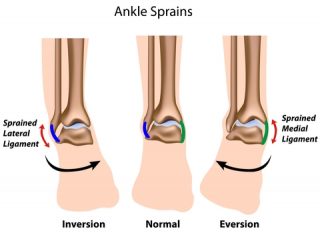
One of the clinical signs that we frequently (not always) see in patients with an LLD is that their feet do two different things. The foot/ankle joint – or sub-talar joint – of the longer side may over-pronate to a degree (we measure this and will tell you how much). On the shorter side, the foot may supinate. Viewed from the rear of your feet/legs, the long leg ankle joint (over-pronating) will bulge inwards and the short leg ankle (supinating) will bulge outwards. You can see a helpful diagram of how supination / over-pronation can look here.

Symptoms of an LLD

Symptoms of an LLD are varied, depending on how big the difference is, how active you are, underlying cause and so on. Symptoms, and which side of the body they are first experienced, can also depend on whether the LLD is functional or true. General symptoms include lower back pain, knee and/or hip pain, osteoarthritic changes in the knee or hip, ITB syndrome and plantar fasciitis.
First of all, as biomechanics experts, we will want to to carry out a thorough lower limb biomechanical assessment. This will include both static measurements at various marker points on your body, as well as a dynamic gait analysis. We are assessing and analyzing not just your feet, ankles, legs and hips but also the biomechanics of your arms (there may sometimes be a difference in swing for example), head and neck tilt (to the shorter side), spinal deviation, hip tilt / dip (to the shorter side) and so on.

How is an LLD treated?

Correcting an LLD is generally advisable when the patient is experiencing symptoms, such as lower back pain. Treatment options will vary according to the type of LLD (true / functional) and in essence the underlying cause. As experts in lower limb biomechanics and anatomy, Dubai Podiatry Centre seeks to identify the correct cause and recommend the correct treatment plan, either short or longer term.

Treatment may be as straightforward as a custom heel lift or shoe liner worn within existing footwear, footwear modification or perhaps custom orthotic therapy particularly if the LLD is related to a functional anomaly, such as one foot over-pronating. Occasionally, in true LLD cases where the difference is significant, surgery may be advised.

Functional LLD may also involve physiotherapy exercises to improve the pelvic and leg function and flexibility. It is important to note also that correction may be gradual as to immediately ‘correct’ an LLD to ‘match’ the other leg through for an example a heel lift, can be too severe and sudden, causing different pain and symptoms elsewhere.

Michelle Champlin, Chief Podiatrist at Dubai Podiatry Centre cautions though “It is important to note that a certain degree of asymmetry is normal in us all – children included – and can act as a stimulus for children’s normal bone growth and generally speaking need not be corrected. However, if the LLD is significant and other symptoms are present, it is worth ruling out underlying causes including certain illnesses and syndromes.”

If you suspect you have an LLD, have chronic lower back pain that has not been responsive to other treatments, or are a runner with niggling overuse injuries, contact the experts at Dubai Podiatry Centre on 04 3435390 for a thorough assessment and treatment plan.

بقلم ميشيل شامبلين

معظمنا لديه أطوال أرجل مختلفة قليلاً (ما يصل إلى ٩٠٪ منا) – حتى أقدامنا ليست متطابقة. ومع ذلك، يمكن أن يسبب لنا هذا مشاكل في مرحلة البلوغ إذا كان الفرق كبيرًا بدرجة كافية، أو حتى إذا كان بسيطًا نسبيًا ولكننا نشارك في الألعاب الرياضية/الأنشطة التي قد تسبب أعراضًا مثل آلام أسفل الظهر.

ما هو دكتوراه في الحقوق؟

هناك نوعان رئيسيان من اختلاف/تناقض طول الساق – وظيفي وتشريحي (أو “حقيقي”). يمكن أن يتراوح الاختلاف في أطوال الأرجل من بضعة مليمترات إلى ٦ سم أو أكثر. يمكن أن يتسبب ارتفاع 1 سم أو أكثر في “تعويض” طريقة الوقوف والمشي والجري، مما يؤدي إلى مشاكل في الظهر والورك والركبة والكاحل.

صحيح” تباين الطول الساق

يوجد تباين في الطول الساق الحقيقي عندما يكون هناك اختلاف فعلي بين أطوال الساق بسبب اختلاف في طول وشكل العظام في الساق. عادةً ما يشمل ذلك الظنبوب و/أو الشظية و/أو عظم الفخذ، لكن في بعض الأحيان قد يكون أكثر تعقيدًا ويشتمل أيضًا على عظام ومفاصل القدم والكاحل أو الحوض

أسباب تباين طول الساق الحقيقية

قد يوجد مرض تباين طول الساق الحقيقي منذ الولادة (خلقي)، أو قد يكون بسبب تلف أو إصابة العظام أو صفائح النمو في مرحلة الطفولة. قد يعاني البالغون أيضًا من تقصير في الساق بعد حدوث كسر في العظام.

تباين طول الساق “الوظيفي“.

يعطي تباين طول الساق الوظيفي المظهر الخارجي وأعراض تباين طول الساق، ولكن لا يوجد عدم تناسق ملحوظ في الهيكل العظمي. عادةً ما يرجع هذا الاختلاف الواضح في قياس أطوال الساق إلى ضعف/اختلال العضلات في مفصل الورك أو القدم/الكاحل. يمكن أن يؤدي الحوض المائل بشكل مفرط، والإفراط في كب المفاصل تحت الكاحل، والقدم / الأروح وحتى إصابة الأوتار أو الأربطة المختلفة في الكاحل / الساق / الورك إلى تقصير واضح في ساق واحدة عن طريق الحد من حركة المفصل

آثار تباين في طول الساق

يتسبب تباين في طول الساق ، سواء كان وظيفيًا أو حقيقيًا، في تحويل وزنك ومركز ثقلك إلى جانب الساق القصيرة. يميل الحوض إلى الجانب القصير. قد يكون الجنف القطني (محدبًا إلى الجانب القصير) وانثناء الركبة (متزايدًا على الجانب الطويل) واضحًا أيضًا. بشكل عام، سوف يتكيف جسمك بشكل جيد مع اختلاف يصل إلى 1 سم، ولكن مع 2 سم أو أكثر سوف تميل إلى العرج.

إحدى العلامات السريرية التي نراها بشكل متكرر (وليس دائمًا) لدى المرضى الذين يعانون من مرض تباين في طول الساق  هي أن أقدامهم تقوم بشيئين مختلفين. قد يكون مفصل القدم/الكاحل – أو المفصل تحت الكاحل – للجانب الأطول مفرطًا في البسط إلى حد ما (نقوم بقياس ذلك وسنخبرك بالمقدار). على الجانب الأقصر، قد تستلقي القدم. عند النظر من الجزء الخلفي لقدميك/ساقيك، فإن مفصل الكاحل ذو الساق الطويلة (الكب الزائد) سوف ينتفخ إلى الداخل، وسوف ينتفخ كاحل الساق القصير (الاستلقاء) إلى الخارج. يمكنك رؤية رسم تخطيطي مفيد لكيفية ظهور الاستلقاء / الإفراط في الكب هنا.

أعراض تباين في طول الساق

تتنوع أعراض مرض تباين في طول الساق ، اعتمادًا على حجم الفرق، ومدى نشاطك، والسبب الكامن وراء ذلك، وما إلى ذلك. يمكن أيضًا أن تعتمد الأعراض، وأي جانب من الجسم يتم ظهوره لأول مرة، على ما إذا كان  تباين في طول الساق فعالًا أم حقيقيًا. تشمل الأعراض العامة آلام أ سفل الظهر، وألم في الركبة و/أو الورك، وتغيرات هشاشة العظام في الركبة أو الورك، ومتلازمة ITB والتهاب اللفافة الأخمصية.

أولاً، كخبراء في الميكانيكا الحيوية، نرغب في إجراء تقييم ميكانيكي حيوي شامل للأطراف السفلية. سيتضمن ذلك قياسات ثابتة في نقاط مختلفة على جسمك، بالإضافة إلى تحليل المشية الديناميكي. نحن لا نقوم بتقييم وتحليل قدميك وكاحليك وساقيك ووركيك فحسب، بل أيضًا الميكانيكا الحيوية لذراعيك (قد يكون هناك أحيانًا اختلاف في التأرجح على سبيل المثال)، وإمالة الرأس والرقبة (إلى الجانب الأقصر)، وانحراف العمود الفقري، والورك إمالة / تراجع (إلى الجانب الأقصر) وما إلى ذلك

كيف يتم التعامل مع مرض تباين في طول الساق؟

يُنصح عمومًا بتصحيح مرض تباين في طول الساق عندما يعاني المريض من أعراض، مثل آلام أسفل الظهر. ستختلف خيارات العلاج وفقًا لنوع مرض تباين في طول الساق (الحقيقي / الوظيفي) وفي جوهره السبب الأساسي. كخبراء في الميكانيكا الحيوية وتشريح الأطراف السفلية، يسعى مركز دبي لعلاج الأرجل إلى تحديد السبب الصحيح والتوصية بخطة العلاج الصحيحة، سواء على المدى القصير أو الطويل.

قد يكون العلاج بسيطًا مثل رفع الكعب المخصص أو بطانة الحذاء التي يتم ارتداؤها داخل الأحذية الموجودة، أو تعديل الأحذية أو ربما العلاج التقويمي المخصص خاصة إذا كان مرض تباين في طول الساق مرتبطًا بشذوذ وظيفي، مثل النطق الزائد لقدم واحدة. في بعض الأحيان، في حالات مرض تباين في طول الساق الحقيقية حيث يكون الفرق كبيرًا، قد ينصح بإجراء عملية جراحية.

قد يتضمن مرض تباين في طول الساق الوظيفي أيضًا تمارين العلاج الطبيعي لتحسين وظيفة ومرونة الحوض والساق. من المهم أن نلاحظ أيضًا أن التصحيح قد يكون تدريجيًا بحيث يتم “تصحيح” مرض تباين في طول الساق على الفور “لمطابقة” الساق الأخرى من خلال رفع الكعب على سبيل المثال، ويمكن أن يكون شديدًا ومفاجئًا، مما يسبب آلامًا وأعراضًا مختلفة في أماكن أخرى.

تحذر ميشيل شامبلين، رئيسة أطباء الأقدام في مركز دبي لعلاج الأرجل، قائلة: “من المهم أن نلاحظ أن وجود درجة معينة من عدم التناسق أمر طبيعي فينا جميعًا – بما في ذلك الأطفال – ويمكن أن يكون بمثابة حافز لنمو العظام الطبيعي لدى الأطفال، وبشكل عام لا يلزم تصحيحه”. . ومع ذلك، إذا كان مرض تباين في طول الساق كبيرًا وكانت هناك أعراض أخرى، فمن المفيد استبعاد الأسباب الأساسية بما في ذلك بعض الأمراض والمتلازمات.

إذا كنت تشك في إصابتك بمرض مرض تباين في طول الساق، أو تعاني من آلام مزمنة في أسفل الظهر لا تستجيب للعلاجات الأخرى، أو كنت عداءًا يعاني من إصابات مزعجة بسبب الإفراط في الاستخدام، اتصل بالخبراء في مركز دبي للعناية بالاقدام على الرقم ٠٤٣٤٣٥٣٩٠ للحصول على تقييم شامل وخطة علاج


What are your ‘sesamoids’?

Your sesamoid bones are two tiny pea-shaped bones in the ball of your foot, beneath your big toe joint (your metatarso-phalangeal joint – or MTP joint). The sesamoid bones are actually embedded within a tendon.

Although tiny, your sesamoids perform a couple of important jobs:

• They act as a pulley for your tendons, helping the big toe move normally and providing leverage when the big toe “pushes off” when you are walking or running.

• They also serve as a weight-bearing surface for the first metatarsal bone (the long bone connected to your big toe), absorbing some of the weight placed on the ball of the foot when walking, running, and jumping.

As the sesamoid’s job involves absorbing weight, it can be at risk of injury when you are doing activity that involves you going up onto your forefoot a lot. Michelle Champlin, Chief Podiatrist at Dubai Podiatry Centre says, “We see sesamoid related injury in dancers, basketball players, footballers, tennis players, golfers and runners. I’ve also seen it in some of our martial arts experts and boxers.”

Other than sport related injuries, we also frequently see sesamoid problems in those with an underlying biomechanical issue – typically supination or pes cavus (very high arches).

Another common source of sesamoid pain and injury is due to footwear, particularly stilettoes, which can force up to 90% of your bodyweight forward onto the forefoot, when during normal stance the weight is distributed nearly equally across your rear and forefoot.

Sesamoid Injuries: Three Types
Mrs. Champlin classifies typical sesamoid related injuries into three main types:

Sesamoiditis is a chronic overuse related injury causing the sesamoid bones and surrounding tendons to be come inflamed and painful. Generally we see this in overuse of high heels or sports players. You will feel a chronic, ongoing pain in your forefoot behind your big toe joint that might come and go. It will feel worse when you put weight on the area when wearing high heels again or doing an activity with weight onto your forefoot, such as at the end of your golf swing.

Sesamoid Fracture may be acute (instant, due to a trauma or accident) or chronic due to ongoing stress to the forefoot / sesamoids – e.g. through sports or high heels. You will feel intense pain at the time of an acute fracture, or ongoing intermittent dull pain with a stress fracture, relieved by resting.

Turf Toe is an injury caused by ‘overextending’ the big toe joint past its normal range of motion. You may hear a ‘pop’ at the time and you will feel immediate pain. The big toe joint will then have limited range of motion when you try to move it. It’s called turf toe as it tends to happen to athletes on an artificial or even a real grass surface, with risk of catching your toe in football cleats, but we have also seen it in gymnasts, wrestlers, golfers and more.


What will the Podiatrist Do?

Sesamoid injuries can involve the bones, tendons, and/or surrounding tissue in the joint. We examine you thoroughly with a lower limb biomechanical assessment, which will include pressing on the big toe, moving it up and down to check range of motion, palpating the toe and foot, checking how you stand (weight bearing posture) and walk as well as how your feet are when non weight bearing. We will also find out from you how and when the pain started or goes away, check your footwear and discuss your physical activity and sports.

How are sesamoid injuries treated?
• Special padding or strapping to the foot
• Pain alleviating anti-inflammatory oral medication
• Custom orthotic therapy to correct any underlying biomechanical cause / redistribute weight off of the sesamoids / MTP joint
• Immobilization in an aircast
• Strengthening exercises, particularly after aircast therapy.

If you feel either an acute or dull, throbbing pain to your forefoot or bog toe joint, it is best to make an appointment to see the foot experts at Dubai Podiatry Centre. We can correctly identify the cause, diagnose and provide treatment to get you back en pointe, teeing off, or at the starting line in record time.

For appointment, contact us:
Call: + 971  4 3435390
WhatsApp: + 971  50 355 3024
info@dubaipodiatry.com
To book online: Click here


ما هي “السمسمويدات” الخاصة بك؟

عظامك السمسمانية عبارة عن عظمتين صغيرتين على شكل حبة البازلاء موجودة في مقدمة قدمك، أسفل مفصل إصبع القدم الكبير (مفصل مشط القدم السلامي – أو المفصل). في الواقع، تكون العظام السمسمانية مدمجة داخل الوتر.

على الرغم من صغر حجم السمسمويدات، إلا أنها تؤدي وظيفتين مهمتين:

تعمل بمثابة بكرة للأوتار، مما يساعد إصبع القدم الكبير على التحرك بشكل طبيعي ويوفر الدعم عندما “يندفع” إصبع القدم الكبير أثناء المشي أو الجري.

كما أنها بمثابة سطح حامل للوزن لعظم مشط القدم الأول (العظم الطويل المتصل بإصبع قدمك الكبير)، حيث يمتص بعض الوزن الواقع على مشط القدم عند المشي والجري والقفز.

نظرًا لأن وظيفة السمسم تتضمن امتصاص الوزن، فقد يكون عرضة لخطر الإصابة عند القيام بنشاط يتضمن الوقوف على مقدمة قدمك كثيرًا. تقول ميشيل شامبلين، رئيسة أطباء الأقدام في مركز دبي لعلاج الأرجل: “نرى إصابات مرتبطة بالسمسمويد لدى الراقصين ولاعبي كرة السلة ولاعبي كرة القدم ولاعبي التنس ولاعبي الغولف والعدائين. لقد رأيت ذلك أيضًا في بعض خبراء الفنون القتالية والملاكمين لدينا.

بخلاف الإصابات المرتبطة بالرياضة، نرى أيضًا في كثير من الأحيان مشاكل سمسمانية لدى أولئك الذين يعانون من مشكلة ميكانيكية حيوية أساسية – عادةً الاستلقاء أو جوفاء القدم  (الأقواس العالية جدًا).

هناك مصدر شائع آخر للألم والإصابة السمسمانية يرجع إلى الأحذية، وخاصة الأحذية ذات الكعب العالي، والتي يمكن أن تدفع ما يصل إلى ٩٠٪ من وزن جسمك للأمام على مقدمة القدم، بينما أثناء الوضع الطبيعي، يتم توزيع الوزن بالتساوي تقريبًا عبر الجزء الخلفي ومقدمة القدم

إصابات السمسمانية: ثلاثة أنواع

تصنف السيدة شامبلين الإصابات النموذجية المرتبطة بالسمسم إلى ثلاثة أنواع رئيسية:

التهاب السمسماني هو إصابة مزمنة مرتبطة بالإفراط في الاستخدام مما يتسبب في التهاب العظام السمسمانية والأوتار المحيطة بها والألم. وبشكل عام نرى هذا في الإفراط في استخدام الكعب العالي أو لاعبي الرياضة. ستشعر بألم مزمن ومستمر في مقدمة قدمك خلف مفصل إصبع قدمك الكبير، وقد يأتي ويذهب. سيكون الأمر أسوأ عندما تضع وزنًا على المنطقة عند ارتداء الكعب العالي مرة أخرى أو القيام بنشاط يحتوي على وزن على مقدمة قدمك، كما هو الحال في نهاية لعبة الجولف.

قد يكون الكسر السمسماني حادًا (فوريًا، نتيجة لصدمة أو حادث) أو مزمنًا بسبب الضغط المستمر على مقدمة القدم / السمسمانيات – على سبيل المثال. من خلال الرياضة أو الكعب العالي. ستشعر بألم شديد في وقت حدوث كسر حاد، أو ألم خفيف متقطع مستمر مع كسر الإجهاد، ويخفف من الراحة.

إصبع قدم العشب هي إصابة ناجمة عن “التمدد الزائد” لمفصل إصبع القدم الكبير بما يتجاوز نطاق حركته الطبيعي. قد تسمع صوت فرقعة في ذلك الوقت وستشعر بألم فوري. سيكون لمفصل إصبع القدم الكبير نطاق محدود من الحركة عند محاولة تحريكه. يطلق عليه اسم “إصبع قدم العشب” لأنه يحدث عادةً للرياضيين على سطح عشبي صناعي أو حتى حقيقي، مع وجود خطر الإصابة بإصبع قدمك في أحذية كرة القدم، ولكننا رأينا ذلك أيضًا في لاعبي الجمباز والمصارعين ولاعبي الغولف وغيرهم

ماذا سيفعل طبيب الأقدام؟

يمكن أن تشمل الإصابات السمسمانية العظام والأوتار و/أو الأنسجة المحيطة بالمفصل. نقوم بفحصك بدقة من خلال تقييم ميكانيكي حيوي للطرف السفلي، والذي سيتضمن الضغط على إصبع القدم الكبير، وتحريكه لأعلى ولأسفل للتحقق من نطاق الحركة، وجس إصبع القدم والقدم، والتحقق من كيفية وقوفك (وضعية تحمل الوزن) والمشي أيضًا كما هي حال قدميك عند عدم تحمل الوزن. سنكتشف منك أيضًا كيف ومتى بدأ الألم أو يختفي، ونفحص حذائك ونناقش نشاطك البدني ورياضتك.

كيف يتم علاج الإصابات السمسمانية؟

حشوة خاصة أو ربط للقدم

تخفيف الألم بالأدوية المضادة للالتهابات عن طريق الفم

علاج تقويمي مخصص لتصحيح أي سبب ميكانيكي حيوي أساسي / إعادة توزيع الوزن من السمسمويدات / المفصل

الشلل في البث

تمارين التقوية، خاصة بعد العلاج بالبث الهوائي.

إذا كنت تشعر بألم حاد أو خفيف ونابض في مقدمة قدمك أو مفصل إصبع القدم المستنقعي، فمن الأفضل تحديد موعد لرؤية خبراء القدم في مركز دبي للعناية بالاقدام. يمكننا تحديد السبب بشكل صحيح وتشخيص وتقديم العلاج لإعادتك إلى نقطة البداية أو الانطلاق أو عند خط البداية في وقت قياسي.

للحصول على موعد، اتصل بنا:

اتصل: ٠٤٣٤٣٥٣٩٠

واتساب: ٠٥٠٣٥٥٣٠٢٤

info@dubaipodiatry.com

للحجز عبر الإنترنت: اضغط هنا


So you’ve read the Top 5 Signs You Might Have Fungal Toenails? Worried you might show one or more signs? Let’s find out more about what it actually a fungal nail infection is and how you maybe caught it.
A fungal toenail infection is called onychomycosis. There are actually two main types of fungal nail infection: 1. Tinea (fungal) dermatophytes and 2. Candida (yeast) infection. Like all types of fungus, nail infections thrive in warm, dark moist environments. So your enclosed socks and shoes are the perfect breeding ground for fungal spores. The fungus feeds on keratin, the hard protein that forms your nail.
Fungal nail infections can be spread through either direct contact with another person with the fungal infection, or also indirectly by coming into contact with the spores in an area that is perfect for fungus, like swimming pool changing areas (which are also perfect for viral infections like verrucas). In Dubai, there are also fungal spores that are harboured particularly in dry, urban sandy areas too explains Chief Podiatrist Michelle Champlin.
“ I see a lot of patients with both fungal nail and skin infections – it’s common to have both together. Lots of patients have tried all sorts of home and over-the-counter remedies with no relief. And over the many years we’ve been seeing patients in Dubai, we are familiar with the more unusual fungal infection and symptoms presented from the sand-borne fungus and have developed a really vigorous treatment plan for getting rid of it from our patients’ nails and feet.”
Here in Dubai, fungal infections are extremely common. In fact, studies have shown that at least 50% of us will have some sort of fungal infection during our lifetime. If you are worried you may have a fungal infection of your foot or toenails, contact Dubai Podiatry Centre on +971 4 3435390 for expert diagnosis and treatment.
Let’s understand what can make you more at risk from catching a fungal infection here and how it can be treated.

لقد قرأت أهم ٥ علامات تشير إلى احتمالية إصابتك بفطريات أظافر القدم؟ هل تشعر بالقلق من أنك قد تظهر علامة واحدة أو أكثر؟ دعونا نكتشف المزيد حول ماهية عدوى الأظافر الفطرية وكيف يمكن إصابتك بها.

تسمى العدوى الفطرية لأظافر القدم بداء الأظافر. يوجد في الواقع نوعان رئيسيان من عدوى الأظافر الفطرية: ١. عدوى السعفة (الفطرية) الجلدية و2. عدوى المبيضات (الخميرة). مثل جميع أنواع الفطريات، تزدهر عدوى الأظافر في البيئات الرطبة الدافئة والمظلمة. لذا فإن جواربك وأحذيتك المغلقة هي أرض خصبة لتكاثر الجراثيم الفطرية. يتغذى الفطر على الكيراتين، وهو البروتين الصلب الذي يشكل ظفرك.

يمكن أن تنتشر عدوى الأظافر الفطرية إما من خلال الاتصال المباشر مع شخص آخر مصاب بالعدوى الفطرية، أو أيضًا بشكل غير مباشر عن طريق ملامسة الجراثيم في منطقة مثالية للفطريات، مثل مناطق تغيير حمام السباحة (والتي تعد أيضًا مثالية للعدوى الفيروسية). مثل الثؤلول). وفي دبي، توجد أيضًا أبواغ فطرية تؤوي بشكل خاص في المناطق الرملية الحضرية الجافة، كما توضح رئيسة أطباء الأقدام ميشيل شامبلين.

أرى الكثير من المرضى الذين يعانون من عدوى فطرية في الأظافر والجلد – ومن الشائع أن يصابوا بهما معًا. لقد جرب الكثير من المرضى جميع أنواع العلاجات المنزلية والتي لا تستلزم وصفة طبية دون أي راحة. وعلى مدار السنوات العديدة التي كنا نستقبل فيها المرضى في دبي، أصبحنا على دراية بالعدوى الفطرية غير العادية والأعراض الناتجة عن الفطريات التي تنقلها الرمال، وقمنا بتطوير خطة علاجية قوية للتخلص منها من أظافر مرضانا والأقدام.”

هنا في دبي، تعتبر الالتهابات الفطرية شائعة للغاية. في الواقع، أظهرت الدراسات أن٥٠%  منا على الأقل سيصابون بنوع من العدوى الفطرية خلال حياتهم. إذا كنت قلقًا من احتمالية إصابتك بعدوى فطرية في قدمك أو أظافرك، فاتصل بمركز دبي لعلاج الأرجل على الرقم ٠٤٣٤٣٥٣٩٠ للحصول على تشخيص وعلاج متخصصين.

دعونا نفهم ما الذي يمكن أن يجعلك أكثر عرضة لخطر الإصابة بالعدوى الفطرية هنا وكيف يمكن علاجها


Perhaps you’re concerned that your nails look like they might be fungal? Maybe you’ve even got a good idea how you caught it.
Fungal nail infections as well as fungal skin infections are extremely common, particularly here in the Middle Eastern climate. However, there are a few things that can make you more at risk, or susceptible, to catching a fungal infection on your toenails. Our bodies, including nails and skin, are designed to fight off infection, so here are some factors that can reduce your body’s natural defences:
• An injury, even very minor, to your skin or toenail
• Wearing synthetic (non cotton-mix) socks
• Wearing the same pair of closed shoes every day
• Excessive sweating (hyperhidrosis)
• Diabetes (not well controlled)
• Working in hot, humid conditions or dry sandy conditions (like the Middle East)
• Biomechanical issues that affect how your walk, causing micro damage to your toenail
• Age (adults tend to get fungal nail infections more than children)
• Overuse of nail polish
• Non-sterile pedicure instruments
• Shoes that are too tight at the toebox
• Immune / circulatory diseasesThe big and little toes are the most often affected, as they tend to be the toenails on contact with too tight footwear, causing damage to the nail that lets the fungus take hold. If you think you have a fungal nail infection, find out how it can be treated here.
If you do think you might have a fungal toenail infection, or there is anything bothering you about your toenails, give the experts at Dubai Podiatry Centre a call on +971 4 3435390. We specialise in difficult and chronic foot and toenail issues!


ربما تشعر بالقلق من أن أظافرك تبدو وكأنها قد تكون فطرية؟ ربما لديك فكرة جيدة عن كيفية التقاطها.

تعد عدوى الأظافر الفطرية وكذلك الالتهابات الجلدية الفطرية شائعة للغاية، خاصة هنا في مناخ الشرق الأوسط. ومع ذلك، هناك بعض الأشياء التي يمكن أن تجعلك أكثر عرضة لخطر الإصابة بعدوى فطرية على أظافر قدميك. تم تصميم أجسامنا، بما في ذلك الأظافر والجلد، لمحاربة العدوى، لذا إليك بعض العوامل التي يمكن أن تقلل من دفاعات الجسم الطبيعية:

إصابة، حتى وإن كانت طفيفة جدًا، في الجلد أو أظافر القدم

ارتداء الجوارب الاصطناعية (غير القطنية).

ارتداء نفس زوج الأحذية المغلقة كل يوم

التعرق الزائد (فرط التعرق)

مرض السكري (لا يمكن السيطرة عليه بشكل جيد)

العمل في الظروف الحارة والرطبة أو الظروف الرملية الجافة (مثل الشرق الأوسط)

مشاكل ميكانيكية حيوية تؤثر على طريقة مشيتك، مما يسبب ضررًا صغيرًا لأظافر قدمك

العمر (يميل البالغون إلى الإصابة بالتهابات الأظافر الفطرية أكثر من الأطفال)

الإفراط في استخدام طلاء الأظافر

أدوات الباديكير غير المعقمة

الأحذية الضيقة جدًا عند مقدمة القدم

أمراض المناعة/الدورة الدموية: أصابع القدم الكبيرة والصغيرة هي الأكثر تأثراً في أغلب الأحيان، لأنها تميل إلى أن تكون أظافر القدم عند ملامستها للأحذية الضيقة للغاية، مما يتسبب في تلف الظفر الذي يسمح للفطريات بالسيطرة. إذا كنت تعتقد أنك مصاب بعدوى فطرية في الأظافر، اكتشف كيفية علاجها هنا.

إذا كنت تعتقد أنك قد تكون مصابًا بعدوى فطرية في أظافر قدميك، أو أن هناك أي شيء يزعجك بشأن أظافر قدميك، فاتصل بالخبراء في مركز دبي للعناية بالاقدام على الرقم ٠٤٣٤٣٥٣٩٠ . نحن متخصصون في مشاكل القدم وأظافر القدمين الصعبة والمزمنة


Do you think you might have a fungal toenail infection? It is important to see a Podiatrist to ensure the correct diagnosis and therefore appropriate treatment. At Dubai Podiatry Centre, we have seen pretty much every form of fungal skin and nail infection imaginable, and it is generally quite straightforward and easy for us to diagnose a fungal nail infection based on signs and symptoms – colour, appearance, debris, even the distinctive odour.
Sometimes, we may also take a sample clipping of your nail to test in the laboratory – a fungal culture.
However, here at Dubai Podiatry Centre, we always want to rule out any underlying issue to check that a fungal nail infection is not a sign of something else allowing it to flourish – such as blood sugar being too high (diabetes) or a circulatory issue. We take a holistic, investigative approach at Dubai Podiatry Centre and always look at the ‘big picture’ of your overall health – often our feet and nails are whispering to us clues about your overall health.
Fungal nail infections can last for years and will not go away on their own without treatment. Fungal nail infections will spread across the nail and even to the nail bed and root if left untreated. In these cases, topical treatment alone will not be effective as you are only treating the exposed surface of the nail. Find out more about some of the treatment options here.
Whether you live in Dubai or are just visiting, if you have any concerns about your feet or toenails contact Dubai Podiatry Centre on +971 4 3435390.


هل تعتقد أنك قد تكون مصابًا بعدوى فطرية في أظافر القدم؟ من المهم مراجعة طبيب الأقدام لضمان التشخيص الصحيح وبالتالي العلاج المناسب. في مركز دبي لعلاج الأرجل، رأينا تقريبًا كل أشكال عدوى الجلد والأظافر الفطرية التي يمكن تخيلها، ومن السهل جدًا بشكل عام تشخيص عدوى الأظافر الفطرية بناءً على العلامات والأعراض – اللون، والمظهر، والحطام، وحتى الجلد. رائحة مميزة.

في بعض الأحيان، قد نقوم أيضًا بأخذ عينة من أظافرك لاختبارها في المختبر – ثقافة فطرية.

ومع ذلك، هنا في مركز دبي لعلاج الأرجل، نريد دائمًا استبعاد أي مشكلة أساسية للتأكد من أن عدوى الأظافر الفطرية ليست علامة على شيء آخر يسمح لها بالازدهار – مثل ارتفاع نسبة السكر في الدم (مرض السكري) أو مشكلة في الدورة الدموية. . نحن نتبع نهجًا استقصائيًا شاملاً في مركز دبي للعناية بالاقدام وننظر دائمًا إلى “الصورة الكبيرة” لصحتك العامة – غالبًا ما تهمس لنا أقدامنا وأظافرنا أدلة حول صحتك العامة.

يمكن أن تستمر عدوى الأظافر الفطرية لسنوات ولن تختفي من تلقاء نفسها دون علاج. سوف تنتشر عدوى الأظافر الفطرية عبر الظفر وحتى إلى قاعدة الظفر والجذر إذا تركت دون علاج. في هذه الحالات، لن يكون العلاج الموضعي وحده فعالاً لأنك تعالج فقط السطح المكشوف من الظفر. تعرف على المزيد حول بعض خيارات العلاج هنا.

سواء كنت تعيش في دبي أو تزورها فقط، إذا كان لديك أي مخاوف بشأن قدميك أو

اتصل بمركز دبي لعلاج الأرجل على الرقم

٠٤٣٤٣٥٣٩٠


Perhaps you’ve been diagnosed with a fungal nail infection, or think you show signs of it? The next step is treatment and preventing it from returning. At Dubai Podiatry Centre, we closely examine your nails to identify the cause of the infection and discuss preventing it from coming back in the future. Fungal nail spores can be quite resilient and live in your socks and shoes, so treatment will involve advice on overall foot hygiene and footwear.

Treatment will depend on how much of your nail and even nail bed is infected. We often have new patients coming to see us as they have tried lots of other remedies such as foot soaks and topical nail lacquers with no unfortunately improvement. We love ‘difficult’ cases and specialize in nail and foot ailments that are complex or stubborn.

• For minor, superficial fungus not widely spread, the podiatrist may buff off any superficial fungus and apply a topical nail ‘lacquer’ – a medicated clear nail paint, containing the active antifungal ingredient amorolfine. Applied regularly thereafter by the patient at home, usually seeing the Podiatrist regularly to buff and thin the nail in the interim.

Anti-fungal based gels, cream or sprays may also be applied or advised to treat a co-existing foot skin fungus. Sometimes, for more chronic or severe fungal nail infections, you may also be advised:
• an oral antifungal such as Sporanox or Lamisil, prescribed by your GP and subject to a liver function test.
• to use antifungal sprays and powders in your socks and shoes (perhaps even throwing out old shoes).
• to alternate shoes daily to allow plenty of time to dry out.
• to switch socks to at least 50% cotton mix, changing at least daily, or trying toe socks to keep the area between toes dry too.
• removal of the infected toenail (nail avulsion).

It is very important to follow the Podiatrist’s advice to prevent re-infection from an untreated or old pair of shoes, or sharing nail instruments with an infected person.

Remember also, that it can take 9 months for a nail to re-grow and appear back to ‘normal’ again.


Preventing Re-infection of Nail Fungus

Good nail and foot hygiene and health is vital. A healthy, natural nail is a natural shield against fungus. Some good tips to remember include to:
• Only use reputable, hygienic salons for pedicures
• Keep nail polish use to a minimum and remove the next day if you do use it
• Buff skin briefly in the shower with a gentle foot file to keep fungus-harbouring callous at bay, maintaining general foot hygiene
• Keep nails trimmed short and straight across
• Do not cut your cuticles or pick at them, as these protect fungus/bacteria from getting into your nail
• Shake an antifungal powder into all your paired clean socks, so they’re ready-treated before you put them on
• Throw out old shoes
• Air shoes between wears and alternate daily
• Avoid acrylic or gel nails / nail polishes that stay on for weeks
• Correct any foot biomechanics affecting how you walk, as these can rotate your toe causing toenail damage within footwear (such as over-pronation, clawing or hammer toes)

If you think your toenails show any of the signs of a fungal infection, or is not responding to treatment, give the foot and toenail experts at Dubai Podiatry Centre a call on +971 4 3435390.


ربما تم تشخيص إصابتك بعدوى فطرية في الأظافر، أو تعتقد أنك تظهر عليك علامات ذلك؟ والخطوة التالية هي العلاج ومنعه من العودة. في مركز دبي لعلاج الأرجل، نقوم بفحص أظافرك عن كثب لتحديد سبب العدوى ومناقشة منع ظهورها مرة أخرى في المستقبل. يمكن لأبواغ الأظافر الفطرية أن تكون مرنة جدًا وتعيش في جواربك وأحذيتك، لذا سيتضمن العلاج نصيحة بشأن النظافة العامة للقدم والأحذية.

يعتمد العلاج على مقدار إصابة الظفر وحتى فراش الظفر. غالبًا ما يأتي إلينا مرضى جدد لأنهم جربوا الكثير من العلاجات الأخرى مثل نقع القدمين وطلاء الأظافر الموضعي دون أي تحسن للأسف. نحن نحب الحالات “الصعبة” ونتخصص في أمراض الأظافر والقدم المعقدة أو العنيدة.

بالنسبة للفطريات السطحية البسيطة غير المنتشرة على نطاق واسع، قد يقوم طبيب الأقدام بإزالة أي فطريات سطحية ووضع طلاء أظافر موضعي – وهو طلاء أظافر طبي شفاف يحتوي على المادة الفعالة المضادة للفطريات أمورولفين. يتم تطبيقه بانتظام بعد ذلك من قبل المريض في المنزل، وعادة ما يقوم بزيارة طبيب الأقدام بانتظام لتلميع وتخفيف الظفر في هذه الأثناء.

يمكن أيضًا استخدام المواد الهلامية أو الكريمات أو البخاخات المضادة للفطريات أو ينصح بها لعلاج فطريات جلد القدم الموجودة. في بعض الأحيان، بالنسبة لالتهابات الأظافر الفطرية المزمنة أو الشديدة، قد يُنصح أيضًا بما يلي:

مضاد للفطريات عن طريق الفم مثل سبورانوكس أو لاميسيل ، الذي يصفه لك الطبيب العام ويخضع لاختبار وظائف الكبد.

استخدام بخاخات ومساحيق مضادة للفطريات في جواربك وأحذيتك (وربما حتى التخلص من الأحذية القديمة).

تبديل الأحذية يومياً لإتاحة الوقت الكافي لتجف.

تبديل الجوارب إلى مزيج قطني بنسبة ٥٠% على الأقل، أو تغييرها يومياً على الأقل، أو تجربة جوارب أصابع القدم للحفاظ على جفاف المنطقة بين أصابع القدم أيضاً.

إزالة الظفر المصاب (قلع الظفر).

من المهم جدًا اتباع نصيحة طبيب الأقدام لمنع إعادة العدوى من زوج من الأحذية غير المعالجة أو القديمة، أو مشاركة أدوات الأظافر مع شخص مصاب منع إعادة الإصابة بفطريات الأظافر

تعتبر النظافة والصحة الجيدة للأظافر والقدم أمرًا حيويًا. الأظافر الصحية والطبيعية هي درع طبيعي ضد الفطريات. تتضمن بعض النصائح الجيدة التي يجب تذكرها ما يلي:

استخدمي فقط الصالونات الصحية ذات السمعة الطيبة للعناية بالأقدام

حافظي على استخدام طلاء الأظافر إلى الحد الأدنى وقم بإزالته في اليوم التالي إذا كنت تستخدمينه

قم بتلميع الجلد لفترة وجيزة أثناء الاستحمام باستخدام مبرد لطيف للقدم للتخلص من الفطريات التي تؤوي الفطريات، والحفاظ على النظافة العامة للقدم

حافظ على تقليم الأظافر بشكل قصير ومستقيم

لا تقطعي الجلد المحيط بأظافرك أو تخدشيها، لأن ذلك يحمي الفطريات/البكتيريا من الوصول إلى ظفرك

رشي مسحوقًا مضادًا للفطريات على جميع جواربك النظيفة، حتى تصبح جاهزة للمعالجة قبل ارتدائها.

تخلص من الأحذية القديمة

حذاء هوائي بين الارتداء واستبداله يومياً

تجنبي استخدام أظافر الأكريليك أو الجل أو طلاء الأظافر الذي يبقى ثابتًا لأسابيع

قم بتصحيح أي ميكانيكا حيوية للقدم تؤثر على كيفية المشي، حيث يمكن أن تؤدي إلى تدوير إصبع قدمك مما يتسبب في تلف أظافر القدم داخل الأحذية (مثل الإفراط في الكب أو المخالب أو أصابع القدم المطرقة)

إذا كنت تعتقد أن أظافر قدميك تظهر عليها أي من علامات العدوى الفطرية، أو لا تستجيب للعلاج، اتصل بخبراء القدم وأظافر القدمين في مركز دبي لعلاج الأرجل على الرقم ٠٤٣٤٣٥٣٩٠

تذكر أيضًا أنه قد يستغرق الأمر ٩ أشهر حتى ينمو الظفر مرة أخرى ويعود إلى وضعه الطبيعي مرة أخرى


podiatrist lady

What is Diabetes?
Whether you are borderline or pre diabetic, newly diagnosed or have managed your Diabetes for years, your Podiatrist will be a key member of your healthcare team. Diabetes is a condition that means your body cannot process glucose (sugar) properly, leading to high glucose levels in your bloodstream. Your body might not produce any insulin at all, not enough, or your body is resistant to the insulin produced. Find out more about the different Types of Diabetes here.
I’ve just been diagnosed – what happens now?
When you are diagnosed as diabetic, your GP or Diabetologist will lead your overall care and management plan, ensuring that they thoroughly explain your diagnosis, what it means for you and how to make lifestyle changes (such as diet and exercise) to control your Diabetes as well as prescribing any medication and monitoring it regularly.
For those of us with Diabetes, it can be a steep learning curve, especially at the start when we are first diagnosed and it can be a frightening time.
There is lots of good news concerning Diabetes now – there have been tremendous advancements in healthcare in every area – in diagnosis, management and treatment plans. There is absolutely no reason not to expect to live a long, happy and healthy life if you keep your blood sugar levels in check.
Why do Diabetics need to see a Podiatrist?
Combined with your Diabetologist or GP leading your care, you should also see a Podiatrist and an Ophthalmologist at a minimum of once a year. This is because we (Podiatrists) deal in feet – the part of your body that is furthest from your heart and Ophthalmologists deal with one of the smallest, yet most visible organs – the eyes. These tow things matter because the furthest away (feet) and smallest (eyes) parts of your body will show up even the smallest changes in your condition the earliest. And this is good news because it means you and your Doctor can then make any changes to your routine or medication early to stop any more serious complications developing later in time to your more major organs such as heart or kidneys. So your eyes and feet act like an early warning symbol.
How Can Diabetes Affect Feet?
There are several ways Diabetes can affect the feet. However, its important to note that it isn’t at all inevitable that Diabetics will develop any complications. In fact, there is no reason not to remain healthy and happy with good self-management and blood sugar control. Your GP will advise you on diet, lifestyle and medication (if necessary) and will also refer to you to a nutritionist for diet advice.
If your Diabetes is chronically not well controlled, you may be at risk of damaging your sensation to your feet and legs (neuropathy) and the blood circulation to them (angiopathy).
What is Neuropathy?
Neuropathy is damage to your nerves. You may experience burning, stinging, pain or weakness in your feet if you are developing neuropathy – any people say that it feels like lots of bee or ant stings. It lessens your ability to feel – hot, cold, injuries.
If you are losing sensation in your feet, this means that you could injure your feet and not know it – standing on broken glass or a pin and not feeling it. Then the injury doesn’t get treated. If you also have reduced blood supply (angiopathy) then the wound can’t heal as fast or as well and can ultimately develop into an ulcer.
How does Nerve Damage Affect the Feet?
As well as injuries not being noticed or healing well, neuropathy can also affect your foot posture and shape, leading to increased pressure and weight on different areas of your foot, again causing injury over time as hard skin, blisters, corns and even ulcers then develop.
Nerves also control the sweat glands and oil secretion in your feet and legs, keeping your skin hydrated, elastic and with a natural protective ‘acid mantle’ layer that fights off bacterial and fungal infections. When nerves are damaged, the skin becomes dry, flaky and may crack and be more prone to infection (such as cracked heels).
Drier skin and changed foot posture due to damaged nerves can lead to callous or hard skin. Left untreated, it can build up causing eventual ulcers underneath.
Ulcers in diabetics most commonly form on the ball of your foot or on your toes – areas where a lot of your body weight falls, and where you might get friction from tight footwear.
What Can I Do to Help my Feet?
If you are Diabetic, make an appointment with your podiatrist as soon as you are diagnosed (even if you have no foot problems) and then every year thereafter, or as advised by your Podiatrist. She may want to see you more often in some cases.
• Take good care of your feet every day and inspect them daily (find out more about caring for your feet here).
• Be proactive about caring for yourself and managing your Diabetes – treatment works best when it is focused around you being in control – know your blood glucose / HbA1c levels every day.
• If you notice any changes in your overall health and wellbeing go straight to your Doctor – don’t delay.
• For even ‘minor’ injuries – a cut to your foot or an ingrowing toenail, see your Podiatrist straight away.
• See your Podiatrist for regular medical pedicures in between your diabetic foot assessments to maintain great foot care and especially if your mobility doesn’t allow you to reach your feet.
• Follow a healthy eating plan, with help from your Nutritionist. Why not include the rest of the family in spreading healthy eating habits?
What Can My Podiatrist Do to Help?
• We carry out foot health checks at least annually for our diabetic patients, sometimes more frequently for those more at risk.
• We discuss thoroughly with you your diagnosis, how to help care for your feet and how to prevent foot complications – ask us anything!
• We will address any biomechanical foot issue to alleviate too much pressure on one area of the foot, through padding or custom orthotics if needed.
• We provide you with your written diabetic foot report to take with you to your Doctor / Diabetologist for follow up. They will want to see our report and your Opthalmologist’s report to help them monitor management. Our tests and specialist foot report make up the jigsaw to best manage your overall care.
What does a Diabetic Foot Check Up Involve?
First of all, there is no pain and nothing to worry about. We carry out tests on your feet to assess your blood circulation (both arterial and venous – to and from the heart), sensations, skin and nail condition, footwear check and advice, biomechanical assessment (foot and leg posture) and more! Find out more about the check-ups here.
The main point is that we are here to help. Every single person is different, with different blood sugar readings, management, medication, overall health and so on. We’re all unique and the aim is to help finely tune your individual management.
We love questions and are here to have a friendly conversation – to put your (and your family’s) mind at rest. We will discuss all of the tests, all of our findings and talk about ways to keep your feet healthy for the next 10, 20 and 30 years and more.
Contact Dubai Podiatry Centre, the diabetic foot experts today, on +971 4 3435390.


ما هو مرض السكري؟

سواء كنت مصابًا بالسكري أو في مرحلة ما قبل الإصابة بالسكري، أو تم تشخيصك حديثًا أو تمكنت من إدارة مرض السكري لسنوات، سيكون طبيب الأقدام الخاص بك عضوًا رئيسيًا في فريق الرعاية الصحية الخاص بك. مرض السكري هو حالة تعني أن جسمك لا يستطيع معالجة الجلوكوز (السكر) بشكل صحيح، مما يؤدي إلى ارتفاع مستويات الجلوكوز في مجرى الدم. قد لا ينتج جسمك أي أنسولين على الإطلاق، أو لا ينتج ما يكفي، أو أن جسمك مقاوم للأنسولين المنتج. تعرف على المزيد حول الأنواع المختلفة لمرض السكري هنا.

لقد تم تشخيص حالتي للتو – ماذا يحدث الآن؟

عندما يتم تشخيص إصابتك بمرض السكري، سيقود طبيبك العام أو أخصائي مرض السكري خطة الرعاية الشاملة والإدارة الخاصة بك، مع التأكد من أنهم يشرحون تشخيصك بدقة، وما يعنيه بالنسبة لك وكيفية إجراء تغييرات في نمط الحياة (مثل النظام الغذائي وممارسة الرياضة) للسيطرة على مرض السكري. وكذلك وصف أي دواء ومراقبته بانتظام.

بالنسبة لأولئك الذين يعانون من مرض السكري، يمكن أن يكون منحنى التعلم حادًا، خاصة في البداية عندما يتم تشخيصنا لأول مرة ويمكن أن يكون وقتًا مخيفًا.

هناك الكثير من الأخبار الجيدة المتعلقة بمرض السكري الآن – فقد حدث تقدم هائل في الرعاية الصحية في كل المجالات – في التشخيص والإدارة وخطط العلاج. لا يوجد أي سبب على الإطلاق لعدم توقع أن تعيش حياة طويلة وسعيدة وصحية إذا قمت بفحص مستويات السكر في الدم لديك.

لماذا يحتاج مرضى السكر لرؤية طبيب الأقدام؟

جنبًا إلى جنب مع أخصائي مرض السكري أو الطبيب العام الذي يتولى رعايتك، يجب عليك أيضًا زيارة طبيب الأقدام وطبيب العيون مرة واحدة على الأقل سنويًا. وذلك لأننا (أطباء الأقدام) نتعامل مع القدمين – الجزء الأبعد من قلبك من جسمك، ويتعامل أطباء العيون مع أحد أصغر الأعضاء وأكثرها وضوحًا – العيون. هذه الأشياء مهمة لأن الأجزاء الأبعد (الأقدام) والأصغر (العيون) من جسمك ستظهر حتى أصغر التغييرات في حالتك في أقرب وقت ممكن. وهذه أخبار جيدة لأنها تعني أنه يمكنك أنت وطبيبك إجراء أي تغييرات على روتينك أو أدويتك مبكرًا لمنع ظهور أي مضاعفات خطيرة في وقت لاحق على أعضائك الرئيسية مثل القلب أو الكليتين. لذا فإن عينيك وقدميك تعملان كرمز إنذار مبكر

كيف يمكن أن يؤثر مرض السكري على القدمين؟

هناك عدة طرق يمكن أن يؤثر بها مرض السكري على القدمين. ومع ذلك، من المهم أن نلاحظ أنه ليس من المحتم على الإطلاق أن يصاب مرضى السكري بأي مضاعفات. في الواقع، لا يوجد سبب لعدم البقاء بصحة جيدة وسعيدة بالإدارة الذاتية الجيدة والتحكم في نسبة السكر في الدم. سوف ينصحك طبيبك العام بشأن النظام الغذائي ونمط الحياة والأدوية (إذا لزم الأمر) وسيحيلك أيضًا إلى أخصائي التغذية للحصول على المشورة بشأن النظام الغذائي.

إذا لم تتم السيطرة على مرض السكري لديك بشكل مزمن، فقد تكون معرضًا لخطر إتلاف إحساسك بقدميك وساقيك (الاعتلال العصبي) والدورة الدموية فيهما (اعتلال الأوعية الدموية).

ما هو الاعتلال العصبي؟

الاعتلال العصبي هو تلف أعصابك. قد تشعر بالحرقان أو اللسع أو الألم أو الضعف في قدميك إذا كنت تعاني من اعتلال عصبي – يقول أي شخص أن الأمر يبدو وكأنه الكثير من لسعات النحل أو النمل. إنه يقلل من قدرتك على الشعور بالحرارة والبرد والإصابات.

إذا كنت تفقد الإحساس في قدميك، فهذا يعني أنك قد تجرح قدميك ولا تعرف ذلك – وأنت تقف على زجاج مكسور أو دبوس ولا تشعر بذلك. ومن ثم لا يتم علاج الإصابة. إذا كنت تعاني أيضًا من انخفاض تدفق الدم (اعتلال وعائي)، فلن يتمكن الجرح من الشفاء بسرعة أو أيضًا ويمكن أن يتطور في النهاية إلى قرحة.

كيف يؤثر تلف الأعصاب على القدمين؟

بالإضافة إلى عدم ملاحظة الإصابات أو عدم شفاءها بشكل جيد، يمكن أن يؤثر الاعتلال العصبي أيضًا على وضعية قدمك وشكلها، مما يؤدي إلى زيادة الضغط والوزن على مناطق مختلفة من قدمك، مما يتسبب مرة أخرى في الإصابة بمرور الوقت مثل الجلد الصلب والبثور والذرة وحتى القروح بعد ذلك. يطور.

تتحكم الأعصاب أيضًا في الغدد العرقية وإفراز الزيوت في قدميك وساقيك، مما يحافظ على بشرتك رطبة ومرنة ومزودة بطبقة “غطاء حمضي” وقائية طبيعية تقاوم الالتهابات البكتيرية والفطرية. عندما تتضرر الأعصاب، يصبح الجلد جافًا ومتقشرًا وقد يتشقق ويكون أكثر عرضة للعدوى (مثل تشقق الكعبين).

يمكن أن يؤدي جفاف الجلد وتغيير وضعية القدم بسبب تلف الأعصاب إلى ظهور جلد قاسٍ أو صلب. إذا تركت دون علاج، يمكن أن تتراكم مسببة تقرحات في نهاية المطاف تحتها.

تتشكل القرحات لدى مرضى السكري بشكل شائع على مقدمة قدمك أو على أصابع قدميك، وهي المناطق التي يسقط فيها الكثير من وزن جسمك، وحيث قد تتعرض للاحتكاك من الأحذية الضيقة.

ماذا يمكنني أن أفعل لمساعدة قدمي؟

إذا كنت مصابًا بمرض السكري، فحدد موعدًا مع طبيب الأقدام الخاص بك بمجرد تشخيصك (حتى لو لم تكن لديك مشاكل في القدم) ثم كل عام بعد ذلك، أو حسب نصيحة طبيب الأقدام الخاص بك. قد ترغب في رؤيتك كثيرًا في بعض الحالات.

اعتني جيدًا بقدميك كل يوم وافحصهما يوميًا (اكتشف المزيد حول العناية بقدميك هنا).

كن استباقيًا فيما يتعلق بالعناية بنفسك وإدارة مرض السكري – يعمل العلاج بشكل أفضل عندما يركز على من حولك – تعرف على مستويات الجلوكوز في الدم / HbA1c كل يوم.

إذا لاحظت أي تغييرات في صحتك العامة ورفاهيتك، توجه مباشرة إلى طبيبك – لا تتأخر.

في حالة الإصابات “البسيطة” – مثل جرح في قدمك أو ظفر إصبع القدم الناشب، راجع طبيب الأقدام الخاص بك على الفور.

قم بزيارة طبيب الأقدام الخاص بك للحصول على العناية الطبية المنتظمة بالأقدام بين تقييمات القدم السكرية للحفاظ على رعاية جيدة للقدمين، وخاصة إذا كانت قدرتك على الحركة لا تسمح لك بالوصول إلى قدميك.

اتبع خطة الأكل الصحي بمساعدة أخصائي التغذية الخاص بك. لماذا لا نشرك بقية أفراد الأسرة في نشر العادات الغذائية الصحية؟

ما الذي يمكن أن يفعله طبيب الأقدام الخاص بي للمساعدة؟

نقوم بإجراء فحوصات صحة القدم سنويًا على الأقل لمرضى السكري لدينا، وفي بعض الأحيان بشكل متكرر أكثر لأولئك الأكثر عرضة للخطر.

نناقش معك بشكل شامل تشخيص حالتك، وكيفية المساعدة في العناية بقدميك وكيفية الوقاية من مضاعفات القدم – اسألنا عن أي شيء!

سوف نقوم بمعالجة أي مشكلة تتعلق بالميكانيكا الحيوية في القدم لتخفيف الضغط الزائد على منطقة واحدة من القدم، من خلال الحشو أو أجهزة تقويم العظام المخصصة إذا لزم الأمر.

نحن نزودك بتقرير مكتوب عن قدمك السكري لتأخذه معك إلى طبيبك / أخصائي مرض السكري للمتابعة. سوف يرغبون في رؤية تقريرنا وتقرير طبيب العيون الخاص بك لمساعدتهم على مراقبة الإدارة. تشكل اختباراتنا وتقرير القدم المتخصص لدينا بمثابة بانوراما لإدارة رعايتك العامة بشكل أفضل.

ما الذي يتضمنه فحص القدم السكري؟

بادئ ذي بدء، لا يوجد أي ألم ولا شيء يدعو للقلق. نقوم بإجراء اختبارات على قدميك لتقييم الدورة الدموية (الشريانية والوريدية – من وإلى القلب)، والأحاسيس، وحالة الجلد والأظافر، وفحص الأحذية وتقديم المشورة، والتقييم الميكانيكي الحيوي (وضعية القدم والساق) والمزيد! تعرف على المزيد حول الفحوصات هنا.

النقطة الأساسية هي أننا هنا للمساعدة. يختلف كل شخص عن الآخر، حيث تختلف قراءات نسبة السكر في الدم، والإدارة، والأدوية، والصحة العامة، وما إلى ذلك. نحن جميعًا متميزون والهدف هو المساعدة في ضبط إدارتك الفردية بدقة.

نحن نحب الأسئلة ونحن هنا لإجراء محادثة ودية – لتريح عقلك (وعائلتك). سنناقش جميع الاختبارات وجميع النتائج التي توصلنا إليها ونتحدث عن طرق الحفاظ على صحة قدميك لمدة10  و٢٠ و٣٠ عامًا قادمة وأكثر.

تواصل مع مركز دبي لعلاج الأرجل، خبراء القدم السكرية اليوم، على الرقم ٠٤٣٤٣٥٣٩٠.


With the Aviation Show currently on, our thoughts turned to the world class aviation industry here in the Middle East, and all the aviation professionals we’ve treated over the years. From those in the air – cabin crew, pilots to those on the ground – air traffic controllers, ground crew, aircraft engineers and more – they are very interesting patients, with demanding careers and particular stresses on their feet. Chief Podiatrist Michelle Champlin discusses a recent case.
The Aircraft Engineer with Heel Pain
I recently saw a very pleasant gentleman who came into our Clinic, having been referred by his GP, reporting chronic heel pain. Aged 53, he enjoyed his challenging career in Dubai as an aircraft engineer, for over a decade. However, he had been experiencing increasing heel pain over the past year.
On discussion, the patient reported that he had not been going out for his usual evening walks and had found he had put on about 10kgs in weight – he now found walking painful so therefore was now further put off enjoying his nightly walks. His job also involved a lot of time on his feet inspecting aircraft in the hangar, wearing good quality, sturdy protective safety boots. Previous x-rays had shown nothing abnormal to his calcaneum or other foot bones and he experienced only short term relief from over the counter soft insoles from the pharmacy. As part of his job, the patient received annual thorough medicals and all his blood results etc had been normal. He also said the pain was worse in the morning when he got out of bed.
How We Diagnosed the Problem
As Podiatrists, we review the patient’s overall health history and any other medical issues, have a thorough discussion with the patient about when the pain started, what if anything makes it worse or better (medication, time of day, acitivity, type of footwear etc). This helps clarify any symptoms. We then look for signs – by carrying out a thorough lower limb biomechanical assessment – analyzing the patient’s foot and leg posture when both weight bearing and lying down, during gait (walking), examine footwear for wear pattern, palpate the feet to identify specific pain / tenderness and so on.
Having completed our assessment with the patient, the diagnosis was plantar fasciitis.
Why Did He Develop Plantar Fasciitis?
The patient was at higher risk of developing this because of several factors:
• A job that involves a lot of standing or walking (e.g. teachers, hairdressers, nurses)
• Work footwear that was designed primarily for safety, so whilst protecting the foot from injury, provided little cushioning
• An underlying biomechanical issue – the patient actually over-pronated, or his ankle joints ‘rolled in’ causing his long arches to collapse and more strain to be placed on the plantar fascia
• Increased weight exacerbated the pain due to increased weight on the feet.
As we can see, a number of factors came together to cause the patient’s plantar fasciitis, which was now affecting the patient’s quality of life – unable to go for his evening walks and causing pain throughout his working day.
So Why Didn’t the Cushioning Insoles Help?
Unfortunately, cushioning over-the-counter insoles alone will not generally fix plantar fasciitis. The plantar fascia is like an ‘emergency strap’ of tissue connecting the heel bone forward to the midfoot that should not be relied upon constantly to hold foot posture. But when your ankle joints roll in, your intrinsic muscles and ligaments become lax, your medial long arch flattens and your foot is not tight and toned, this emergency band is forced into action, pulling at the insertion point at the heel.
Why is it Worse in the Morning?
The reason the heel pain is worse in the morning is that the plantar fascia has been repairing itself overnight and when you stand up and walk in the morning, the sudden weight bearing causes little micro-tear injuries again to it.
What Can be Done to Treat it?
Plantar fasciitis treatment will normally involve one or a combination of:
• Custom corrective orthotics to correct any underlying biomechanical issue, contributing to strain on the plantar fascia
• Footwear advice (such as cushioned sports shoes)
• Foot exercises to gently stretch the fascia
• Weight loss if you’re overweight
• NSAIDs in the short term such as ibuprofen until foot posture improves
• Steroid injections – to be used in the short term and with caution – cortisone injections lessen the good fatty padding of your feet and will in the long term worsen your symptoms
The Good News
Plantar fasciitis is treatable and not a pain you need to live with. In this case, we agreed with the patient that correcting the underlying over-pronation would alleviate the stress on his plantar fascia. We have treated many professionals who wear specific uniform shoes for work – within the airline industry pilots, cabin crew, ground crew and flight engineers. We also see many teachers, nurses, hairdressers and salespeople with the condition. We have designed custom orthotics specifically for various work shoes and we fit this particular patient with a very slim fit corrective orthotic that easily fit into his existing safety boots, that he could easily transfer into his sports shoes for his evening walk too.
The Aircraft Engineer – Treatment & Outcome
After we cast the patient’s feet to obtain his foot mold, Mrs Champlin made the patient’s orthotics in our lab from scratch – a time consuming and skilled process, but the only way to achieve precision in correcting each individual’s unique prescription. The patient was soon fitted with his orthotics into both his sports shoes and work boots, with a final check on his alignment when standing on them to ensure perfection. We also talked with the patient again about his diagnosis, treatment plan and time, when to wear his orthotics (at work and generally as much as possible before coming back in 6 weeks for review).
The patient felt almost immediate relief on his orthotics. Within the 6 weeks, his long arches had notably tightened, toned and lifted and his over-pronation and his foot posture much improved. The patient noted that he felt much happier, relieved and in fact pain free. He only felt slight twinges when not wearing his orthotics – he had been prescribed these to wear for 12 weeks only, so was only halfway through treatment, with this the expected time for all of his foot muscles and ligaments to tighten and pull back into shape with his excellent daily wearing to work.
After another 6 weeks, the patient’s foot posture was excellent and no more pain. All that remained was for us to ‘neutralize’ the prescription of his custom orthotics in our lab while he waited, and he could wear them once or twice a week in the future when he went on his walks. (The patient had actually grown very fond of his orthotics and said he would really miss wearing them). Just like braces for the teeth, we tend to see our custom orthotic patients back for a check up to alter their prescription and modify the orthotics as their foot posture improves and the arch lifts.
How Long Do You Wear Orthotics?
After this – there’s generally no need for this patient to rely on them lifelong – far from it. In fact, the aim is to return the patient’s feet to functioning well on their own, without relying or becoming ‘lazy’ again by relying on the orthotics. As they are ‘corrective orthotics’ – we work very differently to other practitioners (and in fact quite like engineers!) by correcting the structure of the foot. Chief Podiatrist Michelle Champlin explains “That’s why cushioning gel or foam soft insoles from a shop are a bit like propping up a collapsing bridge with chewing gum – you’re not fixing the foot’s structural problem.”
Could Your Heel Pain Be Plantar Fasciitis?
In Dubai, we see a lot of patients with plantar fasciitis as barefoot walking is common on hard concrete or tiled floors, or wearing footwear such as flip flops or ballet pumps that have no cushioning.
Here’s some more of our Risk Factors For Developing Plantar Fasciitis
• Middle-Aged
• Runners or other athletes whose feet do repetitive, weight bearing activity (like running)
• Recent increase in weight
• Pregnancy
• Jobs that involve you being on your feet a lot
• Shoes with little cushioning or support
If you’re experiencing sharp stabbing heel pain, or a dull bruise like ache, which may be worse in the morning or after walking for long periods, you may have plantar fasciitis. Heel pain can affect your quality of life, affect your physical activity and even lead to you limping. So make an appointment with the expert Podiatrists at Dubai Podiatry Centre for effective, long term relief. ;
We can be contacted on +971 4 3435390.


ومع انعقاد معرض الطيران حاليًا، تحولت أفكارنا إلى صناعة الطيران ذات المستوى العالمي هنا في الشرق الأوسط، وجميع محترفي الطيران الذين تعاملنا معهم على مر السنين. بدءًا من أولئك الموجودين في الجو – من طاقم الطائرة والطيارين إلى الموجودين على الأرض – من مراقبي الحركة الجوية، والطاقم الأرضي، ومهندسي الطائرات وغيرهم – فإنهم مرضى مثيرون للاهتمام للغاية، ولديهم وظائف متطلبة وضغوط خاصة على أقدامهم. رئيسة أطباء الأقدام ميشيل شامبلين تناقش حالة حديثة.

مهندس الطائرات يعاني من آلام الكعب

لقد رأيت مؤخرًا رجلًا لطيفًا للغاية جاء إلى عيادتنا، بعد أن أحاله طبيبه العام، وكان يعاني من آلام مزمنة في الكعب. البالغ من العمر ٥٣ عامًا، استمتع بمسيرته المهنية المليئة بالتحديات في دبي كمهندس طائرات لأكثر من عقد من الزمن. ومع ذلك، فقد كان يعاني من آلام الكعب المتزايدة خلال العام الماضي.

أثناء المناقشة، أفاد المريض أنه لم يخرج للتنزه في المساء المعتاد ووجد أنه قد زاد وزنه حوالي ١٠ كجم – وأصبح الآن يشعر بالألم في المشي، لذلك أصبح الآن أكثر تأجيلًا للاستمتاع بمشيه ليلاً. تضمنت وظيفته أيضًا قضاء الكثير من الوقت على قدميه في فحص الطائرات في الحظيرة، وارتداء أحذية سلامة وقائية عالية الجودة وقوية. لم تظهر الأشعة السينية السابقة أي شيء غير طبيعي في عظم العقب أو عظام القدم الأخرى ولم يشعر إلا بالراحة على المدى القصير من النعال الناعمة التي تباع بدون وصفة طبية من الصيدلية. وكجزء من وظيفته، كان المريض يتلقى فحوصات طبية شاملة سنويًا وكانت جميع نتائج دمه وما إلى ذلك طبيعية. وقال أيضًا إن الألم كان أسوأ في الصباح عندما نهض من السرير.

كيف قمنا بتشخيص المشكلة

باعتبارنا أطباء أقدام، نقوم بمراجعة التاريخ الصحي العام للمريض وأي مشاكل طبية أخرى، وإجراء مناقشة مستفيضة مع المريض حول متى بدأ الألم، وما إذا كان هناك أي شيء يجعله أسوأ أو أفضل (الدواء، والوقت من اليوم، والنشاط، ونوع الأحذية وما إلى ذلك) ). وهذا يساعد على توضيح أي أعراض. نبحث بعد ذلك عن العلامات – من خلال إجراء تقييم ميكانيكي حيوي شامل للطرف السفلي – وتحليل وضعية قدم المريض وساقه عند حمل الوزن والاستلقاء، أثناء المشي (المشي)، وفحص الأحذية بحثًا عن نمط الارتداء، وجس القدمين لتحديد ألم محدد. / الحنان وما إلى ذلك.

بعد الانتهاء من تقييمنا للمريض، تم تشخيص التهاب اللفافة الأخمصية.

لماذا أصيب بالتهاب اللفافة الأخمصية؟

كان المريض أكثر عرضة للإصابة بهذا المرض بسبب عدة عوامل:

الوظيفة التي تتطلب الوقوف أو المشي كثيرًا (مثل المعلمين ومصففي الشعر والممرضات)

أحذية العمل التي تم تصميمها في المقام الأول من أجل السلامة، لذلك مع حماية القدم من الإصابة، توفر القليل من التوسيد

مشكلة ميكانيكية حيوية أساسية – يعاني المريض من فرط النطق، أو “تدحرج” مفاصل كاحله مما يؤدي إلى انهيار أقواسه الطويلة ووضع المزيد من الضغط على اللفافة الأخمصية

زيادة الوزن تؤدي إلى تفاقم الألم بسبب زيادة الوزن على القدمين.

كما نرى، تضافرت عدة عوامل لتسبب التهاب اللفافة الأخمصية للمريض، والذي كان يؤثر الآن على نوعية حياة المريض – غير قادر على الذهاب للتنزه في المساء ويسبب الألم طوال يوم عمله.

فلماذا لم تساعد النعال المبطنة؟

لسوء الحظ، فإن بطانة النعال التي لا تستلزم وصفة طبية وحدها لن تعالج التهاب اللفافة الأخمصية بشكل عام. تشبه اللفافة الأخمصية “حزام الطوارئ” من الأنسجة التي تربط عظم الكعب إلى منتصف القدم ولا ينبغي الاعتماد عليها باستمرار لتثبيت وضعية القدم. ولكن عندما تتدحرج مفاصل كاحلك، تصبح عضلاتك وأربطةك الداخلية مترهلة، ويتسطح القوس الطويل الأوسط الخاص بك ولا تكون قدمك مشدودة ومتجانسة، فإن حزام الطوارئ هذا يضطر إلى العمل، حيث يسحب عند نقطة الإدخال عند الكعب.

لماذا هو أسوأ في الصباح؟ السبب وراء تفاقم ألم الكعب في الصباح هو أن اللفافة الأخمصية كانت تقوم بإصلاح نفسها طوال الليل، وعندما تقف وتمشي في الصباح، فإن تحمل الوزن المفاجئ يسبب إصابات طفيفة مرة أخرى.

ما الذي يمكن فعله لعلاجه؟

عادةً ما يتضمن علاج التهاب اللفافة الأخمصية واحدًا أو مزيجًا من:

أجهزة تقويمية تصحيحية مخصصة لتصحيح أي مشكلة ميكانيكية حيوية كامنة، مما يساهم في الضغط على اللفافة الأخمصية

نصائح بشأن الأحذية (مثل الأحذية الرياضية المبطنة)

تمارين القدم لتمديد اللفافة بلطف

فقدان الوزن إذا كنت تعاني من زيادة الوزن

مضادات الالتهاب غير الستيروئيدية على المدى القصير مثل الإيبوبروفين حتى تتحسن وضعية القدم

حقن الستيرويد – يجب استخدامها على المدى القصير وبحذر – تقلل حقن الكورتيزون من البطانة الدهنية الجيدة لقدميك وستؤدي إلى تفاقم الأعراض على المدى الطويل

الاخبار الجيدة

التهاب اللفافة الأخمصية قابل للعلاج وليس ألمًا تحتاج إلى التعايش معه. في هذه الحالة، اتفقنا مع المريض على أن تصحيح الكب الزائد الكامن من شأنه أن يخفف الضغط على اللفافة الأخمصية. لقد عالجنا العديد من المهنيين الذين يرتدون أحذية موحدة محددة للعمل – ضمن طياري صناعة الطيران، وطاقم الطائرة، والطاقم الأرضي، ومهندسي الطيران. نرى أيضًا العديد من المعلمين والممرضات ومصففي الشعر ومندوبي المبيعات المصابين بهذه الحالة. لقد صممنا أجهزة تقويم العظام خصيصًا لمختلف أحذية العمل ونقوم بتزويد هذا المريض تحديدًا بجهاز تقويمي تصحيحي ذو مقاس نحيف للغاية يمكن تركيبه بسهولة في أحذية الأمان الموجودة لديه، ويمكنه نقله بسهولة إلى حذائه الرياضي أثناء المشي المسائي أيضًا.

مهندس الطائرات – العلاج والنتيجة

بعد أن قمنا بتركيب قدمي المريض للحصول على قالب قدمه، قامت السيدة شامبلن بتصنيع أجهزة تقويم العظام الخاصة بالمريض في مختبرنا من الصفر – وهي عملية تستغرق وقتًا طويلاً وتتطلب مهارة، ولكنها الطريقة الوحيدة لتحقيق الدقة في تصحيح الوصفة الطبية الفريدة لكل فرد. وسرعان ما تم تزويد المريض بأجهزة تقويم العظام الخاصة به في كل من حذائه الرياضي وأحذية العمل، مع فحص نهائي لمواءمته عند الوقوف عليها لضمان الكمال. تحدثنا أيضًا مع المريض مرة أخرى حول تشخيصه، وخطة العلاج، والوقت، ومتى يجب ارتداء أجهزة تقويم العظام (في العمل وبشكل عام قدر الإمكان قبل العودة خلال 6 أسابيع للمراجعة).

شعر المريض بارتياح فوري تقريبًا عند استخدام جهاز تقويم العظام الخاص به. في غضون 6 أسابيع، أصبحت أقواسه الطويلة مشدودة ومتماسكة ومرتفعة بشكل ملحوظ، وتحسن الكاب الزائد ووضعية قدمه كثيرًا. لاحظ المريض أنه شعر بسعادة أكبر وارتياح وخالي من الألم. لم يشعر إلا بوخز طفيف عندما لم يكن يرتدي جهاز تقويم العظام – وقد وُصِف له بارتداء هذا الجهاز لمدة 12 أسبوعًا فقط، لذلك كان في منتصف فترة العلاج فقط، وهذا هو الوقت المتوقع لشد جميع عضلات وأربطة قدمه وعودتها إلى شكلها الطبيعي. مع ارتدائه اليومي الممتاز للعمل.

وبعد 6 أسابيع أخرى، كانت وضعية قدم المريضة ممتازة ولم يعد هناك أي ألم. كل ما بقي لنا هو “تحييد” الوصفة الطبية لتقويم العظام المخصص له في مختبرنا أثناء انتظاره، ويمكنه ارتدائها مرة أو مرتين في الأسبوع في المستقبل عندما يذهب للتنزه. (لقد أصبح المريض مغرمًا جدًا بأجهزة تقويم العظام الخاصة به وقال إنه سيفتقد حقًا ارتدائها). تمامًا كما هو الحال مع تقويم الأسنان، فإننا نميل إلى رؤية المرضى الذين يستخدمون أجهزة تقويم العظام لدينا مرة أخرى لإجراء فحص لتغيير الوصفة الطبية الخاصة بهم وتعديل أجهزة تقويم العظام مع تحسن وضع قدمهم ورفع القوس.

هل يمكن أن يكون ألم كعبك هو التهاب اللفافة الأخمصية؟

في دبي، نرى الكثير من المرضى الذين يعانون من التهاب اللفافة الأخمصية حيث أن المشي حافي القدمين أمر شائع على الأرضيات الخرسانية الصلبة أو البلاط، أو ارتداء الأحذية مثل النعال أو أحذية الباليه التي لا تحتوي على توسيد.

إليك بعض عوامل الخطر الأخرى التي تؤدي إلى الإصابة بالتهاب اللفافة الأخمصية

متوسط ​​العمر

العدائين أو الرياضيين الآخرين الذين تمارس أقدامهم أنشطة متكررة تحمل الوزن (مثل الجري)

الزيادة الأخيرة في الوزن

حمل

الوظائف التي تتطلب منك الوقوف على قدميك كثيرًا

أحذية ذات بطانة أو دعم قليل

إذا كنت تعاني من ألم حاد في الكعب، أو كدمة باهتة مثل الألم، والتي قد تكون أسوأ في الصباح أو بعد المشي لفترات طويلة، فقد تكون مصابًا بالتهاب اللفافة الأخمصية. يمكن أن يؤثر ألم الكعب على نوعية حياتك، ويؤثر على نشاطك البدني، وقد يؤدي حتى إلى العرج. لذا حدد موعدًا مع خبراء طب الأقدام في مركز دبي لعلاج الأقدام للحصول على راحة فعالة وطويلة الأمد. ;

يمكن الاتصال بنا على  ٠٤٣٤٣٥٣٩٠.


Are there 1,2 or 3 arches in the foot?
Lots of people are surprised to find out that there are 3 arches in the foot!
Two of these arches run lengthwise (longitudinal) from your heel and the third runs across the breadth of your foot (transverse).
Each of these arches is like a little arch of a bridge – let’s see what job they do and what happens if they collapse.


Medial Longitudinal Arch (MLA)
The MLA is the most known and visible arch of your foot and absorbs most of the shock when you walk or run. Chief Podiatrist Michelle Champlin describes it as looking a bot like a ‘cave’ running from the calcaneum (heel bone) forward through various bones of the middle of your foot (talus, navicular and cuneiforms) to the metatarsals of your 1st, 2nd and 3rd toes. You can see these bones in the picture below. Whilst the bones are like a jigsaw forming the arch, these bones are held in place by a number of muscles, tendons and ligaments. Underneath the talus bone is where this arch is the highest.
Although not a hard and fast rule, generally excessive pronation is associated with lowered MLAs, giving the appearance of ‘flat feet’ and very high MLA with the opposite, supination – too much weight through the outside of the foot and ankle.
Either of these biomechanical issues can cause foot and ankle pain, with over-pronation commonly in turn placing too much strain and inflammation on the plantar fascia (plantar fasciitis), shin splints, hallux valgus (bunions), inward rotation of the leg, thigh and hip and resultant inside knee pain, hip or lower back pain.


Supinators will exhibit a very high MLA, which forces too much weight to be placed forward onto the metatarsals – risking metatarsal stress fracture, bunions, clawed or hammer toes, outward rotation of the leg, thigh and hip with resultant outside knee pain, hip pain and risk of ankle injury.


Lateral Longitudinal Arch (LLA)
The ‘LLA’ is much flatter in comparison to the MLA – it is formed by less bones, although it still runs from the heel bone forward to the metatarsals – the 4th and 5th in this case – along the outside edge of your foot.
When you stand, all of your weight goes down through the talus bone in the middle of your foot and is spread almost evenly forwards to your metatarsals and backwards through your heel bone.
Issues that affect your lateral arch can involve the cuboid bone, which we have occasionally seen dislocated due to a sprain. We also see pain to the outside of the foot with peroneal tendonitis, notably in patients with high arched feet, or tight calf muscles.


Transverse Arch (TA)
This arch, running across the foot behind the metatarsals, provides flexibility and support to the foot. It is formed by the cuneiforms, cuboid and bases of the five metatarsals. The shape of these bones, particularly the ‘wedge’ shape of the cuneiforms, helps form the arch. This arch is flattened when weight bearing. The most common cause of excessive flattening of this arch is when the supporting ‘spring’ ligament of the bones becomes too lax, allowing the forefoot to splay out. This commonly occurs with over-pronation, when the sub-talar joint of the foot-ankle causing too much weight through the inside (medial) aspect of the foot. This can also cause the appearance of ‘flat feet’ with a lowering of the medial long arch.


When the forefoot splays, patients may report thick callous plaques and corns across their forefoot, particularly across the 2nd – 4th metatarsal heads, as the body tries to protect itself from too much weight onto these bones. There may also be pain to this forefoot area (metatarsalgia), higher risk of metatarsal stress fracture, bunions, bunionettes, Neuromas and Neuritis.


How Do You Know if any of Your Arches are Collapsed?Visually, most people will only notice a lowered MLA, as they will appear as a ‘flat foot.’ Issues with any of your three arches will generally first show up with foot pain, persistent corn or callous pattern to telltale areas of your foot (i.e. inside heel or across your forefoot), corns at the forefoot where the skin ‘pinches’ or even noticing your foot size has grown in length or width. You may also have noticed a bunion / bunionettes starting to form.

Other telltale signs can be recurrent corn and thick callous, foot pain, a burning sensation or change in the shape of your foot and these signs should not be ignored.
Your Podiatrist is the right professional to seek assessment and diagnosis. At Dubai Podiatry Centre, we will work to carry out a full biomechanical assessment to identify, amongst a range of foot issues, if any of your arches have collapsed. There are different causes of collapsed arches, from untoned foot muscles and lax ligaments, to hereditary causes or injury (such as a previous sprained ankle).


Treatment – Children & Adults
Treatments vary according to cause and type of collapsed arch, from simple padding in your footwear to custom corrective orthotics to gradually tighten and tone the muscles, ligaments and tendons and pull the foot back into shape, to in some cases referral for specialist orthopaedic surgical intervention combined with post-surgical orthotics / splinting. Collapsed arches can affect how well your foot functions, causing pain, risk of injury and less efficient walking/running.
Over-the-counter insoles do not correct your foot posture and it is vital that a qualified Podiatrist fully assesses and measures the precise degree of collapse and designs and makes a prescriptive orthotic for your feet only. Wearing the incorrect prescription of rigid or semi-rigid insoles can cause long term damage.

Chief Podiatrist Michelle Champlin says “We recommend children’s arches being checked as they start school (5 years old), as this is the perfect time to correct any foot arch problems. We run annual school health checks in most schools, just as you start to check children’s teeth in the same way.” Whether you’re concerned about your own or your child’s feet – contact the biomechanics podiatrists at Dubai Podiatry Centre on +971 4 3435390.


First of all – congratulations! Pregnancy is an exciting time and your body will be going through a lot of changes, including your feet. At Dubai Podiatry Centre, we see the full range of foot issues – from fungal skin and toenail infections to ingrowing toenails, verrucas and biomechanical issues such as ‘flat feet’ and bunions.
Pregnant women can experience all of these foot complaints. However, pregnancy affects women’s feet in two extra ways. As Michelle Champlin, Chief Podiatrist at Dubai Podiatry Centre says that ‘firstly, pregnancy can exacerbate an existing condition, such as bunions or collapsed foot arches and secondly, it also impacts on treatment for a range of foot complaints.’
How does pregnancy affect feet?
Pregnancy affects the biomechanics of your feet – or the function and engineering. This is because of two main reasons: the first is the increased weight on your feet and the second is the release of hormones that serve a great (and necessary) purpose during pregnancy. These hormones cause your ligaments and muscles to become more soft and stretchy. Mrs. Champlin advises that ‘this is an ovarian hormone called, appropriately, relaxin. It makes the ligaments and muscles more elastic, like chewing gum and specifically works to stretch collagen, helping to prepare the pelvis for birth.’
The most common foot and leg issues in pregnancy:
• Swollen legs, ankles and feet: particularly in the later stages of pregnancy, as the womb puts pressure on veins in the pelvis, slowing the venous return of blood to the heart particularly from the legs.
• Collapsed arches: a common biomechanics problem from both the extra weight of pregnancy and the hormonal-related laxity of muscles and ligaments that normally hold foot posture in place. This can lead to collapsed medial and transverse arches, splaying (broadening) of the forefoot and even early bunions. Your feet and particularly heels may become painful.
• Varicose veins: Due to both the slower venous return of blood from your legs and the pregnancy hormones, your veins dilate and relax, causing blood to pool in your veins and in turn varicose veins.
• Increased risk of ankle / knee sprain: Due to the release of the hormone relaxin, your muscles and ligaments throughout your entire body become more loose and flexible. This hormone is especially working to widen the pelvis for birth. However, the hormone affects all of the ligaments and muscles, and in weight bearing areas of your ankles and knees, this can cause your joints to be less stable and more at risk of injury through twisting your ankle or knee accidentally.
Tips for Foot & Leg Health in Pregnancy
• Put your feet and legs up whenever you can to aid circulation
• Avoid crossing your legs when sitting
• Do daily foot and leg stretches, such as circling your ankles
• Stay active – exercise with your GP / Midwife’s advice
• Wear comfortable, wide fitting shoes, preferably with a small heel (no higher than 3cm), a Velcro or lace strap to hold the shoe in place, and plenty of cushioning in the sole. Sports shoes are ideal, or a cushioned low-heeled ‘mary-jane’ style for work – avoid unsupportive footwear such as flip-flops, ballet bumps and stilettoes
• Wear support stockings with the advice of your GP / Midwife.
Treating Foot Issues in Pregnancy
Always tell your Podiatrist, or any health professional, if you are pregnant or even if you suspect you might be and if you are breastfeeding. Some medications are not advised during pregnancy, even over-the-counter medications that do not require a prescription. As a general rule, ailments such as verrucas or fungal toenails can be safely left untreated until after baby is born and you have finished breastfeeding. If an issue such as a verruca is causing you pain when standing/walking though, this can be safely reduced though to clear the build up of dead skin that is causing the pain, and you can return after baby’s arrival and breastfeeding to start treatment (such as Dermojet).
Likewise, corns and callous can be reduced for your comfort also. Avoid taking oral medications without the advice of your Doctor and check with your Doctor / Pharmacist also prior to using any topical creams, sprays or ointments, even non-prescription ones.
Again, for issues such as ingrowing toenails, conservative treatment in the way of sterile corrective nail trimming by a qualified Podiatrist is usually the preferred and most cautious option. If you suspect bacterial infection of an ingrowing toenail (pus, swelling, redness) see your Doctor immediately.
If you are experiencing foot pain from fallen arches or bunions for example, your Podiatrist is on hand to offer special cushioning and padding for comfort. It is generally not advisable to make and fit custom corrective orthotics during pregnancy though, as the body (and feet) should be allowed to recuperate post-pregnancy and return once your feet are not under the hormonal and weight forces of pregnancy. Should a biomechanical issue persist post birth, such as heel pain (plantar fasciitis) treatment can then commence. Corrective orthotics work to tighten and tone the muscles and ligaments of the feet and the temporary pregnancy hormones would fight against this.
If you are experiencing any foot or leg pain, and are pregnant, contact the UK qualified Podiatrists at Dubai Podiatry Centre on +971 4 3435390 for our friendly advice and individual care.
Caution: Information contained in this article does not constitute medical advice and you are advised to seek detailed consultation and treatment from your GP or Podiatrist if you are experiencing any foot, ankle or leg complaints and are pregnant.

أولا وقبل كل شيء – تهانينا! يعد الحمل وقتًا مثيرًا وسيمر جسمك بالكثير من التغييرات، بما في ذلك قدميك. في مركز دبي لعلاج الأرجل، نعالج مجموعة كاملة من مشاكل القدم – بدءًا من التهابات الجلد الفطرية وأظافر القدم إلى أظافر القدم الغارزة والثآليل والمشاكل الميكانيكية الحيوية مثل “القدم المسطحة” والأورام.

يمكن للنساء الحوامل تجربة كل هذه الشكاوى من القدم. ومع ذلك، يؤثر الحمل على قدم المرأة بطريقتين إضافيتين. وكما تقول ميشيل شامبلين، رئيسة أطباء الأقدام في مركز دبي لعلاج الأقدام: “أولاً، يمكن أن يؤدي الحمل إلى تفاقم حالة موجودة، مثل الأورام أو انهيار أقواس القدم، وثانيًا، فإنه يؤثر أيضًا على علاج مجموعة من شكاوى القدم“.

كيف يؤثر الحمل على القدمين؟

يؤثر الحمل على الميكانيكا الحيوية لقدميك – أو وظيفتها وهندستها. وذلك لسببين رئيسيين: الأول هو زيادة الوزن على قدميك والثاني هو إطلاق الهرمونات التي تخدم غرضًا كبيرًا (وضروريًا) أثناء الحمل. تتسبب هذه الهرمونات في أن تصبح الأربطة والعضلات أكثر ليونة وتمددًا. تنصح السيدة شامبلن بأن “هذا هو هرمون المبيض الذي يُسمى، بشكل مناسب، الريلاكسين.” فهو يجعل الأربطة والعضلات أكثر مرونة، مثل العلكة ويعمل بشكل خاص على تمدد الكولاجين، مما يساعد على تحضير الحوض للولادة

مشاكل القدم والساق الأكثر شيوعًا أثناء الحمل

تورم الساقين والكاحلين والقدمين: خاصة في المراحل المتأخرة من الحمل، حيث يضغط الرحم على الأوردة في الحوض، مما يبطئ عودة الدم الوريدي إلى القلب وخاصة من الساقين.

الأقواس المنهارة: مشكلة ميكانيكية حيوية شائعة ناجمة عن الوزن الزائد الناتج عن الحمل والتراخي المرتبط بالهرمونات في العضلات والأربطة التي عادة ما تثبت وضعية القدم في مكانها. يمكن أن يؤدي هذا إلى انهيار الأقواس الوسطى والعرضية، وتباعد (توسيع) مقدمة القدم وحتى الأورام المبكرة. قد تصبح قدميك وخاصة الكعبين مؤلمة.

الدوالي: بسبب تباطؤ عودة الدم الوريدي من ساقيك وهرمونات الحمل، تتوسع وتسترخي عروقك، مما يتسبب في تجمع الدم في عروقك وبالتالي ظهور الدوالي.

زيادة خطر التواء الكاحل/الركبة: بسبب إطلاق هرمون الريلاكسين، تصبح العضلات والأربطة في جميع أنحاء الجسم أكثر مرونة ومرونة. ويعمل هذا الهرمون بشكل خاص على توسيع الحوض عند الولادة. ومع ذلك، يؤثر الهرمون على جميع الأربطة والعضلات، وفي المناطق التي تتحمل الوزن في الكاحلين والركبتين، يمكن أن يتسبب ذلك في أن تكون مفاصلك أقل استقرارًا وأكثر عرضة لخطر الإصابة من خلال التواء الكاحل أو الركبة عن طريق الخطأ

نصائح لصحة القدم والساق أثناء الحمل

ارفعي قدميك وساقيك للأعلى كلما استطعت لمساعدة الدورة الدموية

تجنب عقد ساقيك عند الجلوس

قم بتمديد القدم والساق يوميًا، مثل لف الكاحلين بشكل دائري

حافظي على نشاطك – مارسي التمارين الرياضية بناءً على نصيحة طبيبك العام/ القابلة

ارتدي حذاءً مريحاً وواسعاً، ويفضل أن يكون بكعب صغير (لا يزيد عن 3 سم)، وشريط فيلكرو أو شريط من الدانتيل لتثبيت الحذاء في مكانه، والكثير من الوسائد في النعل. تعتبر الأحذية الرياضية مثالية، أو الأحذية ذات الكعب المنخفض المبطنة على طراز “ماري جين” للعمل – تجنب الأحذية غير الداعمة مثل الشباشب وأحذية الباليه والأحذية ذات الكعب العالي.

ارتدي جوارب داعمة بناءً على نصيحة طبيبك العام/ القابلة.

علاج مشاكل القدم أثناء الحمل

أخبر دائمًا طبيب الأقدام الخاص بك، أو أي أخصائي صحي، إذا كنت حاملاً أو حتى إذا كنت تشك في أنك قد تكونين كذلك وإذا كنت ترضعين طفلك. لا يُنصح بتناول بعض الأدوية أثناء الحمل، حتى الأدوية المتاحة دون وصفة طبية والتي لا تتطلب وصفة طبية. كقاعدة عامة، يمكن ترك أمراض مثل الثآليل أو فطريات أظافر القدم دون علاج بأمان حتى بعد ولادة الطفل والانتهاء من الرضاعة الطبيعية. إذا كانت مشكلة مثل الثؤلول تسبب لك الألم عند الوقوف/المشي، فيمكن تقليل ذلك بأمان لإزالة تراكم الجلد الميت الذي يسبب الألم، ويمكنك العودة بعد وصول الطفل والرضاعة الطبيعية لبدء العلاج ( مثل ديرموجيت).

وبالمثل، يمكن تقليل مسامير القدم والصلبة من أجل راحتك أيضًا. تجنب تناول الأدوية عن طريق الفم دون نصيحة طبيبك واستشر طبيبك / الصيدلي أيضًا قبل استخدام أي كريمات أو بخاخات أو مراهم موضعية، حتى تلك التي لا تستلزم وصفة طبية.

مرة أخرى، بالنسبة لمشاكل مثل أظافر القدم الغارزة، فإن العلاج المحافظ بطريقة تقليم الأظافر التصحيحية المعقمة بواسطة طبيب أقدام مؤهل هو عادة الخيار المفضل والأكثر حذرًا. إذا كنت تشك في وجود عدوى بكتيرية في ظفر القدم الناشئ (قيح، تورم، احمرار) راجع طبيبك على الفور إذا كنت تعاني من آلام في القدم بسبب سقوط الأقواس أو الأورام على سبيل المثال، فإن طبيب الأقدام الخاص بك موجود لتقديم توسيد خاص وحشو للراحة. لا يُنصح عمومًا بتصنيع وتركيب أجهزة تقويم العظام التصحيحية المخصصة أثناء الحمل، حيث يجب السماح للجسم (والقدمين) بالتعافي بعد الحمل والعودة بمجرد عدم تعرض قدميك لقوى الحمل الهرمونية والوزن. في حالة استمرار مشكلة ميكانيكية حيوية بعد الولادة، مثل ألم الكعب (التهاب اللفافة الأخمصية)، يمكن البدء في العلاج. تعمل أجهزة تقويم العظام التصحيحية على شد وتقوية عضلات وأربطة القدمين وستحارب هرمونات الحمل المؤقتة ذلك.

إذا كنتِ تعانين من أي ألم في القدم أو الساق، وكنتِ حاملًا، فتواصلي مع أطباء الأقدام المؤهلين في المملكة المتحدة في مركز دبي للعناية بالاقدام على الرقم ٠٤٣٤٣٥٣٩٠  للحصول على نصائحنا الودية والرعاية الفردية.

تحذير: المعلومات الواردة في هذه المقالة لا تشكل نصيحة طبية وينصح بطلب استشارة وعلاج تفصيلي من طبيبك العام أو طبيب الأقدام إذا كنت تعاني من أي شكاوى في القدم أو الكاحل أو الساق وكنت حاملاً


Copyright Dubai Podiatry 2026. All rights reserved.

WhatsApp us