fbpx

Please wait...


BLOG

No more posts

Written by Michelle Champlin BSc Pod., M.Ch.S., S.R., Ch., (UK)

Find out what our feet have in common with frogs
• It’s normal for baby feet and legs to bow inwards – this is because of how they are lying in the womb
• All babies have ‘flat feet’ with fatty padding where their arch will eventually form
• Arches start to form at about 2½ years old
• By 12 years old, a child’s foot is about 90% of its adult size
• That foot-measuring device in kids shoe shops? It’s called a Brannock Device, after its inventor
• Average clothes sizes are getting bigger – and so are shoe sizes! Shoe sizes are up by one full size compared to 30 years ago
• About 35% of us underestimate our shoe size (and are wearing the wrong size – here’s our tips on sizing work shoes)
• Toenails grow about 1mm per month – but they speed up during teenage years, pregnancy and in hot climates like Dubai
• Louise Hollis of California holds the world record for the longest toenails – 6 inches long!
• Toenails can tell your Podiatrist if you’re anaemic (indentations), have psoriasis (pitted) or have decreased blood circulation (hairless toes)
• In 2008, 25 year old Jessica Cox of Arizona who was born without arms, became the first person to pass her pilot’s license by using her feet at the controls
• The palms of your hands and soles of your feet have the thickest skin on your body
• A third of all the bones in your body are in your feet (26 in each foot)
• Each foot has 33 joints, 19 muscles, 10 tendons and 107 ligaments (and your Podiatrist at Dubai Podiatry Centre knows what each of them are, how they should work and how to fix them!)
• Humans are plantigrades – walking on the entire surface of their feet. Just like alligators, bears and frogs. Digitigrades walk on their toes – like horses, dogs, cats and birds
• There has never been a ‘centipede’ found that actually has 100 feet
• Rock climbers know all about ‘Elvis foot’ – where your feet and legs shake on a rock hold from muscle fatigue. All shook up….
• Elephants use their feet to hear – picking up ground vibrations
• Butterflies taste with their feet
• When you run, the force through your feet can be 3-4 times your body weight
• Smoking cigarettes can harm your feet – causing peripheral vascular disease with problems healing, poor circulation, even ulcers and gangrene
• The 250,000 sweat glands in your feet produce about half a pint of sweat daily
• Ancient Romans were the first to make different shoes for the left and right foot – before that shoes were interchangeable
• King Edward II of England invented shoe sizes that we still use today. In 1324, he stated that he diameter of a barley corn (1/3 inch) would equal one shoe size
• There are an estimated one trillion (1,000,000,000,000!) bacteria on each foot – it’s bacteria breaking down sweat that can cause smelly feet.
The best source for foot facts and healthcare tips are your expert Podiatrists at Dubai Podiatry Centre, led by Chief Podiatrist Michelle Champlin. Contact the UAE’s leading foot and leg clinic on +971 4 3435390 for every foot problem: from kids’ feet, to flat feet, verrucas and ingrown toenails


Written by Michelle Champlin BSc Pod., M.Ch.S., S.R., Ch., (UK)

Osteoarthritis in the knee joint
Osteoarthritis is a condition affecting the joints of our bones, where the surfaces of the bone become damaged over time and don’t move quite as smoothly, or to the full range, that they should.
The protective covering of our joints is cartilage and this can become thinner and rougher as we age. Osteoarthritis is a fairly normal part of the aging process, which is why it’s also sometimes called ‘degenerative joint disease’ or even just ‘wear and tear.’
As the cartilage covering the joints become thinner and rougher, other tissues in your joints may try to help repair the area. The bones at the edge of the joint may grow outwards, creating ‘spurs’ or osteophytes. The joint capsule containing ‘synovial fluid’ may become enlarged, causing the joint to appear swollen. The ligaments that surround every joint in your body and help to stabilize and control its movement can thicken and contract, as they help the joint stabilize.
Symptoms
Mostly, the body copes with most osteoarthritic changes with no problems or symptoms – we all will develop some degree of joint wear and tear as we get older. It tends to be as the damage gets more severe that you may notice symptoms, although some people with relatively ‘minor’ appearing damage on x-rays can experience great pain advises Chief Podiatrist Michelle Champlin. Symptoms can be similar to rheumatoid arthritis. Symptoms include:
• Pain at the joint(s) – tends to be worse when you move it or at the end of the day
• Stiffness – you may feel more stiff after resting, easing as you move
• A grating or crunching sound in your joints – called ‘crepitus’
• Swelling around the joint(s) – either soft (from the fluid build up) or hard (from the bony spurs)
• Reduced range of motion in the joint – all of our joints are designed to move in certain specific directions and within a certain maximum angle each way. For example, the knee is a hinge joint designed to extend (calf to hamstring) and flex (straighten the leg out). It is the body’s biggest joint and also the joint most commonly affected by arthritis. You may notice you can’t bend a joint as far as you used to.
Risk Factors
There are certain things that can increase the risk of developing arthritis, make it worse or cause it to develop earlier. These include:
• Excess bodyweight (places more force through the weight bearing joints, such as knees and ankles)
• Hereditary / genetic
• Previous injury or trauma to the joint
• Muscle weakness
• Biomechanical misalignment – musculo-skeletal imbalances in how we walk or run. Most commonly, people over-pronate which is likely to cause increased forces through the medial (inside) of the foot and leg joints. On the other hand, supinators are likely to have increased force through the lateral (outside) of their foot and leg joints. Both supinators and over-pronators are at higher risk of arthritic damage to their ankle, knee and hip joints.
Treatment
Your Doctor may refer you to a Podiatrist for a full biomechanical lower limb assessment to diagnose any contributing misalignment, and to make your own discrete orthotics to wear within your work or casual shoes. Alternatively, you can present straight to the foot and leg experts at Dubai Podiatry Centre without a doctor’s referral (unless your health insurance requires it). Custom orthotics re-distribute the weight and forces through your feet, legs and hips without any conscious effort from you, tightening and toning muscles that have been previously underused, such as raising the arch of your foot if you have fallen arches (sometimes called ‘flat feet’).
If you are experiencing pain or any of the symptoms described above in any of your joints – hip, knee, ankle or toes, make an appointment with your Podiatrist or Doctor. They will be able to diagnose osteoarthritis and rule out any other conditions that can have similar symptoms, such as rheumatoid arthritis, hallux rigidus (of your big toe), stress fractures, runners knee or gout. Joint pain in children, such as knee pain, should always be investigated with your Paediatric Orthopaedic specialist or Podiatrist, to rule out rheumatoid arthritis, Severs Disease and other possible causes of joint pain in children.
Custom corrective foot orthotics, prescribed and made by competent and experienced biomechanics Podiatrists such as the team at Dubai Podiatry Centre can reduce osteoarthritic damage, alleviate pain and increase activity levels by correcting the biomechanical alignment.
It is important that all children are checked at school age for any foot/leg biomechanical anomaly as a matter of routine, to correct any issue that may damage their joints in later years if left untreated. Your Paediatrician or Podiatrist will be glad to carry out this routine screening.
Contact the team at Dubai Podiatry Centre today on +971 4 3435390 to start on the road to recovery, or to have a kid’s foot and leg screening.


Written by Michelle Champlin BSc Pod., M.Ch.S., S.R., Ch., (UK)
What is ‘Tarsal Tunnel Syndrome’?
The ‘tarsal tunnel’ is the canal between one of your ankle joint bones and a special band of ligaments that stretch across your foot. The ankle bone involved is called the medial malleolus – that’s the bone that sticks out on the inside of your ankle. The band of ligaments is called the ‘flexor retinaculum’ – also known as the internal annular ligament. It’s a strong band of fibres that extends from the malleolus at the tibia bone to the calcaneus (heel bone). It encloses the tendons of the muscles that help your foot to flex, as well as blood vessels and nerves for your tibia. This important tunnel holds the nerves, blood supply and tendons that control the foot’s movement and flexibility.
Tarsal tunnel syndrome is the ankle equivalent of ‘carpal tunnel syndrome’ which is caused by compressed nerves in the wrist joint.
Symptoms
The main nerve contained in the tunnel is the tibia nerve. This nerve’s job is to provide the feeling, or sensation, for the sole of your foot. When this nerve gets compressed, this can lead to:
• Tingling
• Numbness
• Burning sensation or pain
usually along the sole of the foot or inside of the ankle. Symptoms may come and go, getting worse after long periods of standing or walking. Symptoms can go beyond just the one ankle area, to reach the toes, heel or even calf area.
Causes
Tarsal tunnel syndrome results from a compressed tibia nerve, so anything that compresses or squeezes this nerve can cause it:
• Flat feet – whether over-pronation or pes planus. The biomechanical malalignment from a fallen long arch in your foot causes your heel bone to tilt out, in turn putting pressure on the tarsal tunnel.
• Pressure on the area from a varicose vein, cyst, ganglion, swollen tendon or osteoarthritic bone spur.
• Injury such as an ankle sprain causing swelling and pressure on the nerve
• Diabetes or arthritis – related swelling at your ankle joints / lower limbs
Diagnosis & Treatment
See your Podiatrist if you experience any of the symptoms above. (S)he will carry out a number of tests as part of a complex lower limb assessment to test your nerve function and any sensation problems. (S)he will be able to differentiate between any other ailments and distinguish the underlying cause.
Treatment will depend on the underlying cause of the compressed nerve. Usually, non-surgical treatment will resolve it, including:
• Rest – limit your activity until the Podiatrist gives you the all clear
• Ice – protect the skin with a damp towel and ice for 20 minutes, allowing 40 minute breaks between icing
• NSAID painkillers
• Custom orthotics have proven especially effective where an underlying biomechanical issue is the cause. By correcting the over-pronation, or lifting the collapsed arch for example, the heel bone will be aligned correctly with the rest of the bones of the foot and ankle to maintain correct posture. This alleviates pressure on the tibia nerve.
• Sometimes, surgery may be recommended and your Podiatrist can refer you to the correct specialist orthopaedic surgeons who specialise in feet and ankle surgery, whether here in the UAE or abroad.
Chief Podiatrist Michelle Champlin of Dubai Podiatry Centre says, “I’ve seen quite a few cases of tarsal tunnel syndrome linked with biomechanical causes here in Dubai, possibly due to the number of patients with collapsed arches that we treat. The symptoms of tarsal tunnel syndrome can be very worrying for patients, and we work pro-actively with the patient to resolve these as soon as possible.”
If you are worried about any new or different sensation in your feet contact the UK trained Podiatrists at Dubai Podiatry Centre on +971 4 3435390. If you are diabetic, remember to see your Podiatrist at least every year for your annual foot sensation tests too as part of your diabetic assessment


Written by Michelle Champlin BSc Pod., M.Ch.S., S.R., Ch., (UK)
Dubai Podiatry Centre is the renowned foot clinic established by Chief Podiatrist Michelle Champlin over 15 years ago. As a footwear expert, and self-confessed high heel wearer, Mrs. Champlin offers her advice on how to protect your feet when wearing high heels.
“When buying high heel shoes you should always buy shoes that fit the larger foot. Everybody has one foot that is larger than the other. If you buy shoes that fit the larger foot, the toes will be comfortable and you avoid getting blisters, corns or callous to the lesser toes,” advises Mrs. Champlin. Corns to the little 5th toes are a common problem when toes are squashed into a too cramped high heel.
Mrs. Champlin also says that “In order to keep the shoe nicely fitted to the smaller foot, use a heel grip at the heel of the shoe and a silicone toe sleeve to protect the 5th toe of the smaller foot also. This helps to fill up the space in the smaller foot of the shoe so that it doesn’t slip from the heel.”
Try varying your heel height every day, packing a comfortable pair of flats in your handbag if you’re going to be walking a lot, and rewarding your feet with a foot massage and refreshing balm at the end of the day. These little tips will help your foot remain healthy, even in high heels!
If you do experience any foot or ankle pain, including after wearing high heels, contact the expert UK Podiatrists at Dubai Podiatry Centre on +971 4 3435390 today.


Written by Michelle Champlin BSc Pod., M.Ch.S., S.R., Ch., (UK)
Using an oscillating electric toothbrush is the best way to clean the toenails, advises Dubai Podiatry Centre’s Chief Podiatrist Michelle Champlin. Dead skin, moisturizer and other products tend to gather at the edges of the toenail where it meets the skin folds. This can lead to a build up of moisture, bacteria, fungus and debris that can cause toenail problems such as fungal infections or painful ingrown toenails.
https://dubaipodiatry.com/blog/178-onycholysis-toenail-lift-offMrs Champlin offers her tips for how to best care for your toenails, without causing damage: The best way to clean this delicate area is to buy an electric toothbrush that has an oscillating head. The head of this toothbrush should be ‘extra soft’. The nails can be safely cleaned daily, just as you would brush your teeth every day for good hygiene. It also helps to polish the top of the nail plate and removes all the dead skin and debris out of the edges of the skin fold and nail area.
It also helps to keep the cuticle intact. Use a drop of nail oil or pure peppermint oil, which is naturally fungicidal to help keep the nails healthy. Harsh soaps should not be used in this case as they can be too drying on the nail. Nail oil or peppermint oil is the best to use.
Peppermint oil can be bought from specialists such as Dubai Podiatry Centre or online.

Avoid over-pedicuring your toenails. You should avoid cutting down the sides of your toenails and never put any hard instruments underneath or around your nails to help minimise the risk of damaging your nail. Cuticles should be left intact, as they help to protect your nail from infection. Using an electric toothbrush daily on your nails will help give you beautiful, healthy, natural nails without drying, staining nail polish.
Should you notice redness, pain or inflammation at your nail borders, this can be a sign of a fungal or bacterial infection, ingrowing toenails or excessively curved toenails. Read our article on foot care for further information on caring for your feet.
Contact Dubai Podiatry Centre on +971 4 3435390 for an immediate appointment for any toenail concern.

بقلم ميشيل شامبلين

إن استخدام فرشاة الأسنان الكهربائية المتذبذبة هو أفضل طريقة لتنظيف أظافر القدمين، كما تنصح ميشيل شامبلين، رئيسة أطباء الأقدام في مركز دبي لعلاج الأقدام. يميل الجلد الميت والمرطب والمنتجات الأخرى إلى التجمع عند حواف أظافر القدم حيث تلتقي بطيات الجلد. يمكن أن يؤدي ذلك إلى تراكم الرطوبة والبكتيريا والفطريات والحطام الذي يمكن أن يسبب مشاكل في أظافر القدم مثل الالتهابات الفطرية أو ظهور أظافر مؤلمة تحت الجلد.

https://dubaipodiatry.com/blog/178-onychology-toenail-lift-off تقدم السيدة شامبلن نصائحها حول كيفية العناية بأظافر قدميك بشكل أفضل، دون التسبب في أي ضرر: أفضل طريقة لتنظيف هذه المنطقة الحساسة هي شراء فرشاة أسنان كهربائية التي لها رأس متأرجح. يجب أن يكون رأس فرشاة الأسنان هذه “ناعمًا جدًا”. يمكن تنظيف الأظافر بشكل آمن يوميًا، تمامًا كما تفعل مع تنظيف أسنانك يوميًا من أجل النظافة الجيدة. كما أنه يساعد على تلميع الجزء العلوي من صفيحة الظفر وإزالة كل الجلد الميت والحطام من حواف ثنية الجلد ومنطقة الظفر.

كما أنه يساعد على الحفاظ على بشرة سليمة. استخدمي قطرة من زيت الأظافر أو زيت النعناع النقي، وهو مبيد طبيعي للفطريات للمساعدة في الحفاظ على صحة الأظافر. لا ينبغي استخدام الصابون القاسي في هذه الحالة لأنه قد يجفف الظفر كثيرًا. زيت الأظافر أو زيت النعناع هو الأفضل للاستخدام.

يمكن شراء زيت النعناع من متخصصين مثل مركز دبي لعلاج الأرجل أو عبر الإنترنت.

تجنب الإفراط في باديكير أظافرك. يجب عليك تجنب قص جوانب أظافرك وعدم وضع أي أدوات صلبة تحت أو حول أظافرك للمساعدة في تقليل مخاطر إتلاف أظافرك. يجب أن تترك البشرة سليمة، لأنها تساعد على حماية أظافرك من العدوى. إن استخدام فرشاة الأسنان الكهربائية يوميًا على أظافرك سيساعدك على الحصول على أظافر جميلة وصحية وطبيعية دون تجفيف طلاء الأظافر أو تلطيخه.

إذا لاحظت احمرارًا أو ألمًا أو التهابًا عند حدود أظافرك، فقد يكون ذلك علامة على وجود عدوى فطرية أو بكتيرية، أو أظافر غائرة أو أظافر منحنية بشكل مفرط. اقرأ مقالتنا عن العناية بالقدم للحصول على مزيد من المعلومات حول العناية بقدميك.

اتصل بمركز دبي لعلاج الأرجل على الرقم ٠٤٣٤٣٥٣٩٠ للحصول على موعد فوري لأي مشكلة تتعلق بأظافر القدم.


Written by Michelle Champlin BSc Pod., M.Ch.S., S.R., Ch., (UK)

Runner’s toe usually affects the second toe, which can become bruised and the toenail ultimately falls off. There are two main causes for runner’s toe, explained by Dubai Podiatry Centre’s Chief Podiatrist Michelle Champlin.

The second toe can claw inside the shoe, for grip whilst running and this is always due to the collapse of the transverse arch across your forefoot (which is one of three arches in your foot). By using a custom orthotic that lifts the transverse arch up, the metatarsal will no longer drop down and the toe will not claw.

Another explanation for runner’s second toe is that in some cases the second toe can be longer than the first toe. A sock will pull on the forefoot and bend the second toe, causing the end of the toe to tap the shoe, causing bruising and even for the nail to fall off. In this case, Mrs. Champlin advises that “toe socks should be worn instead of regular socks. Toe socks independently enclose each toe and allow for independent toe movement, especially useful for runners. This can also help prevent runner’s toe problems.

You should visit a podiatrist for a full biomechanical foot and leg assessment to see if the runner’s toe is due to either the length of the second toe, or if it due to a collapse of the transverse arch. Other common problems affecting runners that the Clinic treats are runner’s knee, over-pronation, supination, shin splints and IT band pain.

Either way, it is straightforward for the Podiatrists at Dubai Podiatry Centre to spot and prevent or treat any runner’s issues. To get your training back on track, contact Dubai Podiatry Centre for an appointment on Call: +971 4 3435390| WhatsApp: +971 50 3553024 | Book Online (click here)

عادة ما يؤثر إصبع قدم العداء على إصبع القدم الثاني، والذي يمكن أن يصاب بكدمات ويسقط ظفر القدم في النهاية. هناك سببان رئيسيان لإصابة إصبع قدم العداء، حسبما أوضحت ميشيل شامبلين، رئيسة أطباء الأقدام في مركز دبي لعلاج الأرجل.

يمكن لإصبع القدم الثاني أن ينخل داخل الحذاء، من أجل الإمساك به أثناء الجري، ويرجع ذلك دائمًا إلى انهيار القوس المستعرض عبر مقدمة قدمك (وهو أحد الأقواس الثلاثة في قدمك). باستخدام جهاز تقويم العظام المخصص الذي يرفع القوس المستعرض لأعلى، لن ينخفض مشط القدم للأسفل ولن يخدش إصبع القدم.

تفسير آخر لإصبع القدم الثاني للعداء هو أنه في بعض الحالات يمكن أن يكون إصبع القدم الثاني أطول من إصبع القدم الأول. سوف يسحب الجورب مقدمة القدم ويثني إصبع القدم الثاني، مما يتسبب في نقر نهاية إصبع القدم على الحذاء، مما يسبب كدمات وحتى سقوط الظفر. وفي هذه الحالة، تنصح السيدة شامبلن بأنه “يجب ارتداء جوارب أصابع القدم بدلاً من الجوارب العادية. جوارب أصابع القدم تحيط بكل إصبع قدم بشكل مستقل وتسمح بحركة مستقلة لأصابع القدم، وهي مفيدة بشكل خاص للعدائين. يمكن أن يساعد هذا أيضًا في منع مشاكل إصبع قدم العداء.

يجب عليك زيارة طبيب الأقدام لإجراء تقييم ميكانيكي حيوي كامل للقدم والساق لمعرفة ما إذا كان إصبع قدم العداء يرجع إما إلى طول إصبع القدم الثاني، أو إذا كان بسبب انهيار القوس العرضي. المشاكل الشائعة الأخرى التي تؤثر على العدائين والتي تعالجها العيادة هي ركبة العدائين، والإفراط في الكب، والاستلقاء، وجبائر قصبة الساق، وآلام شريط تكنولوجيا المعلومات.

وفي كلتا الحالتين، من السهل على أطباء الأقدام في مركز دبي لعلاج الأرجل اكتشاف مشاكل أي عداء ومنعها أو علاجها. لاستعادة تدريبك إلى المسار الصحيح، اتصل بمركز دبي لعلاج الأرجل للحصول على موعد على الرقم: ٠٤٣٤٣٥٣٩٠| واتساب: ٠٥٠٣٥٥٣٠٢٤


Written by Michelle Champlin BSc Pod., M.Ch.S., S.R., Ch., (UK)

For fungal skin infections to your feet, follow our guide to get rid of it (and stop re-infection). Fungal skin infections such as Athlete’s Foot are very common, particularly in dry, warm climates such as ours in Dubai. Your feet may be powdery white, red and scaly, itchy or smelly when you have a fungal skin infection on your feet.

• Firstly, visit the Podiatrist to remove all callous so that any antifungal treatments will be successful. Fungal spores feed off of the keratin in dead skin, and it also stops topical medication from acting on your skin underneath.

• You then must use a topical antifungal medication to both feet such as Lamisil.

• Then spray all your shoes with an antifungal spray to reduce the fungal spores from all your shoes. You also must use an antifungal powder into all of your socks. If you don’t treat your shoes and socks, your treated feet will simply get reinfected. The best way to do this is to apply a half teaspoonful of antifungal powder to each sock in your sock drawer. This way the antifungal powder can work on the socks resting in your drawer and also it comes out of the sock as you walk and into your shoes, thus treating your skin, shoes and socks in one go.

• Antifungal medication will be prescribed by your Podiatrist. It may be an oral antifungal tablet (such as Lamisil) or a topical antifungal applied to your skin. Oral antifungals require a liver function test and it is important to see your Podiatrist or GP for a prescription.

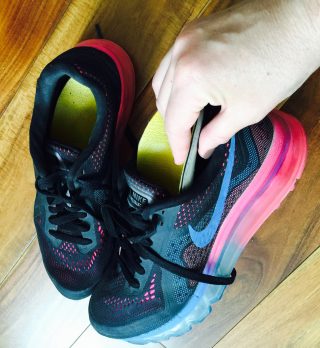
• Throw away any used foot files or pumice stones as they can also harbor the fungal spores and lead to a constant cycle of reinfection. Also throw away any old shoes that are fur or wool lined, or spongy foam lined, such as fur slippers or sports shoes. Leather shoes can be sprayed inside with the antifungal foot and shoe spray. (Check out our essential footcare package compiled by our Podiatrists containing all the essential items required for healthy feet).

• Try not to wear the same pair of enclosed shoes two days in a row, to allow them time to dry out between wears.

Get rid of your old trainers to stop fungal reinfection

Visit your Podiatrist to find out what are the best medications to use for your feet, and to have a callous removal treatment. You can also check out our advice on a healthy foot care regime – dry, cracked skin is more at risk of developing fungal infections, so keeping feet healthy and moisturized is not just a cosmetic concern.

The Podiatrist will also check your toenails to make sure there is no fungal toenail involvement also, which is common with fungal skin infections such as Athlete’s Foot.

Contact the UAE’s renowned foot and leg clinic, Dubai Podiatry Centre on +971 4 3435390 for an immediate appointment and treatment.

بقلم ميشيل شامبلين

بالنسبة للعدوى الجلدية الفطرية في قدميك، اتبع دليلنا للتخلص منها (وإيقاف إعادة العدوى). تعد الالتهابات الجلدية الفطرية مثل قدم الرياضي شائعة جدًا، خاصة في المناخات الجافة والدافئة مثل مناخنا في دبي. قد تبدو قدميك بيضاء اللون أو حمراء ومتقشرة أو مثيرة للحكة أو ذات رائحة كريهة عندما تكون مصابًا بعدوى جلدية فطرية على قدميك.

أولاً، قم بزيارة طبيب الأقدام لإزالة كل مسامير القدم حتى تنجح أي علاجات مضادة للفطريات. تتغذى الجراثيم الفطرية على الكيراتين الموجود في الجلد الميت، كما أنها تمنع الدواء الموضعي من التأثير على الجلد تحته.

يجب عليك بعد ذلك استخدام دواء موضعي مضاد للفطريات في كلا القدمين مثل اللامسيل.

ثم قم برش حذائك برذاذ مضاد للفطريات لتقليل الجراثيم الفطرية الموجودة في حذائك. يجب عليك أيضًا استخدام مسحوق مضاد للفطريات في جميع جواربك. إذا لم تعالج حذائك وجواربك، فسوف تصاب قدميك المعالجة بالعدوى مرة أخرى. أفضل طريقة للقيام بذلك هي وضع نصف ملعقة صغيرة من المسحوق المضاد للفطريات على كل جورب في درج الجوارب. بهذه الطريقة، يمكن للمسحوق المضاد للفطريات أن يعمل على الجوارب الموجودة في درجك ويخرج أيضًا من الجورب أثناء المشي ويدخل إلى حذائك، وبالتالي يعالج بشرتك وأحذيتك وجواربك دفعة واحدة.

سيتم وصف دواء مضاد للفطريات من قبل طبيب الأقدام الخاص بك. قد يكون قرصًا مضادًا للفطريات عن طريق الفم (مثل لاميسيل) أو مضادًا للفطريات موضعيًا يتم تطبيقه على الجلد. تتطلب مضادات الفطريات الفموية إجراء اختبار وظائف الكبد ومن المهم مراجعة طبيب الأقدام أو الطبيب العام للحصول على وصفة طبية.

تخلص من أي مبارد قدم مستعملة أو أحجار الخفاف لأنها يمكن أن تؤوي أبواغ الفطريات وتؤدي إلى دورة مستمرة من الإصابة مرة أخرى. تخلص أيضًا من أي أحذية قديمة مبطنة بالفراء أو الصوف، أو مبطنة بالإسفنج، مثل شباشب الفراء أو الأحذية الرياضية. يمكن رش الأحذية الجلدية من الداخل باستخدام رذاذ القدم والأحذية المضاد للفطريات. (راجع حزمة العناية بالقدم الأساسية التي جمعها أطباء الأقدام لدينا والتي تحتوي على جميع العناصر الأساسية اللازمة لأقدام صحية).

حاول ألا ترتدي نفس زوج الأحذية المغلقة لمدة يومين متتاليين، لإتاحة الوقت ليجف بين مرات الارتداء.

تخلص من حذائك الرياضي القديم لوقف عودة العدوى الفطرية

قم بزيارة طبيب الأقدام الخاص بك لمعرفة أفضل الأدوية التي يمكنك استخدامها لقدميك، ولعلاج إزالة مسامير القدم. يمكنك أيضًا الاطلاع على نصيحتنا بشأن نظام صحي للعناية بالقدم – الجلد الجاف والمتشقق أكثر عرضة لخطر الإصابة بالعدوى الفطرية، لذا فإن الحفاظ على صحة القدمين وترطيبها ليس مجرد مشكلة تجميلية.

سيقوم طبيب الأقدام أيضًا بفحص أظافر قدميك للتأكد من عدم وجود فطريات في أظافر القدم، وهو أمر شائع في الالتهابات الجلدية الفطرية مثل قدم الرياضي.

اتصل بعيادة القدم والساق المشهورة في الإمارات العربية المتحدة، مركز دبي لعلاج الأرجل على الرقم ٠٤٣٤٣٥٣٩٠  للحصول على موعد وعلاج فوري.


Written by Michelle Champlin BSc Pod., M.Ch.S., S.R., Ch., (UK)

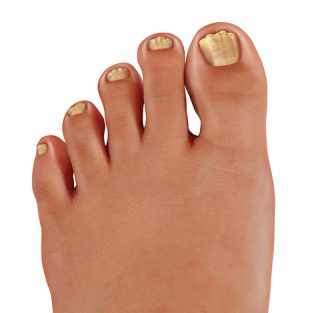
For fungal toenails there are a few treatment options – but which is the best for you? We asked Chief Podiatrist Michelle Champlin of Dubai Podiatry Centre to explain in simple terms the latest treatments – you can also find out more about the signs of fungal toenails.

• There is laser for flat fungal toenails that do not need any corrective treatment for the shape of the nail. This takes a few sessions at least.

• Another effective, fast and immediate treatment is total nail removal, useful if the nail is badly misshapen (including curved or painful ingrowing nails), or if the fungal infection is down into the nail root.

• An alternative option to treat some types of toenail infection is with an oral anti fungal (such as Lamisil tablets), although usually this needs to be taken for 6-9 months and will require an initial and ongoing liver function tests.

• Another way to treat minor superficial fungal nail infection is to use a topical antifungal nail lacquer, such as Curanail. This works nicely on superficial nail fungal infections that can be brought on by covering your toenails excessively with toenail polish or from wearing shoes and socks for a long time during the day, allowing moisture to build up on the top nail plate. This option requires longer term, usually weekly home application with follow up from your Podiatrist to ensure the treatment has resolved the infection fully.

Minimise nail polish use to avoid fungal toenail infections

Visit your Podiatrist to see if laser, total nail removal or medications (superficial or oral) would be the best option for your case. You should always see your Podiatrist if you notice any changes to your toenails, or if you suspect a fungal infection has taken hold. They will be able to check for fungal skin infections also, as this is common alongside fungal toenails. It is important to maintain moisturised, clean toenails as part of an overall toenail care and footcare routine, as dry, damaged or over-pedicured toenails are more at risk of fungal infections.

Contact the foot experts at Dubai Podiatry Centre today in order to get back to healthy toenails that you don’t need to hide.
Call: + 971  4 3435390
WhatsApp: + 971  50 355 3024
info@dubaipodiatry.com
To book online: Click here

بقلم ميشيل شامبلين

هناك عدد قليل من خيارات العلاج لأظافر القدم الفطرية، ولكن ما هو الأفضل بالنسبة لك؟ لقد طلبنا من ميشيل شامبلين، رئيسة أطباء الأقدام في مركز دبي لعلاج الأرجل أن تشرح بعبارات بسيطة أحدث العلاجات – ويمكنك أيضًا معرفة المزيد عن علامات فطريات أظافر القدم.

يوجد ليزر لأظافر القدم الفطرية المسطحة التي لا تحتاج إلى أي علاج تصحيحي لشكل الظفر. وهذا يستغرق بضع جلسات على الأقل.

هناك علاج آخر فعال وسريع وفوري وهو الإزالة الكاملة للأظافر، وهو مفيد إذا كان شكل الظفر مشوهًا بشدة (بما في ذلك الأظافر المنحنية أو المؤلمة)، أو إذا كانت العدوى الفطرية متغلغلة في جذر الظفر.

هناك خيار بديل لعلاج بعض أنواع عدوى أظافر القدم وهو استخدام مضاد للفطريات عن طريق الفم (مثل أقراص لاميسيل)، على الرغم من أنه عادة ما يجب تناوله لمدة 6-9 أشهر وسيتطلب اختبارات وظائف الكبد الأولية والمستمرة.

هناك طريقة أخرى لعلاج عدوى الأظافر الفطرية السطحية البسيطة وهي استخدام طلاء الأظافر الموضعي المضاد للفطريات، مثل Curanail. يعمل هذا بشكل جيد على الالتهابات الفطرية السطحية للأظافر التي يمكن أن تحدث عن طريق تغطية أظافر قدميك بشكل مفرط باستخدام طلاء أظافر القدم أو من ارتداء الأحذية والجوارب لفترة طويلة خلال اليوم، مما يسمح للرطوبة بالتراكم على صفيحة الظفر العلوية. يتطلب هذا الخيار تطبيقًا منزليًا على المدى الطويل وعادة ما يكون أسبوعيًا مع متابعة من طبيب الأقدام للتأكد من أن العلاج قد عالج العدوى بشكل كامل.

التقليل من استخدام طلاء الأظافر لتجنب الإصابة بالفطريات في أظافر القدم

قم بزيارة طبيب الأقدام لمعرفة ما إذا كان الليزر أو إزالة الأظافر بالكامل أو الأدوية (السطحية أو الفموية) هي الخيار الأفضل لحالتك. يجب عليك دائمًا مراجعة طبيب الأقدام الخاص بك إذا لاحظت أي تغييرات في أظافر قدميك، أو إذا كنت تشك في انتشار عدوى فطرية. سيكونون قادرين على التحقق من وجود عدوى جلدية فطرية أيضًا، لأن هذا أمر شائع بجانب أظافر القدم الفطرية. من المهم الحفاظ على أظافر رطبة ونظيفة كجزء من روتين العناية الشامل بأظافر القدمين، حيث أن أظافر القدم الجافة أو التالفة أو المفرطة في العناية بالأظافر تكون أكثر عرضة لخطر الإصابة بالعدوى الفطرية.

تواصل مع خبراء القدم في مركز دبي لعلاج الأرجل اليوم لتتمكن من العودة إلى أظافر صحية لا تحتاج إلى إخفائها.

اتصل ٠٤٣٤٣٥٣٩٠

واتساب: ٠٥٠٣٥٥٣٠٢٤

info@dubaipodiatry.com

للحجز عبر الإنترنت: اضغط هنا


Written by Michelle Champlin BSc Pod., M.Ch.S., S.R., Ch., (UK)
When Is The Best Time To Buy School Shoes?
Whilst you want to avoid the stress and limited shoe choice of a last minute shoe purchase, you don’t want to buy shoes so far in advance that your child has outgrown them before school even starts! Usually, it’s safe to start shoe shopping about now – up to four weeks before school goes back. This way you shouldn’t get caught out by a last minute growth spurt, and also have a wide variety and plenty of time to browse.

Opt for velcro or buckle straps for school shoes
When Do I Need to Buy Another Pair?
The average child’s foot grows about 8mm (a shoe size) per year. A pair of shoes should last for 4-5 months, so get your child’s feet measured again in the New Year. Get measured and shop again sooner if you notice a growth spurt sooner, or the shoes show wear and tear.
How Do I Know if The Shoe is The Right Size?
Shop at a store that has approved, trained shoe fitters. Clarks is one such store – it should be free and no pressure to purchase. Bear in mind that each brand uses different shoe ‘lasts’ or foot models to make their shoes and your child may be different sizes in different brands. Find shoes that have different width fittings – only a third of children have ‘standard’ shoe width feet. Remember to try the shoes on with the socks that your child will wear to school too, and not barefoot to ensure a good fit.
What Type Of Shoe Should You Buy?
Check out our guide to school shoes here. For younger kids who may struggle with tying laces, opt for Velcro fasteners, or buckles. Older kids can choose lace up styles, or mary jane style straps across the foot. It’s important that shoes are fastened securely to the foot to encourage active play and even for older children; a shoe held securely to the foot is preferable to slip on styles such as ballet pumps. Slip on styles can encourage biomechanical issues such as over-pronation (fallen arches) and toe clawing. They also don’t provide enough shock absorption in the sole. A slight heel of a couple of centimeters is also a good feature, a rubberized non-slip sole that is shock absorbing yet bendable at the toe. A stiff heel counter, plenty of room at the toe box so as not to squash the growing toes and forefoot. Natural material such as leather or breathable man made fabrics such as Gore-Tex to stop excessive sweat build up and possible fungal infections. A removable shoe liner too if your child wears orthotics (custom insoles) prescribed by your Podiatrist to correct issues such as over-pronation / flat feet.
Adults aim to take 10,000 steps a day to keep fit but kids can take 18,000 on the average school day. School shoes are much more than a fashion statement, as children’s feet do not stop forming and growing until they are around 18 years old. Wearing ill-fitting school shoes in childhood can cause permanent structural damage to the feet with life long consequences, and exacerbate biomechanical issues such as over-pronation. Children spend over 35 hours a week in these shoes, so they must be durable, high quality and well fitting.
Why Would My Child Need To See A Podiatrist?
It is vital that all children have their feet screened by a Podiatrist as routine, normally when they start school for the first time (age 5-6) and again as advised by the Podiatrist, just as they go for their first dental check up. Dubai Podiatry Centre, led by Chief Podiatrist Michelle Champlin, carries out a popular Foot Health Screening Program at the Schools in Dubai, but don’t worry if yours missed it – just contact us and pop into our clinic for a friendly and fun appointment before school starts back. Getting an early foot check reduces the chances of foot problems in later life, gives and opportunity to address any issues early and establishes an understanding of good foot health habits early.
You may not know if there is anything going on with your kid’s feet, until they start complaining of pain or are tripping a lot. The Podiatrist can check your child’s alignment, advise on footwear, as well as catch any early fungal or verruca skin infections commonly passed around.
For your recommended kid’s foot check up before the school term starts, contact Dubai Podiatry Centre on +971 4 3435390


العودة إلى المدرسة – الإجابة على أسئلتك المتعلقة بالأحذية المدرسية

بقلم ميشيل شامبلين

ما هو أفضل وقت لشراء الأحذية المدرسية؟

على الرغم من أنك ترغب في تجنب التوتر ومحدودية اختيار الأحذية عند شراء حذاء في اللحظة الأخيرة، إلا أنك لا ترغب في شراء الأحذية مقدمًا حتى أن طفلك قد تجاوزها حتى قبل أن يبدأ المدرسة! عادةً ما يكون من الآمن البدء في شراء الأحذية الآن – ما يصل إلى أربعة أسابيع قبل عودة المدرسة. بهذه الطريقة، لن تنزعج من طفرة النمو في اللحظة الأخيرة، وسيكون لديك أيضًا مجموعة واسعة ومتسع من الوقت للتصفح.

اختر أشرطة الفيلكرو أو الإبزيم للأحذية المدرسية

متى أحتاج إلى شراء زوج آخر؟

ينمو متوسط قدم الطفل حوالي ٨ ملم (حجم الحذاء) سنويًا. يجب أن يستمر زوج الأحذية لمدة ٤-٥ أشهر، لذا قم بقياس قدم طفلك مرة أخرى في العام الجديد. قم بالقياس والتسوق مرة أخرى عاجلاً إذا لاحظت طفرة في النمو عاجلاً، أو إذا ظهرت الأحذية على شكل تآكل.

كيف أعرف إذا كان الحذاء هو الحجم المناسب؟

تسوق في متجر معتمد ومدرب لتركيب الأحذية. كلاركس هو أحد هذه المتاجر – يجب أن يكون مجانيًا ولا يوجد أي ضغط للشراء. ضع في اعتبارك أن كل علامة تجارية تستخدم نماذج مختلفة من الأحذية أو نماذج القدم لصنع أحذيتها وقد يكون لطفلك أحجام مختلفة في ماركات مختلفة. ابحث عن أحذية ذات مقاسات عرض مختلفة – ثلث الأطفال فقط لديهم أقدام بعرض حذاء “قياسي”. تذكر أن تجرب الحذاء مع الجوارب التي سيرتديها طفلك في المدرسة أيضًا، وليس حافي القدمين لضمان ملاءمة جيدة.

ما نوع الحذاء الذي يجب أن تشتريه؟

تحقق من دليلنا للأحذية المدرسية هنا. بالنسبة للأطفال الأصغر سنًا الذين قد يواجهون صعوبة في ربط الأربطة، اختر مثبتات الفيلكرو أو الأبازيم. يمكن للأطفال الأكبر سنًا اختيار أنماط بأربطة أو أشرطة بنمط ماري جين على القدم. من المهم أن يتم تثبيت الأحذية بشكل آمن على القدم لتشجيع اللعب النشط وحتى للأطفال الأكبر سنًا؛ من الأفضل أن يتم تثبيت الحذاء بشكل آمن على القدم بدلاً من الانزلاق على أنماط مثل أحذية الباليه. يمكن أن تؤدي الأنماط سهلة الارتداء إلى تشجيع المشكلات الميكانيكية الحيوية مثل الإفراط في الكب (الأقواس الساقطة) ومخالب أصابع القدم. كما أنها لا توفر ما يكفي من امتصاص الصدمات في النعل. يعد الكعب الخفيف الذي يبلغ بضعة سنتيمترات أيضًا ميزة جيدة، وهو نعل مطاطي غير قابل للانزلاق يمتص الصدمات ولكنه قابل للانحناء عند إصبع القدم. كعب صلب، مساحة كبيرة في صندوق أصابع القدم حتى لا تسحق أصابع القدم ومقدمة القدم النامية. المواد الطبيعية مثل الجلد أو الأقمشة المصنوعة يدويًا مثل Gore-Tex لوقف تراكم العرق الزائد والالتهابات الفطرية المحتملة. بطانة حذاء قابلة للإزالة أيضًا إذا كان طفلك يرتدي أجهزة تقويم العظام (نعال داخلية مخصصة) يصفها طبيب الأقدام الخاص بك لتصحيح مشكلات مثل الإفراط في الكب / القدم المسطحة.

يهدف البالغون إلى اتخاذ ١٠٠٠٠ خطوة يوميًا للحفاظ على لياقتهم البدنية، ولكن يمكن للأطفال القيام بـ ١٨٠٠٠ خطوة في اليوم الدراسي العادي. الأحذية المدرسية هي أكثر من مجرد موضة، حيث أن أقدام الأطفال لا تتوقف عن التشكل والنمو حتى يبلغوا حوالي ١٨ عامًا. يمكن أن يؤدي ارتداء أحذية مدرسية غير مناسبة في مرحلة الطفولة إلى حدوث ضرر هيكلي دائم للقدمين مع عواقب مدى الحياة، كما يؤدي إلى تفاقم المشكلات الميكانيكية الحيوية مثل الإفراط في الكب. يقضي الأطفال أكثر من ٣٥ ساعة أسبوعيًا في ارتداء هذه الأحذية، لذا يجب أن تكون متينة وعالية الجودة وملائمة تمامًا.

لماذا يحتاج طفلي لرؤية طبيب الأقدام؟

من الضروري أن يتم فحص أقدام جميع الأطفال من قبل طبيب الأقدام بشكل روتيني، عادة عندما يبدأون المدرسة لأول مرة (من سن ٥ إلى ٦ سنوات) ومرة أخرى حسب نصيحة طبيب الأقدام، تمامًا كما يذهبون لإجراء فحص أسنانهم الأول. ينفذ مركز دبي لطب الأرجل، بقيادة كبير أطباء الأقدام ميشيل شامبلين، برنامجًا شائعًا لفحص صحة القدم في المدارس في دبي، ولكن لا تقلق إذا فاتتك هذه البرامج – ما عليك سوى الاتصال بنا والدخول إلى عيادتنا للحصول على موعد ودود وممتع قبل ذلك. تبدأ المدرسة مرة أخرى. إن إجراء فحص مبكر للقدم يقلل من فرص حدوث مشاكل في القدم في وقت لاحق من الحياة، ويمنح الفرصة لمعالجة أي مشاكل في وقت مبكر ويؤسس لفهم العادات الصحية الجيدة للقدم في وقت مبكر.

قد لا تعرفين ما إذا كان هناك أي شيء يحدث بقدمي طفلك، حتى يبدأ في الشكوى من الألم أو يتعثر كثيرًا. يمكن لطبيب الأقدام التحقق من استقامة طفلك، وتقديم المشورة بشأن الأحذية، بالإضافة إلى اكتشاف أي التهابات جلدية فطرية أو ثؤلولية مبكرة تنتشر عادة حوله.

لإجراء فحص قدم طفلك الموصى به قبل بدء الفصل الدراسي، اتصل بمركز دبي للعناية بالاقدام على الرقم ٠٤٣٤٣٥٣٩٠  


Written by Michelle Champlin BSc Pod., M.Ch.S., S.R., Ch., (UK)
At Dubai Podiatry Centre, our Podiatrists frequently see children with many different foot issues. This can range from skin infections such as verrucas and fungal infections to issues affecting their bones, tendons, muscles or ligaments such as hypermobility, flat feet, or Sever’s Disease. Ingrown toenails are particularly common amongst teenagers. Symptoms of foot ailments can be subtle, and young children may not know how to express their foot problem.
Sometimes it can be difficult to tell that your child has a foot or toenail problem. They might be shy, not aware that they have a problem or that it can be fixed. Foot issues in children must be addressed as priority, as their foot’s bones and structure are still developing, with untreated ailments potentially having life long impact.

A child becoming reluctant to take part in sports can be a sign of foot problems
Chief Podiatrist Michelle Champlin outlines five common signs that your child may have a foot or leg problem:
• You notice that your child seems ‘clumsy’ – tripping or falling a lot – this may be caused by in-toeing, neuromuscular or balance challenges.
• Your child tires easily and is reluctant to walk more than short distances. With biomechanical issues such as over-pronation or flat feet, the feet and legs have to work harder and are less efficient, thus muscles tire quickly. If your child is lagging behind in the playground or races, foot and leg fatigue may be the cause, related to a biomechanical issue.
• Your child complains of pain. No form of foot or leg pain is normal in a child. Pain that lasts beyond a few days should be investigated.
• Your child becomes reluctant to take part in PE, games or physical activity that they used to enjoy – particularly weight bearing games such as football, running or tennis. Conditions such as Sever’s Disease are prone to very active, sporty children aged between 8 and 14.
• Your child doesn’t want to show you their feet. We encourage children to get used to their parents inspecting their feet from a young age and developing good foot hygiene, care and footwear. Teenagers particularly can suffer from painful ingrowing toenails during their growth spurts and can sometimes try to self manage at home. Ingrowing toenails can be easily and permanently resolved – at Dubai Podiatry Centre we treat patients’ feet as gently as our own children’s and understand that coming to see the Podiatrist can be a nervous time for children.
If your child is exhibiting any of the above symptoms, or if you would like a routine foot health check as we advise all children from the age of 5/6 years old, make an appointment today on +971 4 3435390.


بقلم ميشيل شامبلين

في مركز دبي لعلاج الأقدام، كثيرًا ما يقوم أطباء الأقدام لدينا بفحص الأطفال الذين يعانون من العديد من مشاكل القدم المختلفة. يمكن أن يتراوح هذا من الالتهابات الجلدية مثل الثآليل والالتهابات الفطرية إلى المشكلات التي تؤثر على العظام أو الأوتار أو العضلات أو الأربطة مثل فرط الحركة أو الأقدام المسطحة أو مرض سيفر. أظافر القدم الناشبة شائعة بشكل خاص بين المراهقين. يمكن أن تكون أعراض أمراض القدم خفية، وقد لا يعرف الأطفال الصغار كيفية التعبير عن مشكلة قدمهم.

في بعض الأحيان قد يكون من الصعب معرفة أن طفلك يعاني من مشكلة في القدم أو أظافر القدم. قد يكونون خجولين، ولا يدركون أن لديهم مشكلة أو أنه يمكن حلها. يجب معالجة مشاكل القدم لدى الأطفال كأولوية، حيث أن عظام قدمهم وبنيتها لا تزال في طور النمو، ومن المحتمل أن يكون للأمراض غير المعالجة تأثيرًا مدى الحياة.

قد يكون تردد الطفل في ممارسة الرياضة علامة على وجود مشاكل في القدم

توضح رئيسة أطباء الأقدام ميشيل شامبلين خمس علامات شائعة تشير إلى أن طفلك قد يعاني من مشكلة في القدم أو الساق:

لاحظت أن طفلك يبدو “أخرقًا” – يتعثر أو يسقط كثيرًا – قد يكون سبب ذلك تحديات عصبية عضلية أو تحديات في التوازن.

يتعب طفلك بسهولة ويتردد في المشي لأكثر من مسافات قصيرة. مع المشكلات الميكانيكية الحيوية مثل الإفراط في الكب أو القدم المسطحة، يجب على القدمين والساقين العمل بجهد أكبر وتكون أقل كفاءة، وبالتالي تتعب العضلات بسرعة. إذا كان طفلك متخلفًا في الملعب أو السباقات، فقد يكون تعب القدم والساق هو السبب، وهو ما يتعلق بمشكلة ميكانيكية حيوية.

طفلك يشكو من الألم. لا يوجد أي شكل من أشكال الألم في القدم أو الساق أمر طبيعي عند الطفل. يجب التحقق من الألم الذي يستمر لأكثر من بضعة أيام.

يصبح طفلك متردداً في المشاركة في التربية البدنية أو الألعاب أو الأنشطة البدنية التي كان يستمتع بها – وخاصة ألعاب حمل الأثقال مثل كرة القدم أو الجري أو التنس. تكون الحالات مثل مرض سيفر عرضة للأطفال النشطين للغاية والرياضيين الذين تتراوح أعمارهم بين ٨ و١٤ عامًا.

لا يريد طفلك أن يظهر لك قدميه. نحن نشجع الأطفال على الاعتياد على قيام والديهم بفحص أقدامهم منذ الصغر وتطوير النظافة الجيدة للقدمين والعناية بها والأحذية. يمكن أن يعاني المراهقون على وجه الخصوص من ألم في أظافر القدمين أثناء طفرات نموهم ويمكنهم أحيانًا محاولة التحكم بأنفسهم في المنزل. يمكن حل مشكلة أظافر القدم الغارزة بسهولة وبشكل دائم – في مركز دبي لعلاج الأقدام، نتعامل مع أقدام المرضى بلطف مثل أقدام أطفالنا وندرك أن القدوم لرؤية طبيب الأقدام يمكن أن يكون وقتًا عصبيًا للأطفال.

إذا كان طفلك يعاني من أي من الأعراض المذكورة أعلاه، أو إذا كنت ترغب في إجراء فحص روتيني لصحة القدم كما ننصح جميع الأطفال من سن ٥/٦ سنوات

حدد موعدًا اليوم على الرقم ٠٤٣٤٣٥٣٩٠


Copyright Dubai Podiatry 2026. All rights reserved.

WhatsApp us