fbpx

Please wait...


BLOG

No more posts

Written by Michelle Champlin BSc Pod., M.Ch.S., S.R., Ch., (UK)
Infection can be caused by viruses, bacteria or fungus. In our foot clinic, the most common fungal infections seen is Athlete’s foot, an infection of the skin caused by a fungus (your feet can be home to over 100 types of funghi!). Plantar warts (verrucas) are caused by a viral infection of the skin. There are numerous types of bacterial infections – there are over ¼ million bacteria identified by microbiologists so far, of which about 400 can cause infection in humans. Infection generally requires a break in the skin from even a microscopic break in the skin from a cut, abrasion, puncture wound or ulcer. The most common infection is caused two bacteria, Staphylococcus and Streptococcus. Both of these infections cause tissue damage of various degrees. It is not uncommon to see a wound infected with various strains of different bacteria.
Infection that occurs in the skin is called Cellulitis. Deep infections that develop puss pockets are called abscesses, like those in dentistry. The most common bacteria that causes Cellulitis is Streptococcus. These infections can become very serious and even life threatening.
Cellulitis symptoms include:
• spreading redness in the area
• increase in the temperature of the skin
• fever and chills.
People who suffer from circulatory issues or chronic swelling in the legs (edema), are more at risk of developing these infections. Cellulitis is also known to be linked with athlete foot fungal conditions. The athlete’s foot causes tiny breaks in the skin, or even larger ‘fissures’ typically on the heel or between the toes, which can become infected by the Streptococcus bacteria. Bacteria that lives harmlessly on the surface of our skin can then cause infection by finding its way into our bodies and bloodstream through these tiny cuts.
Soft corns, particularly between the toes, can also become infected and cause cellulitis and or an abscess. Puncture wounds, such as from animal bites, sea urchin wounds or standing on broken glass or nails, are very likely to become infected. This can result in a very dangerous deep abscess that can also infect the bone (called osteomyelitis).

Your GP will prescribe antibiotics to fight the bacteria causing cellulitis
A Doctor or Podiatrist should evaluate all deep puncture wounds as soon as possible. Simply cleaning the outside of the puncture wound is not enough to prevent infection as the bacteria may have been driven deep into the wound. Oral antibiotics are usually prescribed after thoroughly cleansing and dressing the wound, and the wound closely monitored. If there is any sign of infection, surgical cleaning of the wound is required.
People with diabetes are at particular risk of infection. Diabetics spend more time in the hospital for foot infections than for any other reason. Corns and callouses on the feet of people with diabetes can break down and allow bacterial invasion of the tissue. In people with long standing open ulceration the underlying bone can become infected. Bone infections generally require surgery to remove the infected bone. These infections are very difficult to cure with oral or intra-venous antibiotics without also removing the infected bone. The presence of bone infection can be diagnosed with special tests such as bone scans, CT scans and MRI’s, in conjunction with the Doctor’s assessment.
Whether Diabetic or not, this is why it is important to follow a regular foot care regime to keep your feet free of corns, to keep callous (hard skin) at a minimum and to moisturise daily with a specialist foot cream. This keeps skin healthy and free from cracks and less likely to allow bacteria, viruses or fungus to enter.
Conditions such as gout can also lead to similar symptoms of redness and swelling, so it is important to see your Podiatrist or GP very early to obtain the correct diagnosis and treatment. Cellulitis requires urgent medical attention without delay.
If you are worried about any pain, redness or swelling on your feet or legs, particularly after a trauma, contact Dubai Podiatry Centre immediately on +971 4 343590.


بقلم ميشيل شامبلين

يمكن أن تحدث العدوى بسبب الفيروسات أو البكتيريا أو الفطريات. في عيادتنا للقدم، أكثر الالتهابات الفطرية شيوعًا هي قدم الرياضي، وهي عدوى جلدية تسببها الفطريات (يمكن أن تكون قدمك موطنًا لأكثر من 100 نوع من الفطريات!). الثآليل الأخمصية (verrucas) تنتج عن عدوى فيروسية في الجلد. هناك أنواع عديدة من الالتهابات البكتيرية – هناك أكثر من ربع مليون بكتيريا حددها علماء الأحياء الدقيقة حتى الآن، منها حوالي ٤٠٠ يمكن أن تسبب العدوى لدى البشر. تتطلب العدوى عمومًا حدوث كسر في الجلد حتى لو كان ذلك نتيجة لكسر مجهري في الجلد نتيجة لقطع أو تآكل أو جرح أو قرحة. العدوى الأكثر شيوعًا تسببها نوعان من البكتيريا، المكورات العنقودية والمكورات العقدية. كل من هذه العدوى تسبب تلف الأنسجة بدرجات مختلفة. ليس من غير المألوف رؤية جرح مصاب بسلالات مختلفة من البكتيريا المختلفة.

تسمى العدوى التي تحدث في الجلد بالتهاب النسيج الخلوي. تسمى الالتهابات العميقة التي تؤدي إلى ظهور جيوب قيحية بالخراجات، مثل تلك الموجودة في طب الأسنان. البكتيريا الأكثر شيوعًا التي تسبب التهاب النسيج الخلوي هي المكورات العقدية. يمكن أن تصبح هذه العدوى خطيرة للغاية وحتى مهددة للحياة.

تشمل أعراض التهاب النسيج الخلوي ما يلي:

انتشار الاحمرار في المنطقة

زيادة في درجة حرارة الجلد

الحمى والقشعريرة

الأشخاص الذين يعانون من مشاكل في الدورة الدموية أو تورم مزمن في الساقين (الوذمة)، هم أكثر عرضة للإصابة بهذه العدوى. ومن المعروف أيضًا أن التهاب النسيج الخلوي يرتبط بالحالات الفطرية للقدم الرياضي. تسبب قدم الرياضي شقوقًا صغيرة في الجلد، أو حتى “شقوقًا” أكبر عادةً على الكعب أو بين أصابع القدم، والتي يمكن أن تصاب بالعدوى بالبكتيريا العقدية. يمكن للبكتيريا التي تعيش على سطح بشرتنا بشكل غير ضار أن تسبب العدوى عن طريق إيجاد طريقها إلى أجسامنا ومجرى الدم من خلال هذه الجروح الصغيرة.

يمكن أيضًا أن تصاب مسامير القدم الناعمة، خاصة بين أصابع القدم، بالعدوى وتسبب التهاب النسيج الخلوي أو الخراج. من المحتمل جدًا أن تصاب بالعدوى الجروح الوخزية، مثل عضات الحيوانات أو جروح قنفذ البحر أو الوقوف على الزجاج المكسور أو الأظافر. يمكن أن يؤدي ذلك إلى خراج عميق خطير جدًا يمكن أن يصيب العظام أيضًا (يُسمى التهاب العظم والنقي).

سيصف طبيبك المضادات الحيوية لمحاربة البكتيريا المسببة لالتهاب النسيج الخلوي

يجب على الطبيب أو طبيب الأقدام تقييم جميع الجروح العميقة في أسرع وقت ممكن. إن مجرد تنظيف الجزء الخارجي من الجرح لا يكفي لمنع العدوى لأن البكتيريا ربما تكون قد تعمقت في الجرح. عادة ما يتم وصف المضادات الحيوية عن طريق الفم بعد تنظيف الجرح وتضميده جيدًا، ومراقبة الجرح عن كثب. إذا كان هناك أي علامة على العدوى، مطلوب التنظيف الجراحي للجرح.

الأشخاص المصابون بداء السكري معرضون بشكل خاص لخطر الإصابة. يقضي مرضى السكري وقتًا أطول في المستشفى بسبب التهابات القدم أكثر من أي سبب آخر. يمكن أن تتحلل مسامير القدم والثفن الموجودة على أقدام مرضى السكري وتسمح بغزو البكتيريا للأنسجة. في الأشخاص الذين يعانون من تقرح مفتوح طويل الأمد، يمكن أن يصاب العظم الأساسي بالعدوى. تتطلب التهابات العظام عمومًا إجراء عملية جراحية لإزالة العظام المصابة. يصعب علاج هذه العدوى بالمضادات الحيوية عن طريق الفم أو عن طريق الوريد دون إزالة العظم المصاب أيضًا. يمكن تشخيص وجود التهاب في العظام من خلال اختبارات خاصة مثل فحص العظام، والأشعة المقطعية، والرنين المغناطيسي، بالتزامن مع تقييم الطبيب.

سواء كنت مصابًا بداء السكري أم لا، لهذا السبب من المهم اتباع نظام منتظم للعناية بالقدمين للحفاظ على قدميك خاليتين من مسامير القدم، وللحفاظ على الجلد القاسي (الجلد الصلب) عند الحد الأدنى وترطيبهما يوميًا باستخدام كريم متخصص للقدم. وهذا يحافظ على صحة البشرة وخالية من التشققات ويقل احتمال السماح للبكتيريا أو الفيروسات أو الفطريات بالدخول.

يمكن أن تؤدي حالات مثل النقرس أيضًا إلى أعراض مشابهة من الاحمرار والتورم، لذلك من المهم رؤية طبيب الأقدام أو الطبيب العام في وقت مبكر جدًا للحصول على التشخيص والعلاج الصحيح. يتطلب التهاب النسيج الخلوي عناية طبية عاجلة دون تأخير.

إذا كنت قلقًا بشأن أي ألم أو احمرار أو تورم في قدميك أو ساقيك، خاصة بعد التعرض لصدمة، فاتصل بمركز دبي لعلاج الأقدام على الفور على الرقم ٠٤٣٤٣٥٣٩٠.


Written by Michelle Champlin BSc Pod., M.Ch.S., S.R., Ch., (UK)
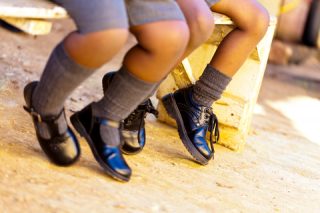
Flat feet is where the long arch on the inside of the foot is lowered or completely collapsed. Flat feet can develop in adulthood due to issues such as over-pronation, or be congenital – inherited and present since birth (pes planus). It is very important that children with flat feet are evaluated by a Podiatrist to determine if they need treatment to prevent future pain or deformity in their feet. This is one of the reasons why Dubai Podiatry Centre runs school health checks for children aged 5-6 years.
When babies start to toddle at circa 9-15 months of age, the foot has a naturally chubby appearance as the bones and structures of the feet are still forming – this is perfectly normal. You can find out more about children’s foot development here.

Arches in children’s feet usually develop by age 5
However, if the child still appears to have ‘flat feet’ with little or no noticeable arch at the age of about 5 years old, then it is wise to have the foot examined by a Podiatrist, advises Chief Podiatrist Michelle Champlin. Here are 5 signs to look out for in children that might signal a foot issue.
Mrs Champlin explains that “The reason that it is important to check children’s feet at this age is because their little feet are still largely made of cartilage, with less bone than would be present in the adult foot. Since cartilage is relatively pliable, the abnormal forces caused by a flatfoot deformity may cause permanent structural alterations to the bones and joints of the foot that will continue and worsen into adulthood. This is the age where intervention, through the use of say orthotics in their school shoes, can prevent problems or pain in later life.”
Symptoms
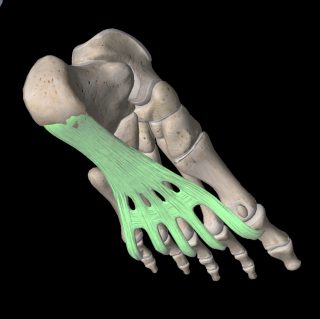
Flat feet in children causes a number of changes to the structure of the foot which the Podiatrist will look for in a lower limb biomechanical assessment. Flat feet causes a number of musculoskeletal changes: the inside arch will be flattened, causing the heel bone (calcaneum) to be turned outward, and the inside of the foot to appear more bowed outward than normal, almost ‘banana’ shaped.
Most cases of paediatric flat feet are associated with excessive flexibility in the joints of the foot which is commonly caused by ligamentous laxity – which Podiatrists call hypermobility.
Since flat feet cause instability in the feet whilst walking, running or jumping, children with flat feet may have complaints in the foot such as arch, heel or ankle pain which is generally associated with increased standing, walking or running activities. The child may complain of feeling tired when walking round the mall for example, or not want to take part in sports and physical activities. They may also trip more than usual.
Collapsed long arches in children leads to excessive rolling in of the arches of the foot, which also make the leg and knee turn inwards – children with flatfeet may also complain of pain in their lower back, hip, knee, or leg due to the misalignment of the foot and ankle.
Treatment
The good news is that flat feet in children (and adults) can be treated, usually with a slimline custom corrective orthotic that fits easily and discretely into their school and sports shoes.
To have your children’s feet checked, contact the friendly Podiatrists at Dubai Podiatry Centre on +971 4 3435390.


بقلم ميشيل شامبلين

القدم المسطحة هي المكان الذي ينخفض فيه القوس الطويل الموجود داخل القدم أو ينهار تمامًا. يمكن أن تتطور الأقدام المسطحة في مرحلة البلوغ بسبب مشاكل مثل الإفراط في الكب، أو أن تكون خلقية – موروثة وموجودة منذ الولادة (pes Planus). من المهم جدًا أن يتم تقييم الأطفال الذين يعانون من أقدام مسطحة من قبل طبيب الأقدام لتحديد ما إذا كانوا بحاجة إلى علاج لمنع الألم أو التشوه في أقدامهم في المستقبل. وهذا هو أحد الأسباب التي تدفع مركز دبي لعلاج الأرجل إلى إجراء فحوصات صحية مدرسية للأطفال الذين تتراوح أعمارهم بين ٥ و٦ سنوات.

عندما يبدأ الأطفال في الرضاعة في عمر ٩ إلى ١٥ شهرًا تقريبًا، يكون للقدم مظهر سمين بشكل طبيعي حيث لا تزال عظام وهياكل القدم في طور التكوين – وهذا أمر طبيعي تمامًا. يمكنك معرفة المزيد عن تطور قدم الأطفال هنا.

عادة ما تتطور الأقواس في أقدام الأطفال في سن الخامسة

ومع ذلك، إذا كان الطفل لا يزال يبدو وكأنه “أقدام مسطحة” مع القليل من القوس الملحوظ أو لا يوجد أي قوس ملحوظ عند عمر 5 سنوات تقريبًا، فمن الحكمة أن يتم فحص القدم من قبل طبيب الأقدام، كما تنصح رئيسة أطباء الأقدام ميشيل شامبلين. فيما يلي ٥ علامات يجب الانتباه إليها عند الأطفال والتي قد تشير إلى وجود مشكلة في القدم.

تشرح السيدة شامبلن أن “السبب وراء أهمية فحص أقدام الأطفال في هذا العمر هو أن أقدامهم الصغيرة لا تزال تتكون إلى حد كبير من الغضروف، مع كمية عظام أقل من تلك الموجودة في قدم البالغين. نظرًا لأن الغضروف مرن نسبيًا، فإن القوى غير الطبيعية الناتجة عن تشوه القدم المسطحة قد تسبب تغيرات هيكلية دائمة في عظام ومفاصل القدم والتي ستستمر وتتفاقم حتى مرحلة البلوغ. هذا هو العصر الذي يمكن فيه للتدخل، من خلال استخدام أجهزة تقويم العظام في أحذيتهم المدرسية، أن يمنع حدوث مشاكل أو ألم في وقت لاحق من الحياة.

أعراض

تسبب الأقدام المسطحة عند الأطفال عددًا من التغييرات في بنية القدم والتي سيبحث عنها طبيب الأقدام في التقييم الميكانيكي الحيوي للطرف السفلي. تسبب القدم المسطحة عددًا من التغيرات العضلية الهيكلية: يصبح القوس الداخلي مسطحًا، مما يتسبب في انحراف عظم الكعب (العقبي) إلى الخارج، ويظهر الجزء الداخلي من القدم أكثر انحناءًا إلى الخارج من الطبيعي، على شكل موزة تقريبًا.

ترتبط معظم حالات الأقدام المسطحة لدى الأطفال بالمرونة المفرطة في مفاصل القدم والتي تنتج عادةً عن تراخي الأربطة – وهو ما يطلق عليه أطباء الأقدام فرط الحركة.

نظرًا لأن القدم المسطحة تسبب عدم استقرار في القدم أثناء المشي أو الجري أو القفز، فقد يعاني الأطفال الذين يعانون من أقدام مسطحة من شكاوى في القدم مثل ألم القوس أو الكعب أو الكاحل الذي يرتبط عمومًا بزيادة أنشطة الوقوف أو المشي أو الجري. قد يشكو الطفل من الشعور بالتعب عند التجول في المركز التجاري على سبيل المثال، أو عدم الرغبة في المشاركة في الأنشطة الرياضية والبدنية. وقد يتعثرون أيضًا أكثر من المعتاد.

يؤدي انهيار الأقواس الطويلة عند الأطفال إلى التدحرج المفرط لأقواس القدم، مما يؤدي أيضًا إلى دوران الساق والركبة إلى الداخل – وقد يشتكي الأطفال الذين يعانون من الأقدام المسطحة أيضًا من ألم في أسفل الظهر أو الورك أو الركبة أو الساق بسبب اختلال المحاذاة. من القدم والكاحل.

علاج

والخبر السار هو أنه يمكن علاج الأقدام المسطحة لدى الأطفال (والكبار)، عادةً باستخدام جهاز تقويمي تصحيحي رفيع مخصص يتناسب بسهولة وبشكل منفصل مع أحذيتهم المدرسية والرياضية.

لفحص أقدام أطفالك، اتصل بأطباء الأقدام الودودين في مركز دبي لعلاج الأقدام على الرقم ٠٤٣٤٣٥٣٩٠


Written by Michelle Champlin BSc Pod., M.Ch.S., S.R., Ch., (UK)

Overlapping toes is a condition that can be present from birth (congenital) or more commonly, develop later on in life. The condition may affect the patient by being nothing more than unsightly and an inconvenience when selecting shoes, or in some cases cause extreme pain and discomfort when in shoes. Overlapping toes most commonly affect the big toe overlapping with the 2nd toe, or sometimes the little toe (5th) overlapping with the 4th.

Causes are varied – when the big toe is affected it can be linked to hallux valgus (bunion) which as it becomes worse causes the big toe to drift towards the 2nd toe. It can also be genetic.

Overlapping toes can be present from birth (congenital) or develop later in life


Treatment in Children

Effective conservative treatment depends upon how early the diagnosis is made. In young children, passive stretching and adhesive taping is most commonly used. This may require 6 to 12 weeks to accomplish, but reoccurrence is not uncommon. Chief Podiatrist Michelle Champlin urges all parents to bring their children to a Podiatrist for a foot check, to pick up issues such as overlapping toes or flat feet, as correction is generally much easier whilst the foot is still developing.


Treatment in Adults

Conservative treatment (non-surgical treatment) of overlapping toes starts with accommodating the overlapping toes. Shoes with a high, broad toe box are recommended and the Podiatrist will be able to advise in detail, with suggestions of brands that may be best for your individual foot shape. Forefoot supports such as gel toe straighteners and gel toe caps are often recommended to keep overlapping toes apart and prevent friction within footwear that can cause bursas or corns.

If the overlapping is linked with an underlying cause such as bunions, the Podiatrist can assess and advise corrective devices: slimline, discrete custom orthotics.

Rarely will the overlapping correct itself. As the individual matures the misalignment can become fixed. Sometimes, surgical correction by an orthopaedic surgeon specializing in feet may be suggested if the malalignment is fixed or severe, involving a skin plasty to release the contracture of the skin, a tendon release and a release of the soft tissues about the joint at the base of the affected toe may be required. In some cases the toe may require the placement of a pin to hold the toe in a straighten position. The pin, which exits the tip of the toe, may be left in place for up to three weeks. As with most foot surgery, there will be a period afterwards of immobility to maintain the surgeon’s work – with an aircast, splinting and possibly a post-operative orthotic to be worn within footwear.

For any toe, foot, ankle or leg issue contact the expert Podiatrists at Dubai Podiatry Centre Call: +971 4 3435390| WhatsApp: +971 50 3553024 | Book Online (click here)

بقلم ميشيل شامبلين

تداخل أصابع القدم هو حالة يمكن أن تكون موجودة منذ الولادة (خلقية) أو الأكثر شيوعًا أنها تتطور لاحقًا في الحياة. قد تؤثر الحالة على المريض من خلال كونها مجرد مظهر قبيح وإزعاج عند اختيار الأحذية، أو في بعض الحالات تسبب ألمًا شديدًا وعدم راحة عند ارتداء الأحذية. تؤثر أصابع القدم المتداخلة بشكل شائع على تداخل إصبع القدم الكبير مع إصبع القدم الثاني، أو في بعض الأحيان تداخل إصبع القدم الصغير (الخامس) مع الإصبع الرابع.

تتنوع الأسباب – عندما يتأثر إصبع القدم الكبير، يمكن أن يكون مرتبطًا بإبهام القدم الأروح (الوكعة) والذي عندما يصبح أسوأ يؤدي إلى انجراف إصبع القدم الكبير نحو إصبع القدم الثاني. ويمكن أيضا أن تكون وراثية.

يمكن أن تكون أصابع القدم المتداخلة موجودة منذ الولادة (خلقية) أو تتطور لاحقًا في الحياة

العلاج عند الأطفال

يعتمد العلاج المحافظ الفعال على مدى التشخيص المبكر. عند الأطفال الصغار، يتم استخدام التمدد السلبي والشريط اللاصق بشكل شائع. قد يتطلب ذلك من 6 إلى 12 أسبوعًا لإنجازه، ولكن تكرار ذلك ليس أمرًا غير شائع. تحث رئيسة أطباء الأقدام ميشيل شامبلين جميع الآباء على إحضار أطفالهم إلى أخصائي أمراض الأقدام لفحص القدم، لاكتشاف مشكلات مثل تداخل أصابع القدم أو القدم المسطحة، حيث يكون التصحيح أسهل بكثير بشكل عام بينما لا تزال القدم في طور النمو

العلاج عند البالغين

يبدأ العلاج المحافظ (العلاج غير الجراحي) لتداخل أصابع القدم باستيعاب أصابع القدم المتداخلة. يوصى بارتداء أحذية ذات مقدمة مرتفعة وعريضة، وسيتمكن طبيب الأقدام من تقديم المشورة بالتفصيل، مع اقتراحات للعلامات التجارية التي قد تكون الأفضل لشكل قدمك الفردي. غالبًا ما يُنصح باستخدام دعامات مقدمة القدم مثل أدوات فرد أصابع القدم الهلامية وأغطية أصابع القدم الهلامية للحفاظ على تداخل أصابع القدم بعيدًا ومنع الاحتكاك داخل الأحذية الذي يمكن أن يسبب الجراب أو مسامير القدم.

إذا كان التداخل مرتبطًا لسبب كامن مثل الأورام، فيمكن لطبيب الأقدام تقييم الأجهزة التصحيحية وتقديم المشورة لها: أجهزة تقويم العظام المخصصة الرفيعة والمنفصلة.

نادرًا ما يقوم التداخل بتصحيح نفسه. عندما ينضج الفرد، يمكن أن يصبح الاختلال ثابتًا. في بعض الأحيان، قد يتم اقتراح التصحيح الجراحي بواسطة جراح عظام متخصص في القدمين إذا كان سوء الاستقامة ثابتًا أو شديدًا، بما في ذلك رأب الجلد لتحرير تقلص الجلد، وإطلاق الوتر، وإطلاق الأنسجة الرخوة حول المفصل في القاعدة. قد تكون هناك حاجة لإصبع القدم المتضررة. في بعض الحالات، قد يتطلب إصبع القدم وضع دبوس لتثبيت إصبع القدم في وضع مستقيم. يمكن ترك الدبوس الذي يخرج من طرف إصبع القدم في مكانه لمدة تصل إلى ثلاثة أسابيع. كما هو الحال مع معظم جراحات القدم، ستكون هناك فترة بعد ذلك من عدم القدرة على الحركة للحفاظ على عمل الجراح – مع استخدام جبيرة هوائية، وربما استخدام جهاز تقويم العظام بعد العملية الجراحية داخل الأحذية.

في حالة وجود أي مشكلة في أصابع القدم أو القدم أو الكاحل أو الساق، اتصل بأخصائيي الأقدام الخبراء في مركز دبي لعلاج الأرجل اتصل على:043435390 | واتساب: 0503553024  |


Written by Michelle Champlin BSc Pod., M.Ch.S., S.R., Ch., (UK)
Underlapping toes are commonly seen in both adults and children. The toes most often involved are the fourth and fifth toes. A special form of underlapping toes is called ‘clinodactyly’ or congenital curly toes. Clinodactyly is fairly common and is inherited. One or more toes can be involved and toes three, four, and five of both feet are most commonly affected. For more information on overlapping toes, read more here.
The cause of the condition is not proven. One possible cause is an imbalance in muscle strength of the small muscles of the foot. This is aggravated by a subtle abnormality in the orientation on the joints in the foot just below the important ankle joint called the subtalar joint. This results in an abnormal pull on the ligaments in the toes causing them to curl. Then with weight bearing the malalignment is increased and a folding or curling of the toes results in the formation of callous on the outside margin of the end of the toe. Tight fitting shoes can aggravate the condition, causing blisters, bursas or corns on any areas that rub.
Treatment
The age of the patient, how underlapped the toes are and symptoms determine course of treatment. When intervention is suggested, the degree of underlapping determines the level of correction. When the condition is flexible a simple release of the tendon in the bottom of the toe will allow for straightening of the toe. If it is is rigid in nature then removal of a small portion of the bone in the toe may be necessary. Both of these procedures are common in adult patients for the correction of hammertoe deformity. If skin contracture is present a skin plasty may also be required.
The toes can also be protected from in-shoe friction by using gel lined protective toe caps or sleeves.
Toe alignment issues, especially linked to underlying foot conditions such as pes cavus (high arches) or bunions may also be addressed with the use of in-shoe custom orthotics.
For toe or foot malalignments, it is best to seek assessment early from a Podiatrist. Chief Podiatrist Michelle Champlin advises all children starting school to have their feet checked at about age 5, whilst the bones are still forming and any treatment can best take effect.
If you are concerned about your own or your children’s feet, contact Dubai Podiatry Centre on +971 4 3435390.


بقلم ميشيل شامبلين

تظهر أصابع القدم السفلية بشكل شائع عند البالغين والأطفال. أصابع القدم الأكثر إصابة هي أصابع القدم الرابعة والخامسة. يُطلق على شكل خاص من أصابع القدم المتداخلة اسم “أصابع القدم المتعرجة” أو أصابع القدم المتعرجة الخلقية. يعتبر مرض الإكلينوداكتيل شائعًا إلى حد ما وهو موروث. يمكن أن يصاب إصبع واحد أو أكثر من أصابع القدم، وتكون أصابع القدم الثلاثة والأربعة والخمسة هي الأكثر شيوعًا. لمزيد من المعلومات حول تداخل أصابع القدم، اقرأ المزيد هنا.

لم يتم إثبات سبب هذه الحالة. أحد الأسباب المحتملة هو خلل في قوة العضلات في العضلات الصغيرة للقدم. ويتفاقم هذا بسبب وجود خلل طفيف في الاتجاه على المفاصل في القدم أسفل مفصل الكاحل المهم الذي يسمى المفصل تحت الكاحل. وينتج عن هذا سحب غير طبيعي على أربطة أصابع القدم مما يؤدي إلى تجعدها. ثم مع تحمل الوزن يزداد سوء المحاذاة ويؤدي طي أو تجعيد أصابع القدم إلى تكوين قاسية على الحافة الخارجية لنهاية إصبع القدم. يمكن أن تؤدي الأحذية الضيقة إلى تفاقم الحالة، مما يسبب ظهور بثور أو أكياس أو مسامير في أي منطقة تحتك.

العلاج: عمر المريض، ومدى تداخل أصابع القدم، والأعراض هي التي تحدد مسار العلاج. عندما يقترح التدخل، فإن درجة التداخل تحدد مستوى التصحيح. عندما تكون الحالة مرنة، فإن التحرير البسيط للوتر الموجود في الجزء السفلي من إصبع القدم سيسمح بتقويم إصبع القدم. إذا كانت صلبة بطبيعتها، فقد يكون من الضروري إزالة جزء صغير من العظم الموجود في إصبع القدم. كلا الإجراءين شائعان لدى المرضى البالغين لتصحيح تشوه إصبع القدم المطرقية. في حالة وجود تقلص الجلد، قد تكون هناك حاجة أيضًا إلى رأب الجلد.

يمكن أيضًا حماية أصابع القدم من الاحتكاك داخل الحذاء باستخدام أغطية أو أكمام واقية لأصابع القدم مبطنة بالجيل.

يمكن أيضًا معالجة مشكلات محاذاة إصبع القدم، وخاصة المرتبطة بحالات القدم الأساسية مثل pes cavus (الأقواس العالية) أو الأورام باستخدام أجهزة تقويم العظام المخصصة داخل الحذاء.

بالنسبة لتشوهات أصابع القدم أو القدم، فمن الأفضل طلب التقييم مبكرًا من طبيب الأقدام. تنصح رئيسة أطباء الأقدام ميشيل شامبلين جميع الأطفال الذين يبدأون المدرسة بفحص أقدامهم عند سن الخامسة تقريبًا، بينما لا تزال العظام في طور التشكل وأي علاج يمكن أن يكون له تأثير أفضل.

إذا كنت قلقًا بشأن قدمك أو قدم أطفالك، اتصل بمركز دبي لعلاج الأرجل على الرقم ٠٤٣٤٣٥٣٩٠


Insoles

Written by Michelle Champlin BSc Pod., M.Ch.S., S.R., Ch., (UK)
Many people require custom orthotics for a range of reasons:
• foot and leg issues (fallen arches, high arches, aching, tired feet, heel pain, pain in the ball of the foot, corns, calluses, overpronation, bunions)
• Sports injuries (Achilles tendon pain, shin splints, knee pain, hip or back pain)
• Musculoskeletal problems (back pain, myalgia, fibrositis, arthritis)
• Diabetes, e.g. prevention of foot ulcers by offloading high pressure areas

From boaters to firemen, lots of patients need water resistant custom orthotics
Lots of these biomechanics patients that we treat further require ‘waterproof’ custom orthotics due to either their recreational pursuits or type of work they do. Anyone from kayakers, yacht/motorboat sailors, firemen or PE teachers can spend many hours in wet environments. Thus, many of these patients’ feet are exposed to high levels of moisture – and others just perspire a lot (especially in our hot climate) in their work or school shoes throughout the day. Exposure to moisture and perspiration can cause materials such as leather or foam, commonly used to make some insoles, to crack and degrade quickly.
At Dubai Podiatry Centre, our Podiatrists hand make all of our patients fully custom orthotics from a mold of the patients’ feet in our in-clinic orthotics laboratory. For orthotics requiring water resistance, we tend to mill the orthotics from a high medical grade PPP resin. This device is completely waterproof and dries off in seconds. For a cover / cushioning, neoprene type medical grade material is used, in a variety of milimetre thicknesses depending on prescription. This material is antibacterial and antifungal. Sometimes, a special shock absorbing medical material called poron can also be integrated. Even with extremely heavy use, the ‘shell’ of the orthotic will stay the same and the orthotic covering can just be refurbished as and when required. Because our fully equipped lab is in-clinic and we don’t send away to factories for generic manufacture, we can normally carry out adjustments or refurbishments on the same day or whilst you wait!
To keep your orthotics as fresh as the day you got them from us, we recommend wiping them down with a little antibacterial / antifungal essential oil such as lavender oil, tea tree oil or Japanese Peppermint.
For thorough investigation of any foot or leg issue and expert orthotic therapy, contact Dubai Podiatry Centre on +971 4 3435390. Based on Sheikh Zayed Road, Dubai for over 15 years, the clinic is led by Chief Podiatrist Michelle Champlin. Conveniently located opposite the DIFC district, the Podiatrists are UK university trained and qualified and extensively experienced in both NHS and private clinic practice.


بقلم ميشيل شامبلين

يحتاج العديد من الأشخاص إلى أجهزة تقويم العظام المخصصة لمجموعة من الأسباب:

مشاكل في القدم والساق (سقوط الأقواس، والأقواس المرتفعة، والألم، والقدم المتعبة، وألم الكعب، وألم في مشط القدم، والذرة، والدُشبذات، والكَبّ الزائد، والأورام)

الإصابات الرياضية (ألم في وتر العرقوب، وشظايا قصبة الساق، وألم في الركبة، وألم في الورك أو الظهر)

مشاكل العضلات والعظام (آلام الظهر، وألم عضلي، والتهاب الليفي، والتهاب المفاصل)

مرض السكري، على سبيل المثال. الوقاية من تقرحات القدم عن طريق تفريغ مناطق الضغط المرتفع

من رواد القوارب إلى رجال الإطفاء، يحتاج الكثير من المرضى إلى أجهزة تقويم العظام المخصصة المقاومة للماء

يحتاج الكثير من مرضى الميكانيكا الحيوية الذين نعالجهم أيضًا إلى أجهزة تقويم العظام المخصصة “المقاومة للماء” إما بسبب مساعيهم الترفيهية أو نوع العمل الذي يقومون به. يمكن لأي شخص من زوارق الكاياك أو بحارة اليخوت/القوارب البخارية أو رجال الإطفاء أو معلمي التربية البدنية قضاء ساعات طويلة في البيئات الرطبة. وبالتالي، تتعرض أقدام العديد من هؤلاء المرضى لمستويات عالية من الرطوبة – والبعض الآخر يتعرق كثيرًا (خاصة في مناخنا الحار) في أحذية العمل أو المدرسة طوال اليوم. يمكن أن يؤدي التعرض للرطوبة والعرق إلى تشقق وتحلل مواد مثل الجلد أو الرغوة، التي تستخدم عادة لصنع بعض النعال الداخلية.

في مركز دبي لطب الأقدام، يقوم أطباء الأقدام لدينا بتصنيع أجهزة تقويم العظام المخصصة لجميع مرضانا من قالب أقدام المرضى في مختبر تقويم العظام داخل العيادة. بالنسبة إلى أجهزة تقويم العظام التي تتطلب مقاومة للماء، فإننا نميل إلى طحن أجهزة تقويم العظام من راتنجات PPP عالية الجودة من الدرجة الطبية. هذا الجهاز مقاوم للماء تمامًا ويجف في ثوانٍ. بالنسبة للغطاء/الوسادة، يتم استخدام مادة طبية من نوع النيوبرين بسماكات مختلفة حسب الوصفة الطبية. هذه المادة مضادة للبكتيريا والفطريات. في بعض الأحيان، يمكن أيضًا دمج مادة طبية خاصة ممتصة للصدمات تسمى البورون. حتى مع الاستخدام المكثف للغاية، ستظل “غلاف” جهاز تقويم العظام كما هو ويمكن تجديد غطاء تقويم العظام عند الحاجة. نظرًا لأن مختبرنا المجهز بالكامل موجود في العيادة ولا نرسله بعيدًا إلى المصانع لتصنيع الأدوية العامة، فيمكننا عادةً إجراء التعديلات أو التجديدات في نفس اليوم أو أثناء الانتظار!

للحفاظ على تقويم العظام الخاص بك طازجًا كما هو الحال في اليوم الذي حصلت فيه عليه منا، نوصي بمسحه باستخدام القليل من الزيت العطري المضاد للبكتيريا / المضاد للفطريات مثل زيت اللافندر أو زيت شجرة الشاي أو النعناع الياباني.

لإجراء فحص شامل لأي مشكلة في القدم أو الساق وعلاج تقويم العظام على يد خبراء، اتصل بمركزمركز دبي للعناية بالاقدام على الرقم 043435390 . تقع العيادة في شارع الشيخ زايد، دبي منذ أكثر من 15 عامًا، وتديرها رئيسة أطباء الأقدام ميشيل شامبلين. يتمتع أطباء الأقدام بموقع ملائم مقابل منطقة مركز دبي المالي العالمي، وهم مدربون ومؤهلون من جامعة المملكة المتحدة ويتمتعون بخبرة واسعة في كل من الخدمات الصحية الوطنية والعيادات الخاصة.


Written by Michelle Champlin BSc Pod., M.Ch.S., S.R., Ch., (UK)
Knee pain in children can have a number of causes. Knee pain, as with any heel, foot or leg pain in children should be evaluated by your doctor or Podiatrist. Dubai Podiatry Centre specializes in biomechanics and ‘podo-paediatrics’ – the foot and leg healthcare of children.
Osgood-Schlatter’s Disease
A common cause of knee pain in a growing child is injury to a growth plate at the front of the knee. This may be accompanied by swelling in the area. This is called Osgood-Schlatter’s disease. It occurs most commonly in children between the ages of 10 -14. It is most often associated with very active children and cycling. It is thought that the condition is mainly caused by an abnormal pull of the tendon that attaches into the painful area from the kneecap – the patellar tendon. Read more about Osgood-Schlatter’s here.

Sporty children are at higher risk of developing Osgood-Schlatter’s Disease
Treatment
Treatment starts with avoiding activities that aggravate the condition such as kneeling or excessive flexion of the knee. Icing the area and anti-inflammatory medications (NSAIDs) for pain relief. Often the abnormal knee function is due to the way the foot functions. In this instance the foot causes the lower leg to rotate slightly inward. This causes the patellar tendon to pull in an abnormal direction where it attaches in front of the knee causing damage to the growth plate in this area. If this is the cause of the problem then treatment will usually involve wearing custom corrective orthotics. Dubai Podiatry Centre’s Podiatrists take a mold of the child’s feet, then make the orthotics in their laboratory in the clinic. These are then fitted into the child’s school and/or sports shoes. The orthotic corrects the underlying foot condition that is affecting the lower leg and knee. As with any lower limb biomechanics issues, especially those involving the developing feet of children, it is important that a Podiatrist trained in the use of orthotics should be able to evaluate the cause of the problem and treat it properly.

If your child is complaining of any leg, foot or knee pain, contact the experts at Dubai Podiatry Centre on +971 4 3435390.

بقلم ميشيل شامبلين

يمكن أن يكون لألم الركبة عند الأطفال عدد من الأسباب. يجب تقييم آلام الركبة، كما هو الحال مع أي ألم في الكعب أو القدم أو الساق عند الأطفال، من قبل طبيبك أو طبيب الأقدام. يتخصص مركز دبي لطب الأقدام في الميكانيكا الحيوية و”طب أقدام الأطفال” – الرعاية الصحية للقدم والساق لدى الأطفال.

مرض أوسجود-شلاتر

أحد الأسباب الشائعة لألم الركبة عند الأطفال أثناء نموهم هو إصابة لوحة النمو في الجزء الأمامي من الركبة. وقد يصاحب ذلك تورم في المنطقة. وهذا ما يسمى مرض أوسجود شلاتر. ويحدث بشكل شائع عند الأطفال الذين تتراوح أعمارهم بين 10 إلى 14 عامًا. غالبًا ما يرتبط بالأطفال النشطين جدًا وركوب الدراجات. يُعتقد أن هذه الحالة تنجم بشكل أساسي عن سحب غير طبيعي للوتر الذي يرتبط بالمنطقة المؤلمة من الرضفة – الوتر الرضفي. اقرأ المزيد عن Osgood-Schlatter هنا.

الأطفال الرياضيون أكثر عرضة للإصابة بمرض أوسجود-شلاتر

علاج

يبدأ العلاج بتجنب الأنشطة التي تؤدي إلى تفاقم الحالة مثل الركوع أو الثني المفرط للركبة. وضع الثلج على المنطقة والأدوية المضادة للالتهابات (NSAIDs) لتخفيف الألم. في كثير من الأحيان تكون وظيفة الركبة غير الطبيعية بسبب الطريقة التي تعمل بها القدم. في هذه الحالة، تتسبب القدم في دوران الجزء السفلي من الساق إلى الداخل قليلاً. يؤدي هذا إلى سحب الوتر الرضفي في اتجاه غير طبيعي حيث يعلق أمام الركبة مما يتسبب في تلف لوحة النمو في هذه المنطقة. إذا كان هذا هو سبب المشكلة، فإن العلاج عادةً ما يتضمن ارتداء أجهزة تقويم العظام التصحيحية المخصصة. يقوم أطباء الأقدام في مركز دبي لعلاج الأرجل بأخذ قالب لقدم الطفل، ثم يصنعون أجهزة تقويم العظام في مختبرهم في العيادة. ويتم بعد ذلك تركيبها في أحذية المدرسة و/أو الأحذية الرياضية للطفل. يقوم جهاز تقويم العظام بتصحيح حالة القدم الأساسية التي تؤثر على الجزء السفلي من الساق والركبة. كما هو الحال مع أي مشكلات تتعلق بالميكانيكا الحيوية في الأطراف السفلية، خاصة تلك التي تتعلق بالأقدام النامية لدى الأطفال، من المهم أن يكون طبيب الأقدام المدرب على استخدام تقويم العظام قادرًا على تقييم سبب المشكلة وعلاجها بشكل صحيح.

إذا كان طفلك يشكو من أي ألم في الساق أو القدم أو الركبة، تواصل مع الخبراء في مركز دبي

043435390 للعناية بالاقدام على


One of the fastest growing sports in the Middle East is the triathlon. Both amateur and professional events happen almost every weekend in the region, including Tri Yas and Al Ain Multisports (outside of summer months). Triathlon involves swimming, biking and running, with little or no rest in between.

Race distances vary and finish times range from approximately 30 minutes to several days as athletes compete in swimming, cycling and running. Although the Ironman distance race is probably the most well known, races of Olympic distance or shorter are the most popular.
The most common triathlon injuries that are seen at Dubai Podiatry Centre, according to Chief Podiatrist Michelle Champlin, are injuries of the leg below the knee. Frequent acute injuries include bruises, abrasions, lacerations, blisters, sprains, strains and fractures. More chronic injuries include runners knee, ITB syndrome or shin splints.
Acute Injuries
Bruising/contusions: usually caused by collisions or falls. These injuries can result in hemorrhage. Blood vessels under the skin in the tissues usually tear and varying amounts of blood and plasma leak into the wound, and produce swelling and pain.
Small bruises require no special emergency care. Rest, ice, compression and elevation, along with stretching and range of motion exercises, are usually all that is needed. With severe closed soft tissue injuries, extensive swelling and bleeding beneath the skin may occur. Apply a padding and a soft roller bandage for pressure, which can limit this bleeding. Elevating the affected leg and applying ice to the area can be helpful in decreasing bleeding of injured tissue and reducing tissue swelling. If the athlete has suffered extensive soft tissue damage, see a Podiatrist or Doctor for investigation re a possible bone fracture as well.
Blisters: Foot blisters are among the most common injuries for athletes, caused by friction. Small, intact blisters that don’t cause discomfort usually don’t need treatment. The best protection against infection is a blister’s own skin roof. To protect the roof, you can cover this type of blister with a small adhesive bandage. You should drain larger or painful blisters without removing the roof – you can find out more about lancing blisters here. The best action is of course prevention – find out more about buying running shoes here, and our Podiatrist’s specific ‘save-a-trek’ blister prevention packs to treat hot spots. See your Podiatrist for larger or deep blisters for treatment and appropriate topical medications / dressing.
Abrasions: Most often caused by a crash or fall from the bicycle or by a runner losing their footing and falling on a rough surface, such as Wadi Bih. The skin is abraded and can become a deep wound, with embedded dirt. First-degree injuries are superficial, second-degree injuries leave some or partial thickness damage to the skin and third degree is full-thickness damage to abraded areas.
Treatment: clean it out very thoroughly, removing all debris (i.e., gravel, sand or dirt) from the skin tissue. You may use betadine soap or similar and gauze to scrub the area clean. If debris is embedded deep in the tissue, see your Podiatrist or GP immediately, who can ensure the wound is deeply cleaned and sterile. Once it is clean, cover it with a non-stick sterile dressing. Second-degree abrasions and wounds normally respond to the same care as first-degree wounds. Third-degree wounds require medical attention with skin grafting occasionally necessary.
Lacerations: These injuries commonly occur from falling off bicycles or cuts from rocks during the swim stage. Common sites for lacerations at a triathlon include the hands, arms, legs, feet and head.
Treatment: control bleeding from the wound with direct pressure. After bleeding is under control, clean the wound with soap and water. Then apply an antiseptic solution such as Betadine. Close the wound by pulling the edges of the wound together with adhesive strips such as Steri-Strips. Assess larger lacerations and see a Doctor if stitches are required. It is important to remember all open wounds should be kept clean and the bandages changed regularly. Observe wounds for signs of infection (swelling, redness, pus etc.).
Muscle strains: These are a result of a sudden muscle overload, causing the fibres of the muscle and tendon to tear. The signs and symptoms of muscle strain include pain, muscle spasm and loss of strength.
Treatment: Athletes should rest, ice, compress and elevate. This reduces tissue damage from bleeding and swelling. Take extra caution when placing ice directly over nerves, such as on the top of the foot, to prevent damage from cold exposure. Strains that are too painful for normal walking or that cause pain when the athlete moves the injured part should be protected and rested, and a Podiatrist consulted. Read our 15 tips for avoiding running-related injuries here for the run stage.
Ligament sprains: Ligament sprains, especially of the ankle, are common in endurance races such as triathlons, particularly in runners on rough or unstable (i.e. beach) terrain. The management of a ligament sprain depends on the degree of injury.
Treatment: rest, ice, compression and elevation initially. See a Podiatrist for all strains, as these can be potentially as serious as fractures in terms of consequences for your biomechanics. Serious strains may require using an ‘aircast’ to immobilize the ankle. The Podiatrist will provide a recovery treatment plan, including exercises and identify any underlying cause of the injury. Completely torn ligaments may require surgery.
Fractures: Acute fractures are common in the cycling stage, and may be open or closed. A good indication that there may be a fracture is the athlete’s inability to use the extremity, extreme pain and swelling. An athlete with a fracture or serious injury usually “guards” the injured part and refuses to use it because motion or weight bearing increases pain. Occasionally, non-displaced fractures are not very painful and many athletes, especially those participating in triathlons, will continue to use a painful limb and “run through” the pain.
Treatment: The management of fractures on-site is similar to that of treating severe sprains and includes ice, elevation, compression and immobilization. Cover any open wounds with a dry, non-linty sterile dressing and apply pressure to control bleeding. Splint a fracture before moving the athlete, and attend hospital immediately for emergency care.
For either acute or chronic foot, leg or hip injuries, contact the UK trained Podiatrists at Dubai Podiatry Centre on +971 4 3435390.


واحدة من أسرع الرياضات نموًا في الشرق الأوسط هي رياضة الترياتلون. تقام فعاليات الهواة والمحترفين تقريبًا في نهاية كل أسبوع في المنطقة، بما في ذلك Tri Yas وAl Ain Multisports (خارج أشهر الصيف). يتضمن الترياتلون السباحة وركوب الدراجات والجري، مع القليل من الراحة أو عدم الراحة بينهما.

تختلف مسافات السباق وتتراوح أوقات الانتهاء من حوالي 30 دقيقة إلى عدة أيام حيث يتنافس الرياضيون في السباحة وركوب الدراجات والجري. على الرغم من أن سباق مسافة الرجل الحديدي ربما يكون الأكثر شهرة، إلا أن سباقات المسافات الأولمبية أو الأقصر هي الأكثر شعبية.

إصابات الترياتلون الأكثر شيوعًا التي يتم مشاهدتها في مركز دبي لعلاج الأرجل، وفقًا لرئيس أطباء الأقدام ميشيل شامبلين، هي إصابات الساق تحت الركبة. وتشمل الإصابات الحادة المتكررة الكدمات والسحجات والتمزقات والبثور والالتواء والسلالات والكسور. المزيد من الإصابات المزمنة تشمل ركبة العدائين، أو متلازمة ITB، أو جبائر قصبة الساق.

الإصابات الحادة

الكدمات/الكدمات: عادة ما تكون ناجمة عن الاصطدامات أو السقوط. هذه الإصابات يمكن أن تؤدي إلى النزيف. عادةً ما تتمزق الأوعية الدموية الموجودة تحت الجلد في الأنسجة وتتسرب كميات متفاوتة من الدم والبلازما إلى الجرح، مما يسبب التورم والألم.

لا تتطلب الكدمات الصغيرة رعاية طارئة خاصة. كل ما هو مطلوب عادة هو الراحة والثلج والضغط والارتفاع، إلى جانب تمارين التمدد ونطاق الحركة. مع إصابات الأنسجة الرخوة الشديدة المغلقة، قد يحدث تورم ونزيف واسع النطاق تحت الجلد. ضع حشوة وضمادة دوارة ناعمة للضغط، مما قد يحد من هذا النزيف. يمكن أن يكون رفع الساق المصابة ووضع الثلج على المنطقة مفيدًا في تقليل نزيف الأنسجة المصابة وتقليل تورم الأنسجة. إذا عانى الرياضي من تلف شديد في الأنسجة الرخوة، قم بزيارة طبيب الأقدام أو الطبيب للتحقيق في احتمال وجود كسر في العظام أيضًا.

البثور: تعتبر بثور القدم من أكثر الإصابات شيوعًا بين الرياضيين، والتي تحدث بسبب الاحتكاك. البثور الصغيرة السليمة التي لا تسبب الانزعاج لا تحتاج عادة إلى علاج. أفضل حماية ضد العدوى هي تغطية سطح الجلد الخاص بالبثور. لحماية السقف، يمكنك تغطية هذا النوع من البثرة بضمادة لاصقة صغيرة. يجب عليك تصريف البثور الأكبر حجمًا أو المؤلمة دون إزالة السقف – يمكنك معرفة المزيد عن وخز البثور هنا. أفضل إجراء هو الوقاية بالطبع – اكتشف المزيد حول شراء أحذية الجري هنا، وحزم الوقاية من البثور الخاصة بأخصائيي الأقدام لدينا لعلاج النقاط الساخنة. راجع طبيب الأقدام الخاص بك للحصول على بثور أكبر أو عميقة للعلاج والأدوية / الضمادات الموضعية المناسبة.

السحجات: تحدث غالبًا بسبب اصطدام أو سقوط من دراجة هوائية أو بسبب فقدان العداء لقدمه وسقوطه على سطح خشن، مثل وادي بيه. يتآكل الجلد ويمكن أن يصبح جرحًا عميقًا مع أوساخ مدمجة. إصابات الدرجة الأولى سطحية، وإصابات الدرجة الثانية تترك ضررًا جزئيًا أو جزئيًا على الجلد، والدرجة الثالثة هي أضرار كاملة السُمك للمناطق المتآكلة. العلاج: تنظيفه جيدًا، وإزالة جميع الحطام (أي الحصى والرمل والأوساخ) من أنسجة الجلد. يمكنك استخدام صابون البيتادين أو ما شابه ذلك والشاش لفرك المنطقة وتنظيفها. إذا كانت الحطام مغروسة بعمق في الأنسجة، فراجع طبيب الأقدام أو الطبيب العام على الفور، والذي يمكنه التأكد من تنظيف الجرح بعمق وتعقيمه. بمجرد تنظيفه، قم بتغطيته بضمادة معقمة غير لاصقة. تستجيب الجروح والسحجات من الدرجة الثانية عادةً لنفس الرعاية التي تستجيب لها جروح الدرجة الأولى. تتطلب جروح الدرجة الثالثة عناية طبية، مع الحاجة أحيانًا إلى ترقيع الجلد.

التمزقات: تحدث هذه الإصابات عادةً نتيجة السقوط من الدراجات أو الجروح من الصخور أثناء مرحلة السباحة. المواقع الشائعة للتمزقات في الترياتلون تشمل اليدين والذراعين والساقين والقدمين والرأس. العلاج: السيطرة على النزيف من الجرح بالضغط المباشر. بعد السيطرة على النزيف، قم بتنظيف الجرح بالماء والصابون. ثم قم بوضع محلول مطهر مثل البيتادين. أغلق الجرح عن طريق سحب حواف الجرح معًا بشرائط لاصقة مثل Steri-Strips. قم بتقييم التمزقات الأكبر حجمًا واستشر الطبيب إذا كانت هناك حاجة إلى غرز. من المهم أن تتذكر أنه يجب الحفاظ على نظافة جميع الجروح المفتوحة وتغيير الضمادات بانتظام. مراقبة الجروح بحثًا عن علامات العدوى (تورم، احمرار، صديد وما إلى ذلك).

سلالات العضلات: تحدث نتيجة الحمل الزائد المفاجئ للعضلات، مما يؤدي إلى تمزق ألياف العضلات والأوتار. تشمل علامات وأعراض إجهاد العضلات الألم وتشنج العضلات وفقدان القوة. العلاج: يجب على الرياضيين الراحة، ووضع الثلج، والضغط، والرفع. وهذا يقلل من تلف الأنسجة بسبب النزيف والتورم. خذ المزيد من الحذر عند وضع الثلج مباشرة على الأعصاب، مثل الجزء العلوي من القدم، لمنع الضرر الناتج عن التعرض للبرد. السلالات المؤلمة للغاية بالنسبة للمشي العادي أو التي تسبب الألم عندما يقوم الرياضي بتحريك الجزء المصاب يجب حمايتها وراحتها، واستشارة طبيب الأقدام. اقرأ نصائحنا الـ 15 لتجنب الإصابات المرتبطة بالجري هنا لمرحلة الجري

التواء الأربطة: يعد التواء الأربطة، وخاصة الكاحل، أمرًا شائعًا في سباقات التحمل مثل الترياتلون، خاصة عند العدائين على التضاريس الوعرة أو غير المستقرة (أي الشاطئ). تعتمد إدارة التواء الأربطة على درجة الإصابة. العلاج: الراحة والثلج والضغط والرفع في البداية. قم بزيارة طبيب الأقدام لجميع السلالات، حيث أنها يمكن أن تكون خطيرة مثل الكسور من حيث العواقب على الميكانيكا الحيوية الخاصة بك. قد تتطلب السلالات الخطيرة استخدام “جهاز بث هوائي” لتثبيت الكاحل. سيقدم طبيب الأقدام خطة علاجية للتعافي، بما في ذلك التمارين وتحديد السبب الكامن وراء الإصابة. قد تتطلب الأربطة الممزقة تمامًا إجراء عملية جراحية.

الكسور: الكسور الحادة شائعة في مرحلة ركوب الدراجات، وقد تكون مفتوحة أو مغلقة. من المؤشرات الجيدة على احتمالية وجود كسر هو عدم قدرة الرياضي على استخدام الطرف والألم الشديد والتورم. عادةً ما يقوم الرياضي المصاب بكسر أو إصابة خطيرة “بحماية” الجزء المصاب ويرفض استخدامه لأن الحركة أو تحمل الوزن يزيد الألم. في بعض الأحيان، لا تكون الكسور غير المنزاحة مؤلمة للغاية، ويستمر العديد من الرياضيين، وخاصة المشاركين في سباقات الترياتلون، في استخدام طرف مؤلم و”مرور” الألم. العلاج: إدارة الكسور في الموقع تشبه معالجة الالتواءات الشديدة وتشمل الثلج والرفع والضغط والتثبيت. قم بتغطية أي جروح مفتوحة بضمادة معقمة جافة وغير مبطنة واضغط عليها للسيطرة على النزيف. قم بتجبير الكسر قبل تحريك اللاعب، وتوجه إلى المستشفى فورًا لتلقي الرعاية الطارئة.

بالنسبة للإصابات الحادة أو المزمنة في القدم أو الساق أو الورك، اتصل بأطباء الأقدام المدربين في المملكة المتحدة في مركز دبي للعناية بالاقدام على الرقم 043435390


Written by Michelle Champlin BSc Pod., M.Ch.S., S.R., Ch., (UK)
These 10 simple exercises can help keep your feet healthy and muscles toned. Many of them can be done discretely at your office desk, or even whilst flying to keep circulation pumping.

These ten tips only take a few minutes every day
• Raise your feet for 10 minutes after a day on your feet / working to help restore circulation.
• Massage tired foot muscles by gently rolling feet with a foot roller – a golf ball also works well
• Calf stretches help to keep feet flexible and with a good range of movement. To stretch your calfs and heels, stand facing a wall with feet hip width apart and slightly bent at the knee. Take one step forwards, and use your arms to lean against the wall, keeping your leg in front bent and the leg behind straight. Don’t let either heel lift off the ground – if the back heel does, step it closer to the wall.
• Place a towel on the ground. Standing at the edge of it, use your toes to grab the towel and then scrunch it towards you. Stop when the entire towel has been gathered towards you.
• Rotate each foot ten times in each direction, keeping your leg as still as possible.
• Take your shoes and socks off. Consciously straighten your toes and wriggle them around.
• Raise, point, then curl your toes for five seconds each, repeated ten times – this is particularly good for toe cramps or hammer toes.
• Circle the alphabet with your feet. (A good exercise you can do while sitting at your desk in the office or whilst flying.)
• Following a daily routine to keep your feet clean and free from infection will help prevent potential foot problems.
• Wash your feet every day in warm soapy water and dry thoroughly, especially between the toes. Apply a urea based foot cream (from the heel towards the toes, avoiding in between the toes). Find out more on foot care and nail care tips.
If you notice any difficulty performing any of these exercises or pain, contact your Podiatrist. Dubai Podiatry Centre, led by renowned Chief Podiatrist Michelle Champlin, can be reached on +971 4 3435390.


بقلم ميشيل شامبلين

يمكن لهذه التمارين العشرة البسيطة أن تساعد في الحفاظ على صحة قدميك وعضلاتك. يمكن القيام بالعديد منها بشكل منفصل على مكتبك، أو حتى أثناء الطيران للحفاظ على ضخ الدورة الدموية.

هذه النصائح العشر لا تستغرق سوى بضع دقائق كل يوم

• ارفع قدميك لمدة 10 دقائق بعد يوم واقفاً على قدميك/ يعمل على المساعدة في استعادة الدورة الدموية.

• قم بتدليك عضلات القدم المتعبة عن طريق دحرجة القدمين بلطف باستخدام بكرة القدم – كما أن كرة الجولف تعمل بشكل جيد

• تساعد تمارين إطالة ربلة الساق في الحفاظ على مرونة القدمين وتمتعهما بنطاق جيد من الحركة. لتمديد ساقيك وكعبيك، قف في مواجهة الحائط مع مباعدة القدمين بمقدار عرض الورك وثنيهما قليلًا عند الركبة. خذ خطوة واحدة للأمام، واستخدم ذراعيك لتتكئ على الحائط، مع الحفاظ على ساقك في الأمام وساقك في الخلف بشكل مستقيم. لا تدع أيًا من الكعبين يرتفع عن الأرض – إذا كان الكعب الخلفي كذلك، فاجعله أقرب إلى الحائط.

• ضع منشفة على الأرض. قف على حافة المنشفة واستخدم أصابع قدميك للإمساك بالمنشفة ثم ادفعها نحوك. توقف عندما يتم جمع المنشفة بأكملها نحوك.

• قم بتدوير كل قدم عشر مرات في كل اتجاه، مع إبقاء ساقك ثابتة قدر الإمكان.

• اخلع حذائك وجواربك. قم بتصويب أصابع قدميك بوعي وتلوى بها.

• ارفع أصابع قدميك وأشر إليها ثم قم بلفها لمدة خمس ثوانٍ، وكرر ذلك عشر مرات – وهذا مفيد بشكل خاص لتشنجات أصابع القدم أو أصابع القدم المطرقة.

• ضع دائرة حول الحروف الأبجدية بقدميك. (تمرين جيد يمكنك القيام به أثناء الجلوس على مكتبك في المكتب أو أثناء الطيران).

• إن اتباع روتين يومي للحفاظ على نظافة القدمين وخلوها من العدوى سيساعد في منع حدوث مشكلات محتملة في القدم.

• اغسل قدميك كل يوم بالماء الدافئ والصابون وجففهما جيداً، خاصة بين أصابع القدم. ضع كريم القدم المعتمد على اليوريا (من الكعب إلى أصابع القدم، وتجنب ما بين أصابع القدم). اكتشف المزيد عن العناية بالقدم ونصائح العناية بالأظافر.

إذا لاحظت أي صعوبة في أداء أي من هذه التمارين أو شعرت بألم، تواصل مع طبيب الأقدام الخاص بك. يمكن الوصول إلى مركز دبي للعناية بالاقدام، بقيادة كبير أطباء الأرجل الشهير ميشيل شامبلين، على الرقم  043435390


Written by Michelle Champlin BSc Pod., M.Ch.S., S.R., Ch., (UK)
What is Charcot-Marie-Tooth Disease?
Charcot-Marie-Tooth disease (CMT) is an inherited neurological disorder. The disease is named after the three doctors who first identified it – Jean-Martin Charcot and Pierre Marie in France, and Howard Henry Tooth in England. CMT can also be known as hereditary motor and sensory neuropathy (HMSN) or peroneal muscular atrophy. It actually comprises a group of disorders that affect the peripheral nerves. Peripheral nerves lie outside the brain and spinal cord and supply the muscles (motor nerves) and sensory organs in the legs and arms.

Symptoms
Typically, symptoms start with weakness of the foot and lower leg muscles, which may result in foot drop and a ‘high-stepped’ gait with frequent tripping or falls. Foot posture changes, such as very high arches and hammertoes are also characteristic due to weakening in the small muscles in the feet. In addition, the lower legs may take on an “inverted champagne bottle” appearance due to the loss of muscle mass. Later in the disease, weakness and muscle wasting may occur in the hands, resulting in difficulty with carrying out fine motor skills (the coordination of small movements usually in the fingers, hands, wrists, feet, and tongue).
Onset of symptoms is most often in adolescence or early adulthood, but some individuals develop symptoms in their 30s or 40s. The severity of symptoms varies greatly among individuals. Progression of symptoms is gradual. Pain can range from mild to severe, and some people may need to rely on foot or leg braces or other orthopedic devices to maintain mobility.
The degeneration of motor nerves results in muscle weakness and atrophy in the extremities (arms, legs, hands, or feet), and in some cases the degeneration of sensory nerves results in a reduced ability to feel heat, cold, and pain.
Diagnosis
Diagnosis of CMT begins with a standard medical history, family history, and neurological examination. Individuals will be asked about the nature and duration of their symptoms and whether other family members have the disease. During the neurological examination the doctor will look for evidence of muscle weakness in the individual’s arms, legs, hands, and feet, decreased muscle bulk, reduced tendon reflexes, and sensory loss. Doctors look for evidence of foot posture changes, such as high arches, hammertoes, inverted heel, or flat feet. Other orthopedic problems, such as mild scoliosis or hip dysplasia, may also be present.
A doctor may also carry out electrodiagnostic testing of the nerves, nerve biopsy or genetic testing for some types of CMT – there are many different types of CMT.
Treatment
There is no cure for CMT, but physical therapy, occupational therapy, braces and other orthopedic devices, and sometimes orthopedic surgery can help with the symptoms of the disease. In addition, pain-killing medicine can be used to alleviate any severe pain.
Physical and occupational therapy, the preferred treatment for CMT, includes muscle strength training, muscle and ligament stretching, stamina training, and moderate aerobic exercise. Starting treatment programs early is generally best; muscle strengthening may delay or reduce muscle atrophy, so strength training is most useful if it begins before nerve degeneration and muscle weakness progress to the point of disability.
Stretching can prevent or reduce joint deformities that result from uneven muscle pull on bones. Exercises to help build stamina or increase endurance will help prevent the fatigue that results from performing everyday activities that require muscle strength and mobility. Moderate aerobic exercise benefits cardiovascular fitness and overall health. Most therapists recommend low-impact or no-impact exercises, such as cycling or swimming, rather than activities such as walking or jogging, which can put stress on muscles and joints.
Many CMT patients require ankle braces and other orthopedic devices to maintain everyday mobility and prevent injury. Ankle braces can help prevent ankle sprains by providing support and stability during activities such as walking or climbing stairs. High-top shoes or boots can also provide support for weak ankles Assistive devices should be used before disability sets in because the devices may prevent muscle strain and reduce muscle weakening. Some individuals with CMT may decide to have orthopedic surgery to alleviate foot and joint changes.
For specialist foot and leg advice, contact the UK trained Podiatrists at Dubai Podiatry Centre on +971 4 3435390.

بقلم ميشيل شامبلين

ما هو مرض شاركو ماري توث؟

مرض شاركو ماري توث (CMT) هو اضطراب عصبي وراثي. سُمي المرض على اسم الأطباء الثلاثة الذين اكتشفوه لأول مرة، وهم جان مارتن شاركو وبيير ماري في فرنسا، وهوارد هنري توث في إنجلترا. يمكن أيضًا أن يُعرف مرض CMT باسم الاعتلال العصبي الحركي والحسي الوراثي (HMSN) أو ضمور العضلات الشظوي. وهو في الواقع يضم مجموعة من الاضطرابات التي تؤثر على الأعصاب الطرفية. تقع الأعصاب المحيطية خارج الدماغ والحبل الشوكي وتغذي العضلات (الأعصاب الحركية) والأعضاء الحسية في الساقين والذراعين.

أعراض

عادةً، تبدأ الأعراض بضعف عضلات القدم وأسفل الساق، مما قد يؤدي إلى سقوط القدم ومشية عالية الخطى مع تعثر أو سقوط متكرر. تعتبر التغيرات في وضعية القدم، مثل الأقواس العالية جدًا وأصابع القدم المطرقة، من السمات المميزة أيضًا بسبب ضعف العضلات الصغيرة في القدمين. بالإضافة إلى ذلك، قد يتخذ الجزء السفلي من الساقين مظهر “زجاجة الشمبانيا المقلوبة” بسبب فقدان كتلة العضلات. في وقت لاحق من المرض، قد يحدث ضعف وضمور في العضلات في اليدين، مما يؤدي إلى صعوبة في تنفيذ المهارات الحركية الدقيقة (تنسيق الحركات الصغيرة عادة في الأصابع واليدين والمعصمين والقدمين واللسان).

تظهر الأعراض غالبًا في مرحلة المراهقة أو مرحلة البلوغ المبكر، ولكن تظهر الأعراض على بعض الأفراد في الثلاثينيات أو الأربعينيات من عمرهم. تختلف شدة الأعراض بشكل كبير بين الأفراد. تطور الأعراض تدريجي. يمكن أن يتراوح الألم من خفيف إلى شديد، وقد يحتاج بعض الأشخاص إلى الاعتماد على دعامات القدم أو الساق أو أجهزة تقويم العظام الأخرى للحفاظ على الحركة.

يؤدي انحطاط الأعصاب الحركية إلى ضعف العضلات وضمورها في الأطراف (الذراعين، أو الساقين، أو اليدين، أو القدمين)، وفي بعض الحالات يؤدي انحطاط الأعصاب الحسية إلى انخفاض القدرة على الشعور بالحرارة والبرودة والألم.

تشخبص

يبدأ تشخيص مرض CMT بالتاريخ الطبي القياسي، وتاريخ العائلة، والفحص العصبي. سيتم سؤال الأفراد عن طبيعة ومدة أعراضهم وما إذا كان أفراد الأسرة الآخرون مصابين بالمرض. أثناء الفحص العصبي، سيبحث الطبيب عن أدلة على ضعف العضلات في الذراعين والساقين واليدين والقدمين للفرد، وانخفاض حجم العضلات، وانخفاض ردود أفعال الأوتار، وفقدان الحواس. يبحث الأطباء عن أدلة على تغيرات وضعية القدم، مثل الأقواس العالية، أو أصابع القدم المطرقية، أو الكعب المقلوب، أو القدم المسطحة. قد تكون هناك أيضًا مشاكل عظمية أخرى، مثل الجنف الخفيف أو خلل التنسج الوركي.

قد يقوم الطبيب أيضًا بإجراء اختبار تشخيصي كهربائي للأعصاب، أو خزعة عصبية، أو اختبار جيني لبعض أنواع مرض CMT – هناك العديد من الأنواع المختلفة لمرض CMT.

علاج

لا يوجد علاج لمرض CMT، لكن العلاج الطبيعي والعلاج المهني والأقواس وأجهزة تقويم العظام الأخرى، وفي بعض الأحيان جراحة العظام يمكن أن تساعد في تخفيف أعراض المرض. بالإضافة إلى ذلك، يمكن استخدام الأدوية المسكنة للألم لتخفيف أي ألم شديد.

يشمل العلاج الطبيعي والمهني، وهو العلاج المفضل لمرض CMT، تدريب قوة العضلات، وتمديد العضلات والأربطة، وتدريب القدرة على التحمل، والتمارين الهوائية المعتدلة. إن البدء ببرامج العلاج في وقت مبكر هو الأفضل بشكل عام؛ قد يؤدي تقوية العضلات إلى تأخير أو تقليل ضمور العضلات، لذا يكون تدريب القوة مفيدًا للغاية إذا بدأ قبل تنكس الأعصاب وضعف العضلات إلى حد الإعاقة.

يمكن أن يمنع التمدد أو يقلل من تشوهات المفاصل الناتجة عن سحب العضلات غير المتساوي على العظام. ستساعد التمارين التي تساعد في بناء القدرة على التحمل أو زيادة القدرة على التحمل على منع التعب الناتج عن أداء الأنشطة اليومية التي تتطلب قوة العضلات وحركتها. التمارين الهوائية المعتدلة تفيد لياقة القلب والأوعية الدموية والصحة العامة. يوصي معظم المعالجين بممارسة تمارين ذات تأثير منخفض أو بدون تأثير، مثل ركوب الدراجات أو السباحة، بدلاً من أنشطة مثل المشي أو الركض، والتي يمكن أن تضع ضغطًا على العضلات والمفاصل.

يحتاج العديد من مرضى CMT إلى دعامات الكاحل وأجهزة تقويم العظام الأخرى للحفاظ على الحركة اليومية ومنع الإصابة. يمكن أن تساعد دعامات الكاحل في منع التواء الكاحل من خلال توفير الدعم والثبات أثناء الأنشطة مثل المشي أو صعود السلالم. يمكن أيضًا للأحذية أو الأحذية ذات الرقبة العالية أن توفر الدعم للكاحلين الضعيفين. يجب استخدام الأجهزة المساعدة قبل ظهور الإعاقة لأن الأجهزة قد تمنع إجهاد العضلات وتقلل من ضعف العضلات. قد يقرر بعض الأفراد المصابين بمرض CMT إجراء جراحة العظام للتخفيف من تغيرات القدم والمفاصل.

للحصول على نصائح متخصصة في القدم والساق، اتصل بأطباء الأقدام المدربين في المملكة المتحدة في مركز دبي للعناية بالاقدام على الرقم. 043435390


Written by Michelle Champlin BSc Pod., M.Ch.S., S.R., Ch., (UK)
Knee injuries are more common amongst very athletic children. A torn anterior cruciate ligament (ACL) — a ligament that helps give the knee its stability — is one of the most common types of knee injuries.
Children who play contact sports (e.g. football or rugby) or sports with a lot of sudden speed / direction changes, pivoting and turning (like football or baseball) are most at risk from ACL injuries.
The injury can also happen when a child jumps and lands on the feet with knees straight and locked, putting excessive pressure on the knee joint and causing the ACL to tear.
Teenage girls are more likely than boys to tear an ACL. This is because girls have different, elevated risk factors such as body shape, limb alignment, neuromuscular control, and hormones that might loosen the ligament.

What is the ACL?
The ACL is one of the four main ligaments in the knee joint that connect it to the shinbone (tibia) and thighbone (femur). It is located deep within the joint, behind the kneecap (patella), above the shinbone, and below the thighbone. Together with the PCL (posterior cruciate ligament), which crosses over it to form an “X,” the ACL helps keep the knee stable while rotating.
Specifically, the ACL keeps the shinbone in place and prevents it from moving too far forward and away from the knee and thighbone. It also provides stability when rotating the shinbone.
Signs and Symptoms
ACL injuries can be very painful, causing the child to be unsteady on their feet and have difficulty walking.
Most will have some instability when walking, feeling “wobbly” or unable to weight-bear on the injured leg. Commonly there is pain and swelling. Many children report hearing a “popping” sound at time of injury — the sound of the ligament tearing. Others also report the knee feels ‘looser’.
A child who has injured a knee — whether out on the field or at home — should stop all activity (to prevent further injury) and seek immediate medical care from a Podiatrist or Doctor, especially to rule out other causes of knee pain in children such as Osgood-Schlatter’s Disease. In the meantime, follow PRICE guidelines. (Click here for information.)
Treatment & Recovery
Depending on the age of the child and the severity of the injury, a torn ACL may require surgery by a paediatric orthopaedic surgeon in addition to 6 to 12 months of rehabilitation.
Treatment of ACL injuries depends on the age of the child and the type of injury. If a child is still growing, surgeons want to be sure the surgery doesn’t affect the growth plates. Growth plates are the developing tissue on the ends of long bones, like the tibia and femur. Children who are still growing have “open” growth plates, while those who have reached skeletal maturity have “closed” growth plates.
After surgery, a child will need crutches, limit physical activity, and wear a full-leg brace for 4 to 6 weeks, depending on what the surgeon advises.
In the early stages of recovery, a child will have to wear a leg brace, followed by a knee brace, to reduce the risk of reinjuring the knee. Keeping the knee iced and elevated can help to reduce swelling. Over-the-counter or prescription painkillers and anti-inflammatory medicine can alleviate the pain.
While many sports are off limits — especially the activity that caused the injury in the first place — children can do some low-impact activities that may be fun and beneficial, such as swimming, cycling, or perhaps protected running.
A Podiatrist will also assess the child for any underlying biomechanical leg or foot/ankle anomaly (such as over-pronation) that can heighten the risk of ankle sprain, knee or hip injury and treatment plan accordingly.
The children’s foot and leg specialists at Dubai Podiatry Centre, led by Chief Podiatrist Michelle Champlin, can be contacted on +971 4 3435390.


بقلم ميشيل شامبلين

تعد إصابات الركبة أكثر شيوعًا بين الأطفال الرياضيين جدًا. يعد تمزق الرباط الصليبي الأمامي (ACL) — وهو الرباط الذي يساعد على منح الركبة ثباتها — أحد أكثر أنواع إصابات الركبة شيوعًا.

الأطفال الذين يمارسون الرياضات التي تتطلب الاحتكاك الجسدي (مثل كرة القدم أو الرجبي) أو الألعاب الرياضية التي تحتوي على الكثير من التغيرات المفاجئة في السرعة / الاتجاه، والدوران والتمحور (مثل كرة القدم أو البيسبول) هم الأكثر عرضة لخطر إصابات الرباط الصليبي الأمامي.

يمكن أن تحدث الإصابة أيضًا عندما يقفز الطفل ويهبط على القدمين وركبتيه مستقيمتان ومثبتتان، مما يضع ضغطًا مفرطًا على مفصل الركبة ويتسبب في تمزق الرباط الصليبي الأمامي.

الفتيات المراهقات أكثر عرضة من الأولاد لتمزق الرباط الصليبي الأمامي. وذلك لأن الفتيات لديهن عوامل خطر مختلفة ومرتفعة مثل شكل الجسم، ومحاذاة الأطراف، والتحكم العصبي العضلي، والهرمونات التي قد تؤدي إلى ارتخاء الأربطة.

ما هو الرباط الصليبي الأمامي؟

الرباط الصليبي الأمامي (ACL) هو أحد الأربطة الأربعة الرئيسية في مفصل الركبة والتي تربطه بعظم الساق (الظنبوب) وعظم الفخذ (عظم الفخذ). وهي تقع في عمق المفصل، خلف الرضفة (الرضفة)، فوق عظمة الساق، وتحت عظمة الفخذ. جنبًا إلى جنب مع الرباط الصليبي الخلفي (PCL)، الذي يعبر فوقه ليشكل علامة “X”، يساعد الرباط الصليبي الأمامي (ACL) في الحفاظ على ثبات الركبة أثناء الدوران.

على وجه التحديد، يحافظ الرباط الصليبي الأمامي على عظم الساق في مكانه ويمنعه من التحرك بعيدًا للأمام وبعيدًا عن الركبة وعظم الفخذ. كما أنه يوفر الثبات عند تدوير عظم الساق.

العلامات والأعراض

يمكن أن تكون إصابات الرباط الصليبي الأمامي مؤلمة للغاية، مما يتسبب في عدم ثبات الطفل على قدميه وصعوبة المشي.

سيعاني معظمهم من بعض عدم الاستقرار عند المشي، أو الشعور “بالتذبذب” أو عدم القدرة على تحمل الوزن على الساق المصابة. عادة ما يكون هناك ألم وتورم. أفاد العديد من الأطفال أنهم سمعوا صوت “فرقعة” في وقت الإصابة – صوت تمزق الأربطة. وأفاد آخرون أيضًا أن الركبة تبدو “أكثر مرونة”.

يجب على الطفل الذي أصيب في الركبة – سواء في الملعب أو في المنزل – أن يتوقف عن جميع الأنشطة (لمنع المزيد من الإصابة) ويطلب رعاية طبية فورية من طبيب الأقدام أو الطبيب، خاصة لاستبعاد الأسباب الأخرى لألم الركبة عند الأطفال مثل مثل مرض أوسجود-شلاتر. وفي هذه الأثناء، اتبع إرشادات PRICE. (انقر هنا للحصول على معلومات.)

العلاج والتعافي

اعتمادًا على عمر الطفل وشدة الإصابة، قد يتطلب تمزق الرباط الصليبي الأمامي إجراء عملية جراحية على يد جراح عظام الأطفال بالإضافة إلى 6 إلى 12 شهرًا من إعادة التأهيل.

يعتمد علاج إصابات الرباط الصليبي الأمامي على عمر الطفل ونوع الإصابة. إذا كان الطفل لا يزال ينمو، يريد الجراحون التأكد من أن الجراحة لا تؤثر على صفائح النمو. صفائح النمو هي الأنسجة النامية الموجودة في أطراف العظام الطويلة، مثل عظم الساق وعظم الفخذ. الأطفال الذين ما زالوا في مرحلة النمو لديهم صفائح نمو “مفتوحة”، في حين أن أولئك الذين وصلوا إلى مرحلة النضج الهيكلي لديهم صفائح نمو “مغلقة”.

بعد الجراحة، سيحتاج الطفل إلى عكازين، والحد من النشاط البدني، وارتداء دعامة لكامل الساق لمدة تتراوح من 4 إلى 6 أسابيع، اعتمادًا على ما ينصح به الجراح.

في المراحل الأولى من التعافي، سيتعين على الطفل ارتداء دعامة للساق، تليها دعامة للركبة، لتقليل خطر إصابة الركبة مرة أخرى. إن إبقاء الركبة مثلجة ومرتفعة يمكن أن يساعد في تقليل التورم. يمكن لمسكنات الألم المتاحة دون وصفة طبية والأدوية المضادة للالتهابات أن تخفف الألم.

في حين أن العديد من الألعاب الرياضية محظورة — وخاصة النشاط الذي تسبب في الإصابة في المقام الأول — يمكن للأطفال القيام ببعض الأنشطة ذات التأثير المنخفض التي قد تكون ممتعة ومفيدة، مثل السباحة أو ركوب الدراجات أو ربما الجري المحمي.

سيقوم طبيب الأقدام أيضًا بتقييم حالة الطفل بحثًا عن أي شذوذ ميكانيكي حيوي في الساق أو القدم/الكاحل (مثل الإفراط في الكب) والذي يمكن أن يزيد من خطر التواء الكاحل أو إصابة الركبة أو الورك وخطة العلاج وفقًا لذلك.

يمكن الاتصال بأخصائيي القدم والساق لدى الأطفال في مركز دبي للعناية بالاقدام، بقيادة رئيس أطباء الأقدام ميشيل شامبلين، على الرقم 043435390


Copyright Dubai Podiatry 2026. All rights reserved.

WhatsApp us