Written by Michelle Champlin BSc Pod., M.Ch.S., S.R., Ch., (UK)
With the summer heat still to hit, runners in our desert climate are still able to get out and about, whether jogging a couple of laps round Safa Park or Yas Marina Circuit, or keeping up with your running after marathon season. One of the most common injuries to interrupt runners’ training however is knee pain. Let’s look at the most frequent causes and how to treat it.
What is Runner’s Knee?
One of the most common running related issues seen in our Clinic is ‘runners knee’ – irritation of the cartilage underneath the patella (kneecap), advises Dubai Podiatry Centre’s Chief Podiatrist Michelle Champlin. About 40% of running injuries are to the knee, with Mrs Champlin tending to see an increase in running injuries with marathon season in Dubai.
You may notice that the knee pain is worse coming down hills or stairs, after long periods sitting, or during / after a long run.
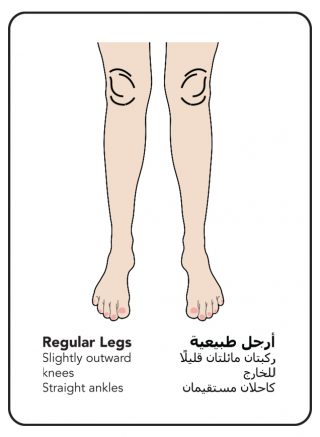
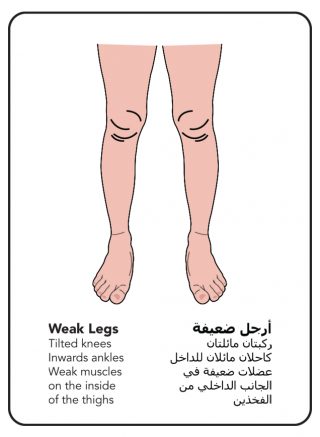
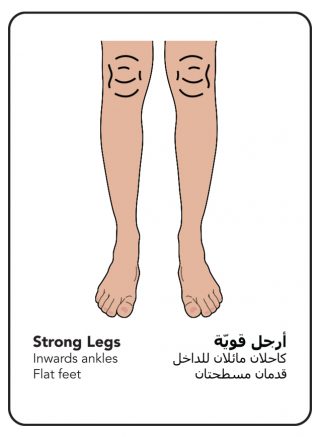
Commonly, runner’s knee pain is due to the kneecap tracking laterally due to over-pronation (the foot and ankle rolling in) and a weak medial quad, hips or glutes. This lateral tracking causes the kneecap cartilage to wear down, be sore when the quad contracts (going down stairs or down hills) and it may fluid.
What can be done to treat Runner’s Knee?
Unfortunately, no running shoe alone or even trying to coach yourself to alter your running style will correct the issue.
The good news is that if you correct the biomechanics of the tracking, the cartilage in the back of the kneecap will self-regenerate and heal within a month or so. Make an appointment with your Podiatrist if you are experiencing even mild knee pain. A Podiatrist specializing in biomechanics is vital, and here at Dubai Podiatry Centre we understand that any runner is looking to minimize their downtime. Just remember to bring your shorts and running shoes with you to your appointment with us!
The most effective way to address the underlying biomechanical anomaly (the over-pronation) is due to a combination of custom corrective orthotics and strengthening your hip and glute muscles (such as side stepping, squats and stretching your hip flexors).
A period of rest also if the pain is moderate or severe is also advisable – better to have a relatively short time off running now than trying to ‘run through’ the injury, which will ultimately only result in enforced, longer time off later. Even if the pain is only mild, reduce your running program, ice post-run and of course go straight to your Podiatrist.
But the correct orthotic is key! When you run, every step magnifies your biomechanical disadvantage. You must also be very sure to see only a qualified health professional, such as a Podiatrist, to carry out a detailed lower limb biomechanical assessment (find out more about that here), and to make your own specific custom running orthotics, if advised, and carry out reviews thereafter to monitor your recovery. Off-the-shelf insoles can sometimes not correct the over-pronation at all (and definitely not precisely address your specific degree of over-pronation), or actually over-correct and give you a ‘new’ problem. Your Podiatrist will assess your gait in motion (not just static load bearing on a foot plate), analyse your hips, legs, ankles and feet, running style, running shoes (and discuss the best running shoes for you) and so on to provide a comprehensive understanding, diagnosis and treatment plan to get you back on the road.
The good news is runner’s knee pain is easy to get under control, as we see and treat this issue almost every single day. It’s just a case of wearing your custom running orthotics and doing a few strengthening and stretching exercises!
Contact Dubai Podiatry Centre on 04 3435390 for a biomechanical assessment if you’re suffering from any form of knee, hip or ankle pain, or even just for a general runner’s MOT!
For more information or to book an appointment please call our clinic +971 4 3435390 or WhatsApp +971 50 3553024
بقلم ميشيل شامبلين
مع استمرار حرارة الصيف، لا يزال بإمكان العدائين في مناخنا الصحراوي الخروج والتجول، سواء كانوا يركضون بضع لفات حول حديقة الصفا أو حلبة مرسى ياس، أو مواكبة موسم الجري بعد الماراثون. ومع ذلك، فإن إحدى الإصابات الأكثر شيوعًا التي تعطل تدريب العدائين هي آلام الركبة. دعونا نلقي نظرة على الأسباب الأكثر شيوعا وكيفية علاجها.
ما هي ركبة العداء؟
واحدة من أكثر المشاكل المرتبطة بالجري شيوعًا في عيادتنا هي “ركبة العدائين” – تهيج الغضروف الموجود أسفل الرضفة (الرضفة)، وفقًا لما تنصح به ميشيل شامبلين، رئيسة أطباء الأقدام في مركز دبي لطب الأقدام. حوالي 40% من إصابات الجري تكون في الركبة، وتميل السيدة شامبلن إلى رؤية زيادة في إصابات الجري مع موسم الماراثون في دبي.
قد تلاحظ أن آلام الركبة تزداد سوءًا عند نزول التلال أو السلالم، أو بعد الجلوس لفترات طويلة، أو أثناء / بعد الجري لفترة طويلة.
عادةً ما يكون ألم ركبة العداء ناتجًا عن تتبع الرضفة جانبيًا بسبب الإفراط في الكب (تدحرج القدم والكاحل) وضعف الرباعية الوسطية أو الوركين أو الألوية. يؤدي هذا التتبع الجانبي إلى تآكل غضروف الركبة، والشعور بالألم عند انقباض الرباعية (نزول الدرج أو نزول التلال) وقد تسيل.
ما الذي يمكن عمله لعلاج ركبة العداء؟
لسوء الحظ، لن يتمكن أي حذاء جري بمفرده أو حتى محاولة تدريب نفسك على تغيير أسلوب الجري الخاص بك من حل المشكلة.
والخبر السار هو أنه إذا قمت بتصحيح الميكانيكا الحيوية للتتبع، فإن الغضروف الموجود في الجزء الخلفي من الرضفة سوف يتجدد ذاتيًا ويشفى في غضون شهر أو نحو ذلك. حدد موعدًا مع طبيب الأقدام الخاص بك إذا كنت تعاني من ألم خفيف في الركبة. يعد وجود طبيب أقدام متخصص في الميكانيكا الحيوية أمرًا حيويًا، وهنا في مركز دبي لعلاج الأقدام، ندرك أن أي عداء يسعى إلى تقليل وقت التوقف عن العمل. فقط تذكر أن تحضر معك السراويل القصيرة وأحذية الجري إلى موعدك معنا!
الطريقة الأكثر فعالية لمعالجة الشذوذ الميكانيكي الحيوي الأساسي (الكب الزائد) ترجع إلى مزيج من أجهزة تقويم العظام التصحيحية المخصصة وتقوية عضلات الورك والأرداف (مثل الخطوات الجانبية والقرفصاء وتمديد عضلات الورك).
يُنصح أيضًا بالحصول على فترة راحة أيضًا إذا كان الألم معتدلاً أو شديدًا – فمن الأفضل أن تحصل على فترة راحة قصيرة نسبيًا من الجري الآن بدلاً من محاولة “الجري خلال” الإصابة، الأمر الذي لن يؤدي في النهاية إلا إلى إجازة أطول وأطول لاحقًا. حتى لو كان الألم خفيفًا، قلل من برنامج الجري الخاص بك، واستخدم الثلج بعد الجري وبالطبع اذهب مباشرة إلى طبيب الأقدام الخاص بك.
لكن تقويم العظام الصحيح هو المفتاح! عندما تقوم بالجري، فإن كل خطوة تقوم بها تزيد من عيوب الميكانيكا الحيوية لديك. يجب عليك أيضًا أن تكون متأكدًا جدًا من رؤية أخصائي صحي مؤهل فقط، مثل طبيب الأقدام، لإجراء تقييم ميكانيكي حيوي مفصل للأطراف السفلية (اكتشف المزيد حول ذلك هنا)، ولصنع أجهزة تقويم العظام المخصصة الخاصة بك، إذا نُصح بذلك. وقم بإجراء المراجعات بعد ذلك لمراقبة تعافيك. في بعض الأحيان لا يمكن للنعال الداخلية الجاهزة أن تصحح الكب الزائد على الإطلاق (وبالتأكيد لا تعالج بدقة درجة الكب المفرط لديك)، أو في الواقع تبالغ في التصحيح وتعطيك مشكلة “جديدة”. سيقوم طبيب الأقدام الخاص بك بتقييم مشيتك أثناء الحركة (وليس فقط حمل الحمل الثابت على لوحة القدم)، وتحليل الوركين والساقين والكاحلين والقدمين، وأسلوب الجري، وأحذية الجري (ومناقشة أفضل أحذية الجري بالنسبة لك) وما إلى ذلك لتوفير فهم شامل وتشخيص وخطة علاجية لإعادتك إلى الطريق الصحيح.
والخبر السار هو أنه من السهل السيطرة على آلام الركبة لدى العداء، حيث أننا نرى هذه المشكلة ونعالجها كل يوم تقريبًا. إنها مجرد حالة ارتداء جهاز تقويم العظام الخاص بك وإجراء بعض تمارين التقوية والتمدد!
اتصل بمركز دبي لعلاج الأرجل على الرقم ٠٤٣٤٣٥٣٩٠ لإجراء تقييم ميكانيكي حيوي إذا كنت تعاني من أي شكل من أشكال آلام الركبة أو الورك أو الكاحل، أو حتى مجرد اختبار
MOT الخاص بالعداء العام