
fbpx

Please wait...


BLOG

No more posts

Subtitles:

Welcome to Foot Talk Fridays!

For orthotics, what we do here in the clinic is examine the foot first. For example, say you come in here with a foot problem and the original issue is your foot leaning and its collapsing the arch. Well, everybody’s feet lean in different angles and that is why we want to know what the degree of every patient is between the left and right foot. 

 So, this cast is zero, it is absolutely straight. What I’ve done is I’ve made lots of little angles from 45 degrees (40, 35, 30, 25, 20, 15, 10, 5, and 0) just to show you the angles that we use to determine the amount that the foot leans in.

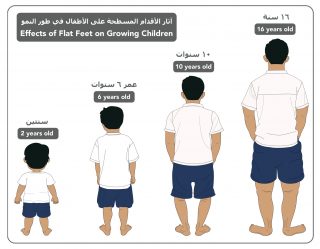
Now, why it is important to discover how much the foot leans in is because someone’s foot leans in only about 10 degrees the arch will collapse. The arch will also collapse if someone’s foot leans in 45 degrees. We want to determine how many degrees your foot leans in because usually, for example, if you are an adult male your foot will align 5 degrees every 6 weeks. Or, if you are a growing child about the age of six or seven it will take 5 degrees in 6 months to get the ankle straighter. So, there’s a big difference between children, adult males, adult females and the angle so that’s why it’s important to determine how much your foot leans in.

Say for example, does your foot lean in 45 degrees or does it lean in only 15 degrees? Of course, a straight foot doesn’t lean at all so that’s a zero degree angle. We have to be scientific about it and instead of just making you an insole exactly the shape of your foot (that won’t correct the angle of your ankle if it leans in which is normally the underlying problem of a collapsed arch). That’s why we like to find out why the arch is flat – is it because you truly have a flat foot which is extremely rare, we might only see a couple of cases a year, or is it because your foot leans in. If your foot leans in then we make something exactly the shape of your foot and we use the angle measurers to determine how many degrees it takes to get the ankle straight. Then, we would divide it by 5 as well as considering your age and if you are male or female. It does make a big difference between a male and female. 

Male ligaments are stronger and less flexible so they will take about 6 weeks to get 5 degrees. Adult females take 6 to 12 weeks to get 5 degrees straight. A young growing child with growth hormones will take about 6 months. Older children (17 and 18 years old) that’s a little different – we treat them as adults because their growth hormone depletes around those ages significantly. That’s why it’s very important to measure the angle of the ankle. We call this hyper pronation, we hear a lot of the time when somebody had hyper pronation of their feet or of their ankle – what that means is that their foot leans in.

Now, we have hyper supination which is where the feet leans out, if your feet leans out you’ll get a very high arch and almost like bow legs and easy sprained ankles but most of the time we see flat feet and feet that lean in.

Every 5 degrees determines a new orthotic, so the arch changes, the foot changes phenomenally with the difference in the ankle alignment. As you straighten the ankle, the arches develop and you don’t have just one arch in the foot there are three (the medial, lateral, and the forefoot arch).

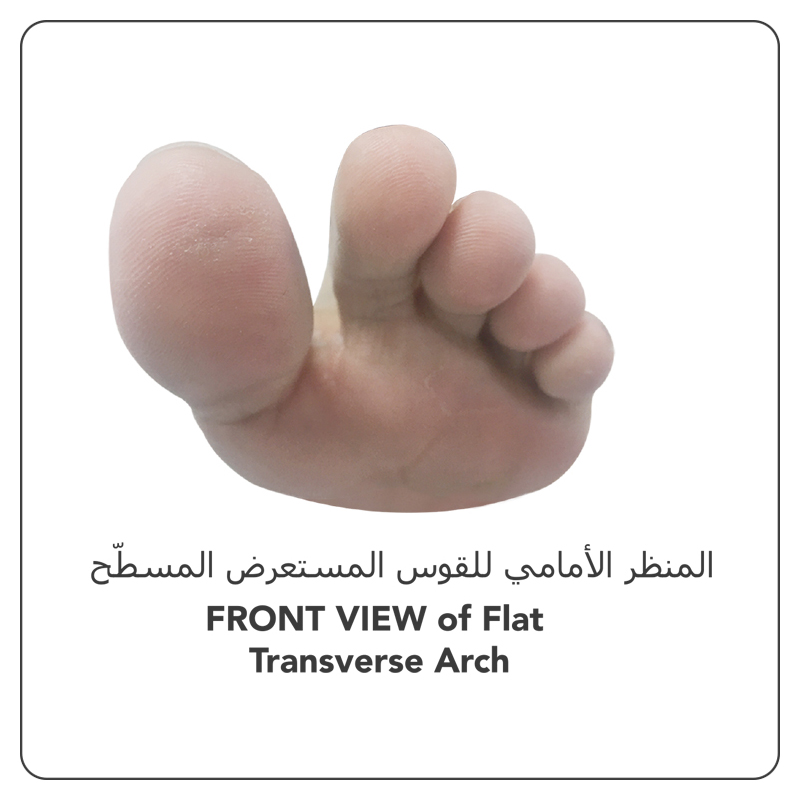
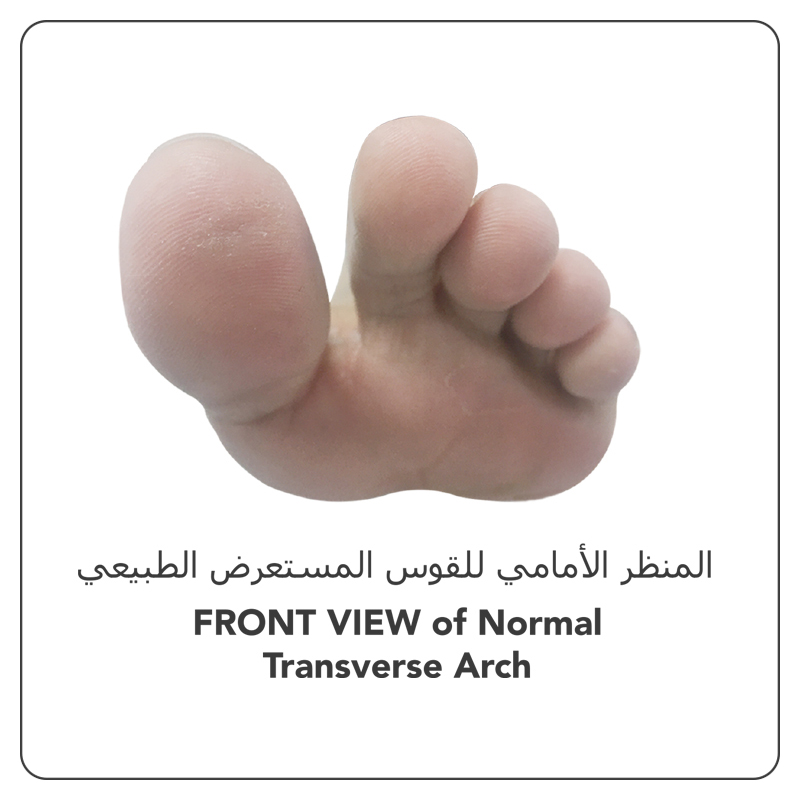
The forefoot arch is a little curve underneath the front of your foot here. The lateral arch is on the outside of the foot, and then the medial foot arch is along the medial aspect. The inside aspect of the foot is normally stronger, so that’s why we also address all three arches of the foot because if you were like a little ant underneath the foot and you were standing here, when you look up the ceiling should be dome-shaped across the way, it’s not just one arch here. That’s why when we start to tilt and align the foot, the whole foot (muscular wise and bone structure wise) changes. 

Now, we get a lot of questions about “can flat feet be fixed?” 

We have to determine what type of flat feet you have, so if you have a hyper pronated flat foot, of course it can be corrected and that’s the most common one that we see. 

So, as we tilt the foot back to straight and engage all the arches and get the alignment of the ankle back to straight. Perfect! No more flat feet, so it’ a myth that flat feet cannot be fixed and actually in adults it’s faster to fix flat feet than it is for children. It is a misconception that flat feet can’t be fixed. 

It’s just like braces for your teeth, your teeth have already formed but it doesn’t mean you cannot get braces to align your teeth. It’s the same with feet, just because your bones have grown and stopped growing, it doesn’t mean you cannot manipulate the position of the bones. The bones are held together by ligaments and the ligaments are the things that determine where you bones sit.

The muscles can hold and move your foot but you can’t actually hold your foot in a position for more than 20 minutes because the muscle will fatigue and you’ll start to vibrate and shake and then you will have to relax your feet. But, the ligaments can’t hold your feet in place, like you cannot push your teeth in to position – you need an orthodontic brace for that. That’s why we make the orthotics to tilt the foot and keep it position for 6 weeks – 6 months, then we change it again to get another 5 degrees corrected.

So I hope that is more useful information in determining what a flat foot is – what a hyper pronated foot is, what do the angles mean, what the foot leaning in means, how does that interrupt the arches of the foot and how it can be corrected. 

Enjoy your Friday!

For appointments and other queries:
Call: +971 4 3435390
WhatsApp: +971 50 355 3024


الحديث عن القدم أيام الجمعة: قياس زوايا القدمين لتقويم العظام

مرحبًا بكم في الحديث عن القدم يوم الجمعة!

بالنسبة لتقويم العظام، ما نقوم به هنا في العيادة هو فحص القدم أولاً. على سبيل المثال، لنفترض أنك أتيت إلى هنا وأنت تعاني من مشكلة في القدم وكانت المشكلة الأصلية هي ميل قدمك وانهيار القوس. حسنًا، تميل أقدام الجميع بزوايا مختلفة ولهذا السبب نريد أن نعرف ما هي درجة كل مريض بين القدم اليسرى واليمنى.

إذن، هذه الزهرة تساوي صفرًا، إنها مستقيمة تمامًا. ما فعلته هو أنني قمت بتكوين الكثير من الزوايا الصغيرة بدءًا من ٤٥ درجة (٤٠، ٣٥، ٣٠، ٢٥، ٢٠، ١٥، ١٠، ٥، و٠) فقط لأوضح لك الزوايا التي نستخدمها لتحديد المقدار التي تميل إليها القدم.

الآن، السبب وراء أهمية اكتشاف مدى ميل القدم هو أن قدم شخص ما تميل نحو ١٠ درجات فقط، مما يؤدي إلى انهيار القوس. سوف ينهار القوس أيضًا إذا مالت قدم شخص ما بزاوية ٤٥ درجة. نريد تحديد عدد الدرجات التي تميل إليها قدمك، لأنه عادة، على سبيل المثال، إذا كنت رجلًا بالغًا، ستصطف قدمك بمقدار ٥ درجات كل ٦ أسابيع. أو، إذا كنت طفلاً في سن السادسة أو السابعة تقريبًا، فسوف يستغرق الأمر ٥ درجات في ٦ أشهر للحصول على استقامة الكاحل. لذلك، هناك فرق كبير بين الأطفال والذكور البالغين والإناث البالغات والزاوية، ولهذا السبب من المهم تحديد مدى ميل قدمك للداخل.

لنفترض على سبيل المثال، هل تميل قدمك إلى ٤٥ درجة أم أنها تميل إلى ١٥ درجة فقط؟ بالطبع، القدم المستقيمة لا تميل على الإطلاق، لذا فهي زاوية بدرجة صفر. يجب أن نكون علميين بشأن هذا الأمر وبدلاً من مجرد صنع نعل داخلي لك على شكل قدمك تمامًا (وهذا لن يصحح زاوية كاحلك إذا كان يميل إليه وهو عادة المشكلة الأساسية المتمثلة في انهيار القوس). لهذا السبب نرغب في معرفة سبب كون القوس مسطحًا – هل يرجع السبب في ذلك إلى أن لديك قدمًا مسطحة بالفعل، وهو أمر نادر للغاية، قد نشاهد بضع حالات فقط في السنة، أم أن قدمك تميل إلى الداخل. إذا كانت قدمك يميل إلى الداخل ثم نصنع شيئًا على شكل قدمك تمامًا ونستخدم مقاييس الزاوية لتحديد عدد الدرجات اللازمة لجعل الكاحل مستقيماً. ثم نقسمها على ٥ مع الأخذ في الاعتبار عمرك وإذا كنت ذكرا أو أنثى. إنه يحدث فرقًا كبيرًا بين الذكر والأنثى.

تكون أربطة الذكور أقوى وأقل مرونة، لذا ستستغرق حوالي ٦ أسابيع للحصول على ٥ درجات. تستغرق الإناث البالغة من ٦ إلى ١٢ أسبوعًا للحصول على ٥ درجات متتالية. سيستغرق نمو الطفل الصغير المصاب بهرمونات النمو حوالي ٦ أشهر. أما الأطفال الأكبر سنًا (١٧ و١٨ عامًا) فالأمر مختلف قليلًا – فنحن نعاملهم كبالغين لأن هرمون النمو لديهم يستنزف بشكل كبير في تلك الأعمار. ولهذا السبب من المهم جدًا قياس زاوية الكاحل. نحن نسمي هذا الكب المفرط، ونسمع في كثير من الأحيان عندما يعاني شخص ما من فرط كب في قدميه أو كاحله – ما يعنيه ذلك هو أن قدمه تميل إلى الداخل.

الآن، لدينا فرط الاستلقاء وهو المكان الذي تميل فيه القدمان إلى الخارج، إذا كانت قدماك تميل إلى الخارج فستحصل على قوس مرتفع جدًا وتشبه تقريبًا الساقين المقوستين والكاحلين السهلين التواءهما ولكن في معظم الأوقات نرى أقدامًا مسطحة وأقدامًا تميل إلى الداخل .

يتم تحديد جهاز تقويم جديد كل ٥ درجات، وبالتالي يتغير القوس، وتتغير القدم بشكل هائل مع الاختلاف في محاذاة الكاحل. عندما تقوم بتقويم الكاحل، تتطور الأقواس ولا يكون لديك قوس واحد فقط في القدم، بل هناك ثلاثة (القوس الوسطي والجانبي ومقدمة القدم).

قوس مقدمة القدم عبارة عن منحنى صغير أسفل مقدمة قدمك هنا. يقع القوس الجانبي على الجانب الخارجي من القدم، ثم يكون قوس القدم الإنسي على طول الجانب الإنسي. عادة ما يكون الجانب الداخلي للقدم أقوى، ولهذا السبب نتناول أيضًا أقواس القدم الثلاثة لأنه إذا كنت مثل النملة الصغيرة أسفل القدم وكنت تقف هنا، فعندما تنظر إلى الأعلى، يجب أن يكون السقف على شكل قبة على الجانب الآخر من الطريق، ليس هناك مجرد قوس واحد هنا. ولهذا السبب عندما نبدأ بإمالة القدم ومحاذاة القدم، تتغير القدم بأكملها (البنية العضلية والعظام).

تصلنا الآن الكثير من الأسئلة حول “هل يمكن إصلاح القدم المسطحة؟

علينا أن نحدد نوع القدم المسطحة لديك، لذلك إذا كان لديك قدم مسطحة مفرطة النطق، فمن الممكن بالطبع تصحيحها وهذا هو الأكثر شيوعًا الذي نراه.

لذلك، عندما نقوم بإمالة القدم للخلف إلى الوضع المستقيم ونشرك جميع الأقواس ونعيد محاذاة الكاحل إلى الوضع المستقيم. ممتاز! لا مزيد من الأقدام المسطحة، لذا فمن الأسطورة أن الأقدام المسطحة لا يمكن إصلاحها، وفي الواقع يكون إصلاح الأقدام المسطحة أسرع لدى البالغين مقارنة بالأطفال. من المفاهيم الخاطئة أن القدم المسطحة لا يمكن إصلاحها.

إنه مثل تقويم أسنانك تمامًا، فقد تكونت أسنانك بالفعل ولكن هذا لا يعني أنه لا يمكنك الحصول على تقويم لمحاذاة أسنانك. الأمر نفسه ينطبق على القدمين، فمجرد نمو عظامك وتوقفها عن النمو، لا يعني أنه لا يمكنك التحكم في موضع العظام. يتم ربط العظام معًا بواسطة الأربطة والأربطة هي الأشياء التي تحدد مكان عظامك.

يمكن للعضلات أن تمسك قدمك وتحريكها، لكن لا يمكنك في الواقع تثبيت قدمك في وضع أكثر من ٢٠ دقيقة لأن العضلات سوف تتعب وستبدأ في الاهتزاز والاهتزاز، وبعد ذلك سيتعين عليك إرخاء قدميك. لكن الأربطة لا تستطيع تثبيت قدميك في مكانها، كما لا يمكنك دفع أسنانك إلى مكانها الصحيح – فأنت بحاجة إلى دعامة لتقويم الأسنان للقيام بذلك. ولهذا السبب نصنع جهاز تقويم العظام لإمالة القدم والحفاظ على وضعها لمدة ٦ أسابيع – ٦ أشهر، ثم نغيرها مرة أخرى لتصحيح ٥ درجات أخرى.

لذا آمل أن تكون هذه معلومات أكثر فائدة في تحديد ماهية القدم المسطحة – ما هي القدم المفرطة في الكب، وماذا تعني الزوايا، وماذا يعني انحناء القدم، وكيف يعطل ذلك أقواس القدم وكيف يمكن ذلك تصحيح.

استمتع بيوم الجمعة الخاص بك!

للمواعيد والاستفسارات الأخرى:

اتصل: ٠٤٣٤٣٥٣٩٠

واتساب: ٠٥٠٣٥٥٣٠٢٤


Subtitles:

Welcome to Foot Talk Fridays!

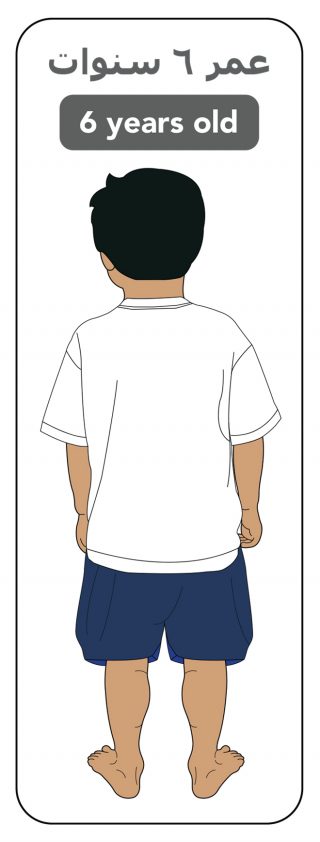
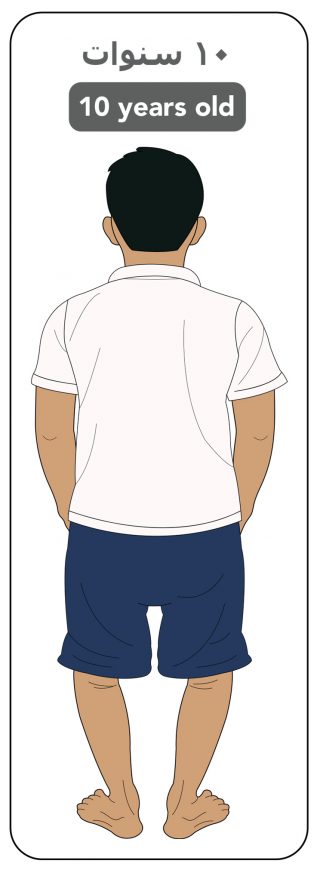
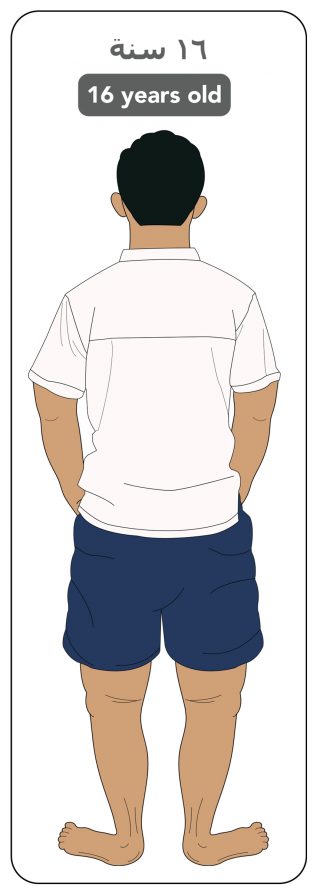
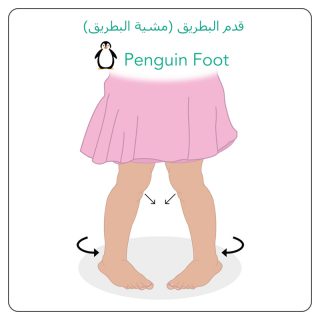
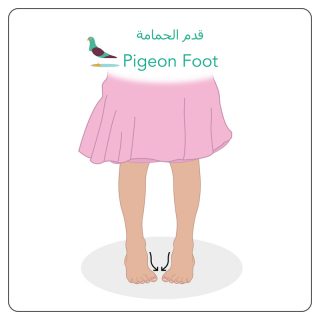
Today we are going to talk about children, growing, and intoeing. 

So when children grow, the legs grow (one leg grows then the other, then the other, etc.). The legs don’t grow at the exact same rate. It is particularly common for fast-growing children to suddenly look like one of the legs is a little bit longer than the other and they like to bend the longer one when they stand and lean on the shorter one. Sometimes when one leg becomes a little too long the pelvis can tilt slightly so one foot can start to intoe.

What we do for children is we normally don’t like to correct the leg length discrepancy when it is minor. When it is minor it is normal. When you have a shorter leg and the child is running it impacts the ground a bit harder and forces the muscles to work a bit more and becomes stronger. They attach to the end of the bone and that’s what makes that side of the bone catch up. So, it’s normal for children to have leg length discrepancy.

Now when it’s too much of discrepancy (one is much longer that the other) then it can actually cause spinal and bone growth problems. So, there is a time where we would then interfere with the child’s foot and leg length alignment. It depends on the range of normal and the range of abnormal. 

But, if you are ever worried about a child’s leg length discrepancy always go and visit your pediatrician. They will check the leg lengths, then they might refer you to a chiropractor or they might refer you to us to check the leg lengths and the foot alignment as well. 

So, we check the leg lengths when there is some intoeing only on one side. Other problems that can cause intoeing on one side is muscular imbalance but that is quite rare. Leg length is the main issue with a child where one foot intoes. 

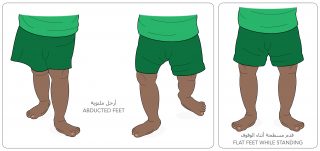
Now, intoeing with both feet is a completely different issue and has nothing to do with leg lengths. That’s more to do with the pelvic tilt or the curvature of the leg or foot. So we would just need to find out which one that is. Any child that has intoeing, particularly on one side, should have an examination by a podiatrist, pediatrician, or the orthopedic just to make sure that everything is okay.

Thank you for watching Foot Talk Fridays and I hope you have a lovely weekend!

For appointments and other queries:
Call: +971 4 3435390
WhatsApp: +971 50 355 3024

مرحبًا بكم في الحديث عن القدم يوم الجمعة!

سنتحدث اليوم عن الأطفال والنمو والدخول إلى المنزل.

لذلك عندما ينمو الأطفال، تنمو الأرجل (تنمو ساق واحدة ثم الأخرى، ثم الأخرى، وما إلى ذلك). لا تنمو الأرجل بنفس المعدل بالضبط. من الشائع بشكل خاص أن يبدو الأطفال سريعو النمو فجأة وكأن إحدى الساقين أطول قليلاً من الأخرى وأنهم يحبون ثني الأطول عندما يقفون ويتكئون على الأقصر. في بعض الأحيان، عندما تصبح ساق واحدة طويلة جدًا، يمكن أن يميل الحوض قليلاً حتى تبدأ إحدى القدمين في الدخول.

ما نفعله للأطفال هو أننا عادة لا نحب تصحيح التباين في طول الساق عندما يكون بسيطًا. عندما يكون طفيفا فمن الطبيعي. عندما تكون ساقك أقصر والطفل يركض، فإن ذلك يؤثر على الأرض بشكل أقوى قليلاً ويجبر العضلات على العمل أكثر قليلاً وتصبح أقوى. إنها تلتصق بنهاية العظم وهذا ما يجعل هذا الجانب من العظم يلحق بالركبة. لذلك، من الطبيعي أن يكون لدى الأطفال اختلاف في طول الساقين.

الآن عندما يكون هناك الكثير من التناقض (أحدهما أطول بكثير من الآخر) فإنه يمكن أن يسبب مشاكل في نمو العمود الفقري والعظام. لذلك، هناك وقت نتدخل فيه بعد ذلك في محاذاة طول قدم الطفل وساقه. ذلك يعتمد على نطاق الطبيعي ونطاق غير طبيعي.

ولكن، إذا كنت قلقًا بشأن التباين في طول ساق الطفل، فاذهب دائمًا لزيارة طبيب الأطفال الخاص بك. سوف يقومون بفحص أطوال الساق، ثم قد يحيلونك إلى معالج تقويم العظام أو قد يحيلونك إلينا للتحقق من أطوال الساق ومحاذاة القدم أيضًا.

لذا، فإننا نتحقق من أطوال الساقين عندما يكون هناك بعض الدخول على جانب واحد فقط. المشاكل الأخرى التي يمكن أن تسبب الدخول على جانب واحد هي عدم التوازن العضلي ولكن هذا نادر جدًا. طول الساق هو المشكلة الرئيسية التي يواجهها الطفل حيث تدخل إحدى قدميه.

الآن، يعد الاستحمام بكلتا القدمين مسألة مختلفة تمامًا ولا علاقة لها بطول الساقين. يتعلق الأمر أكثر بإمالة الحوض أو انحناء الساق أو القدم. لذا، كل ما علينا فعله هو معرفة أي منها. يجب أن يخضع أي طفل يتبول، خاصة من جانب واحد، لفحص من قبل طبيب الأقدام أو طبيب الأطفال أو طبيب العظام فقط للتأكد من أن كل شيء على ما يرام.

شكرًا لك على مشاهدة الحديث عن القدم يوم الجمعة وأتمنى لك عطلة نهاية أسبوع جميلة!

للمواعيد والاستفسارات الأخرى:

اتصل: ٠٤٣٤٣٥٣٩٠

واتساب:٠٥٠٣٥٥٣٠٢٤


Subtitles:

Welcome to Foot Talk Fridays!

Today we are going to discuss options for bunions. 

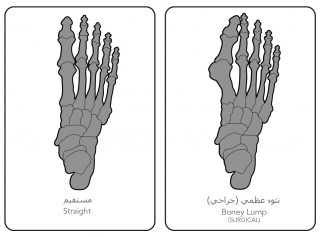
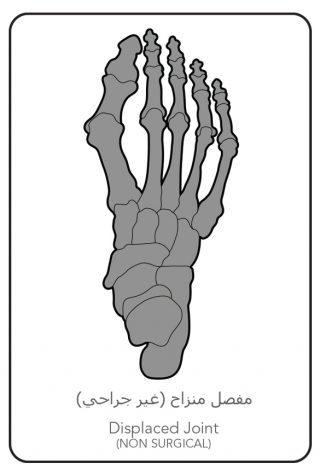
A bunion is where the toe and this area go across like this. What we want to do is straighten the toe and we want to help bolster the big toe straight. So, we’re going to do two things. 


  1. We’re going to put some tape on to the toe. If we are going to straighten the toe we would use something called Beauty and the Bunion tape. We just remove the tape like this and we are going to put it on the side of the toe. So, we would put it here and pull it straight down the side of the toe like this. Stick it down, and now you see this tape straightens the toes. 
  2. Now what we are going to do is give the tape some help if the toe is very bent over. We do that by making some silicone in between the toe. Now I’m going to show you how to make some silicone. We are going to use some silicone putty and a catalyst. We are going to make a little disc like this, now we’re going to use some catalyst on to it and we are going to mix it all together. The silicone is very oily and the reason it’s oily is so that when it goes in between your toes it doesn’t give you a blister or anything like that. Then what we do is we fashion it into a shape that goes in between the toes. The silicone works by straightening the first toe by borrowing the second toe and then we wait a few minutes until the silicone sets.

And now this is what the silicone putty looks like. When you remove it, it holds its shape but it will always feel like an eraser or silicone rubber and it’s very oily so it doesn’t hurt your skin. Then you just slot it back into place between the toes. 

You normally wear something like this for about two to four weeks and sometimes up to six weeks. You can sometimes change them every two weeks depending on how much the toe tilts across your foot, so you can make a few of these in stages and the toes straighten up. A Podiatrist would make this for you. So there’s the silicone toe prop and when you remove it it looks something like this.

You can wear this while you are walking around and this helps to push the big toe across and straight and the tapes help to keep the toe straight. 

So, we use two things to keep the big toe straight. If you have hallux valgus or bunion formation this helps as well. You can wear this walking around during the day time because with some other bunion splints you can only wear at night time. I hope that’s useful for using silicone patty and Footerella beauty and the bunion tapes. 

I hope you enjoy your Friday and thank you for watching Foot Talk Fridays.

For appointments and other queries:
Call: +971 4 3435390
WhatsApp: +971 50 355 3024


الحديث عن القدم أيام الجمعة: مصحح الورم ومصفف إصبع القدم

مرحبًا بكم في الحديث عن القدم يوم الجمعة.!

اليوم سنناقش خيارات الأورام.

الورم هو المكان الذي يمر فيه إصبع القدم وهذه المنطقة بهذا الشكل. ما نريد القيام به هو تصويب إصبع القدم ونريد المساعدة في دعم إصبع القدم الكبير بشكل مستقيم. لذا، سنفعل شيئين.

1. سنضع بعض الشريط اللاصق على إصبع القدم. إذا أردنا تقويم إصبع القدم، فسنستخدم شيئًا يسمى شريط Beauty and the Bunion. نحن فقط نزيل الشريط بهذه الطريقة وسنضعه على جانب إصبع القدم. لذلك، سنضعه هنا ونسحبه بشكل مستقيم إلى أسفل جانب إصبع القدم مثل هذا. ألصقه لأسفل، والآن ترى هذا الشريط يقوم بتقويم أصابع القدم.

2. الآن ما سنفعله هو إعطاء الشريط بعض المساعدة إذا كان إصبع القدم منحنيًا جدًا. نقوم بذلك عن طريق صنع بعض السيليكون بين إصبع القدم. الآن سأوضح لك كيفية صنع بعض السيليكون. سوف نستخدم بعض معجون السيليكون والمحفز. سنقوم بصنع قرص صغير مثل هذا، والآن سنستخدم بعض المحفز عليه وسنقوم بخلط كل شيء معًا. السيليكون زيتي للغاية والسبب في كونه زيتيًا هو أنه عندما يدخل بين أصابع قدميك لا يسبب لك بثرة أو أي شيء من هذا القبيل. ثم ما نقوم به هو أن نشكله على شكل يتناسب بين أصابع القدم. يعمل السيليكون عن طريق تقويم إصبع القدم الأول عن طريق استعارة إصبع القدم الثاني ثم ننتظر بضع دقائق حتى يثبت السيليكون.

والآن هذا هو شكل معجون السيليكون. عندما تقوم بإزالته، فإنه يحافظ على شكله ولكن سيبدو دائمًا وكأنه ممحاة أو مطاط السيليكون، وهو زيتي جدًا لذا لا يؤذي بشرتك. ثم تقوم فقط بإعادته إلى مكانه بين أصابع القدم.

عادةً ما ترتدي شيئًا كهذا لمدة تتراوح من أسبوعين إلى أربعة أسابيع وأحيانًا تصل إلى ستة أسابيع. يمكنك في بعض الأحيان تغييرها كل أسبوعين اعتمادًا على مدى ميل إصبع القدم عبر قدمك، حتى تتمكن من عمل عدد قليل منها على مراحل حتى تستقيم أصابع القدم. طبيب الأقدام سيجعل هذا لك. إذن هناك دعامة إصبع القدم المصنوعة من السيليكون وعندما تقوم بإزالتها تبدو كهذا.

يمكنك ارتداء هذا أثناء التجول وهذا يساعد على دفع إصبع القدم الكبير بشكل مستقيم وتساعد الأشرطة على إبقاء إصبع القدم مستقيماً.

لذلك، نستخدم شيئين للحفاظ على إصبع القدم الكبير مستقيماً. إذا كان لديك إبهام أروح أو ورم، فهذا يساعد أيضًا. يمكنك ارتداء هذا أثناء المشي أثناء النهار لأنه مع بعض جبائر الورم الأخرى، لا يمكنك ارتداؤها إلا في الليل. آمل أن يكون هذا مفيدًا لاستخدام فطيرة السيليكون وجمال Footerella وأشرطة الورم.

أتمنى أن تستمتع بيوم الجمعة وأشكرك على مشاهدة الحديث عن القدم يوم الجمعة..

للمواعيد والاستفسارات الأخرى:

اتصل: ٠٤٣٤٣٥٣٩٠

واتساب: ٠٥٠٣٥٥٣٠٢٤


Subtitles:

Welcome to Foot Talk Fridays!

So, Tri-Step is a system for flat feet.

The foot has three arches and what we want to do is squeeze the transverse arch back up again and raise the arch and the lateral arch so that we can get the arch engaged. First of all, we want to get the forefoot contracted first, so we are going to use a couple of tapes on the feet (four pieces to be precise).

This is to get the fore to the mid foot corrected. We start by putting these neuromuscular tapes on to the foot. They adhere to the skin with hypoallergenic glue and the glue also does not cover the tape completely to allow the foot to breathe. When we squeeze the foot we’re making the foot stronger and tighter, bringing the transverse arch together. And then we can anchor it in place like this.

This tape can be used on the toe if there is a bunion, or it can be used underneath the ball of the foot to help pull the fat pad back down underneath the bones. This is particularly good when somebody has pain underneath the ball of their foot here. Now, that is the forefoot held in place so that the metatarsals through here can come together.

Now what we want to do though, is to engage the medial arch and the middle of the foot arch here. So, how do we do that?  We’re going to use one of these shaped pads called ‘Foot Arch Formation.’ First of all, we are going to apply it by peeling back the paper on to just the forefoot. Over the top of these pads here right up under the toes. Then we’re going to remove the rest of the paper and we ask the patient to point their toes down like this. Then, we stick it to the outside of the foot and bring each tab up the back of the foot like this. 

Now, we have the arch pointed at its highest position and the last thing we do is really lift and pull. As you can this person has a fantastic transverse arch, excellent lateral arch and magnificent medial arch when before the foot was flat. So this holds the foot in the place to help the ligaments contract.

The next step we would do when the patients wearing this every day for 2-6 weeks, is they would also wear an orthotic or insole that helps to lift the foot, keep the arch up, and keep the transverse arch up as well to give structural support and this addresses the bones, this addresses the ligaments. 

I’ll just show you one more time on the other angle of the foot. We anchor it to the first metatarsal, squeeze the foot laterally like this to make the transverse arch pick up, and then we’re going to use the other twin pad on to the side of the foot and squeeze the foot to hold it together. Then, we’re going to use the anchor tape to help those two like this on to the side of the foot – this engages the transverse arch which is really important, especially for cyclists. And now we’re going to use another anchor pad to bring that fat pad back down to where we want it to be. There we go, perfect! Now what we’re going to do is just use the next pad as I showed you before, up underneath here to engage the medial and middle arch as well. So one more time we peel the paper away and stick it underneath the toes like this. Then we can take the rest of the paper away. We stick it to the outside first like this and then we bring all the other tapes around the back of the foot. And then from the top here you can see the arch now is already beginning to form and now we’re really going to pull this arch right up like this. So, this flat foot has quite an incredibly high arch now and is very powerful when it is all held together. They would wear this all day every day from morning until evening. At night time, remove it so that they have no sweat buildup on the foot and let the fresh air get to the foot. 

To use the EMS devices, we just peel off the backing here and you can put it along the inside of the foot to work the arch or you can put that across the foot here to work this part of the foot. So for now, we’re going to put it across the mid foot, then switch the device on. We can increase the intensity of the electro-muscle stimulator by pressing the plus (+) button. We’re going to keep on increasing it until the foot starts to move. You can see the foot beginning to contract. So, the foot is contracting and pulling downwards because it is making this muscle here contract. That will hold it like this for 20-30 seconds and then it will release then contract again. 

So, you can see that this simple sticky patch is more than strong enough. It is not even at its maximum effect on this area here. If we want to switch the machine off, we press the minus (-) button. Now the machine goes off and the toes goes back to being relaxed. Therefore, no electro-muscle stimulation happening. 

If we want it to use on the inside of the foot, we remove the sticky gel and put it on the inside of the arch muscle here, then switch it on. Now, we’re going to increase the intensity. Here, we have level 9, and we can make it go to 10 to contract the big toe. This really works on the muscles of the feet and send signals to the brain to tell the foot to wake these muscles up as well. You can also help by contracting your foot as well and helping to scrunch the arch muscle to get even more out of this. I am going to switch it off now just to relax the foot again. 

Now, we’re going to move to a stronger machine because some extreme flat feet do not have enough muscle for this level to work on. So, we would use a much stronger electro-muscle stimulator device, but we would check that in the clinic which one you would need, and we stick it on the insides of the foot on the arch. This is to make the arch muscle work. Then, we switch the machine on. We already have it entered at a specific program that we want to use at channel 1, and we’re going to increase the intensity on channel 1 until we see the toe beginning to move.

It’s making the muscle (tick, tick, tick, tick) and move almost like doing sit ups on this muscle here. You can even see the muscle moving along the inside of the skin here as it really contracts the muscle and helps to build arch. This is at level 23, it depends on the level the intensity that the patient needs. Everybody’s different, the weaker the muscle, the higher the intensity needs to be. And you would leave this for 30 minutes to let the muscle stimulation program work. And then we switch it off by pressing that button.

If we want to use it in a different position, we just remove the little bit of gel sticker that’s on the foot and place it on a different area on the foot. This gel sticks well to the foot and can be tickly when we remove it. 

So, say we want to work on the transverse arch across the foot we can use it in this position as well. It is already set to everything that we want it to be, and we’re going to increase and see how fast these muscles will start to contract and work. Now, we see the toes begin to twitch. We increase the intensity and now we’re really beginning to see these two toe twitch. The first one is beginning to twitch as well. So that’s the intensity, now all the muscles are beginning to work and that works the muscles across the foot here. You can increase the intensity depending on what feels comfortable for you and what doesn’t feel comfortable. For this person, this is a nice and strong pulse.

[Showing the Tri-Step System box]. So, the Tri-Step System lifts arches. But just like braces for the teeth and adjusting the braces, we also adjust the height of these orthotics as we go along with it. So we start off minimal, then medium-strong, finally very strong, and then go back to medium-strong again. These are the collection of tapes that are all in here, there’s a full batch in here that last 2 weeks for both feet. And these are the electro-muscle stimulators that I have been talking about. 

For appointments and other queries:
Call: +971 4 3435390
WhatsApp: +971 50 355 3024


Subtitles:

Welcome to Foot Talk Fridays!

Today we’re going to be talking about swelling in the feet and how to make it better using things that look like this which is what we call a foot bath shoes.So, I want to show you today how to use foot bath shoes. These are about 10 dirhams from Daiso and these are absolutely fantastic. You don’t wear them like shoes, what you do is you fill them with water and then you have a little bath with your foot. The reason I like these is because they save on water and they save on medication. What I mean by that is, say you have a foot injury or you have swollen feet, or something like that and you want to soak your feet.

When we ask you to use Epsom salts for example, they are absolutely fantastic with warm water to use for your feet, but you would have to use this much water (5 litres). Then you would need to use five hundred grams of Epsom salts which is quite a lot just for one foot bath and that’s a lot of wastage in my opinion. So this is to save your Epsom salts (not that it is expensive – about 40 dirhams for 1 bag of Epsom salts) and conserve all of this water and medicine. These little 10 dirham shoes from Daiso, if you fill them with water (fill to this mark here with 500 milliliters = 1 small bottle of water). Also, you would only need to use this much Epsom salts instead of this much Epsom salts.

So, if you have a foot injury such as a bruise to your foot or swelling or something like that, you would put warm water in to these and you would use your Epsom salts.

Now, if you only have one foot with the foot injury you would fill up one of these with the warm water with Epsom salts, and you would soak your foot in it for 30 seconds. After 30 seconds you would remove your foot from the warm water and then you would put your foot in to cold water for 30 seconds. The warm water brings oxygenated blood from your heart and lungs straight down to your feet. The cold water then shrinks the blood away from your feet.

Then, we want to bring it back again. Now you’re going to put it back into the warm water with the Epsom salts for 30 seconds and again back into the cold. So you’re going to repeat the cycle (warm-cold, warm-cold, warm-cold, warm-cold). You are going to repeat it 30 seconds for each time for five repeats. And that really helps foot injuries to get better faster and is relatively cheap to do – just take some water, some Epsom salts, (only use the Epsom salts in the warm water, you don’t need to use it for the cold water).

So, that’s a great way to help your foot repair from any swelling, damage, trauma or ankle sprains, in your own house. If  you did it every evening and (it only takes 5 minutes to do it 30 seconds twice) that can really take the swelling down and help injuries in the foot repair. Obviously, if you have a cut, laceration or open wound, you can’t do this. You can only do this on skin that is intact, so that’s something to do at home yourself and one of the best ways to help injuries repair faster.

Enjoy your Friday!

For appointments and other queries:
Call: +971 4 3435390
WhatsApp: +971 50 355 3024

الحديث عن القدم أيام الجمعة: شفاء إصابات القدم بسرعة


مرحبًا بكم في الحديث عن القدم يوم الجمعة!

سنتحدث اليوم عن تورم القدمين وكيفية تحسينه باستخدام أشياء تشبه هذا وهو ما نسميه أحذية حمام القدم.

لذا، أريد أن أوضح لك اليوم كيفية استخدام أحذية حمام القدم. هذه حوالي ١٠ دراهم من دايسو وهي رائعة للغاية. أنت لا ترتديها مثل الأحذية، ما تفعله هو أن تملأها بالماء ثم تستحم قليلاً بقدمك. السبب الذي يجعلني أحب هذه الأشياء هو أنها توفر الماء وتوفر الدواء. ما أعنيه بذلك هو، لنفترض أن لديك إصابة في القدم أو لديك تورم في القدمين، أو شيء من هذا القبيل وتريد نقع قدميك.

عندما نطلب منك استخدام أملاح إبسوم على سبيل المثال، فهي رائعة تمامًا مع الماء الدافئ لاستخدامها لقدميك، ولكن سيتعين عليك استخدام هذا القدر من الماء (٥ لترات). إذًا ستحتاج إلى استخدام خمسمائة جرام من أملاح إبسوم، وهو مبلغ كبير جدًا لحمام قدم واحد فقط، وهذا هدر كبير في رأيي. لذا فإن هذا من أجل توفير أملاح إبسوم الخاصة بك (وليس أنها باهظة الثمن – حوالي ٤٠ درهمًا لكيس واحد من أملاح إبسوم) والحفاظ على كل هذا الماء والدواء. هذه الأحذية الصغيرة بقيمة ١٠ دراهم من دايسو، إذا ملأتها بالماء (املأها إلى هذه العلامة هنا بـ ٥٠٠ ملليلتر = زجاجة ماء صغيرة واحدة). أيضًا، ستحتاج فقط إلى استخدام هذه الكمية من أملاح إبسوم بدلاً من هذه الكمية من أملاح إبسوم.

لذلك، إذا كان لديك إصابة في القدم مثل كدمة في قدمك أو تورم أو شيء من هذا القبيل، يمكنك وضع الماء الدافئ فيها واستخدام أملاح إبسوم الخاصة بك.

الآن، إذا كان لديك قدم واحدة فقط مصابة بالقدم، فسوف تملأ واحدة منها بالماء الدافئ مع أملاح إبسوم، وسوف تنقع قدمك فيها لمدة ٣٠ ثانية. بعد ٣٠ ثانية تقوم بإخراج قدمك من الماء الدافئ ثم تضع قدمك في الماء البارد لمدة ٣٠ ثانية. يجلب الماء الدافئ الدم المؤكسج من قلبك ورئتيك مباشرة إلى قدميك. ثم يقوم الماء البارد بتقليص الدم بعيدا عن قدميك.

ثم نريد إعادته مرة أخرى. الآن ستعيده إلى الماء الدافئ مع أملاح إبسوم لمدة ٣٠ ثانية ثم تعود مرة أخرى إلى الماء البارد. لذلك سوف تقوم بتكرار الدورة (دافئ-بارد، دافئ-بارد، دافئ-بارد، دافئ-بارد). ستقوم بتكرار ذلك لمدة ٣٠ ثانية في كل مرة لمدة خمس مرات. وهذا يساعد حقًا على شفاء إصابات القدم بشكل أسرع وهو أمر رخيص نسبيًا – فقط خذ بعض الماء وبعض أملاح إبسوم (استخدم فقط أملاح إبسوم في الماء الدافئ، ولا تحتاج إلى استخدامها في الماء البارد). .

لذا، فهذه طريقة رائعة لمساعدة قدمك على الإصلاح من أي تورم أو ضرر أو صدمة أو التواء في الكاحل في منزلك. إذا قمت بذلك كل مساء (يستغرق الأمر ٥ دقائق فقط للقيام بذلك ٣٠ ثانية مرتين) فيمكن أن يؤدي ذلك إلى تخفيف التورم والمساعدة في إصلاح الإصابات في القدم. من الواضح أنه إذا كان لديك قطع أو تمزق أو جرح مفتوح، فلا يمكنك القيام بذلك. يمكنك القيام بذلك فقط على الجلد السليم، لذا فهذا شيء يمكنك القيام به في المنزل بنفسك وأحد أفضل الطرق للمساعدة في إصلاح الإصابات بشكل أسرع.

استمتع بيوم الجمعة الخاص بك!

للمواعيد والاستفسارات الأخرى:

اتصل: ٠٤٣٤٣٥٣٩٣٠

واتساب: ٠٥٠٣٥٥٣٠٢٤


Subtitles:

Welcome to Foot Talk Fridays!

Today we’re going to talk about hard skin on feet and why you get to it, especially if you’re quite active and you exercise.

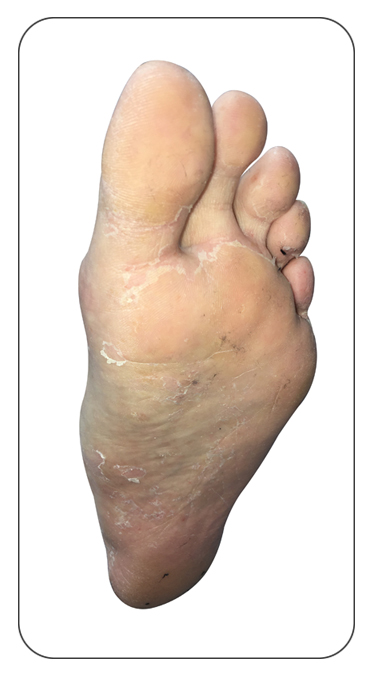
So, most of the time you get hard skin along the side of your toe (along this area) and around the heel area here. The reason why you get that is because imagine weight lifting calluses if you’re always weight lifting and you get hard skin on your hands, that is in reaction to friction. The reason that you get calluses along these areas (these are the areas that push off) when you’re really exerting yourself. The more active you are, the more hard skin you have around your foot. If you have it in unusual areas like in the middle of your foot or just off to the inside here, that has to do with this arch collapsing, that’s a

https://dubaipodiatry.com/wp-content/uploads/2019/10/Exercise-2.jpg
https://dubaipodiatry.com/wp-content/uploads/2019/10/Exercise-1.jpg
https://dubaipodiatry.com/wp-content/uploads/2019/10/Exercise-3.jpg

different type of hard skin. If you ever have painful hard skin, that’s not good news but hard skin is an advantage, it’s your body working properly.

So if you have good sensation – then your body with friction feels a slight burn or twist of the skin and it will grow up thicker skin here and around the edge here to protect your skin. If  you have no sensation to your feet (neuropathy), that’s why we say where memory soled shoes, because with memory soled shoes it absorbs the foot. The reason for that is when you have no sensation and you have high pressure you can get an ulcer into the foot because the body doesn’t know how to defend itself with hard skin. So, whenever you have hard skin I always say to everybody “why are we removing? It will literally grow back tomorrow or the next day because it’s there for a good reason”. It’s there as you push-off on your foot. So (just like cleaning your teeth) you can file your foot slightly just a little bit to take off the excess, but we always want that stronger layer.

Now, there are times when we are not that active, for example, if you go on a summer holiday and you are not fitting in your exercise regime like you would normally do, you might end up with softer feet because you’re not doing as much activity. Or, it could be that you are doing more activity in summer, so you end up with thicker, harder skin during the summer holidays. It just depends when you’re active – expect to get hard skin. Don’t be disappointed if you go for a pedicure and it literally comes back the next day or so, that’s good, it’s an advantage – it is supposed to be like that.

Also, for example, if you’re not very active at all and you have hard skin. If you’re overweight, the extra pressure and exertion of your foot will cause hard skin around the ball of the foot and hard skin around the heel just because you’re heavier. So, if you’re not active and have hard skin, look at your weight, if your weight is on the high side you will get hard skin with that as well. I hope this was all useful.

Enjoy you Friday!

For appointments and other queries:
Call: +971 4 3435390
WhatsApp: +971 50 355 3024


  Subtitles: Welcome to Foot Talk Fridays! Today we will be discussing Plantar Fasciitis which is a very painful heel condition.  So, with plantar fasciitis the heel bone becomes inflamed and it’s because it’s a strong band of fascia that attaches from the heel to the forefoot. It keeps the integrity of the arch of the foot up, but if your arch is relaxing or dropping or your foot is beginning to lean in a little bit, then the plantar fascia will engage and pull taut. Where it engages into the heel bone becomes inflamed and it is actually the heel bone outer casing that becomes very painful, especially if you are sleeping or sitting for a long time you go to stand up then the heel bone is at its’ most painful. Then when you walk for maybe twenty steps it begins to feel a lot better. Unfortunately, during the walking and standing that you’re doing (while it feels better) the plantar fascia band is pulling on that part of the injured heel bone and it inflames it so that when you rest or sleep for a while the inflammation shows up. So, what we do to reduce plantar fasciitis is we lift the arch back up again and we tilt the foot a little bit until the ankle straight so the plantar fascia can go back to being relaxed and only engage when there’s an emergency (e.g. if you jump off of a wall, or jump off and landed with your feet quite strongly) the plantar fascia engages in those instances and soon engages all the time. All we do is put it back to its’ rested position so that the bones that attaches into gets better. Enjoy your Friday! For appointments and other queries: Call: +971 4 3435390 WhatsApp: +971 50 355 3024  

الحديث عن القدم أيام الجمعة: التهاب اللفافة الأخمصية

سنناقش اليوم التهاب اللفافة الأخمصية وهي حالة مؤلمة للغاية في الكعب.

لذلك، مع التهاب اللفافة الأخمصية، يصبح عظم الكعب ملتهبًا وذلك لأنه عبارة عن شريط قوي من اللفافة يمتد من الكعب إلى مقدمة القدم.

إنها تحافظ على سلامة قوس القدم للأعلى، ولكن إذا كان قوسك يسترخي أو ينخفض ​​أو بدأت قدمك في الميل قليلاً، فإن اللفافة الأخمصية سوف تنخرط وتشد مشدودة. حيث يصبح ملتهبًا في عظم الكعب ويصبح الغلاف الخارجي لعظم الكعب هو الذي يصبح مؤلمًا للغاية، خاصة إذا كنت نائمًا أو تجلس لفترة طويلة وتذهب للوقوف، فإن عظم الكعب يكون في أشد حالاته ألمًا. ثم عندما تمشي لعشرين خطوة تقريبًا، تبدأ في الشعور بتحسن كبير.

لسوء الحظ، أثناء المشي والوقوف الذي تقوم به (بينما تشعر بالتحسن)، تقوم فرقة اللفافة الأخمصية بسحب ذلك الجزء من عظم الكعب المصاب وتؤدي إلى التهابه بحيث يظهر الالتهاب عند الراحة أو النوم لفترة من الوقت. .

لذلك، ما نفعله لتقليل التهاب اللفافة الأخمصية هو أن نرفع القوس للأعلى مرة أخرى ونقوم بإمالة القدم قليلاً حتى يصبح الكاحل مستقيمًا حتى تتمكن اللفافة الأخمصية من العودة إلى حالة الاسترخاء والتفاعل فقط عندما تكون هناك حالة طارئة (على سبيل المثال، إذا كنت اقفز من الحائط، أو اقفز وهبط بقدميك بقوة شديدة) تنخرط اللفافة الأخمصية في تلك الحالات وسرعان ما تنخرط طوال الوقت. كل ما نفعله هو إعادته إلى وضع الراحة حتى تتحسن العظام الملتصقة به.

استمتع بيوم الجمعة الخاص بك!

للمواعيد والاستفسارات الأخرى:

اتصل: ٠٤٣٤٣٥٣٩٠

واتساب: ٠٥٠٣٥٥٣٠٢٤


Subtitles: Most of the patients that come to see us at Dubai Podiatry Centre complain about having a flat feet and in fact their feet are not flat in most cases even though when you stand and show and exhibit a flatfoot. Most of the reason the foot appears flat here is actually because the ankle joint here leans in and when the ankle joints leans in, it depresses and flattens these arch here. You can test this yourself by raising your foot off the ground and crossing your legs and if an arch forms you don’t have flat feet. But how can we help your foot to stay straight like this when you stand without the arch from dropping and what we have to do engineering wise is control this joint here. There is a bone in here called the talus bone, when the talus bone leans in and when it leans in causes the arch to collapse. Traditionally orthotics and insoles have been used to try and raise the arch of the foot. But now we know that in most cases the origin of the problem doesn’t come from here, it comes from the ankle so we make something exactly the shape of the foot and this is called a gyps cast, so we take a gyps cast to get the exact the shape of your foot so it should be extremely comfortable. But even if we make a fantastic insole or orthotic exactly the shape of your foot and you stand on it the foot will still lean in because the problem comes from your ankle joints. So what we have to do is we have to measure how many degrees your foot leans in. When we measure precisely how many degrees your foot leans in we count your balance that to tilt your feet straight. When we tilt the foot straight, the ankle joint from above also become straight. The ankle joints, ligaments on the medial and lateral sites start to tighten just like you do when you get braces for the teeth. And we measure this depending on your activity levels and what age you are and align your foot 5 degrees every time. So that’s why it’s important to come in and see us so that we can measure your arch and the position of your foot leaning in. So what we can do is we make an orthotic exactly the shape of your foot and we add a medial wedge to tilt you. So if you’re 30 degrees were going to tilt you 30 degrees straight and then what we ask you to do is get a very firm sole shoe. It’s very important when you put an orthotic inside your shoes, the shoes is correct. If you use a very soft sole shoe, the foot might still be able to lean in because the foundation of the shoes is too soft . But in this case the shoe is perfect because the foundation the shoe is very very strong. So as the foot leans in and or tries to lean in, you have an arch support that tries to stop that but more importantly you have a medial wedge so your can foot cannot lean at all and to make sure that you get a true results you should have a very firm sole shoe as well that we ask you to wear and when you put inside your shoes, you remove the sponge liner that comes with your shoes because even if you put your orthotic on top of it you can lose a few degrees so we make sure that the outcome is going to be as true and successful as we can possibly get it in collaboration with our patients.
For appointments and other queries: Call: +971 4 3435390 WhatsApp: +971 50 331 4978

الحديث عن القدم أيام الجمعة: كيف نصحح الأقدام المسطحة

يشتكي معظم المرضى الذين يأتون لزيارتنا في مركز دبي لعلاج الأرجل من وجود أقدام مسطحة، وفي الواقع فإن أقدامهم ليست مسطحة في معظم الحالات على الرغم من الوقوف والإظهار وإظهار القدم المسطحة. معظم الأسباب التي تجعل القدم تبدو مسطحة هنا هو في الواقع أن مفصل الكاحل هنا يميل إلى الداخل وعندما تميل مفاصل الكاحل إلى الداخل، فإنه يخفض ويسطح هذه الأقواس هنا. يمكنك اختبار ذلك بنفسك عن طريق رفع قدمك عن الأرض وعقد ساقيك، وإذا كان هناك قوس، فليس لديك أقدام مسطحة. ولكن كيف يمكننا أن نساعد قدمك على البقاء مستقيمة هكذا عندما تقف دون أن يسقط القوس وما يتعين علينا القيام به من الناحية الهندسية هو التحكم في هذا المفصل هنا. يوجد هنا عظم يسمى عظم الكاحل، عندما يميل عظم الكاحل إلى الداخل وعندما يميل إلى الداخل يؤدي إلى انهيار القوس

تقليديًا، تم استخدام أجهزة تقويم العظام والنعال لمحاولة رفع قوس القدم. لكننا نعلم الآن أن أصل المشكلة في معظم الحالات لا يأتي من هنا، بل يأتي من الكاحل، لذلك نقوم بعمل شيء على شكل القدم تمامًا وهذا ما يسمى جبيرة الغجر، لذلك نأخذ جبيرة الغجر ل احصل على الشكل الدقيق لقدمك بحيث تكون مريحة للغاية. ولكن حتى لو صنعنا نعلًا داخليًا رائعًا أو جهاز تقويم العظام على شكل قدمك تمامًا ووقفت عليه، فستظل القدم تتكئ لأن المشكلة تأتي من مفاصل الكاحل. إذن ما يتعين علينا القيام به هو أن نقيس عدد الدرجات التي تميل إليها قدمك. وعندما نقيس بدقة عدد الدرجات التي تميل إليها قدمك، فإننا نحسب رصيدك لإمالة قدميك بشكل مستقيم. عندما نميل القدم بشكل مستقيم فإن مفصل الكاحل من الأعلى يصبح مستقيماً أيضاً. تبدأ مفاصل الكاحل والأربطة الموجودة في الموقعين الوسطي والجانبي بالشد تمامًا كما تفعل عندما تضع تقويمًا للأسنان.

ونقوم بقياس ذلك اعتمادًا على مستويات نشاطك وعمرك ونقوم بمحاذاة قدمك بمقدار ٥ درجات في كل مرة. ولهذا السبب من المهم أن تأتي لرؤيتنا حتى نتمكن من قياس قوسك وموضع انحناء قدمك. لذا، ما يمكننا فعله هو أن نصنع تقويمًا لتقويم العظام على شكل قدمك تمامًا ونضيف إسفينًا وسطيًا إليه إمالة لك. لذا، إذا كانت زاوية ٣٠ درجة، فسنقوم بإمالتك ٣٠ درجة بشكل مستقيم، وما نطلب منك فعله هو الحصول على حذاء نعل ثابت للغاية. من المهم جدًا عند وضع جهاز تقويم العظام داخل حذائك أن يكون الحذاء صحيحًا. إذا كنت تستخدم حذاءًا ناعمًا جدًا، فقد تظل القدم قادرة على الاتكاء لأن أساس الحذاء ناعم جدًا. لكن في هذه الحالة الحذاء مثالي لأن أساس الحذاء قوي جداً جداً.

لذلك عندما تميل القدم إلى الداخل أو تحاول الانحناء، يكون لديك دعامة قوسية تحاول إيقاف ذلك ولكن الأهم من ذلك أن لديك إسفينًا وسطيًا حتى لا تتمكن قدمك من الاتكاء على الإطلاق وللتأكد من حصولك على نتائج حقيقية يجب أن يكون لديك حذاء نعل ثابت للغاية ونطلب منك ارتدائه وعندما تضعه داخل حذائك، تقوم بإزالة البطانة الإسفنجية التي تأتي مع حذائك لأنه حتى لو وضعت تقويم العظام فوقه، فقد تفقد بضع درجات لذلك نتأكد من أن النتيجة ستكون حقيقية وناجحة قدر الإمكان بالتعاون مع مرضانا.

للمواعيد والاستفسارات الأخرى:

اتصل: ٠٤٣٤٣٥٣٩٠

واتساب:٠٥٠٣٥٥٣٠٢٤


Subtitles:

Welcome to Foot Talk Fridays!

Today we’re going to talk about some people that have an embarrassing problem called sweaty, smelly feet.

With sweaty, smelly feet it is normal for your feet to sweat, but if the sweat is contained inside socks and shoes for a bit too long the normal fungus that’s on your foot can start to grow and that’s what gives a musty smell to the feet.

Not only do we have fungus on our feet, we also have bacteria. We have good bacteria and good fungus, but if you give this warm and damp conditions the bacteria and the fungus can thrive and that’s what can give a very strange odour to the feet which some people find offensive and embarrassing to their self. To explain the

https://dubaipodiatry.com/wp-content/uploads/2019/11/SSF_1.jpg
https://dubaipodiatry.com/wp-content/uploads/2019/11/SSF_2.jpg

skin on the foot, there’s a reason why a lot of foot odour sprays don’t work to alleviate the symptoms. We’ve all had cases of smelly feet, you know if you’ve been stressed or something there is some hormone that is released in the body and it can make the body smell in an unusual way but as soon as you have a shower it washes off.

There are other times where the bacteria and the fungus actually take hold and penetrate the deeper layers of skin. I have a little example of layers of the skin.

In the foot, there are five layers of skin and it takes 28 days for the baby skin layer here to grow up to become the top player that you would normally see on the outside of your skin (ignoring hard skin).

If you get a fungal infection and a bacterial infection, they creep into the deeper layers of skin so any foot odours spray or salt bath that you used for your feet or perfumes that you use only address the top layer (and maybe if you’re lucky the second layer). But the third and other layers here still have a bacterial and a fungal infection and that’s what gives the strong odour.

So, when you come and see a podiatrist we will normally use a strong medicated treatment to get through all the layers of the skin. That takes a course of six weeks and normally we will use a strong gel or cream to penetrate all the way through the five layers of the skin, not just the top two.

To get rid of foot odour it normally takes six weeks to clear the foot odour from all of these layers of the skin.

If you have smelly feet or extra sweaty feet, come and see us. If you don’t have bad foot odour but they just sweat a lot, there is something that we can do for the feet that closes the sweat pores so that the feet don’t sweat too much (but we do want the feet to sweat little bit – it’s a self-cooling regulatory system that the body has).

So, if you think you’re sweating too much, come in and see us and there’s something that we can do for you to close the sweat pores. Or if you have bad smelling feet according to you then come and see us also there are some anti-fungus and antibacterial gels that we can use that penetrate through all five layers of the skin. Then those five layers of skin can grow out over six weeks to reveal the fresh, healthy, new skin without a bacterial or fungal infection.

Enjoy your Friday!

For appointments and other queries:
Call: +971 4 3435390
WhatsApp: +971 50 331 4978


  Subtitles: Welcome to Foot Talk Friday! Over summertime we’ve got so many travellers going to nice destinations and doing a lot of walking in shoes that they normally wouldn’t wear so much, like walking shoes with socks, and maybe they are used to wearing sandals here in the Middle East. So, when your skin is very baby soft around the edges you can get blisters, calluses and corns. What we recommend is something that is really light and it fits in your bag (even your purse or wallet), it takes up no space. We have ones like this, we call these toe pads or bunny pads (actually we call this a bunny nose because it’s so soft – but no bunnies were harmed in making of these!).  And you put it on your fifth toe like this so if you’re wearing strappy sandals, or you’re wearing high-heel shoes, or you’re wearing a business shoe, or sports shoes that might feel like it’s rubbing on the toe from the London heat and sweat right now. That’s why I would recommend putting bunny pads – keep them for the whole family so if somebody complains about a hot spot on their foot you can put that on.  You can also put them on the second toe or the third toe, a lot of people come back after summertime with bursas on their toes – they sometimes look like little swellings on the top of the toes and they sometimes think that they’re corns. So, if you use this when your toes are gripping a little bit and rubbing on the top of the shoe it prevents from bursa and discoloration of the skin. Then these ones if you’re wearing shoes you’re not used to (like the heel on one of the shoe because there’s always one bigger foot and one smaller foot for almost all human beings) is that one of the bigger foot can rub and press on the back of the heel a little bit, so this would go in the back of the shoe on the heel area and that instantly stops hot spots and stops a blister from forming. You can also use them behind the big toe – most people get hard skin behind the big toe and along the side of the foot. So, you can use the long pads (we call it bunny ears) behind the big toe where you get calluses and burning as well. Then finally we have the bunny face. You can put this under the ball of your foot so if you’re wearing high heel shoes or your sandals gets sweaty and you’re slipping or something like that, you can just put this behind your toes under the ball of your foot like this. So, if you’re wearing high heel shoes or doing a lot of walking it cushions the ball of your foot. You can also use it on your heel for extra cushioning (it’s a perfect size for your heel). But there is another handy trick to this pad and it’s where you can actually put it up underneath the arch of your foot. For example, your arch is hurting from doing a lot of standing and walking and normally people get one arch that hurts them because we all have a pelvic tilt because we have a leg length discrepancy (it is totally normal). Say for example the arch of your foot is here, if you stick this pad underneath your arch and you pull it up it helps to lift your arch and to keep it up. So, there’s a lot of handy different ways that all of these little pads can help your feet. These pads have been taken to the top of Everest, from one side of the pole to the other side of the pole, they have come in handy with a lot of adventures! The weight is hardly even anything, but if you’re going to go hiking, go on forest walks, or you are going to do lots of walking in cities like Rome, London or Paris that you’re not normally used to doing – definitely take them in a little pouch in your bag and anybody in the family that complains about a hot spot then they are absolutely perfect to use. Enjoy your Friday! For appointments and other queries: Call: +971 4 3435390 WhatsApp: +971 50 331 4978

Copyright Dubai Podiatry 2026. All rights reserved.

WhatsApp us