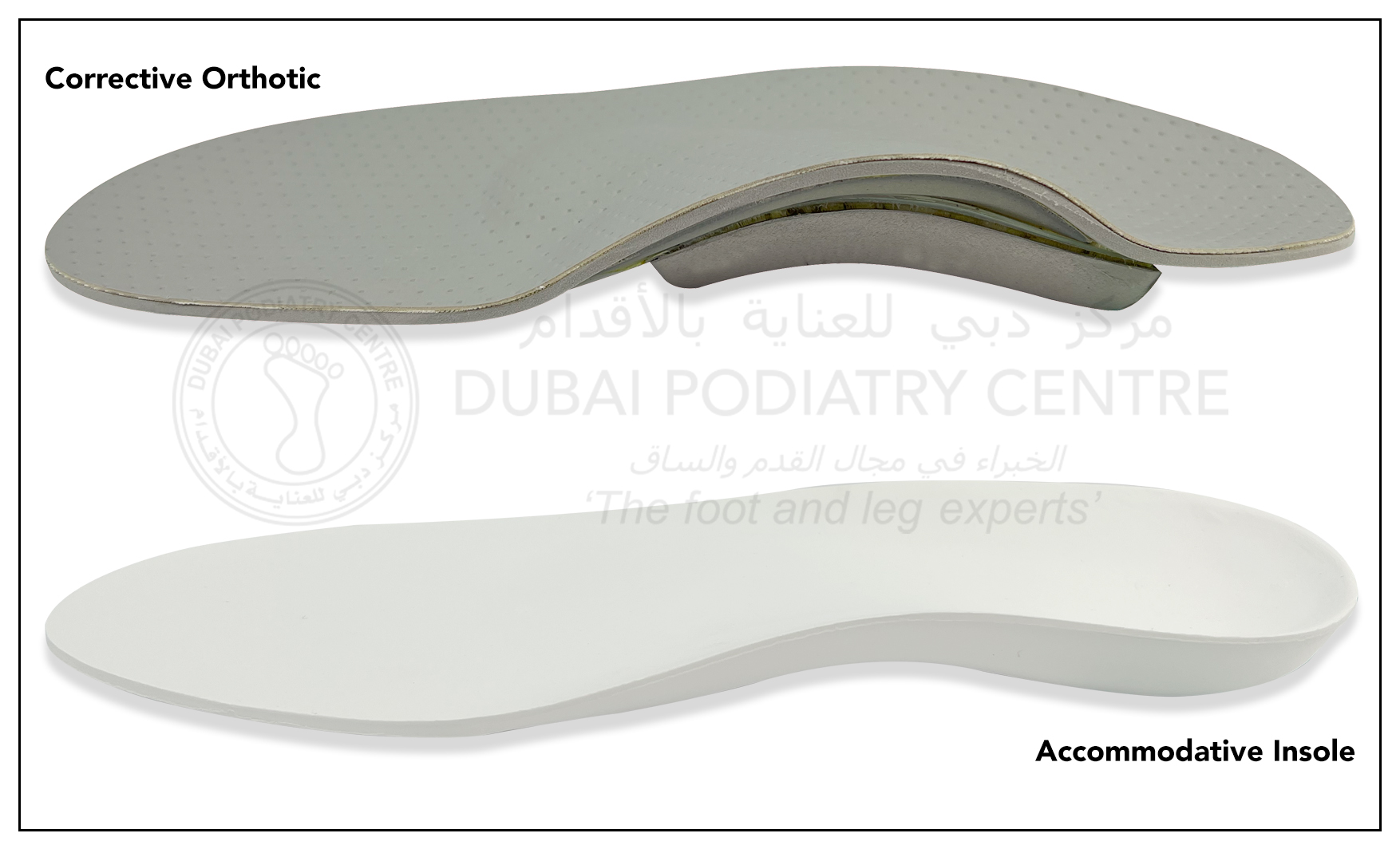
In this video I am going to explain the difference between an accommodative insole and a corrective orthotic.
في هذا الفيديو سوف أشرح الفرق بين النعال التكيُّفي والتقويم التصحيحي
Now, both of these go inside shoes, however, they have completely different jobs.
يوضع كلاهما داخل الأحذية، لكن لكل منهما وظائف مختلفة تمامًا
The accommodative insole supports and holds the foot.
النعال التكيُّفي يدعم ويحصّن القدم
For example, if the ankle could not be aligned or the arches lifted due to arthritis or whatever the reason, we would support the foot so that it is comfortable and the foot cannot collapse any further.
مثلًا إذا تعذر محاذاة الكاحل أو رفع الأقواس بسبب التهاب المفاصل أو لأي سبب آخر ، فإننا نقوم بدعم القدم لنريحها قدر الإمكان ولا تنهار أكثر من ذلك
A corrective orthotic is different.
التقويم التصحيحي مختلف
This repositions the joints in the foot which is usually progressive so we keep changing it.
يصحح هذا التقويم موضع مفاصل القدم والتي عادةً ما تتفاقم فنضطر إلى تغيير التقويم
Now, the best way to describe that process is with teeth. For example, a fixed dental brace is used to reposition the teeth. It is not changing the shape of the individual teeth, it is only changing the position of the teeth.
أفضل طريقة لوصف هذه العملية هي عن طريق مقارنتها بالأسنان. على سبيل المثال، يتم استخدام تقويم أسنان ثابت لتصحيح موضع الأسنان. لا يغير هذا التقويم شكل الأسنان الفردية بل فقط موضعها
With this other example using a mouthguard on the teeth, this does not change the position of the teeth it only protects the teeth for example if you are hit with a cricket ball this would act as a shield.
في هذا المثال الآخر، استخدام واقي الأسنان لا يغير موضع الأسنان بل يحميها فقط. مثلًا إذا أُصبت خلال لعبة كرة الكريكيت ، فسيكون هذا الواقي بمثابة درع
The first example would not act as a shield but it will change the position of the teeth, however this example will not change the position of the teeth but it will protect the teeth.
المثال الأول لن يكون بمثابة درع إنّما سيغير موضع الأسنان بينما هذا المثال لن يغير موضع الأسنان بل سيحميها
It is the same with the orthotics. The accommodative insole would not change the position of the foot and only support it. It is the same concept as the mouthguard for the teeth.
الأمر نفسه مع التقويمات. لن يغير النعال التكيُّفي وضعية القدم بل سيدعمها فقط. هو نفس مفهوم واقي الأسنان
But the corrective orthotic would change the position of the foot. They are quite different from each other.
لكن التقويم التصحيحي سيغير وضعية القدم. هما مختلفان تمامًا عن بعضهما البعض
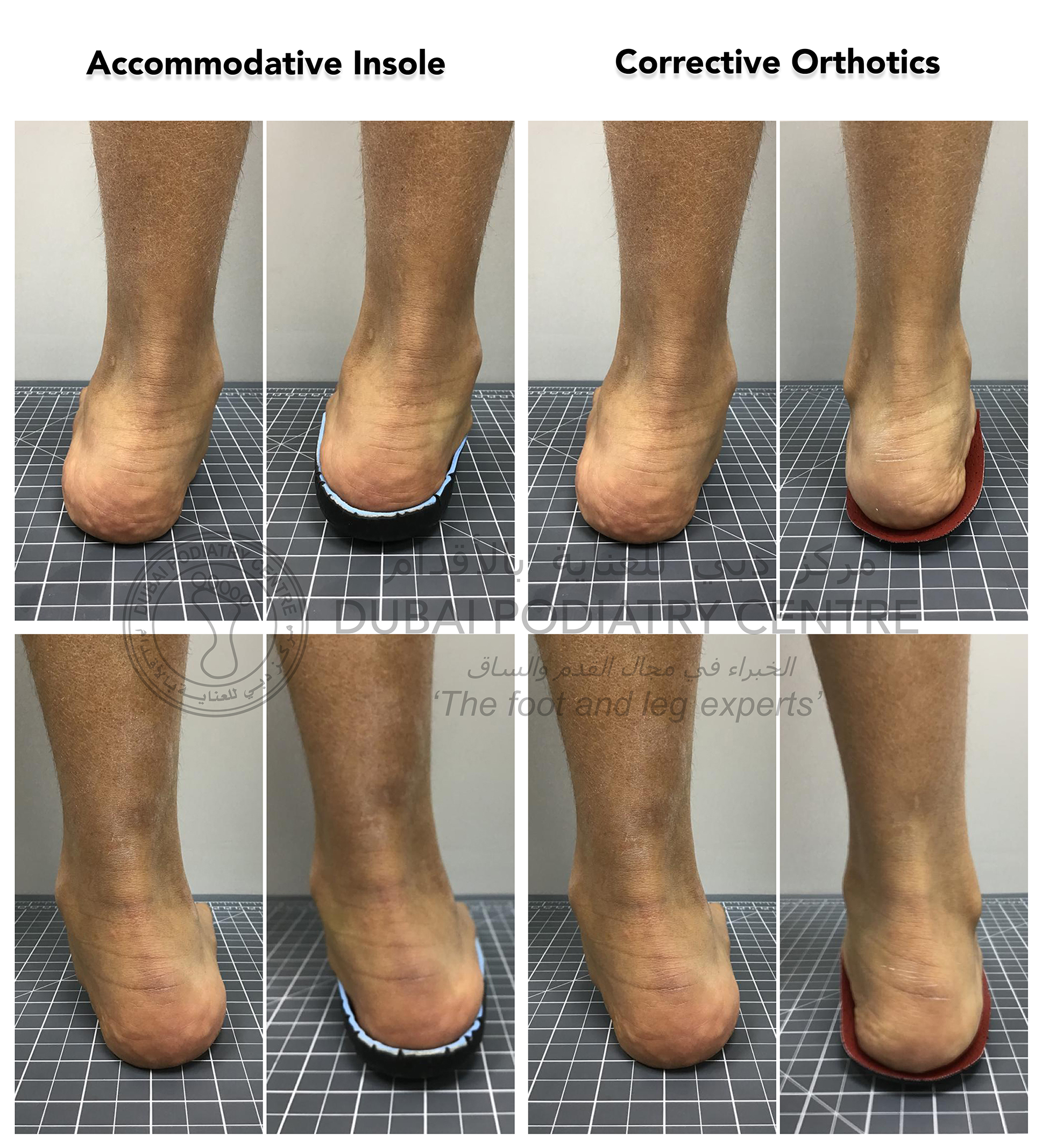
Furthermore, in this diagram this is a foot standing very straight on a corrective orthotic.
أيضًا في هذا الرسم التوضيحي، هذه قدم تقف بشكل مستقيم جدًا على تقويم تصحيحي
This other foot leans in and when they stand on this accommodative insole it holds the foot in its natural position which does not stop it from leaning in further and does not correct the position.
تميل هذه القدم الأخرى إلى الداخل وعندما تقف على هذا النعال التكيُّفي فإنها تحافظ على القدم في موضعها الطبيعي ولكن لا يمنعها ذلك من الانحناء ولا يصحح الوضع
They are very different in terms of their effect on the feet which is the same example with the teeth.
هما مختلفان جدا من حيث تأثيرهما على القدمين كمثال الأسنان
This is the best way to explain orthotics and I hope you enjoyed that explanation.
هذه أفضل طريقة لشرح التقويمات وآمل أن تكون
For more information or to book an appointment please call our clinic +971 4 3435390 or WhatsApp +971 50 3553024
لمزيد من المعلومات أو لحجز موعد يرجى الإتصال بعيادتنا على الرقم : ٠٠٩٧١٤٣٤٣٥٣٩٠ أو التواصل على الواتساب على الرقم ٠٠٩٧١٥٠٣٥٥٣٠٢٤
In this video I am going to show you how to use the microscope so that if you are unsure if you have a wart or corn on your foot you can use this device to check.
سأوضح لك في هذا الفيديو كيفية استخدام المجهر، يمكنك استخدام هذا الجهاز للتحقق
من وجود ثؤلول أو مسمار في قدمك، في حال كنت غير متأكّد من ذلك
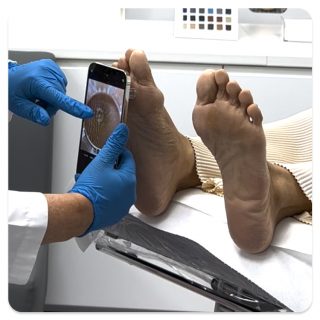
Firstly, on this phone there are 3 cameras. Pick which camera you want to use stick the microscope on to the camera lens. The microscope is reusable.
أولاً ، يوجد في هذا الهاتف ٣ كاميرات. اختر الكاميرا التي تريد استخدامها وألصق المجهر على عدسة الكاميرا. هذا المجهر قابل لإعادة الاستخدام
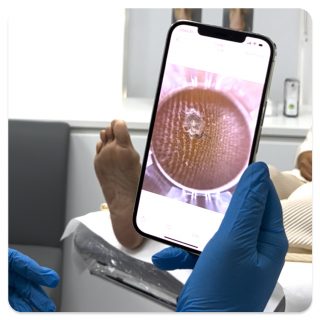
Now, we are going to place the microscope over the desired foot area and as you can see on the phone here, there is the corn. You can take a picture of what the microscope is showing also.
الآن ، سنضع المجهر فوق منطقة القدم المقصودة وكما ترون على الهاتف هنا ، هناك مسمار. يمكنك التقاط صورة لما يظهره المجهر أيضًا
Next, I am going to use the ‘lift and pull’ method to help this small foot corn.
بعد ذلك ، سأستخدم طريقة “الرفع والسحب” لمساعدة مسمار القدم الصغير هذا
This will lift the metatarsal bones because the second metatarsal bone has dropped down and is rubbing the skin which is causing this corn.
سترفع هذه الطريقة عظام مشط القدم لأن عظم المشط الثاني قد سبق وانخفض للأسفل واحتك بالجلد مما سبب بظهور هذا المسمار
So, we want to lift the bones of the metatarsals back up again to prevent this from happening.
لذلك، نريد رفع عظام مشط القدم مرة أخرى لمنع حدوث ذلك
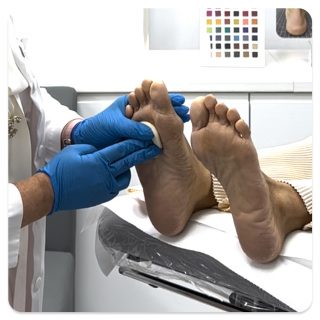
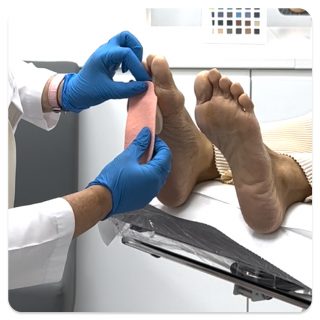
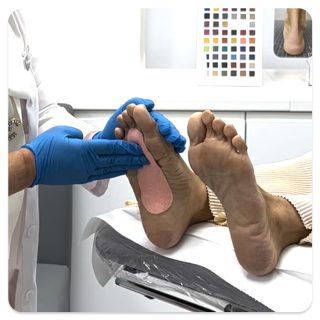
We do that by putting a small sticker on to the foot. Peel the paper backing away from the sticker and place the sticker just behind the corn, not covering it, so that it lifts from behind.
نقوم بذلك عن طريق وضع ملصق صغير على القدم. انزع الورقة الشفافة عن الملصق وضع هذا الأخير خلف المسمار مباشرة دون تغطيته بحيث يرفعه من الخلف
Then, we are going to put another sticker on to pull the fatty padding down so that the bone sits on the fat pad.
بعد ذلك، سنقوم بوضع ملصق آخر لسحب الحشوة الدهنية للأسفل بحيث يستوي العظم على الوسادة الدهنية
Place this underneath the toes and pull the other side of the sticker downwards before placing the rest of the sticker down.
ضع هذا تحت أصابع القدم واسحب الجانب الآخر من الملصق للأسفل قبل وضع باقي الملصق
This is why we call this method the ‘lift and pull’ as it helps to get rid of the corn naturally by getting the foot structure back to normal again.
لهذا نطلق على هذه الطريقة اسم “الرفع والسحب” لأنها تساعد على التخلص من المسمار بشكل طبيعي عن طريق إعادة بنية القدم إلى وضعها الطبيعي مرة أخرى
For more information or to book an appointment please call our clinic +971 4 3435390 or WhatsApp +971 50 3553024
لمزيد من المعلومات أو لحجز موعد يرجى الإتصال بعيادتنا على الرقم : ٠٠٩٧١٤٣٤٣٥٣٩٠ أو التواصل على الواتساب على الرقم ٠٠٩٧١٥٠٣٥٥٣٠٢٤
You can have heel pain on different parts of the heel such as the side, back or directly underneath the heel bone.
يمكن أن تشعر بألم في أجزاء مختلفة من كعب القدم مثل الجانب أو الخلف أو أسفل عظم الكعب مباشرة
Feeling pain underneath the heel at the end of the day is most likely to be tendinitis of the muscles underneath the foot arch.
من المرجح أن يكون سبب الشعور بألم أسفل الكعب في نهاية اليوم هو التهاب أوتار العضلات الموجودة أسفل قوس القدم
Heel pain when you first wake up in the morning and step on the floor is most likely caused by plantar fasciitis.
التهاب اللفافة الأخمصية هو غالبًا ما يكون سبب ألم الكعب عند الاستيقاظ في الصباح والدَوس على الأرض
Another area of heel pain at the back of your foot when you start running or as soon as you finish running is most likely to be tendinitis at the back of your heel bone.
منطقة أخرى معرّضة للإصابة بالتهاب الأوتار في الجزء الخلفي من عظم الكعب ، خاصّةً عند البدء بالجري أو بمجرد الانتهاء من الجري
Lastly, if you feel pain quite low down on your heel and when you crouch down to pick something up it hurts, this could be the result of tearing of the plantar fat padding.
أخيرًا ، إذا شعرت بألم خفيف في كعب القدم واذا شعرت بألم عندما تنحني لالتقاط شيء ما ، فقد يكون هذا نتيجة لتمزق حشوة الدهون الأخمصية
So, we prefer to discover what is causing you the pain and where exactly it is on the heel so that we can give you a unique and accurate treatment.
لذلك ، نفضل معرفة سبب الألم ومكانه بالضبط حتى نتمكن من تقديم علاج فريد ودقيق لك
For more information or to book an appointment please call our clinic +971 4 3435390 or WhatsApp +971 50 3553024
لمزيد من المعلومات أو لحجز موعد يرجى الإتصال بعيادتنا على الرقم : ٠٠٩٧١٤٣٤٣٥٣٩٠ أو التواصل على الواتساب على الرقم ٠٠٩٧١٥٠٣٥٥٣٠٢٤
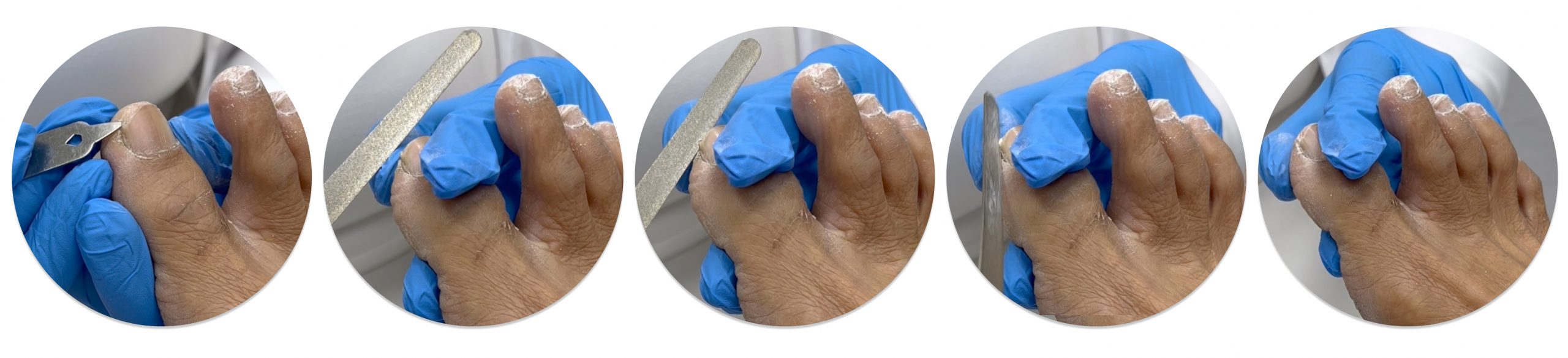
When trimming the nails it is important to check with a nail file that the edges are all clear.
As you can see on this toe nail the edge is clear but on this other one, although it looks like its clear,
So, this is why it is always a good idea after you trim your nails to give the nail a quick file at the edges to make sure that they are all rounded and there are no sharp edges to them.
For more information or to book an appointment please call our clinic +971 4 3435390 or WhatsApp +971 50 3553024
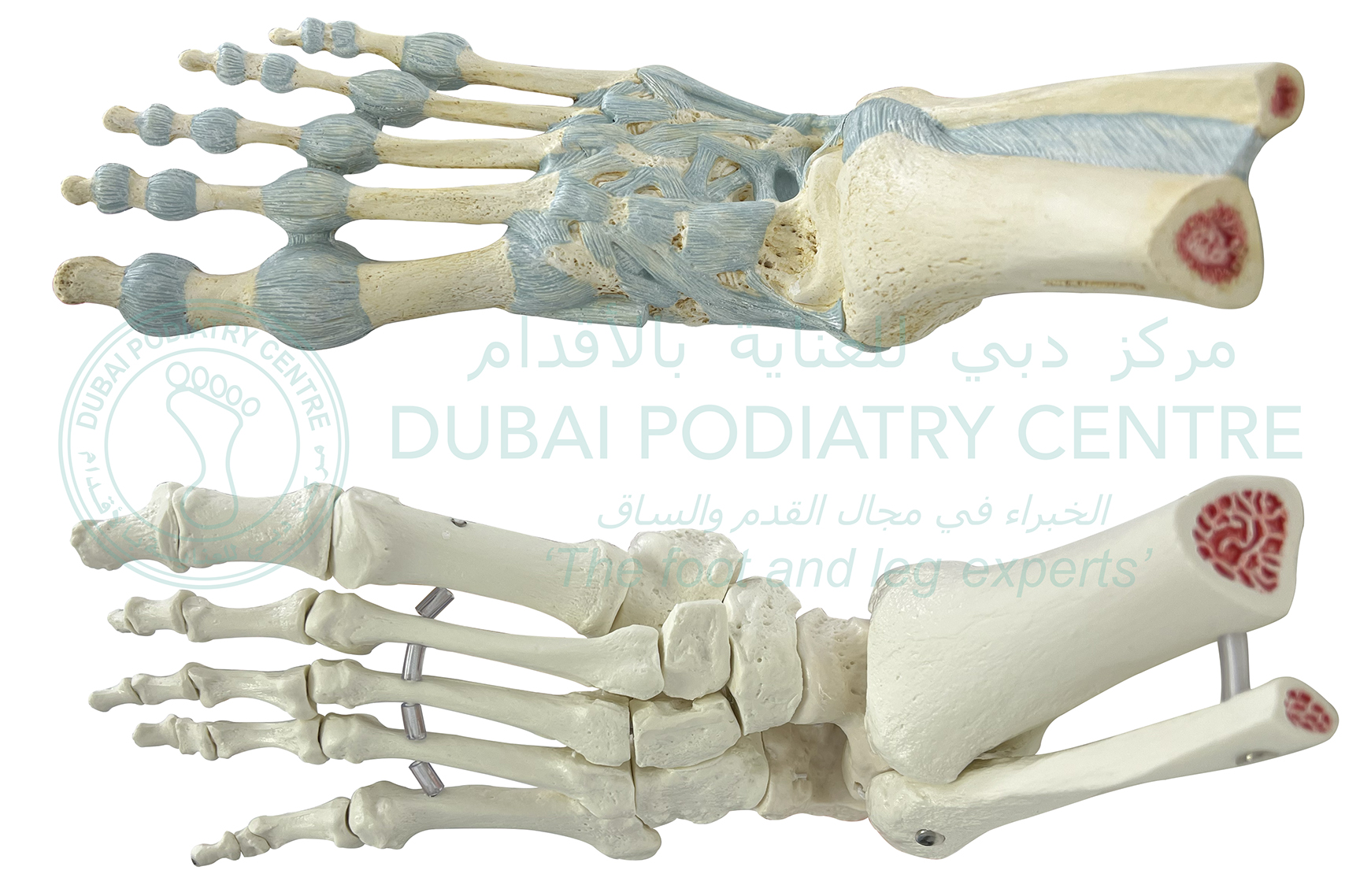
The ligaments inside the feet are extremely important because it gives the foot structure.
الأربطة الموجودة داخل الأقدام مهمة للغاية لأنها تعطي بنية للقدم
For example, if one of these bones naturally moves out to the side or the toes retract, typically people say that this can’t be fixed because the bones have already grown and the person is an adult.
على سبيل المثال، إذا تحركت إحدى هذه العظام بشكل طبيعي إلى الجانب أو اذا تراجعت أصابع القدم، عادةً يعتبر الناس أنه لا يمكن إصلاح ذلك لأن العظام قد نمت بالفعل وأصبح الشخص بالغًا
However, there is in fact a lot you can change to the structure of the foot even when you are an adult.
ومع ذلك، في الواقع هنالك الكثير مما يمكنك تغييره في بنية القدم حتى عندما تكون بالغًا
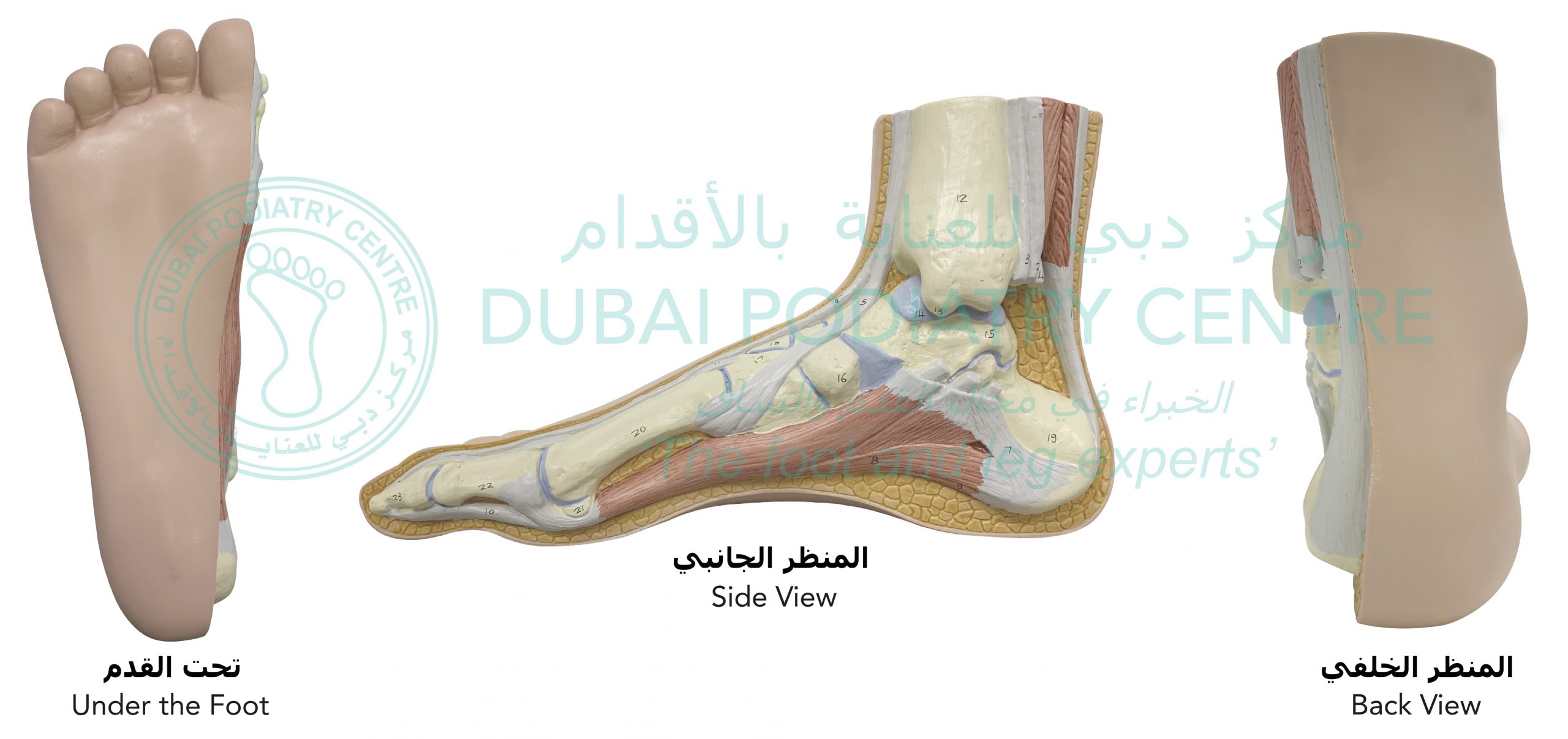
This foot example highlights the blue parts as ligaments. Without ligaments the foot will be very floppy, even with muscles.
You could move the bones and toes any direction you want to. Ligament strength keeps the foot in its position.
يبرز مثال القدم هذا الأجزاء الزرقاء كأربطة.بدون أربطة، ستكون القدم مرنة جدًا، حتى مع وجود العضلات.يمكنك تحريك العظام وأصابع القدم في أي اتجاه تريده إذ تُبقي قوة الرباط القدم في موضعها
So, altering the bones of the feet to a straight position would be achieved by locking in and getting the alignment of your
ligaments back up to where they are supposed to be.
إذًا فإن تغيير عظام القدمين إلى وضع مستقيم يمكن تحقيقه عن طريق تثبيت وإعادة محاذاة الأربطة إلى حيث من المفترض أن تتواجد
For example, if we wanted to lift your arch or get your toes back to a straight position we would concentrate on the alignment
of the bone and work on the strength of the ligaments so you can get the toes or the arch to move anyway you want to.
على سبيل المثال، إذا أردنا رفع قوس قدمك أو إعادة أصابع قدميك إلى وضعها المستقيم، سنركز على محاذاة العظام ونعمل على قوة الأربطة حتى تتمكن من تحريك أصابع القدم أو القوس بالطريقة التي تريدها
Overall, lifting and realigning the bones as well as strengthening the ligaments which holds the foot in to its position will fix most issues
such as toe retraction and bones moving out to the side.
بشكل عام، فإن رفع وإعادة تراصف العظام بالإضافة إلى تقوية الأربطة التي تثبت القدم في موضعها سيصلح معظم المشكلات مثل تراجع إصبع القدم وانتقال العظام إلى الجانب
For more information or to book an appointment please call our clinic +971 4 3435390 or WhatsApp +971 50 3553024
لمزيد من المعلومات أو لحجز موعد يرجى الإتصال بعيادتنا على الرقم : ٠٠٩٧١٤٣٤٣٥٣٩٠ أو التواصل على الواتساب على الرقم ٠٠٩٧١٥٠٣٥٥٣٠٢٤
In this video, I want to show you my tips and tricks for looking after your toenails.
في هذا الفيديو، أريد أن أريكم نصائح وحيل للعناية بأصابع أقدامكم
This method I am about to show you is what I personally do myself once a week. You can do it more if you wish, but once a week is enough.
الطريقة التي سأعرضها عليكم هي ما أفعله شخصيًّا مرة واحدة في الأسبوع. يمكنكم، اذا رغبتم أن تقوموا بها أكثر من مرة، ولكن مرة واحدة في الأسبوع كافية
This routine keeps the nails shiny and clean so there is no debris underneath the nail. It is much better than using instruments to clean at the sides or underneath the toenail.
يحافظهذا الروتين على الأظافر لامعة ونظيفة وبالتالي لا تتراكم البقايا تحت الظفر.هذه الطريقة أفضل بكثير من استخدام أدوات لتنظيف جوانب أو أسفل الظفر
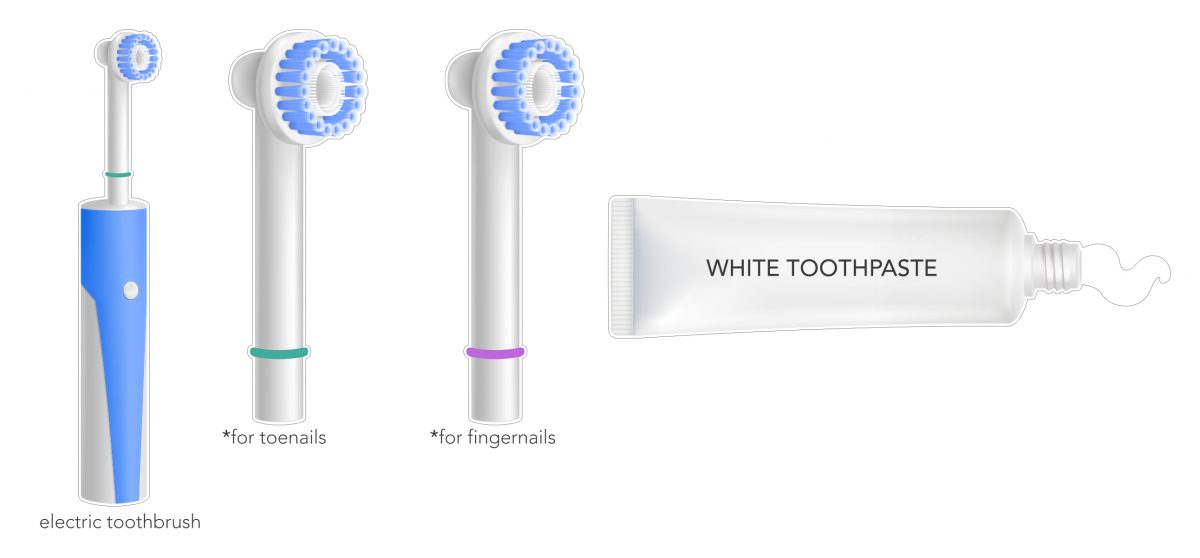
This process is done by using an electric toothbrush, they are about 99dhs from the pharmacy and they are not expensive. I advise that you buy two fresh toothbrush heads with different colour codes on them so that one can you be used for fingernails, and the other colour is specifically for your toenails.
تتم هذه العملية عن طريق استخدام فرشاة أسنان كهربائية متوفرة في الصيدلية وثمنها حوالي
٩٩ درهمفقط وبالتالي ليست باهظة الثمن.أنصحكم بشراء رأسين لفرشاة الأسنان، كل رأس بلون مختلف بحيث يمكن استخدام أحدهما لأظافر اليدين، والآخر لأظافر القدمين
Obviously you are going to buy a toothbrush exclusively for your fingernails and toenails, completely separate to the one you use for your mouth.
بالتأكيدستشترون فرشاة أسنان خاصة لأظافر أيديكموأظافر أقدامكم، مختلفة تمامًا عن تلك التي يتمّ استخدامها للفم
The paste for the nails needs to be white paste toothpaste, you do not need to use the Colgate brand that I am using in this video, it can be any brand. Although it is vital that it is white paste and not gel based toothpaste.
يجب أن يكون معجون الأظافر معجون أسنان أبيض ، ليس من الضروري استخدام ماركة كولجيت التي أستخدمها في هذا الفيديو ، يمكن أن تكون أي علامة تجارية أخرى. الّا أنه من الضروري أن يكون معجونًا أبيض وليس جل
The natural menthol that is in the toothpaste is a fungicidal which means it inhibits the growth of fungal spores.
المنثول الطبيعي الموجود في معجون الأسنان هو مبيد للفطريات مما يعني أنه يمنع نمو الجراثيم الفطرية
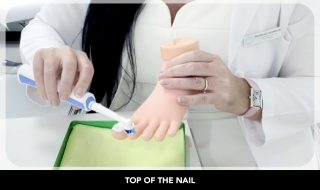
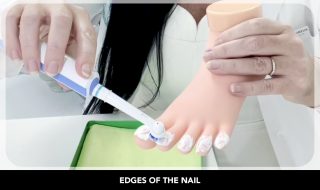
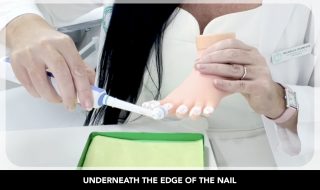
The technique for using the toothbrush with the dry paste only (no water needed) is to go around each toe, on the top of the nails first, then make sure you go along the edges of the nail.
تقوم تقنية استخدام معجون الأسنان الجاف (لا حاجة لإستخدام الماء) على الدوران حول كل اصبع، بدءًا من أعلى الظفر أولًا والتأكّد من المرور على طول حواف الظفر
Once you have completed that step, go along underneath the edge of the toenail on all the nails.
بمجرد الانتهاء من هذه الخطوة، انتقل إلى أسفل حافة أظافر كل الأصابع
The oscillation of the toothbrush removes all the debris out from underneath the nail.
يزيل تذبذب فرشاة الأسنان كل البقايا من تحت الظفر
After this process, you will have the cleanest and shiniest nails ever because it will remove any dead skin cells build up, dust and fungal spores.
بعد هذه العملية ، سيكون لديك أنظف وألمع أظافر على الإطلاق لأنه سيزيل كل خلايا الجلد الميتة المتراكمة والغبار والجراثيم الفطرية
Personally, I do this once a week on my toenails, but I do it more regularly on my fingernails.
شخصياً، أقوم بهذه العملية مرة واحدة في الأسبوع لأظافر قدمي، أمّا لأظافر يدي فأقوم بذلك بانتظام أكثر
You can thank me later because it will give you lovely, shiny nails!
يمكنكم أن تشكروني لاحقًا لأنها ستمنحكم أظافرًا جميلة ولامعة!
For more information or to book an appointment please call our clinic +971 4 3435390 or WhatsApp +971 50 3553024
لمزيد من المعلومات أو لحجز موعد يرجى الإتصال بعيادتنا على الرقم : ٠٠٩٧١٤٣٤٣٥٣٩٠
Haglunds bump is a boney growth and an irritated tendon.
نتوء هانغلاند هو نمو عظمي وأوتار متهيجة
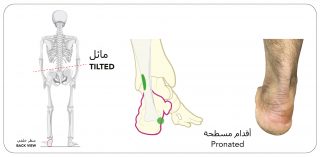
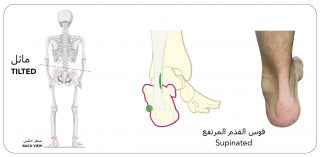
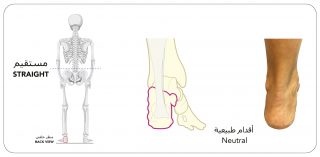
All of these show the left foot. You can see the left foot is leaning in, leaning out, and on this picture the left foot is straight. When we have a tilted pelvis, the foot leans in. It creates swelling on the inside of the heel. When we have a tilted pelvis that is higher up and moves back, the foot leans to the outside and the swelling is outside the heel. When we have a pelvis that is straight, both feet and Achilles are straight then we don’t have any swelling on the heel bone.
كل هذه الصور تظهر القدم اليسرى. يمكنك رؤية القدم اليسرى حين تميل إلى الداخل وإلى الخارج، وحين تكون القدم اليسرى مستقيمة. عندما يكون لدينا حوض مائل، تميل القدم إلى الداخل، مما يسبّب تورم على جانب الكعب. عندما يكون لدينا حوض مائل بمستوى أعلى ومتراجع، تميل القدم إلى الخارج ويكون التورم خارج الكعب. عندما يكون لدينا حوض مستقيم، تكون كل من القدمين وأوتار العرقوب مستقيمة، ولا تورم في عظمة الكعب
For more information or to book an appointment please call our clinic +971 4 3435390 or WhatsApp +971 50 3553024
لمزيد من المعلومات أو لحجز موعد يرجى الإتصال بعيادتنا على الرقم : ٠٠٩٧١٤٣٤٣٥٣٩٠ أو التواصل على الواتساب على الرقم ٠٠٩٧١٥٠٣٥٥٣٠٢٤
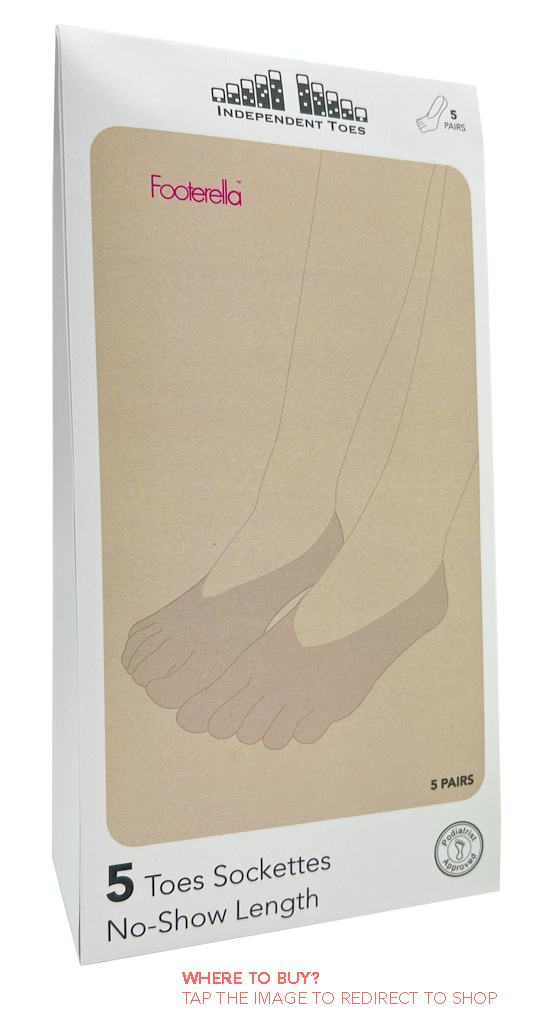
A great tip for preventing issues with toes such as fungus in between the toes, crooked toes, corns and bursae is these special toe socks which I highly recommend.
نصيحة رائعة لتجنب حدوث مشاكل أصابع القدم كالفطريات بين أصابع القدم، أصابع القدم الملتوية، مسامير القدم والجراب، هي هذه الجوارب الخاصة بأصابع القدم والتي أوصي بها بشدة
Toe socks help to keep the toes separate and alleviates the moisture from building up in between the toes which typically causes fungal infections.
تساعد جوارب أصابع القدم على بقاء أصابع القدم منفصلة وتخفيف الرطوبة من التكوّن بين أصابع القدم والتي تسبب عادةً الالتهابات الفطرية
Also, it is common for people to have toes longer than their big toe, such as the second or third toes and wearing normal socks can make these longer toes bend slightly. This can create some bursars, swellings and corns on the top. To prevent this, wearing toe socks would help with any discomfort and friction.
أيضًا ، من الشائع أن يكون لدى الأشخاص أصابع أطول من إصبع القدم الكبير ( الإبهام)، مثل إصبع القدم الثاني أو الثالث، وبالتالي فإنّ ارتداء الجوارب العادية يمكن أن يجعل أصابع القدم الأطول تنحني قليلاً.وهذا يمكن أن يسبب بعض حالات الجراب والتورمات والمسامير على الجزء الأعلى من الإصبع. يساعد ارتداء جوارب أصابع القدم على التخلص من أي إزعاج أو احتكاك
نصيحتي هي أنه إذا كان إصبع قدمك الثاني أو الثالث أطول من الأوّل أي الإبهامأو اذا كان لديك
التهابات فطرية بين أو تحت أصابع القدم، أو إذا كنت ذو أصابع ملتوية، فإن أفضل حل هو ارتداء جوارب أصابع القدم
For more information or to book an appointment please call our clinic +971 4 3435390 or WhatsApp +971 50 3553024
لمزيد من المعلومات أو لحجز موعد يرجى الإتصال بعيادتنا على الرقم : ٠٠٩٧١٤٣٤٣٥٣٩٠ أو التواصل على الواتساب على الرقم ٠٠٩٧١٥٠٣٥٥٣٠٢٤
I am going to discuss the difference between a flat foot and an arched foot.
سوف أناقش الفرق بين القدم المسطحة والقدم المقوّسة
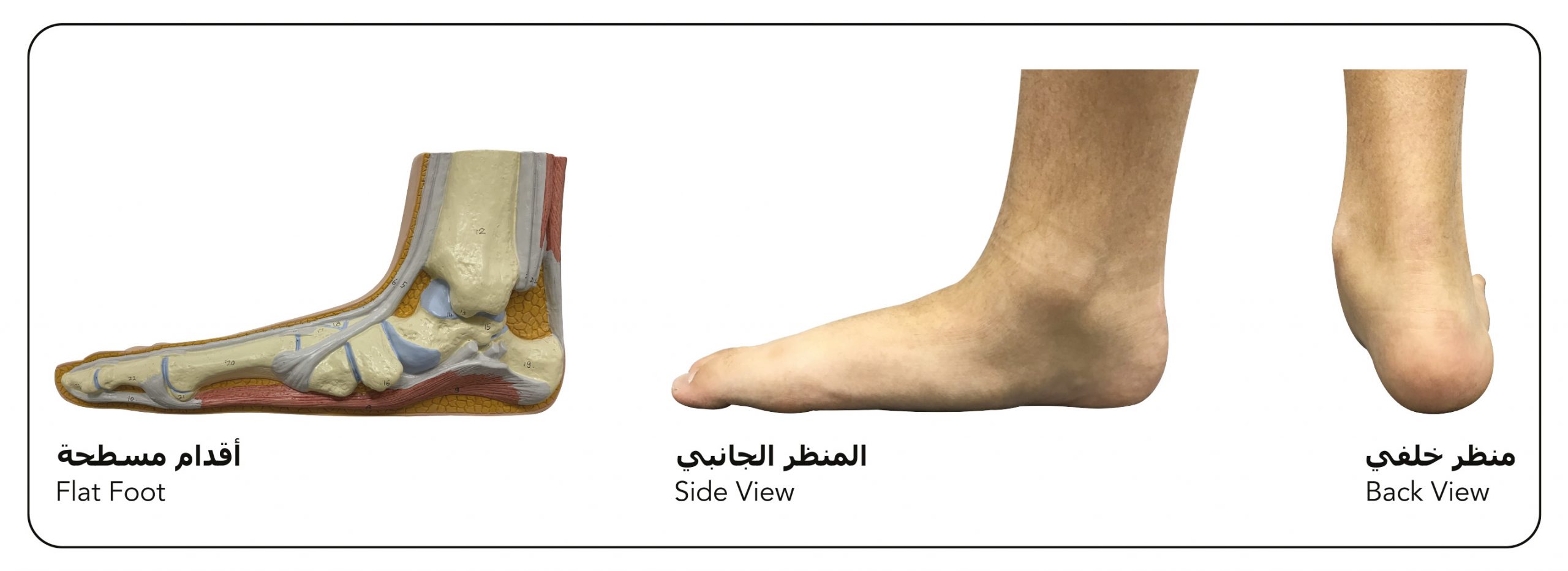
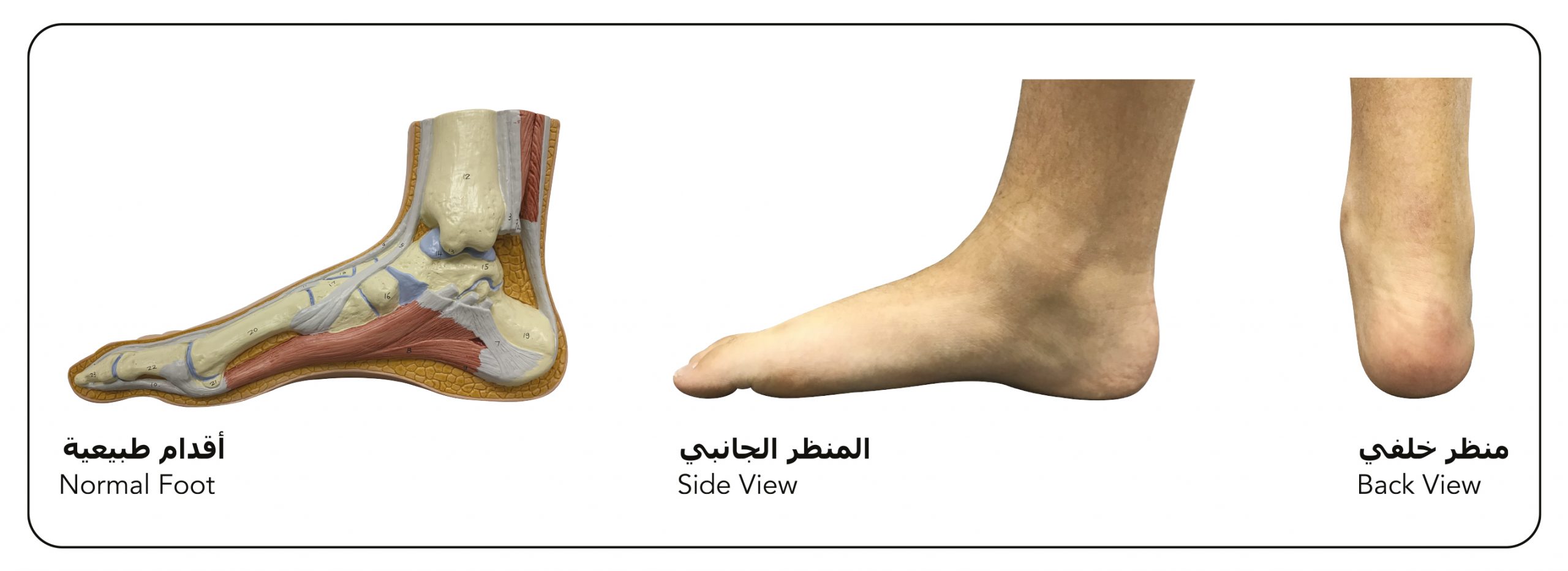
It’s interesting to see that the bones in the flat foot in this model compared to the bones on this arched foot model are identical and there’s no difference between the bones. But what’s different is the position of the bones. So just liked crooked teeth you can get a brace to straighten it and change the alignment of the teeth without changing the integrity of the individual tooth.
من المثير للاهتمام أن نرى أن العظام الموجودة في القدم المسطحة في هذا النموذج مقارنة بالعظام الموجودة في نموذج القدم المقوسة هذا متطابقة ولا اختلاف بين العظام، إنّما الإختلاف يكمن في موضعها. تمامًا مثل الأسنان الملتوية، يمكنك الحصول على دعامة لتسويتها وتغيير ارتصافها دون تغيير كمال كل سن على حدى
As you can see from these feet, this is what a flat foot looks like in real life, this is what arched feet look like in real life, but let us see how to identify if a flat foot can be raised and arched again.
كما ترون من خلال هذه الأقدام، هكذا تبدو القدم المسطحة في الواقع، وهذا ما تبدو عليه الأقدام المقوسة في الواقع، ولكن دعونا نرى كيفية تحديد إمكانية رفع وتقويس القدم المسطحة مرة أخرى
We need 4 things. We will see if we can align the ankle and if we can lift all 3 arches in the feet. There are 3 arches in the feet and not one. So we have to lift the foot like a biomechanical structure aligning the ankle also.
نحتاج إلى ٤ أشياء. سوف نرى إذا كان بإمكاننا محاذاة الكاحل ورفع جميع الأقواس الثلاثة في القدم . في القدم ثلاث أقواس وليس قوس واحد فقط، لذلك علينا أن نرفع القدم مثل هيكل ميكانيكي حيوي ليحاذي الكاحل أيضًا
For more information or to book an appointment please call our clinic +971 4 3435390 or WhatsApp +971 50 3553024
لمزيد من المعلومات أو لحجز موعد يرجى الإتصال بعيادتنا على الرقم : ٠٠٩٧١٤٣٤٣٥٣٩٠ أو التواصل على الواتساب على الرقم ٠٠٩٧١٥٠٣٥٥٣٠٢٤