Plantar fasciitis is a painful condition that affects the heel.
التهاب اللفافة الأخمصية هي حالة مؤلمة تؤثر على كعب القدم
What we would do to help your band of fascia from pulling too tight is lift your arch using an insole and tilt your foot so that you are not relying on the plantar fascia band.
ما سنفعله لمنع شريط اللفافة من الشد بقوّة هو رفع قوس القدم باستخدام نعل وإمالة قدمك حتى لا تستند على شريط اللفافة الأخمصية
Next, we would put a special sticker for 2 weeks underneath your foot to lift your arch and keep your foot together.
ثانيًا، سنضع ملصقًا خاصًا لمدة أسبوعين تحت قدمك لرفع القوس والحفاظ على قدميك معًا
Also, we would use a special electro muscle stimulator to tighten the muscles underneath your foot so you are not so reliant on the fascia band.
كذلك سنستخدم محفّز عضلات كهربائي خاص لشدّ العضلات أسفل قدمك حتى لا تستند على شريط اللّفافة
And we would advise some foot exercises to do everyday for a few minutes to help strengthen the muscles underneath your foot.
وننصح بممارسة بعض تمارين القدم كل يوم لبضع دقائق لتقوية العضلات تحت قدمك
We would also advise to do some foot stretching exercises in bed in the morning before you get out of bed and put your foot down when plantar fasciitis is the most painful.
كما ننصح بإجراء بعض تمارين شدّ القدم في الفراش في الصباح قبل النهوض من السرير ووضع قدمك على الأرض عندما يكون التهاب اللفافة الأخمصي مؤلمًا للغاية
For more information or to book an appointment please call our clinic +971 4 3435390 or WhatsApp +971 50 3553024
لمزيد من المعلومات أو لحجز موعد يرجى الإتصال بعيادتنا على الرقم : ٠٠٩٧١٤٣٤٣٥٣٩٠ أو التواصل على الواتساب على الرقم ٠٠٩٧١٥٠٣٥٥٣٠٢٤
This video focuses on children’s leg pain at night
يركز هذا الفيديو على ألم الساق لدى الأطفال في الليل
.Sometimes, children cannot get to sleep or will fall asleep and wake up a few hours later wanting their parents to squeeze, press or massage their legs
في بعض الأحيان لا يستطيع الأطفال النوم أو ينامون ويستيقظون بعد بضع ساعات وهم يريدون من والديهم الضغط على أرجلهم أو تدليكها
I will discuss some of the reasons why that may be
سأناقش بعض الأسباب التي قد تكون وراء ذلك
.Firstly, always take your child to the paediatrician because they will run some general tests and find out why the child is having this pain
أولاً، خذ طفلك دائمًا إلى طبيب الأطفال لأنه سيجري بعض الفحوصات العامة لمعرفة سبب إصابة الطفل بهذا الألم
.A common reason is that the child can has growing pains which is typically pain at the end of their bones, for example in the knees and at the base of the feet
السبب الشائع هو أن الطفل يمكن أن يعاني من آلام النمو والتي عادة ما تكون عبارة عن ألم في آخر عظامه، كالركبتين وقاعدة القدمين
.Also, if the child has low calcium or low vitamin D intake they might feel like they want their legs to be squeezed at night time
أيضًا، إذا كان الطفل يعاني من انخفاض في نسبة الكالسيوم أو الفيتامين (د) فقد يشعر وكأنه يريد ضغط رجليه في الليل
.Finally, if the child has flat feet they will use their leg muscles a lot more than a person with straight ankles and lifted foot arches so they will want their legs massaged at night
أخيرًا، إذا كان لدى الطفل أقدام مسطحة، سيستخدم عضلات ساقه أكثر بكثير ممن لديه كاحلين مستقيمين وأقواس قدم مرفوعة، لذا سيرغب في تدليك ساقيه ليلاً
.So, these are some of the reasons why a child will have leg pain at night time
إذن هذه هي بعض الأسباب التي تجعل الطفل يعاني من آلام في الساق ليلاً
For more information or to book an appointment please call our clinic +971 4 3435390 or WhatsApp +971 50 3553024
لمزيد من المعلومات أو لحجز موعد يرجى الإتصال بعيادتنا على الرقم : ٠٠٩٧١٤٣٤٣٥٣٩٠ أو التواصل على الواتساب على الرقم ٠٠٩٧١٥٠٣٥٥٣٠٢٤
This lady has a bunion on one foot but not the other.
تعاني هذه السيدة من تورّم في قدم واحدة فقط
The reason why she has this bunion is because her ankle has collapsed inward and her arch has dropped down.
يعود سبب وجود هذا التورّم إلى هبوط كاحلها لجهة الداخل وانخفاض القوس للأسفل
When that happens it is difficult to walk with both the feet pointing straight.
عند حدوث ذلك، يصبح من الصعب المشي بقدمين موّجهتين نحو الأمام
You have to then start to move the foot that has the collapsed arch out to the side to make the ankle and the hip feel good.
عليك في هذه الحالة إبعاد القدم ذات القوس الهابط إلى الجانب لإراحة الكاحل والورك
Now, what that starts to do is push the big toe away because when you move the foot to the side and roll off the side of the foot it causes a problem with the joint here.
ثمّ نقوم بإبعاد إصبع القدم الكبير لتجنّب حدوث مشكلة مع المفصل هنا عند تحريك القدم نحو الجانب وإدارة جانبها
Then, we start to see the bunion forming.
عندها نبدأ برؤية تكوّن التورّم
What would we do for her?
ماذا بإمكاننا أن نفعل لمساعدتها؟
Well, we would put an insole under her left foot to hold it straight and keep the left hip back.
يمكننا وضع نعال تحت القدم اليسرى لجعلها مستقيمة وتثبيت الورك الأسر
Under the right side we would put an orthotic to hold and lift the arch up, get the ankle straight, put some binding on to the first toe to pull it back to straight again.
أمّا تحت الجانب الأيمن، سنضع تقويم لدعم ورفع القوس واستقامة الكاحل ووضع أربطة على إصبع القدم الكبير ليعود إلى وضعه
For more information or to book an appointment please call our clinic +971 4 3435390 or WhatsApp +971 50 3553024
لمزيد من المعلومات أو لحجز موعد يرجى الإتصال بعيادتنا على الرقم : ٠٠٩٧١٤٣٤٣٥٣٩٠ أو التواصل على الواتساب على الرقم ٠٠٩٧١٥٠٣٥٥٣٠٢٤
We have likely all done it when we have gotten out of the car and put our toes down first then jolted our foot at this angle.
من المحتمل أننا جميعًا فعلنا ذلك عندما خرجنا من السيارة ووضعنا أصابع قدمنا للأسفل أولاً ثم نفضت قدمنا في هذه الزاوية
A few days later, a lot of pain in a particular area of the foot can happen especially when we go to stand or walk as our heels lift up. Some ligament pain shows up for no apparent reason as the smaller ligaments tend to take a few days to become restricted and inflamed.
بعد بضعة أيام، يمكن أن نشعر بالكثير من الألم في منطقة معينة من القدم خاصة عندما نهم بالوقوف أو المشي بينما يرتفع الكعب. تظهر بعض آلام الأربطة دون سبب واضح لأن الأربطة الأصغر تستغرق بضعة أيام لتصبح مقيدة وملتهبة
The reason for that is the tension on the ligaments. They hold each bone to the next and are very strong, however, sometimes when the foot is flexed in an unusual position and we land heavy on the foot these ligaments can over-strain.
والسبب في ذلك هو الشد على الأربطة. تمسك الأربطة كل عظم بالآخر وتكون قوية للغايةومع ذلك في بعض الأحيان تُجهد الاربطة عندما نلوي القدم في وضع غير عادي ونهبط بثقل عليها
The most common ligament strain is the one on the outside of your ankle when you accidentally go over your ankle and it causes great pain.
أكثر أنواع إجهاد الأربطة شيوعًا هي تلك الموجودة على الجزء الخارجي من كاحلك وذلك عندما تضغط على الكاحل بالخطأ ممّا يسبب ألمًا شديدًا
Mid-foot ligaments hold your metatarsal bones to the cube-shaped bones and they can become unbearably painful to walk on especially when you lift and bend your foot to walk or go up stairs.
تمسك أربطة منتصف القدم عظام المشط بالعظام على شكل مكعب ويمكن أن تصبح مؤلمة بشكل لا يطاق عند المشي عليها خاصةً عند رفع وثني قدمك للمشي أو صعود السلالم
First, deciding what level of tear or strain the ligaments have had. This usually requires a visit to a health professional. Bruising, severe swelling and inability to put any pressure on the foot indicated severe ligament damage and should be checked immediately with medical attention.
أولاً يجب تحديد مستوى التمزق أو الإجهاد الذي تعرضت له الأربطة. يتطلب هذا عادة زيارة أخصائي صحي. تشير الكدمات والتورم الشديد وعدم القدرة على الضغط على القدم إلى تلف شديد في الرباط ممّا يستوجب الرعاية الصحية الفورية
Lesser ligament injuries where walking is still possible, perhaps with a limp, some movements are restricted, little swelling, no bruising indicate lesser grades of ligament damage.
إصابات الرباط الصغرى حيث لا يزال المشي ممكنًا، إنّما مع عرج، وبعض الحركات المقيدة، وتورم بسيط، من دون وجود كدمات تشير إلى درجات أقل من تلف الرباط
Some solutions include a walking boot such as an air cast to immobilise the foot and ankle, surgical reattachment for severe ligaments tears or detachment, taping and binding to mimic the ligaments which reduces the load on them, an insole underneath your foot to lift the arch up and reduce the ligament load. Supporting the foot ligaments allows repair.
تتضمن بعض الحلول حذاء المشي لحصر حركة القدم والكاحل، التدخل الجراحي لإعادة الإرتباط في حال تمزق الأربطة الشديد أو في حال انفصالها، الشريط اللاصق والرباط لتقليد الأربطة ممّا يقلل الحمل عليها، نعل أسفل القدم لرفع القوس والتخفيف من حمولة
To book an appointment, please call our clinic +971 4 3435390 or WhatsApp +971 50 3553024 💚👣
لحجز موعد يرجى الإتصال بعيادتنا على الرقم : ٠٠٩٧١٤٣٤٣٥٣٩٠ أو التواصل على الواتساب على الرقم ٠٠٩٧١٥٠٣٥٥٣٠٢٤
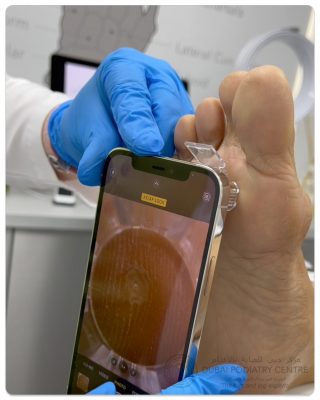
In this video I am going to show you how to use your phone and the Footerella microscope to check if you have a corn, wart, callus or foreign object inside your foot.
سأوضح لك في هذا الفيديو كيفية استخدام هاتفك وميكروسكوب فوتريللا للتحقق مما إذا كان لديك مسمار، ثؤلول، تصلّبات أو جسم غريب داخل قدمك
Also, there is an instruction leaflet inside the package on how to use the microscope. You also have an extra adhesive to use.
يوجد أيضًا نشرة إرشادية داخل العبوة حول كيفية استخدام المجهر. لديك أيضًا مادة لاصقة إضافية للاستخدام
Firstly, open the small door of the microscope then remove and dispose of the paper covering the sticky part of the microscope.
أولاً، افتح الباب الصغير للميكروسكوب ثم أزل الورق الذي يغطي الجزء اللاصق من المجهر وتخلص منه
Now, place the microscope on the camera of your phone. Open your camera app on your phone and you will see the microscopic lens view.
ضع الآن المجهر على كاميرا هاتفك. افتح تطبيق الكاميرا وسترى صورة العدسة المجهرية
Now, we are going to place the microscope over this lesion and take a photo of it.
سنضع المجهر فوق هذه الآفة ونلتقط صورة لها
As you move the microscope over other areas of the foot you can take photos or videos and you can WhatsApp it to us so that we can diagnose the issue.
أثناء قيامك بتحريك المجهر فوق مناطق أخرى من القدم، يمكنك التقاط صور أو مقاطع فيديو ويمكنك إرسالها الينا عن طريق الواتساب حتى نتمكن من تشخيص المشكلة
Moving the lens to the other foot, there is a callus here. Again, you can take a photo or video to see if it is a corn or anything like that
عندما ننقل العدسة إلى القدم الأخرى نرى هنا مسمار. مجدّدًا، يمكنك التقاط صورة أو مقطع فيديو لمعرفة ما إذا كان هذا مسمار أو أي شيء آخر
So, referring back to what we have seen so far, in this picture it is clearly a small corn. You can zoom in to further inspect the area.
اذًا بالعودة الى ما رأيناه حتى الآن ، من الواضح في هذه الصورة أنه مسمار صغير. يمكنك التكبير لتفقد المنطقة بشكل أدق
The Footerella microscope is a great way to inspect the skin and discover if you have plantar warts, corns, veruccas, foreign objects or anything else.
يعد مجهر الفوتريللا طريقة رائعة لفحص الجلد واكتشاف ما إذا كان لديك ثآليل أخمصية، مسامير،
For more information or to book an appointment please call our clinic +971 4 3435390 or WhatsApp +971 50 3553024
لمزيد من المعلومات أو لحجز موعد يرجى الإتصال بعيادتنا على الرقم : ٠٠٩٧١٤٣٤٣٥٣٩٠ أو التواصل على الواتساب على الرقم ٠٠٩٧١٥٠٣٥٥٣٠٢٤
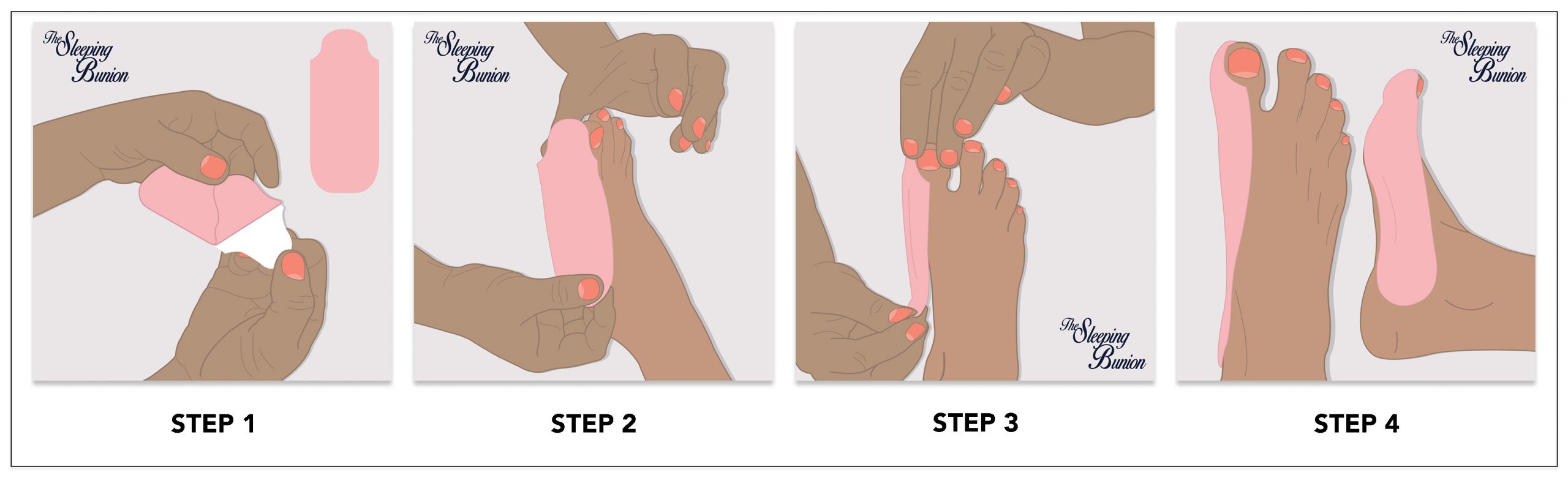
In this video I am going to show you how to use this soft foot pad called the ’Sleeping Bunion’.
سأوضح لك في هذا الفيديو كيفية استخدام ضمادة القدم الناعمة هذه والتي تسمى
“الورم النائم”
This will pull the toe become straight and it is called the ‘Sleeping Bunion’ because you wear this foot pad whilst you sleep.
ستقوم هذه الضمادة بسحب إصبع القدم بشكل مستقيم وتسمّى “الورم النائم” لأنك ترتديها خلال النوم
It is comfortable to wear you so you will be able to sleep the whole night whilst wearing it.
كونها مريحة، ستتمكن من وضعها على القدم وبالتالي يمكنك النوم طوال الليل أثناء ارتدائها
Firstly, take the paper backing off of the sticker. It is important to place part of the sticker around the toe nail and do not cover the nail.
أولاً ، قم بإزالة الورقة اللّاصقة عن الملصق. من المهم وضع جزء من الملصق حول الظفر دون تغطيته
Originally, the position of the toe points across. To straighten this it is important to move the toe straight and pull the sticker downwards as tight as you can.
في الأصل، يتجه موضع هذا الإصبع الى الجانب. لتسويته، من المهم تحريك إصبع القدم بشكل مستقيم وسحب الملصق للأسفل قدر الإمكان
Now, you can see how straight the toe is positioned. You are able to sleep comfortably with this on because it is so soft and keeps the tendon stretched.
أصبح بإمكانك الآن أن ترى كيف تمت إعادة إصبع القدم لشكله المستقيم. يمكنك النوم بشكل مريح بهذه الضمادة لأنها ناعمة جدًا وهي تحافظ على تمدد الوتر
For more information or to book an appointment please call our clinic +971 4 3435390 or WhatsApp +971 50 3553024
لمزيد من المعلومات أو لحجز موعد يرجى الإتصال بعيادتنا على الرقم : ٠٠٩٧١٤٣٤٣٥٣٩٠ أو التواصل على الواتساب على الرقم ٠٠٩٧١٥٠٣٥٥٣٠٢٤
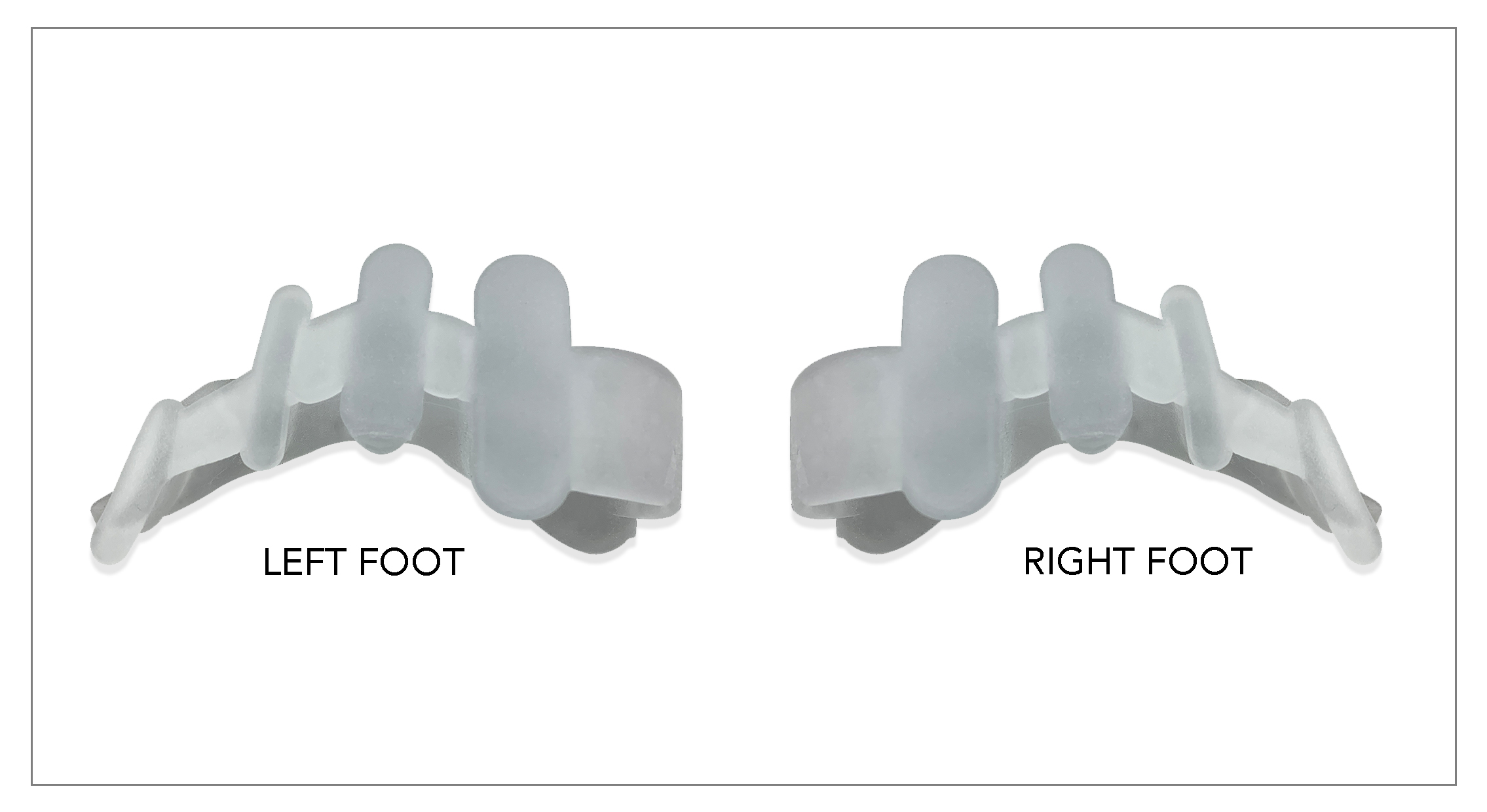
In this video I am going to show you how to use the Footerella toe separators.
سأوضح لكم في هذا الفيديو كيفية استخدام فواصل فوتريللا لأصابع القدم
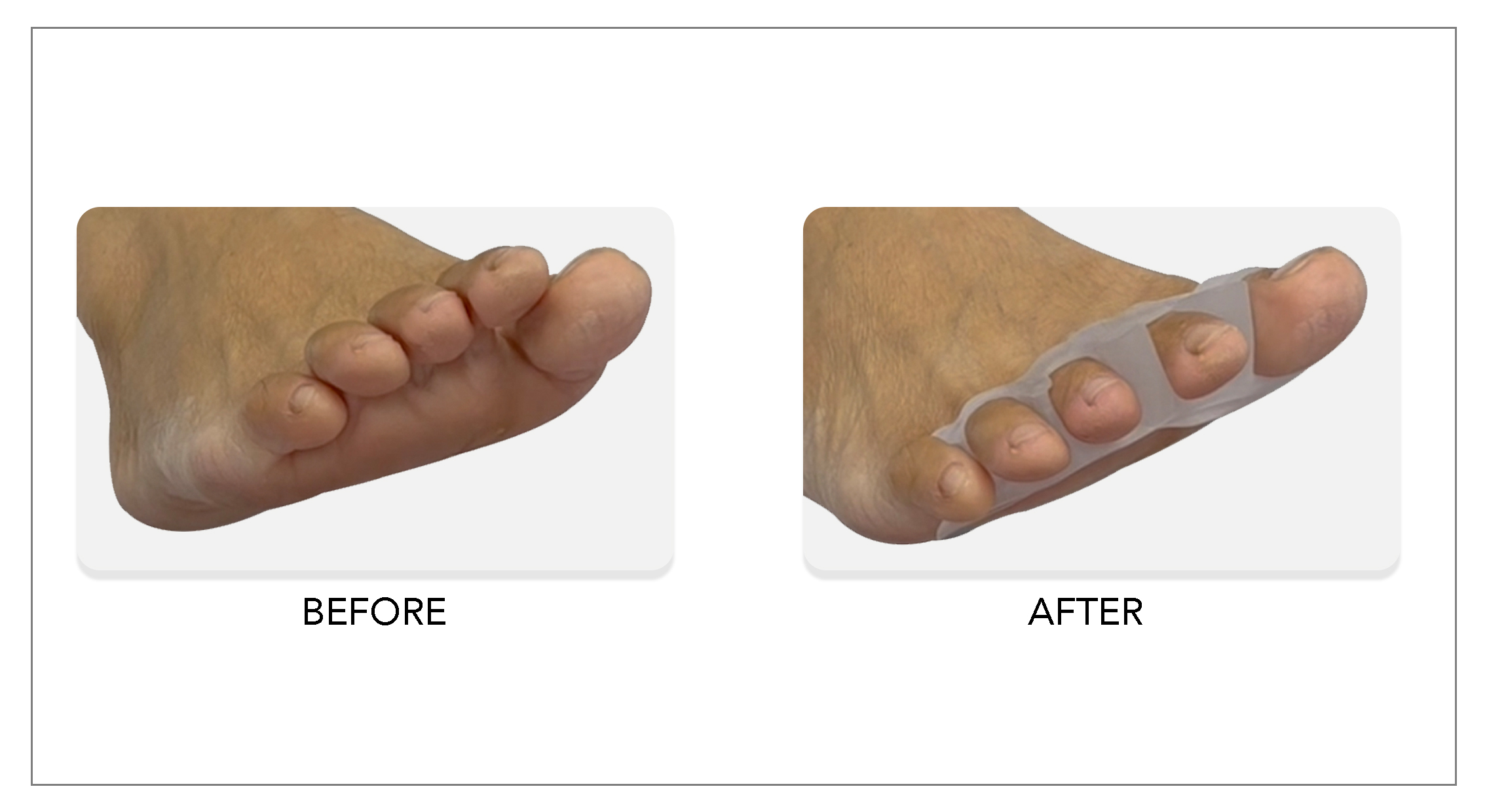
This is great to use when you have corns or calluses on the tops of toes, bunions, hallux valgus and for straightening the big toe.
هي رائعًة للاستخدام عندما يكون لديك مسامير، ثآليل على الجزء العلوي من أصابع القدم، تورمات، وإبهام قدم أروح و لتسوية الإبهام
Firstly, place the Footerella toe separator on to your toes. Simply place it in-between your toes and it is silicone and soft so it will not hurt.
أولاً ، ضع فاصل أصابع القدم على أصابع قدميك. ضعه ببساطة بين أصابع قدميك فهو سيليكون وناعم وبالتالي لن يسبب ألمًا
Now, the silicone covering the top of your toes acts as protection if you have corns or calluses here. This part helps to straighten your big toe as well.
يعمل السيليكون الذي يغطي الجزء العلوي من أصابع قدميك كحامي إذا كان لديك مسامير أو ثآليل هنا. يساعد هذا الجزء أيضًا على استقامة الإبهام
You can walk around the house barefoot with this, you do not need to wear shoes when wearing the Footerella toe separators.
يمكنك المشي في المنزل حافي القدمين، لا داعي لارتداء حذاء عند وضع فواصل أصابع القدم
However, you can wear sports shoes if you prefer, or some kind of closed shoes, as long as it allows the toes to be straight.
طبعًا اذا كنت تفضل ارتداء أحذية رياضية أو نوعًا من الأحذية المغلقة، يمكنك القيام بذلك بشرط أن تسمح هذه الأحذية لأصابع القدم أن تبقى مستقيمة
For more information or to book an appointment please call our clinic +971 4 3435390 or WhatsApp +971 50 3553024
لمزيد من المعلومات أو لحجز موعد يرجى الإتصال بعيادتنا على الرقم : ٠٠٩٧١٤٣٤٣٥٣٩٠ أو التواصل على الواتساب على الرقم ٠٠٩٧١٥٠٣٥٥٣٠٢٤