fbpx

Please wait...


BLOG

No more posts

Written by Michelle Champlin BSc Pod., M.Ch.S., S.R., Ch., (UK)
Teenagers are particularly vulnerable to short and long term foot damage from shoes, because their foot bones continue to grow and form through adolescence – the bones are still soft so can be malformed from ill fitting footwear. This article provides our Chief Podiatrist Michelle Champlin’s top tips on what to look out for when choosing footwear for teens. You can also read more specifically on school shoes, as well as our advice on different shoe styles for teens, from skater shoes to ballet bumps.

1. Activity Appropriate
Basketball shoes are different than ballet shoes for a reason. Sports-specific shoes help protect against injury by providing appropriate support specific to the types of movements and forces for the sport. Basketball shoes, for instance, provide extra ankle support, because the movements from side to side that are typical in basketball put strain on the ankles. Netball shoes such as Asics Netburners have pivot areas on the soles. Running shoes are designed for straight ahead movement (rather than lateral) with varying levels of cushioning and flexibility.
2. Get Fitted
If you need an athletic shoe, visit a store that specializes in athletic footwear. The assistants there can help you find a shoe that’s appropriate for your foot, your gait, and your sport. Look for a shoe that fits your foot, but don’t get hung up on size. Shoe sizes, like clothes sizes, can vary from brand to brand. Different brands use different foot models or ‘lasts’ to make them so what fits your friend well may not fit you. Try on everything from Adidas to Nike, Asics and Reebok. You want a pair of shoes that fits comfortably on the first try. Your feet are not usually the same size. Make sure that you always buy shoes based on your larger foot’s size. You should never have to break-in a pair of athletic shoes. Make sure there is plenty of room in the toe box, so that toenails don’t get bruised or ingrown from repetitively hitting off the inside of the shoe. Read our 10 shoe buying tips.
For school shoes, look for something in a natural, breathable fabric, with a strap, Velcro or laces to hold it firmly in place, with a small low heel and a deep toe-box or front of the shoe that does not squash the toes. Clarks have trained shoe fitters and measurers even for teenagers.
3. Check the Support
The best shoes support the foot, front and back. Backless shoes (mules, flip flops etc) alter the way you walk, and that can cause foot injuries and discomfort and even encourage over-pronation and other biomechanical issues. We’re not saying you have to give up your flip-flops; check out our Chief Podiatrist Michelle Champlin’s advice on when to wear flip flops.
Look for shoes that are quite stiff in the middle, but with some give at the ball of the foot. High heels are OK for special occasions only – check out our guide for protecting your feet in high heels.
4. Beware Signs of Wear
Don’t wear worn out shoes. Check the tread and midsole, the cushiony part just before the sole. If the shoe displays signs of uneven wear, it’s time to look for a new pair of shoes. Athletic shoes should be replaced yearly; running shoes should be replaced every 300–400 miles or so. Shoes that are wearing down quickly on one side of the heel, for example, can be a warning sign of a biomechanical issue such as either over-pronation or the opposite, supination. So if you spot an unusual wear pattern, bring your teen to the Podiatrist for a biomechanical assessment.


Written by Michelle Champlin BSc Pod., M.Ch.S., S.R., Ch., (UK)
Choosing the right shoes for growing teenagers is really important to their adult, long term foot and leg health. Healthy foot care and shoe choices as a teenager can mean healthy feet for life. As teenagers, our feet are still growing and bones still ossifying – so while teens can be notoriously picky, a few modifications to when / where they wear certain shoes can have a big impact. Here are Chief Podiatrist Michelle Champlin’s advice on some of the main types of shoes chosen by teens. You can also read her 5 tips on shoe buying for teens here.
Skateboard Shoes
Slip-on flat shoes with elasticised sides are particularly popular among teenagers, such as Keds or Vans. Converses, although laced onto the foot, can also bring similar problems due to their similar flatness.

Avoid skateboarding shoes if your teen has ‘flat feet’ or heel pain
Try to avoid these types of shoes if your teen has ‘flat feet’ or over-pronation. These shoes don’t offer enough support for the foot itself – the arches, ligaments and muscles. The body’s weight shifts through the medial, or inside of the foot and ankle, causing ankles to ‘roll in’ and the long foot arch to flatten.
The leg begins to rotate inwards, which can lead to problems. Instead of the knees working as a hinge joint in one direction, with almost no lateral (or side to side) movement, the over-pronation causes the knees further up to buckle inwards too. The knees are working in an abnormal position, causing pain there and even in the hips and lower back.
Another issue is heel pain. ‘You need some shock absorption in heels of shoes, on our concrete surfaces,’ explains Mrs Champlin. ‘But many of these shoes are completely flat with no slight heel lift. The heel, which strikes the ground first, then becomes damaged and painful.’
Try a trainer with a shock absorption, such as Nike Air Max. If you notice flattening of the arches in your teen’s feet, see the Podiatrist for possible orthotics to lift the arch back up and correct the ankle alignment.
Ballet Pumps
The problem with ballet pumps is partly their flatness, as with skater type shoes. However ballet pumps, which have no strap or heel, and no shock absorbing sole, have other specific problems.
‘As the shoe has no fastening device, it relies on scrunching up the toes to keep the shoe on,’ says Mrs Champlin. ‘This leads to short- and long-term problems such as clawed toes, calluses, heel and knee pain.’
Also, a foot which keeps on clawing will start to fix in this shape; claw-shaped toes can develop painful and unsightly bursas and corns. The heel can also develop a ‘pump bump’ from the friction.
Girls often buy a size too small so the shoe stays on; this creates different problems, putting pressure on feet which can become callused and develop ingrown toenails. When the shoe stretches and starts to slip off, it becomes a trip hazard, with the toes also having to flex to keep it on.
Lightweight trainers
Low-cut lightweight fabric lace-up trainers can be a great choice. The key is to wear socks with them and tie the laces so the shoe is held on the foot properly, making them stable enough to support the ankle.
Going without socks causes foot odour and raises the risk of fungal skin and toenail infections, such as Athletes Foot. The foot loses an eggcup of sweat a day, more so in our hot environment in Dubai. Teens throw them in a cupboard overnight, and the shoes aren’t properly dried out before the next day’s wear, encouraging fungal spores to thrive in the moist dark environment.
Trainers such as Fred Perry, Adidas Superstars and more tend to have more height to the heel, avoiding problems with heel pain, and room for the toes, whilst still being high fashion and stylish.
If your teen does have an underlying issue such as flat feet (which is extremely common in Dubai) you might be advised to wear a discrete orthotic inside shoes such as these. ‘If your legs ache after a trip to the mall or after school, because the muscles are getting tired, consider an orthotic fitted by a podiatrist, not just off the shelf, to correct the foot posture and head off any problems in adulthood’ advises Mrs Champlin.
If you notice an unusual wear pattern, or if your teen complains of foot or leg pain, or perhaps you notice that they have ‘flat feet’, bring them to the biomechanics experts at Dubai Podiatry Centre for a thorough review and treatment. This will minimize or avoid lifelong foot problems. Just like braces for the teeth, corrective orthotics can set your child up for a healthy adulthood. +971 4 3435390


بقلم ميشيل شامبلين

يعد اختيار الأحذية المناسبة للمراهقين في مرحلة النمو أمرًا مهمًا جدًا لصحة القدم والساق لدى البالغين على المدى الطويل. إن العناية الصحية بالقدم واختيار الأحذية في سن المراهقة يمكن أن تعني أقدام صحية مدى الحياة. في سن المراهقة، لا تزال أقدامنا في مرحلة النمو ولا تزال العظام متحجرة – لذلك في حين أن المراهقين يمكن أن يكونوا انتقائيين بشكل سيئ، إلا أن بعض التعديلات على متى/أين يرتدون أحذية معينة يمكن أن يكون لها تأثير كبير. فيما يلي نصيحة رئيسة أطباء الأقدام ميشيل شامبلين بشأن بعض أنواع الأحذية الرئيسية التي يختارها المراهقون. يمكنك أيضًا قراءة نصائحها الخمس حول شراء الأحذية للمراهقين هنا.

أحذية التزلج تحظى الأحذية المسطحة سهلة الارتداء ذات الجوانب المطاطية بشعبية خاصة بين المراهقين، مثل Keds أو Vans. يمكن أن تسبب المحادثات، على الرغم من ربطها بالقدم، مشاكل مماثلة بسبب تسطيحها المماثل.

تجنب أحذية التزلج إذا كان ابنك المراهق يعاني من “أقدام مسطحة” أو ألم في الكعب

حاول تجنب هذه الأنواع من الأحذية إذا كان ابنك المراهق يعاني من “قدم مسطحة” أو يعاني من فرط الكب. لا توفر هذه الأحذية الدعم الكافي للقدم نفسها – الأقواس والأربطة والعضلات. ينتقل وزن الجسم من خلال الوسط، أو داخل القدم والكاحل، مما يتسبب في “تدحرج” الكاحلين وتسطح قوس القدم الطويل.

تبدأ الساق بالدوران إلى الداخل، مما قد يؤدي إلى حدوث مشاكل. بدلاً من أن تعمل الركبتان كمفصل مفصلي في اتجاه واحد، مع عدم وجود أي حركة جانبية (أو من جانب إلى آخر)، فإن الكب الزائد يؤدي إلى انحناء الركبتين إلى الداخل أيضًا. تعمل الركبتان في وضع غير طبيعي، مما يسبب الألم هناك وحتى في الوركين وأسفل الظهر.

قضية أخرى هي ألم الكعب. تشرح السيدة شامبلين، “أنت بحاجة إلى بعض امتصاص الصدمات في كعوب الأحذية، وعلى الأسطح الخرسانية لدينا”. “لكن العديد من هذه الأحذية مسطحة تمامًا ولا يوجد بها ارتفاع طفيف في الكعب. إن الكعب الذي يضرب الأرض أولاً، يصبح تالفًا ومؤلمًا.

جرب حذاءًا رياضيًا ممتصًا للصدمات، مثل Nike Air Max. إذا لاحظت تسطيح الأقواس في قدم ابنك المراهق، فراجع طبيب الأقدام للحصول على أدوات تقويمية محتملة لرفع القوس للأعلى وتصحيح محاذاة الكاحل.

مضخات الباليه المشكلة مع مضخات الباليه هي جزئيًا تسطيحها، كما هو الحال مع أحذية التزلج. ومع ذلك، فإن أحذية الباليه، التي لا تحتوي على حزام أو كعب، ولا تحتوي على نعل ممتص للصدمات، تعاني من مشاكل محددة أخرى.

تقول السيدة شامبلن: “بما أن الحذاء لا يحتوي على جهاز تثبيت، فإنه يعتمد على حك أصابع القدم للحفاظ على الحذاء”. “وهذا يؤدي إلى مشاكل قصيرة وطويلة الأجل مثل أصابع القدم المخالب، والنسيج، وآلام الكعب والركبة.”

كما أن القدم التي تستمر في المخالب ستبدأ في التثبيت بهذا الشكل؛ يمكن أن تتطور أصابع القدم ذات الشكل المخلبي إلى الجرابات والذرة المؤلمة والقبيحة. يمكن أن يصاب الكعب أيضًا بـ “نتوء المضخة” من الاحتكاك.

غالبًا ما تشتري الفتيات مقاسًا صغيرًا جدًا بحيث يظل الحذاء ثابتًا؛ وهذا يخلق مشاكل مختلفة، مما يضغط على القدمين التي يمكن أن تصبح متصلبة وتنمو أظافر القدم تحت الجلد. عندما يتمدد الحذاء ويبدأ في الانزلاق، يصبح خطر التعثر، مع ضرورة ثني أصابع القدم أيضًا للحفاظ عليه.

أحذية رياضية خفيفة الوزن يمكن أن تكون الأحذية الرياضية ذات القماش الخفيف الوزن والأربطة خيارًا رائعًا. والمفتاح هو ارتداء الجوارب معها وربط الأربطة بحيث يتم تثبيت الحذاء على القدم بشكل صحيح، مما يجعلها مستقرة بما يكفي لدعم الكاحل.

يؤدي عدم ارتداء الجوارب إلى ظهور رائحة القدم الكريهة ويزيد من خطر الإصابة بفطريات الجلد وأظافر القدم، مثل مرض قدم الرياضي. تفقد القدم كوبًا من العرق يوميًا، خاصة في بيئتنا الحارة في دبي. يقوم المراهقون بإلقائها في خزانة طوال الليل، ولا يتم تجفيف الأحذية بشكل صحيح قبل ارتدائها في اليوم التالي، مما يشجع الجراثيم الفطرية على النمو في البيئة المظلمة الرطبة.

يميل المدربون مثل Fred Perry وAdidas Superstars وغيرهم إلى الحصول على ارتفاع أكبر للكعب، وتجنب مشاكل ألم الكعب، ومساحة لأصابع القدم، مع الحفاظ على حداثة الموضة والأناقة.

إذا كان ابنك المراهق يعاني من مشكلة أساسية مثل القدم المسطحة (وهو أمر شائع للغاية في دبي)، فقد يُنصح بارتداء جهاز تقويمي منفصل داخل الأحذية مثل هذا. “إذا كانت ساقيك تؤلمك بعد رحلة إلى المركز التجاري أو بعد المدرسة، بسبب تعب العضلات، ففكر في استخدام جهاز تقويم العظام الذي يركبه طبيب الأقدام، وليس فقط على الرف، لتصحيح وضع القدم وتجنب أي مشاكل في مرحلة البلوغ”. السيدة شامبلين.

إذا لاحظت وجود نمط غير عادي من التآكل، أو إذا كان ابنك المراهق يشكو من آلام في القدم أو الساق، أو ربما لاحظت أن لديه “أقدام مسطحة”، فقم بإحضاره إلى خبراء الميكانيكا الحيوية في مركز مركز دبي للعناية بالاقدام  لإجراء مراجعة وعلاج شاملين. سيؤدي ذلك إلى تقليل أو تجنب مشاكل القدم مدى الحياة. تمامًا مثل تقويم الأسنان، يمكن لتقويم العظام التصحيحي أن يهيئ طفلك لمرحلة البلوغ الصحية ٠٤٣٤٣٥٣٩٠

Written by Michelle Champlin BSc Pod., M.Ch.S., S.R., Ch., (UK)

The skin is the largest organ in our body. The skin consists of two layers: the epidermis and the dermis. Beneath the dermis lies the hypodermis or subcutaneous fatty tissue. Deep layers of the skin contain hair follicles, sweat and oil glands, tiny muscles, nerve endings and blood vessels. The skin has three main functions: protection (against pathogens), temperature regulation and touch sensation – through millions of pressure and pain receptors.

At Dubai Podiatry Centre, one piece of our advanced equipment is our specialist microscope with up to 200x magnification – useful for a range of tasks, such as analyzing toenail cuttings for fungal infection.

The skin of your feet is a prime target for pathogens to attack and this skin scope allows us to analyse and diagnose them like never before.

A common foot issue that looks quite different under the microscope is the verruca (plantar wart). It is caused by localised infection of the human papilloma virus, of which there are about 130 different strains. Under microscopic inspection, we can see how it invades the skin, pushing the normal skin striations apart, establishing its own blood supply. The outer layers and scaly, nodular and irregular. They are often painful when on a weight bearing part of the foot.

Verrucas look dome-shaped, with the lesions sometimes studded with black dots, or ‘puncta’. These black dots are actually caused by bleeding within the verruca from it being stood or walked on. The verruca is characterized by thickening of the keratin layers of the epidermis, with the surface hyperkeratotic with many small filamentous projections. They can occur as a single site, or in clusters.

The verruca virus thrives in moist environments, such as poolside and changing rooms. They can take hold in microscopic scratches or cuts in your skin and are infectious – it’s not unusual to see multiple family members infected. (You can take precautions by wearing flip flops or water shoes in these areas).

Plantar warts are easily treated at Dubai Podiatry Centre via local destruction of the wart tissue, using a pioneering no-needle treatment called Dermojet. Delaying treatment may cause pain or allow the virus to spread to other areas of the foot, or even to others that share a common shower or bathroom.

For appointment, contact us:
Call: + 971  4 3435390
WhatsApp: + 971  50 355 3024
info@dubaipodiatry.com
To book online: Click here


بقلم ميشيل شامبلين

الجلد هو أكبر عضو في جسمنا. يتكون الجلد من طبقتين: البشرة والأدمة. تحت الأدمة تقع تحت الجلد أو الأنسجة الدهنية تحت الجلد. تحتوي الطبقات العميقة من الجلد على بصيلات الشعر والغدد العرقية والدهنية والعضلات الصغيرة ونهايات الأعصاب والأوعية الدموية. يؤدي الجلد ثلاث وظائف رئيسية: الحماية (ضد مسببات الأمراض)، وتنظيم درجة الحرارة والإحساس باللمس – من خلال الملايين من مستقبلات الضغط والألم.

في مركز دبي لعلاج الأرجل، إحدى معداتنا المتطورة هي المجهر المتخصص الذي يتمتع بقدرة تكبير تصل إلى ٢٠٠ مرة – وهو مفيد لمجموعة من المهام، مثل تحليل قصاصات أظافر القدم بحثًا عن العدوى الفطرية.

يعد جلد قدميك هدفًا رئيسيًا لمهاجمة مسببات الأمراض، ويتيح لنا نطاق الجلد هذا تحليلها وتشخيصها بشكل لم يسبق له مثيل.

من مشاكل القدم الشائعة التي تبدو مختلفة تمامًا تحت المجهر هي الثؤلول (الثؤلول الأخمصي). وينجم عن عدوى موضعية لفيروس الورم الحليمي البشري، الذي يوجد منه حوالي ١٣٠ سلالة مختلفة. تحت الفحص المجهري، يمكننا أن نرى كيف يغزو الجلد، ويدفع التشققات الجلدية الطبيعية بعيدًا، وينشئ إمدادات الدم الخاصة به. والطبقات الخارجية متقشرة وعقيدية وغير منتظمة. وغالبًا ما تكون مؤلمة عند وضع جزء من القدم يحمل وزنًا.

تبدو الثآليل على شكل قبة، وتكون الآفات مرصعة أحيانًا بنقاط سوداء، أو “نقاط”. هذه النقاط السوداء تنتج في الواقع عن نزيف داخل الثؤلول نتيجة الوقوف أو المشي عليه. يتميز الثؤلول بسماكة طبقات الكيراتين في البشرة، مع فرط التقرن السطحي مع العديد من النتوءات الخيطية الصغيرة. ويمكن أن تحدث كموقع واحد، أو في مجموعات.

يزدهر فيروس الثؤلول في البيئات الرطبة، مثل حمام السباحة وغرف تغيير الملابس. يمكن أن تترسخ في الخدوش أو الجروح المجهرية في جلدك وتكون معدية – ليس من غير المعتاد رؤية العديد من أفراد الأسرة مصابين. (يمكنك اتخاذ الاحتياطات اللازمة من خلال ارتداء النعال أو الأحذية المائية في هذه المناطق).

يتم علاج الثآليل الأخمصية بسهولة فيمركز دبي للعناية بالاقدام عن طريق التدمير الموضعي لأنسجة الثؤلول، وذلك باستخدام علاج رائد بدون إبرة يسمى Dermojet. تأخير العلاج قد يسبب الألم أو يسمح للفيروس بالانتشار إلى مناطق أخرى من القدم، أو حتى إلى الآخرين الذين يشتركون في الحمام أو الحمام المشترك.

للحصول على موعد، اتصل بنا:

اتصل: 043435390

واتساب: 0503553024

info@dubaipodiatry.com

للحجز عبر الإنترنت: اضغط هنا


Written by Michelle Champlin BSc Pod., M.Ch.S., S.R., Ch., (UK)
What is Sinus Tarsi Syndrome?
The sinus tarsi is a depression on the outside aspect of the foot that is filled with soft tissue structures: ligaments, muscle, nerves, blood vessels and fat. Sinus Tarsi Syndrome is a clinical disorder characterized by specific symptoms and signs (such as pain and swelling) localized to the sinus tarsi (known as the “eye of the foot”), which is an opening on the outside of the foot between the ankle and heel bone.
Causes
Cause can be due to a rolling out ankle sprain (70-80% of the time) or can be due to a “pinching” or impingement of the soft tissues in the sinus tarsi due to an overpronated (ankle rolling in) foot (20-30% of the time). Sinus Tarsi Syndrome is one example of pain/complications that can occur if overpronation is left uncorrected by a qualified Podiatrist. Other rarer causes can be cysts, degenerative changes and injury to the extensor digitorum brevis muscle (which runs along the top of your foot and helps extend your 2nd-4th toes).
Symptoms
Patients present with localized pain to the outside of their ankle, with a feeling of instability and aggravation when weight bearing. Other symptoms include swelling and ecchymosis (discoloured skin due to bruising). Patients may report on uneven surfaces, i.e., grass or gravel. Thorough lower limb assessment by the Podiatrist reveals pain to palpation of the sinus tarsi with aggravation on foot inversion (turning in) or eversion (turning out). Looseness and instability of the ankle and foot joints may be present as well.

Diagnosis
There must be pain present at the sinus tarsi for diagnosis. The Podiatrist might also order an MRI as the best imaging option, as it shows changes in the soft tissues of the sinus tarsi involving either inflammation, swelling or scar tissue from previous injury.
Treatment
After a diagnosis is established, conservative treatment consisting of custom orthotics / bracing can be started, which is generally the most effective option. Treatment may also include anti-inflammatories, footwear advice and a period of immobilization (using an Aircast), or ankle sleeve.
Orthotics are desirable as rather than just removing the symptoms by pain medication, corrective orthotics made and fitted by a specialist biomechanics Podiatrist such as the team at Dubai Podiatry Centre will correct the underlying cause – the over-pronation.
In rare resistant cases surgery may ne recommended, but is not a panacea and is considered as a last resort.
Summary
STS is a problem that can occur commonly after an ankle sprain (usually chronic ankle sprains) or in someone with very over pronated feet. Proper diagnosis from an experienced biomechanics Podiatrist is key as this will direct the best treatment as well as rule out other similar presenting symptoms (such as arthritis or tarsal coalition).
Conservative treatment in the form of custom orthotics is usually effective. The foot and ankle experts at Dubai Podiatry Centre can be contacted on +971 4 3435390.


بقلم ميشيل شامبلين

ما هي متلازمة الجيوب الأنفية تارسي؟ الجيب الرسغي هو انخفاض على الجانب الخارجي للقدم مملوء بهياكل الأنسجة الرخوة: الأربطة والعضلات والأعصاب والأوعية الدموية والدهون. متلازمة الجيوب الأنفية الرسغية هي اضطراب سريري يتميز بأعراض وعلامات محددة (مثل الألم والتورم) موضعية في الجيب الرسغي (المعروف باسم “عين القدم”)، وهو عبارة عن فتحة في الجزء الخارجي من القدم بين الكاحل وعظم الكعب.

الأسباب يمكن أن يكون السبب بسبب التواء الكاحل المتدحرج (70-80٪ من الوقت) أو يمكن أن يكون بسبب “قرص” أو اصطدام الأنسجة الرخوة في الجيب الرسغي بسبب انحناء القدم بشكل مفرط (الكاحل متدحرج للداخل) 20-30% من الوقت). تعد متلازمة Sinus Tarsi أحد الأمثلة على الألم/المضاعفات التي يمكن أن تحدث إذا ترك الكب الزائد دون تصحيح من قبل طبيب أقدام مؤهل. يمكن أن تكون الأسباب الأخرى النادرة هي الخراجات والتغيرات التنكسية وإصابة العضلة الباسطة للإصبع القصيرة (التي تمتد على طول الجزء العلوي من قدمك وتساعد على تمديد أصابع قدميك من الثاني إلى الرابع).

الأعراض يشعر المرضى بألم موضعي في الجزء الخارجي من الكاحل، مع شعور بعدم الاستقرار والتفاقم عند حمل الوزن. وتشمل الأعراض الأخرى التورم والكدمات (تغير لون الجلد بسبب الكدمات). يمكن للمرضى الإبلاغ عن الأسطح غير المستوية، أي العشب أو الحصى. يكشف التقييم الشامل للطرف السفلي من قبل طبيب الأقدام عن الألم الناتج عن ملامسة الجيب الرسغي مع تفاقم عند انقلاب القدم (التحول إلى الداخل) أو الانقلاب (التحول إلى الخارج). قد يكون هناك أيضًا ارتخاء وعدم استقرار في مفاصل الكاحل والقدم.

التشخيص يجب أن يكون هناك ألم في الجيب الرسغي من أجل التشخيص. قد يطلب طبيب الأقدام أيضًا إجراء التصوير بالرنين المغناطيسي باعتباره أفضل خيار للتصوير، لأنه يظهر تغيرات في الأنسجة الرخوة في رسغ الجيب الأنفي والتي تنطوي إما على التهاب أو تورم أو أنسجة ندبية من إصابة سابقة.

العلاج: بعد أن يتم التشخيص، يمكن البدء بالعلاج المحافظ الذي يتكون من أجهزة تقويم العظام / الدعامات المخصصة، وهو الخيار الأكثر فعالية بشكل عام. قد يشمل العلاج أيضًا مضادات الالتهاب، ونصائح بشأن الأحذية، وفترة من عدم الحركة (باستخدام Aircast)، أو أكمام الكاحل.

من المرغوب فيه استخدام أجهزة تقويم العظام، فبدلاً من مجرد إزالة الأعراض عن طريق مسكنات الألم، فإن أجهزة تقويم العظام التصحيحية التي يتم تصنيعها وتركيبها من قبل أخصائي طب الأقدام المتخصص في الميكانيكا الحيوية مثل الفريق في مركز دبي لعلاج الأرجل سوف تصحح السبب الأساسي – الكب الزائد.

في الحالات النادرة المقاومة، قد لا يوصى بإجراء عملية جراحية، ولكنها ليست علاجًا سحريًا وتعتبر الملاذ الأخير.

ملخص: STS هي مشكلة يمكن أن تحدث بشكل شائع بعد التواء في الكاحل (عادةً التواء مزمن في الكاحل) أو عند شخص يعاني من قدم مفرطة في الكب. يعد التشخيص الصحيح من طبيب أقدام ذو خبرة في الميكانيكا الحيوية أمرًا أساسيًا لأن هذا سيوجه أفضل علاج بالإضافة إلى استبعاد الأعراض الأخرى المشابهة (مثل التهاب المفاصل أو التحالف الرصغي).

عادة ما يكون العلاج المحافظ في شكل تقويم العظام المخصص فعالاً. يمكن الاتصال بخبراء القدم والكاحل في مركز دبي للعناية بالاقدام  على الرقم ٠٤٣٤٣٥٣٩٠.


Written by Michelle Champlin BSc Pod., M.Ch.S., S.R., Ch., (UK)

Most of us will have experienced blisters at some point – painful, fluid-filled lesions produced by repeated friction and pressure. Here’s our tips on avoiding or treating blisters whether you’re running the Marathon des Sables or mall walking.

They can be caused by:

  • • Ill-fitting footwear
  • • Stiff shoes
  • • Wrinkled socks against the skin
  • • Excessive moisture / sweat
  • • Foot anomalies, such as bunions, rubbing inside shoes

Is it serious?
Blisters can become a more serious concern if you have diabetes and may not heal so easily. If you are diabetic and notice any changes in your skin, including blisters, see your Podiatrist – they will clean and dress it and identify what caused it and how to heal and prevent it recurring.

How do I prevent them?
As blisters are the result of friction, there are some easy techniques that can prevent your walking, running, hiking or dancing being ruined by a blister:

  • • Stop and dress ‘hotspots’ on your feet immediately with a specialist dressing such as fleecy padding, pre-cut in foot friendly shapes in our save-a-trek blister prevention packs.
  • • Keep your feet dry and your toenails trimmed.
  • • Always wear socks of the right size as a cushion between your feet and footwear and change your socks daily. Wear thick, fleecy hiking socks in your boots if hiking and try toe socks for running.
  • • Wear comfortable, well-fitting footwear, especially on long walks or runs. Footwear should never be ‘broken in’ and should never cause blisters.  Make sure you’ve tried out new hiking boots on shorter walks before you set off on longer adventures.
  • • For sweaty feet, use products that help control excessive moisture – shake a little anti fungal foot powder over your feet and inside your socks.
  • • Ensure the tongue and laces of your boots are arranged correctly and evenly – check out Chief Podiatrist Michelle Champlin’s quick video hack on lacing your running shoes to stop heels from slipping.
  • • If wearing high heels or other shoes that pinch and rub the toes, protect the toes from friction with soft moisturising toe covers.
  • • For hot spots on the ball of your feet or heels, try cushioning gel dots or heel grips.

It is possible to buy socks made of fibres with good ‘wicking’ properties and also special ‘dual layer’ socks where the inner layer moves with the foot, the outer layer with the shoe – eliminating friction at the skin surface – available in most good outdoor sports shops. Toe socks are also great at keeping between toes dry.

What are the treatments?

It is important to act immediately if you feel any friction or discomfort as blisters can form very quickly. Stop walking or running and examine your feet and if nothing has developed, apply some material or padding to cushion the area (save-a-trek fleecy padding) or even a breathable waterproof plaster.

If a blister does occur, do not pop it. Cut a hole in a piece foam or felt to form a doughnut over the blister. Tape the foam or felt in place or cover with a soft gel-type dressing. Treat an open blister with mild soap and water, cover it with an antiseptic ointment and a protective soft gel dressing to prevent infection and speed up the healing process. Read more about our blister treatment advice here.

Blisters at your heel can sometimes mean there is an underlying biomechanical issue, and addressing this underlying issue with orthotics can help stop them.

Most foot blisters last between three and seven days and will normally clear up if further excessive friction is avoided.

When should I see a podiatrist about it?

If you experience any foot care issues which do not resolve themselves naturally or through routine foot care within a week or two, you should seek the help of a Podiatrist.  You should also seek help and advice if you are diabetic or have any other circulation or nerve impairment affecting blood supply or sensation in your feet.


كيفية وقف البثور

بقلم ميشيل شامبلين

سيعاني معظمنا من البثور في مرحلة ما، وهي آفات مؤلمة ومليئة بالبيئة وذلك بسبب إنتاج التزامن والضغط المتكرر. فيما يلي نصائحنا حول تجنب أو علاج البثور سواء كنت تشارك في ماراثون الرمال أو المشي في المركز التجاري.

يمكن أن يكون سببها:

• الأحذية ليست السبب

• قاسية

• جوارب مجعدة على الجلد

• الرطوبة الزائدة / التغذية

• تشوهات في القدم، مثل عكس، والاحتكاك داخل الحذاء

هل الأمر جدي؟

يمكن أن تصبح مصدر قلق أكثر إذا كنت مصابًا بمرض السكري ولا تشفى بسهولة. إذا كنت مصابًا بمرض السكري ولاحظت أي تغيرات في الإصابة، بما في ذلك البثور، راجع الطبيب سيرا على الأقدام الخاص بك – فهو يساعد على تنظيفه وتحديد سبب ذلك وشفاء منه تأثيره.

كيف يمكن منعهم؟

نظرا لأن البثور تنتج عن التناسل، فإنها تستخدم بعض السهلة التي يمكن أن تمنع أو الجري أو المشي لفترة طويلة أو الرقص من إتلاف البثور:

• البدء بتضمين “النقاط الساخنة” على المساعدة على الفور باستخدام ضمادة متخصصة مثل الحشوة، ونعم بأشكال للقدم في التعاون من البثور التي نقدمها.

• يحافظ على الجفاف وقص أظافرك.

• ارتدِ الجوارب الدائمة ذات الحجم المناسب كوسادة بين الجوارب وأحذيتك وقم بتغييرك يوميًا. ارتدي جوارب سميكة للمشي لفترة طويلة في حذائك إذا كنت تقوم بالتنزه سيرًا على الأقدام وجرب جوارب أظافر للجري.

• أحذية مريحة ومناسبة، خاصة أثناء المشي أو الجري لفترة طويلة. لا ينبغي للأبد “تكسير” الحذاء ولا وكما أبدا في ظهور بثور. تأكد من تجربة المشي الجديد في الأحذية السريعة بوقت قصير قبل الانطلاق في مغامرات فرعية.

• في حالة تعرق القدمين، تستخدم المنتجات التي تساعد على التحكم في الرطوبة في التقدم – مجتمعات مكونة من القليل من مسحوق القدم مضاد للفطريات على ينتهي وداخلك.

• تأكد من ترتيب سعيك حذائك بشكل صحيح ومتساوي – شاهد الفيديو السريع الذي حاولته ميشيل شامبلن، أطباء كبيرون يسيرون، حول ربط الحذاء لمنع الكعب من الانزلاق.

• في حالة الكعب العالي أو الأخرى التي تضغط على أصابع القدم وفركها، قم بحماية أظافر القدم من التشابك باستخدام صوفية ومرطبة لأصابع القدم.

• بالنسبة للبقع الساخنة على مشط القدم أو الكعب، جرب وضع نقاط جاعلية أو مقابض الكعب.

نرغب في شراء جوارب من ألياف ذات خصائص “فتل” جيدة أيضًا جوارب خاصة “ثنائية اللغة الفرنسية” حيث ملابس داخلية فارسية مع القدم، وطبقة خارجية مع الحذاء – مما يمنع الاحتكاك على سطح الجلد – مما يسمح بمسابقات. محلات رياضية في الهواء الطلق. تعتبر جوارب أظافر القدم أيضًا رائعة في توفير جفاف ما بين أظافر القدم.

ما هي الدورة؟

من التصرف فوراً إذا غضب بأي حال من الأحوال احتكاك أو إزعاج لأن البثور يمكن أن تتشكل بسرعة كبيرة. توقفت عن التجميد أو الجري وافحص وبدأت، وإذا لم يتطور أي شيء، ضع بعض المواد أو الحشوة لمنطقة توسيدة (حشوة صوفية لحفظ الخطوط) أو حتى جصًا مقاومًا للماء بنجاح بنجاح الهواء.

إذا ظهرت خاصة، فلا فرقها. صنع ثقبًا في قطعة من الصابون أو اللباد لتكوين كعكة دونات فوق البثرة. ثبتها أو اللباد في مكانها أو قم بتغطيتها بضمادة ناعمة. بيبسي إذاعة المدرسة المفتوحة والصابون، ومساعدتها بمرهم مطهر وضمادة لمنع العدوى وتسريع عملية الشفاء. اقرأ المزيد عن نصائحنا لعلاج البثور هنا.

قد تعني البثور الموجودة في كعبك أحياناً وجود مشكلة علمية حاسمة في النهاية، ويمكن أن تساعد هذه المشكلة الأساسية باستخدام أجهزة تقويم العظام في إيقافها.

يستمر معظم ثوران القدم ما بين سبعة إلى سبعة أيام، وما بعدها إذا تم تجنب المزيد من الاستخدام.

يجب أن ترى الطبيب سيرا على الأقدام حول هذا الموضوع؟

إذا كانت هناك أي مسائل تتعلق بشكل عام بالقدم ولم يتم حلها بشكل طبيعي أو من خلال العناية الصحية بالقدم خلال أسبوع أو أسبوع، فيجب طلب المساعدة من طبيب المشي. يجب عليك أيضًا طلب المساعدة والمشورة إذا كنت مصابًا بالسكري أو تعاني من أي ضعف آخر في الدورة الدموية أو الإنعاش مما يؤثر على تدفق الدم أو الإحساس في الجسم.


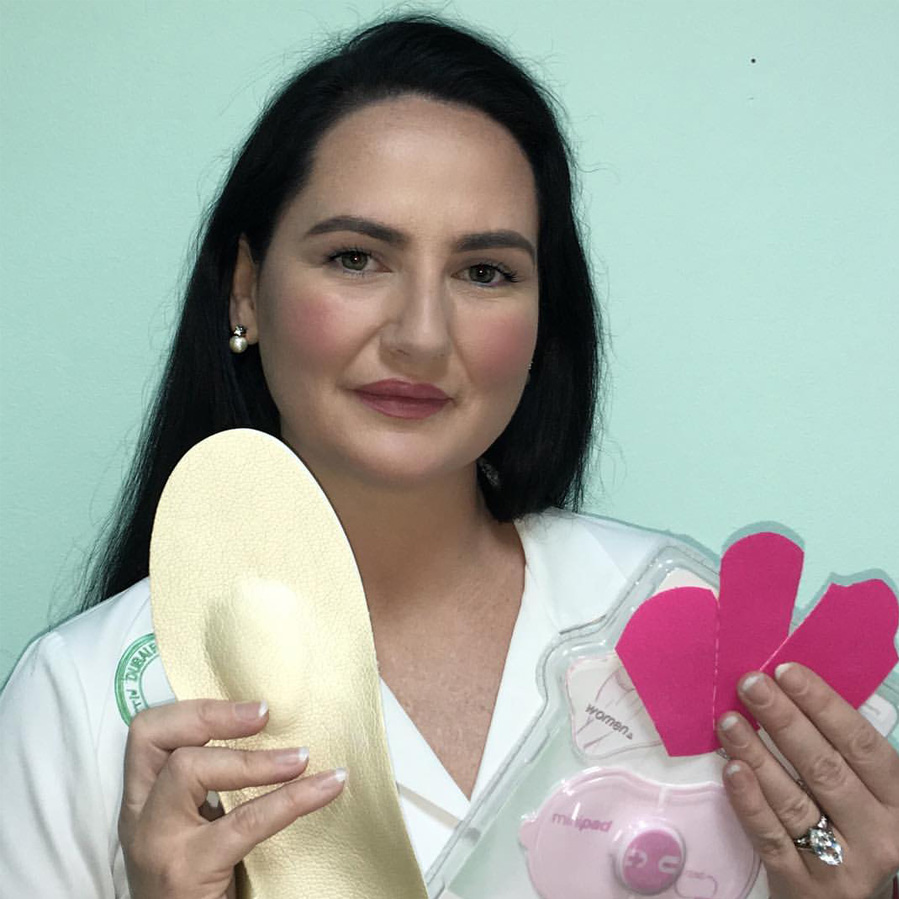
michelle_footerella_products-1.jpg

FooterellaTM is the fairy godmother for foot problems and their solutions. It is a combination of insoles in 3 stages for the lifting of the bones in your feet than increase arch height that decreases foot length and width. It has tapes to tighten the ligaments of your feet that act as the bindings between you bones that keep you foot in place. It also has an electro muscle stimulator pad that is wireless and engages the nerves that innervate the muscles and strengthen them. Strong muscles mean tight and toned feet.

FooterellaTM هي العرابة الخيالية لمشاكل القدم وحلولها. إنه مزيج من النعال الداخلية في ٣ مراحل لرفع العظام في قدميك بدلاً من زيادة ارتفاع القوس مما يقلل من طول وعرض القدم. يحتوي على أشرطة لشد أربطة قدميك والتي تعمل بمثابة الروابط بين عظامك والتي تحافظ على قدمك في مكانها. كما أن لديها وسادة تحفيز العضلات الكهربائية اللاسلكية والتي تعمل على إشراك الأعصاب التي تعصب العضلات وتقويها. العضلات القوية تعني أقدام مشدودة ومنغمة.


DIFC_Orthotics.jpg

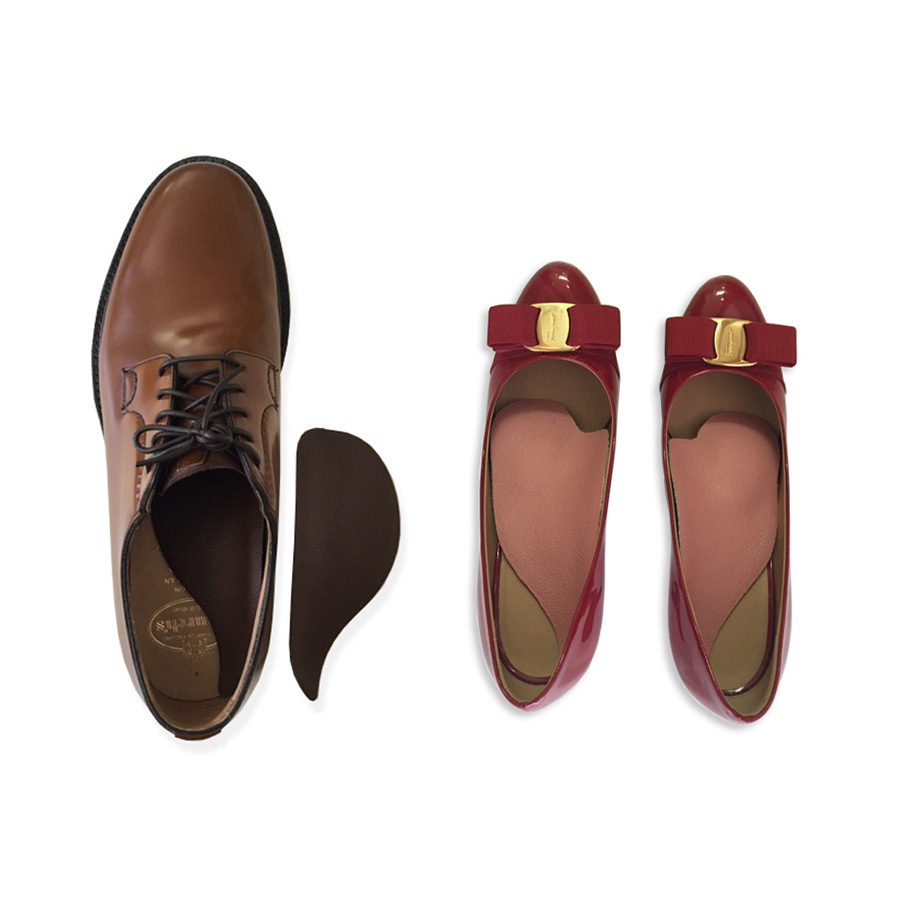
Work shoes are particularly important for your feet. If they do not fit correctly they can lead to corns and bunions. We are now seeing more males than females with corns to the 5th toes from tight fitting footwear. Also, if there is foot collapse then orthotics (specialist insoles) can be placed inside the work shoes. Our patients in Dubai are health and image conscious. That is why Chief Podiatrist Michelle Champlin works with patients to keep them in their formal dress shoes using techniques invented for the high standards of Dubai. We even have an orthotic named after DIFC for men & women’s business shoes. You can see the various types of orthotics and insoles designed for DIFC. The most popular colour choice in DIFC for our male patients is purple and for women is beige pink as shown.

أحذية العمل مهمة بشكل خاص لقدميك. إذا لم تكن ملائمة بشكل صحيح، فقد تؤدي إلى ظهور مسامير القدم والبروز العظمي. نحن نشهد الآن عددًا أكبر من الذكور مقارنة بالإناث الذين يعانون من مسامير القدم حتى أصابع القدم الخامسة بسبب الأحذية الضيقة. أيضًا، إذا كان هناك انهيار في القدم، فيمكن وضع أجهزة تقويم العظام (النعال المتخصصة) داخل أحذية العمل. يتمتع مرضانا في دبي بوعي صحي وصوري. ولهذا السبب، تعمل ميشيل شامبلن، رئيسة أطباء الأقدام، مع المرضى لإبقائهم في أحذيتهم الرسمية باستخدام تقنيات تم اختراعها لتناسب المعايير العالية في دبي. لدينا أيضًا جهاز تقويم العظام يحمل اسم مركز دبي المالي العالمي لأحذية العمل للرجال والسيدات. يمكنك رؤية الأنواع المختلفة من أجهزة تقويم العظام والنعال المصممة لمركز دبي المالي العالمي. إن خيار الألوان الأكثر شيوعًا في مركز دبي المالي العالمي بالنسبة لمرضانا الذكور هو اللون الأرجواني وبالنسبة للنساء هو اللون البيج والوردي كما هو موضح.


ski_boots.jpg

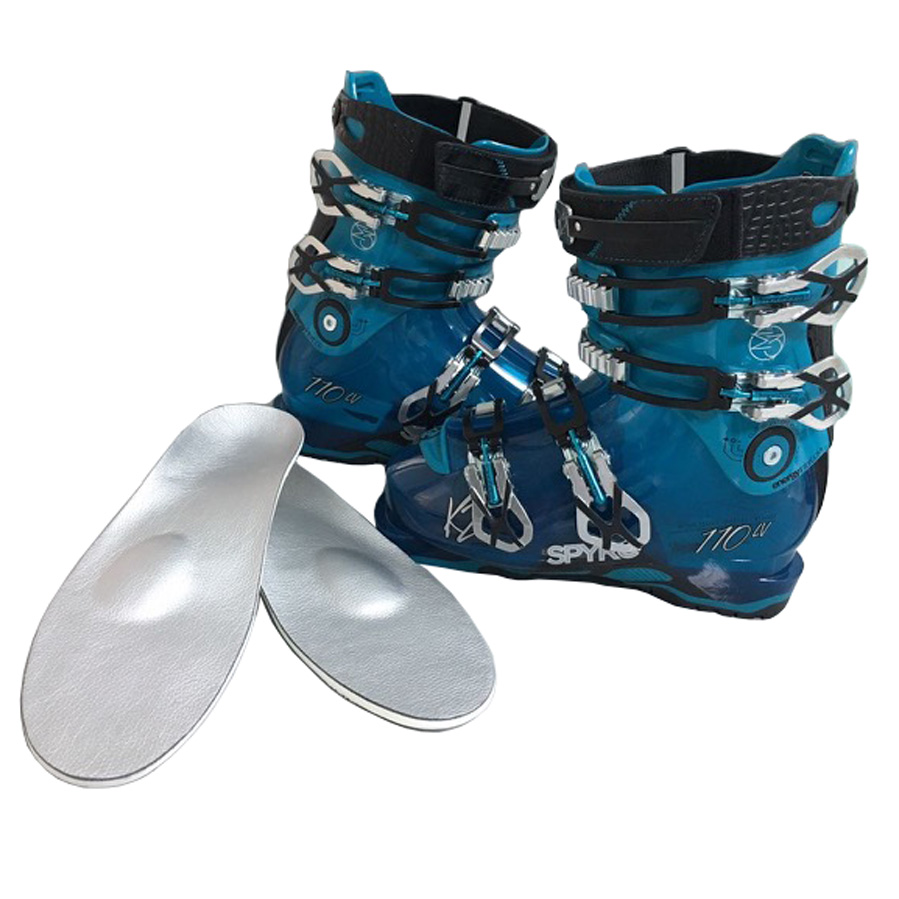
Heli-skiing, remote adventure skiing and Ski – Dubai have all become very popular in the desert! Due to ease of travel our patients can fly to other countries during ski season or pop in to Mall of the Emirates to go skiing. Calf cramp and forefoot numbness and knees together are common problems we see in skiing. Most of the actually biomechanical correction of the foot and lower limb is done outside the ski boot in work and sports shoes. The actual ski orthotic has to be minimal as the efforts from the orthotic are multiplied when skiing. Manipulation of the foot and lower leg can be done with high intensity orthotics placed in walking shoes and a much-refined version placed into the ski boots.


In our previous blog, we shared some tips on choosing shoes that benefit your feet. Sometimes, due to medical reasons, retail shops don’t offer shoes that fit, so specialist footwear might be recommended. (In many cases though, orthotics may be able to fit inside regular retail sports, school or leisure shoes to correct a foot issue such as flat feet).

Stock Footwear 
Stock footwear is specialist footwear which is available in a variety of styles and fittings, for example extra deep and/or extra wide. The manufacturers of this footwear provide size charts of optimal ranges for length, joint width, joint circumference and instep circumference, which are the measurements that are required to enable the fitter to decide on the fitting of the footwear. Their choice may also be based on the style of the footwear in relation to function, for example the addition of rocker soles or extra padding. This footwear is generally supplied with 3 × 3 mm removable liners that can be replaced with orthotic devices. Often these liners are made from a shock-absorbing material.

Bespoke Footwear
This footwear is made on a last specifically created for the individual, and often requires a plaster cast to be taken so that the footwear technician can visualize the problems and capture the dimensions of the lower leg and foot. Many measurements of the foot are required and these are recorded on a draft with instructions for the technician. This is very much a craft skill and is being updated with scanning technology and the use of CADCAM in the manufacture of both the lasts and the bespoke footwear.

For foot and leg health care and treatment, as well as footwear advice and orthotics, contact Dubai Podiatry Centre, led by Chief Podiatrist Michelle Champlin, on +971 4 3435390.


Painless, problem-free free walking and running is achieved by the systematic and coordinated activity of the foot and lower limb muscles and bones working in harmony. The alignment and function of the bones of the foot play a vital role in turn, in aligning the joints of the ankle and lower leg, and they also influence the positioning and function of the knees, hips, back, arms and neck throughout the gait cycle. How the foot is held within shoes and the footwear design itself can have a significant effect on the biomechanics of the lower limb and upper body, whether this is sports shoes, flip flops or high heels.

Footwear and/or orthotics play a key role in modifying the position of the foot and limb and provide functional control through realigning and stabilizing the limb during when walking, standing or running.

Adaptations to the heel and sole of certain shoes may occasionally be advised by your Podiatrist, as it can enhance and complement orthotic therapy, reduce excessive and abnormal wear of the footwear, reduce painful symptoms and improve foot function and mobility.

Choosing Shoes
There are a vast range of footwear options in relation to style, purpose and function – a look around the malls of Dubai alone show an endless supply of shoes. However, the range can be confusing, and as Podiatrists, we are trained to advise on the suitability of footwear for different purposes and for each patient’s foot type. In addition to generic factors in footwear design and fit that make a good shoe, there are factors that are unique to each individual.

In particular, when a foot’s dimensions will not fit into retail footwear because of shape, posture or functioning, specialist therapeutic footwear may be required. This footwear may be off-the-shelf specialist footwear that is often described as ‘stock’ footwear. However, if the foot problem is greater than can be accommodated in ‘stock footwear’, or if the biomechanical needs are more complex, then the footwear may have to be ‘bespoke’ and made on a ‘last’ (a type of solid foot model) manufactured for the individual patient

Retail footwear: ‘What makes a good shoe?’
There are now many shoe designs that are appropriate for foot health and affordable. Many foot problems benefit from a change in footwear style or to a style with different features. Some footwear can also be modified to an extent. In fact there are features of retail footwear that make it ideal for the high-risk foot but that are also useful for maintaining good foot health in any individual. (read more about shoe related foot problems here). These features are:

  • stable, low heel (cushions heel strike and reduces risk of plantar fasciitisheel pain)
  • padded topline to reduce irritation to the retro-calcaneal (heel) area and the infra-malleolar areas (bony prominence around either side of your ankle)
  • no prominent internal seams (preventing irritation and blisters)
  • roomy, rounded toe box (avoiding corns due to a pointed, cramped toe box)
  • increased toe spring or rocker sole to reduce forefoot plantar pressures
  • lace-up or Velcro fastening to hold the shoe to the foot, adjustable for different foot types.

One issue with shoes, is that due to the differences in the ‘lasts’ used for different footwear brands and even differences in international sizing, there is lack of standardization. Thus, you may be different sizes in different shops. Be sure to try shoes on in every shop you try. See more tips in our shoe buying guide and guide for buying teenagers’ shoes).

For advice on foot and leg health, and the best shoes for your foot type or sport as well as assessment for orthotics, contact Dubai Podiatry Centre on +971 4 3435390.

اختيار الأحذية – بعض النصائح

يتم تحقيق المشي والجري الخالي من الألم والخالي من المشاكل من خلال النشاط المنهجي والمنسق لعضلات وعظام القدم والأطراف السفلية التي تعمل بتناغم. تلعب محاذاة عظام القدم ووظيفتها دورًا حيويًا بدورها، في محاذاة مفاصل الكاحل وأسفل الساق، كما أنها تؤثر على موضع ووظيفة الركبتين والوركين والظهر والذراعين والرقبة طوال المشية دورة. يمكن أن يكون لكيفية تثبيت القدم داخل الأحذية وتصميم الأحذية نفسه تأثير كبير على الميكانيكا الحيوية للطرف السفلي والجزء العلوي من الجسم، سواء كان ذلك حذاءًا رياضيًا أو شباشب أو الكعب العالي.

تلعب الأحذية و/أو أجهزة تقويم العظام دورًا رئيسيًا في تعديل وضع القدم والطرف وتوفير التحكم الوظيفي من خلال إعادة ضبط الطرف وتثبيته أثناء المشي أو الوقوف أو الجري.

قد ينصح طبيب الأقدام الخاص بك في بعض الأحيان بإجراء تعديلات على الكعب ونعل بعض الأحذية، حيث يمكن أن يعزز ويكمل العلاج التقويمي، ويقلل من التآكل المفرط وغير الطبيعي للأحذية، ويقلل من الأعراض المؤلمة ويحسن وظيفة القدم وحركتها.

اختيار الأحذية

هناك مجموعة واسعة من خيارات الأحذية فيما يتعلق بالأسلوب والغرض والوظيفة – نظرة حول مراكز التسوق في دبي وحدها تظهر إمدادًا لا نهاية له من الأحذية. ومع ذلك، قد يكون النطاق مربكًا، وباعتبارنا أطباء أقدام، فإننا مدربون على تقديم المشورة بشأن مدى ملاءمة الأحذية لأغراض مختلفة ولنوع قدم كل مريض. بالإضافة إلى العوامل العامة في تصميم الأحذية وملاءمتها التي تجعل الحذاء جيدًا، هناك عوامل فريدة لكل فرد.

على وجه الخصوص، عندما لا تتناسب أبعاد القدم مع أحذية البيع بالتجزئة بسبب الشكل أو الوضعية أو الوظيفة، قد تكون هناك حاجة إلى أحذية علاجية متخصصة. قد تكون هذه الأحذية عبارة عن أحذية متخصصة جاهزة للاستخدام والتي غالبًا ما توصف بأنها أحذية “مخزونة”. ومع ذلك، إذا كانت مشكلة القدم أكبر مما يمكن استيعابه في “الأحذية المخزنة”، أو إذا كانت الاحتياجات الميكانيكية الحيوية أكثر تعقيدًا، فقد يتعين أن تكون الأحذية “مفصلة” ومصنوعة على “الأخير” (نوع من القدم الصلبة نموذج) المصنعة للمريض على حدة

بيع الأحذية بالتجزئة: “ما الذي يجعل الحذاء جيدًا؟”

يوجد الآن العديد من تصميمات الأحذية المناسبة لصحة القدم وبأسعار معقولة. تستفيد العديد من مشاكل القدم من التغيير في نمط الأحذية أو إلى نمط ذي ميزات مختلفة. يمكن أيضًا تعديل بعض الأحذية إلى حد ما. في الواقع، هناك ميزات للأحذية بالتجزئة تجعلها مثالية للقدم عالية الخطورة ولكنها مفيدة أيضًا للحفاظ على صحة القدم الجيدة لأي فرد. (اقرأ المزيد عن مشاكل القدم المتعلقة بالأحذية هنا). هذه الميزات هي:

• كعب ثابت ومنخفض (يعمل على وسائد الكعب ويقلل من خطر الإصابة بالتهاب اللفافة الأخمصية)

• خط علوي مبطن لتقليل تهيج منطقة الكعب (الكعب) والمناطق تحت الكعب (البروز العظمي حول جانبي الكاحل)

• عدم وجود طبقات داخلية بارزة (لمنع التهيج والبثور)

• صندوق واسع ومستدير عند الأصابع (تجنب مسامير القدم بسبب صندوق الأصابع المدبب والضيق)

• زيادة زنبرك إصبع القدم أو النعل الهزاز لتقليل الضغط الأخمصي في مقدمة القدم

• رباط أو شريط فيلكرو لتثبيت الحذاء على القدم، قابل للتعديل ليناسب أنواع القدم المختلفة.

إحدى المشكلات المتعلقة بالأحذية هي أنه نظرًا للاختلافات في “الأحدث” المستخدمة لمختلف ماركات الأحذية وحتى الاختلافات في المقاسات الدولية، هناك نقص في التوحيد القياسي. وبالتالي، قد تكون أحجام مختلفة في المحلات التجارية المختلفة. تأكد من تجربة الأحذية في كل متجر تجربه. اطلع على مزيد من النصائح في دليل شراء الأحذية ودليل شراء أحذية المراهقين).

للحصول على نصائح حول صحة القدم والساق، وأفضل الأحذية لنوع قدمك أو الرياضة بالإضافة إلى تقييم تقويم العظام، اتصل بمركز دبي للعناية بالاقدام على الرقم ٠٤٣٤٣٥٣٩٠.


Copyright Dubai Podiatry 2026. All rights reserved.

WhatsApp us