fbpx

Please wait...


BLOG

No more posts

Written by Michelle Champlin BSc Pod., M.Ch.S., S.R., Ch., (UK)

Infection of the lower limb and foot can have different causes, not only bacterial. Athlete’s foot is a common fungal-based skin infection. Verrucas are an example of a common viral infection of the skin. There are numerous types of bacterial infections. Infection usually requires a break in the skin from a cut, abrasion, puncture wound or ulcer. Two bacteria, Staphylococcus and Streptococcus, cause the most common infection. People with diabetes related wounds could develop infections by several bacteria at the same time.

A type of infection that occurs in the skin is called cellulitis – you can find out more in our recent blog on it here. People who suffer from chronic swelling in the legs, are more at risk from this infection. Cellulitis also seems to frequently be linked with athlete’s foot fungal infections. The athlete’s foot causes tiny breaks in the skin, which can then become open to infection from the Streptococcus bacteria. Soft corns also, particularly between the fourth and fifth toes can also become infected and cause cellulitis or an abscess. Puncture wounds are very likely to become infected, especially those caused by animal bites, standing on sharp metal such as nails, or being cut by a rose thorn whilst gardening, for example.

Puncture wounds can result in a dangerous deep abscess that can then infect the bone. Simply cleaning the outside of the puncture wound is not enough to prevent infection. Oral antibiotics are prescribed and the wound watched carefully and deep cleaned thoroughly.

People with diabetes are at particular risk of infection. Corns and callouses on the feet of people with diabetes can cause skin break down and allow bacterial colonization. It is important therefore to address thick callous and corns by having them safely removed by a Podiatrist, who can also advise on how to minimise the risk of them coming back.

In diabetics with chronic open foot ulceration the underlying bone can become infected. Bone infections, called osteomyelitis, generally require orthopaedic surgery to remove the infected bone. These infections can be resistant to cure with oral or intra-venous antibiotics without also removing the infected bone. The presence of bone infection can be usually diagnosed with special tests such as bone scans and MRI’s.

If you are diabetic, it is important to avoid complications such as foot ulcers by following a healthy eating, dieting and if prescribed medication plan. Diabetics should see their Podiatrist at least every 6-12 months to catch any issues early and also for routine foot care if they find it difficult to reach their feet. The Podiatrist can also offload any areas of pressure on the foot with padding or custom orthotics, to prevent blisters and wounds developing.

For foot, ankle and leg related issues, contact the Podiatrists at Dubai Podiatry Centre on +971 4 3435390.

بقلم ميشيل شامبلين

يمكن أن يكون لعدوى الطرف السفلي والقدم أسباب مختلفة، وليس فقط بكتيرية. قدم الرياضي هي عدوى جلدية فطرية شائعة. Verrucas هي مثال على عدوى فيروسية شائعة في الجلد. هناك أنواع عديدة من الالتهابات البكتيرية. تتطلب العدوى عادة حدوث كسر في الجلد نتيجة لقطع أو تآكل أو جرح أو قرحة. تسبب نوعان من البكتيريا، المكورات العنقودية والمكورات العقدية، العدوى الأكثر شيوعًا. يمكن للأشخاص الذين يعانون من جروح مرتبطة بالسكري أن يصابوا بالعدوى بواسطة عدة بكتيريا في نفس الوقت.

أحد أنواع العدوى التي تحدث في الجلد يسمى التهاب النسيج الخلوي – يمكنك معرفة المزيد في مدونتنا الحديثة حول هذا الموضوع هنا. الأشخاص الذين يعانون من تورم مزمن في الساقين، هم أكثر عرضة للإصابة بهذه العدوى. ويبدو أيضًا أن التهاب النسيج الخلوي يرتبط في كثير من الأحيان بالعدوى الفطرية التي تصيب قدم الرياضي. تسبب قدم الرياضي شقوقًا صغيرة في الجلد، والتي يمكن أن تصبح بعد ذلك عرضة للعدوى من البكتيريا العقدية. يمكن أيضًا أن تصاب مسامير القدم الناعمة، خاصة بين إصبع القدم الرابع والخامس، بالعدوى وتسبب التهاب النسيج الخلوي أو الخراج. من المحتمل جدًا أن تصاب الجروح الوخزية بالعدوى، خاصة تلك الناجمة عن عضات الحيوانات، أو الوقوف على معدن حاد مثل المسامير، أو التعرض لجرح بسبب شوكة ورد أثناء البستنة، على سبيل المثال.

يمكن أن تؤدي الجروح الوخزية إلى خراج عميق خطير يمكن أن يصيب العظام بعد ذلك. إن مجرد تنظيف الجزء الخارجي من الجرح لا يكفي لمنع العدوى. يتم وصف المضادات الحيوية عن طريق الفم ومراقبة الجرح بعناية وتنظيفه بعمق.

الأشخاص المصابون بداء السكري معرضون بشكل خاص لخطر الإصابة. يمكن أن تتسبب مسامير القدم والكالو الموجودة على أقدام الأشخاص المصابين بداء السكري في تشقق الجلد والسماح بالاستعمار البكتيري. لذلك من المهم معالجة مسامير القدم السميكة والصلبة عن طريق إزالتها بأمان من قبل طبيب الأقدام، والذي يمكنه أيضًا تقديم المشورة بشأن كيفية تقليل مخاطر عودتها.

في مرضى السكري الذين يعانون من تقرح مزمن في القدم المفتوحة يمكن أن يصاب العظم الأساسي بالعدوى. تتطلب التهابات العظام، التي تسمى التهاب العظم والنقي، جراحة العظام بشكل عام لإزالة العظم المصاب. يمكن أن تكون هذه الالتهابات مقاومة للعلاج بالمضادات الحيوية عن طريق الفم أو عن طريق الوريد دون إزالة العظم المصاب أيضًا. يمكن عادة تشخيص وجود عدوى العظام من خلال اختبارات خاصة مثل فحص العظام والتصوير بالرنين المغناطيسي.

إذا كنت مصابًا بمرض السكري، فمن المهم تجنب المضاعفات مثل تقرحات القدم عن طريق اتباع نظام غذائي صحي ونظام غذائي وخطة دوائية إذا كانت موصوفة لك. يجب على مرضى السكر مراجعة طبيب الأقدام على الأقل كل 6 إلى 12 شهرًا لاكتشاف أي مشاكل مبكرًا وأيضًا للعناية الروتينية بالقدمين إذا وجدوا صعوبة في الوصول إلى أقدامهم. يمكن لطبيب الأقدام أيضًا تفريغ أي مناطق ضغط على القدم باستخدام حشوة أو أجهزة تقويم العظام المخصصة، لمنع ظهور البثور والجروح.

بالنسبة للمشاكل المتعلقة بالقدم والكاحل والساق، اتصل بأطباء الأقدام في مركز دبي للعناية بالاقدام على الرقم 043435390.


Written by Michelle Champlin BSc Pod., M.Ch.S., S.R., Ch., (UK)
Corns (and callouses) are areas of thick skin that result form too much pressure or friction over a boney prominence on your foot. Corns frequently occur on the bottom of the foot and also occur between the toes, the back of the heels and the top of the toes. The thickening of the skin is a normal body response to pressure or friction. Corns are shaped like upside down cones, pointing into your skin and cause considerable pain when walking, like walking on a small stone. Often they are associated with a projection of bone, an underlying biomechanical issue causing collapsed arches or hammer toes. Corn formation can also be footwear related, particularly when shoes are very tight and tapered at the toebox. Not all areas of thickened skin are corns or calluses. Plantar warts and cysts and can also cause a thickening of the skin that can resembles corns or callouses. Hence, it is important to see a podiatrist for correct diagnosis and to not just remove the corn, but to prevent it coming back by addressing any underlying cause, whether footwear or foot biomechanics.
Corns are areas of thick skin that most commonly occur on the top of the toes or on the sole of the forefoot behind the toes where skin pinches commonly due to a collapsed transverse arch. Frequently there is an associated hammertoe (bent at the middle joint), which causes the toes to rub inside the top of shoes.
Treatment is directed at correcting the hammertoe deformity or protecting the toes within footwear with special sleeves or caps. Small corns can also occur on the side of the little toe next to the toenail. A small bone spur can cause this problem. Bone spurs also cause corns between the toes. Toes to the outside of the 5th toe are almost always caused by tight footwear.

Soft corns are areas of white moist skin between the toes. They most commonly occur between the fourth and fifth toes. They can be very painful and if not treated can form small ulcerations or sinus tracts that can become infected. Severe athlete’s foot infection can also look like a soft corn. The soft corn is due to an irregularity in the shape of the bone in the fourth or fifth toes.
Treatment Of Soft Corns
See a Podiatrist for treatment of corns or thick callous. Diabetics or anyone with neuropathy (reduced sensation) should not use home treatments such as corn plasters, as the healthy surrounding skin can be burnt – check out our Chief Podiatrist Michelle Champlin’s do’s and don’ts on treating corns and callous. Anyone with a corn or recurrent thick callous should se a Podiatrist not just for safe removal, but to address the underlying issue that is causing the problem.
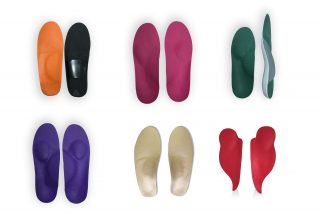
In cases where the corn or callous is caused by a biomechanical (foot posture) problem, the podiatrist may suggest orthotics to correct foot posture and prevent the excess areas of pressure. Where the issue is footwear related, you will be advised on footwear, and other measures to protect your feet when you cannot change footwear (due to uniform issues for example). This may include protective toe sleeving and caps, following routine footcare regimes, and keratolytic creams (that fight the build up of excess hard skin).
For any foot pain, corns or callous, contact the Podiatrists at Dubai Podiatry Centre on +971 4 34345390.


بقلم ميشيل شامبلين

مسامير القدم (والثفن) هي مناطق من الجلد السميك تنتج ضغطًا شديدًا أو احتكاكًا على بروز عظمي في قدمك. تحدث مسامير القدم بشكل متكرر في أسفل القدم، كما تحدث أيضًا بين أصابع القدم، والجزء الخلفي من الكعب، وأعلى أصابع القدم. تعتبر سماكة الجلد استجابة طبيعية للجسم للضغط أو الاحتكاك. تتشكل مسامير القدم على شكل مخاريط مقلوبة، وتتجه نحو الجلد وتسبب ألمًا كبيرًا عند المشي، مثل المشي على حجر صغير. غالبًا ما تكون مرتبطة ببروز العظام، وهي مشكلة ميكانيكية حيوية أساسية تسبب انهيار الأقواس أو أصابع القدم المطرقة. يمكن أيضًا أن يكون تكوين الذرة مرتبطًا بالأحذية، خاصة عندما تكون الأحذية ضيقة جدًا ومدببة عند مقدمة القدم. ليست كل مناطق الجلد السميكة هي مسامير أو مسامير. الثآليل والكيسات الأخمصية ويمكن أن تسبب أيضًا سماكة في الجلد يمكن أن تشبه مسامير القدم أو مسامير القدم. ومن ثم، من المهم رؤية طبيب الأقدام للتشخيص الصحيح وليس فقط لإزالة مسمار القدم، ولكن لمنعه من العودة من خلال معالجة أي سبب أساسي، سواء كان بسبب الأحذية أو الميكانيكا الحيوية للقدم.

مسامير القدم هي مناطق من الجلد السميك تحدث بشكل شائع في الجزء العلوي من أصابع القدم أو على باطن مقدمة القدم خلف أصابع القدم حيث يقرص الجلد عادة بسبب انهيار القوس العرضي. في كثير من الأحيان يكون هناك إصبع مطرقة مرتبط (مثني عند المفصل الأوسط)، مما يتسبب في احتكاك أصابع القدم داخل الجزء العلوي من الحذاء.

يهدف العلاج إلى تصحيح تشوه إصبع القدم المطرقية أو حماية أصابع القدم داخل الأحذية بأكمام أو أغطية خاصة. يمكن أن تحدث أيضًا مسامير صغيرة على جانب إصبع القدم الصغير بجوار ظفر القدم. يمكن أن يسبب مهماز عظمي صغير هذه المشكلة. تؤدي النتوءات العظمية أيضًا إلى ظهور الذرة بين أصابع القدم. غالبًا ما يكون سبب أصابع القدم إلى الجزء الخارجي من إصبع القدم الخامس هو الأحذية الضيقة.

الذرة الناعمة هي مناطق من الجلد الأبيض الرطب بين أصابع القدم. وهي تحدث بشكل شائع بين إصبع القدم الرابع والخامس. يمكن أن تكون مؤلمة للغاية، وإذا لم يتم علاجها يمكن أن تشكل تقرحات صغيرة أو مناطق الجيوب الأنفية التي يمكن أن تصاب بالعدوى. يمكن أن تبدو عدوى قدم الرياضي الشديدة أيضًا مثل الذرة الناعمة. الذرة الناعمة تكون بسبب عدم انتظام شكل العظم في الإصبع الرابع أو الخامس من القدم.

علاج الذرة الناعمة

قم بزيارة طبيب الأقدام لعلاج مسامير القدم أو القاسي السميك. يجب على مرضى السكري أو أي شخص يعاني من اعتلال الأعصاب (انخفاض الإحساس) عدم استخدام العلاجات المنزلية مثل لصقات الذرة، حيث يمكن أن يحترق الجلد السليم المحيط – تحقق من ما تفعله وما لا تفعله رئيسة أطباء الأقدام لدينا ميشيل شامبلين في علاج مسامير القدم والقسوة. يجب على أي شخص يعاني من ذرة أو صلابة سميكة متكررة أن يذهب إلى طبيب الأقدام ليس فقط من أجل الإزالة الآمنة، ولكن لمعالجة المشكلة الأساسية التي تسبب المشكلة.

في الحالات التي يكون فيها مسمار القدم أو مسامير القدم ناتجًا عن مشكلة ميكانيكية حيوية (وضعية القدم)، قد يقترح طبيب الأقدام استخدام تقويم العظام لتصحيح وضعية القدم ومنع مناطق الضغط الزائدة. عندما تكون المشكلة متعلقة بالأحذية، سيتم نصحك بشأن الأحذية، وغيرها من التدابير لحماية قدميك عندما لا تتمكن من تغيير الأحذية (بسبب مشاكل في الزي الموحد على سبيل المثال). قد يشمل ذلك الأكمام والأغطية الواقية لأصابع القدم، واتباع أنظمة العناية الروتينية بالقدم، والكريمات القرنية (التي تحارب تراكم الجلد الصلب الزائد).

إذا كنت تعاني من آلام في القدم أو مسامير القدم أو مسامير القدم، اتصل بأطباء الأقدام في مركز دبي  للعناية بالاقدام على الرقم 043435390


Written by Michelle Champlin BSc Pod., M.Ch.S., S.R., Ch., (UK)
Many of the verruca patients that attend Dubai Podiatry Centre have already tried various other methods such as home freezing sprays, acid paint or pads, and even surgical excision and cryotherapy. Some of the most resistant warts have been the ones that someone has tried to ‘cut out’, burn or use a CO2 laser to resolve. In many of these cases, there was wart recurrence, even expansion and hypertrophy within what was now a surgical scar site also.
The problem behind the recurrence following excision is an issue called the ‘Koebner phenomenon’ and presentations of cells infected with the wart, or human papilloma, virus.
The Koebner phenomenon is the development of lesions in traumatized uninvolved skin (i.e. what can occur during surgical excision of a verruca). These can develop with psoriatic lesions but it can also occur with Kaposi’s sarcoma, lichen planus and warts caused by HPV. After trauma to the skin, new lesions occur that are identical to the original lesion. Team this with the disorganized collagen bundles consistent with scar tissue and this can lead to a scar site that can be painful to walk on and constantly form callous over it thereafter.
Another reason to avoid a surgical approach to verrucas when possible is what cannot be see on the skin: specifically the cells with latent (or ‘dormant’ virus particles that have not switched “on” yet. Obviously, during a surgical excision, a doctor cannot detect the cells that are ‘latent’ and doing a big excision to encompass all the surrounding tissue would be undesirable and anatomically impossible on the foot.

In simple terms, surgically ‘cutting out’ a verruca runs a real risk of scarring, with associated side effects that are as bad or worse than the original verruca, as well as running a relatively high risk in the verruca persisting.
According to Lipke, “surgical excision and cautery of warts is not recommended as a standard therapy because it can be painful and cause scars that are difficult to treat.” For this reason, Dubai Podiatry Centre researched alternative non-surgical treatments, taking into account the number of lesions (patients typically have one or perhaps only a couple of verrucas), anatomic location – the foot, pain associated with the wart (it can be very painful on weight bearing areas such as the heel), and, of course, what is most convenient for the patient. Most patients want a pain-free regimen or something they perceive to be harmful to the wart while yielding little downtime for their lifestyle. Treatments such as cryotherapy (freezing) can be very painful both during and for quite a period afterwards, as well as having relatively low success rates. They also typically require 10 or more repeat treatments over quite a few months. Over-the-counter freezing sprays are generally not effective in treating warts, partly because they have a relatively ‘warmer’ temperature of -70° compared to -196° used in doctors’ surgeries.
Dubai Podiatry Centre will assess the patient, and depending on the site, patient’s medical history, type of verruca (i.e. single site or mosaic) and other factors, one or more treatments may be advised. These can include a topical retinoid – which tackle hard skin build up in the epidermis, act as an anti-inflammatory and inhibit cell proliferation and/or oral vitamin regimen.
Dubai Podiatry Centre uses Dermojet due to the non-ablative, non-surgical benefits (and therefore no scarring with possible long term downsides). With almost no discomfort, quick treatments usually only lasting 1-2 visits to the clinic and an extremely high success rate with no scarring or cutting, it has proven to be an extremely effective treatment in the fight against verrucas.
If you suspect that you or your child has a verruca, contact the Podiatrists at Dubai Podiatry Centre on +971 4 3435390.


بقلم ميشيل شامبلين

لقد جرب العديد من مرضى الثؤلول الذين يراجعون مركز دبي للعناية بالاقدام  بالفعل طرقًا أخرى مختلفة مثل بخاخات التجميد المنزلية، أو الطلاء أو الضمادات الحمضية، وحتى الاستئصال الجراحي والعلاج بالتبريد. بعض الثآليل الأكثر مقاومة هي تلك التي حاول شخص ما “قطعها” أو حرقها أو استخدام ليزر ثاني أكسيد الكربون لحلها. في العديد من هذه الحالات، كان هناك تكرار للثآليل، وحتى توسع وتضخم داخل ما أصبح الآن موقع ندبة جراحية أيضًا.

المشكلة الكامنة وراء التكرار بعد الاستئصال هي مشكلة تسمى “ظاهرة كوبنر” وعروض الخلايا المصابة بفيروس الثؤلول أو الورم الحليمي البشري.

ظاهرة كوبنر هي تطور الآفات في الجلد غير المصاب بصدمة (أي ما يمكن أن يحدث أثناء الاستئصال الجراحي للثؤلول). يمكن أن تتطور هذه مع آفات الصدفية ولكنها يمكن أن تحدث أيضًا مع ساركوما كابوزي والحزاز المسطح والثآليل الناجمة عن فيروس الورم الحليمي البشري. بعد إصابة الجلد، تحدث آفات جديدة مماثلة للآفة الأصلية. قم بتجميع هذا مع حزم الكولاجين غير المنظمة المتوافقة مع الأنسجة الندبية، وهذا يمكن أن يؤدي إلى موقع ندبة يمكن أن يكون مؤلمًا عند المشي عليها ويتشكل عليها باستمرار بعد ذلك.

سبب آخر لتجنب النهج الجراحي لعلاج الثؤلول عندما يكون ذلك ممكنًا هو ما لا يمكن رؤيته على الجلد: على وجه التحديد الخلايا التي تحتوي على جزيئات فيروسية كامنة (أو “نائمة” لم يتم تشغيلها بعد. ومن الواضح، أثناء الاستئصال الجراحي، أن الطبيب لا يستطيع اكتشاف الخلايا “الكامنة” وإجراء استئصال كبير ليشمل جميع الأنسجة المحيطة سيكون غير مرغوب فيه ومستحيلًا من الناحية التشريحية على القدم.

بعبارات بسيطة، فإن “استئصال” الثؤلول جراحيًا ينطوي على خطر حقيقي للتندب، مع ما يرتبط به من آثار جانبية سيئة أو أسوأ من الثؤلول الأصلي، فضلاً عن وجود خطر كبير نسبيًا في استمرار الثؤلول.

وبحسب ليبكي، “لا يُنصح بالاستئصال الجراحي والكي للثآليل كعلاج قياسي لأنه يمكن أن يكون مؤلمًا ويسبب ندبات يصعب علاجها”. لهذا السبب، بحث مركز دبي لعلاج الأرجل عن علاجات بديلة غير جراحية، مع الأخذ في الاعتبار عدد الآفات (عادة ما يعاني المرضى من ثؤلول واحد أو ربما اثنين فقط)، والموقع التشريحي – القدم، والألم المرتبط بالثؤلول (يمكن أن يكون مؤلمة جدًا في المناطق التي تتحمل الوزن مثل الكعب)، وبالطبع ما هو الأكثر ملاءمة للمريض. يريد معظم المرضى نظامًا خاليًا من الألم أو شيئًا يرونه ضارًا بالثؤلول مع تقليل وقت التوقف عن العمل لأسلوب حياتهم. يمكن أن تكون العلاجات مثل العلاج بالتبريد (التجميد) مؤلمة جدًا أثناء فترة طويلة بعد ذلك، فضلاً عن أن معدلات نجاحها منخفضة نسبيًا. كما أنها تتطلب عادةً 10 جلسات علاج متكررة أو أكثر على مدار بضعة أشهر. لا تكون بخاخات التجميد التي لا تستلزم وصفة طبية فعالة بشكل عام في علاج الثآليل، ويرجع ذلك جزئيًا إلى أن درجة حرارتها “أكثر دفئًا” نسبيًا تبلغ -70 درجة مئوية مقارنة بـ -196 درجة مئوية المستخدمة في جراحات الأطباء.

سيقوم مركز دبي لعلاج الأرجل بتقييم حالة المريض، واعتمادًا على الموقع والتاريخ الطبي للمريض ونوع الثؤلول (أي موقع واحد أو فسيفساء) وعوامل أخرى، قد ينصح بعلاج واحد أو أكثر. يمكن أن يشمل ذلك الريتينويد الموضعي – الذي يعالج الجلد الصلب المتراكم في البشرة، ويعمل كمضاد للالتهابات ويمنع تكاثر الخلايا و/أو نظام الفيتامينات عن طريق الفم.

يستخدم مركز دبي لعلاج الأرجل Dermojet نظرًا لفوائده غير الجراحية وغير الجراحية (وبالتالي عدم وجود ندبات مع آثار سلبية محتملة على المدى الطويل). مع عدم وجود أي إزعاج تقريبًا، والعلاجات السريعة عادة ما تستمر فقط من زيارة إلى زيارتين للعيادة ومعدل نجاح مرتفع للغاية بدون تندب أو قطع، وقد أثبت أنه علاج فعال للغاية في مكافحة الثآليل.

إذا كنت تشك في إصابتك أو طفلك بالثؤلول، اتصل بأطباء الأقدام في مركز دبي للعناية بالاقدام على الرقم 043435390


Written by Michelle Champlin BSc Pod., M.Ch.S., S.R., Ch., (UK)

At Dubai Podiatry Centre, some of our patients come to see us because they have developed numbness, tingling and other neuritic symptoms while bicycling. There seems to have been a rise lately, perhaps due to the current triathlon and ironman season here in the UAE. Happily, treating these problems with a combination of custom orthotics and shoe changes has been very successful.

The neuritis type symptoms seem to occur due to the particular forces placed on the foot when cycling, and sometimes due to the cycling shoes themselves too.

• Cycling shoes that are too narrow, especially across the toebox, combined with the feet swelling during longer rides.
Pressure from the pedal directly under the metatarsal heads leading to inflammation and compression of plantar nerves of the toes.

At Dubai Podiatry Centre, we carry out a full biomechanical lower limb assessment, medical history and discussion of your sports participation. Bring your cycling shoes with you to your assessment. If we conclude that orthotic treatment would be beneficial to the patient, we make specific orthotics especially for cycling and to address the pedal and footwear issues. Typically, we focus on reducing pressure under the metatarsal heads. Cycling shoes do tend to be very tight fitting compared to other sports shoes, such as running shoes, and some orthotic modifications specific for bike shoes are necessary. By improving the functionality and efficiency of the foot, patients tend to report not just pain alleviation but improved cycle times/performance too.

All of our orthotics are custom made in our clinic laboratory, by us, using advanced medical grade materials – this is a rarity in most clinics, who tend to send away to external manufacturing companies or just modify generic orthotics. By making our own orthotics, we have much greater control over treatment and outcomes and can speed up patient treatment by making them in-house, as well as making prescription updates during patient reviews as foot posture improves. We’ll ask you for your cycling shoes to fit your orthotics to at your fitting appointment too – when we check that the desired prescription is correct to the exact degree.

Cyclists’ feet may swell considerably on a long ride and it is critical to avoid forefoot compression if they are going to avoid neuritic symptoms. To combat this, cyclists can try purchasing their shoes after completing a long ride, or wearing an extra pair of socks when trying on the shoes. When they ride, they can wear the extra pair for the first part of the ride and then take off the extra pair later in the ride.
If you are experiencing foot or leg pain during or after your bike rides, contact the UK trained Podiatrists at Dubai Podiatry Centre

Call: + 971  4 3435390
WhatsApp: + 971  50 355 3024
info@dubaipodiatry.com
To book online: Click here


بقلم ميشيل شامبلين

في مركز دبي للعناية بالاقدام، يأتي بعض مرضانا لرؤيتنا لأنهم أصيبوا بالخدر والوخز وأعراض عصبية أخرى أثناء ركوب الدراجات. ويبدو أن هناك ارتفاعًا في الآونة الأخيرة، ربما بسبب موسم الترياتلون والرجل الحديدي الحالي هنا في الإمارات العربية المتحدة. ولحسن الحظ، فإن معالجة هذه المشكلات من خلال مجموعة من أجهزة تقويم العظام المخصصة وتغييرات الأحذية كانت ناجحة للغاية.

يبدو أن أعراض نوع التهاب العصب تحدث بسبب القوى الخاصة التي يتم وضعها على القدم أثناء ركوب الدراجات، وأحيانًا بسبب أحذية ركوب الدراجات نفسها أيضًا.

أحذية ركوب الدراجات ضيقة للغاية، خاصة عبر مقدمة القدم، بالإضافة إلى تورم القدمين أثناء الرحلات الطويلة.

الضغط من الدواسة مباشرة تحت رؤوس مشط القدم يؤدي إلى التهاب وضغط على الأعصاب الأخمصية لأصابع القدم.

في مركز دبي لعلاج الأرجل، نقوم بإجراء تقييم ميكانيكي حيوي كامل للأطراف السفلية والتاريخ الطبي ومناقشة مشاركتك الرياضية. أحضر معك حذاء ركوب الدراجات الخاص بك إلى تقييمك. إذا استنتجنا أن العلاج بتقويم العظام سيكون مفيدًا للمريض، فإننا نصنع أجهزة تقويمية محددة خاصة لركوب الدراجات ولمعالجة مشكلات الدواسة والأحذية. عادة، نركز على تقليل الضغط تحت رؤوس مشط القدم. تميل أحذية ركوب الدراجات إلى أن تكون ضيقة للغاية مقارنة بالأحذية الرياضية الأخرى، مثل أحذية الجري، ومن الضروري إجراء بعض التعديلات التقويمية الخاصة بأحذية الدراجة. من خلال تحسين وظيفة وكفاءة القدم، يميل المرضى إلى الإبلاغ ليس فقط عن تخفيف الألم ولكن أيضًا تحسين أوقات الدورة/الأداء.

جميع أجهزة تقويم العظام لدينا مصنوعة خصيصًا في مختبر عيادتنا، بواسطتنا، باستخدام مواد طبية متقدمة – وهذا أمر نادر في معظم العيادات، التي تميل إلى إرسالها إلى شركات تصنيع خارجية أو مجرد تعديل أجهزة تقويم العظام العامة. من خلال تصنيع أجهزة تقويم العظام الخاصة بنا، لدينا سيطرة أكبر بكثير على العلاج والنتائج ويمكننا تسريع علاج المرضى عن طريق تصنيعها داخل الشركة، بالإضافة إلى إجراء تحديثات على الوصفات الطبية أثناء مراجعات المرضى مع تحسن وضعية القدم. سنطلب منك أحذية ركوب الدراجات التي تناسب أجهزة تقويم العظام الخاصة بك في موعدك المناسب أيضًا – عندما نتحقق من صحة الوصفة الطبية المطلوبة بالدرجة الدقيقة.

قد تنتفخ أقدام راكبي الدراجات بشكل كبير أثناء الرحلة الطويلة ومن المهم تجنب الضغط على مقدمة القدم إذا كانوا يريدون تجنب أعراض العصب. لمكافحة ذلك، يمكن لراكبي الدراجات تجربة شراء أحذيتهم بعد الانتهاء من رحلة طويلة، أو ارتداء زوج إضافي من الجوارب عند تجربة الأحذية. عندما يركبون، يمكنهم ارتداء الزوج الإضافي في الجزء الأول من الرحلة ثم خلع الزوج الإضافي في وقت لاحق من الرحلة.

إذا كنت تعاني من آلام في القدم أو الساق أثناء أو بعد ركوب الدراجة، فتواصل مع أطباء الأقدام المدربين في المملكة المتحدة في مركز دبي للعناية بالاقدام

اتصل: 043435390

واتساب: 0503553024

info@dubaipodiatry.com

للحجز عبر الإنترنت: اضغط هنا


Written by Michelle Champlin BSc Pod., M.Ch.S., S.R., Ch., (UK)
Tinea Pedis (Athlete’s Foot fungal infection) is the most common dermatophyte in the world. Seventy percent of the population will be infected at some point in their lives and the incidence rate increases with age, as well as other risk factors such as diabetes.
Seven out of 10 cases usually occur among male patients and tinea pedis rarely occurs in children – at Dubai Podiatry Centre, we tend to start seeing athlete’s foot infections from the teenage years onwards. People who get tinea pedis usually wear enclosed footwear that aren’t breathable, which is one of the risk factors leading to hyperhidrosis (sweaty feet) and softening of the skin, providing a perfect dark, moist environment for the fungus to flourish. Tinea Pedis usually occurs more in warmer climates such as here in the UAE.

It is important to see your Podiatrist for the correct diagnosis and targeted treatment. There is a range of different diagnoses that can present with similar symptoms to Athlete’s Foot: eczema, xerosis, atopic dermatitis, psoriasis, contact dermatitis, Reiter’s syndrome, lichen planus or keratodermas. The Podiatrist may also take a skin culture for lab testing if there is any doubt.
Once the diagnosis of Tinea Pedis is made, there are four different types to consider.
• There is chronic squamous tinea or papulosquamous tinea which has a ‘moccasin’ type distribution. There are dry thick scales and fissuring on the plantar surface of the foot. This type is seen quite frequently in the clinic here in Dubai.
• Another type is interdigital, which is also very common. This occurs in the toe web spaces and presents with maceration, scaling and itching.
• The next type is vesicular, which occurs more in the arch and interdigital toe spaces and typically in non-weightbearing areas, with small vesicles visible.
• The last type is ulcerative in which we see maceration, weeping, denuded tissue and desquamation of layers of the skin. There is a foul odour secondary to the breakdown of tissue. This type can lead to accompanying bacterial infections because of the large surface area of tissue breakdown.
All types of fungal foot infection can lead to bacterial infections, but the ulcerative type tends to have a greater chance of bacterial infection. The patient may be prescribed an antibiotic in addition to an antifungal.
There is a very strong link with tinea pedis and onychomycosis – fungal toenails. If they are not treated properly, the patients who have a fungal skin infection will eventually develop fungal toenails. Some groups of patients must be especially careful in monitoring their feet for signs of fungal infection (or any change) and come to the Podiatrist for treatment as early as possible. These include diabetics, patients with PVD and elderly patients. This is particularly because tinea pedis can also lead to bacterial infections and in turn infections such as cellulitis.
Once the onychomycosis becomes established, then it serves as a fungus reservoir to constantly re-infect skin that has been cleared successfully. If you are treating onychomycosis, you must treat the tinea pedis. Vice versa, if you are treating tinea pedis, you must treat the onychomycosis. Your Podiatrist will explain how to address the fungus in both the skin and toenails, just like you need to address the shoes and any other factors such as excessive sweat. Read our Chief Podiatrist Michelle Champlin’s advice on getting rid of fungal feet here.
If you are worried that you have a fungal nail or skin infection, contact the experts at Dubai Podiatry Centre on +971 4 3435390.


سعفة القدم (عدوى فطرية في قدم الرياضي) هي الفطريات الجلدية الأكثر شيوعًا في العالم. سيصاب سبعون بالمائة من السكان بالعدوى في مرحلة ما من حياتهم، وتزداد نسبة الإصابة مع التقدم في السن، بالإضافة إلى عوامل الخطر الأخرى مثل مرض السكري.

عادة ما تحدث سبع حالات من أصل 10 حالات بين المرضى الذكور، ونادرًا ما تحدث سعفة القدم عند الأطفال. في مركز دبي لعلاج الأرجل، نميل إلى رؤية عدوى قدم الرياضي منذ سنوات المراهقة فصاعدًا. عادة ما يرتدي الأشخاص الذين يصابون بسعفة القدم أحذية مغلقة غير قابلة للتنفس، وهو أحد عوامل الخطر التي تؤدي إلى فرط التعرق (تعرق القدمين) وتنعيم الجلد، مما يوفر بيئة مظلمة ورطبة مثالية لنمو الفطريات. عادة ما تحدث سعفة القدم بشكل أكبر في المناخات الدافئة كما هو الحال هنا في دولة الإمارات العربية المتحدة.

من المهم أن ترى طبيب الأقدام الخاص بك للحصول على التشخيص الصحيح والعلاج المستهدف. هناك مجموعة من التشخيصات المختلفة التي يمكن أن تظهر مع أعراض مشابهة لقدم الرياضي: الأكزيما، أو الجفاف، أو التهاب الجلد التأتبي، أو الصدفية، أو التهاب الجلد التماسي، أو متلازمة رايتر، أو الحزاز المسطح، أو التقرن الجلدي. قد يقوم طبيب الأقدام أيضًا بإجراء ثقافة الجلد للاختبار المعملي إذا كان هناك أي شك.

بمجرد تشخيص سعفة القدم، هناك أربعة أنواع مختلفة يجب أخذها في الاعتبار.

هناك سعفة حرشفية مزمنة أو سعفة حطاطية حرشفية لها توزيع من النوعالخفاف“. توجد قشور سميكة وجافة وتشققات على السطح الأخمصي للقدم. يتم رؤية هذا النوع بشكل متكرر في العيادة هنا في دبي.

هناك نوع آخر وهو الوسائط الرقمية، وهو أيضًا شائع جدًا. يحدث هذا في المساحات الشبكية لأصابع القدم ويتظاهر بالنقع والتقشير والحكة.

النوع التالي هو الحويصلة، والذي يحدث أكثر في مساحات القوس وبين الأصابع وعادة في المناطق التي لا تحمل الوزن، مع وجود حويصلات صغيرة مرئية.

النوع الأخير هو التقرحي الذي نرى فيه النقع والبكاء وتعرية الأنسجة وتقشر طبقات الجلد. هناك رائحة كريهة ثانوية لانهيار الأنسجة. يمكن أن يؤدي هذا النوع إلى الإصابة بالعدوى البكتيرية المصاحبة بسبب المساحة السطحية الكبيرة لتحلل الأنسجة.

جميع أنواع عدوى القدم الفطرية يمكن أن تؤدي إلى عدوى بكتيرية، ولكن النوع التقرحي يميل إلى أن يكون لديه فرصة أكبر للإصابة بالعدوى البكتيرية. قد يوصف للمريض مضاد حيوي بالإضافة إلى مضاد للفطريات.

هناك علاقة قوية جدًا بين سعفة القدم وداء الأظافر الفطري. إذا لم يتم علاجهم بشكل صحيح، فإن المرضى الذين يعانون من عدوى جلدية فطرية سوف يصابون في النهاية بفطريات أظافر القدم. يجب أن تكون بعض مجموعات المرضى حذرين بشكل خاص في مراقبة أقدامهم بحثًا عن علامات العدوى الفطرية (أو أي تغيير) وأن يأتوا إلى طبيب الأقدام لتلقي العلاج في أقرب وقت ممكن. وتشمل هذه مرضى السكر والمرضى الذين يعانون من PVD والمرضى المسنين. ويرجع ذلك بشكل خاص إلى أن سعفة القدم يمكن أن تؤدي أيضًا إلى عدوى بكتيرية وبالتالي عدوى مثل التهاب النسيج الخلوي.

بمجرد أن ينشأ مرض فطار الأظافر، فإنه يعمل كمستودع للفطريات لإعادة إصابة الجلد الذي تمت إزالته بنجاح بشكل مستمر. إذا كنت تعالج فطار الأظافر، فيجب عليك علاج سعفة القدم. وبالعكس، إذا كنت تعالج سعفة القدم، فيجب عليك علاج فطار الأظافر. سيشرح لك طبيب الأقدام كيفية معالجة الفطريات الموجودة في الجلد وأظافر القدمين، تمامًا كما تحتاج إلى معالجة الأحذية وأي عوامل أخرى مثل العرق الزائد. اقرأ نصيحة رئيس أطباء الأقدام لدينا ميشيل شامبلين حول التخلص من فطريات القدم هنا.

إذا كنت قلقًا من إصابتك بعدوى فطرية في الأظافر أو الجلد، تواصل مع الخبراء في مركز دبي لعلاج الأرجل على الرقم 043435390


Written by Michelle Champlin BSc Pod., M.Ch.S., S.R., Ch., (UK)
Weakened ‘core’ muscles can lead to issues in the legs, feet and ankles – such as over-pronation and associated foot or ankle pain. Especially amongst runners attending our clinic at Dubai Podiatry Centre, we have also seen issues such as Achilles tendonitis and plantar fasciitis where weakened core muscles have been a contributing factor. In particular the hip adductor and abductors. Runners and athletes who travel in a forward direction, with little or no lateral (side to side) movement are more at risk from developing weak hip abductors. Whenever there is focus on one sport or activity, there can be a risk of muscle imbalance in the legs and hips, without countering this with cross training.
The core muscles are extremely important in foot, ankle and leg muscle function. The core muscles include the stomach muscles (the rectus abdominus, transverse abdominus, external and internal obliques and erector spinae) and the hip abductors (the gluteus medius and gluteus minimus). If the core muscles are weak, then the pelvis will be unstable and this can lead to over-pronation (feet rolling inwards and flattened arches). The gluteus minimus and medius both primarily abduct the thigh. Weakness in the gluteals will have implications all the way down the musculo-skeletal chain. From heel contact to mid stance phase, if the gluteals are weak, then the thigh bone will adduct (move inwards towards the body’s midline) and internally rotate too much.
This then leads to the knee twisting outwards into a more ‘valgus’ position. The tibia will then excessively rotate internally relative to the foot in turn, leading to an increase in pronation at the foot and ankle. The smaller muscles in the leg and foot are not strong enough to resist the strong pronatory force of the body’s weight during gait if the core muscles are weak and not functioning properly.
Injuries and ailments linked in some cases to weak hip abductors include:
• Plantar fasciitis
• Achilles tendonitis
• Iliotibial band syndrome (ITBS)
• Medial tibial shin splints
• Patellofemoral pain
• Hip pain.
Treatment
There are also other causes and contributory factors in each of these conditions, so it’s important to see your Podiatrist for a full biomechanical assessment and treatment plan. This may include muscle strengthening and stretching advice and custom orthotics.

Dynamic exercises including the use of a medicine ball, rocker board, lunges and step-ups can be helpful in strengthening these muscles in runners. Yoga poses such as the ‘bridge’ can also be beneficial, as well as side and front planks. Injured runners can begin simply with side leg lifts too.
If you are experiencing hip, leg or foot pain, contact the Podiatrists at Dubai Podiatry Centre on +971 4 3435390 for a fast track return to fitness.


يمكن أن يؤدي ضعف العضلاتالأساسيةإلى مشاكل في الساقين والقدمين والكاحلينمثل الإفراط في الميلان وما يرتبط به من آلام في القدم أو الكاحل. وخاصة بين العدائين الذين يترددون على عيادتنا في مركز دبي للعناية بالاقدام ، فقد شهدنا أيضًا مشاكل مثل التهاب وتر العرقوب والتهاب اللفافة الأخمصية حيث كان ضعف العضلات الأساسية عاملاً مساهماً. على وجه الخصوص، المقرب الورك والخاطفين. العدائين والرياضيين الذين يسافرون في اتجاه أمامي، مع حركة جانبية قليلة أو معدومة (من جانب إلى جانب) يكونون أكثر عرضة لخطر الإصابة بضعف عضلة الورك الخاطفة. عندما يكون هناك تركيز على رياضة أو نشاط واحد، يمكن أن يكون هناك خطر عدم توازن العضلات في الساقين والوركين، دون مواجهة ذلك بالتدريب المتقاطع.

تعتبر العضلات الأساسية مهمة للغاية في وظيفة عضلات القدم والكاحل والساق. تشمل العضلات الأساسية عضلات المعدة (عضلة البطن المستقيمة، وعضلة البطن المستعرضة، والعضلة المائلة الخارجية والداخلية، والعضلة الناصبة للورك) وعضلات الورك المبعدة (العضلة الألوية المتوسطة والعضلة الألوية الصغيرة). إذا كانت العضلات الأساسية ضعيفة، فسيكون الحوض غير مستقر وقد يؤدي ذلك إلى الإفراط في الكب (تدحرج القدمين إلى الداخل وتسطح الأقواس). الألوية الصغيرة والوسطى كلاهما يخطفان الفخذ في المقام الأول. سيكون للضعف في الألوية آثار على طول السلسلة العضلية الهيكلية. من ملامسة الكعب إلى مرحلة الوقوف المتوسط، إذا كانت الألوية ضعيفة، فإن عظم الفخذ سوف يتقارب (يتحرك نحو الداخل نحو خط الوسط للجسم) ويدور داخليًا أكثر من اللازم.

يؤدي هذا بعد ذلك إلى التواء الركبة للخارج إلى وضعأروحأكثر. سوف يدور الظنبوب بشكل مفرط داخليًا بالنسبة للقدم بدوره، مما يؤدي إلى زيادة في النطق عند القدم والكاحل. العضلات الصغيرة في الساق والقدم ليست قوية بما يكفي لمقاومة القوة القوية لوزن الجسم أثناء المشي إذا كانت العضلات الأساسية ضعيفة ولا تعمل بشكل صحيح.

تشمل الإصابات والأمراض المرتبطة في بعض الحالات بخاطفي الورك الضعفاء ما يلي:

التهاب اللفافة الأخمصية

التهاب وتر أخيل

متلازمة النطاق الحرقفي الظنبوبي (ITBS)

الجبائر الظنبوبية الوسطى

ألم رضفة الفخذ

ألم الورك.

العلاج: هناك أيضًا أسباب وعوامل أخرى تساهم في كل حالة من هذه الحالات، لذلك من المهم مراجعة طبيب الأقدام الخاص بك للحصول على تقييم ميكانيكي حيوي كامل وخطة علاج. وقد يشمل ذلك نصائح لتقوية العضلات وتمديدها وتقويم العظام حسب الطلب.

يمكن أن تكون التمارين الديناميكية بما في ذلك استخدام الكرة الطبية واللوح الهزاز والطعنات والخطوات مفيدة في تقوية هذه العضلات لدى العدائين. يمكن أن تكون أوضاع اليوغا مثلالجسرمفيدة أيضًا، بالإضافة إلى الألواح الجانبية والأمامية. يمكن للعدائين المصابين أن يبدأوا ببساطة برفع الساق الجانبية أيضًا.

إذا كنت تعاني من آلام في الورك أو الساق أو القدم، اتصل بأطباء الأقدام في مركز دبي للعناية بالاقدام 

043435390 على الرقم لاستعادة لياقتك البدنية بسرعة


Written by Michelle Champlin BSc Pod., M.Ch.S., S.R., Ch., (UK)
What is patellofemoral pain? 

Patellofemoral pain is a common knee problem that occurs mostly in very active people. The patella (kneecap) is a hinge joint that sits in a groove at the bottom of the thigh bone (femur). There are muscles, tendons and ligaments surrounding the patella that control how the kneecap moves up and down in this groove when either bent or straight. If these structures surrounding the kneecap are in some way not functioning correctly or unbalanced, pain can develop. Patellofemoral pain can also be called runner’s knee, biker’s knee, patellalgia or patellofemoral stress syndrome.

This pain is located in the front of the knee and is noticed most frequently when going up or down stairs. In children knee pain can be caused by Osgood-Schlatter’s disease. All knee pain should be fully investigated by your Doctor or Podiatrist.
Causes

Athletes may feel pain from the bone or muscles surrounding the kneecap. Women tend to more at risk than men, especially teenagers. Cartilage is a smooth surface that coats and protects the end of the femur and the back of the patella. Cartilage does not have many nerve endings, so the pain is not thought to come from the cartilage itself.
Risk factors include
• Repetitive running or jumping
• Sudden increase in training (e.g. running more miles)
• Fall on the knee(s)
• Muscle weakness around the knee and further up the thigh and hip
• Patella out of line with the rest of knee joint (“malalignment” of the upper or lower leg)
• Over-pronation (ankles rolling in)
Symptoms
Athletes complain of a dull, aching pain at the front of the knee. This pain may become worse when walking up or down stairs, kneeling or squatting, and sitting with the knee bent. There may be a catching sensation when the knee is bent and a painful grating sensation.
Treatment
At the initial episodes of pain, rest and avoidance of any exercises that cause the pain may be advised. Non-steroidal anti-inflammatory medications (ibuprofen, naproxen) may be helpful as well for pain. After a full biomechanical assessment (remember to bring your shorts) the Podiatrist may prescribe orthotics to correct any biomechanical malaligment or discrepancy in the feet, ankles or legs. You may also be advised hip, quadriceps and hamstrings strengthening exercises in conjunction.
In addition, it is helpful to adjust any specific factors encountered in a sport that could be worsening any poor alignment. (e.g. bicycle adjusted so that the resistance is not too great and the seat is at an appropriate height).
From weekend warriors to those new to sports, contact the expert Podiatrists led by Chief Podiatrist Michelle Champlin at Dubai Podiatry Centre on +971 4 3435390 for foot, ankle, knee or leg rehabilitation.


ما هو الألم الرضفي الفخذي؟ يعد ألم رضفة الفخذ مشكلة شائعة في الركبة وتحدث غالبًا عند الأشخاص النشطين جدًا. الرضفة (الرضفة) هي مفصل مفصلي يقع في أخدود أسفل عظم الفخذ (عظم الفخذ). هناك عضلات وأوتار وأربطة تحيط بالرضفة تتحكم في كيفية تحرك الرضفة لأعلى ولأسفل في هذا الأخدود عندما تكون مثنية أو مستقيمة. إذا كانت هذه الهياكل المحيطة بالرضفة لا تعمل بشكل صحيح أو غير متوازنة، فمن الممكن أن يتطور الألم. يمكن أيضًا أن يُطلق على ألم رضفة الفخذ اسم ركبة العداء، أو ركبة راكب الدراجة النارية، أو ألم الرضفة، أو متلازمة الإجهاد الرضفي الفخذي.

يقع هذا الألم في مقدمة الركبة ويتم ملاحظته بشكل متكرر عند صعود أو نزول الدرج. يمكن أن يكون سبب آلام الركبة عند الأطفال هو مرض أوسجودشلاتر. يجب فحص جميع آلام الركبة بشكل كامل من قبل طبيبك أو طبيب الأقدام.

الأسباب قد يشعر الرياضيون بألم في العظام أو العضلات المحيطة بالرضفة. تميل النساء إلى المخاطر أكثر من الرجال، وخاصة المراهقين. الغضروف هو سطح أملس يغطي ويحمي نهاية عظم الفخذ والجزء الخلفي من الرضفة. لا يحتوي الغضروف على العديد من النهايات العصبية، لذلك لا يُعتقد أن الألم يأتي من الغضروف نفسه.

وتشمل عوامل الخطر

الجري أو القفز المتكرر

زيادة مفاجئة في التدريب (على سبيل المثال، الجري لمزيد من الأميال)

السقوط على الركبة (الركبتين)

ضعف العضلات حول الركبة وأعلى الفخذ والورك

الرضفة خارج الخط مع بقية مفصل الركبة (“سوء استقامةالجزء العلوي أو السفلي من الساق)

الإفراط في الكب (تدحرج الكاحلين)

أعراض

يشكو الرياضيون من ألم خفيف ومؤلم في الجزء الأمامي من الركبة. قد يصبح هذا الألم أسوأ عند صعود أو نزول الدرج، أو الركوع أو القرفصاء، أو الجلوس مع ثني الركبة. قد يكون هناك إحساس جذاب عند ثني الركبة وإحساس مؤلم بالصرير.

علاج

في النوبات الأولية من الألم، قد ينصح بالراحة وتجنب أي تمارين تسبب الألم. الأدوية المضادة للالتهابات غير الستيرويدية (ايبوبروفين، نابروكسين) قد تكون مفيدة أيضًا للألم. بعد إجراء تقييم ميكانيكي حيوي كامل (تذكر إحضار السراويل القصيرة الخاصة بك) قد يصف طبيب الأقدام تقويم العظام لتصحيح أي سوء تناسق أو تناقض في الميكانيكا الحيوية في القدمين أو الكاحلين أو الساقين. قد يُنصح أيضًا بممارسة تمارين تقوية الورك وعضلات الفخذ وأوتار الركبة معًا.

بالإضافة إلى ذلك، من المفيد تعديل أي عوامل محددة تتم مواجهتها في رياضة ما والتي يمكن أن تؤدي إلى تفاقم أي محاذاة سيئة. (على سبيل المثال، تعديل الدراجة بحيث لا تكون المقاومة كبيرة جدًا ويكون المقعد على ارتفاع مناسب).

من محاربي عطلة نهاية الأسبوع إلى أولئك الجدد في الرياضة، اتصل بأطباء الأقدام الخبراء بقيادة ميشيل شامبلين، رئيسة أطباء الأقدام في مركز دبي للعناية الأقدام على الرقم 043435390 لإعادة تأهيل القدم أو الكاحل أو الركبة أو الساق


Written by Michelle Champlin BSc Pod., M.Ch.S., S.R., Ch., (UK)
What are the ‘hamstrings’?
The hamstrings are three tendons at the back of the thighs that attach the large thigh muscle to the bone. These can be felt as the ‘strings’ on either side of the back of your knee.
Additionally, the ‘hamstring’ also includes the group of three muscles that run from beneath the pelvis along the back of the thigh, crossing behind the knee joint and ending at the lower leg. They are involved in knee flexion (bending) and hip extension.
The hamstrings play a key role in lots of everyday activities – walking, running, jumping, and controlling some movement in the trunk. In walking, they are most important in opposing the quads during knee extension.
What is a pulled hamstring?
Most hamstring injuries occur to the thick, central part of the muscle or where the muscle fibers join tendon fibers. A hamstring injury can occur if any of the tendons or muscles are stretched beyond their limit. They often occur during sudden, explosive movements, such as sprinting, lunging or jumping and are graded 1, 2 or 3 according to severity. But they can also occur more gradually, or during slower movements that overstretch your hamstring. Recurring injury is common in athletes and sportsmen, as you’re more likely to injure your hamstring if you’ve injured it previously.
A hamstring injury is a strain or tear to the tendons or large muscles at the back of the thigh.
The length of time it takes to recover from a hamstring strain or tear will depend on how severe the injury is. A minor muscle pull or strain (grade 1) may take a few days to heal, whereas it could take weeks or months to recover from a muscle tear (grade 2 / 3).
What are the symptoms?
Mild hamstring strains (grade 1) will usually cause sudden pain and tenderness the back of your thigh. It may be painful to move your leg, but the strength of the muscle shouldn’t be affected. Partial hamstring tears (grade 2) are usually more painful and tender. There may also be some swelling or bruising at the back of the thigh and some loss of muscle strength. The most severe hamstring tears (grade 3) will usually be very painful, tender, swollen and bruised. There may have been a “popping” sensation at the time of the injury and immediate inability to weight bear on the leg.
How do injuries happen?
Hamstring injuries tend to occur due to muscle overload – either stretched beyond capacity or challenged suddenly. You might be more at risk of hamstring strain due to:
Muscle tightness: Tight muscles are vulnerable to strain. Athletes should follow a year-round program of daily stretching exercises.
Muscle imbalance: When one muscle group is much stronger than its opposing muscle group, the imbalance can lead to a strain. This frequently happens with the hamstring muscles. The quadriceps muscles at the front of the thigh are usually more powerful. During sprint work, the hamstring can tire more quickly than the quads, putting them at risk of strain.
Starting / increasing a fitness regime: If muscles are weak, they are less able to cope with the stress of exercise and are more likely to be injured.
Muscle fatigue: Tired muscles are less able to absorb energy, making them more prone to injury.
Type of Activity: Anyone can pull a hamstring, but certain athletes are more at risk:
• Athletes who participate in sports like soccer or basketball, involving bursts of running
• Runners or sprinters
• Dancers
• Older athletes whose exercise regime is primarily walking
• Adolescent athletes who are still growing.
Hamstring strains occur more often in teens because their bones and muscles grow at different rates. During a growth spurt, the child’s bones may grow faster than the muscles. The growing bone pulls the muscle tight, predisposing it to a pull or tear during a sudden jump or run.

TreatmentHamstring Injuries
Details
Written by Michelle Champlin BSc Pod., M.Ch.S., S.R., Ch., (UK)
What are the ‘hamstrings’?
The hamstrings are three tendons at the back of the thighs that attach the large thigh muscle to the bone. These can be felt as the ‘strings’ on either side of the back of your knee.
Additionally, the ‘hamstring’ also includes the group of three muscles that run from beneath the pelvis along the back of the thigh, crossing behind the knee joint and ending at the lower leg. They are involved in knee flexion (bending) and hip extension.
The hamstrings play a key role in lots of everyday activities – walking, running, jumping, and controlling some movement in the trunk. In walking, they are most important in opposing the quads during knee extension.
What is a pulled hamstring?
Most hamstring injuries occur to the thick, central part of the muscle or where the muscle fibers join tendon fibers. A hamstring injury can occur if any of the tendons or muscles are stretched beyond their limit. They often occur during sudden, explosive movements, such as sprinting, lunging or jumping and are graded 1, 2 or 3 according to severity. But they can also occur more gradually, or during slower movements that overstretch your hamstring. Recurring injury is common in athletes and sportsmen, as you’re more likely to injure your hamstring if you’ve injured it previously.
A hamstring injury is a strain or tear to the tendons or large muscles at the back of the thigh.
The length of time it takes to recover from a hamstring strain or tear will depend on how severe the injury is. A minor muscle pull or strain (grade 1) may take a few days to heal, whereas it could take weeks or months to recover from a muscle tear (grade 2 / 3).
What are the symptoms?
Mild hamstring strains (grade 1) will usually cause sudden pain and tenderness the back of your thigh. It may be painful to move your leg, but the strength of the muscle shouldn’t be affected. Partial hamstring tears (grade 2) are usually more painful and tender. There may also be some swelling or bruising at the back of the thigh and some loss of muscle strength. The most severe hamstring tears (grade 3) will usually be very painful, tender, swollen and bruised. There may have been a “popping” sensation at the time of the injury and immediate inability to weight bear on the leg.
How do injuries happen?
Hamstring injuries tend to occur due to muscle overload – either stretched beyond capacity or challenged suddenly. You might be more at risk of hamstring strain due to:
Muscle tightness: Tight muscles are vulnerable to strain. Athletes should follow a year-round program of daily stretching exercises.
Muscle imbalance: When one muscle group is much stronger than its opposing muscle group, the imbalance can lead to a strain. This frequently happens with the hamstring muscles. The quadriceps muscles at the front of the thigh are usually more powerful. During sprint work, the hamstring can tire more quickly than the quads, putting them at risk of strain.
Starting / increasing a fitness regime: If muscles are weak, they are less able to cope with the stress of exercise and are more likely to be injured.
Muscle fatigue: Tired muscles are less able to absorb energy, making them more prone to injury.
Type of Activity: Anyone can pull a hamstring, but certain athletes are more at risk:
• Athletes who participate in sports like soccer or basketball, involving bursts of running
• Runners or sprinters
• Dancers
• Older athletes whose exercise regime is primarily walking
• Adolescent athletes who are still growing.
Hamstring strains occur more often in teens because their bones and muscles grow at different rates. During a growth spurt, the child’s bones may grow faster than the muscles. The growing bone pulls the muscle tight, predisposing it to a pull or tear during a sudden jump or run.

Treatment
As with any muscle or tendon injury, immediate rest, ice, compression and elevation is important. Rest may involve the use of crutches or a brace. All but the most severe injuries heal without surgery. As pulled hamstrings are linked to poor fitness, muscle imbalance and inflexibility, avoid hamstring injuries by stepping up training regimes gradually to strengthen the hamstrings. Include hamstring strengthening exercises in balance with quad strength. Stretching daily is vital to develop flexibility and suppleness. Your Doctor or Podiatrist can guide you in stretching and strengthening rehabilitation after injury to minimize any scar tissue at the injury site or muscle atrophy. Your Podiatrist will also carry out a full lower limb biomechanical assessment to identify any contributing malalignment and advise on orthotics if required to alleviate undue stress on the hamstrings.


ما هي “أوتار الركبة”؟

أوتار الركبة عبارة عن ثلاثة أوتار في الجزء الخلفي من الفخذين تربط عضلة الفخذ الكبيرة بالعظم. يمكن الشعور بها على أنها “أوتار” على جانبي الجزء الخلفي من ركبتك.

بالإضافة إلى ذلك، تشتمل “أوتار الركبة” أيضًا على مجموعة من ثلاث عضلات تمتد من أسفل الحوض على طول الجزء الخلفي من الفخذ، وتعبر خلف مفصل الركبة وتنتهي عند أسفل الساق. إنهم يشاركون في ثني الركبة (الانحناء) وتمديد الورك.

تلعب أوتار الركبة دورًا رئيسيًا في الكثير من الأنشطة اليومية – المشي والجري والقفز والتحكم في بعض الحركة في الجذع. في المشي، هم الأكثر أهمية في معارضة الكواد أثناء تمديد الركبة.

ما هو سحب اوتار الركبة؟

تحدث معظم إصابات أوتار الركبة في الجزء المركزي السميك من العضلة أو حيث تنضم ألياف العضلات إلى ألياف الوتر. يمكن أن تحدث إصابة في أوتار الركبة إذا تم شد أي من الأوتار أو العضلات إلى ما هو أبعد من حدودها. تحدث غالبًا أثناء الحركات المفاجئة والمتفجّرة، مثل الركض السريع أو الاندفاع أو القفز، ويتم تصنيفها من 1 أو 2 أو 3 وفقًا لشدتها. ولكنها يمكن أن تحدث أيضًا بشكل تدريجي، أو أثناء الحركات البطيئة التي تزيد من إجهاد أوتار الركبة. تعد الإصابة المتكررة أمرًا شائعًا لدى الرياضيين والرياضيين، حيث من المرجح أن تصاب بأوتار الركبة إذا كنت قد أصبت بها سابقًا.

إصابة أوتار الركبة هي إجهاد أو تمزق في الأوتار أو العضلات الكبيرة في الجزء الخلفي من الفخذ.

يعتمد طول الوقت المستغرق للتعافي من إجهاد أو تمزق في أوتار الركبة على مدى خطورة الإصابة. قد يستغرق شد أو إجهاد العضلات البسيط (الدرجة 1) بضعة أيام للشفاء، في حين قد يستغرق الأمر أسابيع أو أشهر للتعافي من تمزق العضلات (الدرجة 2/3).

ما هي الاعراض؟

عادة ما تسبب سلالات أوتار الركبة الخفيفة (الدرجة 1) ألمًا مفاجئًا وألمًا في الجزء الخلفي من فخذك. قد يكون من المؤلم تحريك ساقك، ولكن لا ينبغي أن تتأثر قوة العضلات. عادة ما تكون تمزقات أوتار الركبة الجزئية (الدرجة 2) أكثر إيلامًا وإيلامًا. قد يكون هناك أيضًا بعض التورم أو الكدمات في الجزء الخلفي من الفخذ وبعض فقدان قوة العضلات. عادة ما تكون تمزقات أوتار الركبة الأكثر خطورة (الدرجة 3) مؤلمة للغاية، ومؤلمة، ومتورمة وكدمات. ربما كان هناك إحساس “بالفرقعة” وقت الإصابة وعدم القدرة المباشرة على تحمل الوزن على الساق.

كيف تحدث الإصابات؟

تميل إصابات أوتار الركبة إلى الحدوث بسبب الحمل الزائد للعضلات – إما أن تمتد إلى ما هو أبعد من طاقتها أو يتم تحديها فجأة. قد تكون أكثر عرضة لخطر الإصابة بإجهاد أوتار الركبة للأسباب التالية:

ضيق العضلات: العضلات المشدودة تكون عرضة للإجهاد. يجب على الرياضيين اتباع برنامج على مدار العام من تمارين التمدد اليومية.

اختلال توازن العضلات: عندما تكون مجموعة عضلية أقوى بكثير من مجموعة العضلات المقابلة لها، يمكن أن يؤدي عدم التوازن إلى الإجهاد. يحدث هذا بشكل متكرر مع عضلات اوتار الركبة. عادة ما تكون عضلات الفخذ الرباعية الموجودة في الجزء الأمامي من الفخذ أقوى. أثناء تمرين العدو السريع، يمكن أن تتعب أوتار الركبة بسرعة أكبر من عضلات الفخذ الرباعية، مما يعرضها لخطر الإجهاد.

البدء/زيادة نظام اللياقة البدنية: إذا كانت العضلات ضعيفة، فإنها تكون أقل قدرة على التعامل مع ضغوط التمارين الرياضية وتكون أكثر عرضة للإصابة.

إرهاق العضلات: تكون العضلات المتعبة أقل قدرة على امتصاص الطاقة، مما يجعلها أكثر عرضة للإصابة.

نوع النشاط: يمكن لأي شخص أن يسحب أوتار الركبة، ولكن بعض الرياضيين أكثر عرضة للخطر:

• الرياضيون الذين يشاركون في رياضات مثل كرة القدم أو كرة السلة، والتي تتضمن الجري السريع

• العدائين أو العدائين

• الراقصات

• الرياضيون الأكبر سناً الذين يعتمد نظام تمارينهم الرياضية على المشي بشكل أساسي

• الرياضيون المراهقون الذين ما زالوا في طور النمو.

تحدث سلالات أوتار الركبة في كثير من الأحيان عند المراهقين لأن عظامهم وعضلاتهم تنمو بمعدلات مختلفة. خلال طفرة النمو، قد تنمو عظام الطفل بشكل أسرع من العضلات. يسحب العظم النامي العضلة بقوة، مما يجعلها عرضة للشد أو التمزق أثناء القفز أو الجري المفاجئ.

علاج

كما هو الحال مع أي إصابة في العضلات أو الأوتار، من المهم الراحة الفورية والثلج والضغط والارتفاع. قد تنطوي الراحة على استخدام العكازات أو الدعامة. جميع الإصابات ما عدا الشديدة تشفى بدون جراحة. نظرًا لأن أوتار الركبة التي تم سحبها مرتبطة بضعف اللياقة البدنية وعدم توازن العضلات وعدم المرونة، تجنب إصابات أوتار الركبة عن طريق تكثيف أنظمة التدريب تدريجيًا لتقوية أوتار الركبة. قم بتضمين تمارين تقوية أوتار الركبة بالتوازن مع القوة الرباعية. يعد التمدد يوميًا أمرًا حيويًا لتطوير المرونة والليونة. يمكن لطبيبك أو طبيب الأقدام إرشادك في تمديد وتعزيز عملية إعادة التأهيل بعد الإصابة لتقليل أي أنسجة ندبية في موقع الإصابة أو ضمور العضلات. سيقوم طبيب الأقدام الخاص بك أيضًا بإجراء تقييم ميكانيكي حيوي كامل للأطراف السفلية لتحديد أي سوء استقامة مساهم وتقديم المشورة بشأن تقويم العظام إذا لزم الأمر لتخفيف الضغط غير المبرر على أوتار الركبة.


Written by Michelle Champlin BSc Pod., M.Ch.S., S.R., Ch., (UK)
The feet, ankles and legs work together to provide support and mobility to the body. A foot or ankle sprain is a soft tissue injury, common to many athletes and also in every day life, from tripping over a curb to going over in high-heeled shoes. Most ankle sprains occur to the outside ankle ligaments, and sports with some side-to-side movement or pivoting such as tennis, football or netball are higher risk. Most often, a sprain occurs when an injury pulls, stretches, or tears the ligaments that connect bone to bone.
The standard initial first aid protocol for soft tissue injuries, from ankle sprains, to runners knee or hamstring sprains, is Rest Ice Compression and Elevation. Chief Podiatrist Michelle Champlin explains why icing can be helpful in the first 24-48 hours of an injury.
Symptoms of a Sprain
Pain, swelling, bruising, and difficulty walking on the affected foot or ankle are the most common symptoms of a sprained or fractured foot or ankle. Increased pain, swelling, bruising, redness, or difficulty walking after an injury are definite signs that it’s time to see a podiatrist.
Podiatrists specialize in the care and treatment of the lower extremity. If you’ve injured your foot or ankle, see a Podiatrist, to determine the extent of the injury and develop a plan of care to get you back in the game as soon as possible. A Podiatrist can evaluate why it happened – a one-off rogue incident, or whether there are underlying biomechanical issues at play too. A sprain predisposes you to repeat sprains, and a Podiatrist can assist with minimizing the risk.
First Aid
• Rest—Rest the affected area. Stay off the injured foot or ankle until it can be fully evaluated by a Podiatrist. Walking, running, or playing sports on an injured foot or ankle may make the injury worse and recovery time ultimately longer.
• Ice—Apply ice to the affected area as soon as possible, and reapply it for 15–20 minutes every three or four hours for the first 48 hours after injury.
• Compression—Wrap an elastic bandage (such as an Ace wrap) around the affected foot or ankle. The wrapping should be snug, but not so tight as to cut off circulation.
• Elevation—Elevate the affected extremity on a couple of pillows; ideally, your foot or ankle should be higher than your heart. Keeping your foot or ankle elevated also decreases swelling.
How to ice an injury
The benefits of ice are highest within the first day or two of injury. Applying ice to a new injury helps relieve pain and prevent swelling by decreasing blood flow to the area. Placing a cold pack or a bag of frozen veg in a towel protects your tender skin from getting too cold. To avoid frostbite, never place an ice bag directly on bare skin. Apply the ice for 15 to 20 minutes at a time and allow your skin to return to normal temperature in between icing.
• Crushable Ice packs: Normally available from pharmacies, great for initial, portable first aid in the UAE’s hot climate. Put a layer of clothing between the skin and the ice pack to prevent skin damage.
• Ice bag: Ice bags without a lot of compression can be left on for 20 minutes, before allowing the skin to return to room temperature and icing again.
• Compression wrap: An ice bag pressed on with an elastic bandage needs to be monitored closely and usually left on for shorter periods (10-15 mins). The compression speeds cooling of the tissues.
• Ice cups: useful for also massaging the area – 10 minutes should be adequate. The increased pressure of massaging with the cup causes faster cooling of the tissues. Do not massage if you suspect a fracture.
Why ice?
Icing has many benefits, including:
• Decreased temperature: Warmth is a sign that a body part is injured, which sometimes indicates potential death of cells. Icing the tissues can help to slow this down, protecting cells from further damage.
• Decreased inflammation
• Decreased tissue metabolism
• Decreased pain
• Decreased muscle spasm: Ice helps decrease nerve conduction and reflex mechanism of the muscles, so if you experience a muscle spasm – ice
• Decreased circulation: Having the blood flow slow down can be beneficial for an injury so that secondary cell damage doesn’t occur.
Contact the Podiatrists at Dubai Podiatry Centre if you suspect a sprain or strain to your lower limb. A sprain can have long term implications for range of motion and even change your foot or ankle alignment without treatment. +971 4 3435390.


بقلم رئيسة أطباء الأقدام ميشيل شامبلين.

تعمل القدمان والكاحلان والساقان معًا لتوفير الدعم والحركة للجسم. التواء القدم أو الكاحل هو إصابة في الأنسجة الرخوة، وهي إصابة شائعة لدى العديد من الرياضيين وأيضًا في الحياة اليومية، بدءًا من التعثر على الرصيف وحتى ارتداء الأحذية ذات الكعب العالي. تحدث معظم حالات التواء الكاحل في الأربطة الخارجية للكاحل، كما أن الرياضات التي تتضمن بعض الحركة جنبًا إلى جنب أو الدوران مثل التنس أو كرة القدم أو كرة الشبكة تكون أكثر خطورة. في أغلب الأحيان، يحدث الالتواء عندما تقوم الإصابة بسحب أو تمدد أو تمزق الأربطة التي تربط العظام بالعظام.

بروتوكول الإسعافات الأولية القياسي لإصابات الأنسجة الرخوة، بدءًا من التواء الكاحل وحتى التواء الركبة أو أوتار الركبة لدى العدائين، هو Rest Ice Compression and Elevation. تشرح رئيسة أطباء الأقدام ميشيل شامبلين لماذا يمكن أن يكون استخدام الثلج مفيدًا خلال أول 24 إلى 48 ساعة من الإصابة.

أعراض الالتواء

يعد الألم والتورم والكدمات وصعوبة المشي على القدم أو الكاحل المصاب من أكثر الأعراض شيوعًا للتواء أو كسر في القدم أو الكاحل. إن زيادة الألم أو التورم أو الكدمات أو الاحمرار أو صعوبة المشي بعد الإصابة هي علامات أكيدة على أن الوقت قد حان لرؤية طبيب الأقدام.

يتخصص أطباء الأقدام في رعاية وعلاج الطرف السفلي. إذا تعرضت لإصابة في قدمك أو كاحلك، فراجع طبيب الأقدام لتحديد مدى الإصابة ووضع خطة رعاية لإعادتك إلى اللعبة في أقرب وقت ممكن. يمكن لطبيب الأقدام تقييم سبب حدوث ذلك – حادثة مارقة لمرة واحدة، أو ما إذا كانت هناك مشكلات ميكانيكية حيوية أساسية تلعب دورًا أيضًا. يهيئك الالتواء لتكرار الالتواء، ويمكن أن يساعدك طبيب الأقدام في تقليل المخاطر.

إسعافات أولية

• الراحة — قم بإراحة المنطقة المصابة. ابتعد عن القدم أو الكاحل المصاب حتى يمكن تقييمه بالكامل بواسطة طبيب الأقدام. قد يؤدي المشي أو الجري أو ممارسة الرياضة على القدم أو الكاحل المصابة إلى تفاقم الإصابة وإطالة وقت التعافي في النهاية.

• الثلج: ضع الثلج على المنطقة المصابة في أسرع وقت ممكن، وأعد وضعه لمدة 15-20 دقيقة كل ثلاث أو أربع ساعات خلال أول 48 ساعة بعد الإصابة.

• الضغط – قم بلف ضمادة مرنة (مثل لفافة الآس) حول القدم أو الكاحل المصاب. يجب أن يكون التغليف مريحًا، ولكن ليس ضيقًا جدًا بحيث يمنع الدورة الدموية.

• الارتفاع – رفع الطرف المصاب على وسادتين. من الناحية المثالية، يجب أن تكون قدمك أو كاحلك أعلى من قلبك. إن إبقاء قدمك أو كاحلك مرتفعًا يقلل أيضًا من التورم.

كيفية تجميد الإصابة

تصل فوائد الثلج إلى أعلى مستوياتها خلال اليوم الأول أو اليومين الأولين من الإصابة. يساعد وضع الثلج على إصابة جديدة على تخفيف الألم ومنع التورم عن طريق تقليل تدفق الدم إلى المنطقة. إن وضع كمادة باردة أو كيس من الخضار المجمدة في منشفة يحمي بشرتك الرقيقة من البرودة الشديدة. لتجنب قضمة الصقيع، لا تضع كيس ثلج مباشرة على الجلد العاري. ضع الثلج لمدة 15 إلى 20 دقيقة في المرة الواحدة واسمح لبشرتك بالعودة إلى درجة الحرارة الطبيعية بين وضع الثلج.

• عبوات الثلج القابلة للسحق: متوفرة عادة في الصيدليات، وهي رائعة للإسعافات الأولية الأولية والمحمولة في المناخ الحار في دولة الإمارات العربية المتحدة. ضع طبقة من الملابس بين الجلد وكمادة الثلج لمنع تلف الجلد.

• كيس الثلج: يمكن ترك أكياس الثلج دون ضغط كبير لمدة 20 دقيقة، قبل السماح للجلد بالعودة إلى درجة حرارة الغرفة ووضع الثلج مرة أخرى.

• لفافة ضاغطة: يجب مراقبة كيس الثلج المضغوط بضمادة مرنة عن كثب وعادةً ما يتم تركه لفترات أقصر (10-15 دقيقة). يعمل الضغط على تسريع تبريد الأنسجة.

• أكواب الثلج: مفيدة أيضاً لتدليك المنطقة – 10 دقائق كافية. يؤدي الضغط المتزايد للتدليك بالكوب إلى تبريد الأنسجة بشكل أسرع. لا تقم بالتدليك إذا كنت تشك في حدوث كسر.

لماذا الجليد؟

للثلج فوائد عديدة، منها:

• انخفاض درجة الحرارة: الدفء علامة على إصابة أحد أجزاء الجسم، مما يشير في بعض الأحيان إلى احتمال موت الخلايا. يمكن أن يساعد وضع الثلج على الأنسجة في إبطاء هذا الأمر، مما يحمي الخلايا من المزيد من الضرر.

• انخفاض الالتهاب

• انخفاض التمثيل الغذائي للأنسجة

• انخفاض الألم

• تقليل تشنج العضلات: يساعد الثلج على تقليل التوصيل العصبي وآلية الانعكاس للعضلات، لذلك إذا كنت تعاني من تشنج العضلات – استخدم الثلج

• انخفاض الدورة الدموية: يمكن أن يكون تباطؤ تدفق الدم مفيدًا للإصابة حتى لا يحدث تلف ثانوي للخلايا.

اتصل بأطباء الأقدام في مركز دبي لعلاج الأرجل إذا كنت تشك في وجود التواء أو إجهاد في الطرف السفلي. يمكن أن يكون للالتواء آثار طويلة المدى على نطاق الحركة وحتى تغيير محاذاة القدم أو الكاحل دون علاج 043435390


Written by Michelle Champlin BSc Pod., M.Ch.S., S.R., Ch., (UK)
The accepted first aid protocol for soft tissue injuries is Rest Ice Compression and Elevation. This article explores why compression is important (you can also read more about icing here). RICE is considered a first-aid treatment, rather than a cure for soft tissue injuries. The aim is to manage discomfort and internal bleeding.
Symptoms of a Sprain
Pain, swelling, bruising, and difficulty walking on the affected foot or ankle are the most common symptoms of a sprained or fractured foot or ankle. Increased pain, swelling, bruising, redness, or difficulty walking after an injury are definite signs that it’s time to see a Podiatrist.
Podiatrists specialize in the care and treatment of the lower extremity. If you’ve injured your foot or ankle, see a Podiatrist, to determine the extent of the injury and develop a plan of care to get you back in the game as soon as possible. A Podiatrist can evaluate why it happened – a one-off rogue incident, or whether there are underlying biomechanical issues at play too. A sprain predisposes you to repeat sprains, and a Podiatrist can assist with minimizing the risk. RICE protocol is useful for immediate first aid, but professional follow up is key to avoiding long term damage or recurrence.
Home Care
• Rest—Rest the affected area. Stay off the injured foot or ankle until it can be fully evaluated by a Podiatrist. Walking, running, or playing sports on an injured foot or ankle may make the injury worse and recovery time ultimately longer.
• Ice—Apply ice to the affected area as soon as possible, and reapply it for 15–20 minutes every three or four hours for the first 48 hours after injury.
• Compression—Wrap an elastic bandage (such as an Ace wrap) around the affected foot or ankle. The wrapping should be snug, but not so tight as to cut off circulation.
• Elevation—Elevate the affected extremity on a couple of pillows; ideally, your foot or ankle should be higher than your heart. Keeping your foot or ankle elevated also decreases swelling.
RICE is one of the simplest and oldest approaches for treating soft tissue injuries such as sprains, contusions, and dislocations. The immediate phase after soft tissue injury is characterised by an acute inflammatory response. This often presents clinically with signs such as heat, redness, pain and swelling. It is commonly accepted that components of RICE, particularly ice and compression have an ‘anti’ inflammatory effect after soft tissue injury, in the first 24-48 hours (after which heat can be more beneficial).
Why apply compression?
Compression aims to reduce the edema (or swelling) that results from the inflammatory process. Although some swelling is inevitable, too much swelling results in significant loss of function, pain and eventual slowing of blood flow through vessel restriction.
RICE works by reducing blood flow to the injured area. However, it can be argued that for certain types of injuries (such as damage to ligaments and tendons) a protocol that increases blood flow, such as MEAT (Movement, Exercise, Analgesics and Treatments) should be used instead. This makes it even more important to see a Podiatrist or Doctor as soon as possible, to discover the exact nature of the injury and decide the best course of therapy, both short and longer term recovery. This may involve a course of strengthening and stretching exercises and custom orthotics.
How to Compress an Injury
An elasticated bandage is best for compression. Using a tight, non-elastic Ace type bandage will result in reduction of adequate blood flow, potentially causing ischemia – almost more like a tourniquet. The fit should be snug, but still allow expansion for when muscles contract and fill with blood.
Compression stockings or sleeves are a useful option to manage swelling of the leg, with graduated compression (where the amount of compression decreases as it gets closer to the heart). These stockings are especially effective post-operatively and are used in virtually all hospitals to manage acute or chronic swelling.
For any leg, ankle or foot injury, contact the expert Podiatrists, led by Chief Podiatrist Michelle Champlin, at Dubai Podiatry Centre. +971 4 3435390


بقلم رئيسة أطباء الأقدام ميشيل شامبلين.

بروتوكول الإسعافات الأولية المقبول لإصابات الأنسجة الرخوة هو Rest Ice Compression and Elevation. تستكشف هذه المقالة

سبب أهمية الضغط (يمكنك أيضًا قراءة المزيد عن التزيين هنا). يعتبر رايس علاجًا للإسعافات الأولية، وليس علاجًا لإصابات الأنسجة الرخوة. الهدف هو إدارة الانزعاج والنزيف الداخلي.

أعراض الالتواء

يعد الألم والتورم والكدمات وصعوبة المشي على القدم أو الكاحل المصاب من أكثر الأعراض شيوعًا للتواء أو كسر في القدم أو الكاحل. إن زيادة الألم أو التورم أو الكدمات أو الاحمرار أو صعوبة المشي بعد الإصابة هي علامات أكيدة على أن الوقت قد حان لرؤية طبيب الأقدام.

يتخصص أطباء الأقدام في رعاية وعلاج الطرف السفلي. إذا تعرضت لإصابة في قدمك أو كاحلك، فراجع طبيب الأقدام لتحديد مدى الإصابة ووضع خطة رعاية لإعادتك إلى اللعبة في أقرب وقت ممكن. يمكن لطبيب الأقدام تقييم سبب حدوث ذلك – حادثة مارقة لمرة واحدة، أو ما إذا كانت هناك مشكلات ميكانيكية حيوية أساسية تلعب دورًا أيضًا. يهيئك الالتواء لتكرار الالتواء، ويمكن أن يساعدك طبيب الأقدام في تقليل المخاطر. يعد بروتوكول RICE مفيدًا للإسعافات الأولية الفورية، لكن المتابعة المهنية هي المفتاح لتجنب الضرر أو تكراره على المدى الطويل.

رعاية منزلية

• الراحة — قم بإراحة المنطقة المصابة. ابتعد عن القدم أو الكاحل المصاب حتى يمكن تقييمه بالكامل بواسطة طبيب الأقدام. قد يؤدي المشي أو الجري أو ممارسة الرياضة على القدم أو الكاحل المصابة إلى تفاقم الإصابة وإطالة وقت التعافي في النهاية.

• الثلج: ضع الثلج على المنطقة المصابة في أسرع وقت ممكن، وأعد وضعه لمدة 15-20 دقيقة كل ثلاث أو أربع ساعات خلال أول 48 ساعة بعد الإصابة.

• الضغط – قم بلف ضمادة مرنة (مثل لفافة الآس) حول القدم أو الكاحل المصاب. يجب أن يكون التغليف مريحًا، ولكن ليس ضيقًا جدًا بحيث يمنع الدورة الدموية.

• الارتفاع – رفع الطرف المصاب على وسادتين. من الناحية المثالية، يجب أن تكون قدمك أو كاحلك أعلى من قلبك. إن إبقاء قدمك أو كاحلك مرتفعًا يقلل أيضًا من التورم.

يعد RICE واحدًا من أبسط وأقدم الطرق لعلاج إصابات الأنسجة الرخوة مثل الالتواء والكدمات والخلع. تتميز المرحلة المباشرة بعد إصابة الأنسجة الرخوة باستجابة التهابية حادة. غالبًا ما يظهر هذا سريريًا مع علامات مثل الحرارة والاحمرار والألم والتورم. من المقبول عمومًا أن مكونات الأرز، وخاصة الثلج والضغط، لها تأثير مضاد للالتهابات بعد إصابة الأنسجة الرخوة، خلال الـ 24-48 ساعة الأولى (وبعدها يمكن أن تكون الحرارة أكثر فائدة).

لماذا تطبيق الضغط؟ يهدف الضغط إلى تقليل الوذمة (أو التورم) الناتجة عن العملية الالتهابية. على الرغم من أن بعض التورم أمر لا مفر منه، إلا أن الكثير من التورم يؤدي إلى فقدان كبير في الوظيفة والألم وتباطؤ تدفق الدم في نهاية المطاف من خلال تقييد الأوعية الدموية.

يعمل رايس عن طريق تقليل تدفق الدم إلى المنطقة المصابة. ومع ذلك، يمكن القول أنه بالنسبة لأنواع معينة من الإصابات (مثل تلف الأربطة والأوتار) يجب استخدام بروتوكول يزيد من تدفق الدم، مثل MEAT (الحركة والتمرين والمسكنات والعلاجات) بدلاً من ذلك. وهذا يزيد من أهمية زيارة طبيب الأقدام أو الطبيب في أقرب وقت ممكن، لاكتشاف الطبيعة الدقيقة للإصابة وتحديد أفضل مسار للعلاج، سواء على المدى القصير أو الطويل. قد يتضمن ذلك دورة من تمارين التقوية والتمدد وتقويم العظام المخصص.

كيفية ضغط الإصابة

الضمادة المرنة هي الأفضل للضغط. سيؤدي استخدام ضمادة ضيقة وغير مرنة من النوع Ace إلى تقليل تدفق الدم الكافي، مما قد يؤدي إلى نقص التروية – يشبه إلى حد كبير عاصبة. يجب أن يكون الملاءمة مريحة، ولكن مع السماح بالتمدد عندما تنقبض العضلات وتمتلئ بالدم.

تُعد الجوارب أو الأكمام الضاغطة خيارًا مفيدًا للتحكم في تورم الساق، من خلال الضغط المتدرج (حيث يقل مقدار الضغط كلما اقترب من القلب). هذه الجوارب فعالة بشكل خاص بعد العمليات الجراحية وتستخدم في جميع المستشفيات تقريبًا لإدارة التورم الحاد أو المزمن.

في حالة أي إصابة في الساق أو الكاحل أو القدم، اتصل بأخصائيي طب الأقدام الخبراء، بقيادة رئيسة

.043435390 أطباء الأقدام ميشيل شامبلين، في مركز دبي للعناية بالأقدام


Copyright Dubai Podiatry 2026. All rights reserved.

WhatsApp us