fbpx

Please wait...


BLOG

No more posts

Written by Michelle Champlin BSc Pod., M.Ch.S., S.R., Ch., (UK)
Chief Podiatrist Michelle Champlin answers one of our hottest topics – are flip flops bad for your feet?
Flip flops are fine for what they’re designed for – to quickly take the rubbish out or go to the beach, or round the pool. They are great for avoiding viral infections such as verrucas that thrive in damp environments such as changing rooms. But they’re not designed for any other type of activity or longer periods of walking. So don’t go to the mall in them – you can end up walking from one end of the mall to the other, and your feet will really ache. That’s because you have to use one compartment of muscles more than the other to keep the flip-flop on your foot. If you actually used your muscles in balance, like as in barefoot, the flip-flop would not stay on. You have to scrunch your toes and overwork the muscles on the top of your foot and underuse the muscles underneath and your arch. So if you’re wearing flip flops all day every day, to go out walking the dog and so on, you may start to see issues with the sole and arches of your feet, such as plantar fasciitis, collapsed arches and over-pronation. Also, they can be dangerous during driving, such as getting them stuck underneath pedals. We would suggest swapping to a driving shoe, which looks like a ballerina pump with grip or studs up the heel and fits securely to your foot.

You get a callous or area of hard skin on your foot from excess pressure or torsion forces inside your foot – how your foot is moving (biomechanics). So the body builds up callous to protect itself, just as on your hands from gardening. So if you remove that callous – there’s a reason why it’s there. The skin underneath is very fragile, and the soft skin underneath can get damaged if the reason for the callous forming isn’t addressed. It can be as simple as correcting the position of the foot – the biomechanics – to stop the extra force on a specific area. You may need an orthotic, or insole, from your Podiatrist to correct the foot posture for 6 weeks, until the foot strength recovers and the insole doesn’t need to be worn again.
Contact the experts at Dubai Podiatry Centre, led by Chief Podiatrist Michelle Champlin, on +971 4 3435390 if you are experiencing any foot, ankle or leg pain.


بقلم ميشيل شامبلين

تجيب رئيسة أطباء الأقدام ميشيل شامبلين على أحد أهم مواضيعنا – هل الصنادل ضارة لقدميك؟

يعتبر الشباشب مناسبًا للغرض الذي تم تصميمه من أجله – لإخراج القمامة بسرعة أو الذهاب إلى الشاطئ أو حول حمام السباحة. إنها رائعة لتجنب الالتهابات الفيروسية مثل الثآليل التي تزدهر في البيئات الرطبة مثل غرف تغيير الملابس. لكنها ليست مصممة لأي نوع آخر من الأنشطة أو لفترات أطول من المشي. لذلك لا تذهب إلى المركز التجاري بداخلها – قد ينتهي بك الأمر بالمشي من أحد أطراف المركز التجاري إلى الطرف الآخر، وسوف تؤلمك قدميك حقًا. وذلك لأنه يتعين عليك استخدام حجرة واحدة من العضلات أكثر من الأخرى للحفاظ على الشبشب على قدمك. إذا كنت تستخدم عضلاتك بشكل متوازن، كما هو الحال في حافي القدمين، فلن يبقى الشبشب ثابتًا. عليك أن تضغط على أصابع قدميك وتجهد العضلات الموجودة في الجزء العلوي من قدمك وتقلل من استخدام العضلات الموجودة أسفلها وقوسك. لذا، إذا كنت ترتدي شبشبًا طوال اليوم كل يوم، أو للخروج لتمشية الكلب وما إلى ذلك، فقد تبدأ في رؤية مشكلات في نعل وأقواس قدميك، مثل التهاب اللفافة الأخمصية، وانهيار الأقواس، والإفراط في الكب. كما أنها يمكن أن تكون خطرة أثناء القيادة، مثل أن تعلق تحت الدواسات. نقترح التبديل إلى حذاء القيادة، الذي يشبه حذاء راقصة الباليه مع قبضة أو مسامير على الكعب ويتناسب بشكل آمن مع قدمك.

تصاب بجلد قاسٍ أو منطقة من الجلد الصلب على قدمك بسبب الضغط الزائد أو قوى الالتواء داخل قدمك – كيف تتحرك قدمك (الميكانيكا الحيوية). لذلك يتراكم الجسم قاسيًا لحماية نفسه، تمامًا كما يحدث في يديك من أعمال البستنة. لذلك، إذا قمت بإزالة هذا القاسي – فهناك سبب لوجوده. الجلد الموجود تحته هش للغاية، ويمكن أن يتضرر الجلد الناعم الموجود تحته إذا لم تتم معالجة سبب التشكل القاسي. يمكن أن يكون الأمر بسيطًا مثل تصحيح موضع القدم – الميكانيكا الحيوية – لإيقاف القوة الإضافية على منطقة معينة. قد تحتاج إلى جهاز تقويم العظام أو نعل داخلي من طبيب الأقدام الخاص بك لتصحيح وضع القدم لمدة 6 أسابيع، حتى تتعافى قوة القدم ولا يلزم ارتداء النعل مرة أخرى.

اتصل بخبراء مركز دبي لعلاج الأرجل، بقيادة كبير أطباء الأرجل ميشيل شامبلين، على الرقم +971 4 3435390 إذا كنت تعاني من أي ألم في القدم أو الكاحل أو الساق


Written by Michelle Champlin BSc Pod., M.Ch.S., S.R., Ch., (UK)
A common foot problem, especially in a hot climate such as ours in Dubai, is foot odour. Smelly feet can cause embarrassment and cause real distress to the sufferer. Chief Podiatrist Michelle Champlin explains that help is at hand from your Podiatrist.

Can smelly feet ever be fixed?
Yes! Foot odour can be devastating to someone. Nobody likes to be asked ‘Is that your feet smelling?’ It can be psychologically very devastating and affect personal and work relationships. If you wear the same shoes every day, that shoe never dries out. If you don’t wear socks with you shoes, the dead skin rubs off in your shoes and rots, adding to the odour. Underlying bacterial or fungal infections can also be easily treated by a Podiatrist, which are frequently the source of odour. It lurks in the skin, and makes your skin look as if there is icing sugar dusted on the skin – a dry white powdery appearance. The Podiatrist just needs to find out the source of the smell – it’s either fungal or bacterial. One of the most common bacterial based infections we see in Dubai is ‘pitted keratolysis’ that can cause smelly, pitted skin on the feet. And there is always a corresponding cure no matter the cause, combined with simple steps to make sure it doesn’t come back.
What causes smelly feet – is it hormones or excessive sweat?
You perspire more at certain times of your life. Hormonal changes and stress play important roles in how much we sweat – you can find out more about very sweaty feet – or ‘hyperhidrosis’ in our recent blog. If you’re in a very stressful situation you’ll produce more sweat. Micro-organisms on your skin then break down the sweat and the byproduct is acidic, giving the smell. We discourage people from using antiperspirants on their feet. It can be as simple as changing your footwear daily, wearing socks with your shoes rather than going barefoot and diagnosing and treating any underlying fungal or bacterial infection. Smelly feet are a fixable problem for Podiatrists. When a fungal infection is to blame, antifungal shoe sprays can help to destroy the spores in shoes (as well as not wearing the same shoes every day to allow them to dry out), wearing breathable shoes and treating socks with antifungal powders.
If you are troubled by excessively sweaty or malodorous feet, contact the experts at Dubai Podiatry Centre on +971 4 3435390 for a solution.


بقلم ميشيل شامبلين

من مشاكل القدم الشائعة، خاصة في المناخ الحار مثل مناخنا في دبي، هي رائحة القدم. يمكن أن تسبب رائحة القدمين الإحراج وتسبب ضيقًا حقيقيًا للمصاب. توضح رئيسة أطباء الأقدام ميشيل شامبلين أن المساعدة في متناول اليد من أخصائي أمراض الأقدام الخاص بك.

هل يمكن إصلاح رائحة الأقدام الكريهة؟ نعم! رائحة القدم يمكن أن تكون مدمرة لشخص ما. لا أحد يحب أن يُسأل “هل هذه رائحة قدميك؟” يمكن أن يكون ذلك مدمرًا نفسيًا للغاية ويؤثر على العلاقات الشخصية والعملية. إذا كنت ترتدي نفس الحذاء كل يوم، فلن يجف هذا الحذاء أبدًا. إذا كنت لا ترتدي الجوارب مع حذائك، فإن الجلد الميت يفرك في حذائك ويتعفن، مما يزيد من الرائحة. يمكن أيضًا علاج الالتهابات البكتيرية أو الفطرية الكامنة بسهولة من قبل طبيب الأقدام، والتي غالبًا ما تكون مصدر الرائحة. فهو يكمن في الجلد، ويجعل بشرتك تبدو كما لو كان هناك سكر ناعم منثور على الجلد – مظهر مسحوقي أبيض جاف. يحتاج طبيب الأقدام فقط إلى معرفة مصدر الرائحة – فهي إما فطرية أو بكتيرية. واحدة من أكثر أنواع العدوى البكتيرية شيوعًا التي نراها في دبي هي “انحلال القرنية” الذي يمكن أن يسبب جلدًا كريه الرائحة على القدمين. ويوجد دائمًا علاج مناسب بغض النظر عن السبب، بالإضافة إلى خطوات بسيطة للتأكد من عدم عودته.

ما الذي يسبب رائحة القدمين الكريهة هل هي الهرمونات أم العرق الزائد؟ تتعرق أكثر في أوقات معينة من حياتك. تلعب التغيرات الهرمونية والإجهاد أدوارًا مهمة في مقدار التعرق – يمكنك معرفة المزيد عن الأقدام المتعرقة جدًا – أو “فرط التعرق” في مدونتنا الأخيرة. إذا كنت في موقف مرهق للغاية فسوف تنتج المزيد من العرق. تقوم الكائنات الحية الدقيقة الموجودة على جلدك بتفكيك العرق ويكون المنتج الثانوي حمضيًا، مما يعطي الرائحة. نحن لا نشجع الناس على استخدام مضادات التعرق على أقدامهم. يمكن أن يكون الأمر بسيطًا مثل تغيير حذائك يوميًا، وارتداء الجوارب مع حذائك بدلاً من المشي حافي القدمين وتشخيص وعلاج أي عدوى فطرية أو بكتيرية كامنة. تعتبر رائحة الأقدام الكريهة مشكلة قابلة للحل بالنسبة لأطباء الأقدام. عندما يكون السبب هو العدوى الفطرية، يمكن أن تساعد بخاخات الأحذية المضادة للفطريات في تدمير الجراثيم الموجودة في الأحذية (بالإضافة إلى عدم ارتداء نفس الحذاء كل يوم للسماح لها بالجفاف)، وارتداء أحذية قابلة للتنفس ومعالجة الجوارب بمساحيق مضادة للفطريات.

إذا كنت تعاني من التعرق المفرط أو رائحة القدمين الكريهة، اتصل بالخبراء في  مركز دبي للعناية بالاقدام 043435390  للحصول على حل.


Written by Michelle Champlin BSc Pod., M.Ch.S., S.R., Ch., (UK)
Chief Podiatrist Michelle Champlin explains a common foot mystery – why is there a problem or pain on one foot and not the other?
Why are the toenails on only my right foot thickened and discoloured, and only my right heel dry and cracked, for over 25 years?
Our bodies, including our blood circulation, are not symmetrical. Your left and right foot are different to one another. The fact that there is a one sided issue here with only the right foot affected suggests there may be an impairment with the blood supply to the right foot. It is less likely to be due to a fungal infection, a common source of dry looking skin and discoloured toenails, as after 25 years we would expect to see this in both feet. There may be a delay in the blood supply – due to a tight ligament in the groin for example. We will assess blood supply – pedal pulse weaker for example and we can refer on to a vascular specialist if we do find reason to investigate further.
It’s usual to see for example, one arch more collapsed than the other, a more advanced bunion on one foot than the other (or only one bunion) and one leg shorter than the other. Podiatrists will also look for differences between legs, hips, ankles and feet, ranging from a tilted pelvis, to a larger calf muscle on one side, or impaired blood circulation in one foot only. Podiatrists therefore will create custom solutions to address these differences. At Dubai Podiatry Centre, this means the left and right orthotic for each foot will have a slightly different prescription tailored for each foot, for example.
For any foot, ankle or leg concern, contact the UK trained Podiatrists at Dubai Podiatry Centre on +971 4 3435390 for expert investigation and treatment


بقلم ميشيل شامبلين

تشرح رئيسة أطباء الأقدام ميشيل شامبلين لغزًا شائعًا في القدم – لماذا توجد مشكلة أو ألم في قدم واحدة دون الأخرى؟

لماذا أصبحت أظافر قدمي اليمنى فقط سميكة وتغير لونها، وكعب قدمي الأيمن فقط جاف ومتشقق، لأكثر من 25 عامًا؟

أجسادنا، بما في ذلك الدورة الدموية لدينا، ليست متناظرة. قدمك اليسرى واليمنى تختلف عن بعضها البعض. تشير حقيقة وجود مشكلة من جانب واحد هنا حيث تتأثر القدم اليمنى فقط إلى احتمال وجود ضعف في تدفق الدم إلى القدم اليمنى. من غير المحتمل أن يكون ذلك بسبب عدوى فطرية، وهي مصدر شائع للبشرة الجافة وأظافر القدم المتغيرة اللون، حيث نتوقع رؤية ذلك بعد 25 عامًا في كلا القدمين. قد يكون هناك تأخير في تدفق الدم – بسبب ضيق الأربطة في الفخذ على سبيل المثال. سنقوم بتقييم إمدادات الدم – نبض الدواسة أضعف على سبيل المثال ويمكننا الرجوع إلى أخصائي الأوعية الدموية إذا وجدنا سببًا لإجراء مزيد من التحقيق.

من المعتاد أن نرى على سبيل المثال، قوسًا واحدًا أكثر انهيارًا من الآخر، ورمًا أكثر تقدمًا في إحدى القدمين من الأخرى (أو ورمًا واحدًا فقط) وساقًا أقصر من الأخرى. سيبحث أطباء الأقدام أيضًا عن الاختلافات بين الساقين والوركين والكاحلين والقدمين، بدءًا من الحوض المائل إلى عضلة الساق الكبيرة على جانب واحد، أو ضعف الدورة الدموية في قدم واحدة فقط. ولذلك سيقوم أطباء الأقدام بإنشاء حلول مخصصة لمعالجة هذه الاختلافات. في مركز دبي لعلاج الأرجل، هذا يعني أن جهاز تقويم العظام الأيسر والأيمن لكل قدم سيكون له وصفة طبية مختلفة قليلاً مصممة لكل قدم، على سبيل المثال.

إذا كانت لديك أي مشكلة في القدم أو الكاحل أو الساق، اتصل بأطباء الأقدام المدربين في المملكة المتحدة في  مركز دبي للعناية بالاقدام على الرقم 043435390 لإجراء فحص وعلاج متخصصين


Written by Michelle Champlin BSc Pod., M.Ch.S., S.R., Ch., (UK)
Your feet don’t have just one arch, but three. They work together to create arches or ‘caves’ that create stability, provide flexibility and shock absorption and also propulsion to move you forward. Chief Podiatrist Michelle Champlin explains what the transverse arch does and how its collapse can create a range of foot-related issues.
Mrs Champlin explains “The foot shows up your general health – as the furthest from your heart, sensory and nerve problems show up first in the feet. This is the main reason why diabetics come for an annual or bi-annual foot check with the Podiatrist, to catch any impairment early before it affects major organs. There are three arches of your feet – the main one we all know of on the inside of your foot, and also one on the outside of the foot. The most important one in my opinion is an arch running across the front of the foot – the transverse arch. If this collapses, then the other two collapse in turn.”

The arches in your foot provide structural support, like a cave or bridge
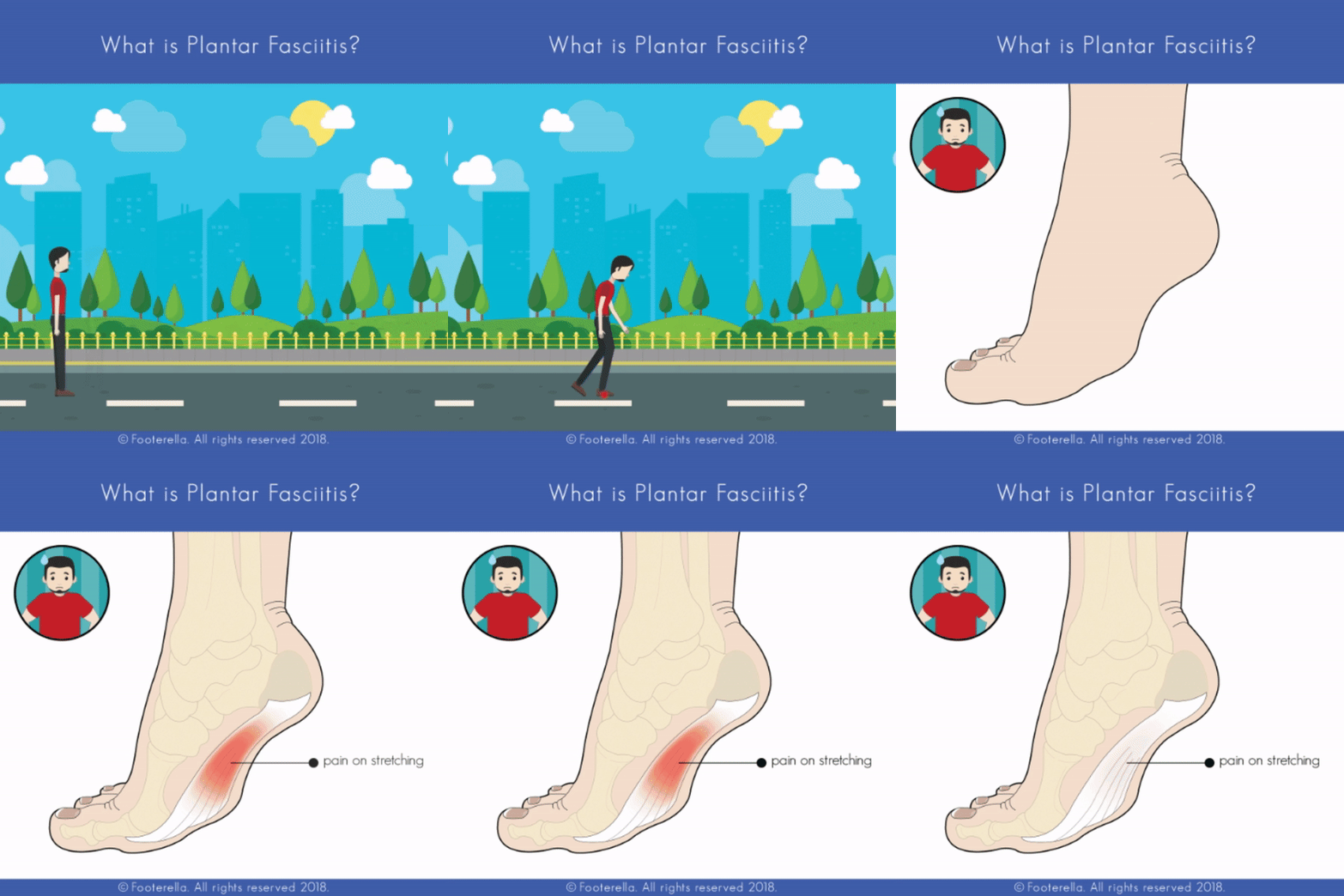
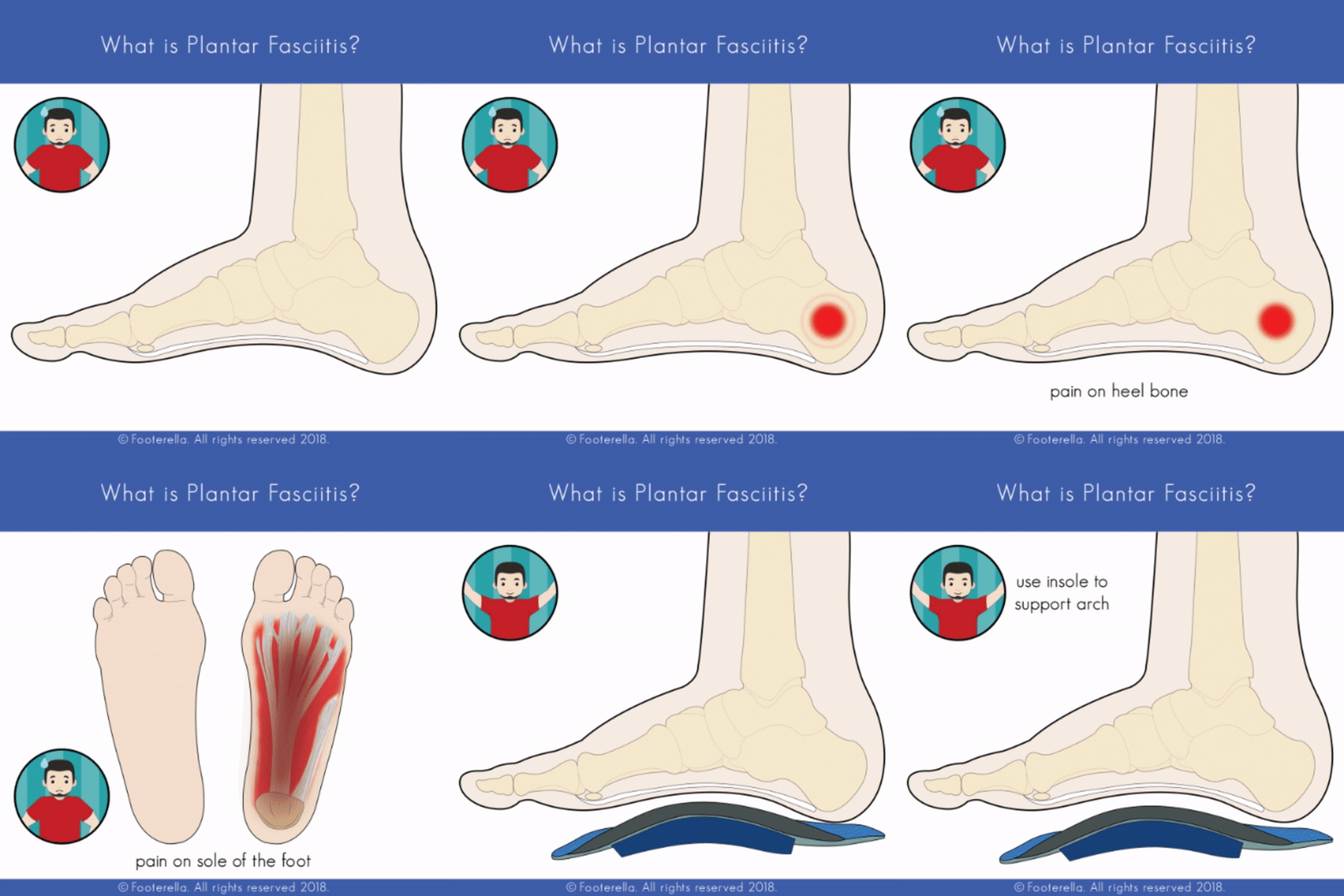
The transverse arch is in your forefoot and ‘depth-wise’ runs from the metatarsal heads back to the tarsal bones, and across the foot from the inside to the outside edges of the foot. At the forward aspect of the transverse arch, the metatarsal heads contact the ground. Collapse of the transverse arch will often result in a build-up of thick callous underneath the metatarsal heads. Left untreated, “dropped” metatarsal heads and/or irritation of one of the interdigital nerves (a “Morton’s neuroma”) is also a good indications that this arch is not being supported properly by the plantar fascia, the thick band of tissue connecting your heelbone to your forefoot. In turn, constant pulling on the fascia can lead to heel pain, or ‘plantar fasciitis’.
Collapse of the transverse arch can also lead to the forefoot splaying and spreading out, resulting in bunions or bunionettes.
Collapse or dysfunction of any of the foot’s three arches needs to be addressed by your Podiatrist, specializing in biomechanics, with custom-made stabilizing orthotics that will support the foot both when standing and throughout the gait cycle, while controlling the impact forces. Orthotics can also be custom designed for the different movements and forices specific to certain sports, from football to skiing. Particularly when there is asymmetry between the feet or legs, arch problems can cause abnormal rotational forces to be transmitted through the ankles, leg bones, knee joints and into the pelvis and spine, resulting even in hip or lower back pain.
If you are experiencing foot, ankle, leg or hip pain, contact the podiatry team at Dubai Podiatry Centre on +971 4 3435390.


بقلم ميشيل شامبلين

لا تحتوي قدميك على قوس واحد فقط، بل ثلاثة. إنهم يعملون معًا لإنشاء أقواس أو “كهوف” توفر الاستقرار وتوفر المرونة وامتصاص الصدمات وأيضًا الدفع للمضي قدمًا. تشرح رئيسة أطباء الأقدام ميشيل شامبلين ما يفعله القوس المستعرض وكيف يمكن أن يؤدي انهياره إلى خلق مجموعة من المشكلات المتعلقة بالقدم.

تشرح السيدة شامبلن أن “القدم تظهر صحتك العامة – فبما أن المشاكل الحسية والعصبية تظهر أولاً في القدمين، فكلما كان أبعد عن قلبك. وهذا هو السبب الرئيسي الذي يدفع مرضى السكر إلى مراجعة قدمهم بشكل سنوي أو نصف سنوي لدى طبيب الأقدام، لاكتشاف أي ضعف مبكرًا قبل أن يؤثر على الأعضاء الرئيسية. هناك ثلاثة أقواس لقدميك – القوس الرئيسي الذي نعرفه جميعًا موجود في الجزء الداخلي من قدمك، وأيضًا القوس الموجود في الجزء الخارجي من القدم. وأهمها في رأيي هو القوس الذي يمتد عبر مقدمة القدم – القوس المستعرض. إذا انهار هذا، فإن الاثنين الآخرين ينهاران بدورهما.

توفر الأقواس الموجودة في قدمك الدعم الهيكلي، مثل الكهف أو الجسر

يوجد القوس المستعرض في مقدمة قدمك ويمتد “بعمق” من رؤوس مشط القدم إلى عظام الكاحل، وعبر القدم من الداخل إلى الحواف الخارجية للقدم. في الجانب الأمامي من القوس المستعرض، تلامس رؤوس مشط القدم الأرض. غالبًا ما يؤدي انهيار القوس المستعرض إلى تراكم مادة قاسية سميكة أسفل رؤوس مشط القدم. إن ترك رؤوس مشط القدم “المسقطة” دون علاج و/أو تهيج أحد الأعصاب بين الأصابع (“ورم مورتون العصبي”) يعد أيضًا مؤشرًا جيدًا على أن هذا القوس لا يتم دعمه بشكل صحيح بواسطة اللفافة الأخمصية، وهو شريط سميك من الأنسجة يربط بين قدميك. عظم الكعب إلى مقدمة قدمك. وفي المقابل، يمكن أن يؤدي الشد المستمر على اللفافة إلى ألم في الكعب، أو “التهاب اللفافة الأخمصية”.

يمكن أن يؤدي انهيار القوس المستعرض أيضًا إلى تباعد مقدمة القدم وانتشارها، مما يؤدي إلى ظهور أورام أو أورام.

يجب معالجة الانهيار أو الخلل الوظيفي في أي من أقواس القدم الثلاثة بواسطة طبيب الأقدام الخاص بك، المتخصص في الميكانيكا الحيوية، باستخدام أجهزة تقويم العظام المصممة خصيصًا والتي ستدعم القدم أثناء الوقوف وطوال دورة المشي، مع التحكم في قوى التأثير. يمكن أيضًا تصميم أجهزة تقويم العظام خصيصًا لمختلف الحركات والقوى الخاصة برياضات معينة، من كرة القدم إلى التزلج. خاصة عندما يكون هناك عدم تناسق بين القدمين أو الساقين، يمكن أن تتسبب مشاكل القوس في انتقال قوى دوران غير طبيعية عبر الكاحلين وعظام الساق ومفاصل الركبة إلى الحوض والعمود الفقري، مما يؤدي حتى إلى آلام الورك أو أسفل الظهر.

إذا كنت تعاني من آلام في القدم أو الكاحل أو الساق أو الورك، اتصل  مركز دبي لعلاج الأقدام على الرقم 043435390.


Written by Michelle Champlin BSc Pod., M.Ch.S., S.R., Ch., (UK)

The deltoid ligament (also called the medial ligament) is a strong band that connects your lower leg bone (tibia) to the inner side of your ankle (also called the ‘medial’ side of your ankle). This triangular shaped ligament supports your ankle and prevents it from over rotating to the outer side. Strong, connective fibrous band, it is one of the strongest structures in the body.

Fortunately, due to the strength of this ligament and the anatomy of the ankle, a deltoid ligament tear is rare. Ankle sprains typically result from overexertion of the lateral ligament on the outside of the ankle, that connects the thin leg bone (fibula) to the heel bone (talus). This happens when you go ‘over’ on your ankle typically, onto the outside of your ankle. A deltoid ligament tear or sprain is caused by force in the opposite direction, and may be caused by a severe trauma resulting in outward twisting of the ankle, which is usually associated with a broken fibula bone too. Sometimes, we see this injury in footballers who may have suffered a sliding tackle onto the inside of their foot.

Deltoid ligament sprains (eversion) affect the inside of the ankle

Other than an acute trauma, a deltoid ligament tear can also result from chronic overuse and wear and tear of the ligament. Since this ligament supports the long medial arch on the inside of the foot, people who are ‘knock-kneed’ and have flat feet are generally more likely to be injured from it, as more weight and strain is put through the medial aspects of the foot and ankle as the entire ankle joint rolls in. Common symptoms of deltoid ligament tear include pain that radiates from the inner ankle, swelling, and bruising. The severity of these symptoms varies according to the extent and cause of your injury.

How to Treat a Deltoid Ligament Tear / Sprain

Most injuries to the deltoid ligament can be treated without surgery. Most patients improve with rest, ice application, elevation of the leg, and pain killers using non-steroidal anti-inflammatory drugs (NSAIDs). You can read more about RICE guidelines here.

For worse ligament injuries, a few weeks in an aircast to stabilize and support the ankle may be recommended by your Podiatrist.
As with any ankle sprain, these should be treated with the same care as a break and can be just as serious as a fracture on impacting long-term foot and ankle posture. Particularly if the strain is due to an underlying biomechanical issue such as flat feet, your Podiatrist will likely prescribe custom corrective orthotics to lift and tighten the arch and correct ankle alignment. This is another reason that it is important to correct foot and ankle alignment issues in children, avoiding more serious complications later in life.

Lastly, surgery may be advised in some cases to a specialist foot and ankle orthopaedic surgeon, if the sprain has not responded to the conservative measures above, or if the ligament tear is severe.

For foot and ankle related pain or injuries, contact the experts at Dubai Podiatry Centre.
Call: + 971  4 3435390
WhatsApp: + 971  50 355 3024
info@dubaipodiatry.com
To book online: Click here


بقلم ميشيل شامبلين

الرباط الدالي (يُسمى أيضًا الرباط الإنسي) عبارة عن شريط قوي يربط عظم أسفل الساق (الظنبوب) بالجانب الداخلي من الكاحل (يُسمى أيضًا الجانب “الإنسي” من الكاحل). يدعم هذا الرباط المثلث الشكل كاحلك ويمنعه من الدوران إلى الجانب الخارجي. شريط ليفي ضام قوي، وهو أحد أقوى الهياكل في الجسم.

ولحسن الحظ، ونظرًا لقوة هذا الرباط وتشريح الكاحل، فإن تمزق الرباط الدالي نادر الحدوث. ينجم التواء الكاحل عادة عن الإجهاد المفرط للرباط الجانبي الموجود على الجزء الخارجي من الكاحل، والذي يربط عظم الساق الرفيع (الشظية) بعظم الكعب (الكالب). يحدث هذا عندما تضغط على كاحلك عادةً، على الجزء الخارجي من كاحلك. يحدث تمزق أو التواء الرباط الدالي بسبب القوة في الاتجاه المعاكس، وقد يكون ناجمًا عن صدمة شديدة تؤدي إلى التواء الكاحل إلى الخارج، والذي يرتبط عادةً بكسر في عظم الشظية أيضًا. في بعض الأحيان، نرى هذه الإصابة لدى لاعبي كرة القدم الذين ربما تعرضوا لانزلاق على الجزء الداخلي من أقدامهم.

يؤثر التواء الرباط الدالي (الانقلاب) على الجزء الداخلي من الكاحل

بخلاف الصدمة الحادة، يمكن أن ينتج تمزق الرباط الدالي أيضًا عن الإفراط في الاستخدام المزمن وتآكل الرباط. نظرًا لأن هذا الرباط يدعم القوس الإنسي الطويل في الجزء الداخلي من القدم، فإن الأشخاص الذين يعانون من “الركبة” والذين لديهم أقدام مسطحة هم أكثر عرضة للإصابة به بشكل عام، حيث يتم وضع المزيد من الوزن والضغط من خلال الجوانب الوسطى من القدم. القدم والكاحل حيث يتدحرج مفصل الكاحل بأكمله. تشمل الأعراض الشائعة لتمزق الرباط الدالي الألم الذي يشع من الكاحل الداخلي والتورم والكدمات. وتختلف شدة هذه الأعراض حسب مدى إصابتك وسببها.

كيفية علاج تمزق/التواء الرباط الدالي

يمكن علاج معظم إصابات الرباط الدالي دون جراحة. يتحسن معظم المرضى بالراحة، ووضع الثلج، ورفع الساق، واستخدام مسكنات الألم باستخدام العقاقير غير الستيرويدية المضادة للالتهابات (NSAIDs). يمكنك قراءة المزيد عن إرشادات RICE هنا.

بالنسبة لإصابات الأربطة الأسوأ، قد يوصي طبيب الأقدام ببضعة أسابيع في البث الهوائي لتحقيق الاستقرار ودعم الكاحل.

كما هو الحال مع أي التواء في الكاحل، يجب التعامل مع هذه الحالات بنفس العناية التي تعامل بها الكسر ويمكن أن تكون خطيرة مثل الكسر الذي يؤثر على وضعية القدم والكاحل على المدى الطويل. خاصة إذا كان الإجهاد ناتجًا عن مشكلة ميكانيكية حيوية كامنة مثل القدم المسطحة، فمن المحتمل أن يصف طبيب الأقدام الخاص بك تقويمًا تصحيحيًا مخصصًا لرفع وشد القوس وتصحيح محاذاة الكاحل. وهذا سبب آخر لأهمية تصحيح مشاكل محاذاة القدم والكاحل لدى الأطفال، وتجنب المضاعفات الأكثر خطورة في وقت لاحق من الحياة.

وأخيرًا، قد ينصح بإجراء عملية جراحية في بعض الحالات لجراح عظام متخصص في القدم والكاحل، إذا لم يستجب الالتواء للتدابير التحفظية المذكورة أعلاه، أو إذا كان تمزق الأربطة شديدًا.

في حالة الألم أو الإصابات المرتبطة بالقدم والكاحل، اتصل بالخبراء في  مركز دبي للعناية بالاقدام.

اتصل: 043435390

واتساب: 0503553024

info@dubaipodiatry.com

للحجز عبر الإنترنت: اضغط هنا


Written by Michelle Champlin BSc Pod., M.Ch.S., S.R., Ch., (UK)
About 15% of diabetics are estimated to suffer from diabetes related foot ulcers. 14.6% of adults (about 1 million people) in the UAE are diabetic, as of 2015 figures. When diabetes is managed well, there is little risk of any serious complications such as foot ulcers, amputation or kidney disease. But when blood glucose is chronically high, this can lead to issues such as foot ulcers and ultimately life altering complications like limb amputation. Diabetes can worsen wounds on the foot in a couple of ways.

Firstly, if blood sugar levels are not kept under control through diet, exercise and/or medication this can cause damage initially to both the circulation (blood vessels) and sensory system (nerves). This damage first shows up in the areas furthest from your heart – your feet (and also in the body’s smallest organs – your eyes).
Damage to your nerves – called neuropathy – can mean that you lose sensitivity and aren’t aware of trauma or damage to your feet. This means that if you stand on something sharp, or perhaps develop an ingrown toenail, you might not be alerted to it by pain or discomfort. Thus, the wound goes untreated.
Secondly, even once the wound is noticed, any damage to your blood circulation – called angiopathy – can mean your body’s ability to heal the wound is impaired.
Any peripheral neuropathy causes loss of pain sensation or feeling in the toes and feet, due to distal nerve damage and reduced blood flow. Blisters and sores appear on numb areas of the feet and legs such as the big toe joint, heel area and can then go unnoticed, eventually becoming an entry point for for bacteria and infection.
You may be at higher risk of developing a diabetic ulcer when any of the following are present:
• diabetic neuropathy
• peripheral vascular disease
• cigarette smoking
• poor blood sugar control
• previous foot ulcerations or amputations
• diabetic nephropathy
• diminished blood supply.
In uncontrolled diabetics, skin is also prone to drying and being less elastic, therefore breaking down or cracking on areas such as the heels. This break in the skin can also provide an entry for fungus or bacteria.
Diabetics can also be at risk of less elastic connective tissue. This can result in connective tissues such as the plantar fascia in the foot or the Achilles tendon becoming tight. This can lead to painful conditions such as Achilles Tendonitis and Plantar Fasciitis.
Podiatrists are specially trained in all aspects of foot and leg health, as well as diabetic foot management and care. Part of this care includes assessing the feet and legs at least once a year to identify any areas to address early, before any significant problems arise or before larger organs such as the kidneys or heart are damaged.
Your Podiatrist is also able to assess biomechanical factors that could hinder wound healing, such as any areas of excess pressure on one particular spot on your foot. This can be due to foot and ankle misalignment, causing collapsed arches (flat feet) for example. Your Podiatrist can provide custom orthotics to be worn in your shoes to offload any pressure areas and prevent skin breakdown or aid wound healing, in-shoe padding or perhaps a cast.
If you are diabetic, it is important to see your Podiatrist at least once a year for a painless foot assessment. At Dubai Podiatry Centre, you are provided with a detailed report for both your own information and to share with your Doctor or Diabetologist. Your feet will be fully assessed, including your sensation and blood supply, skin health, presence of any infection or biomechanical anomaly. Any issues such as corns, callous or ingrowing toenails will be safely dealt with, ensuring they do not contribute to the formation of a wound or ultimately ulcer. The Podiatrist can provide frequent footcare if reaching your feet is difficult, as well as advise on safe products to moisturise and keep skin healthy and elastic. They will also advise on the best footwear for your specific foot type.
If a wound or ulcer is present, a Podiatrist is able to clean and properly dress the wound frequently to aid healing, and refer to a vascular specialist if required. Scientific advancements in diabetic wound healing, dressings and technology are being made constantly, which your Podiatrist keeps up to date with through frequent training.
If you are diabetic, contact the UK trained Podiatrists at Dubai Podiatry Centre on +971 4 3435390 to keep your feet healthy.

بقلم ميشيل شامبلين

تشير التقديرات إلى أن حوالي 15% من مرضى السكري يعانون من تقرحات القدم المرتبطة بالسكري. يعاني 14.6% من البالغين (حوالي مليون شخص) في الإمارات من مرض السكري، بحسب أرقام عام 2015. عندما تتم إدارة مرض السكري بشكل جيد، يكون هناك خطر ضئيل لحدوث أي مضاعفات خطيرة مثل تقرحات القدم أو بتر الأطراف أو أمراض الكلى. ولكن عندما يكون مستوى الجلوكوز في الدم مرتفعًا بشكل مزمن، فقد يؤدي ذلك إلى مشكلات مثل تقرحات القدم وفي النهاية مضاعفات تغير الحياة مثل بتر الأطراف. يمكن أن يؤدي مرض السكري إلى تفاقم الجروح في القدم بعدة طرق.

أولاً، إذا لم تتم السيطرة على مستويات السكر في الدم من خلال النظام الغذائي و/أو التمارين الرياضية و/أو الأدوية، فقد يتسبب ذلك في تلف الدورة الدموية (الأوعية الدموية) والجهاز الحسي (الأعصاب) في البداية. يظهر هذا الضرر أولاً في المناطق الأبعد عن قلبك – قدميك (وأيضًا في أصغر أعضاء الجسم – عينيك).

يمكن أن يعني تلف أعصابك – والذي يسمى الاعتلال العصبي – أنك تفقد الحساسية ولا تكون على دراية بالصدمة أو الضرر الذي لحق بقدميك. وهذا يعني أنه إذا وقفت على شيء حاد، أو ربما ظهر لديك ظفر نام في القدم، فقد لا يتم تنبيهك إليه عن طريق الألم أو الانزعاج. وهكذا يبقى الجرح دون علاج.

ثانيًا، حتى بمجرد ملاحظة الجرح، فإن أي ضرر يلحق بالدورة الدموية – والذي يسمى اعتلال الأوعية الدموية – يمكن أن يعني ضعف قدرة الجسم على شفاء الجرح.

يسبب أي اعتلال عصبي محيطي فقدان الإحساس بالألم أو الشعور به في أصابع القدمين والقدمين، بسبب تلف الأعصاب البعيدة وانخفاض تدفق الدم. تظهر البثور والقروح على المناطق المخدرة في القدمين والساقين مثل مفصل إصبع القدم الكبير ومنطقة الكعب ويمكن أن تمر بعد ذلك دون أن يلاحظها أحد، وتصبح في النهاية نقطة دخول للبكتيريا والعدوى.

قد تكون أكثر عرضة للإصابة بقرحة السكري عند وجود أي مما يلي:

مرض سكري عصبي

أمراض الأوعية الدموية الطرفية

تدخين السجائر

ضعف السيطرة على نسبة السكر في الدم

تقرحات القدم السابقة أو عمليات بتر الأطراف

اعتلال الكلية السكري

تناقص إمدادات الدم.

عند مرضى السكري غير المنضبطين، يكون الجلد أيضًا عرضة للجفاف ويصبح أقل مرونة، وبالتالي يتكسر أو يتشقق في مناطق مثل الكعبين. يمكن أن يوفر هذا الكسر في الجلد أيضًا مدخلاً للفطريات أو البكتيريا.

يمكن أن يتعرض مرضى السكر أيضًا لخطر الإصابة بنسيج ضام أقل مرونة. يمكن أن يؤدي ذلك إلى ضيق الأنسجة الضامة مثل اللفافة الأخمصية في القدم أو وتر العرقوب. وهذا يمكن أن يؤدي إلى حالات مؤلمة مثل التهاب وتر العرقوب والتهاب اللفافة الأخمصية.

يتم تدريب أطباء الأقدام بشكل خاص على جميع جوانب صحة القدم والساق، بالإضافة إلى إدارة ورعاية القدم السكري. يتضمن جزء من هذه الرعاية تقييم القدمين والساقين مرة واحدة على الأقل سنويًا لتحديد أي مناطق يجب معالجتها مبكرًا، قبل ظهور أي مشاكل كبيرة أو قبل تلف الأعضاء الأكبر مثل الكلى أو القلب.

يستطيع طبيب الأقدام الخاص بك أيضًا تقييم العوامل الميكانيكية الحيوية التي قد تعيق شفاء الجروح، مثل أي مناطق تعاني من الضغط الزائد في مكان معين على قدمك. يمكن أن يكون هذا بسبب اختلال محاذاة القدم والكاحل، مما يتسبب في انهيار الأقواس (الأقدام المسطحة) على سبيل المثال. يمكن أن يوفر لك طبيب الأقدام أجهزة تقويم العظام المخصصة التي يمكنك ارتداؤها في حذائك لتفريغ أي مناطق ضغط ومنع انهيار الجلد أو المساعدة في التئام الجروح أو حشو الحذاء أو ربما الجبيرة.

إذا كنت مصابًا بمرض السكري، فمن المهم أن ترى طبيب الأقدام الخاص بك مرة واحدة على الأقل سنويًا لإجراء تقييم غير مؤلم للقدم. في مركز دبي لعلاج الأرجل، يتم تزويدك بتقرير مفصل يتضمن معلوماتك الخاصة ومشاركته مع طبيبك أو أخصائي مرض السكري. سيتم تقييم قدميك بالكامل، بما في ذلك الإحساس وإمدادات الدم وصحة الجلد ووجود أي عدوى أو شذوذ في النشاط الحيوي. سيتم التعامل بأمان مع أي مشاكل مثل مسامير القدم أو الأظافر القاسية أو الناشبة، مما يضمن أنها لا تساهم في تكوين جرح أو قرحة في نهاية المطاف. يمكن لطبيب الأقدام تقديم رعاية متكررة للقدمين إذا كان الوصول إلى قدميك صعبًا، بالإضافة إلى تقديم المشورة بشأن المنتجات الآمنة لترطيب البشرة والحفاظ عليها صحية ومرنة. وسيقومون أيضًا بتقديم النصح بشأن أفضل الأحذية المناسبة لنوع قدمك المحدد.

في حالة وجود جرح أو قرحة، يستطيع طبيب الأقدام تنظيف الجرح وتضميده بشكل صحيح بشكل متكرر للمساعدة في الشفاء، والإحالة إلى أخصائي الأوعية الدموية إذا لزم الأمر. يتم باستمرار تحقيق تقدم علمي في مجال التئام جروح مرضى السكري والضمادات والتكنولوجيا، وهو ما يواكبه طبيب الأقدام من خلال التدريب المتكرر.

إذا كنت مصابًا بالسكري، فاتصل بأطباء الأقدام المدربين في المملكة المتحدة في  مركز دبي للعناية بالاقدام على الرقم 043435390 للحفاظ على صحة قدميك


Written by Michelle Champlin BSc Pod., M.Ch.S., S.R., Ch., (UK)
A Jones fracture is a fracture to the long bone on the outside of the foot (the fifth metatarsal). The fracture occurs at the proximal end of the bone – the part closest towards your ankle, not the toes. It is caused by a sudden inward and downward twisting of the foot or extreme blunt force to the area. It is a trauma related injury, as opposed to one that occurs over time due to overuse. Patients experience pain to the outside of their foot with swelling, bruising and pain when weight bearing. This injury is commonly seen in athletes – particularly in basketball, American football and soccer, thought to be due to the amount of pivoting, acceleration and deceleration typical in the sports. Rooney, Gerrard and Beckham are just some previous UK footballers who have fractured their metatarsals.

The 5 metatarsals in your foot are highlighted in red. A Jones fracture affects the 5th.
These fractures can be trickier to treat as they occur in an area of the body and indeed bone with limited blood supply. Adequate blood supply is essential for speedy healing. This is one factor why diabetics with impaired blood circulation (angiopathy), for example, can experience delayed or complicated wound healing.
Normally the recommended treatment is 6-8 weeks in a lightweight aircast, to allow the bone to heal. In professional athletes or those with a fracture which fails to bond (non-union), specialist orthopaedic surgery may be required. This usually involves inserting a screw into the bone to hold the two fragments together so that they can heal. Even with surgery, it is approximately 6 weeks until return to activity can be expected. The most common complication that patients experience with this injury is failure of the two bone fragments to heal. When this happens, regardless of the initial method of treatment, patients require surgery to repair the non-healing bone.
Post surgery, it is likely that a custom orthotic may be required to ensure correct foot posture is maintained.
If you suspect an injury to your feet, ankles or legs, contact the Podiatrists at Dubai Podiatry Centre on +971 4 3435390. Seek professional help immediately, and in the meantime, apply PRICE to the area as first aid.

بقلم ميشيل شامبلين

كسر جونز هو كسر في العظم الطويل الموجود في الجزء الخارجي من القدم (مشط القدم الخامس). يحدث الكسر في الطرف القريب من العظم – الجزء الأقرب نحو الكاحل، وليس أصابع القدم. يحدث هذا بسبب الالتواء المفاجئ للداخل والأسفل للقدم أو بسبب قوة حادة شديدة في المنطقة. إنها إصابة مرتبطة بالصدمة، على عكس تلك التي تحدث مع مرور الوقت بسبب الإفراط في الاستخدام. يعاني المرضى من ألم في الجزء الخارجي من قدمهم مع تورم وكدمات وألم عند حمل الوزن. تظهر هذه الإصابة بشكل شائع لدى الرياضيين – خاصة في كرة السلة وكرة القدم الأمريكية وكرة القدم، ويُعتقد أنها ناجمة عن مقدار التمحور والتسارع والتباطؤ المعتاد في الألعاب الرياضية. روني وجيرارد وبيكهام هم مجرد بعض لاعبي كرة القدم السابقين في المملكة المتحدة الذين أصيبوا بكسر في مشط القدم.

يتم تمييز مشط القدم الخمسة في قدمك باللون الأحمر. كسر جونز يؤثر على الخامس.

يمكن أن يكون علاج هذه الكسور أكثر صعوبة لأنها تحدث في منطقة من الجسم وفي العظام ذات إمدادات الدم المحدودة. إمدادات الدم الكافية ضرورية للشفاء السريع. وهذا هو أحد العوامل التي تجعل مرضى السكري الذين يعانون من ضعف الدورة الدموية (اعتلال الأوعية الدموية)، على سبيل المثال، يعانون من تأخر أو تعقيد عملية التئام الجروح.

عادةً ما يكون العلاج الموصى به هو 6-8 أسابيع في جهاز هوائي خفيف الوزن، للسماح للعظام بالشفاء. بالنسبة للرياضيين المحترفين أو أولئك الذين يعانون من كسر غير قادر على الالتحام (عدم الالتحام)، قد تكون هناك حاجة لإجراء جراحة عظام متخصصة. يتضمن هذا عادةً إدخال مسمار في العظم لتثبيت الشظيتين معًا حتى يمكن شفاءهما. حتى مع الجراحة، يستغرق الأمر حوالي 6 أسابيع حتى يمكن توقع العودة إلى النشاط. المضاعفات الأكثر شيوعًا التي يعاني منها المرضى بسبب هذه الإصابة هي عدم شفاء شظايا العظم. عندما يحدث هذا، بغض النظر عن الطريقة الأولية للعلاج، يحتاج المرضى إلى إجراء عملية جراحية لإصلاح العظام غير القابلة للشفاء.


Written by Michelle Champlin BSc Pod., M.Ch.S., S.R., Ch., (UK)
‘Flat feet’ in children can result in arch, ankle, knee, leg or back pain. The excessive pronation affects the balance of the lower leg and places abnormal stress on the body, including too much stress through the inside of the foot and ankle. Studies have shown that a permanent increase in arch height can occur with the use of properly prescribed and managed custom orthotics. It is important that your child is treated by a registered Podiatrist with specific training and expertise in children’s feet and biomechanics, advises Chief Podiatrist Michelle Champlin.

At Dubai Podiatry Centre, there has been significant structural improvement to the arch clinically in the vast majority of child patients who wear custom orthotics prior to muskulo-skeletal maturity. Chief Podiatrist Michelle Champlin advises that treatment is most effective when started early, at age 5/6 years old, which makes routine foot checks when they are of school age vital. Flat feet have a strong genetic factor, so mum or dad will tend to exhibit flat feet too.
The latest advances in custom orthotics have changed the way we manage this problem in children – the days of bulky, obvious orthotics, ‘special shoes’ or full leg braces are gone for flat feet. It is important that a full foot assessment is carried out by a Podiatrist. At Dubai Podiatry Centre, the Podiatrist then makes the child’s orthotics entirely from scratch from a mold of the child’s feet and then fits them inside their school or sports shoes. The clinic’s in-house orthotics lab is a rare feature for any clinic to have, as most clinics send out for generic insoles to be modified from a factory elsewhere, usually abroad. It is imperative, in our opinion, that orthotic therapy follows a precise treatment plan and we carefully monitor progress, adjusting the orthotic at 6-12 weeks to progressively lift and tone the arch until treatment is finished. Incorrect orthotic therapy in children’s forming feet can result in serious complications and/or injury.
In the past, surgical reconstruction of flat feet was fairlyu common, particularly when pain was present. This may have included subtalar joint implants and rearfoot fusions to help reconstruct the shape of the foot. Nowadays, custom orthotics are the preferred treatment, as surgery, no matter the age of a patient, is generally a final option once more conservative treatments have failed. Surgery would not be advised or performed until skeletal maturity (adulthood) has been reached and is very rare as a treatment for flat feet due to the advances in orthotic therapy.
Treating flat feet in children is important, especially to avoid issues such as hip or back pain in later life. Read our guide to signs of foot problems in children to help decide if your child has a foot problem and needs to see a Podiatrist.
For any childhood foot concerns, contact the experts at Dubai Podiatry Centre on +971 4 3435390 for a friendly child foot check and expert advice/treatment.


بقلم ميشيل شامبلين

يمكن أن تؤدي “الأقدام المسطحة” عند الأطفال إلى آلام في القوس أو الكاحل أو الركبة أو الساق أو الظهر. يؤثر الكبح المفرط على توازن الجزء السفلي من الساق ويسبب ضغطًا غير طبيعي على الجسم، بما في ذلك الضغط الزائد على الجزء الداخلي من القدم والكاحل. أظهرت الدراسات أن الزيادة الدائمة في ارتفاع القوس يمكن أن تحدث مع استخدام أجهزة تقويم العظام المخصصة الموصوفة والمدارة بشكل صحيح. من المهم أن يتم علاج طفلك من قبل طبيب أقدام مسجل يتمتع بتدريب خاص وخبرة في أقدام الأطفال والميكانيكا الحيوية، كما تنصح رئيسة أطباء الأقدام ميشيل شامبلين.

في مركز دبي لطب الأرجل، حدث تحسن هيكلي كبير في قوس القدم سريريًا لدى الغالبية العظمى من المرضى الأطفال الذين يرتدون أجهزة تقويم العظام المخصصة قبل نضوج العضلات والهيكل العظمي. تنصح رئيسة أطباء الأقدام ميشيل شامبلين بأن العلاج يكون أكثر فعالية عندما يبدأ مبكرًا، في سن 5/6 سنوات، مما يجعل إجراء فحوصات روتينية للقدمين عندما يكونون في سن المدرسة أمرًا حيويًا. تمتلك الأقدام المسطحة عاملًا وراثيًا قويًا، لذلك تميل الأم أو الأب إلى ظهور الأقدام المسطحة أيضًا.

لقد غيرت أحدث التطورات في أجهزة تقويم العظام المخصصة الطريقة التي نتعامل بها مع هذه المشكلة عند الأطفال – لقد ولت أيام أجهزة تقويم العظام الضخمة والواضحة أو “الأحذية الخاصة” أو دعامات الساق الكاملة للأقدام المسطحة. من المهم أن يتم إجراء تقييم كامل للقدم من قبل طبيب الأقدام. في مركز دبي لطب الأرجل، يقوم طبيب الأرجل بعد ذلك بتصنيع أجهزة تقويم العظام الخاصة بالطفل بالكامل من الصفر من قالب قدم الطفل ثم يقوم بتثبيتها داخل حذائه المدرسي أو الرياضي. يعد مختبر تقويم العظام داخل العيادة ميزة نادرة في أي عيادة، حيث ترسل معظم العيادات نعالًا داخلية عامة لتعديلها من مصنع في مكان آخر، عادةً في الخارج. من الضروري، في رأينا، أن يتبع العلاج التقويمي خطة علاجية دقيقة ونراقب التقدم بعناية، ونضبط الجهاز التقويمي بعد 6-12 أسبوعًا لرفع القوس وتنعيمه تدريجيًا حتى انتهاء العلاج. يمكن أن يؤدي العلاج التقويمي غير الصحيح في أقدام الأطفال إلى مضاعفات و/أو إصابات خطيرة.

في الماضي، كانت إعادة البناء الجراحي للقدم المسطحة أمرًا شائعًا إلى حد ما، خاصة عند وجود الألم. ربما شمل ذلك عمليات زرع المفصل تحت الكاحل ودمج القدم الخلفية للمساعدة في إعادة بناء شكل القدم. في الوقت الحاضر، تعتبر أجهزة تقويم العظام المخصصة هي العلاج المفضل، حيث أن الجراحة، بغض النظر عن عمر المريض، تكون عمومًا خيارًا نهائيًا بمجرد فشل العلاجات المحافظة. لا ينصح بإجراء عملية جراحية أو إجراؤها حتى يتم الوصول إلى مرحلة النضج الهيكلي (البلوغ) وهي نادرة جدًا كعلاج للأقدام المسطحة بسبب التقدم في العلاج التقويمي.

يعد علاج القدم المسطحة عند الأطفال أمرًا مهمًا، خاصة لتجنب مشاكل مثل آلام الورك أو الظهر في وقت لاحق من الحياة. اقرأ دليلنا لعلامات مشاكل القدم عند الأطفال للمساعدة في تحديد ما إذا كان طفلك يعاني من مشكلة في القدم ويحتاج إلى رؤية طبيب الأقدام.

إذا كانت لديك أي مخاوف تتعلق بقدم الأطفال، اتصل بالخبراء في مركز دبي للعناية بالاقدام على الرقم 043435390 لإجراء فحص لطيف لقدم الأطفال والحصول على مشورة/علاج الخبراء.


Written by Michelle Champlin BSc Pod., M.Ch.S., S.R., Ch., (UK)
One of the most common cause of limping in children is growth plate injuries. These injuries may be caused by trauma, overuse during sport activities or abnormal biomechanics.
The most common injury seen at Dubai Podiatry Centre seems to be calcaneal apophysitis. Apophysitis basically means irritation and inflammation – so calcalneal apophysitis is irritation to the heel bone. More commonly, this is called ‘Sever’s Disease’ and mainly affects very physically active, sporty children between the ages of 8-14. Until the skeleton stops growing, the heel bone has a soft area at the back, which can be susceptible to injury from repetitive impact, such as jumping and running. Whilst heel pain in adults generally gets better with walking, in children it tends to get worse with activity.
Whilst lots of sports can make children susceptible to Sever’s Disease, other risk factors, related to the child’s foot biomechanics, are tight Achilles tendons, flat feet with fallen arches, or very high arched feet.
To immediately reduce pain, NSAIDs and a reduction in sports may be advised. Then the underlying cause must be addressed and if due to a biomechanical issue such as flat feet or high arches, orthotics will be prescribed by the Podiatrist.

Children can suffer injuries to the epiphysis site of their leg bones
Other common injuries included navicular epiphysitis, distal tibia epiphysitis, fifth metatarsal epiphysitis and distal metatarsal epiphysitis. The epiphyses and epiphyseal plates are vital structures in the bone development of the growing athlete. The epiphyseal plate is two to five times weaker than the surrounding tissue in children; therefore a force causing a ligament injury in adults is more likely to cause an ‘epiphyseal’ injury in growing children.
Two types of epiphyseal injury that are common in young athletes are:
• separation across the epiphyseal plate, which is usually produced by a direct blow to the joint area or by a strong muscular contraction, or
• traumatic epiphysitis, (more common), which is usually caused by strong, repetitive contraction of an attached muscle – an overuse injury.
Treatment can consist of gel heel pads, icing, oral anti-inflammatories and rest. If the child is limping, then an aircast immobilization may be advised for a few weeks to allow the site to heal. Custom orthotic therapy can also be recommended to correct any foot/ankle malalignment, which may be contributing.
For any childhood foot concerns, contact the experts at Dubai Podiatry Centre on +971 4 3435390 for a friendly foot check and expert advice/treatment.

بقلم ميشيل شامبلين

أحد الأسباب الأكثر شيوعًا للعرج عند الأطفال هو إصابات صفيحة النمو. قد تكون هذه الإصابات ناجمة عن الصدمة أو الإفراط في الاستخدام أثناء الأنشطة الرياضية أو الميكانيكا الحيوية غير الطبيعية.

يبدو أن الإصابة الأكثر شيوعًا في مركز دبي لعلاج الأرجل هي التهاب العقبي. التهاب النتوءات يعني في الأساس تهيجًا والتهابًا – لذا فإن التهاب النتوءات العقبية هو تهيج في عظم الكعب. والأكثر شيوعًا هو ما يسمى “مرض سيفر” ويؤثر بشكل رئيسي على الأطفال الرياضيين النشطين بدنيًا الذين تتراوح أعمارهم بين 8 و14 عامًا. حتى يتوقف الهيكل العظمي عن النمو، يكون لعظم الكعب منطقة ناعمة في الخلف، والتي يمكن أن تكون عرضة للإصابة بسبب الصدمات المتكررة، مثل القفز والجري. في حين أن آلام الكعب لدى البالغين تتحسن بشكل عام مع المشي، فإنها تميل إلى أن تصبح أسوأ عند الأطفال مع النشاط.

في حين أن الكثير من الألعاب الرياضية يمكن أن تجعل الأطفال عرضة للإصابة بمرض سيفر، فإن عوامل الخطر الأخرى، المتعلقة بالميكانيكا الحيوية لقدم الطفل، هي أوتار العرقوب المشدودة، أو الأقدام المسطحة ذات الأقواس الساقطة، أو الأقدام المقوسة العالية جدًا.

ولتقليل الألم على الفور، قد يُنصح باستخدام مضادات الالتهاب غير الستيروئيدية وتقليل ممارسة الرياضة. ثم يجب معالجة السبب الأساسي وإذا كان ذلك بسبب مشكلة ميكانيكية حيوية مثل القدم المسطحة أو الأقواس العالية، فسيتم وصف تقويم العظام من قبل طبيب الأقدام.

يمكن أن يعاني الأطفال من إصابات في موقع المشاش في عظام الساق

وشملت الإصابات الشائعة الأخرى التهاب المشاش الزورقي، والتهاب المشاش الظنبوب البعيد، والتهاب المشاش المشط الخامس، والتهاب المشاش المشط البعيد. تعد المشاشات والصفائح المشاشية من الهياكل الحيوية في نمو العظام لدى الرياضي المتنامي. تكون الصفيحة المشاشية أضعف مرتين إلى خمس مرات من الأنسجة المحيطة بها عند الأطفال؛ وبالتالي فإن القوة التي تسبب إصابة في الأربطة لدى البالغين من المرجح أن تسبب إصابة “المشاشية” عند الأطفال في مرحلة النمو.

هناك نوعان من إصابات المشاشية الشائعة لدى الرياضيين الشباب هما:

الانفصال عبر الصفيحة المشاشية، والذي ينتج عادة عن طريق ضربة مباشرة لمنطقة المفصل أو عن طريق تقلص عضلي قوي، أو

التهاب المشاش الرضحي (أكثر شيوعًا)، والذي يحدث عادة بسبب تقلص قوي ومتكرر للعضلة المتصلة – وهي إصابة ناجمة عن الإفراط في الاستخدام.

يمكن أن يتكون العلاج من استخدام ضمادات هلامية للكعب ووضع الثلج ومضادات الالتهاب عن طريق الفم والراحة. إذا كان الطفل يعرج، فقد يُنصح بتثبيته بالهواء لبضعة أسابيع للسماح للموقع بالشفاء. يمكن أيضًا التوصية بالعلاج التقويمي المخصص لتصحيح أي سوء في استقامة القدم/الكاحل، والذي قد يكون مساهمًا.

إذا كانت لديك أي مخاوف تتعلق بالقدم لدى الأطفال، اتصل بالخبراء في مركز دبي للعناية بالاقدام على الرقم 043435390 لإجراء فحص ودود للقدم والحصول على مشورة/علاج الخبراء.


Written by Michelle Champlin BSc Pod., M.Ch.S., S.R., Ch., (UK)
A much rarer cause of heel pain (compared to plantar fasciitis for example) is a condition called ‘ankylosing spondylitis’. It is a chronic progressive form of arthritis inflaming the vertebral and sacro-iliac joints, which are found in the lower back near the hip joints. It generally starts to show in young adulthood – the 20s and 30s. It is much more common in men – 9 out of every 10 cases affects men. At this point in time, it is not known what causes AS.

Lower back & hip pain are possible symptoms of Ankylosing Spondylitis
The symptoms of AS vary but usually involve:
• back pain and stiffness that improves with exercise but isn’t relieved by rest
• pain and swelling in other parts of the body, such as the heels, hips, knees and ribs
• fatigue
These symptoms tend to develop gradually, usually over several months or years, and may come and go over time. As well as causing pain, stiffness and swelling, the inflammation can damage affected areas of the body over time, and in some cases can lead to some of the individual bones of the spine fusing together. This fusing of the spine is known as ‘ankylosis’.
The condition can be limited to subtle symptoms of hip or low back pain or may progress to significant spinal issues. This condition can be difficult to diagnosis. If your Podiatrist suspects ankylosing spondylitis, they will likely refer you to a Rheumatologist for further tests, including possibly a blood test for a specific marker.
Your Podiatrist can manage the localized treatment of heel pain associated with this condition. This may include specific exercises tailored for you, such as calf stretching and custom orthotics to assist foot posture, gait and heel pain if necessary. The Rheumatologist managing the AS may also prescribe painkillers and a special type of medication called anti-TNFs.
Dubai Podiatry Centre can be contacted on +971 4 3435390 for any foot, ankle or leg issues in both children and adults.

بقلم ميشيل شامبلين

السبب الأكثر ندرة لألم الكعب (مقارنة بالتهاب اللفافة الأخمصية على سبيل المثال) هو حالة تسمى “التهاب الفقار اللاصق”. وهو شكل تقدمي مزمن من التهاب المفاصل الذي يؤدي إلى التهاب المفاصل الفقرية والعجزية الحرقفية، والتي توجد في أسفل الظهر بالقرب من مفاصل الورك. ويبدأ ظهوره عمومًا في مرحلة الشباب – في العشرينات والثلاثينات. وهو أكثر شيوعًا عند الرجال – 9 من كل 10 حالات تصيب الرجال. في هذا الوقت، ليس من المعروف ما الذي يسبب التهاب المفاصل الروماتويدي.

آلام أسفل الظهر والورك هي الأعراض المحتملة لالتهاب الفقار اللاصق

تختلف أعراض التهاب الفقار اللاصق ولكنها تتضمن عادةً ما يلي:

ألم وتصلب في الظهر يتحسن مع ممارسة التمارين الرياضية ولكن لا يختفي عند الراحة

ألم وتورم في أجزاء أخرى من الجسم، مثل الكعبين والوركين والركبتين والأضلاع

تعب

تميل هذه الأعراض إلى التطور تدريجيًا، عادةً على مدار عدة أشهر أو سنوات، وقد تأتي وتختفي بمرور الوقت. بالإضافة إلى التسبب في الألم والتصلب والتورم، يمكن أن يؤدي الالتهاب إلى تلف المناطق المتضررة من الجسم مع مرور الوقت، وفي بعض الحالات يمكن أن يؤدي إلى اندماج بعض العظام الفردية في العمود الفقري معًا. يُعرف هذا الدمج في العمود الفقري باسم “القسط“.

يمكن أن تقتصر الحالة على أعراض خفية لألم الورك أو أسفل الظهر أو قد تتطور إلى مشاكل خطيرة في العمود الفقري. قد يكون من الصعب تشخيص هذه الحالة. إذا اشتبه طبيب الأقدام الخاص بك في الإصابة بالتهاب الفقار المقسط، فمن المرجح أن يحيلك إلى طبيب الروماتيزم لإجراء المزيد من الاختبارات، بما في ذلك فحص الدم لعلامة محددة.

يستطيع طبيب الأقدام الخاص بك إدارة العلاج الموضعي لألم الكعب المرتبط بهذه الحالة. قد يشمل ذلك تمارين محددة مصممة خصيصًا لك، مثل تمديد ربلة الساق وتقويم العظام المخصص للمساعدة في وضعية القدم والمشي وألم الكعب إذا لزم الأمر. قد يصف طبيب الروماتيزم الذي يدير AS أيضًا مسكنات الألم ونوعًا خاصًا من الأدوية تسمى مضادات TNFs.

يمكن الاتصال بمركز دبي للعناية بالاقدام على الرقم 043435390لأية مشاكل في القدم أو الكاحل أو الساق لدى الأطفال والبالغين.


Copyright Dubai Podiatry 2026. All rights reserved.

WhatsApp us