fbpx

Please wait...


BLOG

No more posts

Written by Michelle Champlin BSc Pod., M.Ch.S., S.R., Ch., (UK)
If like many people, you’ve made a New Year’s Resolution to start running, Chief Podiatrist Michelle Champlin has some advice to make sure you keep up the good work and avoid the most common running related foot injuries that might scupper your chances of sticking to your plan. Foot injuries can strike both novices and experienced runners and result in weeks or even a full season off. The New Year tends to see the biggest rise in patients at the clinic, Dubai Podiatry Centre, generally with injuries from overuse – or too much too soon. Check out our essential 15 tips on avoiding running injuries too.
Foot Type Can Influence Injury
The foot is key in both the landing and push-off phases in the running cycle, so it’s involved in absorbing the shock of impact on landing, then controlling and distributing the forces generated by running through to push-off. Many running injuries can be traced to an issue with either of these stages. If your foot is too rigid, it can have trouble absorbing and distributing forces through your foot, ankle and leg. Common injuries include a tibial stress fracture (aka shin splints). Follow our link to read about exercises to prevent shin splints. Conversely, if your foot is too unstable to land in a controlled manner, you could develop runner’s knee.
It’s important to remember that pronation is a critical, and normal, part of walking and running. In regular pronation, the outside of the heel makes the first contact with the ground. The foot rolls inward, comes in complete contact with the ground. The rolling in action of the foot distributes the forces of impact. This movement is called pronation, and it’s vital to proper shock absorption. At the end of the gait cycle, you push off evenly from the forefoot.
Injuries and foot pain tend to occur when the foot over-pronates. Here, the foot rolls inward too much. This means the foot and ankle have problems stabilizing the body, and shock isn’t absorbed as efficiently. At push off, the front of the foot pushes off the ground using mainly the big toe and second toe, which then must do all the work, as opposed to the work being shared across the forefoot.
Common Running Injuries
The most common foot complaint of runners is plantar fasciitis, an injury that tends to strike runners who over-pronate, over train, have tight Achilles or calf muscles, or overdo hill work and speed work. The plantar fascia is a thick band of connective tissue that stretches from the toes to the heel, and is prone to tearing when your foot is overworked or in runners who over-pronate and have resulting flatter arches. That tearing, which usually occurs at the point where the fascia inserts at the heel bone, results in inflammation. Plantar fasciitis can cause severe, chronic pain and impede walking and daily life.
The good news, advises Mrs. Champlin, is that plantar fasciitis is treatable. She advises seeing a Podiatrist for a full lower limb biomechanical assessment – bring your shorts and usual running shoes. Generally, treatment may involve the use of pair of custom corrective orthotics (Dubai Podiatry Centre specializes in sports orthotics for different activities, including running) to correct any underlying biomechanical issue such as over-pronation, to correct your foot and ankle alignment. Patients wear these for only as long as advised under their rehab program overseen by the Podiatrist – usually for as little as 6 weeks. Combined with a program of specific stretches, strengthening exercises and sports shoe, you should be back on the road in no time.
The Achilles tendon picks up where the plantar fascia leaves off. The largest, strongest tendon in the body, it runs from the heel to the calf. It drives you forward when you run and, similar to the plantar fascia, the tendon or its surrounding sheath can become inflamed when overworked, causing Achilles tendinitis.

Other common foot problems include metatarsalgia, Morton’s neuroma, calluses, blackened or lost toenails, and blisters.
Metatarsalgia is a stress fracture to the long bones of your forefoot. Generally seen in those who supinate or have high arches as these types of foot shapes do not tend to absorb shock as well. Treatment can include cushioning pads within sports shoes and other footwear, custom orthotics to support the foot and distribute force better, to several weeks in an Aircast if the fractures merit.
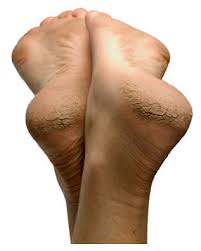
Some degree of hard skin is generally fine in runners and even healthy, but thick callous build-up can develop into painful cracks and harbor fungal infection. It can also show where there is too much repetitive force being placed on the foot – so if you’re coming for an appointment with the Podiatrist, advises Mrs. Champlin, don’t remove the callous beforehand! The callous tells the Podiatrist a lot about your foot function (and then they can remove it safely and quickly after). Callous can be reduced by regular foot filing with a smooth file, daily use of 10% urea based foot cream, using gel lined moisturising socks around the house to moisturize feet or even custom orthotics to transfer force away from the problem area.
Toenails can be bruised or even lift off due to repeated micro trauma in sports shoes in runners. This is also seen in other sports requiring running or a lot of ‘stop start’ motion such as netball. Ensuring adequate room in the toebox is vital, and wearing protective toe cap in shoes can help. If the toe is lifting off, a Podiatrist can trim it back to stop it catching on socks etc.
Blisters can easily be prevented by wearing good quality, well fitting socks and shoes for running (check out our guide here) and by stopping as soon as you feel a ‘hot spot’ developing. Dress the affected hot spot with a blister plaster or better still, specialist fleecy web padding available from your Podiatrist. If a blister has already developed, follow our guide on treating it.
When to Seek Help
If you have resolved to start running this year, Mrs. Champlin advises seeing a Podiatrist for a routine check of your feet and legs to pick up any anomalies before you experience an injury or pain. If you are already experiencing any foot or leg pain, do seek expert Podiatric advice early and don’t try to ‘run through’ it. Early intervention and advice is vital to reduce your risk of injury, and increase your chance of success at sticking with your health goals all the way through 2016 and beyond. Good luck!
For running related foot and leg injuries, contact Dubai Podiatry Centre on Sheikh Zayed Road, opposite DIFC, on +971 4 3435390.


بقلم ميشيل شامبلين

إذا كنت، مثل العديد من الأشخاص، قد اتخذت قرارًا لبدء الجري في العام الجديد، فإن رئيسة أطباء الأقدام ميشيل شامبلين لديها بعض النصائح للتأكد من مواصلة العمل الجيد وتجنب إصابات القدم الأكثر شيوعًا المرتبطة بالجري والتي قد تفسد فرصك في الالتزام بالجري. خطتك. يمكن أن تصيب إصابات القدم كلا من العدائين المبتدئين وذوي الخبرة، وتؤدي إلى أسابيع أو حتى توقف كامل للموسم. يميل العام الجديد إلى رؤية أكبر ارتفاع في عدد المرضى في العيادة، مركز دبي لعلاج الأرجل، الذين يعانون عمومًا من إصابات ناجمة عن الإفراط في الاستخدام – أو الكثير جدًا في وقت مبكر جدًا. تحقق من نصائحنا الأساسية الخمسة عشر حول تجنب إصابات الجري أيضًا.

نوع القدم يمكن أن يؤثر على الإصابة تعتبر القدم عنصرًا أساسيًا في كل من مرحلتي الهبوط والدفع في دورة الجري، لذا فهي تشارك في امتصاص الصدمات الناتجة عن الهبوط، ثم التحكم في القوى الناتجة عن الجري حتى الدفع وتوزيعها. يمكن إرجاع العديد من إصابات الجري إلى مشكلة في أي من هاتين المرحلتين. إذا كانت قدمك متصلبة جدًا، فقد تجد صعوبة في امتصاص وتوزيع القوى عبر قدمك وكاحلك وساقك. تشمل الإصابات الشائعة كسر الإجهاد الظنبوبي (المعروف أيضًا باسم جبائر قصبة الساق). اتبع الرابط الخاص بنا لقراءة المزيد عن التمارين للوقاية من شظايا قصبة الساق. على العكس من ذلك، إذا كانت قدمك غير مستقرة جدًا بحيث لا تتمكن من الهبوط بطريقة محكمة، فقد تصاب بركبة العداء.

من المهم أن تتذكر أن النطق جزء مهم وطبيعي من المشي والجري. في حالة النطق المنتظم، يقوم الجزء الخارجي من الكعب بأول اتصال بالأرض. تتدحرج القدم إلى الداخل، وتتصل بشكل كامل بالأرض. يؤدي تدحرج القدم إلى توزيع قوى التأثير. تسمى هذه الحركة بالكب، وهي ضرورية لامتصاص الصدمات بشكل صحيح. في نهاية دورة المشي، يمكنك الدفع بشكل متساوٍ من مقدمة القدم.

تميل الإصابات وألم القدم إلى الحدوث عندما تفرط القدم في البسط. هنا، تتدحرج القدم إلى الداخل أكثر من اللازم. وهذا يعني أن القدم والكاحل يعانيان من مشاكل في استقرار الجسم، ولا يتم امتصاص الصدمات بكفاءة. عند الدفع، يدفع الجزء الأمامي من القدم عن الأرض باستخدام إصبع القدم الكبير وإصبع القدم الثاني بشكل أساسي، والذي يجب أن يقوم بعد ذلك بكل العمل، بدلاً من تقاسم العمل عبر مقدمة القدم.

إصابات الجري الشائعة شكوى القدم الأكثر شيوعًا بين العدائين هي التهاب اللفافة الأخمصية، وهي إصابة تميل إلى إصابة العدائين الذين يفرطون في الكذب، أو الإفراط في التدريب، أو لديهم شد في عضلات العرقوب أو الساق، أو يفرطون في العمل على التلال والعمل بسرعة. اللفافة الأخمصية عبارة عن شريط سميك من النسيج الضام يمتد من أصابع القدم إلى الكعب، ويكون عرضة للتمزق عندما تكون قدمك مجهدة أو عند العدائين الذين يفرطون في البسط وينتج عن ذلك أقواس مسطحة. يؤدي هذا التمزق، الذي يحدث عادة عند النقطة التي تدخل فيها اللفافة عند عظم الكعب، إلى الالتهاب. يمكن أن يسبب التهاب اللفافة الأخمصية ألمًا شديدًا ومزمنًا ويعوق المشي والحياة اليومية.

الخبر السار، كما تنصح السيدة شامبلن، هو أن التهاب اللفافة الأخمصية قابل للعلاج. وتنصح بزيارة طبيب أقدام لإجراء تقييم ميكانيكي حيوي كامل للأطراف السفلية – أحضر معك السراويل القصيرة وأحذية الجري المعتادة. بشكل عام، قد يتضمن العلاج استخدام زوج من أجهزة تقويم العظام التصحيحية المخصصة (مركز دبي لعلاج الأرجل متخصص في أجهزة تقويم العظام الرياضية لمختلف الأنشطة، بما في ذلك الجري) لتصحيح أي مشكلة ميكانيكية حيوية كامنة مثل الإفراط في الكب، لتصحيح محاذاة القدم والكاحل. يرتدي المرضى هذه الملابس فقط للمدة التي ينصح بها برنامج إعادة التأهيل الذي يشرف عليه طبيب الأقدام – عادةً لمدة لا تزيد عن ٦ أسابيع. إلى جانب برنامج تمارين التمدد المحددة وتمارين التقوية والأحذية الرياضية، يجب أن تعود إلى الطريق في وقت قصير.

يلتقط وتر العرقوب المكان الذي تنتهي فيه اللفافة الأخمصية. وهو أكبر وأقوى وتر في الجسم، ويمتد من الكعب إلى الساق. إنه يدفعك للأمام عند الجري، وكما هو الحال مع اللفافة الأخمصية، يمكن أن يلتهب الوتر أو الغمد المحيط به عند العمل فوق طاقته، مما يسبب التهاب وتر العرقوب.

وتشمل مشاكل القدم الشائعة الأخرى ألم مشط القدم، وورم مورتون العصبي، والنسيج، وأظافر القدم السوداء أو المفقودة، والبثور.

ألم مشط القدم هو كسر الإجهاد في العظام الطويلة لمقدمة قدمك. يُرى بشكل عام عند أولئك الذين يستلقون أو لديهم أقواس عالية لأن هذه الأنواع من أشكال القدم لا تميل إلى امتصاص الصدمات أيضًا. يمكن أن يشمل العلاج وسادات توسيد داخل الأحذية الرياضية والأحذية الأخرى، وأجهزة تقويم العظام المخصصة لدعم القدم وتوزيع القوة بشكل أفضل، لعدة أسابيع في جهاز Aircast إذا كانت الكسور تستحق ذلك.

تكون درجة معينة من الجلد الصلب جيدة بشكل عام لدى العدائين وحتى الأصحاء، لكن تراكم الجلد القاسي السميك يمكن أن يتطور إلى شقوق مؤلمة ويؤوي عدوى فطرية. يمكن أن يُظهر أيضًا مكان وجود الكثير من القوة المتكررة التي يتم وضعها على القدم – لذلك إذا كنت قادمًا للحصول على موعد مع طبيب الأقدام، تنصح السيدة شامبلن، فلا تقم بإزالة الجلد القاسي مسبقًا! يخبر القاسي طبيب الأقدام كثيرًا عن وظيفة قدمك (وبعد ذلك يمكنه إزالته بأمان وبسرعة بعد ذلك). يمكن تقليل تصلب الجلد عن طريق برد القدم بانتظام بمبرد ناعم، والاستخدام اليومي لكريم القدم الذي يحتوي على ١٠% من اليوريا، واستخدام الجوارب المرطبة المبطنة بالجل في جميع أنحاء المنزل لترطيب القدمين أو حتى أجهزة تقويم العظام المخصصة لنقل القوة بعيدًا عن منطقة المشكلة.

يمكن أن تتعرض أظافر القدم للكدمات أو حتى الخلع بسبب الصدمات الصغيرة المتكررة في الأحذية الرياضية للعدائين. ويظهر هذا أيضًا في الرياضات الأخرى التي تتطلب الجري أو الكثير من حركة “التوقف والبدء” مثل كرة الشبكة. يعد ضمان وجود مساحة كافية في صندوق أصابع القدم أمرًا حيويًا، ويمكن أن يساعد ارتداء غطاء واقي لأصابع القدم في الأحذية. إذا كان إصبع القدم مرفوعًا، فيمكن لطبيب الأقدام تقليمه مرة أخرى لمنعه من الالتصاق بالجوارب وما إلى ذلك.

يمكن بسهولة الوقاية من البثور من خلال ارتداء جوارب وأحذية جيدة الجودة وملائمة للجري (راجع دليلنا هنا) ومن خلال التوقف بمجرد أن تشعر بتطور “نقطة ساخنة”. قم بتغطية المنطقة الساخنة المصابة بطبقة من الجبس أو أفضل من ذلك، حشوة شبكية صوفية متخصصة متاحة من طبيب الأقدام الخاص بك. إذا كانت البثور قد تطورت بالفعل، فاتبع دليلنا الخاص بمعالجتها.

متى تطلب المساعدة إذا كنت قد عقدت العزم على بدء الجري هذا العام، تنصح السيدة شامبلن بزيارة طبيب الأقدام لإجراء فحص روتيني لقدميك وساقيك لاكتشاف أي حالات شاذة قبل أن تتعرض لإصابة أو ألم. إذا كنت تعاني بالفعل من أي ألم في القدم أو الساق، فاطلب نصيحة خبير طب الأقدام مبكرًا ولا تحاول “التغلب عليه”. يعد التدخل المبكر والمشورة أمرًا حيويًا لتقليل خطر الإصابة وزيادة فرصتك في النجاح في الالتزام بأهدافك الصحية طوال عام ٢٠١٦ وما بعده. حظ سعيد!

للإصابات المتعلقة بالقدم والساق، اتصل بمركز دبي للعناية بالاقدام على شارع الشيخ زايد، مقابل مركز دبي المالي العالمي، على الرقم ٠٤٣٤٣٥٣٩٠


Written by Michelle Champlin BSc Pod., M.Ch.S., S.R., Ch., (UK)
To understand hip issues, we’ll take a quick overview of hip structure. At the back, the pelvic bones (ilia) connect to the sacrum (lower back) at the sacroiliac (SI) joints. The pelvic bones join at the front to form the symphysis pubis (pubic region). The sockets of the hips are formed by indentations in the ilia (acetabulum). The hip joints are located where the legs attach to the body, known as the groin. This is a common site of pain with hip problems, especially in runners.

Runners and triathletes can experience a range of problems in the hips, some of which can cause a lot of pain and interruption to training. A proper diagnosis and assessment is essential to forming the appropriate treatment plan.
Sacroiliac (SI) Joint
Problems with the SI joints can be very frustrating for the runner. SI dysfunction can stem from a history of injury, such as a fall onto the buttocks or unexpectedly stepping off a ledge or into a pothole. Overstriding, particularly downhill, may stress the SI joints. Mrs. Champlin, Chief Podiatrist at Dubai Podiatry Centre reports that they tend to see these types of injuries in runners who run in rough terrain such as those training for Wadi Bih. These joints have very little motion normally. As with all joints, the bones are connected by ligaments. A number of muscles attach to various sites on the sacrum and ilia and are responsible for hip and trunk function. Any of these structures may be inflamed and become painful in SI dysfunction.
SI Symptoms
Pain is often specific to the SI joint, but can also be referred to the buttocks, groin, lower abdomen or lateral thigh. Sometimes, pain may radiate to the foot, mimicking the symptoms of a ruptured disc. SI dysfunction often causes a functional leg-length difference due to a mild rotation of the affected half of the pelvis. Stresses are increased on the lower back, opposite side of the pelvis and hips. As a result, there may be an alteration in gait, resulting in additional injuries from ‘compensating’. X-rays and MRIs are typically normal, thus ruling out other problems, such as a sacral stress fracture.
Sacroilitis
Sacroilitis is a different hip problem, but can also cause pain in the sacrum and SI joints. This is usually due to various inflammatory conditions including autoimmune disorders (such as ankylosing spondylitis and Reiter’s Syndrome), arthritis and inflammatory bowel disease. Running does not cause this problem, but may bring on the symptoms.
Stress Fractures
Stress fractures of the sacrum may cause pain in the same area. This injury is often associated with a sudden increase in mileage or intensity of training, as with other overuse injuries such as metatarsal stress fractures or shin splints.
Runners typically report a vague lower back, buttock or hip pain that is exacerbated by weight-bearing activity. Treatment includes use of crutches until the runner can walk without pain. At that point, nonimpact cross training may be initiated. During this time, core and hip flexibility and strengthening exercises can be started. Running is gradually reintroduced no earlier than six to eight weeks following the diagnosis.
Sciatica
Sciatica is due to irritation of the large sciatic nerve which exits from its boney protective cover on each side of the buttocks. This often causes pain radiating down the leg. The buttock is very tender to touch. One of the causes of sciatica is inflammation of the piriformis muscle; this muscle arises from the sacrum and attaches near the top of the femur (thigh bone). As in SI dysfunction there is pain around the SI joint, and pain when stretching the sciatic nerve.
Treatment
For any hip pain, it is important not to try to run through the pain but to see a Podiatrist as soon as possible, as continuing to run through the pain increases the likelihood of developing a compensatory injury due to the abnormal gait. The treatment of hip problems depends on the Podiatrist’s diagnosis. Generally, it may involve relief of pain and improvement of flexibility and strength. For pain relief, anti-inflammatory NSAIDs (ibuprofen etc.) and ice massage over the painful area are effective for immediate pain relief.. Non-weight-bearing exercises, such as pool running or swimming, are effective ways to cross train and maintain fitness during recovery and rehabilitation. Strengthening and stretching physiotherapy exercises specific to your injury will be advised, as may custom orthotics to correct any underlying biomechanical anomaly or gait issue. Check out also our useful quick tips on avoiding running related injuries here.
Contact the UK trained and qualified podiatrists, led by Chief Podiatrist Michele Champlin at Dubai Podiatry Centre on +971 4 3435390.


بقلم ميشيل شامبلين

لفهم مشكلات الورك، سنلقي نظرة عامة سريعة على بنية الورك. في الخلف، تتصل عظام الحوض (ilia) بالعجز (أسفل الظهر) عند المفاصل العجزي الحرقفي (SI). تنضم عظام الحوض من الأمام لتشكل ارتفاق العانة (منطقة العانة). يتم تشكيل تجاويف الوركين عن طريق المسافات البادئة في الحرقفة (الحُق). تقع مفاصل الورك في مكان اتصال الساقين بالجسم، والمعروفة باسم الفخذ. هذا هو موقع شائع للألم مع مشاكل الورك، وخاصة في العدائين.

يمكن للعدائين والرياضيين أن يواجهوا مجموعة من المشاكل في الوركين، بعضها يمكن أن يسبب الكثير من الألم وانقطاع التدريب. التشخيص والتقييم المناسبان ضروريان لتشكيل خطة العلاج المناسبة.

المفصل العجزي الحرقفي (SI).

يمكن أن تكون مشاكل مفاصل SI محبطة للغاية بالنسبة للعداء. يمكن أن ينجم الخلل الوظيفي في الجهاز العضلي الهيكلي عن تاريخ من الإصابة، مثل السقوط على الأرداف أو الخروج بشكل غير متوقع من حافة أو في حفرة. قد يؤدي الإفراط في المشي، وخاصة على المنحدرات، إلى الضغط على مفاصل SI. أفادت السيدة شامبلن، رئيسة أطباء الأقدام في مركز دبي لعلاج الأرجل أنهم يميلون إلى رؤية هذه الأنواع من الإصابات لدى العدائين الذين يركضون في الأراضي الوعرة مثل أولئك الذين يتدربون في وادي بيه. هذه المفاصل لديها حركة قليلة جدًا بشكل طبيعي. كما هو الحال مع جميع المفاصل، ترتبط العظام عن طريق الأربطة. يرتبط عدد من العضلات بمواقع مختلفة على العجز والحرقفة وتكون مسؤولة عن وظيفة الورك والجذع. قد يكون أي من هذه الهياكل ملتهبًا ويصبح مؤلمًا في خلل وظيفة SI.

أعراض سي

غالبًا ما يكون الألم محددًا للمفصل SI، ولكن يمكن أيضًا إحالته إلى الأرداف أو الفخذ أو أسفل البطن أو الفخذ الجانبي. في بعض الأحيان، قد يمتد الألم إلى القدم، مما يحاكي أعراض تمزق القرص. غالبًا ما يؤدي خلل وظيفة SI إلى اختلاف وظيفي في طول الساق بسبب الدوران الخفيف للنصف المصاب من الحوض. يزداد الضغط في أسفل الظهر، على الجانب الآخر من الحوض والوركين. ونتيجة لذلك، قد يكون هناك تغيير في المشية، مما يؤدي إلى إصابات إضافية من “التعويض”. عادة ما تكون الأشعة السينية والتصوير بالرنين المغناطيسي طبيعية، وبالتالي تستبعد المشاكل الأخرى، مثل كسر الإجهاد العجزي.

التهاب المفصل العجزي الحرقفي

يعد التهاب المفصل العجزي الحرقفي مشكلة مختلفة في الورك، ولكنه يمكن أن يسبب أيضًا ألمًا في مفاصل العجز والعضلة العجزية. ويرجع ذلك عادة إلى حالات التهابية مختلفة بما في ذلك اضطرابات المناعة الذاتية (مثل التهاب الفقار المقسط ومتلازمة رايتر)، والتهاب المفاصل ومرض التهاب الأمعاء. الجري لا يسبب هذه المشكلة، لكنه قد يؤدي إلى ظهور الأعراض.

كسور الإجهاد

قد تسبب كسور الإجهاد في العجز ألمًا في نفس المنطقة. غالبًا ما ترتبط هذه الإصابة بزيادة مفاجئة في عدد الكيلومترات أو شدة التدريب، كما هو الحال مع إصابات الإفراط في الاستخدام الأخرى مثل كسور إجهاد مشط القدم أو جبائر قصبة الساق.

عادةً ما يعاني العدائون من آلام غامضة في أسفل الظهر أو الأرداف أو الورك والتي تتفاقم بسبب نشاط حمل الوزن. يشمل العلاج استخدام العكازات حتى يتمكن العداء من المشي دون ألم. عند هذه النقطة، يمكن البدء في التدريب المتقاطع غير المؤثر. خلال هذا الوقت، يمكن البدء بتمارين تقوية ومرونة الجذع والورك. يتم إعادة ممارسة رياضة الجري تدريجيًا في موعد لا يتجاوز ستة إلى ثمانية أسابيع بعد التشخيص.

عرق النسا

يرجع عرق النسا إلى تهيج العصب الوركي الكبير الذي يخرج من غلافه العظمي الواقي على جانبي الأرداف. وهذا غالبًا ما يسبب ألمًا يمتد إلى أسفل الساق. الأرداف حساسة جدًا للمس. من أسباب عرق النسا هو التهاب عضلة الكمثري؛ تنشأ هذه العضلة من العجز وتتصل بالقرب من قمة عظم الفخذ (عظم الفخذ). كما هو الحال في خلل SI هناك ألم حول المفصل SI، وألم عند تمديد العصب الوركي.

العلاج بالنسبة لأي ألم في الورك، من المهم عدم محاولة تجاوز الألم ولكن رؤية طبيب الأقدام في أقرب وقت ممكن، لأن الاستمرار في الجري خلال الألم يزيد من احتمالية الإصابة بإصابة تعويضية بسبب المشية غير الطبيعية. يعتمد علاج مشاكل الورك على تشخيص طبيب الأقدام. بشكل عام، قد يتضمن تخفيف الألم وتحسين المرونة والقوة. لتخفيف الألم، تعتبر مضادات الالتهاب غير الستيروئيدية (الإيبوبروفين وما إلى ذلك) والتدليك بالثلج على المنطقة المؤلمة فعالة لتخفيف الألم بشكل فوري. تعتبر التمارين غير الحاملة للوزن، مثل الجري في حمام السباحة أو السباحة، من الطرق الفعالة للتمرين والحفاظ على الجسم. اللياقة البدنية أثناء التعافي وإعادة التأهيل. سيتم نصحك بتمارين تقوية وتمديد العلاج الطبيعي الخاصة بإصابتك، وكذلك أجهزة تقويم العظام المخصصة لتصحيح أي شذوذ ميكانيكي حيوي أو مشكلة في المشي. تحقق أيضًا من نصائحنا السريعة المفيدة حول تجنب الإصابات المرتبطة بالجري هنا.

اتصل بأطباء الأقدام المدربين والمؤهلين في المملكة المتحدة، بقيادة كبير أطباء الأقدام ميشيل شامبلين في مركز دبي لعلاج الأقدام على الرقم 043435390.


Written by Michelle Champlin BSc Pod., M.Ch.S., S.R., Ch., (UK)

10 early warning signs of diabetes you shouldn’t ignore
1. Numbness
Numbness that starts as a tingling in the extremities – hands, fingers, legs or feet is often an early warning sign of diabetes. It occurs due to an increase in blood sugar levels, causing blood vessel restriction to the extremities, and eventually damage to nerves (neuropathy). Diabetes numbness presents as a prickly, tingling, or pain in the hands or feet that starts out minor at first but can become chronic and more painful. As your feet tend to be the first place to show up nerve damage in diabetes, this is why you will be asked by your Doctor to see a Podiatrist at least once a year to check for any early signs of nerve damage.
2. Increased Urination
Called ‘polyuria’- when there is excess glucose present in the blood, as with type 2 diabetes, the kidneys react by flushing it out of the blood into the urine. This results in more urine production and the need to urinate more frequently.
3. Weight Loss
Rapid and unexplained weight loss is common to unmanaged type 2 diabetes because the body can’t absorb glucose (sugars) properly. This occurs with unmanaged type I diabetes too. When the body is unable to make (or be medicated with) adequate insulin, it will begin to burn off fat and even muscle as it looks for energy.
4. Increase in Appetite
With sudden weight loss often comes an increase in appetite, which might make you feel lucky at first as you feel that you can eat anything you want without consequences. However, your body is in a diabetic state, robbing your cells of essential energy, which explains the increased hunger that often isn’t satiated for long after eating a meal.
5. Blurred Vision
This occurs as glucose levels spike, damaging the delicate blood vessels and restricting fluid to the eyes. If the diabetes is not diagnosed and controlled, the patient can ultimately suffer complete vision loss. The risk for other eye complications such as glaucoma is 40% higher and cataracts 60% higher in diabetics than non-diabetics. The eyes and the feet are two of the earliest areas of the body to show changes due to diabetes, making your Podiatrist for the feet and Opthalmologist for the eyes vital professionals to attend at least once a year.
6. Itchy, Dry Skin
When unmanaged diabetes impacts blood circulation, sweat glands will often become dysfunctional, resulting in dehydrated, flaky, itchy, hairless and irritated skin. This is why skin issues are often the first sign of a problem and the first indication of diabetes – particularly on the lower legs and feet. A Podiatrist will also be checking skin condition on diabetic patients as part of their routine check. Undiagnosed diabetes patients are more prone to several skin ailments, including diabetic dermopathy, fungal infections, diabetic blisters or even ulcers, cellulitis, bacterial infections, dry and itchy skin due to poor circulation around the lower parts of the legs and nail infections.
7. Unexplained Fatigue
Diabetes related exhaustion occurs due to insufficient insulin levels. When blood glucose is high (hyperglycemic), as it is with uncontrolled type II diabetes, your blood can become thick, resulting in decreased circulation that prevents nutrients and oxygen transportation to cells. This can also occur when blood sugars are low (hypoglycemic). Many people with type II diabetes also suffer from extreme exhaustion due to inflammation of the blood vessels.
8. Persistent Thirst
Type II diabetes can cause increased urination, both in frequency and amount of urine purged from the body with each bathroom break. Increased urge to urinate will leave the body in a state of rapid dehydration. However, diabetics can also become extremely thirsty for other reasons. High blood sugar levels can cause dry mouth, low hydration, and increased thirst in those with undiagnosed diabetes. Once blood sugar becomes managed, thirst will return to normal.
9. Slow Healing Cuts or Bruises
Wounds, burns, abrasions, or sores that take more than a few weeks to heal (especially on the extremities such as the feet), are prone to infection and often require medical treatment can indicate an underlying health issue, such as undiagnosed diabetes. This slow healing is due to high glucose levels weakening the immune system and slowing the rate of healing. The high blood glucose levels circulating in the bloodstream damages the nerves. This neuropathy can lead to poor blood circulation over time, impeding the transport of fresh blood for skin healing and making it difficult for the person to feel pain and notice when they have an injury, resulting in it going untreated for longer. In the case of burns, sores, and wounds that go unhealed for long durations, fungal, bacterial, and gangrene infections can develop. Amputation of the toe, foot or leg can eventually be required in chronic ulcers of uncontrolled diabetics.
10. Irritated Gums
Undiagnosed Type 2 diabetes sufferers may notice that their gums become red, swollen, and irritated. Gums can recede from the teeth and eventually, gum disease as result. Researchers believe that both gum disease and diabetes encourage inflammation throughout the entire body, with widespread inflammation potentially resulting in stroke, kidney disease or heart disease.
What to Do Next
There is no reason for diabetes to cause any reduction in quality of life or permanent damage to your body – it’s just a matter of keeping your blood sugar within healthy levels through diet and exercise and perhaps medication too.
The key is to seek early diagnosis from your Doctor with a simple, fast blood test and to stay in control of your blood sugar levels by following their advice closely, taking medications as advised, making healthy changes to your diet, taking regular exercise and reducing stress. Managing diabetes will involve seeing some different health professionals (usually annually), especially your Opthalmoligist and Podiatrist, who will work with you and provide you with reports to discuss with your GP or Diabetologist to regularly review your control.
If you have been diagnosed with Diabetes, or are worried about any of the foot symptoms above, make an appointment with the friendly Podiatrists at Dubai Podiatry Centre on +971 4 3435390.


بقلم ميشيل شامبلين

١٠ علامات تحذيرية مبكرة لمرض السكري لا يجب أن تتجاهلها

١.التنميل

غالبًا ما يكون الخدر الذي يبدأ على شكل وخز في الأطراف – اليدين أو الأصابع أو الساقين أو القدمين – علامة إنذار مبكر لمرض السكري. ويحدث ذلك بسبب زيادة مستويات السكر في الدم، مما يتسبب في تضييق الأوعية الدموية في الأطراف، وفي النهاية تلف الأعصاب (الاعتلال العصبي). يظهر الخدر الناتج عن مرض السكري على شكل وخز أو ألم في اليدين أو القدمين، يبدأ بشكل طفيف في البداية ولكنه قد يصبح مزمنًا وأكثر إيلامًا. نظرًا لأن قدميك تميل إلى أن تكون أول مكان يظهر فيه تلف الأعصاب في مرض السكري، ولهذا السبب سيطلب منك طبيبك رؤية طبيب الأقدام مرة واحدة على الأقل سنويًا للتحقق من وجود أي علامات مبكرة لتلف الأعصاب.

٢. زيادة التبول

يُسمى “البُوال” – عندما يكون هناك فائض من الجلوكوز في الدم، كما هو الحال مع مرض السكري من النوع 2، تتفاعل الكلى عن طريق إخراجه من الدم إلى البول. وهذا يؤدي إلى زيادة إنتاج البول والحاجة إلى التبول بشكل متكرر.

٣. فقدان الوزن

يعد فقدان الوزن السريع وغير المبرر أمرًا شائعًا في مرض السكري من النوع 2 غير المُدار لأن الجسم لا يستطيع امتصاص الجلوكوز (السكريات) بشكل صحيح. يحدث هذا أيضًا مع مرض السكري من النوع الأول غير المُدار. عندما يكون الجسم غير قادر على إنتاج (أو علاج) كمية كافية من الأنسولين، فإنه سيبدأ في حرق الدهون وحتى العضلات أثناء بحثه عن الطاقة.

٤. زيادة الشهية

مع فقدان الوزن المفاجئ غالبًا ما تأتي زيادة في الشهية، مما قد يجعلك تشعر بأنك محظوظ في البداية حيث تشعر أنه يمكنك تناول أي شيء تريده دون عواقب. ومع ذلك، فإن جسمك في حالة مرض السكري، مما يحرم خلاياك من الطاقة الأساسية، وهو ما يفسر زيادة الجوع الذي لا يتم إشباعه لفترة طويلة بعد تناول وجبة الطعام.

٥. عدم وضوح الرؤية

ويحدث هذا مع ارتفاع مستويات الجلوكوز، مما يؤدي إلى إتلاف الأوعية الدموية الحساسة وتقييد وصول السوائل إلى العينين. إذا لم يتم تشخيص مرض السكري والسيطرة عليه، يمكن أن يعاني المريض في نهاية المطاف من فقدان البصر بشكل كامل. يزيد خطر الإصابة بمضاعفات العين الأخرى مثل الجلوكوما بنسبة 40٪ وإعتام عدسة العين بنسبة 60٪ لدى مرضى السكري مقارنة بغير المصابين بالسكري. تعد العيون والقدمين من أولى مناطق الجسم التي تظهر عليها التغيرات بسبب مرض السكري، مما يجعل طبيب الأقدام للقدمين وطبيب العيون للعيون متخصصين حيويين للحضور مرة واحدة على الأقل في السنة.

٦. حكة وجفاف الجلد

عندما يؤثر مرض السكري غير المُدار على الدورة الدموية، غالبًا ما تصاب الغدد العرقية بخلل وظيفي، مما يؤدي إلى جفاف الجلد، وتقشره، وحكة، وبلا شعر، وتهيج. ولهذا السبب فإن مشاكل الجلد غالبًا ما تكون أول علامة على وجود مشكلة وأول مؤشر لمرض السكري – خاصة في أسفل الساقين والقدمين. سيقوم طبيب الأقدام أيضًا بفحص حالة الجلد لدى مرضى السكري كجزء من الفحص الروتيني. مرضى السكري الذين لم يتم تشخيصهم يكونون أكثر عرضة للعديد من الأمراض الجلدية، بما في ذلك اعتلال الجلد السكري، والالتهابات الفطرية، والبثور السكرية أو حتى القرحة، والتهاب النسيج الخلوي، والالتهابات البكتيرية، والجلد الجاف والحكة بسبب ضعف الدورة الدموية حول الأجزاء السفلية من الساقين والتهابات الأظافر.

٧. التعب غير المبرر

يحدث الإرهاق المرتبط بمرض السكري بسبب عدم كفاية مستويات الأنسولين. عندما يكون مستوى الجلوكوز في الدم مرتفعًا (فرط سكر الدم)، كما هو الحال مع مرض السكري من النوع الثاني غير المنضبط، يمكن أن يصبح دمك سميكًا، مما يؤدي إلى انخفاض الدورة الدموية التي تمنع نقل العناصر الغذائية والأكسجين إلى الخلايا. يمكن أن يحدث هذا أيضًا عندما تكون نسبة السكر في الدم منخفضة (نقص السكر في الدم). كما يعاني العديد من المصابين بداء السكري من النوع الثاني من الإرهاق الشديد بسبب التهاب الأوعية الدموية.

٨. العطش المستمر

يمكن أن يسبب مرض السكري من النوع الثاني زيادة في التبول، سواء من حيث تكرار أو كمية البول التي يتم تطهيرها من الجسم مع كل استراحة للحمام. زيادة الرغبة في التبول ستترك الجسم في حالة من الجفاف السريع. ومع ذلك، يمكن لمرضى السكر أيضًا أن يشعروا بالعطش الشديد لأسباب أخرى. يمكن أن يسبب ارتفاع مستويات السكر في الدم جفاف الفم، وانخفاض مستوى الماء، وزيادة العطش لدى مرضى السكري غير المشخصين. بمجرد التحكم في نسبة السكر في الدم، سيعود العطش إلى طبيعته.

٩. بطء شفاء الجروح أو الكدمات

الجروح أو الحروق أو السحجات أو القروح التي تستغرق أكثر من بضعة أسابيع للشفاء (خاصة في الأطراف مثل القدمين)، تكون عرضة للعدوى وغالبًا ما تتطلب علاجًا طبيًا، يمكن أن تشير إلى مشكلة صحية أساسية، مثل مرض السكري غير المشخص. يرجع هذا الشفاء البطيء إلى ارتفاع مستويات الجلوكوز مما يضعف جهاز المناعة ويبطئ معدل الشفاء. يؤدي ارتفاع مستويات الجلوكوز في الدم المنتشرة في مجرى الدم إلى إتلاف الأعصاب. يمكن أن يؤدي هذا الاعتلال العصبي إلى ضعف الدورة الدموية مع مرور الوقت، مما يعيق نقل الدم الطازج لشفاء الجلد ويجعل من الصعب على الشخص الشعور بالألم وملاحظة تعرضه لإصابة، مما يؤدي إلى عدم علاجها لفترة أطول. في حالة الحروق والقروح والجروح التي لا تلتئم لفترات طويلة، يمكن أن تتطور العدوى الفطرية والبكتيرية والغرغرينا. يمكن أن يكون بتر إصبع القدم أو القدم أو الساق مطلوبًا في النهاية في حالة القرح المزمنة لدى مرضى السكر غير المنضبطين.

١٠. اللثة المتهيجة

قد يلاحظ مرضى السكري من النوع الثاني الذين لم يتم تشخيصهم أن لثتهم تصبح حمراء ومنتفخة ومتهيجة. يمكن أن تنحسر اللثة عن الأسنان، مما يؤدي في النهاية إلى الإصابة بأمراض اللثة. يعتقد الباحثون أن أمراض اللثة والسكري يشجعان الالتهاب في جميع أنحاء الجسم بأكمله، مع احتمال أن يؤدي الالتهاب واسع النطاق إلى السكتة الدماغية أو أمراض الكلى أو أمراض القلب.

ما العمل التالي

لا يوجد سبب يجعل مرض السكري يسبب أي انخفاض في نوعية الحياة أو ضرر دائم لجسمك – إنها مجرد مسألة الحفاظ على نسبة السكر في الدم ضمن مستويات صحية من خلال النظام الغذائي وممارسة الرياضة وربما الأدوية أيضًا.

المفتاح هو البحث عن تشخيص مبكر من طبيبك من خلال اختبار دم بسيط وسريع والحفاظ على السيطرة على مستويات السكر في الدم عن طريق اتباع نصائحه عن كثب، وتناول الأدوية كما ينصح، وإجراء تغييرات صحية على نظامك الغذائي، وممارسة التمارين الرياضية بانتظام وتقليل السكر. ضغط. ستتطلب إدارة مرض السكري رؤية بعض المهنيين الصحيين المختلفين (سنويًا عادةً)، وخاصة أخصائي طب العيون وطبيب الأقدام، الذي سيعمل معك ويزودك بتقارير لمناقشتها مع طبيبك العمومي أو أخصائي مرض السكري لمراجعة سيطرتك بانتظام.

إذا تم تشخيص إصابتك بمرض السكري، أو كنت قلقًا بشأن أي من أعراض القدم المذكورة أعلاه، فحدد موعدًا مع أطباء الأقدام الودودين في  مركز دبي للعناية بالاقدام على الرقم ٠٣٤٣٥٣٩٠.


Chief Podiatrist Michelle Champlin of renowned Dubai Podiatry Centre addresses concerns and questions about nail polish – from toxins to how long we should leave it on for.
A recent study* reports that nail polish can contain hazardous chemicals that are dangerous to our health. Is this true?
Years ago, there was a solvent substance called toluene that was commonly used in nail polishes. You will not find it in any nail polish nowadays. But always check when you’re buying a new brand of nail polish that it doesn’t contain that chemical. But all new nail polishes now exclude it. There are alternatives now to that solvent. Formaldehyde also – we try to avoid that in all cases too for patients, for anywhere on the body, from dentistry to any type of healthcare.
Do we need to ask about products when we go for a pedicure?
You can ask, but most of the pedicure salons here in Dubai are very safety conscious – I like to go and do checks because my patients use all the different salons for pedicures. I like to know where we can suggest safely through first hand experience. I think I’ve been to every single pedicure salon in Dubai. I must say they are all fantastic. So I’m very pleased with the high standards in Dubai. As far as products go, in all the salons I’ve checked, all the products adhere to current safety standards. You can also try my tips for caring for your toenails at home.
How long can we keep nail polish on for?
We all enjoy nail polish, but I think of nail polish like makeup. It should come off. So if I’ve got a party or a special occasion I love having nail polish, but I will take it off the very next day. I know that goes against the grain – everybody likes to have nail polish on for days. And nowadays, the longer the nail polish stays on, the happier people are. In fact, that’s completely the opposite to podiatric health advice. We would say think of it like make up – wear it for that evening or afternoon, whatever that special occasion, then take it off and let the nail plate excrete to keep the toenail healthy and flexible. It will be less likely to become fungal and to absorb any toxins or become stained.
To make an appointment with the podiatrists at Dubai Podiatry Centre, contact +971 4 3435390.

Source: Duke University / Environmental Working Group, ‘Environmental International’, October 2015.


تناقش ميشيل شامبلين، كبيرة أطباء الأقدام في مركز دبي للعناية بالاقدام الشهير، المخاوف والأسئلة المتعلقة بطلاء الأظافر – بدءًا من السموم وحتى المدة التي يجب أن نتركها عليها.

تشير دراسة حديثة* إلى أن طلاء الأظافر يمكن أن يحتوي على مواد كيميائية خطرة تشكل خطراً على صحتنا. هل هذا صحيح؟

منذ سنوات مضت، كانت هناك مادة مذيبة تسمى التولوين والتي كانت تستخدم عادة في طلاء الأظافر. لن تجده في أي طلاء أظافر هذه الأيام. لكن تأكدي دائمًا عند شرائك لعلامة تجارية جديدة لطلاء الأظافر من أنها لا تحتوي على تلك المادة الكيميائية. لكن كل طلاءات الأظافر الجديدة تستبعدها الآن. هناك بدائل الآن لهذا المذيب. الفورمالديهايد أيضًا – نحاول تجنب ذلك في جميع الحالات أيضًا للمرضى، وفي أي مكان على الجسم، بدءًا من طب الأسنان وحتى أي نوع من الرعاية الصحية.

هل نحتاج أن نسأل عن المنتجات عندما نذهب لعمل الباديكير؟

يمكنك أن تسأل، ولكن معظم صالونات العناية بالأقدام هنا في دبي مهتمة جدًا بالسلامة – أحب أن أذهب وأقوم بالفحوصات لأن مرضاي يستخدمون جميع الصالونات المختلفة للعناية بالأقدام. أود أن أعرف أين يمكننا أن نقترح بأمان من خلال التجربة المباشرة. أعتقد أنني زرت كل صالون للعناية بالأقدام في دبي. ويجب أن أقول أنهم جميعا رائعة. لذلك أنا سعيد جدًا بالمعايير العالية في دبي. وفيما يتعلق بالمنتجات، في جميع الصالونات التي قمت بفحصها، كانت جميع المنتجات تلتزم بمعايير السلامة الحالية. يمكنك أيضًا تجربة نصائحي للعناية بأظافر قدميك في المنزل.

إلى متى يمكننا أن نحتفظ بطلاء الأظافر؟

جميعنا نستمتع بطلاء الأظافر، لكني أفكر في طلاء الأظافر مثل المكياج. يجب أن تؤتي ثمارها. لذا، إذا كان لدي حفلة أو مناسبة خاصة، فأنا أحب طلاء الأظافر، ولكنني سأنزعه في اليوم التالي. أعلم أن هذا يتعارض مع المألوف – فالجميع يحبون وضع طلاء الأظافر لعدة أيام. وفي أيامنا هذه، كلما طال بقاء طلاء الأظافر على البشرة، أصبح الناس أكثر سعادة. في الواقع، هذا هو عكس النصائح الصحية المتعلقة بالقدم تمامًا. قد نقول إنه يشبه المكياج – ارتديه في ذلك المساء أو بعد الظهر، مهما كانت المناسبة الخاصة، ثم انزعيه واتركي صفيحة الظفر تفرز للحفاظ على صحة ومرونة أظافر القدم. سيكون أقل عرضة للفطريات وامتصاص أي سموم أو تلطخ.

لتحديد موعد مع أطباء الأقدام في مركز دبي للعناية بالاقدام ، اتصل بالرقم ٠٤٣٤٣٥٣٩٠.

المصدر: جامعة ديوك / مجموعة العمل البيئي، “البيئة الدولية”، أكتوبر 2015.


Chief Podiatrist Michelle Champlin addresses some common questions about shoe related foot problems, from corns on toes in tight shoes, to ankle sprains in high heels. We share our tips and tricks for keeping your feet in shape, whether working, driving or playing sports.
Why are men and not just women experiencing footwear related problems?
A lot of men are now presenting with problems that would previously be seen mainly in women – due to tight fitting shoes. Because of fashion factors, the current designer shoes that look very elegant for men are creating some foot problems, especially to the 5th toe, such as corns. It is difficult to change the work footwear, because in many working societies, image is extremely important.
The corn can be removed by a Podiatrist easily and it will provide 1-2 months of relief and they will then need to return frequently for routine maintenance in order to continue to wear that type of shoe. Our clinic also offers shoe stretching services, but again that would make the shoe appear worn. At Dubai Podiatry Centre, we understand that image is important, so we have to be careful that we suggest the right accommodative footwear that is appropriate for each person’s particular foot type. There are lots of different foot shapes – square, rectaungular, triangle. So we can’t recommend just one shape or brand of shoe – we recommend what’s best for that particular patient. If the patient doesn’t want to change their footwear, we also continue to look after that patient and do the best we can to keep them comfortable for as long as we can. But it would involve them coming regularly every 1-2 months to enucleate the corn and perhaps wearing little silicone toe sleeves to protect the toe within shoes.
High heels – is there more damage being done to a woman’s foot, leg or other part of the body?
There is and it’s linked to the height of the heel. A daily heel height of 35mm is actually beneficial. It opens up the front of the ankle, it opens up the knee. It’s actually a good heel height. When you start to increase up to 75mm seen in stilettos, that’s quite a high shoe. You may be able to walk, but will start to increase the risk of forefoot problems and lower back ache if you’re standing or walking for long periods in those shoes. If you’ve got a sitting job and are seated for many hours, it doesn’t matter so much what type of show you wear. It depends on the type of job and how active you are. So if you have the type of job that entails lots of meetings one day then under your desk, put on your ‘statement’ shoes and then have a second pair hidden underneath your desk that you can wear for when you run out for lunch or pop out for an errand. We need to be wise and not damage our feet. I think its quite an eye opener, and very sensible, when you’re on the Metro and you see many men and women in their sports shoes, or comfortable shoes, and they change when they’re about to get into work, as they need to look a certain way when they’re entering the office. You can also read my guide to protecting your feet in high heels.

Change out of high heels or flips flops into driving shoes when driving, to avoid dangerous footwear mishaps with the pedals
What about driving in high heels?
There are specific driving shoes and designer shoes designed for driving. So trying to drive in a high heeled shoe can be very dangerous. If your heel, especially if you’re wearing a stiletto heel, can get caught on the carpet or mat underneath the brake. That’s really dangerous. And if you take your shoes off to drive barefoot, it only takes a couple of corners or a quick stop for the shoe to shift in the footwell and get jammed underneath the pedals. So if you’re going to change your shoes or go barefoot, take the shoes away from underneath the seat.
78% of women who wear high heels daily experience pain after 1hr 6 mins according to recent research. They are perceived to be worth the pain as they make you look taller, feet smaller and the body thinner. Research from South Korea in the International Journal of Clinical Practice suggests that high heels lead to ankle instability and balance problems. And according to American research (Journal of Foot & Ankle Surgery) suggests high heel related foot and ankle injuries has doubled in just 10 years.
I had a recent injury of a lady on her phone who fell into a water fountain, wearing high heels that tipped her centre of gravity forward. Your ankle is pushed forward and your ankle isn’t as strong as it should be, so the possibility of going over on your ankle and suffering a sprain or a break is greater. That’s why tennis and basketball shoes are completely flat. Any sort of lift underneath the heel combined with a side to side movement will raise the risk of ankle injury or sprain. Rugby and football shoes are also flat. Running shoes will tend to have some elevation underneath the heel as it’s only a forward movement. That’s why different shoes for different activities have different heel heights. As far as injuries go with high heel shoes, limit the amount of hours that you wear them. You could be sitting and still get pain with high heels – your toes can go numb if they’re quite pointed. So make sure the heel height is tolerable for you. The taller you are and the larger your foot is, you can get away with a slightly higher heel compared to someone more petite with small feet. If you see a designer shoe that is 110mm and you have a friend that is 5’10” and they can walk for miles in that shoe, there is a reason. It’s geometry. If you’re 5’3” you may find that 75mm is your maximum heel height.
If you are experiencing any foot, ankle or leg pain, make an appointment with the Podiatrists at Dubai Podiatry Centre, led by Chief Podiatrist Michelle Champlin. +971 4 3435390


تتناول رئيسة أطباء الأقدام ميشيل شامبلين بعض الأسئلة الشائعة حول مشاكل القدم المتعلقة بالأحذية، بدءًا من مسامير القدم الموجودة على أصابع القدم في الأحذية الضيقة، وحتى التواء الكاحل في الكعب العالي. سنشاركك نصائحنا وحيلنا للحفاظ على شكل قدميك، سواء أثناء العمل أو القيادة أو ممارسة الرياضة.

لماذا يعاني الرجال وليس النساء فقط من مشاكل متعلقة بالأحذية؟

يعاني الكثير من الرجال الآن من مشاكل كانت موجودة في السابق عند النساء بشكل رئيسي – بسبب الأحذية الضيقة. بسبب عوامل الموضة، فإن الأحذية المصممة حاليًا والتي تبدو أنيقة جدًا للرجال تسبب بعض مشاكل القدم، خاصة حتى إصبع القدم الخامس، مثل مسامير القدم. من الصعب تغيير أحذية العمل، لأن الصورة مهمة للغاية في العديد من المجتمعات العاملة.

يمكن إزالة مسمار القدم بواسطة طبيب الأقدام بسهولة وسيوفر لك راحة لمدة شهر أو شهرين وسيحتاج بعد ذلك إلى العودة بشكل متكرر للصيانة الروتينية من أجل الاستمرار في ارتداء هذا النوع من الأحذية. تقدم عيادتنا أيضًا خدمات تمديد الأحذية، ولكن مرة أخرى فإن ذلك من شأنه أن يجعل الحذاء يبدو مهترئًا. في مركز دبي لعلاج الأرجل، ندرك أن الصورة مهمة، لذلك علينا أن نكون حذرين عند اقتراح الأحذية الملائمة المناسبة لنوع قدم كل شخص. هناك الكثير من أشكال القدم المختلفة – مربعة، مستطيلة، مثلثة. لذا، لا يمكننا أن نوصي بشكل أو علامة تجارية واحدة فقط من الأحذية، بل نوصي بما هو الأفضل لهذا المريض تحديدًا. إذا كان المريض لا يريد تغيير حذائه، فإننا نستمر أيضًا في الاعتناء بهذا المريض ونبذل قصارى جهدنا للحفاظ على راحته لأطول فترة ممكنة. ولكن الأمر سيتطلب منهم القدوم بانتظام كل شهر إلى شهرين لاستئصال مسمار القدم وربما ارتداء أكمام صغيرة من السيليكون لحماية إصبع القدم داخل الأحذية.

الكعب العالي – هل هناك ضرر أكبر يلحق بقدم المرأة أو ساقها أو أي جزء آخر من الجسم؟

يوجد وهو مرتبط بارتفاع الكعب. يعد ارتفاع الكعب اليومي 35 ملم مفيدًا بالفعل. إنه يفتح الجزء الأمامي من الكاحل، ويفتح الركبة. إنه في الواقع ارتفاع كعب جيد. عندما تبدأ في زيادة ما يصل إلى 75 ملم في الأحذية ذات الكعب العالي، فهذا حذاء طويل جدًا. قد تكون قادرًا على المشي، ولكنك ستبدأ في زيادة خطر مشاكل مقدمة القدم وألم أسفل الظهر إذا كنت تقف أو تمشي لفترات طويلة بهذه الأحذية. إذا كان لديك وظيفة جالسة وتجلسين لساعات عديدة، فلا يهم كثيرًا نوع العرض الذي ترتديه. يعتمد ذلك على نوع الوظيفة ومدى نشاطك. لذلك، إذا كان لديك نوع الوظيفة التي تتطلب الكثير من الاجتماعات في يوم ما، فارتدي حذاءك “المميز” تحت مكتبك ثم اخفي زوجًا آخر أسفل مكتبك يمكنك ارتداؤه عندما تنفد لتناول طعام الغداء أو البوب. خارج لمهمة. يجب أن نتحلى بالحكمة وألا نلحق الضرر بأقدامنا. أعتقد أن هذا أمر مثير للدهشة، ومعقول جدًا، عندما تكون في المترو وترى العديد من الرجال والنساء يرتدون أحذيتهم الرياضية، أو الأحذية المريحة، ويغيرون ملابسهم عندما يكونون على وشك الذهاب إلى العمل، كما هم بحاجة إلى النظر بطريقة معينة عند دخولهم المكتب. يمكنك أيضًا قراءة دليلي لحماية قدميك بالكعب العالي.

قم بتغيير الأحذية ذات الكعب العالي أو الشباشب إلى أحذية القيادة أثناء القيادة، لتجنب حوادث الأحذية الخطيرة مع الدواسات

ماذا عن القيادة بالكعب العالي؟

هناك أحذية قيادة محددة وأحذية مصممة خصيصًا للقيادة. لذا فإن محاولة القيادة بحذاء ذي الكعب العالي يمكن أن يكون خطيراً للغاية. إذا كان كعبك، خاصة إذا كنت ترتدي كعبًا رفيعًا، يمكن أن يعلق على السجادة أو السجادة الموجودة أسفل الفرامل. هذا خطير حقا. وإذا خلعت حذائك لتقود حافي القدمين، فلن يستغرق الأمر سوى بضع زوايا أو توقف سريع حتى يتحرك الحذاء في منطقة القدم وينحشر تحت الدواسات. لذا، إذا كنت ستغير حذائك أو ستمشي حافي القدمين، فاخلع الحذاء من أسفل المقعد.

78% من النساء اللاتي يرتدين الكعب العالي يومياً يعانين من الألم بعد ساعة و6 دقائق وفقاً لأبحاث حديثة. يُنظر إليها على أنها تستحق الألم لأنها تجعلك تبدو أطول وأقدام أصغر وجسمًا أنحف. تشير الأبحاث التي أجريت في كوريا الجنوبية في المجلة الدولية للممارسة السريرية إلى أن الكعب العالي يؤدي إلى عدم استقرار الكاحل ومشاكل في التوازن. ووفقا لبحث أمريكي (مجلة جراحة القدم والكاحل) يشير إلى أن إصابات القدم والكاحل المرتبطة بالكعب العالي قد تضاعفت خلال 10 سنوات فقط.

تعرضت مؤخرًا لإصابة سيدة على هاتفها سقطت في نافورة ماء، وكانت ترتدي الكعب العالي الذي أدى إلى ميل مركز ثقلها إلى الأمام. يتم دفع كاحلك للأمام، وكاحلك ليس قويًا كما ينبغي، لذا فإن احتمالية تعرض كاحلك للإصابة بالتواء أو كسر أكبر. ولهذا السبب تكون أحذية التنس وكرة السلة مسطحة تمامًا. أي نوع من الرفع أسفل الكعب مع الحركة من جانب إلى آخر سيزيد من خطر إصابة الكاحل أو التواءه. أحذية الرجبي وكرة القدم مسطحة أيضًا. تميل أحذية الجري إلى الارتفاع قليلاً أسفل الكعب لأنها مجرد حركة للأمام. لهذا السبب أحذية مختلفة للأنشطة المختلفة


Chief Podiatrist Michelle Champlin answers one of the biggest problems Podiatrists see in patients “How do you avoid getting ingrowing toenails?” From growing teenagers to pedicures ‘gone wrong’ here’s her expert opinion.
If you trim your nails straight across, and just sweep a nail file at the corners only a couple of times to take off any sharp edges, your nail will likely be perfect. But there are genetic factors with nails, so just like your mum could have malaligned teeth, the same with toenails. If your toenail is too wide for the actual width of your toe it can develop ‘wings’ at the side like an aeroplane. It will curve round to stay attached to your toe, following the shape of the bone anatomy underneath. So the nail will curve too much. Around the age of 14 or 15, you can then start to have problems with ingrowing toenails. That will need to be addressed with a podiatrist – who can make the nail narrower and problem free, permanently. The ingrowing toenail will need to be fixed, otherwise the child is going to have a lot of recurring toenail problems and infection, missing sport and so on. It can also happen if you put on weight, or if you are on steroid therapy, or even due to your foot ‘biomechanics’ which can make your toe rotate and put too much pressure on one side of your toenail. Anything that will make your toe bigger also will affect the shape of your nail.

A quick sweep of a nail file after trimming will remove any jagged edges
Why do I sometimes get painful ingrowing toenails after a pedicure?
If you trim your nails yourself at home, normally you trim them straight across and if you are filing them, you file the edges a little bit. But if you have a pedicure – and this depends on the training of the pedicurist – if they are going to cut down the side of the nails, this will give you problems later. If they do this, at the time it’s not painful, but the skin where the nail used to sit plumps up a little bit, so now the cut nail edge is growing like a snow plough to push down the skin where the cut nail used to be. And now you have to have that regrowing nail edge push the skin back down again. That’s why it becomes quite painful. After a few days or week later, it could pierce the skin, and that’s when you end up with an infection and skin that looks like a small tomato, with a visit to the Podiatrist to correctively trim and perhaps pack the nail gently to lift the nail up from the tender skin. Happily, we don’t tend to see a lot of these injuries, as the training in salons in Dubai is generally so high. If a pedicurist does want to cut down the sides of your toenails, do not let them. Ingrowing toenails should be correctively trimmed or treated by your Podiatrist. You can also read my tips on caring for your toenails. Do not have all your cuticles trimmed away either as they are a barrier against infection.
If you are suffering from painful ingrowing toenails, contact the Podiatrists at Dubai Podiatry Centre for gentle, effective long term solutions. +971 4 3435390and in a sterile, safe way. After that, one of the best ways to keep callous at bay is to use a foot file daily for only a minute, and applying a urea based foot cream after.
If you are troubled by corns or callous, make an appointment with the friendly Podiatrists at Dubai Podiatry Centre on +971 4 3435390.


تجيب رئيسة أطباء الأقدام ميشيل شامبلين على واحدة من أكبر المشاكل التي يراها أطباء الأقدام لدى المرضى “كيف تتجنب الإصابة بأظافر القدم الغارزة؟” من مرحلة المراهقة المتزايدة إلى العناية بالأظافر “التي سارت على نحو خاطئ” إليكم رأي خبرائها.

إذا قمت بقص أظافرك بشكل مستقيم وقمت بمسح مبرد الأظافر من الزوايا بضع مرات فقط لإزالة أي حواف حادة، فمن المرجح أن يكون ظفرك مثاليًا. ولكن هناك عوامل وراثية تتعلق بالأظافر، فمثلما قد تكون والدتك مصابة بأسنان مشوهة، الأمر نفسه ينطبق على أظافر القدمين. إذا كان ظفر قدمك عريضًا جدًا بالنسبة للعرض الفعلي لإصبع قدمك، فقد يتطور لديه “أجنحة” على الجانب مثل الطائرة. سوف ينحني بشكل دائري ليبقى متصلاً بإصبع قدمك، متبعًا شكل تشريح العظام الموجود أسفله. لذلك سوف ينحني الظفر كثيرًا. في سن 14 أو 15 عامًا تقريبًا، يمكنك أن تبدأ في مواجهة مشاكل مع أظافر أصابع القدم الغارزة. يجب معالجة ذلك مع طبيب الأقدام – الذي يمكنه جعل الظفر أضيق وخاليًا من المشاكل بشكل دائم. يجب إصلاح ظفر القدم الناشب، وإلا فسيعاني الطفل من الكثير من مشاكل أظافر القدم المتكررة والعدوى، وفقدان الرياضة وما إلى ذلك. يمكن أن يحدث ذلك أيضًا إذا زاد وزنك، أو إذا كنت تتلقى علاجًا بالستيرويد، أو حتى بسبب “الميكانيكا الحيوية” في قدمك والتي يمكن أن تجعل إصبع قدمك يدور ويضغط كثيرًا على جانب واحد من ظفر قدمك. أي شيء من شأنه أن يجعل إصبع قدمك أكبر سيؤثر أيضًا على شكل ظفرك.

سيؤدي المسح السريع لمبرد الظفر بعد التشذيب إلى إزالة أي حواف خشنة

لماذا أشعر في بعض الأحيان بأظافر مؤلمة بعد عملية الباديكير؟ إذا قمت بقص أظافرك بنفسك في المنزل، فعادةً ما تقوم بقصها بشكل مستقيم وإذا كنت تقوم ببردها، فإنك تقوم ببرد الحواف قليلًا. لكن إذا كان لديك باديكير – وهذا يعتمد على تدريب أخصائي الباديكير – إذا كانوا سيقطعون جانب الأظافر، فهذا سيسبب لك مشاكل لاحقاً. إذا فعلوا ذلك، فلن يكون الأمر مؤلمًا في ذلك الوقت، ولكن الجلد الذي كان يستقر فيه الظفر ينتفخ قليلاً، لذا فإن حافة الظفر المقطوعة الآن تنمو مثل محراث الثلج لدفع الجلد إلى الأسفل حيث كان الظفر المقطوع يستخدم يكون. والآن عليك أن تجعل حافة الظفر المتنامية تدفع الجلد إلى الأسفل مرة أخرى. ولهذا السبب يصبح الأمر مؤلمًا للغاية. وبعد بضعة أيام أو أسبوع، يمكن أن يخترق الجلد، وذلك عندما ينتهي بك الأمر إلى الإصابة بعدوى وجلد يشبه الطماطم الصغيرة، مع زيارة طبيب الأقدام لتقليم الظفر بشكل صحيح وربما تغليفه بلطف لرفع الظفر. مسمار من الجلد العطاء. ولحسن الحظ، لا نميل إلى رؤية الكثير من هذه الإصابات، حيث أن التدريب في الصالونات في دبي مرتفع جدًا بشكل عام. إذا أراد أخصائي العناية بالأقدام قص جوانب أظافر قدميك، فلا تسمح له بذلك. يجب تقليم أظافر القدم الغارزة بشكل تصحيحي أو معالجتها من قبل طبيب الأقدام الخاص بك. يمكنك أيضًا قراءة نصائحي حول العناية بأظافر قدميك. لا تقم بقص جميع البشرة الخاصة بك لأنها تشكل حاجزًا ضد العدوى.

إذا كنت تعاني من ألم في أظافر القدم، تواصل مع أطباء الأقدام في مركز دبي لعلاج الأقدام للحصول على حلول لطيفة وفعالة على المدى الطويل. +971 4 3435390 وبطريقة معقمة وآمنة. بعد ذلك، إحدى أفضل الطرق للتخلص من مسامير القدم هي استخدام مبرد القدم يوميًا لمدة دقيقة واحدة فقط، ثم وضع كريم القدم المعتمد على اليوريا بعد ذلك.

إذا كنت تعاني من مسامير القدم أو مسامير القدم، فحدد موعدًا مع أطباء الأقدام الودودين في مركز دبي لعلاج الأقدام على الرقم +971 4 3435390.


Chief Podiatrist Michelle Champlin offers expert insight into treating common skin problems on the feet – corns and callous.
What is the remedy for painful corns and callouses?
Corns frequently are formed on the outside of the 5th toe. This is because the shoe is too tight. We see it in both men and women. We don’t see it in children because their shoes are normally quite rounded in the toe box and not pointy. When it happens to the 5th toe, you wouldn’t have the corn if that shoe wasn’t so tightly pressing on your 5th toe. So we can enucleate – remove – the corn painlessly with no blood. But if you still wear the same shoes that caused the corn in the first place, the corn will just come back in a month or so. So we have to be careful to explain that. We have some patients whose job demands a tight shoe and in that case we can use something to protect the toe. So we’ll use a special silicone sleeve on that toe. So within a uniform shoe that absolutely must be worn, we have protective devices to stop the corn returning.

Apply a urea based foot cream to your feet daily to keep callous away – start at the heels and avoid between toes

Is there anything we shouldn’t do when it comes to treating our corns or callous at home?
Treating your feet with harsh chemicals. We see a lot of corn removal plaster injuries. You must follow the directions closely that come with the plaster or liquid. It contains a very strong acid. If you read the directions it does say don’t put it on a ‘bony prominence.’ And that is precisely where corns tend to form. Especially if you’re diabetic also, or you have impaired sensation – which you wouldn’t know about because you don’t have the sensation, unless your doctor has diagnosed this. So we see a lot of injuries from acid being put onto the feet to remove corns and callous. As for callouses – you get callous from how active you are, so some callous is a bit like a ‘badge of honour.’ If you are a runner, you’re going to have callous in specific areas for example. So there are some callous areas that are advantageous and some callous that shows up that there is a problem with how the foot is moving. We call this foot ‘biomechanics’. Sometimes, we may make custom orthotics for patients who need to have this pressure offloaded or corrected, which will in turn prevent the callous from returning. We always look at the root cause of foot problems in our clinic, rather than just treating the symptoms. Callous is very easy for Podiatrists to remove, painlessly


تقدم ميشيل شامبلين، رئيسة أطباء الأقدام، رؤية متخصصة في علاج مشاكل الجلد الشائعة في القدمين – مسامير القدم والقساوة.

ما هو علاج الذرة المؤلمة والصلبة؟

في كثير من الأحيان تتشكل الذرة على الجزء الخارجي من إصبع القدم الخامس. وذلك لأن الحذاء ضيق جدًا. نراها في كل من الرجال والنساء. لا نراها عند الأطفال لأن أحذيتهم عادة ما تكون مستديرة تمامًا في منطقة أصابع القدم وليست مدببة. عندما يحدث ذلك لإصبع القدم الخامس، فلن يكون لديك مسمار القدم إذا لم يكن هذا الحذاء يضغط بشدة على إصبع قدمك الخامس. حتى نتمكن من استئصال – إزالة – الذرة دون ألم وبدون دم. ولكن إذا كنت لا تزال ترتدي نفس الأحذية التي تسببت في ظهور مسمار القدم في المقام الأول، فسوف تعود الذرة مرة أخرى خلال شهر أو نحو ذلك. لذلك علينا أن نكون حذرين في تفسير ذلك. لدينا بعض المرضى الذين تتطلب وظيفتهم ارتداء حذاء ضيق، وفي هذه الحالة يمكننا استخدام شيء ما لحماية إصبع القدم. لذلك سوف نستخدم غلافًا خاصًا من السيليكون على إصبع القدم هذا. لذلك، ضمن الحذاء الموحد الذي يجب ارتداؤه تمامًا، لدينا أجهزة وقائية لمنع عودة الذرة.

ضع كريم قدم يحتوي على اليوريا على قدميك يوميًا لإبعاد مسامير القدم – ابدأ من الكعب وتجنب بين أصابع القدم

هل هناك أي شيء لا ينبغي لنا أن نفعله عندما يتعلق الأمر بمعالجة مسامير القدم أو مسامير القدم القاسية في المنزل؟

علاج قدميك بالمواد الكيميائية القاسية. نرى الكثير من إصابات جبس إزالة الذرة. يجب عليك اتباع التعليمات التي تأتي مع الجص أو السائل عن كثب. أنه يحتوي على حمض قوي جدا. إذا قرأت التعليمات، فستجد أنه لا تضعه على “بروز عظمي”. وهذا هو بالضبط المكان الذي تتشكل فيه الذرة. خاصة إذا كنت مصابًا بالسكري أيضًا، أو لديك ضعف في الإحساس – وهو ما لن تعرف عنه لأنه ليس لديك الإحساس، إلا إذا قام طبيبك بتشخيص ذلك. لذلك نرى الكثير من الإصابات الناجمة عن وضع الحمض على القدمين لإزالة مسامير القدم والقسوة. أما بالنسبة إلى مسامير القدم – فإنك تصبح قاسيًا بسبب مدى نشاطك، لذا فإن بعض القسوة تشبه إلى حد ما “وسام الشرف”. إذا كنت عداءًا، فستكون لديك قاسٍ في مناطق معينة على سبيل المثال. لذلك هناك بعض المناطق القاسية التي تكون مفيدة وبعض المناطق القاسية تظهر أن هناك مشكلة في كيفية حركة القدم. نحن نسمي هذه القدم “الميكانيكا الحيوية”. في بعض الأحيان، قد نقوم بتصنيع أجهزة تقويم العظام المخصصة للمرضى الذين يحتاجون إلى تفريغ هذا الضغط أو تصحيحه، مما سيؤدي بدوره إلى منع عودة المتصلب. نحن ننظر دائمًا إلى السبب الجذري لمشاكل القدم في عيادتنا، بدلاً من مجرد علاج الأعراض. من السهل جدًا على أطباء الأقدام إزالة مسامير القدم الصلبة دون ألم


Chief Podiatrist Michelle Champlin of Dubai Podiatry Centre shares her advice on pedicures, polish and toenail health. Is it bad to keep nail polish on for weeks?
What are the main issues that people come to Dubai Podiatry Centre for?
We see men, women and children in equal numbers. Anyone who’s got a pair of feet comes to the clinic and can need a podiatrist for one problem or another. For women, we see a lot of toenail issues – partly because it’s so accessible here to have pedicures. We see a lot of problems with toenails and fungal infections. Men – a lot of sports injuries and for children, we see a high number of sports injuries and ‘flat feet’. Children in Dubai are so sporty (which is fabulous), and we see them doing sports every single day, instead of when I was a child we would do sports maybe for an hour once a week. Children now are getting sports injuries from the amount of sports that some of them are playing – everything from ankle sprains to verrucas caught at the swimming pool or foot pain linked with flat feet. We want people to be active – but it’s about taking care of yourself too, and we’re here to get people back being active with minimal down time.

Fungal infections and toenails – why is this linked to having pedicures?
You can have a pedicure without having nail polish applied. It’s called an ‘essential pedicure’. Or you can go for a medical pedicure with a Podiatrist. Because toes and feet are being exposed much of the time with sandals here in Dubai, we’re seeing nails being painted much more. When nails are painted, the nail plate is porous so it can absorb liquid. It can also excrete liquid as well. We sweat through our nail beds and it comes out through the nail – that’s what makes the nail flexible. But if you cover it with nail polish, you’re putting a waterproof nail lacquer on the top of it and fungus can then breed underneath.
So nail polish traps the fungus?
Yes – everybody has fungus all over their bodies – it’s normal. But if you coat the nail plate with a base coat, two colour coats, and then a top coat to keep it shiny and make it last longer, there is absolutely no moisture coming through the nail plate and into the atmosphere, so it gets stuck underneath. And if you’re changing your nail polish every week, it’s only off for half an hour during the process. Removing the nail polish, pedicuring and then reapplying it, your nail polish is essentially on for the entire year. The one time you take it off, and your nail’s gone all white underneath, or green or another colour of the rainbow. A Podiatrist can treat the fungal nail infection to get your nails healthy again – you can also read my tips on home care of fungal toenails.
So what should a healthy toenail look like?
A healthy toenail is more or less clear with a very slight yellow tinge to it because of the keratin that’s in the nail. It depends on the health of the nail bed, which is the skin underneath – you can check out our recent blog as well on nail colours and what they can mean. So if you’re a heavy smoker, then the nail bed will be slightly grey-blue in appearance and the nail will grow thicker and look a bit more yellow. If you’re a healthy person, your nail will be 1.5mm thick and will grow so that you need to trim it every 1-2 weeks. So it should have a light pinkish appearance due to the nail bed underneath and with a very slight tint of yellow from the keratin.
Worried about a change in your toenail colour, an ingrowing nail, or foot pain? Contact the team at Dubai Podiatry Centre, led by Chief Podiatrist Michelle Champlin on +971 4 3435390 for expert, friendly foot care.


تشاركنا ميشيل شامبلين، رئيسة أطباء الأقدام في مركز دبي لعلاج الأقدام، نصائحها بشأن العناية بالأقدام، وتلميع الأظافر، وصحة أظافر القدمين. هل من السيء إبقاء طلاء الأظافر لأسابيع؟

ما هي القضايا الرئيسية التي يأتي الناس إلى مركز دبي لعلاج الأرجل بسببها؟

نرى الرجال والنساء والأطفال بأعداد متساوية. أي شخص لديه قدمين يأتي إلى العيادة ويمكن أن يحتاج إلى طبيب أقدام لمشكلة أو أخرى. بالنسبة للنساء، نرى الكثير من المشكلات المتعلقة بأظافر القدمين – ويرجع ذلك جزئيًا إلى إمكانية الوصول إلى خدمات العناية بالأقدام هنا. نرى الكثير من المشاكل مع أظافر القدمين والالتهابات الفطرية. الرجال – هناك الكثير من الإصابات الرياضية، وبالنسبة للأطفال، نرى عددًا كبيرًا من الإصابات الرياضية و”الأقدام المسطحة”. الأطفال في دبي رياضيون للغاية (وهو أمر رائع)، ونراهم يمارسون الرياضة كل يوم، فبدلاً من عندما كنت طفلاً كنا نمارس الرياضة ربما لمدة ساعة مرة واحدة في الأسبوع. يتعرض الأطفال الآن لإصابات رياضية بسبب كمية الألعاب الرياضية التي يمارسها بعضهم – كل شيء بدءًا من الالتواء في الكاحل إلى الثآليل التي تحدث في حمام السباحة أو آلام القدم المرتبطة بالأقدام المسطحة. نريد أن يكون الأشخاص نشطين – ولكن الأمر يتعلق بالعناية بنفسك أيضًا، ونحن هنا لإعادة الأشخاص إلى نشاطهم بأقل وقت من التوقف.

الالتهابات الفطرية وأظافر القدمين – لماذا يرتبط ذلك بالباديكير؟

يمكنك الحصول على باديكير دون الحاجة إلى تطبيق طلاء الأظافر. يطلق عليه “الباديكير الأساسي”. أو يمكنك الذهاب للحصول على باديكير طبي مع طبيب الأقدام. نظرًا لأن أصابع القدمين والقدمين تكون مكشوفة معظم الوقت عند ارتداء الصنادل هنا في دبي، فإننا نشهد طلاء الأظافر بشكل أكبر بكثير. عندما يتم طلاء الأظافر، تكون صفيحة الظفر مسامية حتى تتمكن من امتصاص السائل. ويمكنه أيضًا إخراج السوائل أيضًا. نحن نتعرق من خلال أظافرنا ويخرج من خلال الظفر، وهذا ما يجعل الظفر مرنًا. ولكن إذا قمت بتغطيتها بطلاء أظافر، فإنك تضع طلاء أظافر مقاوم للماء فوقها ويمكن للفطريات أن تتكاثر تحتها.

طلاء الأظافر يحبس الفطريات؟

نعم، يعاني الجميع من الفطريات في جميع أنحاء أجسادهم، وهذا أمر طبيعي. ولكن إذا قمت بتغطية صفيحة الظفر بطبقة أساسية، وطبقتين ملونتين، ثم طبقة علوية للحفاظ على لمعانها وجعلها تدوم لفترة أطول، فلن يكون هناك أي رطوبة على الإطلاق تدخل عبر صفيحة الظفر إلى الغلاف الجوي، وبالتالي تلتصق تحته. وإذا كنت تقومين بتغيير طلاء أظافرك كل أسبوع، فلن يتم تغييره إلا لمدة نصف ساعة خلال هذه العملية. إزالة طلاء الأظافر، والباديكير ثم إعادة تطبيقه، سيظل طلاء أظافرك ثابتًا طوال العام. بمجرد خلعه، يصبح ظفرك أبيض بالكامل من تحته، أو أخضر أو أي لون آخر من ألوان قوس قزح. يمكن لطبيب الأقدام علاج عدوى الأظافر الفطرية لاستعادة صحة أظافرك مرة أخرى – يمكنك أيضًا قراءة نصائحي حول الرعاية المنزلية لأظافر القدم الفطرية.

إذًا كيف ينبغي أن تبدو أظافر القدم الصحية؟

يكون أظافر القدم الصحي أكثر أو أقل وضوحًا مع مسحة صفراء طفيفة جدًا بسبب الكيراتين الموجود في الظفر. يعتمد ذلك على صحة طبقة الظفر، وهو الجلد الموجود تحتها – يمكنك الاطلاع على مدونتنا الحديثة أيضًا حول ألوان الأظافر وما يمكن أن تعنيه. لذا، إذا كنت من المدخنات الشرهات، فسيكون مظهر سطح الظفر رماديًا مزرقًا قليلًا وسينمو الظفر أكثر سمكًا وسيبدو أصفر أكثر قليلًا. إذا كنت شخصًا يتمتع بصحة جيدة، فسيكون سمك ظفرك 1.5 ملم وسينمو بحيث تحتاج إلى تقليمه كل أسبوع أو أسبوعين. لذلك ينبغي أن يكون له مظهر وردي فاتح بسبب طبقة الظفر الموجودة أسفله مع صبغة خفيفة جدًا من اللون الأصفر من الكيراتين.

هل تشعر بالقلق من تغير لون أظافر قدميك أو ظهور ظفر نام أو ألم في القدم؟ اتصل بفريق مركز دبي لعلاج الأقدام، بقيادة رئيسة أطباء الأقدام ميشيل شامبلين على الرقم 043435390 للحصول على رعاية احترافية وودية للقدمين.


Written by Michelle Champlin BSc Pod., M.Ch.S., S.R., Ch., (UK)

Netball is a fast paced, high-impact sport, so it’s important to wear appropriate shoes in order to prevent injury, played everywhere from schools to Duplays leagues in Dubai. More men are taking up the sport too and discovering just how demanding (and exciting) it can be. Netball shoes are specifically designed to provide support for players’ feet as they jump, land, sprint and pivot during a game or training session. Here are some factors to take into account when choosing shoes for netball.

Netball shoes are designed for stability, shock absorption and 360° range of movement


Grip

Netball players rapidly start, stop, leap and pivot when they are trying to out-manoeuvre their opponents. As a result, they need to wear training shoes that have plenty of grip on the soles to prevent slipping and resulting injuries, especially ankle sprains or other ligament over-stretching. Most training shoes have plenty of grip when they are new, but the tread can wear down over time, so it’s important to replace shoes regularly. Asics Netburner range is a very popular choice for netballers, with an extended toe wrap for secure push off, and specific pivot points on the sole to balance traction with 360° pivot points on the sole, which is key to the movements in netball. The soles of netball shoes also tend to be non-marking (for indoor surfaces) and more durable rubber than running shoes.

Cushioning

The rules of netball require players to stop moving when they are holding the ball. Stopping suddenly can put a lot of pressure on the feet, possibly leading to injuries if the shoes do not provide enough cushioning. Well-cushioned shoes can also help to reduce the risk of developing blisters during training and longer term, callous plaque build up over the forefoot.

Shock Absorption

Netball players, especially those who play as goal keeper or goal defence, need to jump frequently. It’s important to buy shoes that can absorb the impact of the player landing, to avoid injuries such as metatarsal stress fractures. Netball players should look for training shoes with thick soles that are able to absorb shocks.

Ankle Support

Netball players often change direction quickly, which can put a lot of strain on the ankles. Netball shoes should have good ankle support to reduce the risk of sprains common in sports that involve lots of lateral (side to side) movement. Some netball players use lightweight running shoes, but these often don’t provide the ankle support that players need. Whereas running shoes are understandably designed to support the feet during forward motion only, netball shoes provide multi-directional support. Netball shoes tend to sit closer to the ground, creating a more stable platform.

Comfort and Fit

Above all, netball shoes should fit comfortably. Wearing shoes that are the right size and shape can prevent discomfort in players’ feet distracting them from the game. Each sportswear brand makes training shoes that are shaped slightly differently, so players should try on as many as possible to find the brand that best fits their feet. Considering the fit is particularly important for child netball players, whose feet can quickly grow out of their training shoes. Parents should check the fit of their children’s shoes regularly so they can replace them when they start to get too small. There should be 1cm between the end of your longest toe and the shoe – ask the shoe fitter or a friend to press down and check whilst you stand in the shoes. You should be able to wiggle the toes freely, as tight fitting toe boxes can increase the risk of a bruised or lost toenail.

Choosing the right shoes for netball can reduce the risk of injury and improve performance on the court. Most brands include a removable sock liner, which is vital if you wear custom orthotics for issues such as high arches, flat feet or plantar fasciitis. Make sure you take your orthotics with you when shoe shopping.

If you are a netball player, or indeed play any form of sport, and notice foot pain or discomfort during or after your matches, contact Dubai Podiatry Centre on +971 4 3435390 | WhatsApp: +971 50 3553024.

كرة الشبكة هي رياضة سريعة الوتيرة وذات تأثير كبير، لذا من المهم ارتداء الأحذية المناسبة لتجنب الإصابة، ويتم لعبها في كل مكان بدءًا من المدارس وحتى دوريات Duplays في دبي. المزيد من الرجال يمارسون هذه الرياضة أيضًا ويكتشفون مدى صعوبة (وإثارة) هذه الرياضة. تم تصميم أحذية كرة الشبكة خصيصًا لتوفير الدعم لأقدام اللاعبين أثناء القفز والهبوط والركض السريع والدوران أثناء المباراة أو جلسة التدريب. فيما يلي بعض العوامل التي يجب مراعاتها عند اختيار حذاء لكرة الشبكة.

تم تصميم أحذية كرة الشبكة لتوفير الثبات وامتصاص الصدمات ونطاق الحركة ٣٦٠ درجة

سيطرة

يبدأ لاعبو كرة الشبكة ويتوقفون ويقفزون ويدورون بسرعة عندما يحاولون التفوق على خصومهم. ونتيجة لذلك، يحتاجون إلى ارتداء أحذية تدريب ذات ثبات كبير على باطن القدم لمنع الانزلاق والإصابات الناتجة، وخاصة الالتواء في الكاحل أو غيرها من الأربطة التي تمتد بشكل مفرط. تتمتع معظم أحذية التدريب بقدر كبير من الثبات عندما تكون جديدة، ولكن يمكن أن يتآكل المداس بمرور الوقت، لذا من المهم استبدال الأحذية بانتظام. تعد مجموعة Asics Netburner خيارًا شائعًا جدًا للاعبي كرة الشبكة، مع غلاف ممتد لأصابع القدم للدفع الآمن، ونقاط محورية محددة على النعل لموازنة الجر مع نقاط محورية 360 درجة على النعل، وهو أمر أساسي للحركات في كرة الشبكة. تميل نعال أحذية كرة الشبكة أيضًا إلى أن تكون غير مميزة (للأسطح الداخلية) ومطاط أكثر متانة من أحذية الجري.

توسيد

تتطلب قواعد كرة الشبكة من اللاعبين التوقف عن الحركة عندما يمسكون بالكرة. يمكن أن يؤدي التوقف فجأة إلى وضع ضغط كبير على القدمين، مما قد يؤدي إلى إصابات إذا لم توفر الأحذية توسيدًا كافيًا. يمكن أن تساعد الأحذية المبطنة جيدًا أيضًا في تقليل خطر ظهور البثور أثناء التدريب وتراكم اللويحة القاسية على مقدمة القدم على المدى الطويل.

امتصاص الصدمات

يحتاج لاعبو كرة الشبكة، وخاصة أولئك الذين يلعبون كحارس مرمى أو مدافع، إلى القفز بشكل متكرر. من المهم شراء أحذية يمكنها امتصاص تأثير هبوط اللاعب، لتجنب الإصابات مثل كسور إجهاد مشط القدم. يجب أن يبحث لاعبو كرة الشبكة عن أحذية تدريب ذات نعال سميكة قادرة على امتصاص الصدمات.

دعم الكاحل

غالبًا ما يغير لاعبو كرة الشبكة اتجاههم بسرعة، مما قد يؤدي إلى ضغط كبير على الكاحلين. يجب أن تتمتع أحذية كرة الشبكة بدعم جيد للكاحل لتقليل خطر الالتواء الشائع في الألعاب الرياضية التي تتضمن الكثير من الحركة الجانبية (من جنب إلى جنب). يستخدم بعض لاعبي كرة الشبكة أحذية جري خفيفة الوزن، ولكنها غالبًا لا توفر دعم الكاحل الذي يحتاجه اللاعبون. في حين أن أحذية الجري مصممة بشكل مفهوم لدعم القدمين أثناء الحركة للأمام فقط، فإن أحذية كرة الشبكة توفر دعمًا متعدد الاتجاهات. تميل أحذية كرة الشبكة إلى الجلوس بالقرب من الأرض، مما يخلق منصة أكثر استقرارًا.

الراحة والملاءمة

قبل كل شيء، يجب أن تتناسب أحذية كرة الشبكة بشكل مريح. إن ارتداء الأحذية ذات الحجم والشكل المناسبين يمكن أن يمنع الانزعاج في أقدام اللاعبين مما يصرفهم عن اللعبة. تصنع كل علامة تجارية للملابس الرياضية أحذية تدريب ذات شكل مختلف قليلاً، لذا يجب على اللاعبين تجربة أكبر عدد ممكن من الأحذية للعثور على العلامة التجارية التي تناسب أقدامهم. يعد النظر في الملاءمة أمرًا مهمًا بشكل خاص للاعبي كرة الشبكة الأطفال، الذين يمكن أن تنمو أقدامهم بسرعة خارج أحذية التدريب الخاصة بهم. يجب على الآباء التحقق من ملاءمة أحذية أطفالهم بانتظام حتى يتمكنوا من استبدالها عندما تصبح صغيرة جدًا. يجب أن يكون هناك 1 سم بين نهاية أطول إصبع قدمك والحذاء – اطلب من مُجرب الأحذية أو أحد الأصدقاء الضغط لأسفل والتحقق أثناء وقوفك بالحذاء. يجب أن تكون قادرًا على تحريك أصابع قدميك بحرية، لأن صناديق أصابع القدم الضيقة يمكن أن تزيد من خطر الإصابة بكدمات أو فقدان أظافر القدم.

يمكن أن يؤدي اختيار الحذاء المناسب لكرة الشبكة إلى تقليل خطر الإصابة وتحسين الأداء في الملعب. تشتمل معظم العلامات التجارية على بطانة جورب قابلة للإزالة، وهو أمر حيوي إذا كنت ترتدي أجهزة تقويم العظام المخصصة لمشاكل مثل الأقواس العالية أو الأقدام المسطحة أو التهاب اللفافة الأخمصية. تأكد من اصطحاب جهاز تقويم العظام معك عند التسوق للأحذية.

إذا كنت لاعب كرة شبكة، أو تمارس أي شكل من أشكال الرياضة، ولاحظت ألمًا أو عدم راحة في القدم أثناء أو بعد المباريات، اتصل بمركز دبي لعلاج الأرجل على الرقم ٠٤٣٤٣٥٩٠ واتساب: ٠٥٠٣٥٥٣٠٢٤


Written by Michelle Champlin BSc Pod., M.Ch.S., S.R., Ch., (UK)
One of the most common conditions treated by podiatrists are bunions, or ‘hallux valgus’. Patients with this condition will usually complain of pain when wearing certain shoes, especially snug fitting dress shoes, or with physical activity, such as walking or running. Bunions are most commonly treated by conservative means. This may involve footwear modification, padding and orthotics. Chief Podiatrist Michelle Champlin clears up some misconceptions about bunions and explains how they can be treated.

What is a bunion?
A bunion is something that happens in your forefoot. Now there are over 20 different types of bunion, so ‘bunion’ is just a general term. The bone behind your big toe begins to stick out and form a bony lump. When that happens it can be because the bones in your forefoot – that can happen during pregnancy, hormonal changes, the ligaments that hold all those bones together become lax like chewing gum. Or it can be because of changes in the alignment of your ankle, and the bone in your big toe begins to rotate and push out. In the later stages of the bunion, the big toe can drift towards the 2nd toe, causing your toes to over or underlap. It can be genetic as well – the way that your bones have formed and you see this running in families. It isn’t necessarily caused by footwear – bunions have been found even in barefoot tribes.
How can you treat bunions?
If we tilt and correct the ankle alignment (normally excessive pronation), that in turn corrects the big toe joint. Some are reversible and respond well with functional, corrective orthotics worn within your shoes, and toe spacers if required or gel protectors to protect the skin from friction. Some will need surgical intervention and post surgery orthotics to hold the surgeon’s work in place and prevent recurrence.
If you are worried you are developing a bunion, or have suffered for years, contact Dubai Podiatry Centre on +971 4 3435390.


بقلم ميشيل شامبلين

واحدة من الحالات الأكثر شيوعا التي يعالجها أطباء الأقدام هي الأورام، أو “إبهام القدم الأروح”. عادة ما يشتكي المرضى الذين يعانون من هذه الحالة من الألم عند ارتداء أحذية معينة، وخاصة الأحذية الرسمية المريحة، أو عند ممارسة النشاط البدني، مثل المشي أو الجري. يتم علاج الأورام في أغلب الأحيان بالوسائل المحافظة. قد يشمل ذلك تعديل الأحذية والحشو وتقويم العظام. توضح رئيسة أطباء الأقدام ميشيل شامبلين بعض المفاهيم الخاطئة حول الأورام وتشرح كيف يمكن علاجها.

ما هو الورم؟

الورم هو شيء يحدث في مقدمة قدمك. يوجد الآن أكثر من 20 نوعًا مختلفًا من الأورام، لذا فإن مصطلح “الوكعة” هو مجرد مصطلح عام. يبدأ العظم الموجود خلف إصبع قدمك الكبير في البروز ويشكل كتلة عظمية. عندما يحدث ذلك، يمكن أن يكون ذلك بسبب العظام الموجودة في مقدمة قدمك – والتي يمكن أن تحدث أثناء الحمل، والتغيرات الهرمونية، والأربطة التي تربط كل تلك العظام معًا تصبح مترهلة مثل مضغ العلكة. أو يمكن أن يكون ذلك بسبب التغيرات في محاذاة كاحلك، ويبدأ العظم الموجود في إصبع قدمك الكبير في الدوران والدفع للخارج. في المراحل اللاحقة من الورم، يمكن أن ينجرف إصبع القدم الكبير نحو إصبع القدم الثاني، مما يتسبب في ارتفاع أصابع قدميك أو وضعها تحتها. يمكن أن يكون وراثيًا أيضًا – الطريقة التي تتشكل بها عظامك والتي ترى أن هذا يسري في العائلات. ليس بالضرورة أن يكون سببها الأحذية، فقد تم العثور على الأورام حتى في القبائل الحافية القدمين.

كيف يمكنك علاج الأورام؟

إذا قمنا بإمالة وتصحيح محاذاة الكاحل (النطق المفرط عادة)، فإن ذلك بدوره يصحح مفصل إصبع القدم الكبير. بعضها قابل للعكس ويستجيب بشكل جيد باستخدام أجهزة تقويم العظام الوظيفية والتصحيحية التي يتم ارتداؤها داخل حذائك، وفواصل أصابع القدم إذا لزم الأمر أو واقيات هلامية لحماية الجلد من الاحتكاك. سيحتاج البعض إلى تدخل جراحي وتقويم العظام بعد الجراحة لتثبيت عمل الجراح في مكانه ومنع تكراره.

إذا كنت قلقاً من إصابتك بورم، أو كنت تعاني منه لسنوات، اتصل بمركز دبي لعلاج الأرجل على الرقم +971 4 3435390.


Copyright Dubai Podiatry 2026. All rights reserved.

WhatsApp us